




Introduction: The “Silent Revolution” of Manufacturing
Factories have always been the places where the clatter of machines and the noise of workers are mixed in the history of human industrial civilization. But as artificial intelligence, the Internet of Things (IoT), and robotics continue to grow exponentially, a new type of production is slowly taking shape in the world: the dark factory model (also called Lights-Out Manufacturing). This dark factory concept represents the future of manufacturing, where a manufacturing facility can operate with minimal human intervention.
It is not just a power-saving program to switch off the lights, but the most comprehensive digital transformation and paradigm shift in manufacturing since the First Industrial Revolution. Since the steam engine was introduced, through the introduction of assembly lines, and now to the complete decentralization of production with total automation and no human involvement, we are at the threshold of a new era. This paper will extensively discuss the meaning of dark factories, the underlying advanced technologies, the economic advantages like cost savings, international examples, and the ways of addressing the many challenges of the implementation process.
Defining the Modern Dark Factory
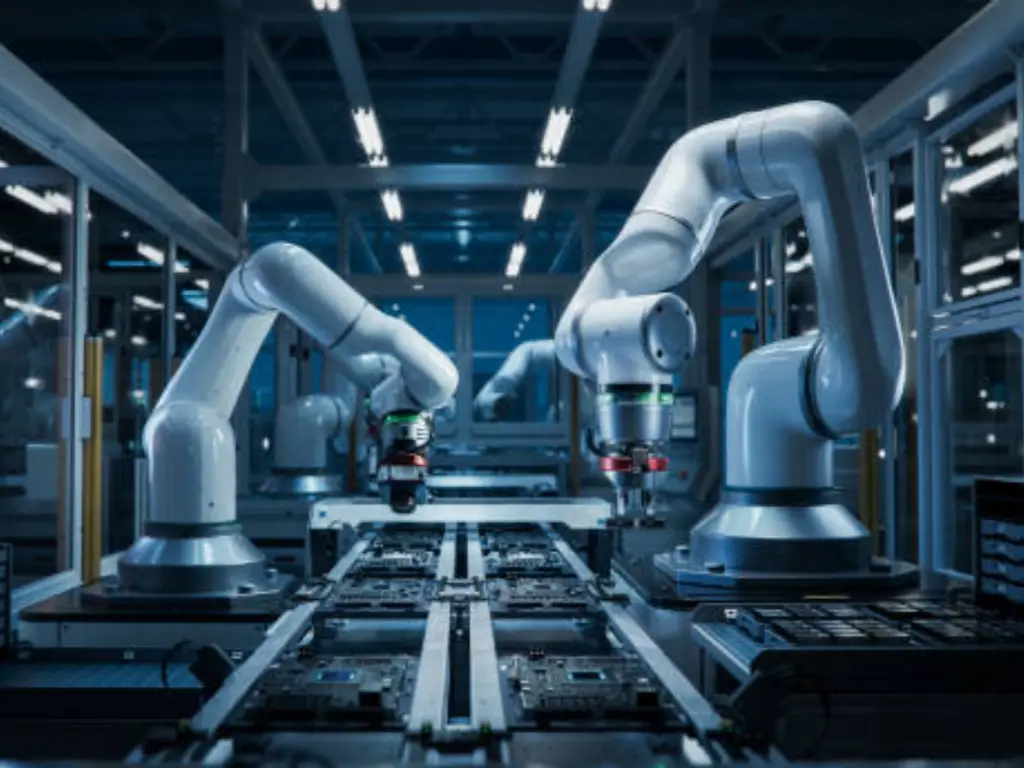
The very name Dark Factory evokes the image of a sci-fi movie: a series of robotic systems and arms working with accuracy under the control of infrared rays in a workshop that is completely black. Although this is certainly one of its physical features, its central connotation is much deeper than merely switching off the lights; it is about fully automated production.
Conventional logic of manufacturing is human-centric. The design of the factory, the layout of workstations, and the production processes should all take into account the physiological limits of a person: the level of lighting, the circulation of air, the time of rest, the distance of safety buffers, and the changes in the accuracy of work caused by human error.
In contrast, modern dark factories have achieved a paradigm shift in manufacturing processes and production logic:
- Data-Driven Decision Making: In a dark factory, all equipment is a data node. The workshop directors no longer pass on production instructions but instead issue them directly to the robots via control systems and a central scheduling system (like MES or ERP) according to real-time orders and inventory status.
- Decoupling from the Physical Environment: Factories do not need long-term human labor, so they can do away with lighting systems, minimize HVAC (Heating, Ventilation, and Air Conditioning) energy use, and even work in high temperatures, high-vacuum, or pure oxygen environments.
- Uninterrupted Production Rhythm: Humans need three shifts, but machines are seeking the continuity of 24/7/365. This continuity removes production discontinuities and quality variation due to change of shifts.
The Three Levels of Dark Factories
- Unit-Level Dark: A specific process (such as precision welding or injection molding) achieves unmanned operation.
- Production Line-Level Dark: The entire production line, from material loading to packaging, is fully automated, requiring only a few maintenance personnel.
- Factory-Level Dark: Also known as a “Fully Automated Factory,” where there are almost no human operators in the entire building, and all logistics, production, quality inspection, and warehousing are managed in a closed-loop system.
The Core Pillars: Technologies Powering Lights-Out Production
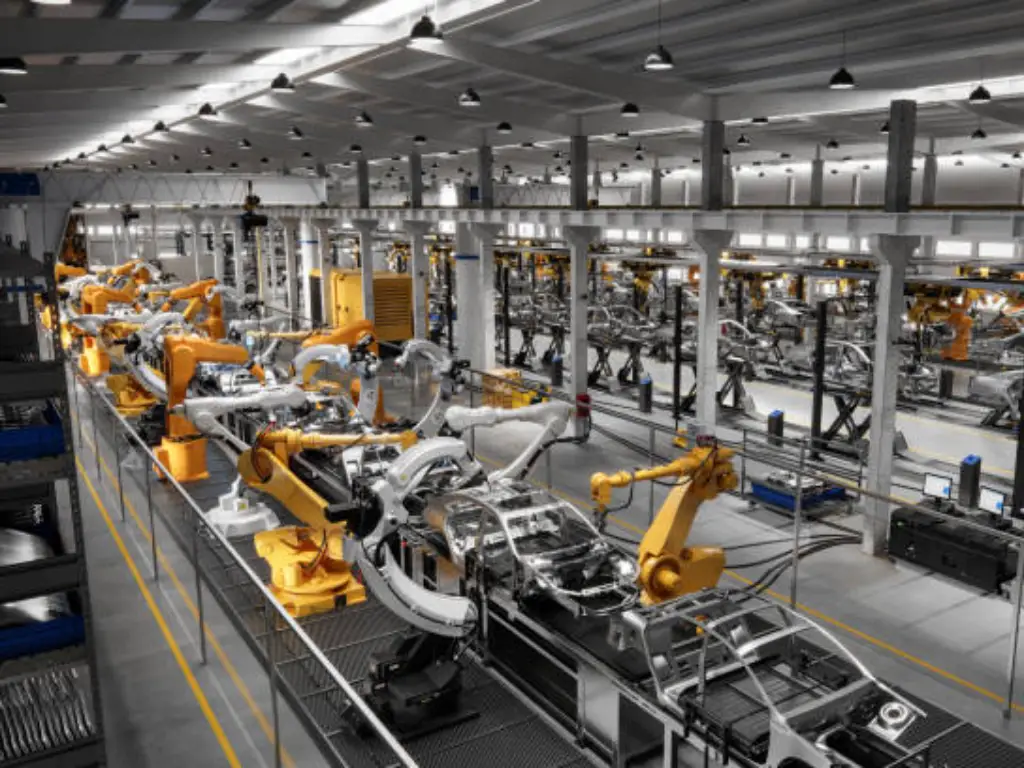
The realization of a dark factory is not the result of a single technology but the deep synergy of multiple cutting-edge technologies within the “Industry 4.0” framework.
5G and Industrial Internet of Things (IIoT): The Nervous System
A dark factory is impossible without high-speed and low-latency communication. 5G technology offers the capacity of millions of connections per square kilometer, which means that thousands of sensors can send sensor data to the cloud with a millisecond latency. This nervous system guarantees high-level synergy among machines (M2M) and autonomous systems.
AI and Deep Learning: The Brain
If sensors are the eyes, then AI is the brain. Machine learning is not only responsible for identifying visual defects through machine vision and vision systems (Automated Optical Inspection, AOI) but, more crucially, plays a role in Predictive Maintenance. By using data analytics to analyze motor vibration frequencies or current fluctuations, AI can issue warnings 48 hours before a part fails, avoiding unplanned downtime and ensuring optimal performance.
Digital Twin: The Mirror World
As the physical factory is running, a completely synchronized digital model is running in the cloud. In the virtual world, engineers are able to simulate the growth of production lines, pressure testing, or process improvements and then align them to the physical equipment with a single click after verification. This simulation-first, production-later model significantly lowers the cost of trial and error.
Autonomous Mobile Robots (AMR): The Blood Circulation
Conveyor belts are fixed, whereas AMRs (Autonomous Mobile Robots) and industrial robots provide the factory with flexibility. They are similar to red blood cells, carrying raw materials and semi-finished products based on the optimal routes designed by algorithms, automatically evading obstacles, and charging themselves, which is the blood circulation of the factory.
Why Global Giants are Shifting to Automation
Why are giants like Tesla, Xiaomi, and Siemens investing hundreds of millions of dollars to build dark factories? The answer is hidden deep within the economic ledgers.
Reconstruction of Return on Investment (ROI)
Although the initial investment (CAPEX) for a dark factory is extremely high, its operating expenses (OPEX) show a staggering decline.
- Elimination of Labor Costs: Against the backdrop of year-on-year rising labor costs, although automation equipment is expensive, its hourly rate amortized over a 10-year life cycle is far lower than that of humans.
- Energy Optimization: According to statistics, eliminating lighting and human comfort air conditioning can save a factory approximately 15%-30% in electricity costs.
Capacity and Precision: Non-Linear Growth
The precision of human operations declines as they get tired, leading to human error, whereas machines and cnc machines are able to perform with fewer errors at the micron level. In the case of industries like electronics manufacturing and semiconductors, the survival of the enterprise directly depends on the consistent product quality and yield improvement that dark factories provide.
A Strategic Choice to Address Labor Shortages
The world is aging rapidly, and the production industry is experiencing a serious challenge in the recruitment process. Dark factories are no longer a mere instrument of saving money but a survival mechanism to make sure that production can actually occur.
Key Indicators Comparison Between Traditional and Dark Factories
| Indicator | Traditional Factory (Manual/Semi-Auto) | Dark Factory (Lights-Out) | Competitive Advantage |
| Working Hours | 8-16 Hours (inc. shifts) | 24 Hours (Continuous) | Productivity increase >50% |
| Energy Consumption | High (Lighting, strong AC) | Low (Equipment only) | Energy saving >20% |
| Defect Rate | 1%-3% (Human factor) | <0.1% (High consistency) | Significant quality cost reduction |
| Flexibility | Slow (Requires training) | Fast (Software-defined) | Extremely high response speed |
| Labor Structure | Large number of workers | Few senior engineers | Significantly higher talent density |
Top Examples of Successful Dark Factories
Dark factories are no longer prototypes in laboratories; the world’s leading “Lighthouse Factories” have already provided the answers.
Tesla Giga Factory
The Gigafactories in Tesla, Nevada and Shanghai are the standards of automation in the world. Hundreds of Kuka robots are synergistic in the body welding workshop. Between stamping of steel plates and the white body is finished, there is hardly a worker in sight. This high level of automation is what makes Tesla able to attain unbelievable gross margins.
Xiaomi Smart Factory
The dark factory in Yizhuang by Xiaomi has reached the target of one million high-end smartphones per year. The whole process is devoid of human intervention, starting with SMT (Surface Mount Technology) and assembly, through testing and packaging. Its self-designed Smart Manufacturing Platform is able to diagnose production line variations automatically and even obtain high-precision optical calibration in a dark environment.
Siemens Amberg Factory
The Siemens Amberg factory, the cradle of Industry 4.0, has reached 99.9999% reliability of products. In this case, machines are not merely producing, but they are talking to one another. Each workpiece is assigned its own identity code, which informs the machines on how it should be handled, and the final result is the so-called mass customization.
Challenges in Implementing Full Automation
Although the blueprint for a dark factory is enticing, the leap from a “traditional workshop” to “full automation” does not happen overnight. Many companies, when attempting to transform, often get stuck on expensive integration costs, system stability, and the redundancy of the spare parts supply chain.
High Initial Investment and Risk
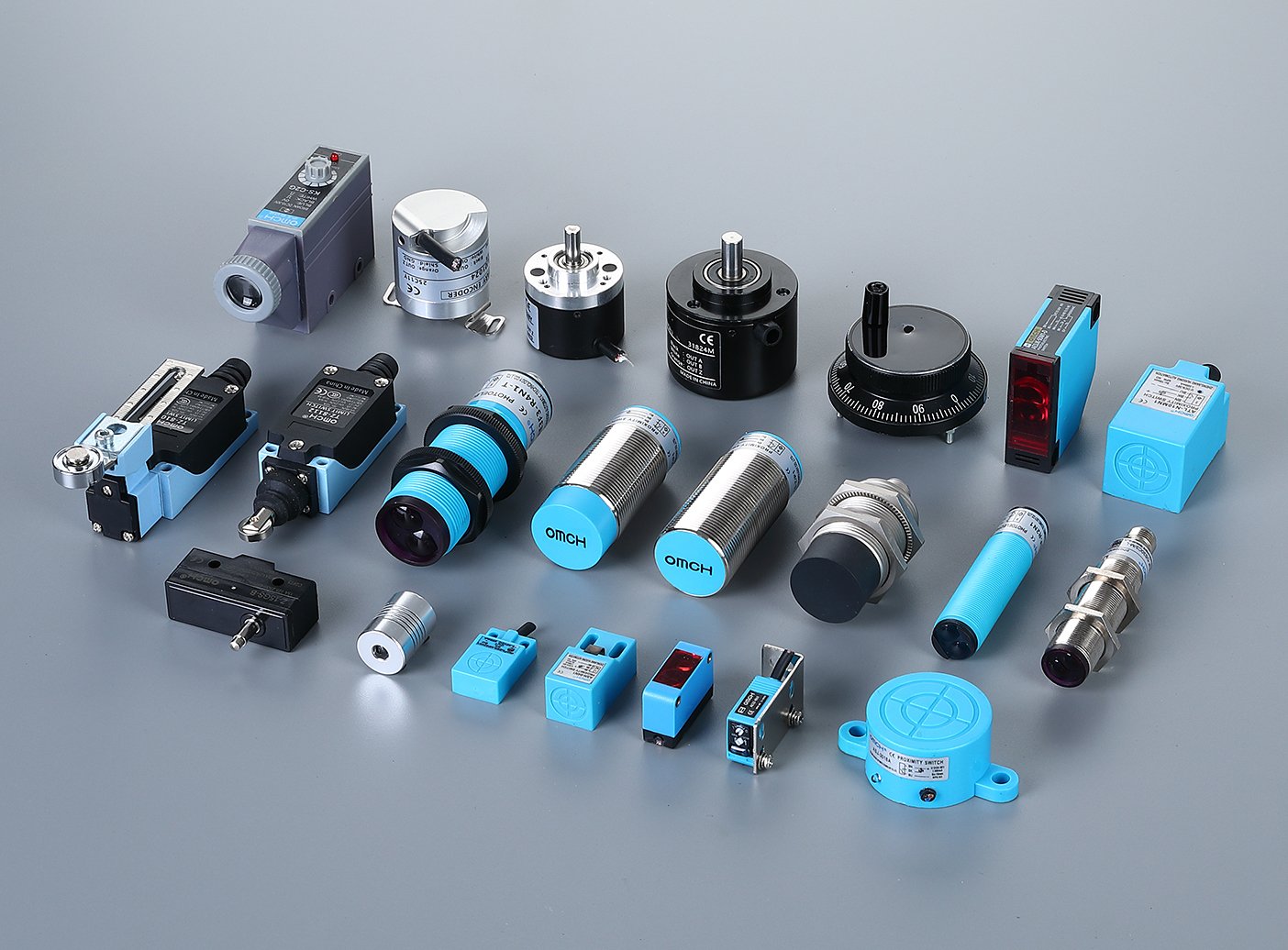
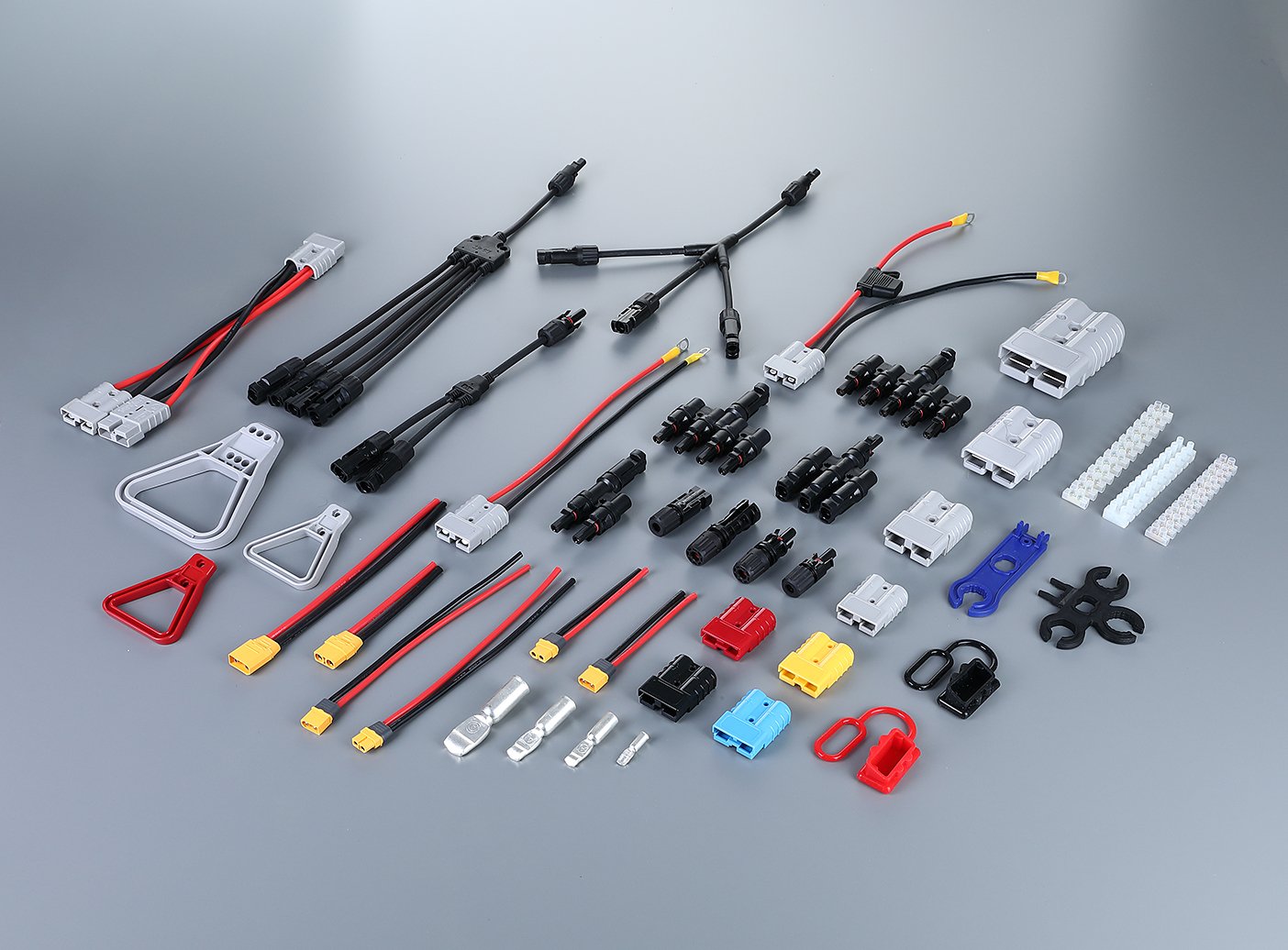
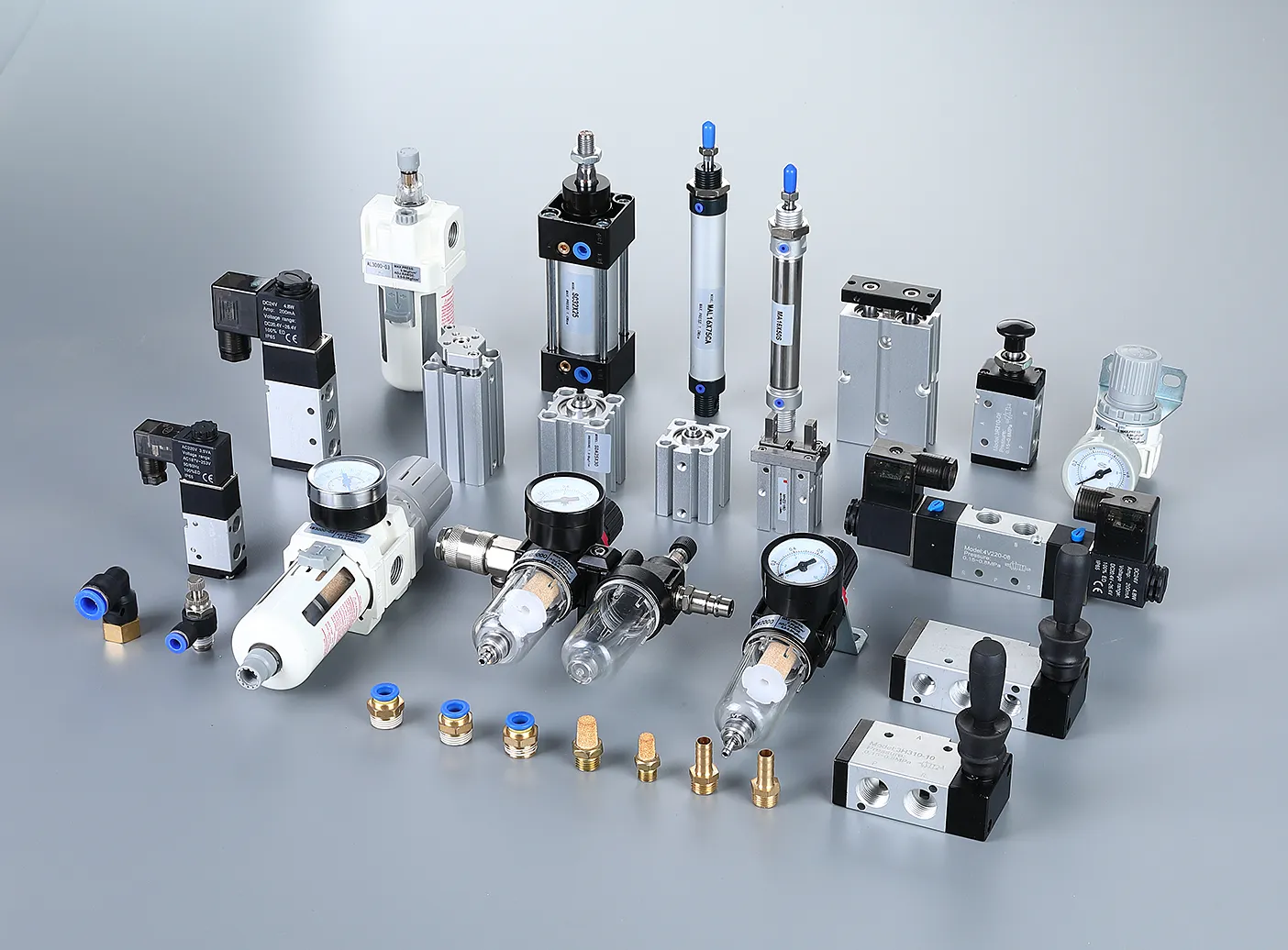
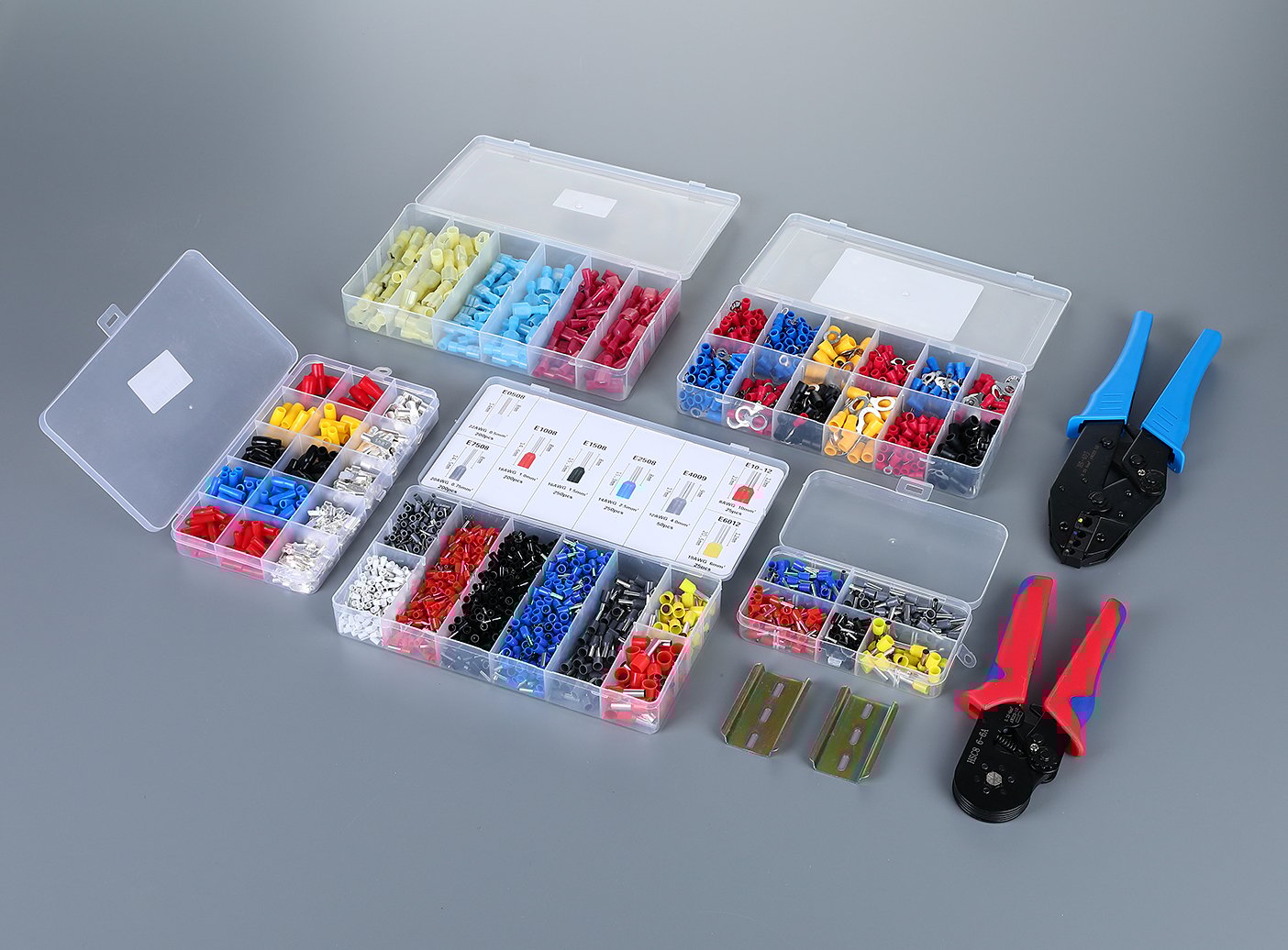
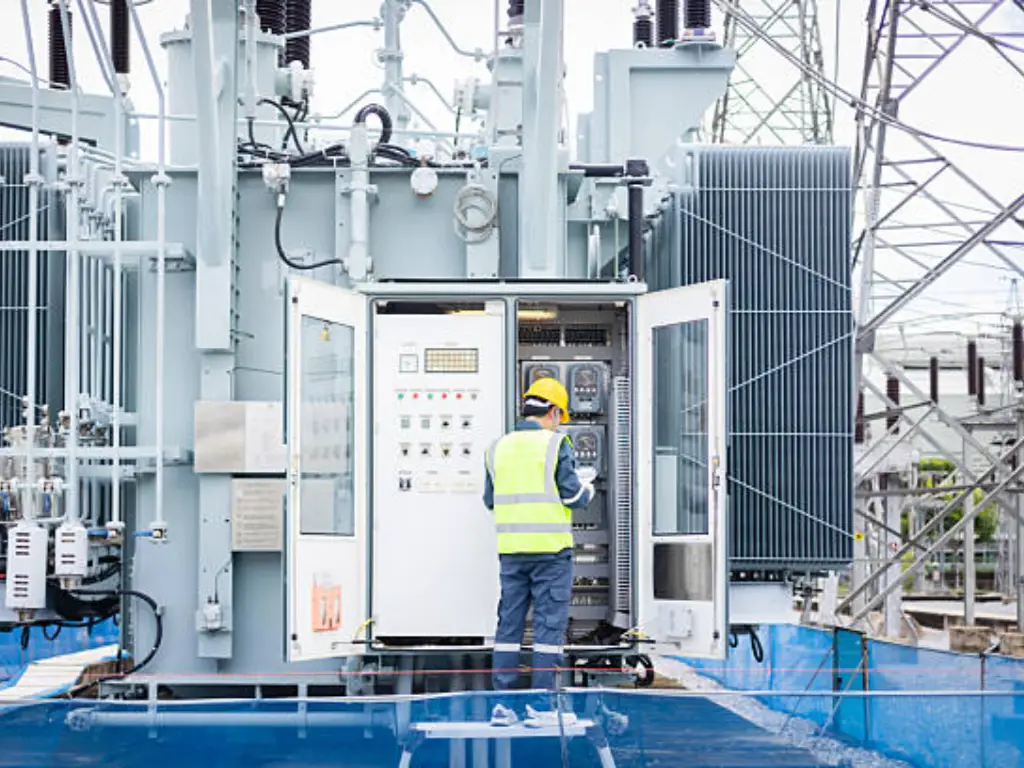
A dark factory is usually three to five times more expensive to construct than a conventional factory. This expense is not just in the form of the high prices of robotic arms but also in the choice and assembly of tens of thousands of high-precision electrical parts at the base level. When one small sensor malfunctions, a complete production line worth tens of millions can be put into a standstill.
Challenges in Supply Chain Flexibility and Part Selection
In a dark environment, “reliability” is everything. The pain points enterprises face usually include:
- Poor Component Compatibility: Power supplies, sensors, and actuators from different suppliers are difficult to synergize.
- Slow Maintenance Response: When core components are damaged, excessively long international procurement cycles lead to heavy losses from downtime.
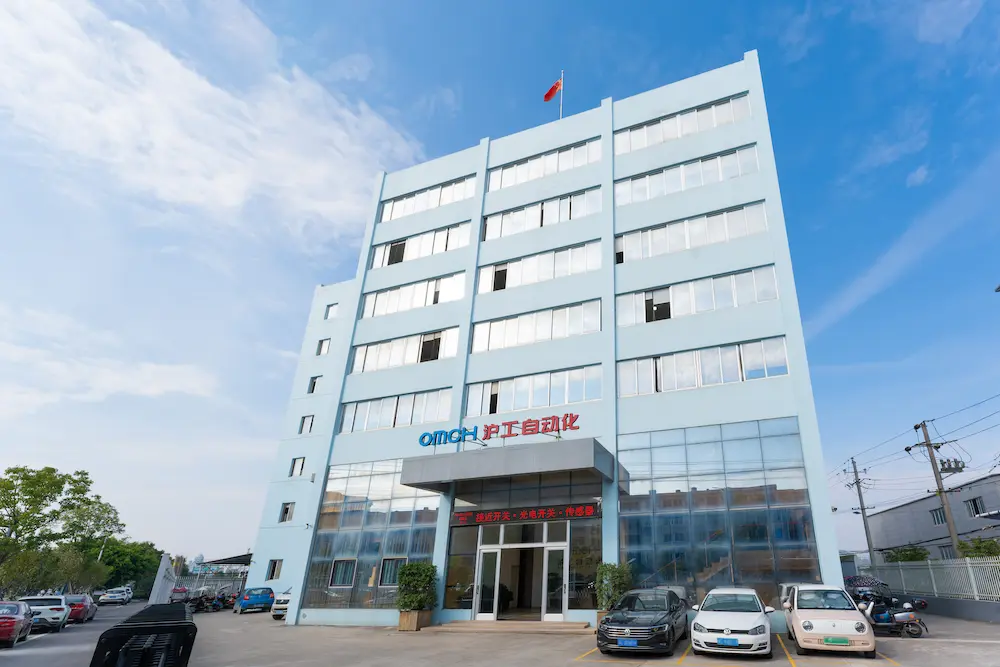
In response to these challenges, OMCH, with nearly 40 years of profound heritage, has become the preferred partner for many “dark factory” builders worldwide.
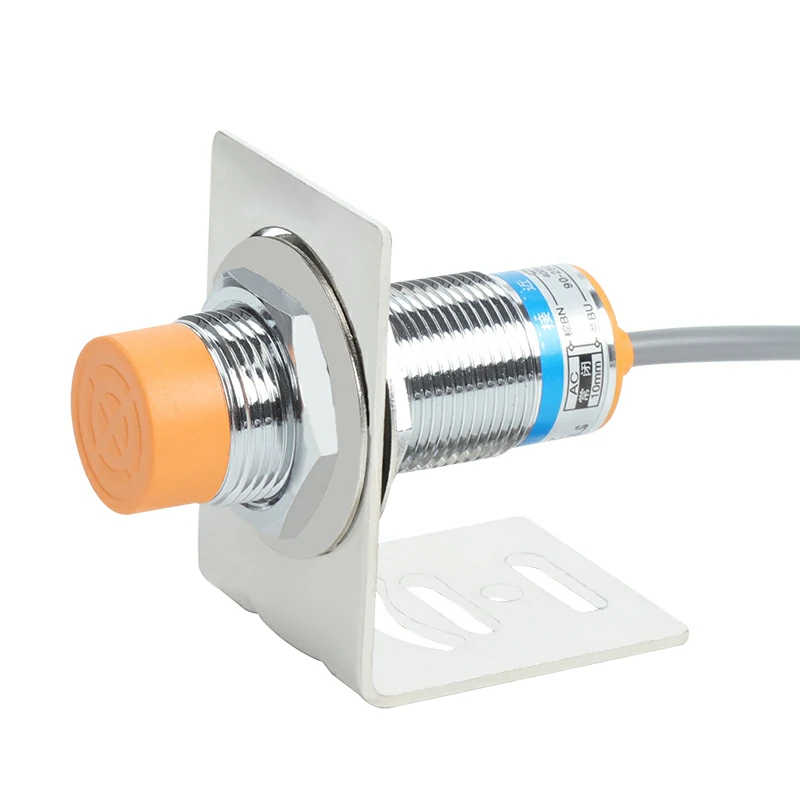
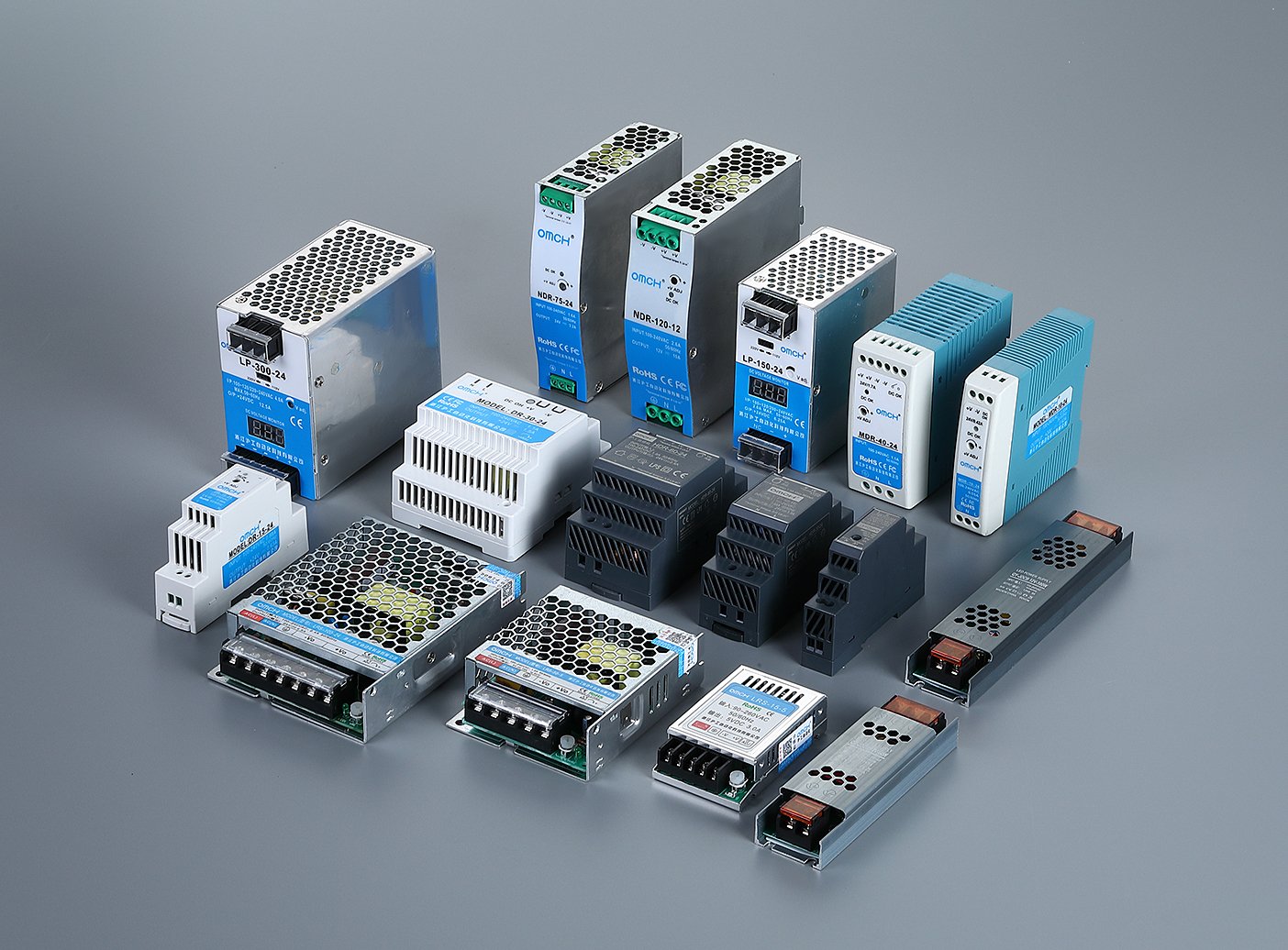
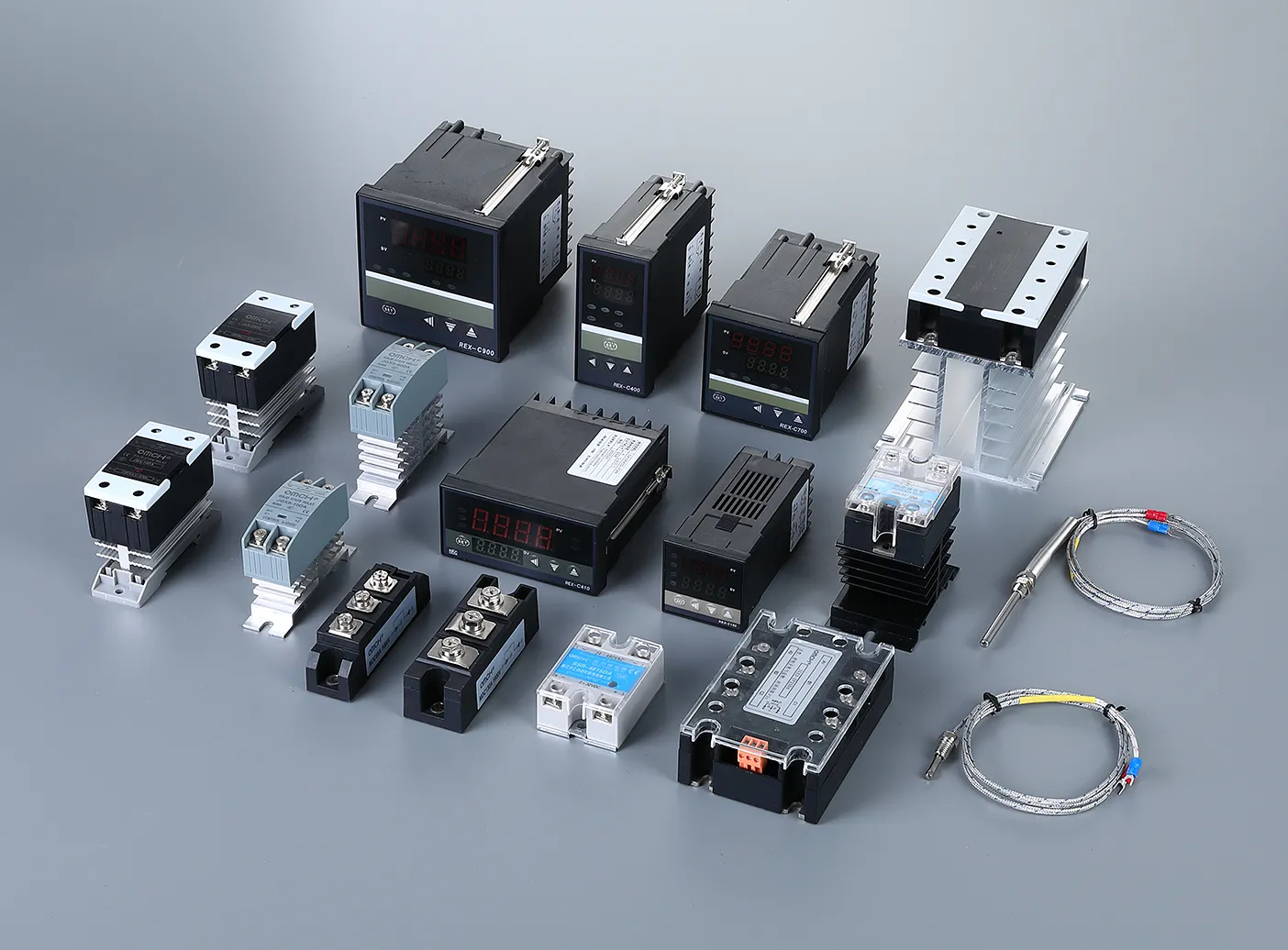
- Full Category Coverage (3000+ SKUs): The dark factory operation is based on the electrical support. OMCH offers an entire product chain of switching power supplies of high quality, proximity switches, and photoelectric sensors to pneumatic actuators and circuit breakers. This one-stop benefit enables integrators to not have to go through dozens of suppliers, significantly simplifying the complexity and compatibility risks of system design.
- Rigorous Quality Standards: In an unattended setting, even the failure of a minor component is a catastrophe. OMCH products have been certified by international standards like CE, RoHS and ISO9001 and are strictly adhered to IEC standards. Since triple-inspection prior to leaving the factory to a one-year warranty, OMCH guarantees that all sensors and relays are highly stable in a 24/7 high-intensity production rhythm.
- Global Service and 24/7 Rapid Response: OMCH serves more than 72,000 customers in the global market, and its sales reach over 100 countries. Its 86 outlets in China and its international distribution system guarantee the speed of delivery of spare parts. In the case of such a situation as dark factories where there is no tolerance of downtime, the 24/7 technical support offered by OMCH is the best support that enterprises can have throughout the transformation.
By providing a full set of cost-effective solutions—from power management to precision sensing and logical control—OMCH is helping more mid-sized manufacturers lower the threshold for “going dark,” ensuring that full automation is no longer the exclusive privilege of giants.
READ MORE about challenges of lights out manufacturing and see what you can do: challenges of lights out manufacturing
Reskilling Workers for a Robot-Led Era
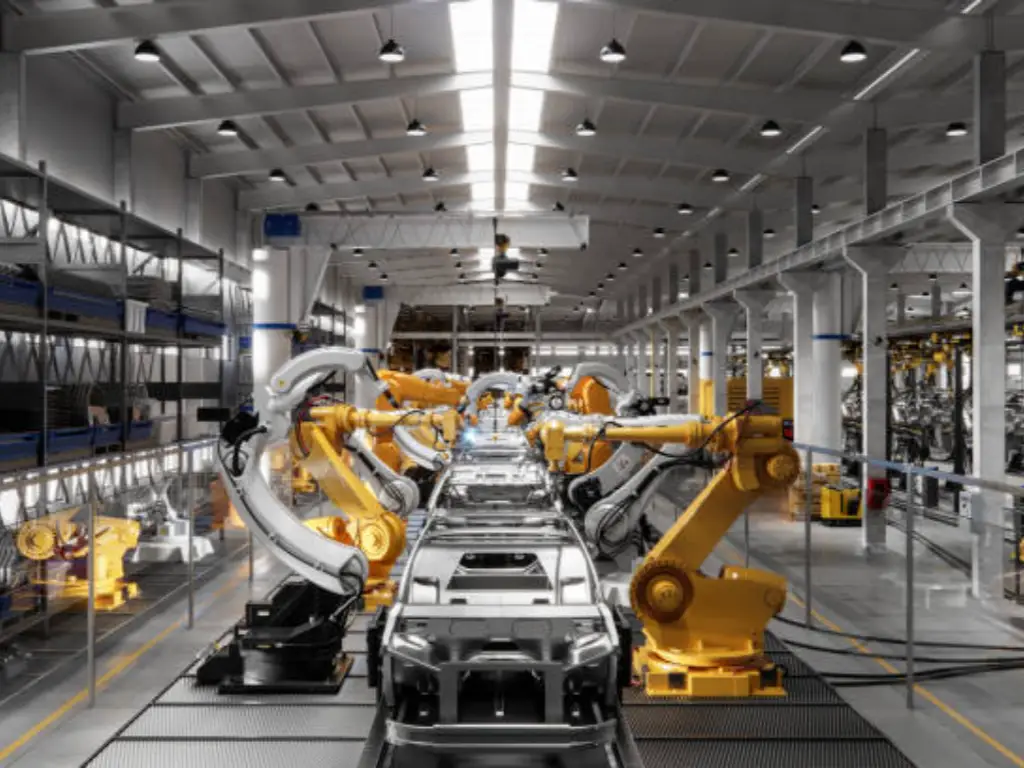
“Will dark factories cause mass unemployment?” This is the ethical issue of most concern to all sectors of society. However, history proves that every technical revolution brings more job shifts than job disappearances.
From “Physical Labor” to “Intellectual Monitoring”
The machines do replace the traditional repetitive physical labor (handling, welding, and assembly) in dark factories. However, simultaneously, the need in the architects of automation systems, engineers of optimization of algorithms, and technicians who maintain robots is growing exponentially.
Redefining Roles
- Data Analysts: They do not have to be at the production line anymore, but they examine production trajectory charts in a central control room to optimize production beats.
- Anomaly Handling Experts: The AI system will raise a warning, and human experts should be involved in making final decisions based on experience. This human-machine cooperation is the mainstream model at present.
Reskilling should be a collective responsibility of the enterprises and the society. By changing the nature of vocational education, it is important to train the frontline workers to be technical talents who can work in precision digital terminals to bring social harmony in the dark factory era.
How Dark Factories Drive Green Manufacturing
A dark factory is not just a leap in productivity; it is also an important practitioner of global ESG (Environmental, Social, and Governance) goals.
Extreme Energy Efficiency
Since dark factories minimize the use of HVAC energy under lights-closed, their carbon footprint per unit of production is much lower than that of conventional factories. This green advantage is directly converted into a cost-competitive advantage in a time of soaring energy prices.
“Zero Waste” Through Precision Control
In conventional production, the main source of waste is human operational error. High-precision sensing and real-time algorithmic correction enable dark factories to optimize the use of materials to the utmost. This quest of zero defects basically minimizes the energy that is lost in the extraction and processing of raw materials.
Maximization of Space Utilization
The floor area ratio of a dark factory is very high because there is no necessity to book human aisles, lounges, canteens, and other auxiliary facilities. Its capacity is typically many times greater than that of a conventional factory, which conserves land resources significantly within the same footprint.
What Comes After the Dark Factory?
The dark factory is not the end; it is merely a milestone in the comprehensive digitalization of manufacturing.
The future vision is the “Borderless Factory.” When dark factories around the world are interconnected via the cloud, forming a massive, adaptive manufacturing network, production will flow like water and electricity on demand.
- Demand-Driven Production: When market demand changes, dark factories globally can allocate capacity in real-time based on raw material inventory and logistics costs.
- Self-Healing Manufacturing: If a factory stops production due to sudden reasons (such as natural disasters), its digital twin model can be quickly migrated to another factory, achieving seamless continuity of production.
Conclusion
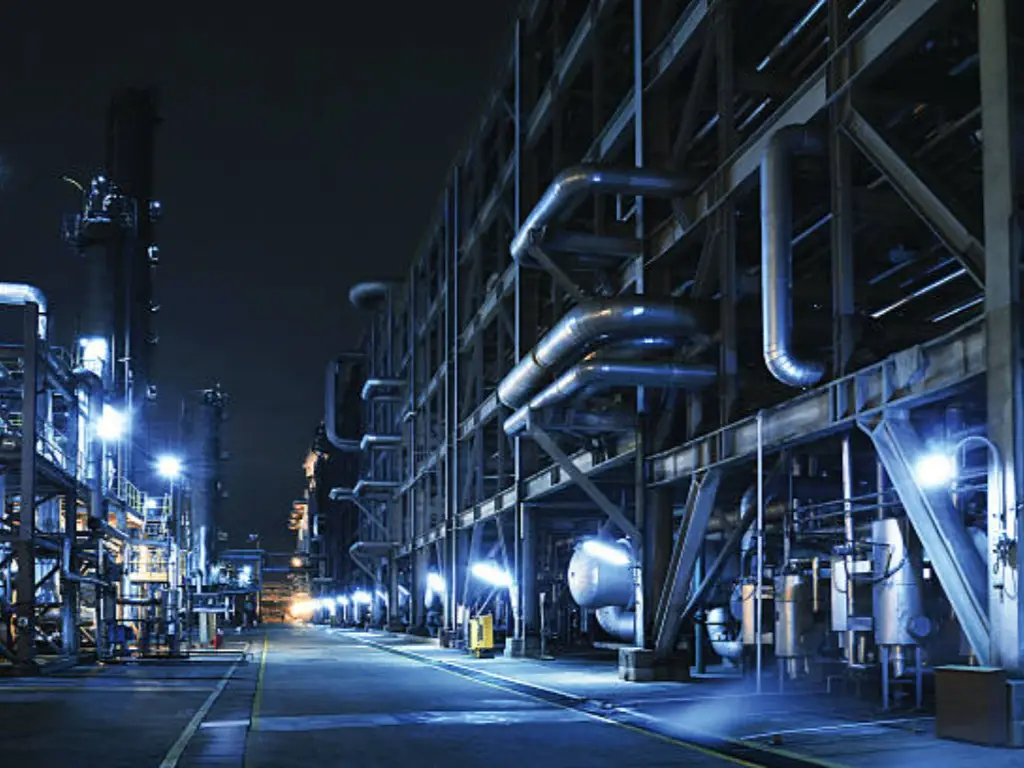
Despite the fact that dark factories put out the physical lights, they light a new fire to industrial civilization. They symbolize the emancipation of mankind out of hard work to indulge in creative work of higher dimensions.
In the case of enterprises, whether you are at the initial phase of transformation or not, it is no longer a choice but a necessity to learn and adopt this trend. In this, you will want to select a partner who has deep technical accretion so that you can walk more squarely and farther along the path towards complete automation.

 English
  Arabic
  Turkish
  Russian
  Spanish
  French
  Indonesian
  Portuguese