



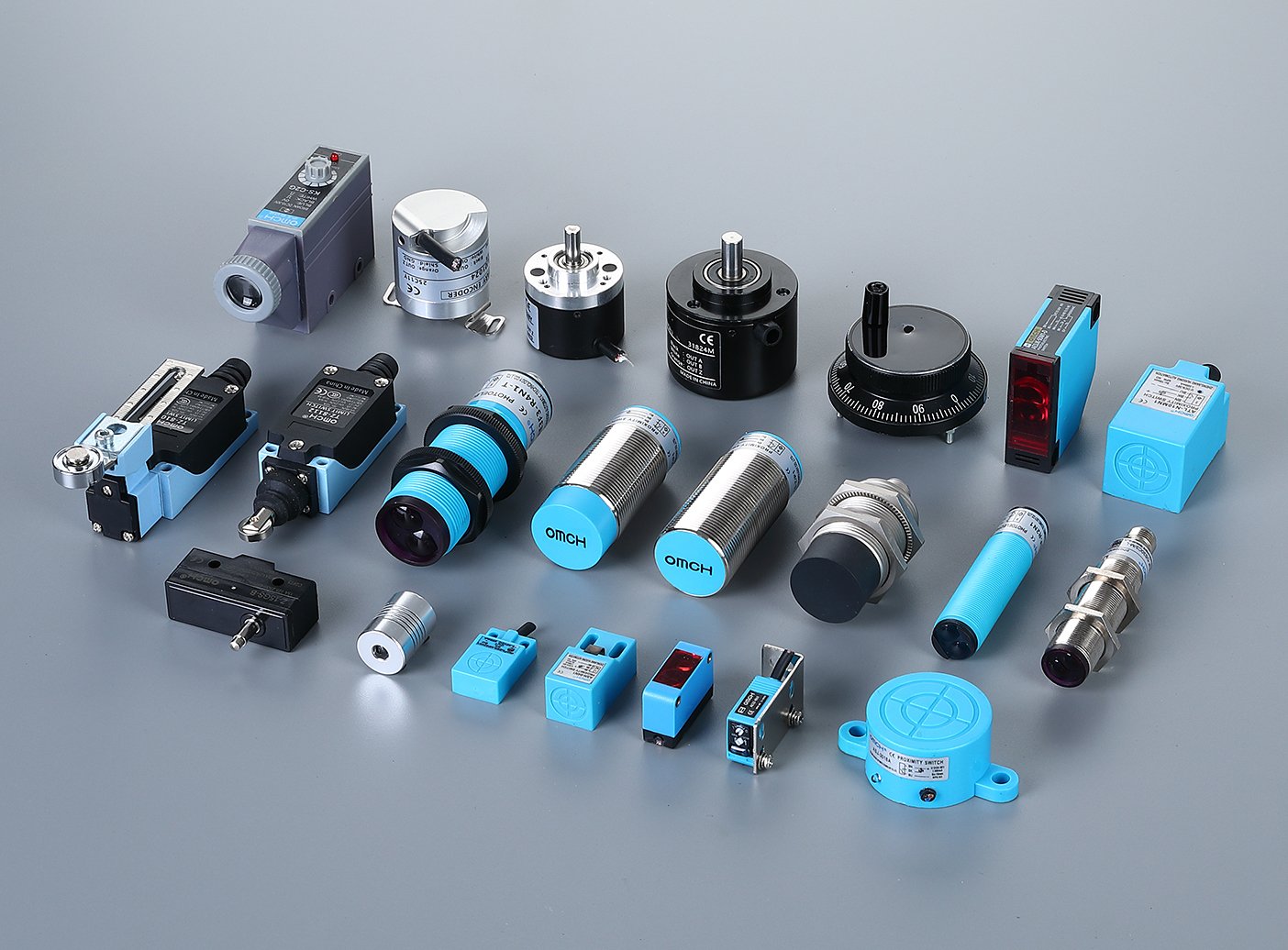

Object detection is one of the fundamental needs of the landscape of industrial automation. The sensors are the ones that record small components on a conveyor to making sure that a robotic arm has a component in the correct position – without these sensors, none of the modern accompaniments on a manufacturing facility would work. Of the your most adaptable and widely used of this type are the photoelectric sensors and, in particular, the diffuse reflective type. It is so successful because of the effectiveness of the marketing strategy of simplicity, low prices, and small size.
The choice of the sensor however is one of the most important decisions that requires precision. What appear to be minor errors in perception of the range of sensors, or a poor understanding of the attribute of the color of a target on the performance, can result in inefficiency and production stoppage. This paper shall be designed to give a clear objective overview of diffuse sensor technology. We will cut through its working principles, compare it to other photoelectric processes, explain its subtypes and give a logical guide to choice. This aim is to develop the technical skills of engineers, technicians, and procurement managers, in order to enable them to make better decisions, based on technical knowledge in enhancing the reliability and efficiency of their automated systems.

Core Principle: How Diffuse Photoelectric Sensors Actually Operate
On the basic level, a diffuse photoelectric sensor works by the principle of reflected light. There is no need to install a separate reflector or use a separate receiver unit as in other sensor systems because the light source and the light-sensitive receiver are in one device. This combination is the foundation of its design simplicity, as well as easy installation.
This is done by the light source, usually a LED or a laser diode, sending out a focused beam of visible light that is usually red or infrared into the sensing field. The sensor then waits until something comes in the way of this beam. As a reflector, the surface of a target is taken in the beam path is taken. The light splits into several directions on reaching the object. A proportionally small amount of this scattered light is angled back to the sensor and, before being captured by the receiver.
The receiver is exactly centered and tilted to pick up this reflected incoming light. After a sufficient amount of light is received, its internal circuitry sets that signal and changes its output state. The signal is relayed to a programmable logic controller (PLC), a counter, or another control device, which does a pre-programmed job. The main parameter, which depends on the characteristics of the target object, its color, surface finish, and distance to the sensor, is the amount of light necessary to activate the output. A white, nonreflecting material will reflect a great deal of light and therefore be distinguished at a more distance than a black, shiny object. The connection between attributes of the objects and the reliability of detection is the main factor in all applications using diffuse sensors.
Diffuse vs. Retro-Reflective vs. Through-Beam: Key Sensing Differences
Selection of the proper kind photoelectric sensor is of utmost importance to an application. The choice is mainly dependent on the sacrifices in distance receptivity, qualities of objects, installation difficulty and affordability. Retroreflective sensors yield an intermediate between diffuse sensors and those that can be applied where a pair of units and a reflector can be utilized. Diffuse sensors are the easiest to install; only one device is needed plus no reflector. The major drawback is its less range of sensing and the sensitivity to the surface character of the target. The table below gives a direct contrast of these major features.
| Feature | Through-Beam Sensor | Retro-Reflective Sensor | Diffuse Sensor |
|---|---|---|---|
| Sensing Principle | Object breaks a beam between a separate emitter and receiver. | An object breaks a beam that bounced off a prismatic reflector. | Sensor detects light reflected directly off the object. |
| Sensing Range | Longest (up to 60m+) | Medium (up to 15m) | Shortest (up to 2m) |
| Installation | Most complex; requires alignment of two separate units. | Medium; requires alignment with a reflector. | Easiest; single unit, no reflector or alignment needed. |
| Reliability | Highest; unaffected by target color, texture, or finish. | High; reliable but can be fooled by highly reflective objects. | Moderate; performance depends on target color, finish, and angle. |
| Cost | Highest (two components) | Moderate | Lowest (single component) |
| Best For | Opaque objects, harsh environments, long-distance detection. | Clear objects (with special models), defined sensing paths. | Presence/absence detection at short range, simple installations. |
From Energetic to Background Suppression: Choosing the Right Type

It is not the case that diffuse sensors are created equal There are some technological variations within the category that are aimed at solving the limits of the basic model. There are standard, most common, versions which are sometimes referred to as an energetic diffuse sensor. It just works on the amount of light it gets. As long as there is sufficient light energy carried back to the receiver, the output gets toggled. Although effective at basic presence/absence tasks involving constant targets, this approach is poor at dealing with objects of different color/reflectivity. A dark object might not give off enough light to be detected and a shiny background may give so much as to cause a false trigger.
Towards these challenges, newer technologies have been formulated. Background Suppression (BGS) is the most important of these. A BGS sensor does not measure the extent of light returned but the angle that it returns. It employs two detecting devices and triangulation so as to accurately calculate distance of the object emitting the light. The sensor will also be placed at a predetermined distance and it will only respond to objects at that distance. Objects brighter and reflective than this cut off will be disregarded. This ensures that BGS sensors are particularly reliable to use when the target object is foreground to a variable or reflective background. They are almost resistant to color changes of the target and the best fit in targets of different colors in the same production line.
The other close variant is the Foreground Suppression sensor Its functioning is based on an analogous principle of triangulation, set up to disregard objects closer to a predetermined distance, sensing anything that lies farther than this. This is applicable where the sensors could be looking through a grate or a mesh or where obstructions close to the sensor should be ignored. These differences are important to understand in order to deploy a good, robust and reliable sensing solution.
Critical Selection Criteria for Your Industrial Automation Application
Sensor selection must be characterized by a systematic process in order to perform optimally and avoid costly specification errors. Although decisive factors between energetic and background suppression, various operational parameters have to be considerably estimated against the requirements of the application. A careful conclusion of the following criteria will lead into the most suitable and trustworthy diffuse sensor model.
Sensing Distance
The most basic requirement is sensing distances You have to find out at which distance, including variance that may be involved, the object must be seen. Always choose a sensor with a maximum published range which adequately exceeds the distance at which you need it. Published ranges are often based on an ideal target (e.g., 90 percent reflective white card). On darker or less reflecting targets this effective range shall be less.
Target Object’s Properties
This encompasses target size, color and reflectivity of its surface. Is the target small? In which case, a model that concentrates its light into a narrow, sharp point, like a laser sensor, will be required. Is the hue variable? Should the line be dealing with white to black objects, chances are the background suppression sensor is the ideal sensor to provide a consistent read result. Is the surface shiny or mirror like? This has the ability to overload a regular receiver; special models may be necessitated.
Environmental Considerations
Check ambient temperature, readings of relative humidity (RH), and any condensation. Such environmental variables may interfere with sensor performance, particularly to hostile environments, such as wet, dusty, or chemical-laden environments. Examples of such models include a blue light model where the environment is characterized by high humidity (RH), or incandescent light that happens to be the light to which these sensors are better suited, and so on. Look at the sensor IP (Ingress Protection) level to make sure it is suitably sealed in the conditions.
Accessories and Control
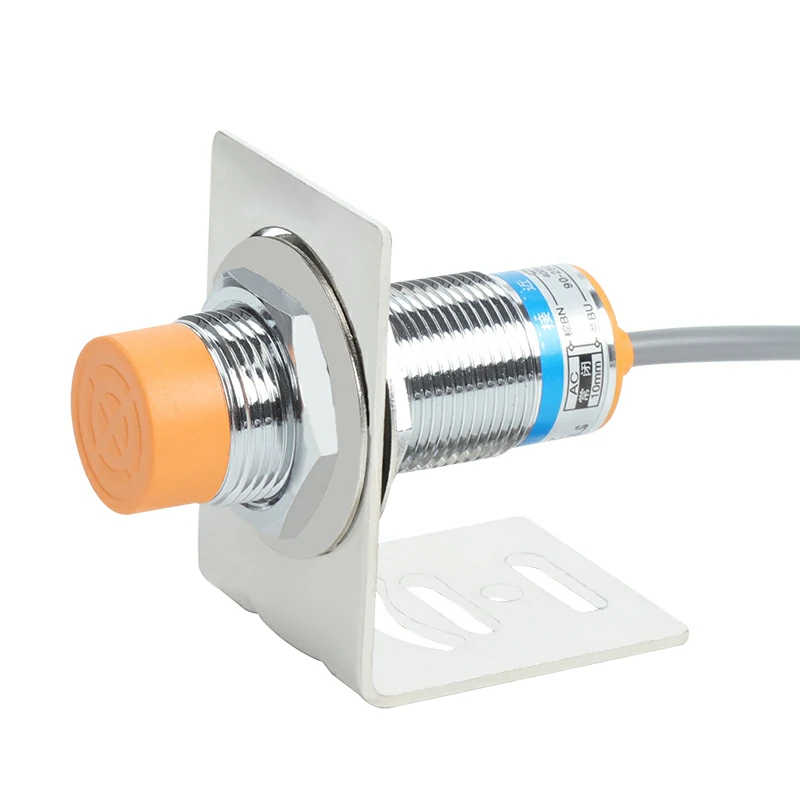
Most sensors have auxiliary devices such as mounting brackets, or external potentiometers to adjust sensitivity. A potentiometer can be used to provide greater control over the range and sensitivity of the sensor in an application having specific sensing needs. Further, sensors can also have PNP or NPN outputs and you will have these outputs to be compatible with your controls system as well.
Response Speed
When high-speed applications are involved, as in counting small parts coming on a fast-moving conveyor, the switching frequency of the sensor is a key consideration. You need to be sure that the sensor will turn its signal on/off quickly enough to discern each object reliably.
Sourcing the Right Sensor: Why Your Parts Distributor Matters
The process of transferring theoretical knowledge into a practical one is fraught with complexity in the market of manufacturers, models and specifications. It can be quite challenging to select and procure the right diffuse sensor, the process of selecting and procuring may be as important as the technical evaluation itself. An erroneous or late delivery of the components can stall a production line, whereas an inadequate selection can cause persistently bad maintenance. Here the importance of strategic distribution partner can be seen. Experienced and trusted distributor will be more than a supplier: a knowledgeable and trusted distributor is an extension of your engineering and purchase departments.

The OMCH Advantage: Your Partner in Automation Success
Choosing the right partner brings a competitive advantage, not just a component. At OMCH, we deliver this advantage through:
- Over 30 Years of Industry Experience: Since 1986, our accumulated expertise ensures you receive the most reliable and proven solution recommendations.
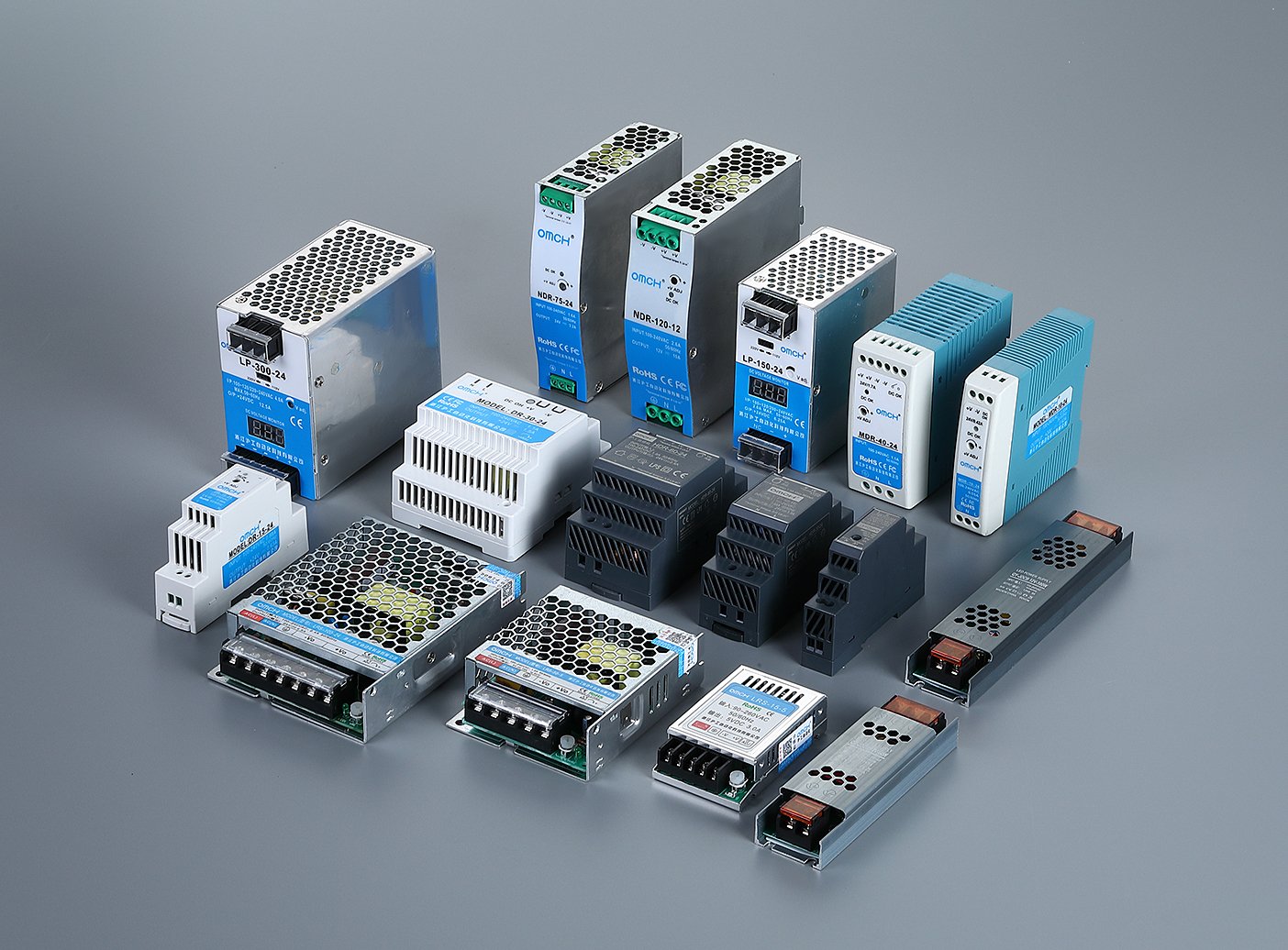
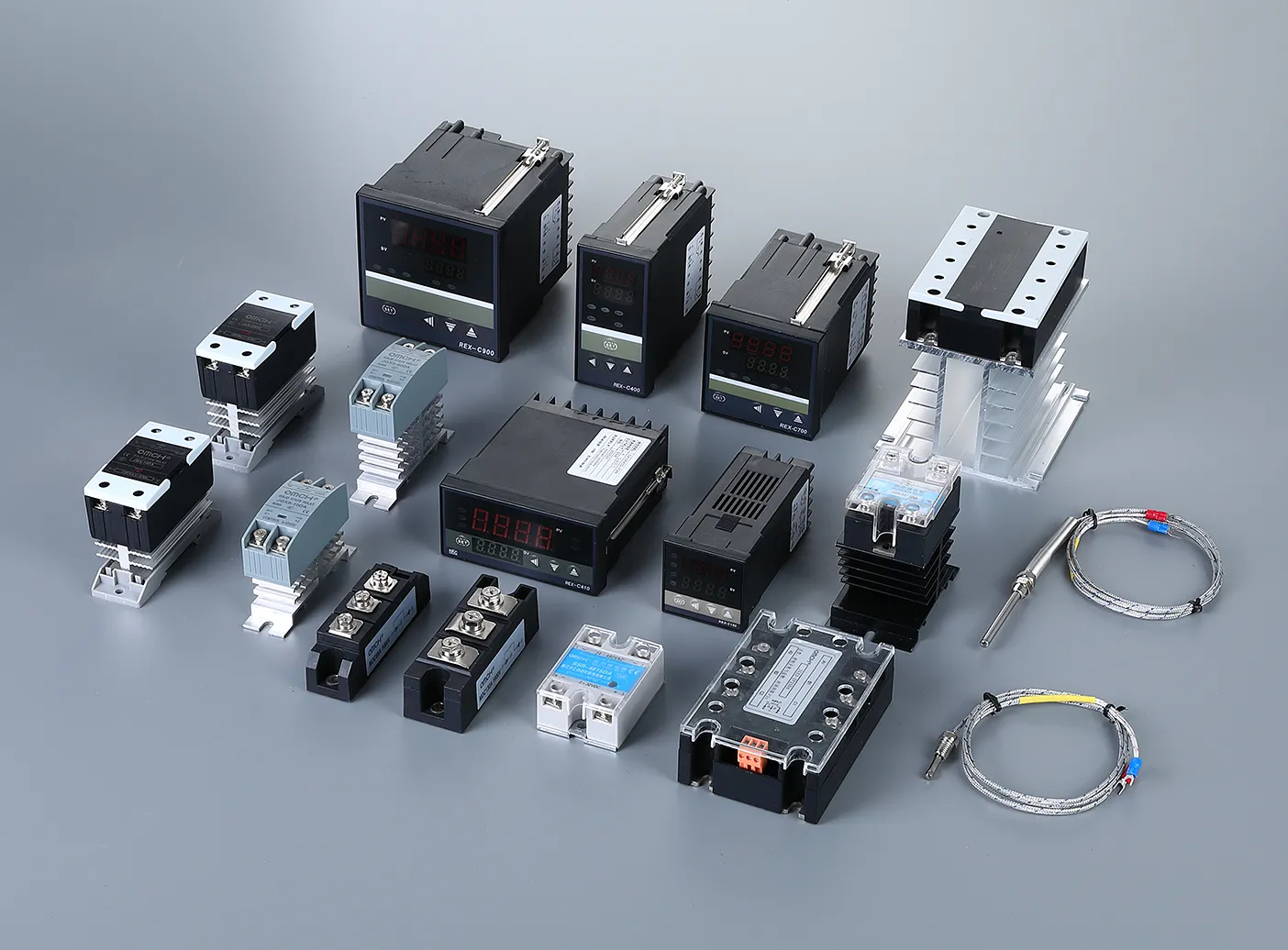
- One-Stop Procurement Platform: We offer a comprehensive portfolio, from sensors to power supplies and pneumatic components, simplifying your purchasing process and ensuring component compatibility.
- Customized Solutions: When a standard product doesn’t meet your unique needs, our OEM and customization capabilities allow us to tailor the perfect solution for you.
- Commitment to Quality with International Certification: All products conform to global standards like ISO 9001 and CE. We are not just a supplier; we are your trusted solutions expert.
Real-World Applications Across Various Key Manufacturing Industries
Their high adaptability to other applications leads to the use of diffuse sensors in just about any field. With their simple, compact design, they can be easily installed into new and pre-existing machinery; and due to their high level of reliability detection of any object can be achieved within a wide variety of circumstances.
Diffuse sensors are critical to process automation in the Packaging Industry. They are usually applied in the conveyor lines where they sense the presence of cartons, bottles, or boxes, initiating such actions as the filling, capping, or labeling. To take an example, a background suppression sensor installed above a conveyor could consistently recognize the presence of packages of different colors and sizes, yet remain completely oblivious of a conveyor belt, where labeling machine would remain switched off unless a product is properly in place.
Such sensors are very important in material handling and logistics when they are used in sorting and tracking. Automated warehouse systems can also use diffuse sensors along conveyor intersections to ensure that one has cleared the junction before the next is permitted to flow through it, avoiding accidents and ensuring that there is free momentum of the goods. They are well suited to counted items on high speed sorting lines because of their quick response time.
Focused diffuse sensors are one of the industries that the Electronics Assembly encompasses. A sensor with a small laser focus may be employed to scan the presence of minute surface-mounted devices (SMDs) on a printed circuit board (PCB) passing through the assembly line. This is a mere presence check that can avoid a flawed board going ahead to the more costly steps in the manufacturing process.
In Woodworking and Furniture Manufacturing, diffuse sensors perform the role of detecting large, usually variably-coloured, material. A sensor may be placed to sense the leading edge of a wooden panel to indicate to a machine to start cutting or drilling. Another great attribute about its usage is that it does not need a reflector to operate in dusty and sometimes cluttered areas so common in such facilities.

Solving Common Challenges and Troubleshooting Your Sensor Setup
Even with careful selection, real-world conditions can sometimes present challenges that affect sensor performance. A logical approach to troubleshooting can quickly identify and resolve most common issues, minimizing downtime and ensuring consistent operation.
1. Sensor Not Detecting Objects
This may be as a result of a number of factors, among them the light source wavelength used being inappropriate, an ambient temperature that is outside the operating range of the sensor or the lens lens of the sensor having been contaminated by dust or moisture. When condensation occurs on the sensor, cleaning the lens to remove such condensation could help to eliminate the problem. It is necessary to make sure that the sensor used has a sensing distance capable of detecting the size of an object and its reflectivity. Make sure that too many light sources are not being absorbed into the surface of the target, and this may interfere with detection.
2. False Triggering
With false triggering, the sensor is responding to reflected noise on the neighboring surfaces. This is mostly likely when there is a high humidity or where there are reflective material in the surrounding that may affect the returning of the light to the sensor. A background suppression model or sensitivity potentiometer setting of the sensor may help to reject false signals.
3. Incorrect Output Signal (PNP/NPN Issue)
In the case where the sensor is not giving out the right output ( eg an NPN signal where it is needed to be PNP signal ), look onto the wiring scheme. Make sure that the kind of output provided by the sensor is compatible with the input requirements of the control system. This discrepancy can happen when the sensor was configured incorrectly (e.g.NSwitches use the available built-in configurations PNP and NPN) during the installation.
4. Excessive Distance or Range Issues
Applications working with small parts, where there is a risk of missing small objects using sensors with a shorter detection range than the object, will face the problem of missing objects detected at a longer distance. In case a sensor does not see objects at the given distance, check whether the reflection light is powerful enough and that the object is shiny enough. Highly glossy and dark objects are sometimes more finicky to tune or sometimes need an entirely different sensor.
5. Environmental Impact: Humidity and Temperature
High relative humidity (RH) and severe ambient temperature may critically impact the sensor performance even in non-sealed or low-rated sensors. If the sensor you are using is working in such conditions then you may want to use a retroreflective type sensor or an IP higher graded sensor type as this will have greater withstanding to such conditions. In such cases, sensors that provide a greater level of environmental protection or blue light designs being weaker in moist conditions are indicated.
By identifying the root causes of sensor malfunctions and addressing them promptly, you can ensure smooth operation and maintain the reliability of your automation systems.




 English
  Arabic
  Turkish
  Russian
  Spanish
  French
  Indonesian
  Portuguese