


Elektrik veya otomasyon ekipmanları dağıtımı yapıyorsanız, müşterileriniz size dalgalanma gerilimi hakkında soru sormazlar. Şöyle sorarlar: “Bu PLC dolabı için bir güç kaynağı temin edebilir misiniz?” Ya da: “Altı ayda yanmayacak, güvenilir bir şeye ihtiyacım var ve PULS fiyatlarını ödemek istemiyorum.”
Sizin işiniz güç kaynağını tasarlamak değil. Neyi stoklamanız gerektiğini, hangi markanın hangi müşteriye uygun olduğunu ve zarar görmeden nereden tedarik edeceğinizi bilmektir. Bu makale, elektrik mühendisliği değil, tedarik zekası olarak adlandırılan bu beceri seti üzerine yazılmıştır.
Endüstriyel Güç Kaynakları Türleri — Bir Alıcının Bilmesi Gerekenler
Devre topolojilerini ezberlemenize gerek yoktur. Ancak bir müşteri ne tür bir sistem kurduğunu anlattığında, hangi form faktörünü seçmeniz gerektiğini bilmeniz gerekir. Tedarik aşamasında önem taşıyan beş tür şunlardır:
| Form Faktörü | Tipik Güç Aralığı | Başlıca Uygulamalar | Satın Alma Notu |
|---|---|---|---|
| DIN Rayı Güç Kaynağı | 10 W – 960 W | PLC kontrol dolapları, sensör/aktüatör beslemesi, endüstriyel ağlar | Otomasyon alanında en yaygın olarak kullanılır. Genişlik önemlidir: tek fazlı üniteler 32 mm’den başlar, üç fazlı üniteler ise 54–72 mm arasındadır. Dolabın derinlik boşluğunu kontrol edin. |
| Kapalı / Rafa Monte | 100 W – 3.500 W | Makine üreticileri, test ekipmanları, telekom rafları | Toz ve neme karşı koruma sağlamak üzere tamamen kapalı yapıdadır. Sunucu ve telekom sektörlerinde standart olarak raf montajlı üniteler (1U/2U) kullanılır. |
| Açık Çerçeve | 15 W – 1.500 W | Daha büyük ekipmanların içine yerleştirilmiş, OEM entegrasyonu | Maliyet açısından verimli ancak açıkta kalan PCB — çevresel koruma ve soğutma amacıyla ekipman kasasına ihtiyaç duyar. |
| LED Sürücü | 10 W – 960 W | LED aydınlatma sistemleri, dış mekan tabelaları, bahçecilik aydınlatması | Geniş giriş aralığı (90–305 V AC), dünyadaki çoğu elektrik şebekesini kapsar. Sabit akım mı, yoksa sabit gerilim mi olduğunu kontrol edin. |
| UPS | VA derecelendirmesine göre değişiklik gösterir | Kritik sistemler, veri yedekleme, tıbbi ekipman | Üç tür: çevrimdışı (ekonomik), hat etkileşimli (düzenleme) ve çevrimiçi çift dönüşümlü (sıfır geçiş). |
Satın alma sürecinde erkenden kavranması gereken bir gerçek şudur: Endüstriyel müşterilerinizin çoğu DIN rayı veya kapalı tip üniteler talep edecektir. LED sürücüleri ve UPS sistemleri genellikle daha özel alıcılara hitap eder ve bunların genel amaçlı anahtarlamalı güç kaynaklarıyla aynı sevkiyatta bir araya getirilmesi, stok yönetiminde karmaşıklığa yol açabilir. Müşteri tabanınızın kataloglarda bulunan ürünlere kıyasla gerçekte hangi türleri satın aldığını bilmek, verimliliği artırmanın ilk adımıdır.
Satın Alma Sürecinde Önem Taşıyan Temel Teknik Özellikler ve Sertifikalar
Tedarikçilerin tekliflerini karşılaştırırken, teknik özellik tablosu adeta bir harf çorbası gibi görünür. İşte satın alma kararınız için gerçekten önemli olan şeyler — ve olmayanlar.
Teknik Özellikler: Kararları Etkileyen Dört Unsur
Çıkış gerilimi ve akımı Bu, tartışmaya yer bırakmayan bir başlangıç noktasıdır. Endüstriyel kontrol sistemlerinin büyük çoğunluğu 24 V DC ile çalışır. Müşteriniz “Bir PLC için güç kaynağına ihtiyacım var” derse, neredeyse kesin olarak 24 V’yi kastetmektedir. Diğer yaygın gerilim değerleri ise 12 V (daha küçük sensörler, bazı LED uygulamaları) ve 48 V’dir (telekom, PoE altyapısı). Gerilimi tam olarak eşleştirin; ani akım piklerini karşılayabilmek ve gelecekteki genişleme için yer bırakmak amacıyla akımı –30% oranında fazla boyutlandırın.
Verimlilik Bu sadece bir enerji ölçütü değil, aynı zamanda bir ısı ölçütüdür. 85% verimlilikte çalışan bir güç kaynağı, giriş gücünün 15%’sini ısı olarak kabine verir. 93% verimlilikte bu değer 7%’ye düşer. Aktif soğutma sistemi bulunmayan sızdırmaz muhafazalarda, bu fark ünitenin yaz aylarını atlatıp atlatamayacağını belirler. Modern endüstriyel anahtarlamalı güç kaynaklarının verimliliği 85% ile 95% arasında değişir; 85%'nin altındaki tüm ürünler, stoklamaktan kaçınmanız gereken eski nesil teknolojidir.
Çalışma sıcaklığı aralığı Bu ünitenin gerçekte hangi ortamlarda kullanılabileceğini gösterir. Standart endüstriyel sınıf, -25°C ile +70°C aralığını kapsar; ancak güç düşürme eğrisine dikkat edin: 50°C’nin üzerinde, çoğu ünite her derece artışta 2–3% çıkış kapasitesinde bir düşüş gösterir. 25°C'de nominal değeri 240 W olan bir güç kaynağı, 60°C'de yalnızca 180 W güç sağlayabilir — ve müşteriniz Dubai veya Cakarta'da bulunuyorsa, bu fark önemsiz bir ayrıntı değildir. Bu, kaçınılmaz bir garanti talebidir.
Koruma özellikleri Dört maddelik bir kontrol listesi bulunmalıdır: aşırı akım (OCP), aşırı gerilim (OVP), aşırı sıcaklık (OTP) ve kısa devre (SCP). Bir ürün bilgi formunda bu özelliklerden herhangi biri eksikse, üretici kaliteden ödün vermiştir. Bunlar üst düzey özellikler değil; her türlü endüstriyel ortamda temel güvenlik gereklilikleridir.
Sertifikalar: Pazar Erişim Pasaportu
Gerekli sertifikalara sahip olmayan bir güç kaynağı, hedef pazarda yasal olarak satamayacağınız bir üründür. Sertifikaları rozet olarak değil, anahtar olarak düşünün:
- CE işareti Avrupa pazarı için asgari şarttır. AB’nin güvenlik, sağlık ve çevre gerekliliklerine uygunluğu gösterir. Bu belge olmadan, gönderiniz gümrükte durdurulur.
- UL 508 (UL Standartları, güncel baskı) Kuzey Amerika endüstriyel kontrol ekipmanları standardıdır. Müşteriniz ABD veya Kanada’da bulunuyorsa, bu husus tartışmaya açık değildir — elektrik denetçileri UL işaretini arayacaktır.
- RoHS (Tehlikeli Maddelerin Kısıtlanması) yönetmeliğine uyum, AB için zorunludur ve dünya çapında giderek daha fazla beklenmektedir. Bu yönetmelik, kurşun, cıva, kadmiyum ve diğer üç maddeyi kısıtlamaktadır.
- IEC 62368-1 (IEC İnternet Mağazası, (, güncel baskı), ses/görüntü ve bilgi teknolojisi ekipmanları için uluslararası bir güvenlik standardıdır — farklı kategorilerde genel bir güvenlik standardı olarak giderek daha yaygın bir şekilde benimsenmektedir.
Pratik bir uyarı: Bir tedarikçi size sertifikalar gösterirse ancak bu sertifika numaraları, sertifikayı düzenleyen kurumun kamuya açık veritabanında doğrulanamıyorsa, bunu hiç sertifika olmaması gibi değerlendirin.
Sertifika numaralarını her zaman sertifika veren kurumun kamuya açık veritabanıyla karşılaştırın — UL işaretleri için UL Product iQ, CE onaylanmış kuruluşları için AB NANDO veritabanı ve ISO 9001 için sertifika kuruluşunun kendi veritabanı. Bağımsız olarak doğrulanamayan bir sertifika, hiçbir koruma sağlamaz.
Endüstriyel Güç Kaynağı Markaları Manzarası — Üst Sınıf, Orta Sınıf ve Ekonomik Sınıf
Tek tek markalara geçmeden önce, öncelikle pazarın neden üç farklı kademeden oluştuğunu anlamakta fayda var. Mesele sadece “iyi markalar ile kötü markalar” arasında bir ayrım değil; asıl mesele, uygulamanın kritik önemi.
Şöyle düşünün: Bir yarı iletken litografi makinesine güç sağlayan bir güç kaynağı ile bir konveyör bandı gösterge ışığına güç sağlayan bir güç kaynağının her ikisinin de çalışması gerekir. Ancak yarı iletken makinesinin güç kaynağı arızalandığında üretim hattı durur ve saatlik kayıp altı haneli bir rakama ulaşır. Gösterge ışığının güç kaynağı arızalandığında ise bir sonraki bakım döngüsünde birisi onu değiştirir. Riskler farklı, bütçeler farklı, markalar farklı.
Bu “uygulama kritikliği”, üç katmanlı yapıyı oluşturan unsurdur. Her katman, farklı bir ana eksen üzerinde rekabet eder.
Premium Seviye — Güvenilirliğin Vazgeçilmez Olduğu Durumlarda
Arıza süresinin maliyeti ekipmanın maliyetinden daha yüksek olduğunda tercih ettiğiniz markalar işte bunlardır. Bu markaların fiyatları, yaygın olarak kullanılan alternatiflerin 3–5 katıdır — bu, marka prestiji yüzünden değil, arıza oranlarının bir mertebe daha düşük olması ve teknik destek ekibinin telefonlara gerçekten cevap vermesi nedeniyledir.
TDK-Lambda Çoğu güç kaynağı şirketinde bulunmayan bir özelliğe sahiptir: malzeme düzeyinde dikey entegrasyon. Kendi ferrit çekirdeklerini, kondansatörlerini ve indüktörlerini üretmektedirler — bu da, başkalarının bileşenlerini bir araya getirip işlerin yolunda gitmesini ummak yerine, hammaddeden bitmiş ürüne kadar kaliteyi kendilerinin kontrol ettiği anlamına gelir. Güç kaynakları, tıbbi görüntüleme, demiryolu sinyalizasyonu (EN 50155 sertifikalı) ve yarı iletken üretiminde — sahada meydana gelen bir arızanın basit bir değiştirme işlemi yerine kök neden araştırmasını gerektiren ortamlarda — varsayılan tercihtir.
PULS DIN rayı güç kaynaklarına yönelik Alman mühendisliğinin cevabıdır. Bu üniteler, bir milyon saati aşan MTBF değerleriyle ,6%’ye varan verimlilik sağlar. Mühendislerin sadakatini kazanan özellik ise şudur: PULS QUINT serisi güç kaynakları, kısa süreli patlamalarda nominal akımlarının altı katını sağlayabilir — bu, güç kaynağının kendisinin arızalanmasına yol açmadan, akış aşağısındaki bir devre kesiciyi seçici olarak devre dışı bırakmaya yeterlidir. Yirmi dal devresine sahip bir kontrol kabininde, bu tek özellik sayesinde tek bir kısa devrenin tüm paneli karartmasını önler.
Phoenix Contact ve Siemens SITOP premium DIN rayı kategorisini tamamlamaktadır. Her ikisi de kendi ekosistemlerine derinlemesine entegre edilmiştir — Phoenix Contact, terminal bloğu ve röle altyapısına; Siemens ise SIMATIC PLC dünyasına. Müşteriniz Siemens kontrol sistemlerini standart olarak kullanıyorsa, SITOP güç kaynakları tedarik sürecini basitleştirir ve teknik uyumluluk sorunlarını neredeyse sıfıra indirir.
Yararlı bir zihinsel model: Bir üst sınıf güç kaynağının sahada her 5.000 ünitede bir arıza yaptığını düşünün. Piyasada yaygın olarak kullanılan bir ünite ise her 1.000 ünitede bir arıza yapabilir. Yılda 10.000 ünite sevk ediyorsanız, bu durum iki sahada arıza ile on arıza arasında bir fark anlamına gelir. Bir distribütör için her sahada arıza, almak istemediğiniz bir müşteri araması demektir.
Geniş Kullanıma Uygun İş Gücü — 80% Çözümü
Endüstriyel otomasyon uygulamalarının büyük çoğunluğu için — PLC dolapları, sensör güç kaynakları, küçük makine kontrolü, HVAC panelleri — en üst düzey ürünler gereksizdir. Bu uygulamalar, makul bir fiyata güvenilir güç kaynağına ihtiyaç duyar ve bu alanda dünya çapında iki marka hakimdir.
Mean Well güç kaynağı sektöründe evrensel bir standarda en yakın olan şeydir. 0,5 W ile 25.600 W arasında değişen 10.000’den fazla standart model ile (Mean Well, 2025), esasen tüm yaygın endüstriyel gerilim seviyelerini ve form faktörlerini kapsamaktadır. Standart ürünleri, bölgesel depolardan 24–48 saat içinde sevk edilmekte olup, küresel dağıtım ağı 260“tan fazla yetkili distribütörden oluşmaktadır. Bir tedarik sorumlusu için bu geniş ürün yelpazesi iki anlama gelir: Güç kaynağı alımlarınızın çoğunu tek bir marka altında birleştirebilirsiniz ve ”stokta yok, 12 haftalık teslim süresi” sorunuyla nadiren karşılaşırsınız.
Delta Elektronik Küresel güç kaynağı pazarında yaklaşık –12%’lik bir paya sahiptir — bu, tek bir şirketin elindeki en büyük paydır. Şirketin gücü, verimlilik alanındaki liderliğinden kaynaklanmaktadır: Delta, başlangıçta veri merkezi ve telekom ihtiyaçlarından hareketle geliştirilen, ancak giderek endüstriyel ürün serilerine de yayılan, % verimliliğe ulaşan GaN (galyum nitrür) tabanlı güç kaynaklarını piyasaya sürmüştür. Müşteri portföyünüzde enerji verimliliğine önem veren sektörler veya veri merkezleriyle bağlantılı uygulamalar yer alıyorsa, Delta bu alanda en güçlü ana akım seçenektir.
Bir distribütör için pratik çıkarım: Mean Well, endüstriyel otomasyon ihtiyaçlarınızın %’sini karşılar. Delta ise verimliliğe önem veren alıcılar ve daha büyük ölçekli projelerde size bir avantaj sağlar. Her ikisini de stokta bulundurmak, müşterinin hangi yöne eğilimli olursa olsun, bir konuşma başlangıcı sağlar.
Değer-Alternatif Seviyesi — Çinli Üreticiler ve Kalite Algısı Açığı
İşte burada geleneksel anlatı ilginç bir hal alıyor — ve birçok dağıtımcı bu noktada kazanç fırsatını kaçırıyor.
“Çin malı endüstriyel güç kaynakları = düşük kalite” varsayımı 2005 yılında savunulabilirdi. 2026 yılında ise bu varsayım artık geçerliliğini yitirmiştir. Dikkatinizi çekmeye değer Çinli üreticiler, Batılı rakipleriyle aynı bileşen tedarik zincirlerini kullanarak on yılı aşkın bir süredir CE, UL ve RoHS sertifikalı üretim hatlarını işletiyorlar. Aradaki fark üretim kapasitesinde değil, zihinsel algıda yatıyor.
Al İyi şanslar bir vaka çalışması olarak. 1992 yılında Şanghay’da kurulan bu üretici, Şanghay’da 13.000 m²’lik bir tesisin yanı sıra Anhui eyaletinde 21.000 m²’lik bir üretim üssü işletmektedir. Şirket, ISO 9001, UL, CE, CB ve CCC sertifikalarına sahiptir. Ayrıca, şirket, 2008 Pekin Olimpiyatları Açılış Töreni’ndeki LED ekran için başlıca anahtarlamalı güç kaynağı tedarikçisiydi — bu kurulumda, iki milyar kişilik küresel izleyici kitlesinin önünde bir arıza yaşanması kesinlikle söz konusu olamazdı (İyi şanslar, 2025).
Günaydın tamamen farklı bir Çinli üretici sınıfını temsil ediyor: dev fabrikalar. Hangzhou’daki kampüsleri 100.000 m²’lik bir alana yayılmış ve yıllık 800.000 adet güç modülü üretim kapasitesine sahip. Bunlar, web sitelerinde bir fabrika fotoğrafı bulunan ticaret şirketlerinin vitrinleri değil. Bunlar, telekom altyapısına ve elektrikli araç şarj ağlarına güç modülleri tedarik eden endüstriyel işletmelerdir.
Bir distribütör için, değer kademesi fırsatı rafınızdaki Mean Well ürünlerini değiştirmekle ilgili değildir — bu, maliyete duyarlı müşteri segmentleri için kâr marjı açısından avantajlı bir alternatif sunmakla ilgilidir. Doğrulanmış sertifikalara sahip bir Çinli üretici, ana akım markaların fiyatlarının 30–50% altında, genellikle daha esnek minimum sipariş miktarı (MOQ) koşulları ve etiketlemeyi özelleştirme esnekliği ile benzer kalitede ürünler sunabilir. Bu, üç yıl önce bu durumu fark eden rakiplerinize şu anda bıraktığınız kâr marjıdır.
Buradaki anahtar kelime “doğrulanmış”tır. Hengfu ile, ikna edici bir Alibaba mağazasına sahip bir Shenzhen ticaret masası arasındaki fark, her şeyi belirler. Bu da bizi, bunları birbirinden nasıl ayırt edebileceğimiz konusuna getiriyor.
Endüstriyel Güç Kaynağı Tedarikçilerini Değerlendirme Yöntemleri — Teknik Veri Sayfasının Ötesinde
Bir teknik veri sayfasının tek bir amacı vardır: mühendisin masaüstü değerlendirmesi sırasında “evet” demesini sağlamak. Bu belge, 500. ünitenin numuneyle aynı performansı gösterip göstermediğini, yeniden siparişinizin zamanında gelip gelmediğini ya da bir sorun çıktığında telefonunuza cevap veren birinin olup olmadığını asla size söylemez.
Bir tedarikçinin ortak mı yoksa sorun mu olacağını belirleyen sorular işte bunlardır. Ve çoğu tedarik ekibi, ilk sevkiyatın hatalı bir şekilde teslim edilmesinden sonraya kadar bu soruları sormaz.
Kalite Tutarlılığı — Neden Partiden Partiye Tutarlılık Teknik Özellik Sayfalarından Daha Önemlidir?
İşte endüstriyel dağıtım sektöründe, kimsenin itiraf etmek istemediği kadar sık yaşanan gerçek bir senaryo:
Yeni bir tedarikçiden numune talep edersiniz. Numuneler hemen gelir. Müşteriniz bunları test eder — her şey mükemmeldir. 500 adetlik bir sipariş verirsiniz. Üç ay sonra konteyner gelir. Müşteriniz arar: Bu partideki arıza oranı, numunelerdekinden üç kat daha yüksektir. Bir ürünü açtığınızda, içindeki elektrolitik kondansatörlerin numune partisindekinden farklı bir markaya ait olduğunu fark edersiniz. Tedarikçi, kimseye haber vermeden daha ucuz bir bileşenle değiştirmiştir.
Bu, bildirim yapılmadan gerçekleştirilen bileşen değiştirmedir ve distribütör ile tedarikçi arasındaki güvenin sessiz katilidir. Elektrolitik kondansatörler, değiştirme işlemlerinin en yaygın hedefi oluşturur; zira bir Japon markası (Rubycon, Nichicon, Chemi-Con) ile markasız bir muadil ürün arasındaki fiyat farkı 3–5 katına kadar çıkabilir — ve son müşteri, cihazın ömrünü iki yıl erken tamamlayana kadar bu farkı fark edemez.
Bir tedarikçinin parti tutarlılığını ciddiye aldığını gösteren üç işaret:
- Bileşen şeffaflığı. Kullandıkları kondansatör, yarı iletken ve konektör markalarını açıklıyorlar mı? Markasını belirtmeden “Japon elektrolitik kondansatörleri” diye belirten bir tedarikçi, size ürün değiştirme hakkını saklı tuttuğunu ima ediyor.
- Yanma testi raporlaması. Her endüstriyel sınıf güç kaynağı, “burn-in” testinden geçmelidir — bu test, genellikle 40–50 °C sıcaklıkta, 4 ila 24 saat boyunca tam yükte sürekli çalışmayı içerir. Ancak “geçti/kalmadı” sonucu yeterli değildir. Üreticiden, sadece ortalamayı değil, sonuçların dağılımını gösteren her parti için ayrı “burn-in” verilerini sağlayıp sağlamadıklarını sorun.
- Kalite kontrol süreci belgeleri. Meşru bir üreticinin en az beş farklı kalite kontrol aşaması vardır: tedarikçi değerlendirmesi → gelen malzeme denetimi → üretim süreci denetimi → performans testi → yaşlandırma/yanma testi. Bir tedarikçi bu aşamaların her birini tek tek sayıp açıklayamıyorsa, muhtemelen sadece iki ya da üç aşama uyguluyordur — ve bunlardan biri de büyük olasılıkla sadece gözle kontrol düzeyindedir.
Tedarik İstikrarı ve Asgari Sipariş Miktarı Esnekliği — Distribütörlerin Karar Vermede Etkili Olan Gerçek Faktörler
Fiyat, ilginizi çeker. İstikrar ise işinizi ayakta tutar.
Aynı 24V 10A DIN rayı güç kaynağını sunan iki tedarikçiyi ele alalım. Tedarikçi A, birim başına $18 fiyat teklifi veriyor, ancak minimum sipariş miktarı (MOQ) 500 adet ve teslim süresi 45 gün; zamanında teslimat oranı ise yaklaşık %. Tedarikçi B ise birim başına $22 fiyat teklif ediyor; minimum sipariş miktarı (MOQ) 10 adet, teslim süresi 7 gün ve zamanında tam teslim (OTIF) oranı %'nin üzerindedir.
Müşterinizin 50 adete ihtiyacı var ve kurulum üç hafta sonra başlayacak. Tedarikçi A ile birim başına “kazandığınız” $4, müşteriniz siparişinin nerede olduğunu sormak için aradığı anda bir anda yok olur. Birinci sınıf endüstriyel tedarikçiler, tutarlı bir şekilde %’nin üzerinde OTIF oranları sunar. %’nin altı bir tehlike işaretidir — bu, her on siparişten birinin, yaşamak istemediğiniz bir müşteri görüşmesine yol açacağı anlamına gelir.
Minimum Sipariş Miktarı (MOQ) esnekliği, başınıza bela olana kadar gözden kaçması kolay bir başka işarettir. Kendi ürünlerini üreten imalatçılar, marjinal maliyetin sadece hammadde ve üretim hattı süresinden ibaret olması nedeniyle 5–10 adetlik deneme partisi göndermeyi göze alabilirler. Fabrikalardan satın alıp yeniden satan ticaret şirketleri ise bunu yapamaz — iş modelleri yalnızca konteyner ölçeğinde işler. Bir tedarikçi 1.000 adetin altındaki siparişleri reddediyorsa, karşınızdakinin bir fabrika mı yoksa bir aracı mı olduğunu kendinize sorun.
Yanıt süresi de önemlidir; bu, tedarikçinin işinize ne kadar değer verdiğiyle doğru orantılıdır. Profesyonel ihracatçılar için 24 saatlik bir talep yanıt süresi sektör standardıdır. Bir tedarikçinin satış öncesi bir talebe yanıt vermesi üç gün sürüyorsa, satış sonrası bir kalite sorunu yaşadığınızda ve müşteriniz beklerken ne kadar hızlı tepki vereceğini bir düşünün.
Artık nelere dikkat etmeniz gerektiğini biliyorsunuz — sertifikalar, üretim partisi tutarlılığı, tedarik istikrarı. Bir sonraki adım, bu kontrol listesini gerçek tedarikçiler üzerinde uygulamaktır.
OMCH Güç Kaynaklarını KarşılaştırınÇin’den Endüstriyel Güç Kaynakları Tedarik Etmek — Bir Distribütörün Pratik Kılavuzu
Ürün bilgisine sahipsiniz. Marka kademelerini biliyorsunuz. Tedarikçi değerlendirme çerçeveniz var. Şimdi şu soru ortaya çıkıyor: Çin’den gerçekten tedarik yapmaya başladığınızda, nereden başlayacaksınız?
Cevap, “Alibaba’yı açıp sayfayı aşağı kaydırmaya başla” değildir. Asıl önemli olan, Çin’in güç kaynakları sektörünün tek bir bütün olmadığını anlamaktır — bu sektör, her biri kendi uzmanlık alanı, tedarik zinciri ve iş yapma tarzına sahip üç farklı üretim ekosisteminden oluşur.
Çin’deki Güç Kaynağı Üretim Kümelerini Anlamak
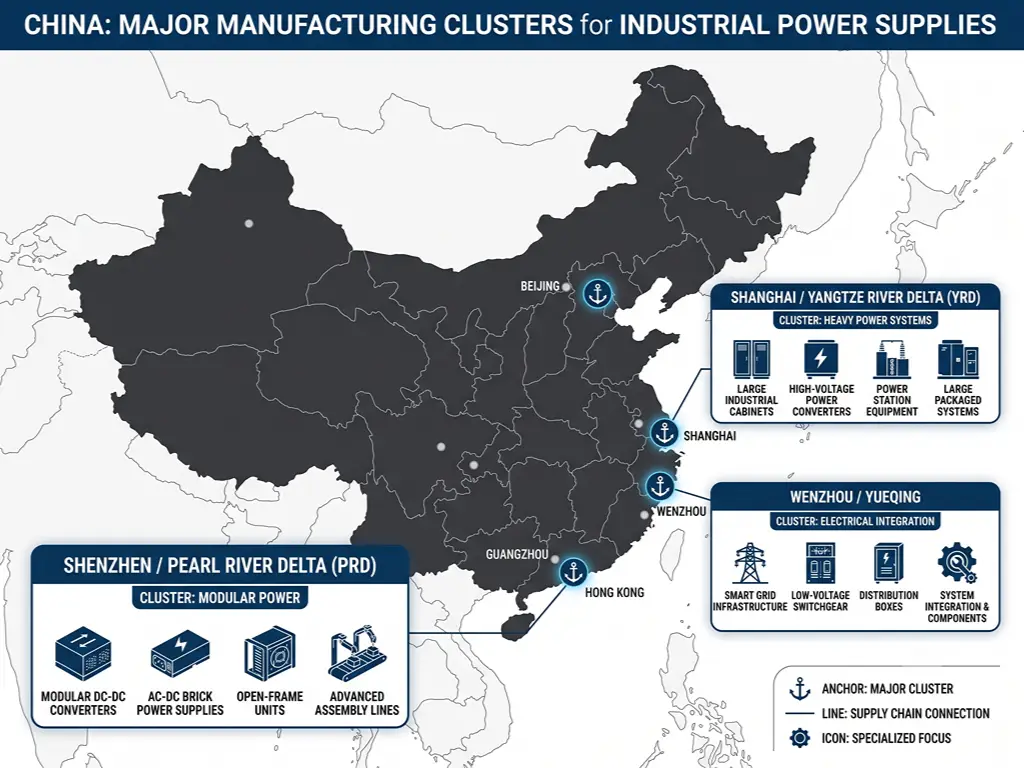
Çin’deki endüstriyel güç kaynağı üretimi üç coğrafi kümede yoğunlaşmaktadır. Hangi ürün için hangi kümeyi hedef alacağınızı bilmek, tedarik sürecinizdeki en önemli verimlilik faktörü:
Pearl Nehri Deltası (Shenzhen, Guangzhou, Dongguan) modüler DC güç kaynaklarının küresel merkezidir. Shenzhen’deki Huaqiangbei elektronik pazarı, dünyanın en büyük bileşen dağıtım merkezidir — bu da buradaki fabrikaların, kontrolör IC’lerinden alüminyum muhafazalara kadar her şeyi 50 kilometrelik bir yarıçap içinde temin edebileceği anlamına gelir. Bu yoğunluk, başka hiçbir yerde eşi benzeri olmayan prototip üretme hızlarına yol açar: Teknik özelliklerden çalışır duruma gelen numuneye kadar 7–10 gün sürerken, Avrupa veya Kuzey Amerika’da bu süre genellikle 4–8 haftadır. Kompakt DIN rayı güç kaynaklarına, LED sürücülerine veya GaN tabanlı yüksek verimli ünitelere ihtiyacınız varsa, aramanıza Shenzhen’den başlayın.
Yangtze Nehri Deltası (Şanghay, Suzhou, Hangzhou) Bölge, yüksek watt’lı transformatörler, gerilim sabitleyiciler, endüstriyel UPS sistemleri ve ağır elektrik altyapısı gibi büyük ölçekli güç sistemlerinde uzmanlaşmıştır. Burada Hengfu (30 yılı aşkın deneyime sahip, Şanghay ve Anhui’de iki üretim üssü bulunan) ve Zhonhen (100.000 m²’lik dev fabrika) gibi fabrikalar yer almaktadır. Buradaki mühendislik yetenek havuzu, minyatürleştirme yerine büyük ölçekli güç elektroniğine yöneliktir.
Wenzhou / Yueqing (Zhejiang eyaleti) Çin’de “Elektrik Başkenti” olarak bilinir — ülkenin düşük gerilim elektrik bileşenlerinin 60%’sinden fazlasını üretmektedir. Devre kesiciler, kontaktörler ve dağıtım ekipmanlarıyla daha çok tanınsa da, birçok Wenzhou üreticisi aynı zamanda güç kaynakları da üretmektedir — bunlar genellikle distribütörlerin sıklıkla birlikte satın aldığı elektrik dağıtım ürünleriyle birlikte paketlenir. Tedarik listenizde hem güç kaynakları hem de devre koruma cihazları yer alıyorsa, Wenzhou merkezli bir tedarikçi bunları tek bir sevkiyatta birleştirebilir ve böylece lojistik sürecin karmaşıklığını azaltabilir.
Pratik uygulama: Arama yapmadan önce, ürün profilinize hangi kümenin uygun olduğuna karar verin. “Küçük DIN rayı güç kaynaklarına ihtiyacım var” → Shenzhen/PRD. “Yüksek güçlü transformatörlere ve stabilizatörlere ihtiyacım var” → Şanghay/YRD. “Tek bir konteynerde güç kaynakları, devre kesiciler ve kontaktörlere ihtiyacım var” → Wenzhou.
Çinli Güç Kaynağı Tedarikçileri İçin Pratik Bir Değerlendirme Kontrol Listesi
Bu kontrol listesi, tedarikçi değerlendirmesi sırasında kullanılmak üzere hazırlanmıştır — listesini yazdırın, satın alma ekibinizle paylaşın ve tedarikçinin video görüşmesinde profesyonel görünmesi nedeniyle hiçbir maddeyi atlamayın.
1. Aşama — Yeterlilik Belgelerinin Doğrulanması
- UL sertifikası: UL dosya numarasını isteyin, ardından bunu UL Product iQ'da doğrulayın (UL Çözümleri) — ücretsiz, herkesin arama yapabileceği bir veritabanı. Dosya numarası bu veritabanında bulunmuyorsa, sertifika sahte demektir.
- CE işareti: AB Tip İnceleme Sertifikasını talep edin ve Onaylanmış Kuruluş (NB) numarasını not edin. Avrupa Komisyonu’nun NANDO veritabanında NB numarasını doğrulayın.
- ISO 9001: Sertifika numarasını ve sertifikayı veren kurumu (SGS, TÜV, BSI vb.) isteyin. Sertifikayı veren kurumun kendi kamuya açık veritabanından kontrol edin. 24 saat içinde sertifika numarasını sunamayan bir tedarikçinin sertifikası yoktur.
- Ticari ruhsat doğrulaması: Tedarikçinin Çince şirket adını Ulusal İşletme Kredi Bilgileri Yayın Sistemi’nde arayın. Bu, şirketin varlığını, ne kadar süredir kayıtlı olduğunu ve aleyhine herhangi bir icra işlemi olup olmadığını doğrulamanızı sağlar.
2. Aşama — Üretim Doğrulaması
- Fabrika video turu: Önceden kaydedilmiş görüntüler değil, üretim sahasını gösteren gerçek zamanlı bir video görüşmesi talep edin. Şunlara dikkat edin: çalışır durumdaki gerçek SMT yerleştirme makineleri, üretim hattındaki çalışanlar, stokların görülebildiği hammadde rafları.
- Bileşen markasının açıklanması: Satın alacağınız modelde kullanılan elektrolitik kapasitörlerin, güç yarı iletkenlerinin ve PCB alt tabakalarının belirli markalarını öğrenin.
- Yanma testi verileri: Genel bir broşür değil, söz konusu modele ait bir örnek eskitme raporu talep edin. Rapor, her birim için test koşullarını ve sonuçlarını göstermelidir.
3. Aşama — Ticari Şartlar
- Duruşma kararı: Büyük bir sipariş vermeden önce küçük bir sipariş (5–50 adet) verin. Ürünleri tek tek test edin.
- OTIF’in tarihçesi: Son 12 aya ait zamanında teslimat verilerini isteyin; “98% zamanında” gibi belirsiz bir iddiaya değil.
- Garanti süreci belgeleri: İlk siparişi vermeden önce garanti talebi prosedürünü yazılı olarak alın. İade kargo ücretini kim öder? Değiştirme süresi ne kadardır?
Deneyimli Çin alıcılarının bildiği rahatsız edici bir gerçek şudur: Bu özeni göstermemenin bedeli, ödediğiniz birim fiyat değildir. Ürün arızalandığında ve tedarikçinin sorumluluğu olmadığı durumlarda kaybettiğiniz müşteri ilişkisidir.
Teknik özellikler, miktarlar, teslimat süresi — bize ihtiyaçlarınızı bildirin, size rekabetçi bir teklif sunalım.
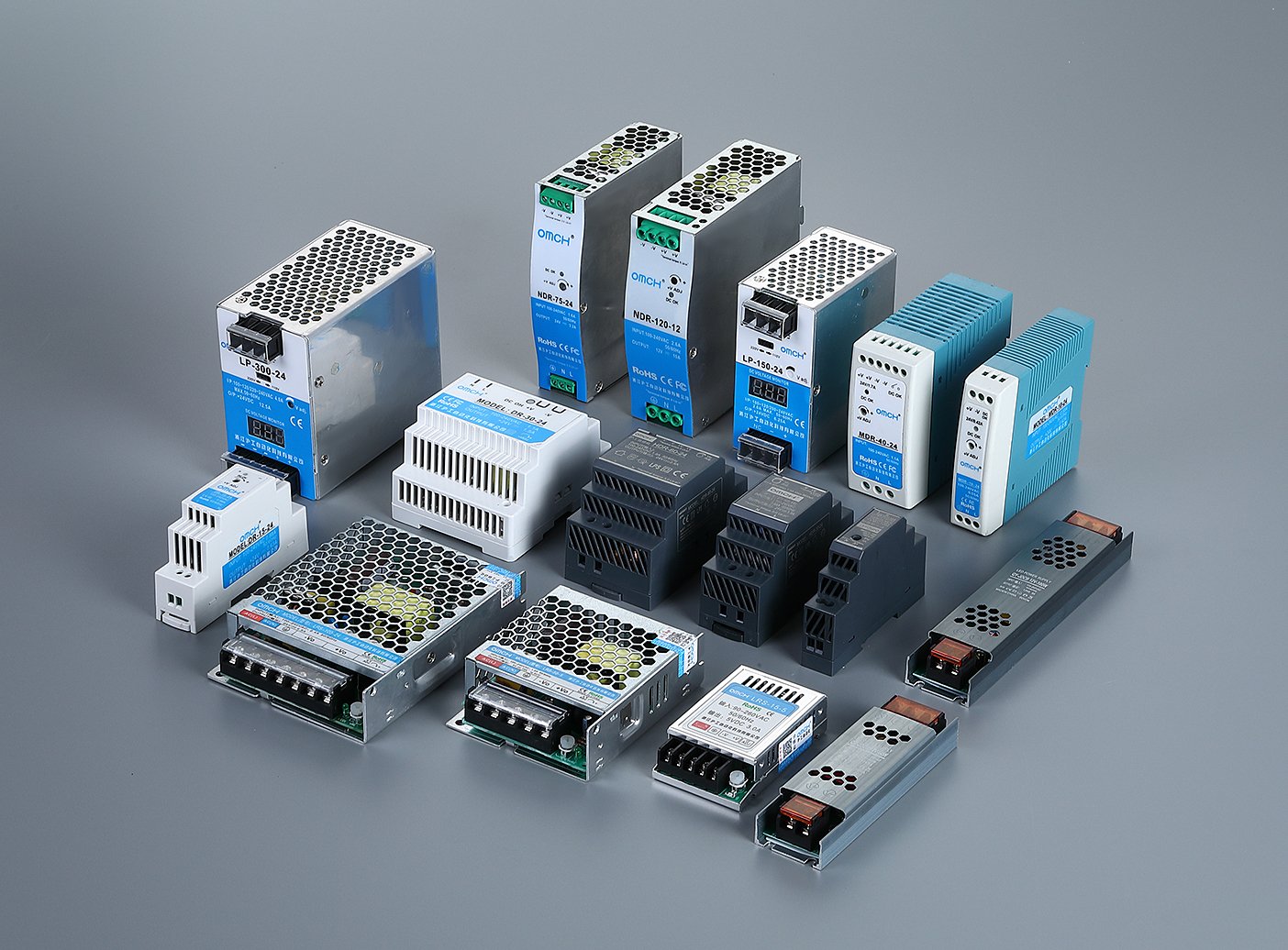
Sorgu GönderinTedarikçileri değerlendiriyorsanız ve başka bir seçeneği karşılaştırmak istiyorsanız, OMCH’nin endüstriyel güç kaynağı kataloğu, 15W–480W aralığındaki DIN rayı, kapalı tip ve LED sürücü ünitelerini kapsar — ürün yelpazesinin tamamı CE, RoHS ve CCC sertifikalarına sahiptir. (OMCH endüstriyel güç kaynakları)


 English
  Arabic
  Turkish
  Russian
  Spanish
  French
  Indonesian
  Portuguese
  Thai
Thai  Vietnamese