



Doğrusal güç kaynağı ile anahtarlamalı güç kaynağı (SMPS) arasında seçim yapmak, endüstriyel ekipman tasarlarken veya yükseltirken karşılaşacağınız ilk kararlardan biridir. Her ikisi de giriş gerilimini kararlı bir DC çıkışa dönüştürür; ancak enerjiyi yönetme şekilleri birbirinden daha farklı olamazdı. Ve bu fark, verimlilik, gürültü, boyut, maliyet ve nihayetinde sisteminizin sahada güvenilir bir şekilde çalışıp çalışmayacağı gibi önemli her alana yansır.
Bu kılavuz, temel farklılıkları ayrıntılı olarak ele alır, performansları karşılaştırmalı olarak inceler, her bir türü gerçek hayattaki uygulamalarla ilişkilendirir ve pratik bir karar verme çerçevesi sunarak son bulur. İster bir kontrol paneli için teknik özellik belirliyor, ister eski bir güç kaynağını değiştiriyor, ister tedarikçileri değerlendiriyor olun, ihtiyacınız olan verileri ve karar verme mantığını burada bulacaksınız.
Doğrusal ve Anahtarlamalı Güç Kaynakları Nasıl Çalışır?
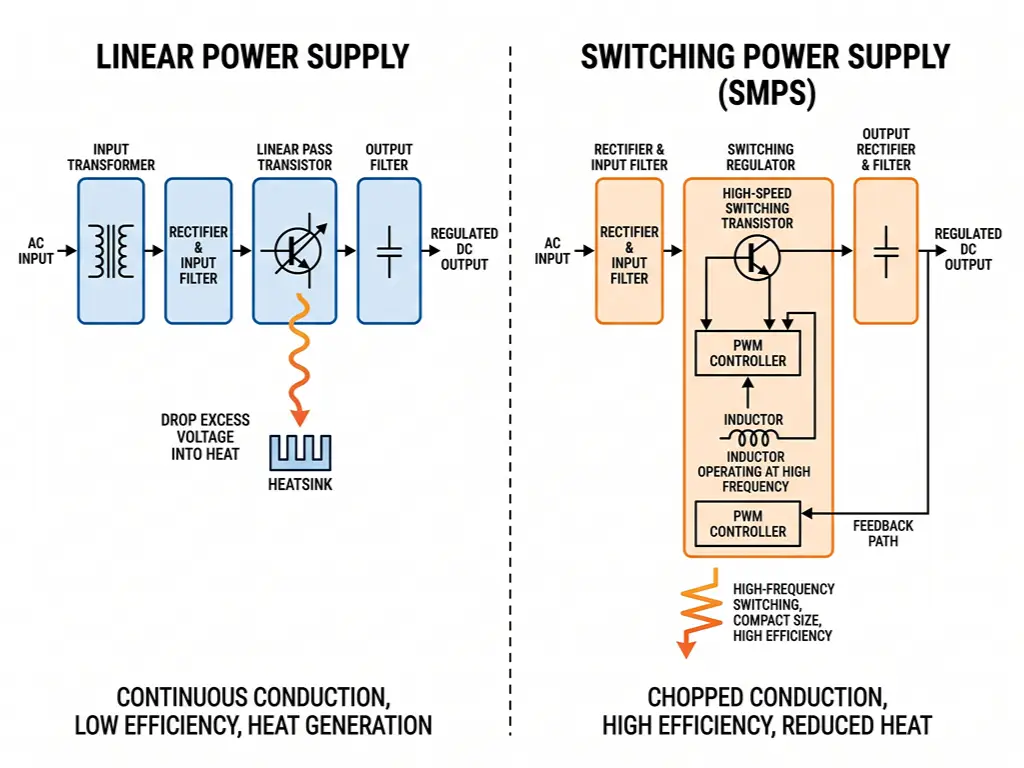
Her iki güç kaynağı türü de aynı temel amaca hizmet eder: giriş gerilimini alıp temiz, regüle edilmiş bir DC çıkışı sağlamak. Aradaki fark şudur: nasıl fazla enerjiyi onlar halleder.
A doğrusal güç kaynağı doğrusal (aktif) bölgesinde çalışan bir seri geçiş transistörü kullanır. Bunu bir değişken direnç olarak düşünün: transistör, sabit bir çıkış gerilimini korumak için direncini sürekli olarak ayarlar ve fazla gerilim, transistör üzerinde düşer — ısı olarak dağıtılır. Devre son derece basittir: bir şebeke frekansı transformatörü AC şebeke gerilimini düşürür, bir doğrultucu ve filtre kondansatörü regüle edilmemiş DC oluşturur ve doğrusal regülatör bunu temizler. Ancak fizik kuralları kesin bir sınır getirir: verimlilik asla Vout/Vin × 100% değerini aşamaz. 12 V'yi 5 V'a düşürüyorsanız, teorik maksimum verimlilik sadece 42%'dir. Geri kalan 58% ise ısıya dönüşür.
A anahtarlamalı güç kaynağı (SMPS) temelden farklı bir yaklaşım benimsemektedir. Fazla enerjiyi boşa harcamak yerine, bir transistörü yüksek hızlı bir anahtar olarak kullanır — tamamen AÇIK ya da tamamen KAPALI konumda, endüstriyel ünitelerde tipik olarak 50 kHz ile 150 kHz arasında. Darbe genişlik modülasyonu (PWM) denetleyicisi görev döngüsünü değiştirir: AÇIK aşamada enerji bir indüktörde veya transformatörde depolanır; KAPALI aşamada ise depolanan bu enerji çıkışa verilir. Anahtar ya tamamen iletken (sıfıra yakın gerilim düşüşü) ya da tamamen engelleyici (sıfıra yakın akım) olduğundan, güç kaybı önemli ölçüde azalır. –95 verimlilik değerleri yaygın olarak görülür. Modern senkron doğrultma tasarımları 'in ötesine geçmektedir.
Bu ikilem şimdiden göze çarpıyor: basitlik ve sessizlik ile verimlilik ve karmaşıklık arasında bir denge. Bir sonraki bölümde bu sezgiye sayısal verilerle somut bir temel kazandırılmaktadır.
Karşılaştırma: Verimlilik, Gürültü, Boyut ve Maliyet
Doğrusal ve anahtarlamalı güç kaynakları arasında seçim yapmak, temelde dört boyutlu bir ödün verme sürecidir. Hiçbir topoloji bu dört boyutta da üstünlük sağlamaz; doğru cevap, uygulamanız için hangisinin en önemli olduğuna bağlıdır.
| Boyut | Doğrusal Güç Kaynağı | Anahtarlamalı Güç Kaynağı (SMPS) | Önemli Nokta |
|---|---|---|---|
| Verimlilik | Otuz bin ile altmış bir bin üç yüz otuz üç arası | Yetmiş ila doksan beş bin üç peni | SMPS, 10 W'ın üzerindeki güç aralığında baskındır |
| Çıkış Gürültüsü/Dalgalanma | <1 mV RMS (tipik) | Tipik olarak 10–50 mV RMS | Linear, 10–50 kat daha sessizdir |
| Boyut ve Ağırlık | Geniş (50/60 Hz transformatör) | ~1/4 büyüklüğünde | SMPS, güç yoğunluğu konusunda önde |
| Geçici Tepki | Sabit (50–100 µs) | Daha yavaş (~300 µs) | Lineer sistem, yük adımlarına daha hızlı tepki verir |
| Isı Dağılımı | Yüksek — soğutucu gereklidir | Düşük — çok az soğutma gerektirir | SMPS daha az ısınır |
| 50 W'dan az güçte maliyet | Daha düşük malzeme listesi maliyeti | Daha fazla bileşen sayısı | Düşük güçte doğrusal sistem daha ucuzdur |
| 100 W'dan fazla güçte maliyet | Daha yüksek (transformatör + soğutucu) | Büyük ölçekte daha düşük | SMPS, daha yüksek güçte daha ucuzdur |
Verimlilik ve Isı: Neden Enerji Yarışını Değişim Kazandırır?
Verimlilik farkı, en önemli ayırt edici unsurdur. Doğrusal bir kaynağın verimliliği, giriş-çıkış gerilim oranı tarafından belirlenir: Düşüş ne kadar büyükse, ısı olarak kaybedilen enerji o kadar fazla olur.
Sistem düzeyinde bu miktar hızla artar. 50% verimliliğine sahip bir lineer güç kaynağıyla 7/24 çalışan 100 W’lık bir yük, 85% verimliliğine sahip bir SMPS’ye kıyasla yılda fazladan 307 kWh elektrik tüketir. Endüstriyel elektrik tarifelerine göre bu, her bir güç kaynağı başına yıllık $30–50 tutarındadır — fabrika sahasında düzinelerce panel olduğunda bu rakam oldukça anlamlı hale gelir.
Gürültü, Dalgalanma ve EMI: Doğrusal Devrelerin Neden Hâlâ Önemli Bir Yeri Var?
Bu, doğrusal güç kaynaklarının hâlâ yeri doldurulamaz olduğu tek alandır. Bir SMPS, yüksek hızlı anahtarlama kenarlarından kaynaklanan gürültü üretir: Hızlı di/dt ve dv/dt değerleri, çıkışta iletilen dalgalanmaya (genellikle 10–50 mV RMS) ve yakındaki hassas devrelere karışabilecek yayılan EMI’ye neden olur. Anahtarlama frekansının harmonikleri, onlarca MHz’e kadar uzanabilir.
Buna karşılık, doğrusal bir güç kaynağında anahtarlama işlemi yoktur. Çıkış dalgalanması genellikle 1 mV RMS’nin altındadır. Bu farkın önemli olduğu uygulamalarda — >100 dB SNR hedefleyen ses ön amplifikatörleri, -120 dBm seviyesindeki sinyalleri alan RF alıcıları, mikrovolt düzeyinde ölçüm yapan hassas ADC’ler — doğrusal güç kaynakları hâlâ tek seçenektir.
Birçok mühendisin başvurduğu pratik bir uzlaşma: SMPS’nin arkasına bir düşük düşüşlü doğrusal regülatör (LDO) yerleştirmek. SMPS, yüksek verimli ana voltaj düşürme işlemini üstlenirken, LDO düşük frekanslarda kalan dalgalanmayı 60–80 dB oranında bastırır. Verimlilikten 5–10% oranında ödün vererek, çok daha temiz bir çıkış elde edersiniz.
Boyut ve Ağırlık: Manyetizmanın Fiziği
Boyut farkı tek bir bileşene bağlıdır: transformatör. Doğrusal bir güç kaynağının transformatörü, 50 veya 60 Hz’lik şebeke frekansında çalışır ve doymayı önlemek için büyük bir demir çekirdek gerektirir. 100 W’lık bir doğrusal güç kaynağı 2–5 kg ağırlığında olabilir.
Bir SMPS transformatörü 50–150 kHz frekansında anahtarlama yapar — bu, yaklaşık 1.000 kat daha hızlıdır. Her döngü başına manyetik akı, frekansla ters orantılı olduğundan, çekirdeğin kesit alanı yaklaşık 30 kat küçülür. 240 W’lık bir SMPS avucunuzun içine sığar; buna eşdeğer bir lineer güç kaynağı ise kalın bir sözlük kadar yer kaplar.
Endüstriyel kontrol panelleri açısından bunun somut bir sonucu vardır: Anahtarlamalı güç kaynakları, DIN rayı üzerine monte edilebilecek kadar hafiftir. En düşük watt değerleri hariç olmak üzere, lineer güç kaynakları ise bu kadar hafif değildir.
Maliyet ve Karmaşıklık: Mesele Sadece Fiyat Etiketi Değil
50 W’ın altında, doğrusal güç kaynağının malzeme listesi daha basit ve ucuzdur: bir transformatör, redresör köprüsü, filtre kondansatörü ve LM7805 ($0.15–0.50) gibi bir regülatör IC’si bu işi halleder. 50–75 W’lık geçiş noktasının üzerinde, doğrusal güç kaynağının transformatör ve soğutucu maliyetleri keskin bir şekilde artar. Daha fazla bileşene sahip ancak daha küçük manyetik bileşenlere sahip SMPS, daha ekonomik bir seçenek haline gelir.
Ancak birim maliyet tek başına yeterli bir gösterge değildir. 5–10 yıllık hizmet ömrü boyunca elde edilen enerji tasarrufunu ve azalan soğutma gereksinimlerini de hesaba kattığımızda, SMPS genellikle orta düzey güç seviyelerinde bile — özellikle sürekli çalışır durumda olan endüstriyel uygulamalarda — toplam sahip olma maliyeti açısından üstün gelir.
Her Bir Türün Üstün Olduğu Alanlar: Gerçek Hayatta Uygulama Kılavuzu
Bir topolojiyi belirli bir kullanım senaryosuna uyarlamadan önce yönünüzü bulmanıza yardımcı olacak üç soru:
- Yüküm gürültüye ne kadar duyarlıdır? Devreniz mikrovolt düzeyinde ölçüm yapıyorsa veya ses sinyalini güçlendiriyorsa, doğrusal devreleri tercih edin.
- Güç seviyem ve alan bütçem nedir? 50 W’ın üzerinde veya dar bir muhafaza içindeyken, SMPS varsayılan seçenek haline gelir.
- Step-up, çoklu çıkış veya galvanik izolasyona ihtiyacım var mı? Eğer öyleyse, bir anahtarlama topolojisine ihtiyacınız var. Doğrusal güç kaynakları yalnızca gerilimi düşürebilir.
Doğrusal Yöntem Ne Zaman Doğru Seçimdir?
Doğrusal güç kaynakları günümüzde nispeten dar bir pazarda yer almaktadır, ancak bu pazarda vazgeçilmez bir konuma sahiptir:
- Laboratuvar ve test ekipmanları: Osiloskoplar, spektrum analizörleri ve sinyal üreteçleri, güç kaynağının ölçmeye çalıştığınız sinyali gölgelememesi için yeterince düşük gürültü tabanına sahip olmalıdır.
- Tıbbi cihazlar: EKG ve EEG cihazları, hasta monitörleri ve cerrahi ekipmanlar, IEC 60601-1-2 standardındaki EMC gerekliliklerini karşılamalıdır. Güç kaynağından kaynaklanan düşük EMI, sadece bir performans tercihi değil, aynı zamanda bir uygunluk sorunudur.
- Yüksek kaliteli ses: Ön amplifikatörler, pikap amplifikatörleri ve DAC’ler, güç kaynağından kaynaklanan her türlü gürültüyü doğrudan sinyal zincirine taşır. 100 dB’den fazla SNR hedefleyen sistemler için, 500 µV RMS’nin altındaki güç kaynağı dalgalanması temel bir gerekliliktir.
- RF ve kablosuz ekipmanlar: -120 dBm hassasiyetinde çalışan alıcı ön uçları, güç hattından kaynaklanan anahtarlama harmoniklerini tolere edemez.
Değişim Hakim Olduğunda
Anahtarlamalı güç kaynakları, modern endüstride standart tercih olarak kabul edilmektedir ve bunun iyi bir nedeni vardır:
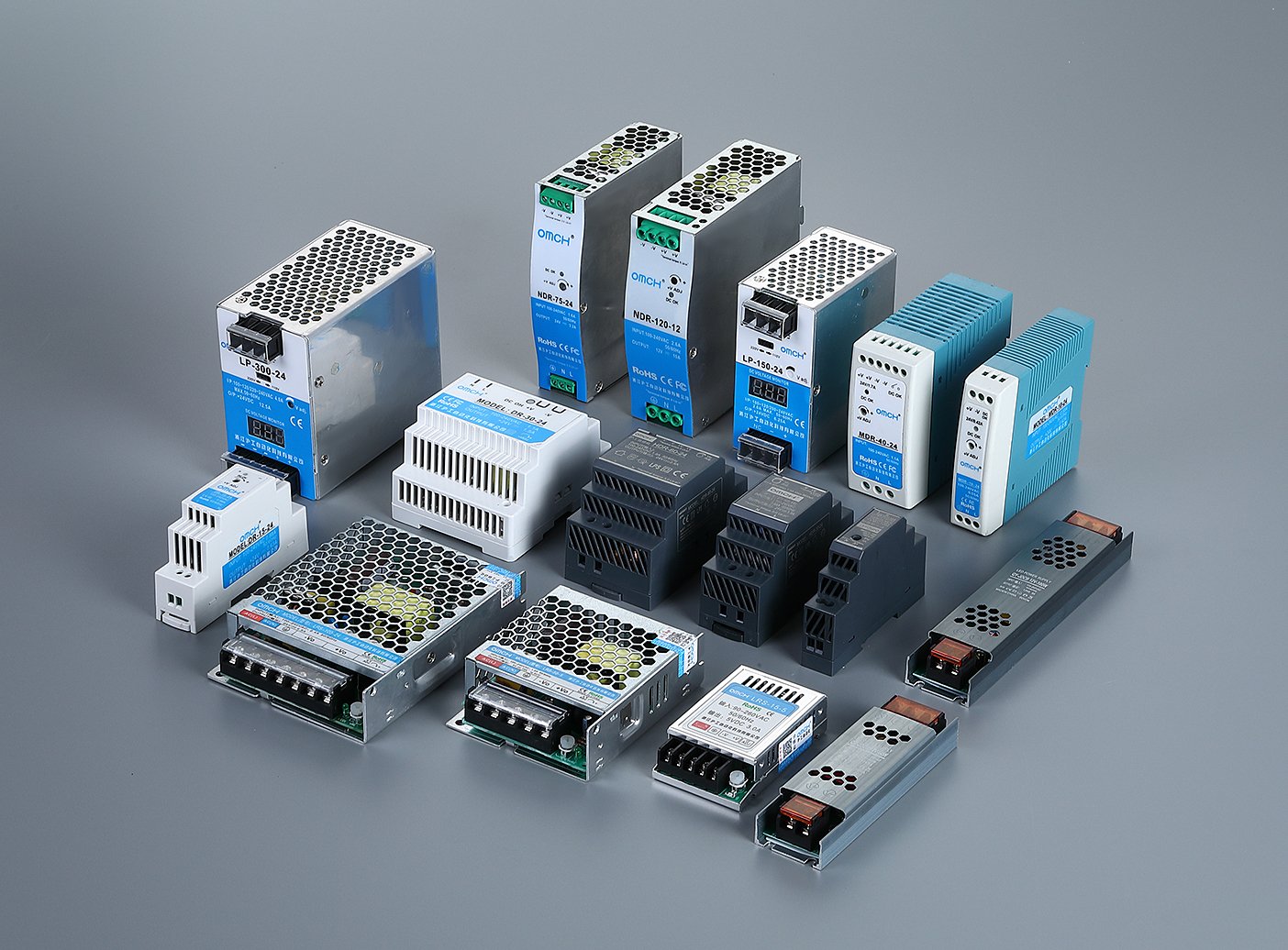
- Endüstriyel otomasyon: PLC’lere, sensörlere ve G/Ç modüllerine güç sağlayan 24 VDC DIN rayı güç kaynaklarının büyük çoğunluğu SMPS’dir. Bu kaynaklar evrensel AC girişini (85–264 VAC, 50/60 Hz) destekler, standart ray form faktörlerine uygundur ve kompakt bir tasarımda 15 W ila 960 W arasında güç sağlar. UL 508A standardına göre üretilmiş kontrol panelleri için anahtarlamalı güç kaynakları pratik bir standarttır.
- Yüksek güçlü sistemler: Sunucu rafları (96% modelinde 80 PLUS Titanium verimlilik), telekom baz istasyonları, elektrikli araç şarj altyapısı ve elektrokaplama gibi endüstriyel süreçlerin tümü, doğrusal güç kaynaklarının bulunmadığı güç seviyelerinde çalışmaktadır.
- Taşınabilir ve pille çalışan cihazlar: Her telefon şarj cihazı, dizüstü bilgisayar adaptörü ve taşınabilir cihaz, çalışma süresini en üst düzeye çıkarmak ve ısıl ayak izini en aza indirmek için SMPS verimliliğine bağlıdır.
- Esnek gerilim dönüştürme gerektiren uygulamalar: Boost, buck-boost, flyback, forward ve izole topolojilerin tümü yalnızca anahtarlamalıdır. Doğrusal güç kaynakları ise sadece düşürme (buck) dönüşümüyle sınırlıdır.
Hibrit Yaklaşım: Hem Verimlilik Hem de Düşük Gürültü
Daha fazla dikkat edilmesi gereken bir strateji: Birincil yüksek verimli düşürme aşaması için bir anahtarlamalı regülatör kullanın, ardından gürültüye duyarlı raylarda son düzenleme için bir LDO kullanın. Karışık sinyal kartları için bu, MCU ve dijital mantığın doğrudan SMPS'den çalıştırılması, ADC ve op-amp raylarının ise bir LDO'dan geçmesi anlamına gelir. Birleşik verimlilik, SMPS verimliliği × (Vout_LDO / Vin_LDO) şeklindedir — genellikle toplamda 80–90% civarındadır ve çıkış gürültüsü 1 mV RMS'nin altındadır.
Dikkat çekmesi gereken bir uygulama detayı: Bir LDO’nun güç kaynağı dalgalanma bastırma (PSRR) performansı yüksek frekanslarda azalır; tipik olarak 120 Hz’de 60–80 dB olan değer, 100 kHz’nin üzerinde 20–30 dB’ye düşer. Bunu telafi etmek için, ya daha düşük anahtarlama frekansına (<100 kHz) sahip bir SMPS seçin ya da SMPS çıkışı ile LDO girişi arasına, kesme frekansı anahtarlama frekansının yaklaşık onda biri olacak şekilde ayarlanmış bir LC filtresi ekleyin.
Hibritin İdeal Noktası
Bir SMPS, –95% verimlilikle ana voltaj düşürme işlemini gerçekleştirir. Bir LDO ise çıkıştaki gürültüyü <1 mV RMS seviyesine indirir. %5–10% verimlilikten ödün vererek hassas sınıf güç elde edersiniz — bu, karışık sinyalli PCB tasarımında kullanılan mimariyle aynıdır.
Teknik Özellik Tablosunun Ötesinde: Güç Kaynağı Tedarikçisi Seçimi
Doğru topolojiyi seçmek, işin sadece yarısıdır. Kağıt üzerinde aynı teknik özelliklere sahip iki anahtarlamalı güç kaynağı, pratikte önemli ölçüde farklı güvenilirlik seviyeleri sergileyebilir. Aradaki fark, üretim kalitesinde, bileşen tedarikinde ve testlerin titizliğinde yatmaktadır.
Önemli Sertifikalar
Sınır ötesi tedarik söz konusu olduğunda, sertifikalar isteğe bağlı değildir. Bu sertifikalar, gönderinizin gümrükten geçip geçmeyeceğini ve son müşterinizin ekipmanının kendi uygunluk denetiminden geçip geçmeyeceğini belirler:
- Avrupa Birliği: CE işareti, güvenlik açısından Düşük Gerilim Direktifi’ne (LVD 2014/35/AB) ve Elektromanyetik Uyumluluk Direktifi’ne (2014/30/AB) uygunluğu gerektirir. Özellikle SMPS üniteleri için, IEC 61204-3 standardı, düşük gerilim anahtarlamalı güç kaynaklarına ilişkin elektromanyetik uyumluluk gerekliliklerini kapsar.
- Kuzey Amerika: UL 508, endüstriyel kontrol ekipmanlarını kapsar. Bu standart, tüketici sınıfı UL 60950/62368 standardından daha katıdır. Uygulamanızda kontrol panelleri kullanılıyorsa, UL 508 sertifikası alınmasını ısrarla talep edin.
- Çin ve Asya: Çin pazarına satılan ürünler için CCC (Çin Zorunlu Sertifikasyonu) zorunludur.
- Uluslararası referans değeri: ISO 9001:2015 sertifikası, kalite yönetimi açısından temel bir gerekliliktir. Bu sertifikanın varlığı ürün kalitesini garanti etmez; ancak yokluğu bir uyarı işaretidir.
Bir tedarikçinin sertifikalarını incelerken, sadece logolara bakmayın. Sertifika numaralarını isteyin, kapsamın ürününüzün güç aralığını kapsadığını doğrulayın ve sertifikaların geçerli olup olmadığını kontrol edin.
Üretim Kalite Göstergeleri
Aynı devre topolojisi, aynı kontrolör IC’si, hatta aynı malzeme listesi (BOM) — ve yine de iki fabrika, sahada arıza oranları açısından 3–5 kat fark gösteren ürünler üretebiliyor. İşte bu farkın nedeni:
Parça tedariki ve gelen malzeme denetimi. Elektrolitik kondansatörler, anahtarlamalı güç kaynaklarında en sık arıza görülen parçalardır. Ömürleri Arrhenius bağıntısına göre belirlenir: sıcaklık her 10 °C arttığında beklenen ömür yarıya iner. 105°C ve 5.000–10.000 saatlik çalışma ömrüne sahip markalı kondansatörler (Rubycon, Nichicon, Panasonic) kullanan ve bunları giriş denetiminde doğrulayan bir tedarikçi, yalnızca fiyatı göz önünde bulundurarak markasız kondansatörler satın alan bir tedarikçiden çok farklı bir seviyede faaliyet gösterir.
Üretim süreci kontrolü. Otomatik SMT yerleştirme hatları, binlerce ünite boyunca tutarlı lehim bağlantı kalitesi sağlar. 98%’nin üzerindeki ilk geçiş verimi, olgun bir süreç kontrolünü gösterir. 95%’nin altındaki değerler, yeniden işleme sıklığının yüksek olduğunu gösterir ve yeniden işlenmiş kartlarda gizli arıza oranları daha yüksektir.
Üretim hattı sonu testi. Asıl önemli soru şudur: Fabrika, 100% tam yük yanma testi mi yapıyor, yoksa sadece numuneye dayalı rastgele kontroller mi? Düzgün bir yanma testi, her bir üniteyi 40–60 °C’lik bir ortamda 4–24 saat boyunca tam nominal yükte çalıştırarak, erken arızaları müşteriye ulaşmadan eler. Yük regülasyonu, dalgalanma ve gürültü, verimlilik eğrisi ve dielektrik dayanım gibi 100% işlevsel testleriyle birleştirildiğinde, bu testler sıradan güç kaynaklarını endüstriyel sınıf ürünlerden ayırır.
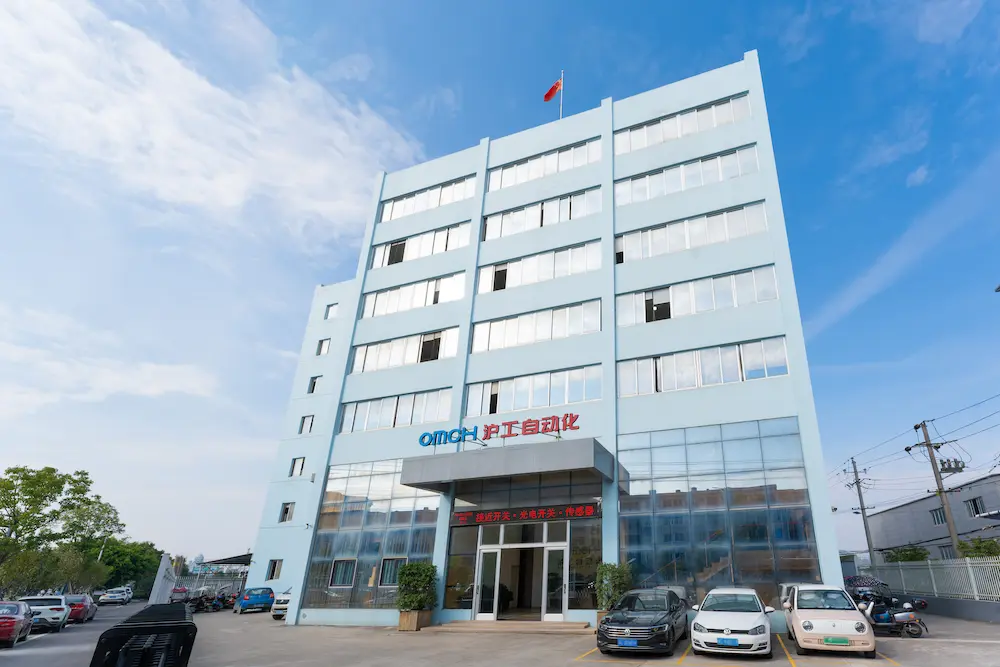
Tedarik zincirinin kapsamı. Kendi üretim hatlarına sahip bir üretici, teslim sürelerini, kalite tutarlılığını ve özelleştirme kapasitesini kontrol eder. Üst kademe fabrikalara bağımlı olan bir ticaret şirketi ise bunların hiçbirini kontrol edemez. Tekrarlı siparişler veren veya OEM/ODM değişikliklerine ihtiyaç duyan alıcılar için bu ayrım son derece önemlidir.
Son Karar: Doğrusal mı, Anahtarlamalı mı?
Artık durum netleşmiş olmalı: Evrensel bir “daha iyi” diye bir şey yoktur. Sadece “şu için daha iyi” vardır. senin uygulama.” Bu karar tablosunu hızlı bir başvuru kaynağı olarak kullanın:
| Eğer önceliğiniz… | En iyi seçiminiz şudur… |
|---|---|
| Hassas analog devreler için son derece düşük gürültü | Doğrusal güç kaynağı |
| Maksimum verimlilik ve minimum ısı | Anahtarlamalı güç kaynağı (SMPS) |
| Kompakt boyut ve DIN rayı montajı | Anahtarlamalı güç kaynağı (SMPS) |
| Basit tasarım, 50 W'ın altında en düşük malzeme maliyeti | Doğrusal güç kaynağı |
| 100 W’ın üzerindeki yüksek güç | Anahtarlamalı güç kaynağı (SMPS) |
| Hem verimlilik ve düşük gürültü | Hibrit: SMPS + LDO son aşama regülasyonu |
| Tekrarlanan siparişlerde tutarlı kalite | Kendi üretim tesisine sahip bir üreticiyle çalışın |
Eğer tek bir genel kuralı aklınızda tutacaksanız: 50 W’ın üzerindeyse veya yer kısıtlaması varsa anahtarlamalı devreyi tercih edin; 50 W’ın altında gürültü açısından kritikse doğrusal devreyi tercih edin; her ikisine de ihtiyacınız varsa hibrit devreyi tercih edin.
Bir Sonraki Güç Kaynağınızı Güvenle Seçin
38 yıllık üretim tecrübesine sahip bir üreticinin sunduğu DIN rayı tipi anahtarlamalı güç kaynağı seçeneklerini karşılaştırın.
DIN Rayı Güç Kaynaklarına Göz Atın15 W ile 480 W arasında güç aralığına sahip, CE, CCC ve RoHS uyumlu, tamamen otomatik SMT hatları ve 100% yanma testi ile donatılmış 8000 m²’lik bir tesiste üretilen endüstriyel DIN rayı anahtarlamalı güç kaynakları seçeneklerini değerlendiren mühendisler ve satın alma sorumluları için OMCH’nin kataloğu, tedarikçilerin yetkinliklerini karşılaştırmak üzere pratik bir referans noktası sunmaktadır.
Kaynakça
- Basso, Christophe. Doğrusal ve Anahtarlamalı Güç Kaynakları için Kontrol Döngülerinin Tasarımı: Bir Eğitim Kılavuzu. Artech House, 2012.
- IEC 61204-3:2016. Alçak gerilimli anahtarlamalı güç kaynakları — Bölüm 3: Elektromanyetik uyumluluk (EMC). Uluslararası Elektroteknik Komisyonu.
- IEC 60601-1-2:2014. Tıbbi elektrikli cihazlar — Bölüm 1-2: Temel güvenlik ve asgari performans için genel şartlar — İlgili Standart: Elektromanyetik bozulmalar. Uluslararası Elektroteknik Komisyonu.
- UL 508A. Endüstriyel Kontrol Panelleri Standardı. Underwriters Laboratories.
- OMCH DIN rayı anahtarlamalı güç kaynakları
- OMCH üretim tesisi
- OMCH


 English
  Arabic
  Turkish
  Russian
  Spanish
  French
  Indonesian
  Portuguese
  Thai
Thai  Vietnamese