



Yakınlık Sensörlerine Genel Bir Bakış: İki Aile, Tek Bir Malzeme Sorunu
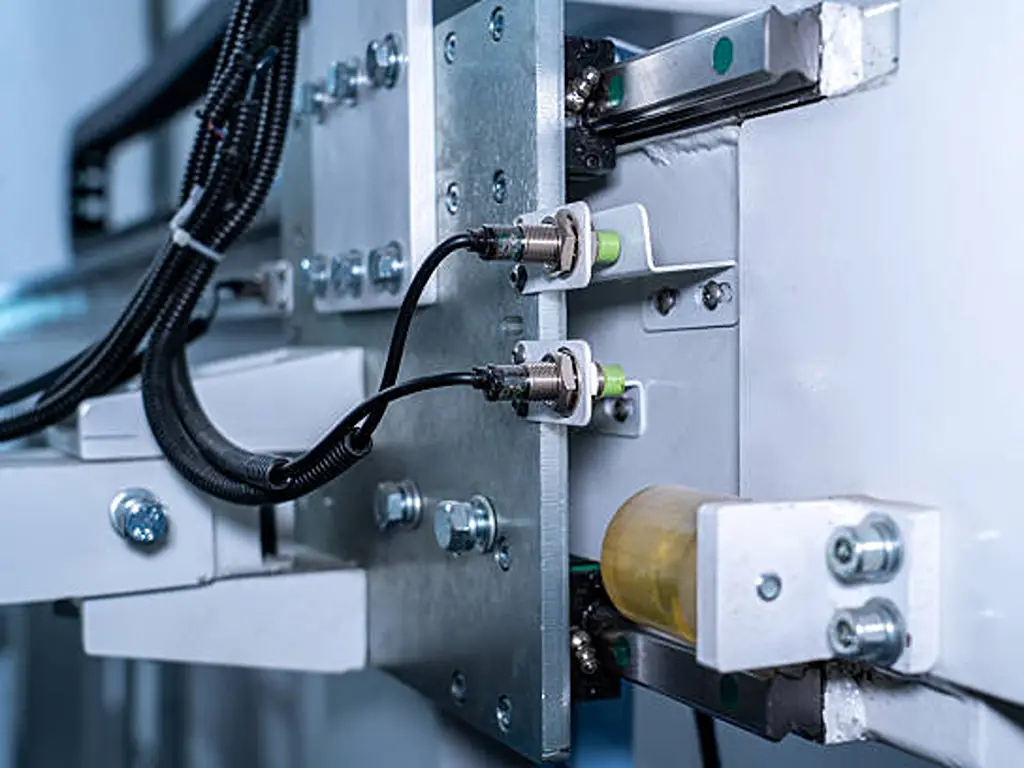
Bir yakınlık sensörü, algılama alanına giren bir nesneyi algılar ona dokunmadan ve bunu bir PLC veya kontrol cihazına temiz bir açma/kapama sinyali olarak iletir. Kontak olmaması aşınma olmaması anlamına gelir; bu nedenle makineler, mekanik anahtarlar yerine bu küçük silindirler üzerinde milyonlarca döngü çalışır. Eğer buraya telefon tamiri ile ilgili bir arama sonucu geldiyseniz, bir saniye durun: ekranınızın üstündeki “yakınlık sensörü”, arama sırasında ekranı karartmaya yarayan farklı bir cihazdır. Bu makale, takım tezgahlarında, konveyör hatlarında ve tank duvarlarında bulunan endüstriyel türdeki sensörler hakkındadır.
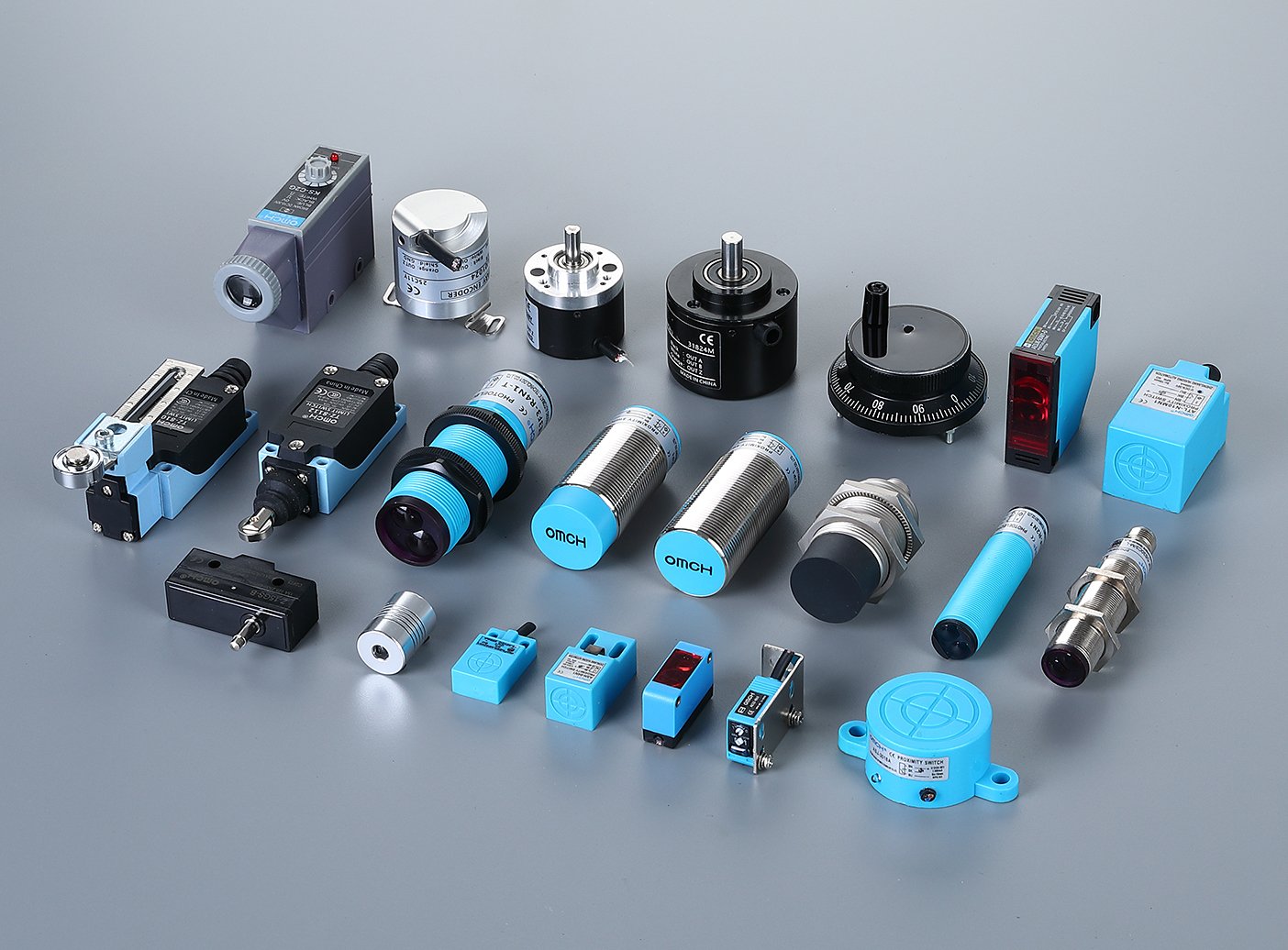
Endüstriyel ürün ailesinin birkaç dalı vardır: fotoelektrik, ultrasonik, manyetik ve çoğu panel üreticisinin tekliflerinde yer alan iki dal, tümevarımsal ve kapasitif. Bu ikisi sürekli olarak karşılaştırılır çünkü birlikte algılama hedeflerinin iki büyük sınıfını kapsarlar: metal ve metal olmayan her şey. Bu karşılaştırmayı bu açıdan ele aldığınızda, makalenin geri kalanı neredeyse kendiliğinden yazılır. Asıl soru asla “hangi sensör daha iyi” değildir. Asıl soru şudur: “Hedefim neyden oluşuyor ve benimle hedefim arasında ne var?“
Hedef Malzeme Neden Sensörü Seçer: Metal Fiziği ve Dielektrik Fiziği Karşılaştırması
Bu iki sensör farklı fiziksel özellikleri ölçer ve bu tek fark, sahada gözlemlediğiniz arızalar da dahil olmak üzere, sonraki aşamalarda ortaya çıkan neredeyse her şeyi açıklar.
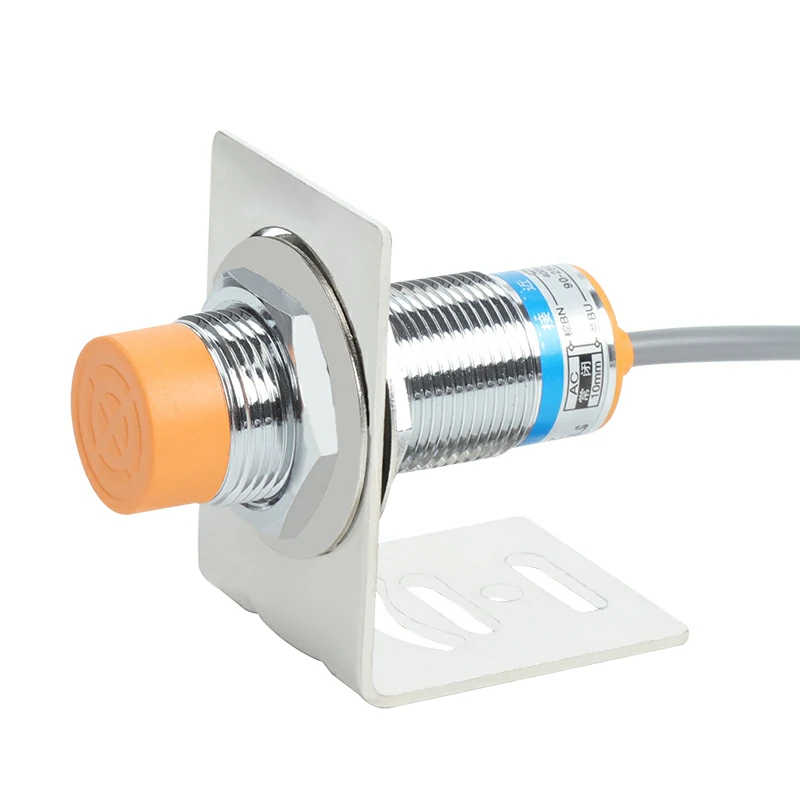
Bir indüktif sensör, bir metal dedektörüdür; başka bir şey değildir. Yüzeyinde, yüksek frekanslı bir elektromanyetik alan yayan bir osilatör tarafından çalıştırılan bir bobin bulunur. İletken bir metal bu alana girdiğinde, metalde girdap akımları oluşur, bu akımlar osilatörü yükler ve sensör devreye girene kadar osilatörün genliği azalır. Plastik, ahşap, su ve cam girdap akımlarını iletemez; bu nedenle bu malzemelerin hiçbiri endüktif bir sensör tarafından algılanamaz. Bu bir zayıflık ya da ayar sorunu değildir; bu yöntemin fiziksel doğasından kaynaklanmaktadır (Balluff, 2024).
Bir kapasitif sensör, önündeki alanın elektriksel olarak ne kadar değiştiğini ölçer. Elektrotları ve hedef, bir kondansatörün iki plakası gibi davranır; aralarındaki hava ise dielektrik görevi görür. Metal, su, yağ, plastik, cam, ahşap veya dökme toz gibi dielektrik sabiti havadan belirgin şekilde daha yüksek olan her şey, alana girdiğinde kapasitansı artırır ve sensör devreye girer. İşte bu nedenle kapasitif bir sensör, metal olmayan bir kapın duvarını “delip görebilir”: duvar, alanın tamamını emmez; dolayısıyla arkasındaki sıvı veya granül, okunan değeri yine de değiştirir. Bunun tersi de aynı derecede önemlidir: bu yöntem, gerçek bir hedefi, tesadüfen dielektrik olan ortamdaki bir değişiklikten ayırt edemez. Bu konuya aşağıda tekrar değineceğiz.
| Hedef | İndüktif sensör | Kapasitif sensör | Tipik bir iş |
|---|---|---|---|
| Çelik / demir (demirli) | ✅ Tam nominal aralık | ✅ Çalışıyor, ama gereğinden fazla | Silindir konumu, hareket sonu, dişli dişleri |
| Alüminyum, pirinç, bakır | ✅ Menzil azalması (bir sonraki bölüme bakınız) | ✅ Çalışıyor, ama gereğinden fazla | Demir dışı parçaların sayımı |
| Paslanmaz çelik | ✅ Menzil biraz azaldı | ✅ Çalışıyor, ama gereğinden fazla | Yiyecek/içecek makinesi konumu |
| Plastik, cam, ahşap, kağıt | ❌ Görünmez | ✅ Menzil, malzemeye bağlıdır | Metal olmayan parçaların varlığı, ambalaj |
| Su / sıvılar (plastik veya cam duvardan) | ❌ Görünmez | ✅ Yakın mesafede en iyisi | Tank seviye alarmı, sızıntı tespiti |
| Yağlar | ❌ Görünmez | ✅ Ancak performansında ciddi bir düşüş var | Karterlerdeki yağ seviyesi |
| Tozlar / granüller (un, kum, peletler) | ❌ (metalik olmadığı sürece) | ✅ Toza karşı önlem alınarak | Huni / tambur seviyesi |
| Düşük yoğunluklu köpük, gevşek tüyler | ❌ | ⚠️ Güvenilmez (dielektrik ≈ hava) |
Şu anda belirtilmesi gereken bir sınır daha var: Metal olan her şey için varsayılan ayar endüktif algılamadır, ve kapasitif algılama özellikle metal olmayan hedefler, seviye algılama ve metal olmayan duvarların arkasını görme konusunda kendine yer edinmiştir. Yanlış uygulamaların çoğu tam tersi yönde gerçekleşir. Bazıları endüktif bir sensörün plastiği algılamasını sağlamaya çalışır ya da kapasitif bir sensörü, endüktif bir ünitenin daha ucuza ve daha istikrarlı bir şekilde gerçekleştirebileceği metal algılama işini yapmaya zorlar.
Algılama Mesafesi, Ayrıntılı İnceleme: Belirtilen Menzil, Gerçek Menzil Değildir
Fiyat tekliflerini etkileyen aralık faktörü
Aynı sensör. Aynı nominal menzil. Farklı hedef — menzilin 1/10’u.
Petrol üzerinde nominal menzil ÷10. Gerçek teknik özellik, veri sayfasındaki değer değil, güç düşürme çarpanıdır.
Belirtilen menzil bir başlangıç noktasıdır. Hedef malzeme, çarpanı belirler.
Arama sonuçları birbiriyle çelişiyor. Bir sayfada endüktif sensörlerin daha uzağa ulaştığı, başka bir sayfada ise kapasitif sensörlerin daha uzağa ulaştığı belirtiliyor. Her iki ifade de, örnek olarak gösterilen durumlar için doğru olsa da genel bir kural olarak yanlış; çünkü her iki taraf da kendi tercih ettiği örneği örnek olarak gösteriyor.
“Daha Uzun Menzil” Efsanesi: Gerçekler Ortaya Çıkıyor
İndüktif nominal aralık her zaman belirtilir standart bir demir içeren hedefe karşı. Endüktif ve kapasitif yakınlık anahtarlarını düzenleyen IEC 60947-5-2 test standardına göre, test hedefi, yaklaşık 1 mm kalınlığında ve boyutları sensörün aktif yüzeyine kabaca uyan bir karbon çeliği (Fe360) parçasıdır (IECEE, 2019; Balluff, (, 2024). Yakın mesafedeki büyük bir çelik levha, olabilecek en uygun hedeftir ve bu, “indüktif menzil daha uzundur” diyen kesimin örnek gösterdiği senaryodur.
Öte yandan, kapasitif nominal menzil, metal veya su benzeri hedefler için belirtilir ve aynı gövde boyutu için doğal olarak daha uzundur. Bir M18 kapasitif ünitenin nominal menzili genellikle 10 mm civarında iken, bir M18 endüktif gömme ünitenin menzili 5–8 mm'dir (Eaton). Ancak bu derecelendirme, bir çarpım zincirinin sadece başlangıç rakamıdır ve çarpanlar acımasızdır.
Nominal Menzil × Güç Düşürme Oranı = Gerçek Menzil
İçin tümevarımsal sensörlerde, çarpan, algıladığınız metalin düzeltme katsayısıdır. 10 mm nominal değerine sahip bir sensör için, alüminyum bir hedef yaklaşık 10 mm’yi 3–4,5 mm’ye dönüştürür (Balluff, 2024):
| Hedef metal | Düzeltme faktörü |
|---|---|
| Çelik (Fe360, karbon çeliği) | 1.0 |
| Paslanmaz çelik | 0,6–1,0 |
| Alüminyum | 0,30–0,45 |
| Pirinç | 0,35–0,50 |
| Bakır | 0,25–0,45 |
İçin kapasitif sensörlerde, çarpan değeri hedefin dielektrik davranışına bağlıdır. Eaton, bu durumu net bir şekilde ortaya koyan yeniden derecelendirme katsayılarını yayınlamaktadır: Su, nominal menzili 1,0 katına çıkarırken, yağ ise yalnızca 0,1 katına çıkarır. Topraklanmış bir çelik levhaya karşı 20–25 mm nominal menzile sahip bir sensör, bu menzilin büyük bir kısmını su üzerinde korurken, yağ üzerinde menzili yaklaşık onda birine düşürür (Eaton):
| Hedef | Kapasitif yeniden derecelendirme faktörü |
|---|---|
| Hafif çelik / su | 1.0 |
| PVC / cam | 0.5 |
| Seramik | 0.4 |
| Ahşap | 0.2 |
| Petrol | 0.1 |
🔖 Akılda tutulması gereken sayı: kapasitif algılama yöntemiyle, tam nominal aralıkta suyu algılayan aynı sensör, yağı da yaklaşık olarak onda biri bu aralığın içinde. Ortamı değiştirirseniz, sensöre dokunmadan algılama mesafenizi 10 kat değiştirebilirsiniz.
Montaj, ikinci bir çarpan ekler. A ekranlı (gömme) indüktif sensör, metal içine gömülebilir ve temiz, sadece ileriye doğru yönelen bir alan sağlar; bunun karşılığında, benzer sensörlere kıyasla menzili daha kısadır korumasız (gömülü olmayan) kardeş model; yüz çevresinde boşluk bırakılması gereken ve daha uzağa uzanan (Eaton). Kapasitif ünitelerin çoğu doğası gereği fiilen ekranlanmamıştır ve çoğu seride “gömme kapasitif” modeli bulamazsınız. Bu durum, montaj yuvasını planlarken önemlidir.
Bir Mühendisin Yaptığı Gibi Bir Veri Sayfasını Satır Satır Okumak
İşte bu yüzden teknik özellik rakamının tek başına bir anlamı yoktur. Bir veri sayfasındaki satırı doğru bir şekilde okumak için dört adım vardır:
- Nominel menzil: milimetre cinsinden ve karşı ki test hedefi (endüktif yöntem için çelik levha; kapasitif yöntem için metal/su referansı).
- Hedefiniz: düzeltme faktörünü uygulayın (endüktif devrelerde alüminyum, kapasitif devrelerde yağ vb.).
- Montaj: ekranlı veya ekransız; gömme cepler endüktif menzili azaltır.
- Güvenlik marjı: Gerçek kurulumlarda titreşim, hizasızlık ve kirlenme gibi faktörler devreye girdiğinden, hesaplanan değerin ~80%’si kadar bir çalışma mesafesi ihtiyatlı bir başlangıç noktasıdır (bu bir tasarım kuralıdır, standart değildir).
Ayrıca, farklı markalar veya nesiller arasında akılda kalan bir sayıya asla güvenmeyin. Bir M30 kapasitif ürün ailesi için nominal aralık 20 mm’dir (Eaton), oysa başka bir üreticinin M30 modelinin nominal değeri 25 mm’dir (Sensör Ortakları). Aynı gövde, farklı nesiller, farklı teknik özellikler: İlgili modelin teknik özellik belgesi tek geçerli kaynaktır.
Bu adımı atlamanın gerçek hayatta bir bedeli vardır. Belgelenmiş bir vakada, bir tesis mühendisi, kum tamburu seviye alarmı için 5–40 mm nominal aralığa sahip ayarlanabilir kapasitif sensörler satın almış, bunları monte etmiş, ancak hiçbir şekilde güvenilir bir tetikleme elde edememişti. Olayın bir kısmı komikti, çünkü “40 mm” değeri 40 cm olarak okunmuştu. Ciddi olan kısım ise şuydu: Sensör yüzeyi dönen kum taneleriyle kirlendiğinde, nominal aralığın ne kadar daralacağını kimse hesaplamamıştı. Ayrıca, yanlış alarmları önlemek için kısılan hassasiyet potansiyometresi, kalan marjı çoktan tüketmişti (PLCTalk forumu, 2016). Masa başında yapılan menzil hesaplamaları, bu tür saha hatalarının önlenmesini sağlar.
Sipariş Vermeden veya Değiştirmeden Önce Kontrol Etmeniz Gereken Dört Soruluk Kontrol Listesi
Sipariş vermek ya da az önce bozulan sensörün yerine yenisini bulmak için masaya oturduğunuzda, teknik özellikler aynı dört soruyla belirlenir. İşte, kağıt üzerinde işe yarayan bir siparişi, makinede işe yarayan bir siparişten ayıran kontrol listesi:
Dört soru
Hedef nedir ve hedef ile sensör arasında ne bulunmaktadır? Metal, endüktif algılamayı ifade eder; bu durumda önce metalin düzeltme faktörü kontrol edilir. Metal olmayan, sıvı veya toz, kapasitif algılamayı ifade eder; bu durumda dielektrik yeniden derecelendirme kontrol edilir. Duvardan algılama, ancak duvar metalik değilse ve menzile göre ince ise kapasitif algılama anlamına gelir.
Sensör yüzeyinden hedefe kadar olan gerçek mesafe, titreşim ve hizasızlık da dahil olmak üzere ne kadardır? Yukarıdaki dört teknik veri sayfası adımını karşılayan bir nominal menzil seçin.
Nereye monte edilir: metal yüzeye gömülü mü, yoksa yüzeyden çıkıntılı mı? Gömme montaj için ekranlı endüktif sensör veya cepli, gömme olmayan kapasitif sensör kullanılması gerekir. Yakınlarda başka neler bulunduğunu kontrol edin: Bitişik sensör başlıkları ve serbest duran metal parçalar, algılama mesafesini azaltabilir veya cihazı tetikleyebilir.
Çıktı hangi bileşenle iletişim kurmalıdır? Önce besleme gerilimi, ardından çıkış türü: Asya pazarındaki kontrolörlerde yaygın olarak kullanılan NPN emici çıkışlar; Avrupa ve ABD’deki PLC girişleri için fiili standart olan PNP verici çıkışlar; normalde açık ve normalde kapalı; 2 telli ve 3 telli (Eaton).
Yedek sensörlerin takılması konusunda özel dikkat gösterilmesi gerekir; zira çoğu yedek sensör, sensör değişimi için tasarlanmamış makinelere takılır. Eski ünitenin tip plakasından aşağıdaki beş bilgiyi okuyun: muhafaza çapı ve dişi, gömme veya gömme olmayan, nominal aralık, besleme gerilimi ve çıkış mantığı. Silindirik indüktif sensörler, üreticiler arasında standart aralıklarla sunulur. M8 modelleri yaklaşık 1–2 mm, M12 modelleri 2–4 mm, M18 modelleri 5–8 mm ve M30 modelleri 10–15 mm aralıklarında çalışır; her aralığın alt sınırında gömme modeller bulunur, bu nedenle genellikle eşdeğer bir değiştirme mümkündür. Sorun ise elektrikseldir. 2 telli DC sensörler Kablolaması basittir ancak kendi elektronik devrelerini beslemek için genellikle 1–2 mA civarında küçük bir kaçak akım geçirirler. Bu amaçla tasarlanmamış bir PLC girişinde bu kaçak akım, kalıcı bir “doğru” sinyali olarak algılanabilir: sensörün her zaman tetiklendiğini düşünen bir makine. Bir saha raporu tam da bunu belgelemektedir. Yeniden kullanılan 2 telli sensörler test tezgahında sorunsuz çalışmış ancak makinede “yanlış doğru” girişler vermiş ve teşhis sonucunda sorunun sensörde değil, arayüzde olduğu ortaya çıkmıştır (PLCTalk forumu, 2015). 2 telli bir üniteyi değiştirirken, arayüz için bir bütçe ayırın. 3 telli bir PNP/NPN versiyonu ile buna ek olarak bir ara röle veya izolatör kullanmak, kaçak akımların kaynağını bulmaya çalışmaktan genellikle daha ucuz bir çözümdür.
Son olarak, ne zaman olduğunu bilin değil Her iki türden birinin kullanılması. Düşük yoğunluklu köpük, gevşek lifli malzeme veya dielektrik sabiti havaya yakın olan herhangi bir madde, kapasitif sensörü etkisiz hale getirir; ayrıca çok yumuşak veya gözenekli dökme malzemeler de ultrasonik alternatifleri etkisiz hale getirir. Bu durumlar için ve kalın duvarların arkasındaki seviye algılaması için, en doğru öneri başka bir yakınlık sensörü yerine farklı bir teknolojinin kullanılmasıdır: ayar çatalı, kılavuzlu dalga radarı veya bir ölçek.
Bir aralık numarasını gerçek hedefiniz ve montajınızla karşılaştırmak, iki dakikalık bir teknik inceleme işlemidir — bize başvuru formunu gönderin, güç düşürme hesaplamalarını sizinle birlikte yapalım.
Sensörümün teknik özelliklerini kontrol etYakınlık Sensörlerinin Hatalı Çalışması: Arıza Türleri ve Alan Sınırları
İki başarısızlık felsefesi
Kapasitif — ortam bir hedeftir
Nem, yoğuşma, toz birikmesi, RFI: Elektrik alanında meydana gelen her türlü değişiklik, hedefte bir değişiklik olarak algılanır. Hassasiyet, bir kez ayarlanıp unutulacak bir ayar değil, devreye alma sürecinin bir adımıdır.
Tümevarımsal — kurulum düşmandır
Komşu devreler, ortak topraklamalar, diğer makinelerden kaynaklanan elektromanyetik parazit ve PLC girişine doğru 2 telli kaçak akım: Sorun genellikle sensörde değildir; sorun, arayüzdedir.
Kapasitif Sensörler Neden Su ve Kirin Yakınında Bulunur?
Kapasitif algılamanın getirdiği ödünleri unutmayın. Bu teknoloji, herhangi bir malzemeyi algılama yeteneğini, hedefle ilgili olmayan değişiklikler de dahil olmak üzere elektrik alanındaki her türlü değişikliğe karşı duyarlılıkla takas eder. Eaton’ın mühendislik notlarında sonuçlar açıkça belirtilmiştir: Yüksek ortam nemi, kapasitif sensörün hiç hedef bulunmadığı durumlarda bile çalışmasına neden olabilir. Algılama mesafesi, hedefin boyutlarına bağlıdır. Bu sensörler, endüktif sensörlere kıyasla talaş ve kalıntılara karşı daha duyarlıdır. Kaynak manyetik alanları, RFI ve hızlı elektriksel geçici akımlar, hepsi reaksiyonlara neden olabilir (Eaton). Basitçe söylemek gerekirse: Nem bir dielektriktir, kir de bir dielektriktir ve sensör, hedefinizi hava koşullarından ayırt edemez.
Saha raporları teknik özellik belgeleriyle örtüşmektedir. Kum tamburunun kurulumu iki kez başarısızlıkla sonuçlandı: ilki, sensör yüzeyinin tozla kaplanarak yanlış alarm vermesine yol açtığı zaman; ikincisi ise, yanlış alarmları önlemek için hassasiyetin düşürülmesi sonucunda kalan marjın tükenmesi ve ünitenin güvenilirliğini yitirmesi üzerine (PLCTalk forumu, 2016). Bu nedenle, kapasitif seviye algılama konusunda topluluktaki görüşler ikiye ayrılmaktadır. Bazıları, kapasitif sensörlerin “tozla ilgili bir sorun yaşamaması” nedeniyle bu sensörleri önerirken, tozlu tesis havasında bu sensörleri kullanan mühendisler ise tam tersini bildirmektedir (Reddit r/arduino, 2025). Bu uyumlaştırma pratik bir yaklaşımdır. Kapasitif sensörler, tozlu dökme malzeme taşıma uygulamalarında iki koşul sağlandığında çalışır: sensör yüzeyi temiz tutulur (hava püskürtme, açılı montaj, periyodik silme) ve hassasiyet, gerçek malzemeye göre bir pay bırakılarak ayarlanır. Bu nedenle çoğu kapasitif ünitede bir hassasiyet ayar potansiyometresi bulunur. Bu potansiyometreyi, bir kez ayarlanıp unutulacak bir kontrol elemanı olarak değil, devreye alma sürecinin bir parçası olarak değerlendirin.
İndüktif Arızalar: EMI, Komşu Kafalar ve İki Telli Hayalet Sinyaller
Endüktif arızalar farklı bir seyir izler. Algılama yönteminin kendisi kir, nem ve metalik olmayan birikintilere karşı dayanıklıdır; arıza türleri ise kurulum ve arayüz ile ilgilidir:
- Bitişik başlıklar. Birbirine çok yakın monte edilmiş yakınlık sensörleri, manyetik alanları aracılığıyla birbirlerini etkileyebilir: Bir sensörün osilatörü, diğer sensörü hatalı tetiklemeye neden olabilir veya yanıtını bastırabilir. Sensör aralığı kurallarının bir nedeni vardır. Delme işlemine başlamadan önce, ilgili modeller için üreticinin belirlediği minimum aralığı kontrol edin (PLCTalk forumu, 2015).
- Elektriksel gürültü ve ortak toprak yolları. Bakım ekipleri, yalnızca belirli bir makine çalıştırıldığında ortaya çıkan “hayalet sensörler” ile başa çıkmak zorunda kalıyor. Belgelenmiş bir örnek: Tesisteki yedinci kumlama çarkı her çalıştırıldığında, asansördeki bir sıfır hız sensörü “açık” konumda kilitleniyordu ve ne direnç değiştirilmesi ne de mesafe ayarlaması bu sorunu çözebildi. Ekip, sonunda sensörü programda devre dışı bıraktı çünkü arıza süresi, arızanın teşhis edilmesinden daha pahalıya mal oluyordu (Reddit r/IndustrialMaintenance, 2025). Bir sensör yalnızca yük altında düzgün çalışmadığında, sensörden ziyade kablolamayı ve topraklamayı kontrol edin.
- “Işık yanıyor, sinyal yok.” Yanıp da PLC’ye asla ulaşmayan bir sensör, neredeyse her zaman bir çıkış türü uyuşmazlığıdır: bir NPN ünitesinin bir PNP girişine bağlanması ya da yukarıda ele alındığı gibi 2 telli bir sızıntı sorunu. LED, algılamanın çalıştığını gösterir; eksik olan sinyal ise arayüzdür.
Buradan çıkarılacak daha derin ders şudur: Temiz ve kuru bir ortamda “arıza veren” bir indüktif sensör, genellikle kurulumla ilgili bir sorunu işaret eder. Nemli veya tozlu bir ortamda “arıza veren” bir kapasitif sensör ise, tasarımda öngörülmemiş bir ortama rağmen tam olarak tasarlandığı gibi çalışıyor olabilir.
Sınır Matrisi: Sahne × Sensör × Önce Ne Kontrol Edilmeli
| Uygulama alanı | Doğru alet | Geçerli olmadığında | Önce sahada kontrol edin |
|---|---|---|---|
| Makinelerde metal konumu / hareket sonu | İndüktif (tipik olarak gömme M8–M18) | Metal olmayan hedef | Bitişik kafa aralığı; çıkış türü ile PLC girişi karşılaştırması |
| Dişli veya kam sayımı | İndüktif, hızlı tepki | Yüz büyüklüğüne kıyasla çok küçük dişler | Hedef boyutu ≥3× algılama yüzeyi (Eaton) |
| Konveyör üzerindeki metal olmayan parçalar | Kapasitif | Köpük/düşük yoğunluklu hedefler | Hassasiyet ayarı ile gerçek malzeme arasındaki fark |
| Plastik/cam duvardan görülen su seviyesi | Kapasitif (kısa menzilli) | Duvar kalınlığı alanı kaplar | Orta tip ve duvar malzemesi/mesafe |
| Metal haznedeki toz seviyesi | Kapasitif (temassız veya kısa menzilli) | Ürün kaynaklı yüz kontaminasyonu | Yüz temizliği; hava tahliyesi |
| Karterdeki yağ seviyesi | Kapasitif, önemli ölçüde düşürülmüş | Su verilerinden elde edilen aralık varsayımları | Yağın dielektrik yeniden derecelendirme faktörü |
| Yüksek nemli ortamlarda yetişen iç mekan bitkisi | Hedef metal ise endüktif | Capacitive’in nem duyarlılığı | Nem; yüzeyde yoğuşma |
| Eski makinelerin değiştirilmesi | Aynı boyutta endüktif, mümkünse 3 telli | Modern PLC’ye 2 telli kaçak akım | Eski ünitenin çıkış mantığı + giriş kartı |
Arazi avı emri
- 1Çevre — nem, kirlenme, yıkama.
- 2Komşular — bitişik başlıklar, gevşek metal.
- 3Arayüz — besleme gerilimi, çıkış türü, kaçak akım, topraklama.
- 4Sensörün kendisi — hassasiyet aralığı, hasarlı yüzey.
- 5Değiştirme — ilk sırada değil, en sonda sipariş et.
Temiz ve kuru bir yerde “arıza veren” sensör, genellikle kurulumla ilgili bir sorunu işaret eder.
Her İki Ürün Grubunu da Stoklama ve Satış: Bir Dağıtıcı Bakış Açısı
Yukarıdaki her bir gerçek, bu makalenin nihai olarak hizmet ettiği şirketler için stoklama kararlarına dönüşmektedir. Bunlar, her şeyden biraz stoklayan ve geçimlerini müşterilerinin sorularını yanıtlayarak sağlayan tüccar ve distribütörlerdir.
Endüktif sensörler, hacim çizgisidir. Bunlar, bakım pazarının temel ürünleridir. Makineler bunları on yıllardır kullanmaktadır; arızalanmaları çevre koşullarından ziyade kurulumdan kaynaklanmaktadır ve yenileme talebi sabittir. Yukarıdaki forum başlıkları, sensörleri yeniden tasarlanmak yerine hâlâ değiştirilmekte olan 25 yıllık makineleri anlatmaktadır. M8’den M30’a kadar, gömme ve gömme olmayan modellerde markalar arasında aynı fiziksel boyutlar ve standart aralık adımları tekrarlandığından, küçük bir stok tutma birimleri matrisi metal algılama talebinin çoğunu karşılamaktadır.
Kapasitif sensörler, uzmanlık alanımızdır. Bunlar daha pahalıdır ve daha sınırlı bir dizi amaca hizmet eder: metal dışı algılama, seviye alarmları, duvar arkası algılama. Performansları, müşterinin genellikle kendiliğinden dile getirmediği tek bir sorunun cevabına bağlıdır: Bu ortam tam olarak nedir? Stokta bulunan bir M30 kapasitif ünite, su görevlerinde gayet iyi performans gösterir; ancak su mesafelerinde petrol görevleri için satıldığında iade edilir.
Bu asimetri, rafın şu şekilde düzenlenmesini gerektirir: hedef sınıfına göre, katalog sayfasına göre değil:
| Raf grubu | Yanınıza ne almalısınız? | Neden |
|---|---|---|
| Metal algılama (hacim) | Endüktif, silindirik M8/M12/M18/M30, gömme + gömme olmayan, PNP ve NPN, NO ve NC, 3 telli (ilk) | Bakım pazarındaki konum belirleme, sayım ve yedek parça taleplerini kapsar; 2 telli sistemlerdeki kaçak akım sorunları nedeniyle 3 telli sistemler güvenli bir seçenek olarak önerilmektedir |
| Metal dışı / seviye (uzman) | Üç kanıtlanmış uygulama alanında kapasitif: duvar arkası sıvı seviyesi, toz seviyesi alarmları, metal olmayan parça varlığı | Bu üç soru sürekli gündeme gelir; ancak ürün yelpazesinin tam kapsamı öyle değildir. Bu durum, yavaş satılan ürünlerde sermayeyi bağlar |
| Kasıtlı olarak bulunmuyor | Geniş kapasitif aralık kapsamı; sıra dışı özel işlevli ürün aileleri | Yüksek birim fiyat + düşük ciro + kapasite düşürme hataları = kâr marjını sıfırlayan getiriler |
Satış disiplini de fizik kurallarına uyar. Bir müşteri “hangi sensöre ihtiyacım var?” diye sorduğunda, cevap yukarıdaki kontrol listesindeki dört soruyla başlar: hedef malzeme, ara duvar, mesafe, ortam. Belirttiğiniz mesafe, düşürülmüş kullandıkları ortamın mesafesini, asla belirtilen mesafeyi dikkate almazlar. Fiyat teklifi vermeden önce şu ek soruyu sorun: “Bu ortamın su bazlı olduğundan emin misiniz; yağ, köpük ya da düşük dielektrik tozu değil mi?” Çalışmayacak bir siparişi reddetmek, geri gönderilecek bir siparişi sevk etmekten daha kârlıdır. Sensörler sahada rastgele arıza vermez; bu makalede ele alınan sınırlar çerçevesinde arıza verir. İlk görüşmede bu sınırları öngörebilen distribütör, müşterilerinin tekrar sipariş vereceği distribütördür.
Müşterileriniz ister metal algılama ister duvar arkası seviye algılama konusunda bilgi almak için gelsinler, hem endüktif hem de kapasitif yakınlık sensör serilerimiz ürün yelpazemizde yer almaktadır. sensör anahtarı kataloğu OMCH’de. 30’dan fazla ürün kategorisini kapsayan bu tek kaynaklı ürün yelpazesinden istediğiniz herhangi bir cevabı alıntı yapabilirsiniz.
İki tedarikçi sistemi kullanmaya gerek kalmadan her iki ailenin de stoklarını tutun.
Bize hedef listenizi gönderin — metaller, sıvılar, tozlar — biz de her birini doğru yakınlık serisiyle ve ona gerçekten uygun olan menzille eşleştirelim.
Kombine yakınlık teklifi isteyinKaynakça
-
IECEE. “IEC 60947-5-2:2019 — Alçak gerilim şalt ve kontrol cihazları, Bölüm 5-2: Yakınlık anahtarları.” 2019.
https://www.iecee.org/certification/iec-standards/iec-60947-5-22019 -
Balluff (Shawn Day). “Endüktif Yakınlık Sensörlerinin Hedefleri — Malzeme Önemlidir.” 2024.
https://www.balluff.com/en-us/blog/inductive-proximity-sensor-targets-material-does-matter -
Eaton. “Kapasitif Yakınlık Sensörü: Özellikler, Sınırlamalar ve Algılama Mesafesinin Yeniden Değerlendirilmesi.”
https://www.eaton.com/us/en-us/products/controls-drives-automation-sensors/sensors—limit-switches/capacitive-proximity-sensor.html -
Eaton. “Endüktif Yakınlık Sensörü Nasıl Seçilir.”
https://www.eaton.com/us/en-us/products/controls-drives-automation-sensors/sensors—limit-switches/inductive-proximity-sensor/how-to-select-an-inductive-proximity-sensor.html -
Sensor Partners. “Endüktif ve Kapasitif Sensörler: Farklılıklar ve Çalışma Prensibi.”
https://sensorpartners.com/en/knowledge-base/the-difference-between-inductive-and-capacitive-sensors/ -
PLCTalk. “55 Galonluk Varil — Kum Ortamı Seviye Algılama.” 2016. Forum başlığı.
https://www.plctalk.net/forums/threads/55-gal-drum-grit-media-level-sensing.102440/ -
PLCTalk. “2 Telli Sensör İzolatörü/Dönüştürücü Cihazı?” 2015. Forum başlığı.
https://www.plctalk.net/forums/threads/2-wire-sensor-isolator-converter-device.92612/ -
Reddit r/IndustrialMaintenance. “Karşılaştığınız En Sinir Bozucu Sensör Sorunu Nedir?” 2025. Saha raporları.
https://www.reddit.com/r/IndustrialMaintenance/comments/1k8qxxt/whats_the_most_frustrating_sensor_issue_youve_had/ -
Reddit r/arduino. “Endüstriyel Tip Sensör Yardımı Aranıyor: Büyük Talaş Haznesi Seviyesi.” 2025. Saha raporları.
https://www.reddit.com/r/arduino/comments/1jmario/looking_for_industrial_type_sensor_help_i_need_to/


 English
  Arabic
  Turkish
  Russian
  Spanish
  French
  Indonesian
  Portuguese
  Thai
Thai  Vietnamese