

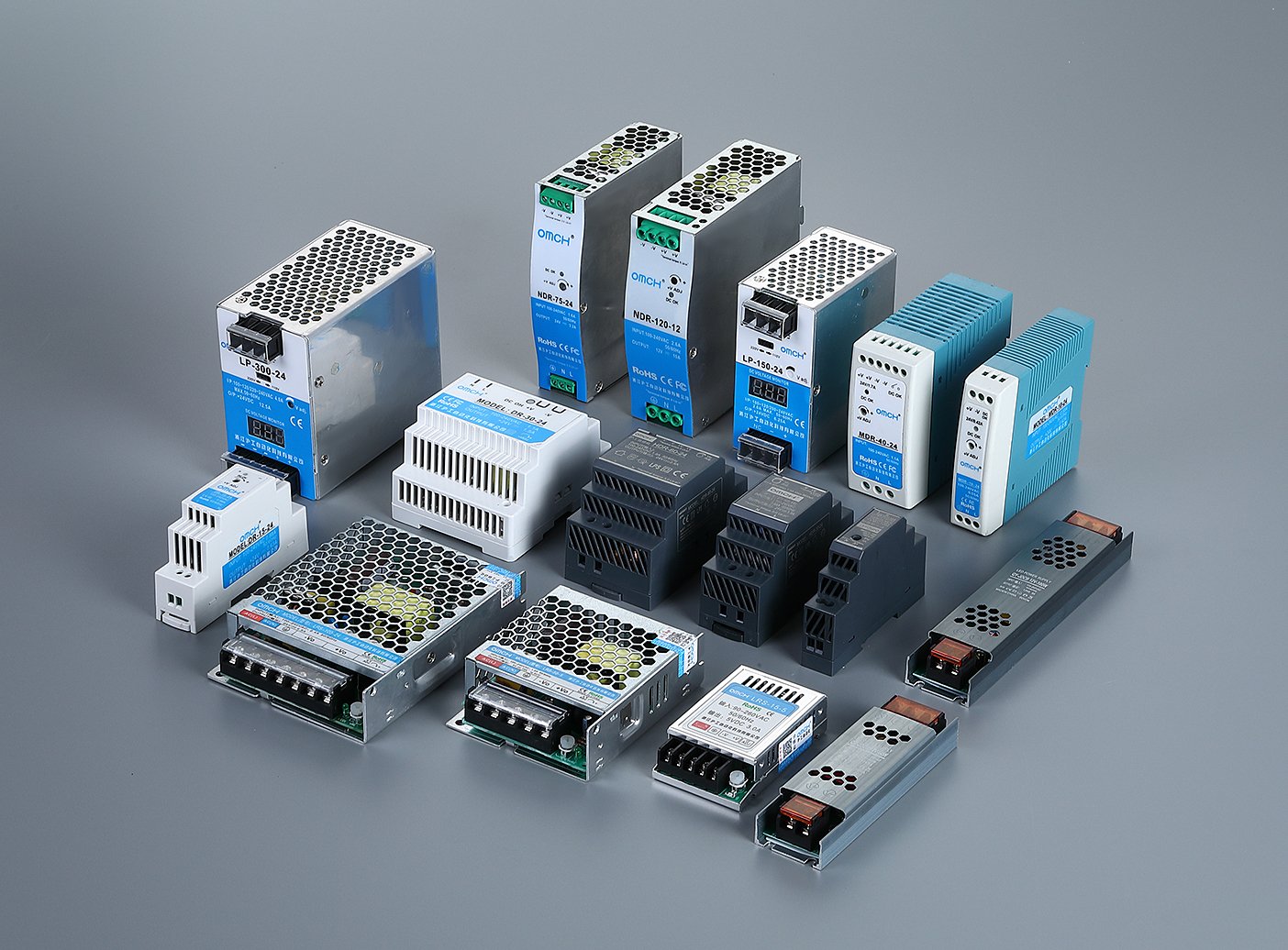
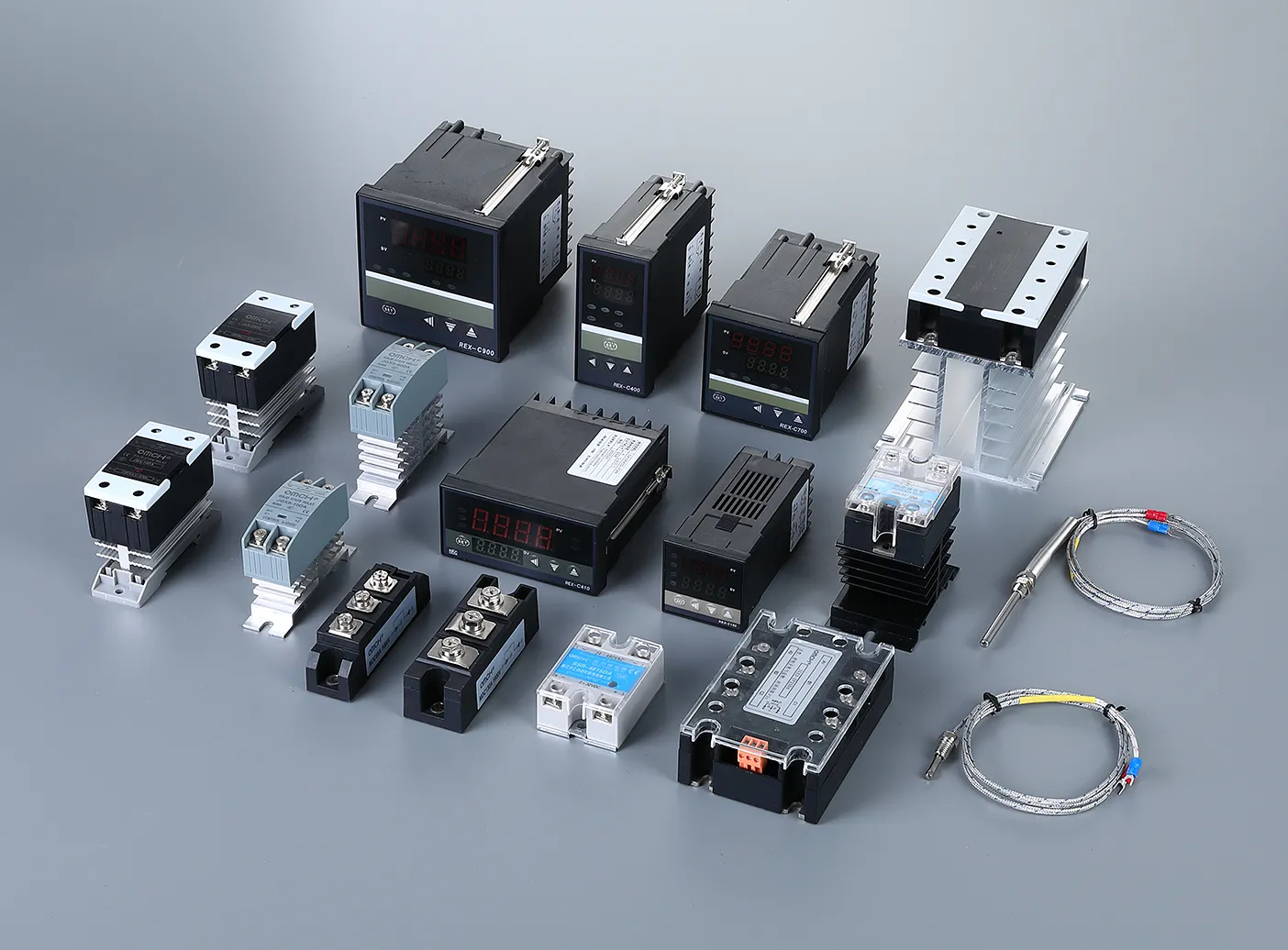
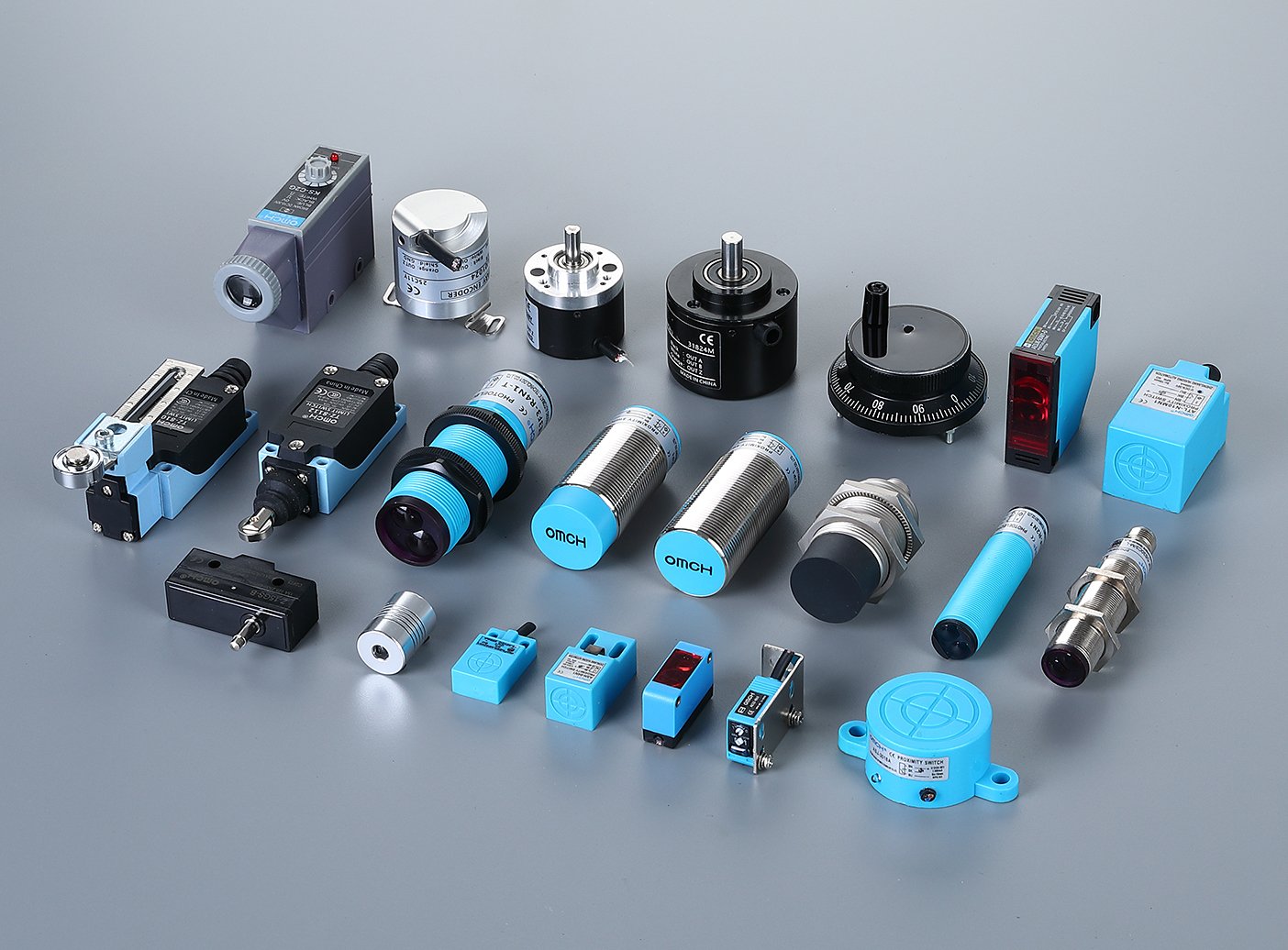
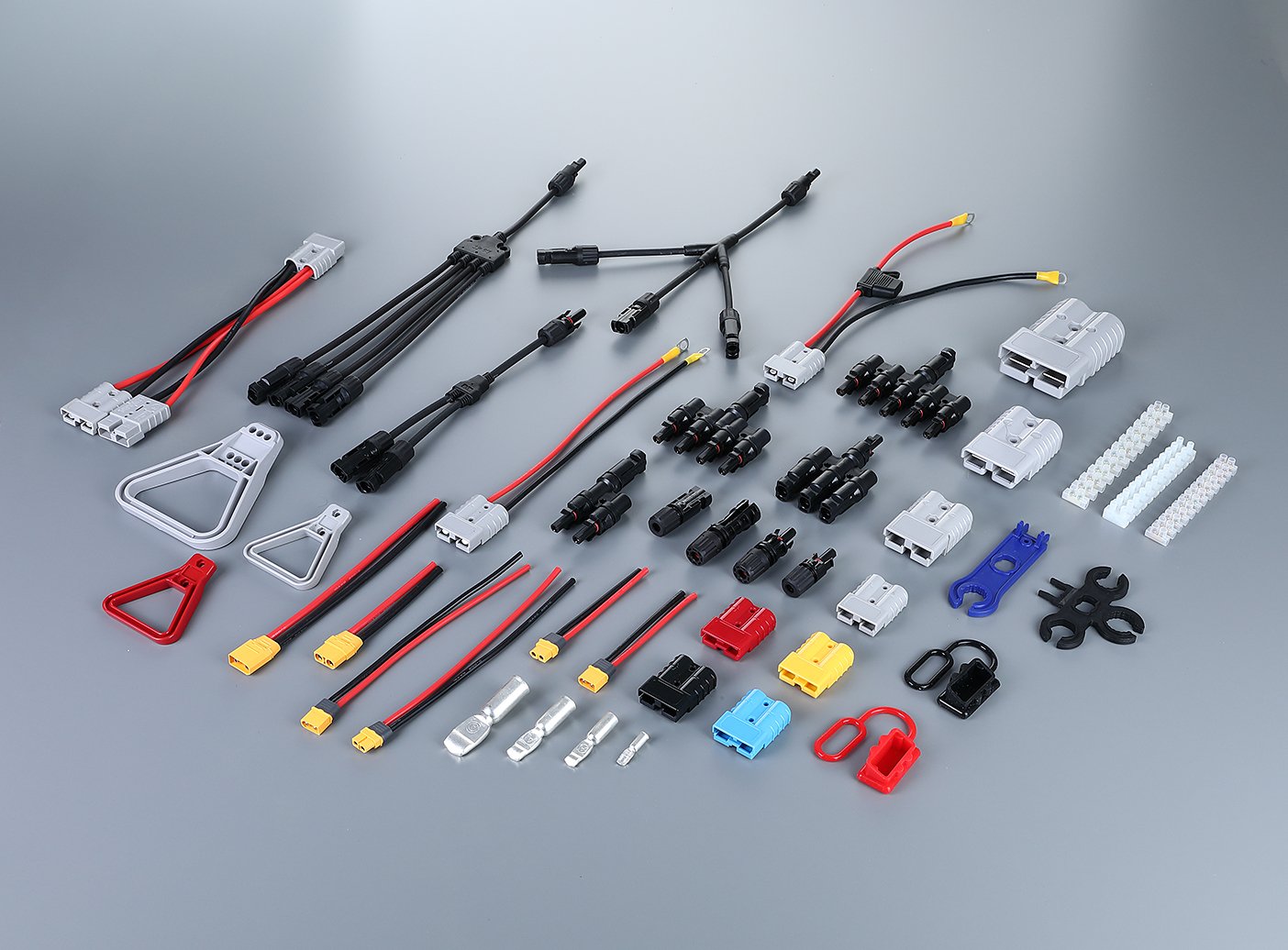
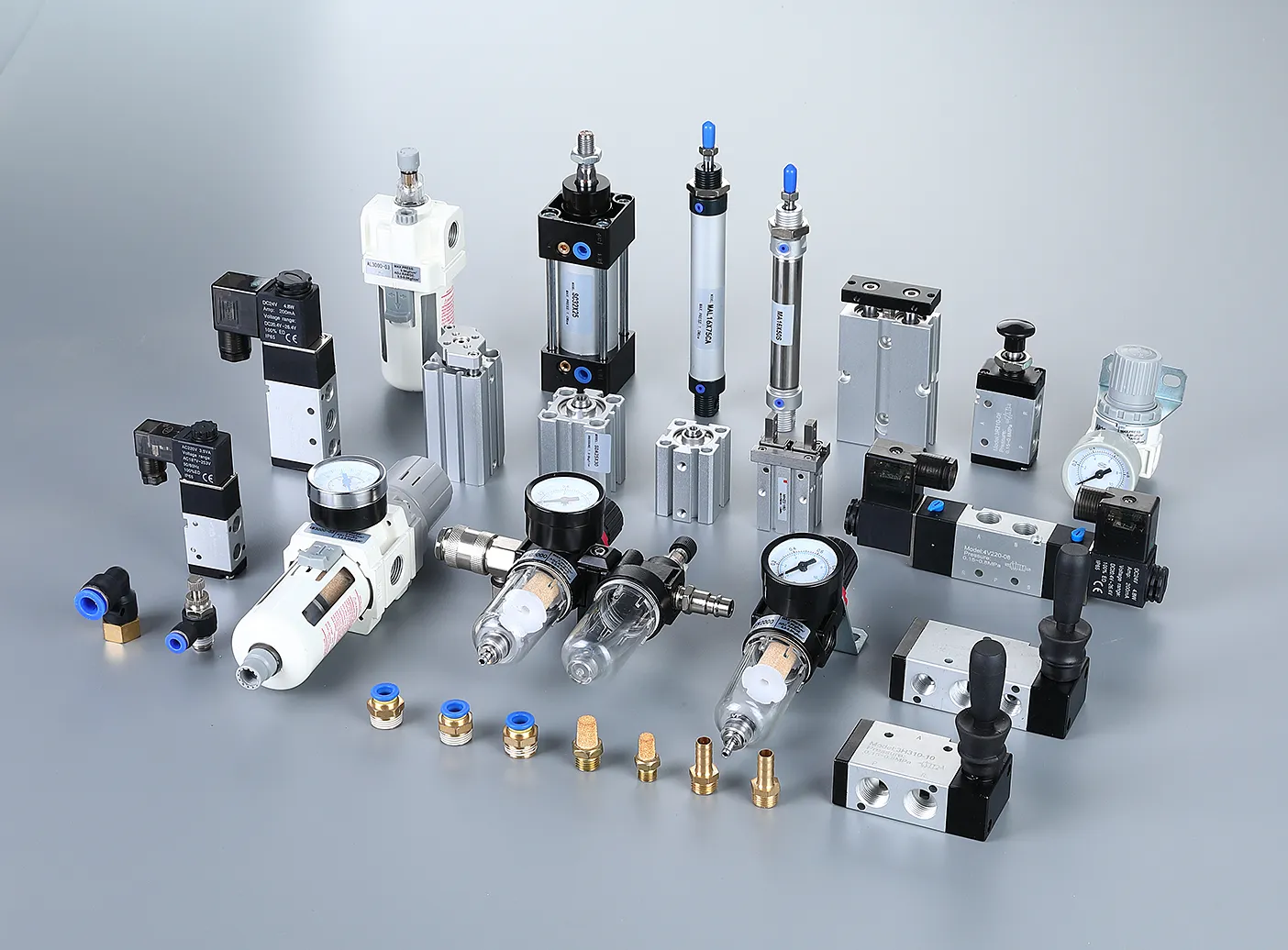
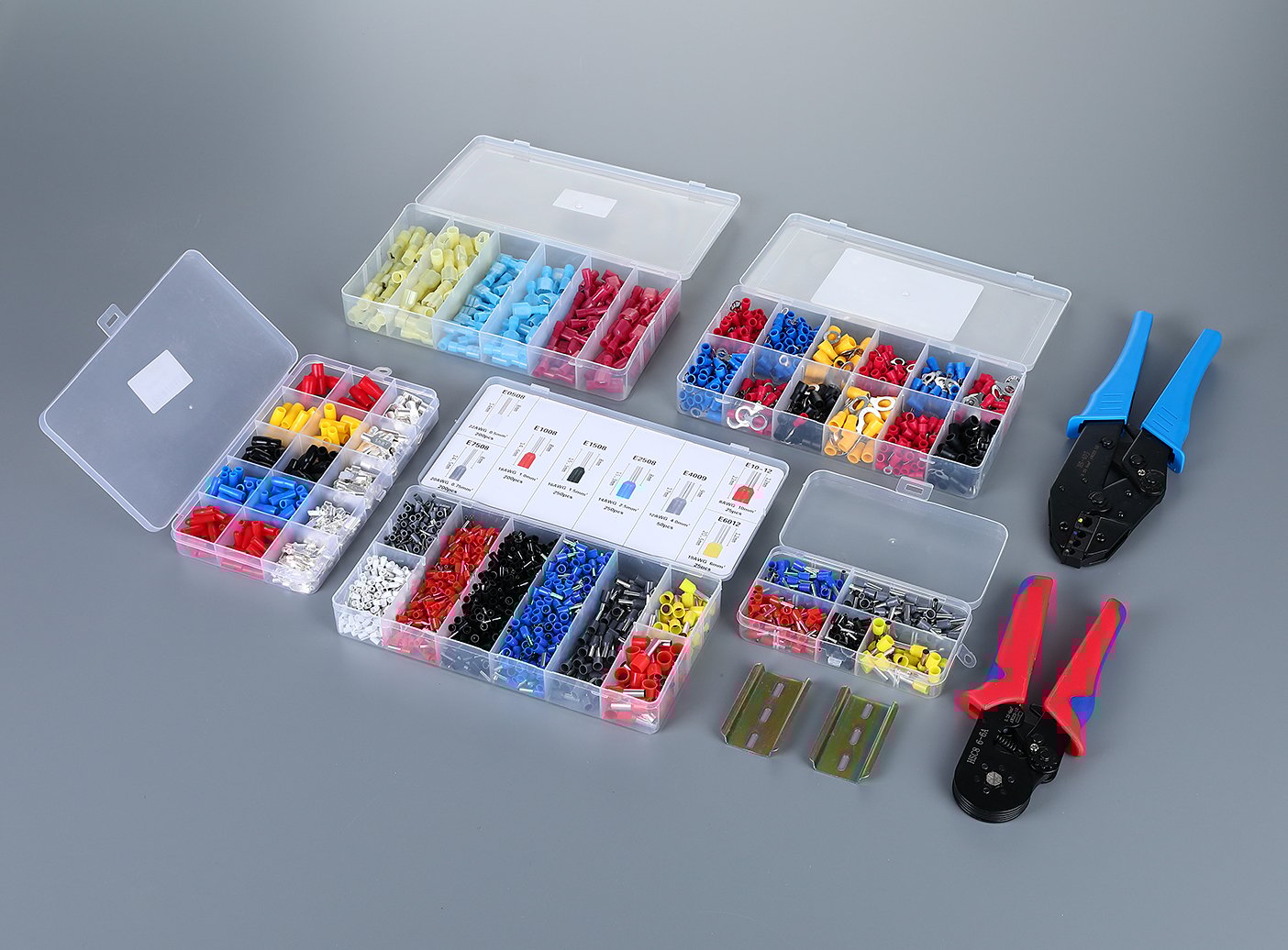

Elektrik bileşenleri ticareti yapıyorsanız, “elektrik bileşenlerini nereden satın alabilirim” sorusunun yüzeysel cevabını zaten biliyorsunuzdur. Tarayıcınızda Alibaba sekmeleriyle dolu bir pencere, bir yığın tedarikçi kataloğu ve WhatsApp’ta fabrika teklifleriyle dolu bir akışınız var.
Asıl soru şu değil nerede. Bu kim gerçekten güvenilirdir, bunun bedeli nedir ve hangi gizli riskler söz konusudur.
Bu kılavuz, dağıtımcılar için hazırlanmıştır — yani elektrikli bileşenleri kendi tüketimleri için değil, yeniden satmak amacıyla satın alan işletmeler için. Kılavuzda, tedarikçi ortamını, pratik bir değerlendirme çerçevesini, üretimin fiilen nerede gerçekleştiğini, uluslararası tedarik sürecinin gerçeklerini ve araştırma aşamasından ilk siparişe geçmek için uygulanabilir bir eylem planını ele alacağız.
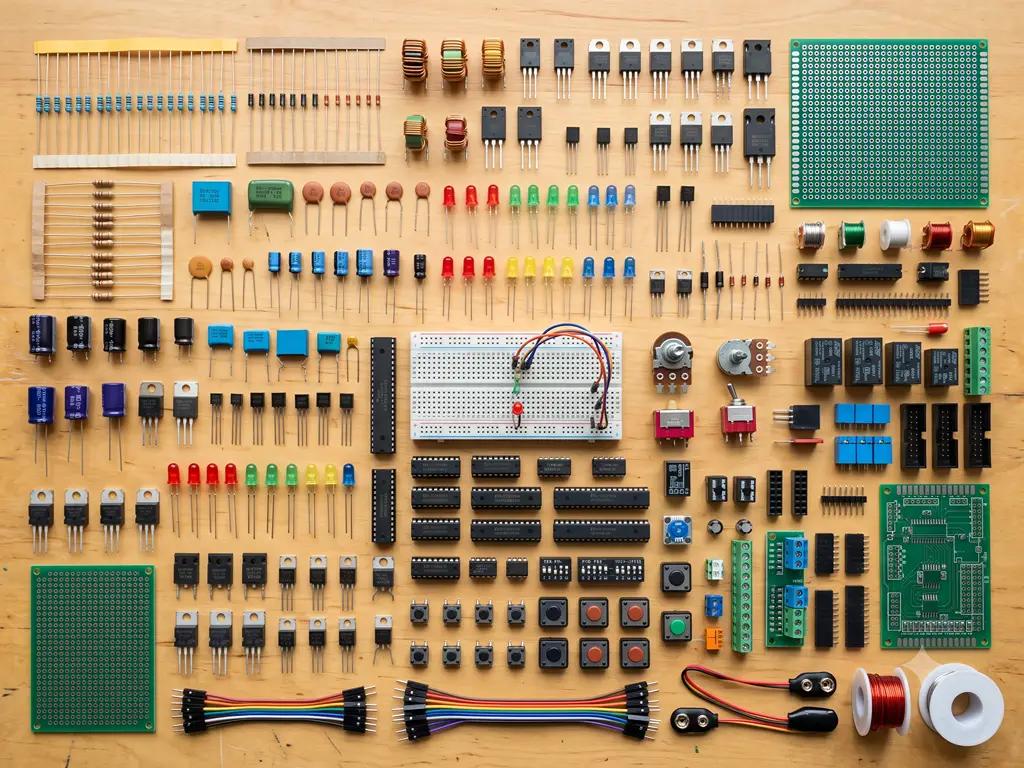
Bu makale boyunca “elektrik bileşenleri” terimi, endüstriyel elektrik ürünlerini ifade eder: devre kesiciler, kontaktörler, röleler, anahtarlar, güç kaynakları, terminal blokları, sensörler ve konektörler. Elektronik bileşenleri (entegre devreler, dirençler, kondansatörler) kapsamaz. Tedarik zincirleri, tedarikçi türleri ve sertifikasyon gereklilikleri temelde farklıdır. Eğer “elektrik bileşenleri nereden alınır” diye arama yaptıysanız ve hobi amaçlı Arduino parçaları için Digi-Key’i öneren bir sayfaya ulaştıysanız, bu makale o sayfada yer almayan makaledir.
Elektrikli Bileşen Tedarik Zincirini Anlamak — Kim Ne Satıyor?
Herhangi bir tedarikçiyi değerlendirmeden önce, o tedarikçinin hangi kategoriye ait olduğunu bilmeniz gerekir. Farklı tedarikçi türleri, farklı alıcı profillerine hizmet eder. Durumunuza uygun olmayan bir tür seçmek, doğru tür içindeki yanlış tedarikçiyi seçmekten daha pahalıya mal olur.
Bunu araba satın almaya benzetin. Bir 4S bayisi, bir paralel ithalatçı, fabrika doğrudan satış programı ve bir ikinci el araba platformu; hepsi araba satıyor. Ancak deneyim, risk profili ve toplam maliyet açısından büyük farklılıklar var. Elektrikli bileşenlerde de durum aynıdır.
| Tedarikçi Türü | Tipik Örnekler | İçin En İyisi | Çekirdek Avantajı | Başlıca Risk | Tipik minimum sipariş miktarı |
|---|---|---|---|---|---|
| Marka Üreticileri | CHINT, Delixi, Schneider (kendi fabrikaları) | Tek bir markaya odaklanan yüksek hacimli distribütörler | Büyük ölçekte en düşük birim maliyet; tam kalite kontrol | Yüksek minimum sipariş miktarı ($ 10.000+); çoklu marka esnekliği yok | 500–5.000 adet |
| Yetkili Distribütörler | Sonepar, Zhongyeda | Marka orijinallik garantisine ihtiyaç duyan alıcılar | Resmi garanti + izlenebilir tedarik zinciri | 5–15%, fabrika satış fiyatına göre kâr marjı; “yetkili” kapsamına ilişkin marka/bölge/ürün grubu kısıtlamaları | Değişken; genellikle asgari tutar yoktur |
| Ticaret Şirketleri / Entegre Tedarikçiler | Yueqing ve Shenzhen’deki çok markalı toptancılar | Çeşitli ürün portföyleri oluşturan küçük ve orta ölçekli distribütörler | Tek tedarikçi, çok sayıda marka; sipariş birleştirme; esnek minimum sipariş miktarı | 5–15% fiyat etiketi; kalite markaya göre değişiklik gösterir — tüm ürünler aynı şekilde denetlenmemiştir | SKU başına 100–500 adet; karışık konteynerler kabul edilir |
| B2B Çevrimiçi Pazar Yerleri | Alibaba, Made-in-China, Global Sources | İlk kez ithalat yapanlar; fiyatları karşılaştıran alıcılar | Düşük arama maliyeti; alıcı koruması (Trade Assurance); fiyat şeffaflığı | “Doğrulanmış” = temel işletme kaydıdır, kalite denetimi değildir; “Altın Tedarikçi” = ücretli üyelik | Ürüne bağlı olarak 10–1.000 adet |
Fabrikadan doğrudan satın almakla bir ticaret şirketi aracılığıyla satın almak arasındaki gerçek fiyat farkı genellikle 5–15%’dir. Bazı tedarik kılavuzlarının öne sürdüğü 50% değil. Bu 5–15% fark karşılığında çoklu marka konsolidasyonu, daha düşük minimum sipariş miktarları (MOQ) ve kalite kontrolü (QC) sürecini sizin dilinizi konuşan birinin yürütmesini elde edersiniz. 8 ürün kategorisinde aylık $5.000 sipariş veren küçük bir distribütör için, ticaret şirketinin kâr marjı genellikle 8 ayrı fabrika ile ilişkileri yönetmekten daha ucuzdur.
Ancak bu tasarruflar, ancak tedarikçi yetkinse gerçekleşebilir. Bu da bizi değerlendirme konusuna getiriyor.
Fabrika satışları ile ticaret şirketi arasındaki fiili fiyat farkı şöyledir: Beş ila on beş adet bir penilik madeni para — bazı tedarik kılavuzlarının iddia ettiği gibi 50% değil. 8 farklı kategoride aylık $5.000 sipariş veren küçük bir distribütör için, ticaret şirketinin kâr marjı, 8 ayrı fabrika ile ilişkiyi yönetmekten daha az maliyetlidir.
Elektrikli Bileşen Tedarikçilerini Değerlendirme Yöntemleri — Pratik Bir Çerçeve
Tedarikçi değerlendirmesi, “geçti/kalmadı” şeklinde bir sınav değildir. Bu, bir eşleştirme sürecidir. Siemens için ayda 50.000 adet devre kesici üreten bir fabrika, sizin $3.000 adetlik deneme siparişiniz için tamamen uygun olmayabilir. Numunelerinizi mükemmel bir şekilde işleyen küçük bir ticaret şirketi ise, 5 konteynerlik bir sipariş karşısında çökebilir.
Üç temel unsuru düşünün: uyum referans noktası (Bunu yasal olarak satabilirler mi?), işlem yeteneği (bunu her seferinde doğru yapabilirler mi?), ve teslimat güvenilirliği (Sipariş ettiğiniz ürünü, söz verdikleri zamanda gerçekten gönderecekler mi?). Eğer bu temellerden biri çökerse, diğer ikisinin bir önemi kalmaz.
Sertifikalar ve Uyumluluk — Taviz Verilemez Temel Kriterler
Sertifikalar, ilk filtrenizdir. Ancak bir web sitesinde sertifika logosuna bir göz atmak yeterli değildir. “Sertifikası var” ile “sizin ürününüzü kapsayan geçerli bir sertifikası var” arasındaki fark, maliyetli hataların ortaya çıktığı noktadır.
İşte her elektrikli bileşen tedarikçisi için doğrulamanız gereken beş sertifika türü:
1. ISO 9001 (Kalite Yönetim Sistemi)
Neden önemli: Bu, bir tedarikçinin süreçlerini belgelediğinin en temel kanıtıdır. Bu belge yoksa, o tedarikçiden uzak durun.
Nasıl doğrulanır: Sertifika numarasını isteyin ve bunu sertifikayı veren kurumun çevrimiçi kayıt sistemiyle karşılaştırarak kontrol edin. Herhangi bir meşru sertifikasyon kurumu (SGS, TÜV, Bureau Veritas, BSI) halka açık bir veritabanı bulundurur.
2. CE İşareti (AB Pazarına Giriş)
Neden önemlidir: Avrupa Ekonomik Alanı’nda satılan elektrikli ürünler için zorunludur. Ancak — ve bu çok önemlidir — iki tür vardır: kendi beyanına dayalı CE ve üçüncü taraf tarafından sertifikalandırılmış CE. Elektrik güvenliği bileşenleri (devre kesiciler, kontaktörler, RCCB’ler) için bir Yetkili Kurum (NB) devreye girmelidir. NB numarası her zaman 4 hanelidir ve Avrupa Komisyonu’nun NANDO veritabanında doğrulanabilir.
Doğrulama yöntemi: Sertifikadaki 4 haneli NB numarasını bulun → NANDO veritabanında arama yapın → NB’nin ilgili direktif için yetkilendirilmiş olduğunu doğrulayın (Düşük Gerilim için genellikle 2014/35/AB).
3. IECEE CB Programı (Uluslararası Sertifikasyon Pasaportu)
Neden önemli: CB Programı, 54 IEC üye ülkesi arasında (IECEE verilerine göre 2025 itibarıyla) imzalanmış çok taraflı bir anlaşmadır ve katılımcı ülkelerde tek bir test raporunun kabul edilmesini sağlar. Bu program, ürünlerin her pazar için yeniden test edilme ihtiyacını ortadan kaldırır. Birden fazla ülkeye satış yapan distribütörler için, CB sertifikasına sahip bir tedarikçi, uyum yükünüzü önemli ölçüde azaltabilir.
Nasıl doğrulanır: CB sertifikasının geçerliliğini IECEE çevrimiçi veritabanında kontrol edin. Sertifikada hedef pazar ülkelerinizin listelendiğini ve varsa “Ulusal Farklılıklar”ın giderildiğini doğrulayın.
4. UL / CSA (Kuzey Amerika Pazarı)
Neden önemli: ABD ve Kanada’da satılan ürünler için zorunludur. UL sertifikası, sürekli fabrika denetimlerini gerektirir. UL sertifikasına sahip olduğunu iddia eden ancak fabrika ziyaretlerini reddeden bir tedarikçi, dikkat edilmesi gereken bir durumdur.
Nasıl doğrulanır: UL Product iQ veritabanında dosya numarasına göre arama yapın.
5. RoHS / REACH (Malzeme Uygunluğu)
Neden önemli: Tehlikeli maddeleri kısıtlar. AB pazarına giriş için zorunludur ve diğer bölgeler tarafından da giderek daha yaygın olarak benimsenmektedir.
Nasıl doğrulanır: Tedarikçinin kendi beyanına değil, ISO 17025 akreditasyonuna sahip bir laboratuvardan RoHS test raporunu talep edin.
Pratik bir örnek: Birden fazla bölgeye hizmet veren köklü bir elektrikli bileşen distribütörü, genellikle her ürün ailesi için ayrı bir sertifikasyon dosyası tutar — AB için NB katılımıyla hazırlanmış CE sertifikası, Avrasya Ekonomik Birliği için EAC sertifikası, daha geniş uluslararası kabul için CB test raporları ve standart olarak RoHS/REACH belgeleri. Yeni bir tedarikçiden sertifikalar talep ettiğinizde, beklemeniz gereken standart budur. Tedarikçi, NB numarası ve test laboratuvarı akreditasyonu içermeyen tek sayfalık bir “CE sertifikası” sunabiliyorsa, ilk filtreyi geçememiştir.
Kalite Doğrulama — Sertifikanın Ötesinde
Bir sertifika, tedarikçinin denetim gününde kurallara uyduğunu kanıtlar. Ancak bunun, senin Bu parti — altı ay sonra, bir Cuma öğleden sonra, satın alma müdürünün 8%’den daha ucuza bulduğu bir ikame hammadde kullanılarak üretilen — aynı standarda uygundur.
Üç aşamalı bir doğrulama iş akışı, sertifikaların gözden kaçırdığı hususları tespit eder:
1. Adım: Örnek Test (Karar Vermeden Önce)
Toplu ödeme yapmadan önce numune talep edin. Numune üretimi ve hava kargo süresi için 7–15 gün bekleyin. Sadece gözle incelemeyle yetinmeyin, gerçek kullanım koşullarınız altında test edin:
- Görsel ve boyutsal: Teknik özellik tablosuyla karşılaştırın. Toleransları ölçün.
- Elektriksel performans: Anahtarlar ve kesiciler için, nominal gerilim ve akımda test yapın. Açılma eğrilerini doğrulayın.
- Termal davranış: Nominal yükte 30 dakikadan fazla çalıştırın. Aşırı ısınan bölgeler olup olmadığına bakın.
- Mekanik dayanıklılık: Mekanizmayı birkaç kez çalıştırın. 100.000 çalışma döngüsü kapasitesine sahip bir kontaktör, #100 döngüsünde de #1 döngüsünde olduğu gibi aynı hissi vermelidir.
Deneyimli alıcıların en sık dile getirdiği şikayet şudur: “Numune mükemmeldi. Ancak toplu sipariş öyle değildi.” Numuneler özenle seçilir. Toplu üretimde ise bu yapılmaz. İşte bu yüzden 2. ve 3. adımlar vardır.
2. Adım: Fabrika Denetimi (Uzaktan veya Yerinde)
Sipariş tutarınız $10.000’in altındaysa, fabrika ziyareti için Çin’e uçmak mali açıdan mantıklı olmayabilir. Ancak yine de bir video denetimi gerçekleştirmelisiniz. Tedarikçiden, bir video görüşmesi aracılığıyla canlı olarak şu üç alanı size ayrıntılı bir şekilde göstermesini isteyin:
- Üretim hattının organizasyonu: Çalışma alanları düzenli mi? Gözle görülür bir iş akışı var mı, yoksa her şey doğaçlama mı görünüyor?
- Kalite kontrol istasyonları: Test ekipmanlarının bulunduğu özel bir kalite kontrol alanı var mı? Ekipmanın çalışır halde gösterilmesini ve güncel bir test kaydını görmek isteyin. IEC 60947-1 standardı (alçak gerilim şalt sistemleri için genel kurallar standardı), dielektrik dayanım gerilimi testi ve sıcaklık artışı doğrulamasını zorunlu olarak belirtir. Tedarikçi, size bu ekipmanın çalışır halde olduğunu gösterebilmelidir.
- Hammadde depolama: Düzenli, etiketli ve iklim kontrollü mü? Yoksa köşede etiketsiz makaralardan oluşan bir yığın mı?
$20.000'ın üzerindeki siparişler için SGS, Bureau Veritas veya TÜV tarafından gerçekleştirilecek bir üçüncü taraf denetimini değerlendirin. Çin'de bir günlük fabrika denetiminin maliyeti genellikle $300–$500 arasındadır ve bu denetim sonucunda üretim kapasitesi, kalite sistemleri ve sosyal uyum konularını kapsayan standart bir rapor hazırlanır.
3. Adım: Sevkiyat Öncesi Denetim (Kalan tutarı ödemeden önce)
Bu, son savunma hattınızdır. Üçüncü taraf bir denetim kuruluşu (SGS, Bureau Veritas, Intertek), bitmiş ürünlerinizin fabrikadan çıkmadan önce rastgele seçilen bir numunesini denetler. Elektrikli bileşenler için yaygın denetim kriterleri şunlardır:
- Miktar ve ambalaj uygunluğu
- Teknik özellik belgenize göre görsel ve boyutsal kontroller
- Rastgele bir örneklem üzerinde yapılan işlevsel testler (genellikle AQL 2,5 Seviye II)
- Etiketleme ve işaretleme doğrulaması (CE, gerilim değerleri, parti kodları)
Çin’de standart bir sevkiyat öncesi denetimin günlük maliyeti $300–$800 arasındadır ve bu denetim, kullanılamaz malların bulunduğu bir konteynerin elinize geçmesini önleyebilir.
Operasyonel Güvenilirlik — Gelecekteki Performansı Öngören KPI’lar
Sertifikalar ve numune kalitesi, bir tedarikçinin yapabilir gerçekleştirmek. Operasyonel göstergeler, bunların ... olacak her siparişi tutarlı bir şekilde yerine getirmek.
İlk etkileşimden itibaren takip etmeniz gereken üç KPI:
1. Zamanında Teslimat Oranı
Sektör referans değeri: ≥95%. Mükemmel: ≥98%. 90%’nin altında: diskalifiye.
Ancak tanımına bir bakın. “Zamanında” derken “fabrikamızdan zamanında çıktı” mı kastediliyor, yoksa “limanınıza zamanında ulaştı” mı? İlki sizin için bir anlam ifade etmez. İkincisini talep edin.
2. Sorgu Yanıt Süresi
Sektör standardı: Çalışma saatleri içinde ≤4 saat. Mükemmel: ≤2 saat. Basit bir teklif talebine yanıt vermek için sürekli olarak 12 saatten fazla süreye ihtiyaç duyan bir tedarikçinin sorunu, zaman dilimi sorunu değil, kurumsal bir sorundur.
3. Yeniden Sipariş Oranı
Bir tedarikçinin yeniden sipariş oranı 20%’nin üzerindeyse, mevcut müşterileri cüzdanlarıyla oy kullanıyor demektir. 10%’nin altındaysa, bunun nedenini araştırın.
Derhal iş birliğinin sonlandırılmasını gerektiren uyarı işaretleri: tedarikçinin partiye özgü test raporlarını sunamaması, teklif ile fatura arasında açıklamasız fiyat değişiklikleri, 3 ay içinde irtibat kişisinin birden fazla kez değişmesi veya tedarikçinin müşteri referanslarını vermekte isteksiz davranması.
Elektrik Bileşenleri Nereden Temin Edilir — Kanallar, Merkezler ve Ticaret Yolları
Kimi aramanız gerektiğini ve onları nasıl değerlendireceğinizi biliyorsunuz. Peki şimdi: Onları gerçekte nerede bulabilirsiniz?
Tedarik, tek kanallı bir faaliyet değildir. Olgun bir tedarik süreci, üç aşamalı bir süreç izler: çevrimiçi platform keşfi → doğrudan etkileşim → yüz yüze doğrulama. Üç aşamayı da aynı anda tamamlamaya çalışmayın.
B2B Çevrimiçi Pazar Yerleri — Başlangıç Noktası
İlk kez ithalat yapanlar için B2B platformları, en düşük riskli giriş noktasıdır. Bu platformlar, ürün keşfi, temel doğrulama ve ödeme koruması sağlar.
Alibaba.com en geniş tedarikçi ağına sahiptir. Trade Assurance, temel işlem koruması sağlar. Ancak bu rozetlerin gerçekte ne anlama geldiğini iyi anlamak gerekir: “Doğrulanmış Tedarikçi” rozeti, şirketin yasal olarak kayıtlı olduğunu teyit eder, hepsi bu kadar. “Altın Tedarikçi” ise ücretli bir üyeliktir — bu, ürün kalitesini değil, platforma yatırım yapma istekliliğini gösterir. “Değerlendirilmiş Tedarikçi” rozeti ise, bir üçüncü taraf denetim şirketinin tesisi fiziksel olarak ziyaret ettiğini ifade eder. Bu rozet oldukça önemlidir.
Made-in-China.com Endüstriyel ve elektrik ürünleri kategorilerinde, tüketim mallarına kıyasla daha kapsamlı bir ürün yelpazesine sahiptir. Tedarikçi kalitesi daha yoğun bir yapı sergilemektedir: ürün listesi sayısı daha az olmakla birlikte, B2B elektrik ürünleri alıcıları için ortalama alaka düzeyi daha yüksektir.
Global Sources OEM/ODM elektronik ve elektrikli ürün tedarikinde güçlü bir konumdadır. Özel bir ürün serisi geliştiriyorsanız, buradan başlayın.
Platform tarama kontrol listesi:
- Faaliyet yıllarına göre filtrele (tercihen 5+ yıl)
- İşlem geçmişini ve alıcı yorumlarını kontrol edin (sadece puanlara bakmayın — şikayetleri de okuyun)
- Deneme amaçlı bir teklif talebi gönderin ve yanıt hızını değerlendirin ve teknik kalite
- Doğrulama: Bir tedarikçi, fabrika olduğunu iddia ediyorsa, şirket adını Google Haritalar’ın uydu görüntüsünde arayın. Konumda bir sanayi tesisi görünüyor mu?
Doğrudan Üreticilerden — Ne Zaman ve Nasıl Kaynağa Doğrudan Ulaşılır?
Aracıyı devre dışı bırakmak ilk bakışta en mantıklı adım gibi görünebilir. Ancak her zaman böyle değildir. Tek bir ürün kategorisinde yıllık satın alma hacminiz yaklaşık $50.000’i aştığında ve kalite kontrol, lojistik ve tedarikçi ilişkilerini yönetmek için kurum içi kapasiteniz varsa, fabrikadan doğrudan satın alma mantıklı bir seçenektir.
Bu eşiğin altında, fabrikadan doğrudan tedarikin getirdiği ek maliyetler (dil engelleri, minimum sipariş miktarı (MOQ) esnekliğinin olmaması, ödeme riski, konsolidasyon eksikliği) genellikle bir ticaret şirketine ödeyeceğiniz 5–15%’lik kâr marjını aşmaktadır.
Fabrika doğrudan satış, işletmenizin ölçeğine uygun bir adımsa, fabrikaların gerçekte nerede olduğunu bilmek size bir avantaj sağlar:
| Üretim Kümesi | Ana Ürünler | Önemli Şehirler | Neden Önemli? |
|---|---|---|---|
| Zhejiang — Yueqing / Wenzhou | Alçak gerilim elektrik sistemleri: devre kesiciler, kontaktörler, röleler, anahtarlar, dağıtım panoları | Yueqing, Wenzhou | Çin’in alçak gerilim elektrik piyasasındaki pazar payı 65%’nin üzerinde ve Çin’in alçak gerilim elektrik ürünleri ihracatının 60%’sinden fazlasını oluşturmaktadır. Elektrik sektöründe 14.000’den fazla işletme bulunmaktadır. Yerel tedarik zincirindeki eşleşme oranı 85%’yi aşmaktadır — bileşenlerin çoğu bir saatlik mesafe içinde temin edilebilmektedir. |
| Guangdong — İnci Nehri Deltası | Konektörler, kablolar, güç kaynakları, akıllı cihazlar | Shenzhen, Dongguan, Foshan | Çin’in en gelişmiş ihracat altyapısı. Uluslararası pazarlara en hızlı sevkiyat. Güç kaynakları ve elektronik konektörler alanında güçlü. |
| Şanghay / Jiangsu | Endüstriyel otomasyon, orta/yüksek gerilim ekipmanları, hassas bileşenler | Şanghay, Suzhou, Changzhou | En üst düzeyde teknik yetkinlik. Uluslararası ortak girişim fabrikalarının güçlü varlığı. Sıkı toleranslar gerektiren veya IEC/ISO standartlarına uygun üretim gerektiren ürünler için en uygun seçenek. |
Kıyı bölgelerindeki fabrikalar (Zhejiang, Guangdong, Şanghay), büyük konteyner limanlarına (Ningbo, Shenzhen, Şanghay) yakın olmaları nedeniyle, iç kesimdeki alternatiflere kıyasla –30 daha düşük lojistik maliyetleri sunmaktadır. İç kesimdeki bir fabrikadan cazip bir fiyat teklifi alırsanız, karşılaştırma yapmadan önce limana kadar eklenecek kamyon nakliye masraflarını da hesaba katarak yeniden hesaplayın.
Ticaret Fuarları ve Sektör Etkinlikleri — Doğrulama Katmanı
Ticaret fuarları, ekran üzerinden yapılan değerlendirmeden gerçek dünyadaki doğrulamaya geçiş yaptığınız yerlerdir. Bu fuarların asıl değeri, sipariş vermek değildir. Asıl değeri, tedarikçi ilişkisinin ilk konteynerin ötesinde de devam edip etmeyeceğini belirleyen güven sürecini hızlandırmaktır.
Elektrikli bileşen alıcıları için önemli etkinlikler:
- Kanton Fuarı (Guangzhou, Nisan ve Ekim): Çin’in en büyük ticaret fuarı. Elektrik ve elektronik salonları oldukça geniştir. “Marka stantları” (daha büyük, daha iyi konumlanmış, genellikle köklü ihracatçılar) ile “standart stantlar” (daha küçük, kalite açısından daha değişken) arasındaki farka dikkat edin.
- EP Çin / Şanghay Elektrik Fuarı: Elektrik enerjisi konusunda uzmanlaşmış bir fuar. Genel ticaret fuarlarına kıyasla endüstriyel düzeyde tedarikçilerin daha yoğun olarak yer aldığı bir fuar.
- HKTDC Hong Kong Elektronik Fuarı (Nisan ve Ekim): Elektronik ve elektrik bileşenleri alanında güçlüdür. Hong Kong’un yasal çerçevesi, sözleşmelerin yerine getirilmesi konusunda ek bir güven unsuru sağlar.
Gösteri öncesi hazırlıklar: Daha önce çevrimiçi olarak iletişim kurduğunuz 10–15 tedarikçiyi kısa listeye alın. Ürün numuneleri veya ayrıntılı teknik özellikleri yanınızda getirin. Özel endişelerinizi değerlendirmek için 5 temel sorudan oluşan bir liste hazırlayın. Standda bu beş sorunun tümüne somut ve doğrulanabilir bilgilerle yanıt veren bir tedarikçi, parlak bir katalogdan daha güçlü bir göstergedir.
Bir uyarı: Bu fuarlarda birçok ticaret şirketi, kendilerini fabrika gibi göstererek stant açmaktadır. “Yarın üretim hattınızı ziyaret edebilir miyiz?” diye sorun. Cevap kaçamak gelirse, karşınızdaki kişi bir aracıdır. Bu, tedarik stratejinize bağlı olarak bir sorun olabilir de olmayabilir de. Ancak gerçekte kiminle iş yaptığınızı bilmelisiniz.
Uluslararası Elektrik Bileşenleri Tedarikinin Gerçekleri
Çoğu “nereden satın alınır” rehberi, tedarikçileri listeledikten sonra sona erer. Vietnam, Kazakistan veya Nijerya’daki bir distribütör için asıl karmaşıklık işte bu noktada başlar. Birim fiyat, gerçek maliyetinizin belki de 60%’sini oluşturur. Geri kalan 40% ise lojistik, ödeme riski, gümrük mevzuatına uyum ve döviz riski gibi unsurları kapsar. İşte bu 40%, tedarik işleminizin gerçekten kâr getirip getirmediğini belirler.
Lojistik ve Nakliye — Siparişinizin Fabrikadan Kapınıza Ulaşması
Seçtiğiniz nakliye şartları (Incoterms), sadece bir kağıt işinden ibaret değildir. Bu şartlar, her aşamada riskin kime ait olacağını ve mallar deponuza ulaştığında gerçekte ne kadar ödeme yapacağınızı belirler.
| Incoterm | Tedarikçinin Sorumluluğu Şu Noktada Sona Erer | Sen halledersin | İçin En İyisi |
|---|---|---|---|
| FOB (Gemide Teslim) | Kalkış limanında gemiye yüklenen mallar | Deniz taşımacılığı, sigorta, varış limanı ücretleri, gümrük işlemleri, kara taşımacılığı | Güvenilir bir nakliye acentesiyle çalışan deneyimli ithalatçılar |
| CIF (Maliyet, Sigorta, Nakliye) | Mallar varış limanına ulaşır (sigorta dahil) | Varış limanı ücretleri, gümrük işlemleri, kara taşımacılığı | Orta seviye: Nakliye işlemlerini tedarikçi üstlenir, gümrük işlemlerini siz halledersiniz |
| DDP (Gümrük Vergileri Ödenmiş Olarak Teslim) | Ürünler kapınıza teslim edilir, gümrük vergileri ödenmiştir | Neredeyse hiçbir şey | İlk kez ithalat yapanlar; yüksek değerli, zaman açısından hassas siparişler |
FOB, tedarikçinin faturasında en ucuz seçenek gibi görünür. Ancak bu, ucuz bir havayolu şirketinden bilet almaya benzer: temel ücret düşüktür, ancak diğer her şey için ek ücret ödenir. $2.000 FOB tutarındaki bir sipariş, navlun, sigorta, liman ücretleri, gümrükleme ve iç nakliye masrafları eklendikten sonra kolaylıkla $3.200’e ulaşabilir.
Çin’in başlıca limanlarından yapılan kabaca hesaplanan nakliye süreleri:
- Şuna Güneydoğu Asya (Bangkok, Ho Chi Minh Şehri, Cakarta): Deniz yoluyla 5–12 gün
- Şuna Rusya / BDT (St. Petersburg, Vladivostok): Deniz yoluyla 25–35 gün veya Çin-Avrupa Demiryolu Ekspresi ile demiryolu yoluyla 12–18 gün
- Şuna Orta Asya (Almatı, Taşkent): Alashankou / Khorgos sınır geçişleri üzerinden trenle 10–15 gün
- Şuna Orta Doğu / Afrika: Deniz yoluyla 20–35 gün
LCL (konteyner dolusu olmayan) gönderilerde — ki bu, çoğu ilk sipariş için varsayılan seçenektir — en uygun hacim aralığı 15–20 metreküpün altındadır. Bu sınırın üzerinde ise birim başına maliyet açısından tam konteyner (FCL) daha uygun hale gelir.
Ödeme Koşulları ve Asgari Sipariş Miktarı — Küçük Dağıtıcılar İçin Rakamları Uygun Hale Getirmek
Tedarikçi seçimi konusunda verilen tavsiyelerin çoğu, sınırsız işletme sermayeniz olduğunu varsayar. Oysa durum böyle değildir. Devre kesici başına $3,50 fiyatıyla 500 adetlik minimum sipariş miktarı (MOQ), $1.750 tutarındadır — bu yönetilebilir bir rakamdır. Ancak beş SKU daha eklediğinizde, ilk siparişiniz aniden nakliye ücreti hariç $10.000+'a çıkar; malların teslimatı 4–8 hafta sürer ve müşterilerinizin size ödeme yapması da 2–4 hafta daha alır.
Gerçekten işe yarayan minimum sipariş miktarı (MOQ) müzakere stratejileri:
- İlk siparişin kabulü: İlk sipariş için tedarikçinin standart minimum sipariş miktarını (MOQ) kabul edin. Ciddi bir alıcı olduğunuzu gösterin. Şu konularda pazarlık yapın: ikinci sipariş — tedarikçiler, tekrar alışveriş yapan müşterilere karşı çok daha esnek davranmaktadır.
- Karışık SKU birleştirme: Tek bir SKU’dan 500 adet sipariş vermek yerine, bunu 5 ilgili SKU’ya bölünmesini isteyin (her birinden 100 adet). Bu, tedarikçinin toplam hacim gereksinimini karşılarken, SKU başına stok riskinizi de azaltır.
- Örnekten toplu üretime geçiş süreci: Numune siparişi verin → numune fiyatından küçük bir deneme partisi alın → tekrar sipariş için toplu alım indirimi konusunda pazarlık yapın. Bu, önceden büyük bir satın alma siparişi taahhüdünde bulunmadan güveni kademeli olarak artırır.
Ödeme koşulları: Sektör standardı, %’lik peşinat ve sevkiyat öncesi (sevkiyat öncesi denetimden sonra) %’lik ödemedir. Asla 0%’lik peşin ödemeyi kabul etmeyin. Bir tedarikçi bunu talep ederse, ya mali sıkıntı içindedir ya da sizden tekrar sipariş vermenizi beklemiyor demektir. $20.000'ın üzerindeki siparişler için Akreditif (L/C) kullanmayı düşünün; ancak bankalar genellikle akreditif ücretlerinin karşılığını alabilmek için en az $10.000–$20.000 tutarında bir tutar talep ederler.
Döviz riski: Yerel para biriminiz ABD doları karşısında yıllık bazda 10%’den fazla dalgalanıyorsa — Nijerya, Etiyopya veya Kazakistan gibi pazarlarda sıkça görülen bir durumdur — fiyat tekliflerinin geçerlilik sürelerini 15 günün altında tutun. Döviz kurunu, fiyat teklifini aldığınızda değil, depozitoyu ödediğinizde sabitleyin.
Gümrük İşlemleri ve Çoklu Ülke Uyumluluğu
Gümrük, tedarik sürecinin son aşaması değildir. Evraklarınızı hazırlamamışsanız, tüm sevkiyatınızı gönderene iade edebilecek bir engeldir.
Herhangi bir elektrikli bileşen ithalatı için gerekli asgari belge seti:
- Ticari Fatura
- Paket İçindekiler Listesi
- Konşimento (deniz) veya Hava Taşıma Senedi (hava)
- Menşe Belgesi (Çin-ASEAN ticareti için FORM E — HS koduna ve varış ülkesine bağlı olarak gümrük vergilerini azaltabilir veya ortadan kaldırabilir)
- Pazarınızla ilgili ürün sertifikasyon belgeleri
Başlıca pazar sertifikasyon yolları:
| Pazar | Gerekli Sertifika | Notlar |
|---|---|---|
| Rusya / EAEU (Rusya, Beyaz Rusya, Kazakistan, Ermenistan, Kırgızistan) | EAC (LV ekipmanları için TR CU 004/2011) | Beyanname (DoC): ~$500–$1.100, 1–3 hafta. Sertifika (CoC, yüksek riskli ekipmanlar için): ~$1.100–$4.200, fabrika denetimi dahil 4–8 hafta. CoC için EAEU’da yerel bir yetkili temsilci bulunması gerekmektedir. |
| Güneydoğu Asya | CB Programı + ulusal sapmalar | Endonezya (SNI), Tayland (TISI) ve Vietnam (CR işareti) için, CB sertifikasyonunun yanı sıra her bir aşamada ülkeye özgü ek testler gereklidir. CB sertifikasyonunun ardından ulusal sertifikasyon için 2–6 hafta ek süre ayırın. |
| Orta Asya | EAC veya GOST-K | Kazakistan ve Kırgızistan (EAEU üyeleri) EAC sertifikasını kabul etmektedir. Özbekistan ve Türkmenistan’da ise bağımsız sistemler mevcuttur — sevkiyat öncesinde her ülkeye özgü gereklilikleri kontrol ediniz. |
| Afrika | Ülkeye özgü | Nijerya (SONCAP), Kenya (PVoC), Güney Afrika (SABS). Tek bir sistem bulunmamaktadır; her ülke için ayrı bir sertifikasyon gereklidir. |
Çoklu pazarda faaliyet gösteren distribütörler için etkili bir sertifikasyon stratejisi: Temel olarak IECEE CB Programı sertifikasyonuyla başlayın, ardından her yeni pazara girdiğinizde o pazara özgü sertifikaları ekleyin. CB sertifikası, 54 üye ülke tarafından — değişen derecelerde ek gerekliliklerle birlikte — kabul edilmektedir. Bu, elektrikli ürünlerin uygunluğu açısından evrensel bir pasaporta en yakın şeydir.
5'ten fazla pazarda sertifikaların alınması ve sürdürülmesi, fabrika değişiklikleri, yeniden testler ve yıllık izleme denetimleri hariç, genellikle her ürün ailesi başına yalnızca ilk sertifikasyon ücretleri olarak $1.000–$5.000 tutarında bir maliyete yol açar. Bu durum, her pazar için bir fabrikayı sıfırdan sertifikalandırmaya çalışmak yerine, köklü ve çoklu pazarlarda faaliyet gösteren distribütörlerle çalışmanın en güçlü gerekçelerinden biridir.
Araştırmadan İlk Siparişe — Tedarik Eylem Planınız
Şimdiye kadar tedarikçi yapısını, değerlendirme çerçevesini, tedarik kanallarını ve uluslararası tedarikin gizli maliyetlerini ele aldınız. İşte tüm bunları eyleme dönüştürmenin yolu.
1. Adım — Tanımlama: Herhangi bir tedarikçiyle iletişime geçmeden önce ürün özelliklerinizi yazın. Nominal gerilim, akım, IP derecesi, malzemeler, gerekli sertifikalar, hedef birim maliyet. “Devre kesicilere ihtiyacım var” diyen bir teklif talebi göz ardı edilir. “MCB, 1P+N, 16A, C eğrisi, 6kA kesme kapasitesi, IEC 60898-1, NB’li CE” gibi ayrıntıları içeren bir teklif talebi ise teklifler alır.
2. Adım — Aday listesi: 3. Bölüm’de belirtilen kanalları kullanarak 5–10 adayı içeren bir tedarikçi listesi oluşturun. Platform değerlendirme kontrol listesini uygulayın. 2. Bölüm’deki sertifika doğrulamasını geçemeyenleri eleyin.
3. Adım — Doğrulama: Aday listesine alınan her tedarikçi için, sertifikaları sertifika veren kurumların veritabanlarıyla karşılaştırarak doğrulayın. Güncel bir üçüncü taraf test raporu talep edin. Şirketin tescil bilgilerini, ihracat geçmişini ve varsa çevrimiçi yorumları çapraz kontrol edin.
4. Adım — Örnek: En iyi 2–3 tedarikçinizden numune sipariş edin. Bunları gerçek çalışma koşullarınızda test edin. Yalnızca fiyatı değil, ambalaj kalitesini, iletişimin netliğini ve belgelerin eksiksizliğini de karşılaştırın.
5. Adım — Denetim: En azından bir video fabrika turu düzenleyin. $20.000 üzerindeki siparişler için üçüncü taraf denetim yaptırın. Bu maliyet ($300–$500), kusurlu malların bulunduğu bir konteynerden kaynaklanabilecek risklere karşı uygun fiyatlı bir sigorta niteliğindedir.
6. Adım — Önce Deneme, Sonra Genişletme: Minimum sipariş miktarına (MOQ) yakın küçük bir deneme siparişi verin. Üretim süresi, üretim sürecindeki iletişim, sevkiyat öncesi denetim sonuçları, sevkiyat doğruluğu ve ürünün teslim edildiği andaki gerçek kalitesi gibi tüm unsurları değerlendirin. Tedarikçinin, kalite veya zamanlama sorunları yaşamadan arka arkaya iki siparişi başarıyla teslim etmesinden sonra sipariş miktarınızı artırın.
Gerçekçi zaman çizelgesi: Tedarikçiyle ilk temastan malların deponuza ulaşmasına kadar 6–12 hafta sürer. Bu süreci aceleye getirmek, yapabileceğiniz en pahalı hatadır. Kötü bir ilk sipariş, durum tespiti için harcayacağınız 4 haftalık ek süreden çok daha pahalıya mal olur.
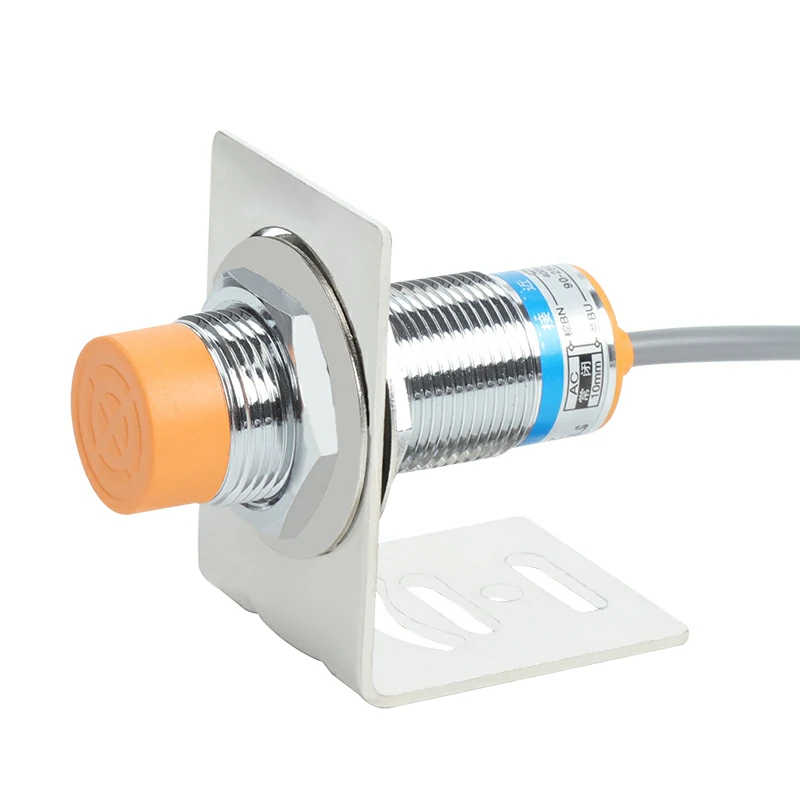
Yukarıdaki tedarik çerçevesi, her türlü elektrikli bileşen kategorisi için geçerlidir. Potansiyel tedarikçileri değerlendiriyorsanız, dikkate almaya değer bir karşılaştırma noktası OMCH’dir — Zhejiang merkezli bir endüstriyel otomasyon distribütörü olan OMCH, DIN rayı güç kaynakları ve devre kesicilerden sensörlere ve pnömatik bileşenlere kadar uzanan 30 ürün kategorisinde 3.000’den fazla SKU’ya sahiptir. Ürün yelpazesinin tamamını şu adresten inceleyebilirsiniz: omch.com veya fiyat teklifi almak için bizimle iletişime geçin.
Bu kılavuzda ele alınan değerlendirme kriterlerini halihazırda karşılayan bir tedarikçiyi karşılaştırın.
Tüm Ürün Yelpazesine Göz AtınKaynakça
- IECEE. “IEC Uygunluk Değerlendirme Sistemleri — Gerçekler ve Rakamlar.” 2025. https://www.iec.ch/conformity-assessment/ca-systems
- IEC. “IEC 60947-1:2020 — Alçak Gerilim Şalt ve Kontrol Cihazları, Bölüm 1: Genel Kurallar.” 2020. https://webstore.iec.ch/publication/60512
- Nemko. “2025 Yılına Ait CB Programı İstatistikleri Yayınlandı.” 2025. https://www.nemko.com/blog/the-cb-scheme-statistics-for-2025-now-available
- Avrupa Komisyonu. “NANDO — Yeni Yaklaşım Kapsamında Bildirilmiş ve Atanmış Kuruluşlar.” https://ec.europa.eu/growth/tools-databases/nando/
- Wenzhou Belediye Yönetimi. “Wenzhou’da GSYİH’si 100 Milyar Yuan’ı Aşan İki İlçe Öne Çıktı.” 2024. http://www.wenzhou.gov.cn/art/2024/10/18/art_1229737165_59255140.html
- Zhejiang Eyalet Hükümeti. “Yueqing Elektrik Endüstrisi Büyüyor.” 2022. http://www.ezhejiang.gov.cn/wenzhou/2022-06/09/c_770400.htm
- InZhejiang. “Fırsat Çin: Türkler, Yueqing’de Alçak Gerilim Elektrikli Ürün Üretiminin Yükselişine Tanık Oluyor.” 2024. https://www.inzhejiang.com.cn/News/202409/t20240930_27117803.shtml
- Avrasya Ekonomik Komisyonu. “TR CU 004/2011 — Alçak Gerilim Ekipmanlarının Güvenliği Hakkında.” http://sercons.cn/services/tr-cu-004-2011-on-safety-of-low-voltage-equipment/
- IECEE. “CB Programı — Üye Ülkeler Listesi.” https://www.iec.ch/conformity-assessment/cb-scheme
- OMCH. “Ana Sayfa.” https://www.omch.com/
- OMCH. “İletişim.” https://www.omch.com/contact/

 English
  Arabic
  Turkish
  Russian
  Spanish
  French
  Indonesian
  Portuguese
  Thai
Thai  Vietnamese