





What Defines a Small PLC
Micro or brick-type PLCs are small automation controllers that are suitable to run basic control applications. Their simplistic nature, low price and convenience of fitting them where there are potentially limited spaces makes them very popular. Small PLCs are normally supplied with pre-determined input/output (I/O) configurations and built-in components, such as CPU, I/O terminals, and more often than not, the power supply unit.
Such small-sized units are common in packaging machine, conveyor belts, HVAC systems and small process control environment based applications. The denotations with the minimal requirement to logic operations and where the environmental constraints play an essential role include such scenarios. This creates a small and trustworthy controller with a plug-and-play-installation.
The small PLCs have as a definite feature the characteristic of all-in-one. This integration not only makes it easier to get connected, but saves wiring time, as well as panel space, an especially important consideration to OEMs and machine builders who want to maximize the efficiency of their manufacturing processes. The decreased form factor does not impede functionality Even small PLCs continue to be provided with sophisticated features, like PID control, communication ports (RS-232/RS-485, Ethernet) and even limited networking capability.
Before proceeding on the subject of powers, it is necessary to understand the structure and the use-case of small PLCs. As this family of controllers is being designed to be deployed in a narrow-power-supply environment, the power supply/supply form, voltage, and integration become critical factors. Most small PLCs have the internal power units that adhere to the standard of 24V DC, and the following discussion is in the next section.
Why 24V DC Became the Standard
It is no coincidence that the standard power supply to small PLCs is becoming 24V DC; a result of years of convergence in industrial automation in the areas of safety, compatibility and practicality.
Safety First: N/a Classifies as 24V DC is __24V DC is under Safety Extra-Low Voltage (SELV) category. It is much less dangerous in terms of electrical shock or a fire danger than systems with higher voltages of the AC. This is particularly well suited to any setting that would expose personnel to control panels or maintenance.
Industry Compatibility: Industry standard sensors, actuators, relay, and any other auxiliary devices run at 24V DC. Comment: operating at the same voltage will ensure smooth integration, less use of modules to convert down or up voltage, and the simplification of system architecture.
Standardization and Reliability: 24V DC has emerged as a de facto specification used in the automation industry and component manufacturers have now refined their designs to 24V DC. It guarantees enhanced supply, simplified acquisition and effective field performance.
Historical Evolution: PLCs were originally designed to work across a variety of voltages – 5V PLCs, 12V PLCs 24V PLC even a 110V! Nevertheless, the 24V DC standard became the most convenient compromise between the power adequacy and safety of operation. It supplies sufficient current to operate logic and I/O loads without insulation and protection it would otherwise necessitate.
Power Distribution Simplification: The use of busbar for power distribution to power requirements in the cabinets has become centralized to 24V DC. This lessens the complexity of the wiring, because a uniform power distribution can be shared by many control components at the same power level.
Briefly, the rationale behind adopting 24V DC is a product of the historical process of the system evolution that balances efficiency, interoperability, and safety, all of which described essential qualities of current industrial automation systems.

Built-In Power: Space and Simplicity
Another most characteristic of a small PLC is that it has the power supply included on the housing. This has an in-built mechanism whose major motives include space saving and simplifying the installation process.
- Reduced Wiring Complexity: With the built-in power supply unit, users need not connect an external power supply unit. This reduces connections error and speeds up the set up process.
- Compact Panel Design: The use of small PLCs is often in a space economic control cabinet design. One built-in power unit will help diminish the entire panel space.
- Lower Cost: Industry integrated components lessens bill of materials, procurement activity, and inventory tracking.
A typical miniature PLC would take a wide supply range of AC mains voltages, say 100240V AC, and internally buck-converted it down to 24V DC to run the logic/ I/O circuitry. This internal transformation is taken care of by a compact switching power supply embedded with the machine
This design is also in the benefit of manufacturers. Using integrated power supplies, they can standardize their PLC enclosures by having fewer external connections and are easier to use out-of-the-box. Technically, this also means that less could go wrong and diagnosing is eased.
This is an architectural choice in favor of the larger trend toward modular and distributed automation. Plug-and-play units allow automation systems to be configured, commissioned and serviced faster than in the past essential in cost-sensitive automation applications.
AC to DC: Inside the Conversion
Though small PLCs typically operate on 24V DC internally, many models accept AC power as input. This necessitates a robust internal AC-to-DC conversion system, which is usually embedded in the housing.
Conversion Process:
- AC Input (100–240V): The unit is connected to a standard mains power supply.
- Rectification: The alternating current (AC) is converted to unregulated DC using a bridge rectifier.
- Filtering: Capacitors smooth the rectified signal to reduce ripple.
- Regulation: A voltage regulator ensures a stable 24V DC output regardless of load fluctuation.
Modern PLCs employ switching power supplies instead of linear regulators. These are more compact, efficient, and generate less heat — key requirements for enclosed, fanless systems.
Dual Input Compatibility
Other PLC types accept both AC and DC inputs and therefore offer more flexibility in the various electrical arrangements. In this instance, internal circuits are programmed to auto-detect and adjust to the type of input therefore making the process of using them seamless.
This design will offer a sophisticated transition between AC and DC-based solutions of the past and the DC-based control architectures of the future. It also means that even in facilities where 24V DC is not normally distributed PLCs can be installed without it necessary to incorporate separate external power supplies in the installation.
Selecting the Right Power Capacity
Selecting a PLC with the appropriate power rating is critical to avoid voltage drop, overload, or underperformance. The total system load must be calculated based on the current draw of both the internal circuits and the external devices powered by the PLC.
Key Factors to Consider:
- Total I/O Load: Sum of all connected input and output devices, including relays, solenoids, sensors, etc.
- Startup Inrush Current: Devices like solenoid valves or motors may draw a higher current momentarily at startup.
- Power Reserve: Always include a buffer — 20% is common — to accommodate future expansion or power fluctuations.
Example Power Budget Table
| Device Type | Quantity | Current per Device (mA) | Total Current (mA) |
| Proximity Sensors | 4 | 15 | 60 |
| Indicator Lights | 3 | 20 | 60 |
| Relay Outputs | 6 | 40 | 240 |
| PLC Logic Circuit | 1 | 150 | 150 |
| Total | 510 | ||
| +20% Buffer | 612 mA |
In this example, a PLC with at least 0.7A (700mA) of available 24V DC power capacity would be advisable.
Some small PLCs allow external 24V power to be applied separately to the I/O terminals, relieving the internal power supply. Knowing your architecture helps avoid overspecification or component stress.
Troubleshooting Power Supply Issues
Despite their reliability, small PLCs may encounter power-related issues that can disrupt automation processes. Identifying and resolving these problems quickly is essential to minimize downtime.
Common Symptoms:
- Power LED not lit: Indicates no supply voltage or internal power failure
- Unexpected resets: May be caused by intermittent supply voltage
- Input/output failures: Can occur if voltage drops under load
- Communication errors: Poor voltage regulation may impact internal buses
Troubleshooting Checklist:
- Verify input voltage is within the specified range (e.g., 100–240V AC)
- Measure DC output voltage across internal terminals, if accessible
- Inspect for loose terminal connections or signs of corrosion
- Confirm grounding is secure and proper
- Check ambient temperature — overheating can trigger protective shutdown
Wiring Best Practices:
- Use appropriate wire gauges for input power
- Ground the PLC according to manufacturer’s specifications
- Avoid routing power and signal lines in parallel
By maintaining clean, regulated power and adhering to proper installation procedures, most power issues can be prevented. Reference the manufacturer’s documentation for detailed diagnostics and replacement procedures.
When to Use External Power Modules
While integrated power supplies are ideal for small PLCs in low- to medium-load scenarios, certain applications demand greater flexibility or capacity — this is where external power modules come into play.
When External Modules Make Sense:
- High I/O Load: Systems with dozens of outputs may exceed the internal supply’s limits.
- Redundancy Requirements: Mission-critical operations often use dual power inputs or hot-swappable supplies.
- Modular PLC Architectures: These often separate CPU, I/O, and power units for scalability.
Advantages of External Power Supplies:
- Scalable: Choose power modules that exactly match system needs
- Isolated: Reduce noise and interference in sensitive circuits
- Serviceable: Easy to replace or upgrade without affecting the core PLC
Trade-offs:
- Increases panel complexity and size
- Requires additional planning and wiring
- Adds to total system cost
If your application is complex, involves frequent expansion, or operates in harsh conditions, it may be worth exploring modular PLC options with external power capabilities.
Trusted Automation Components from OMCH

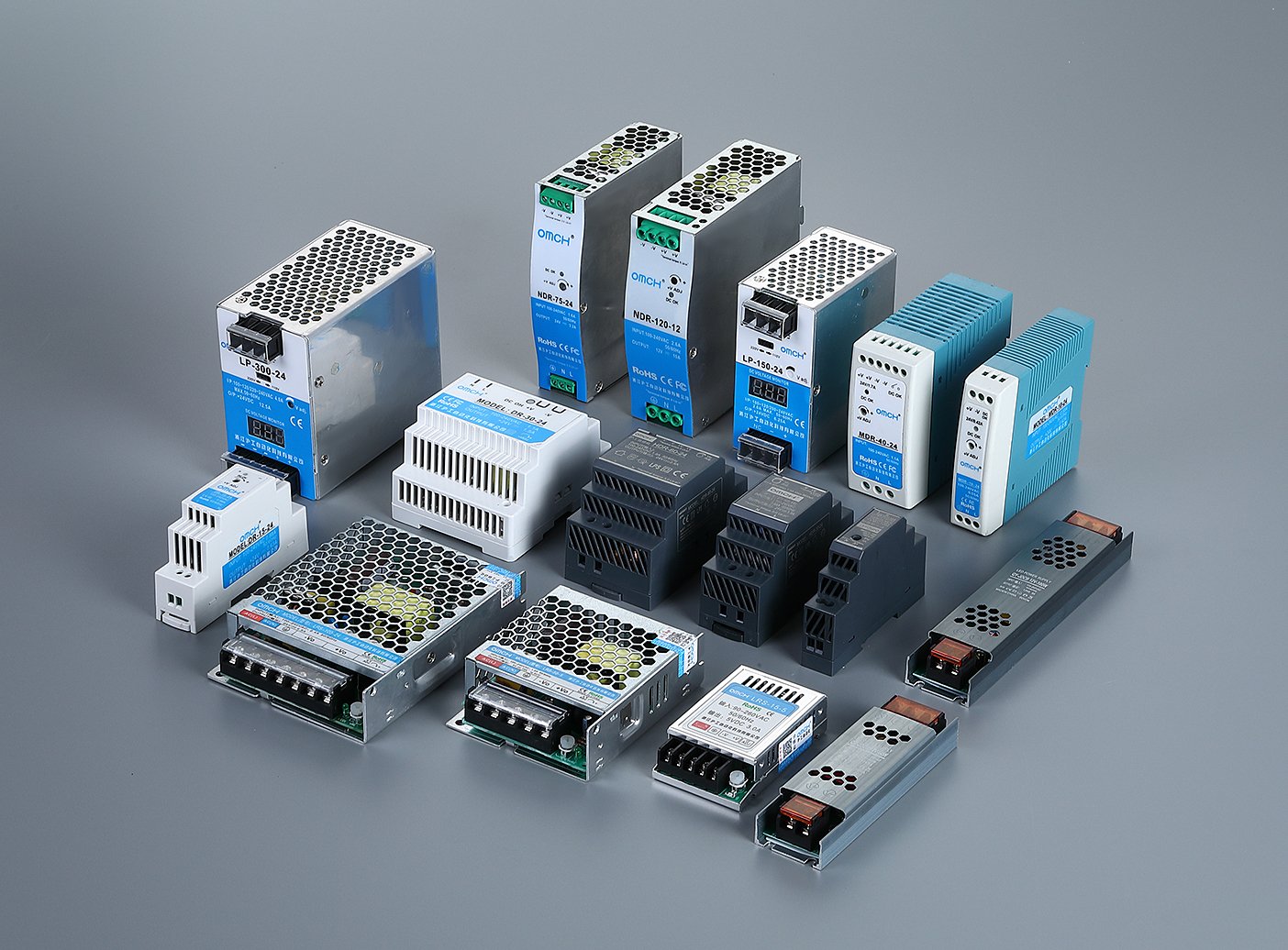
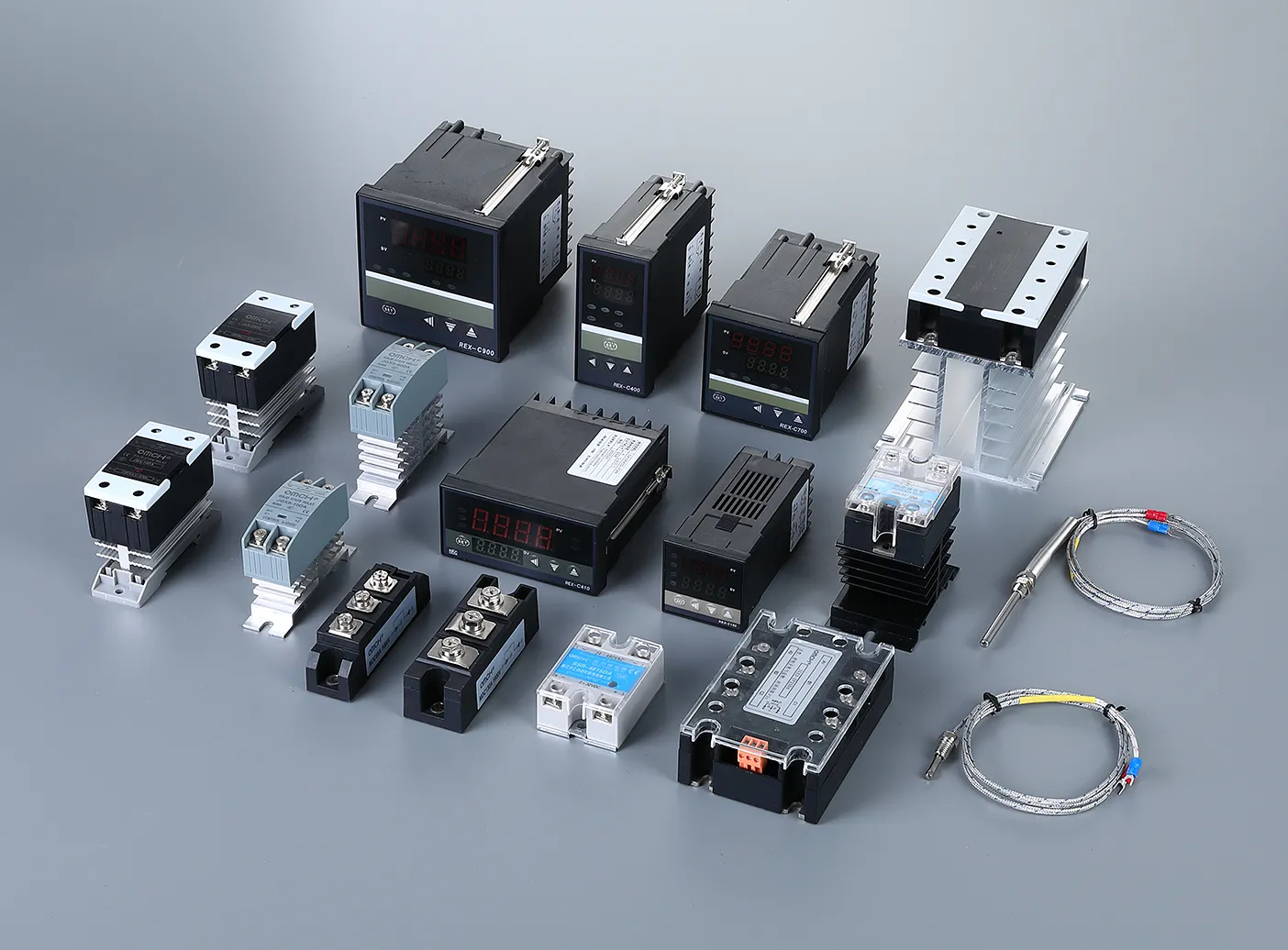
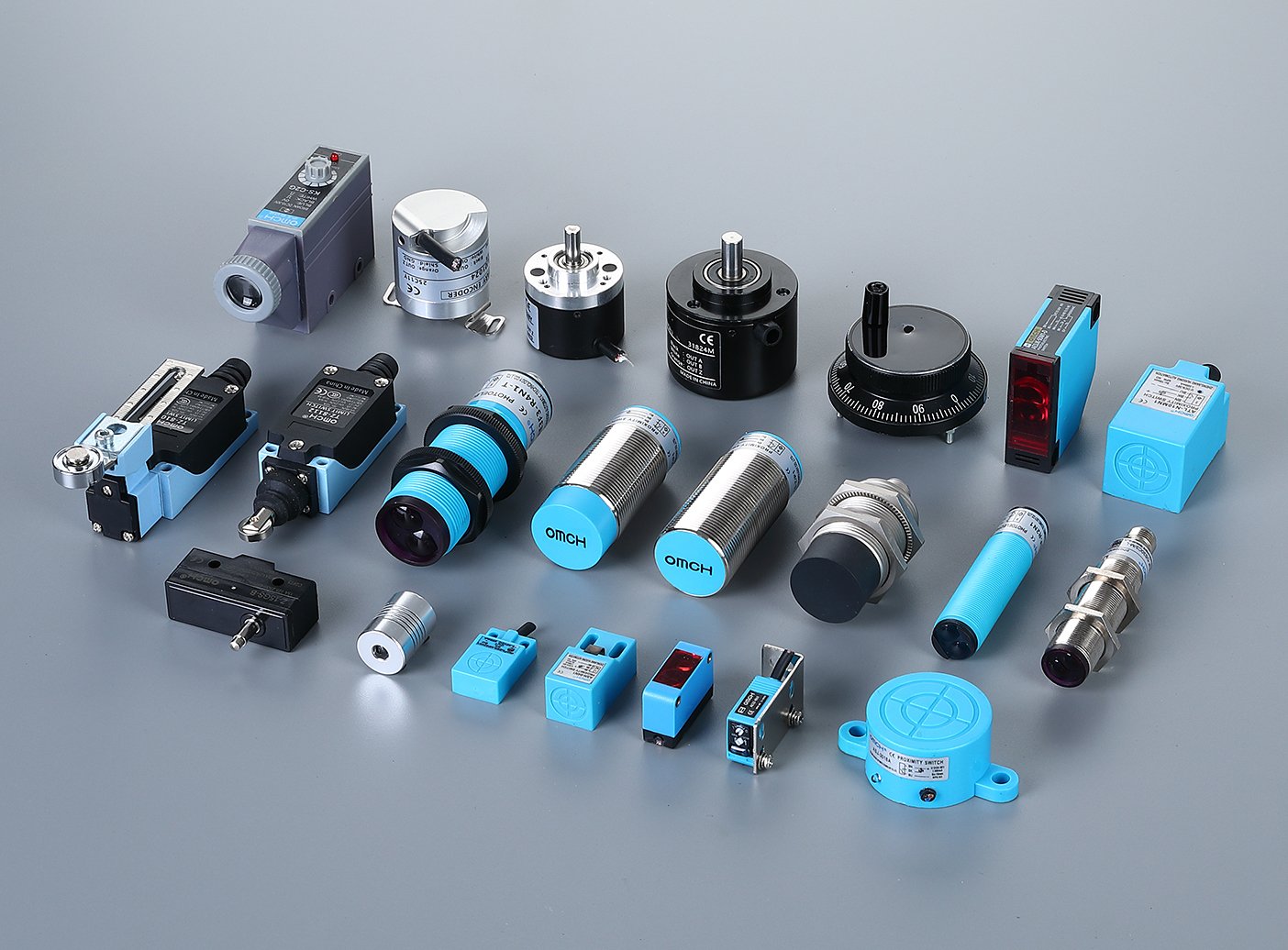
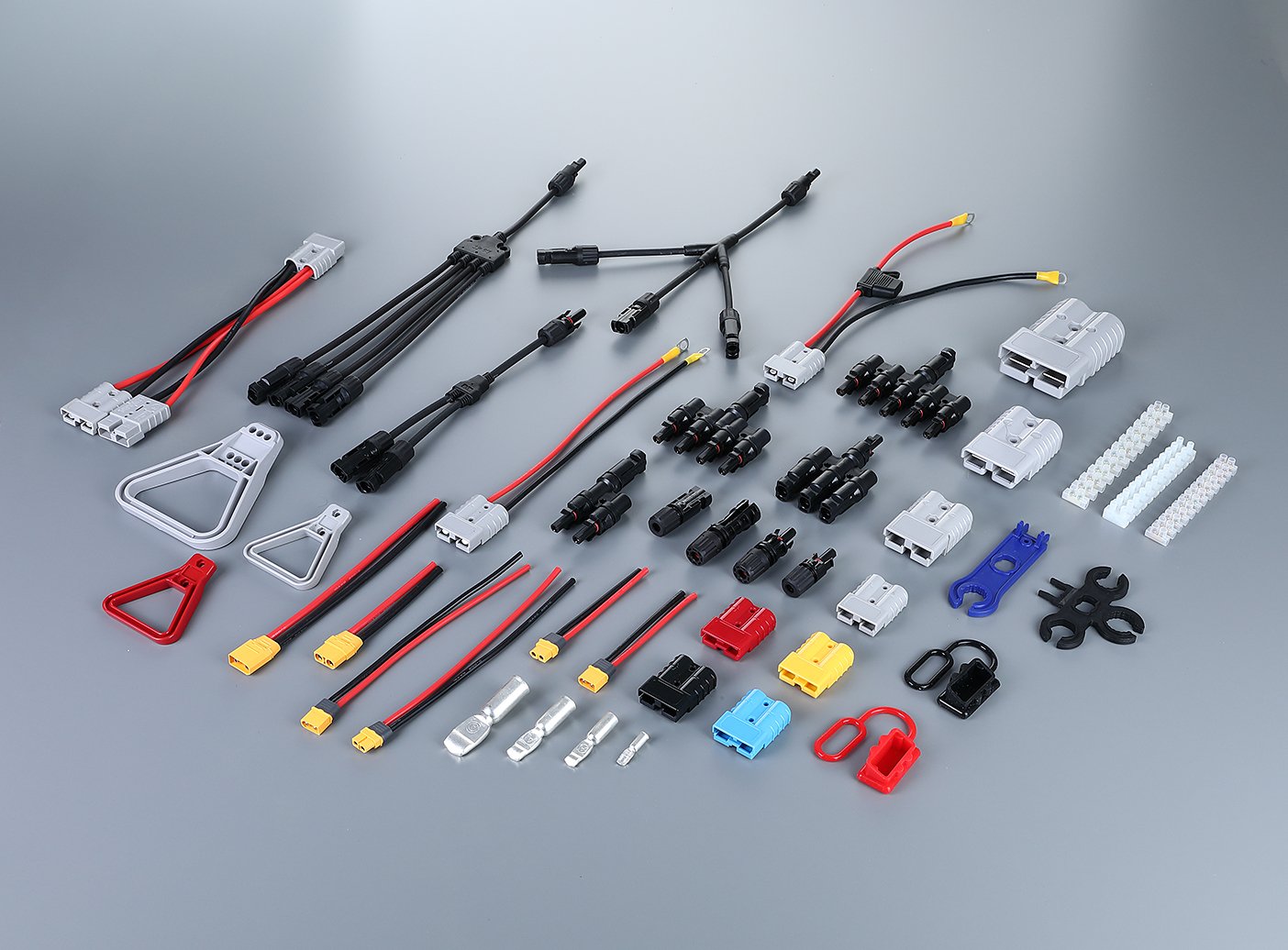
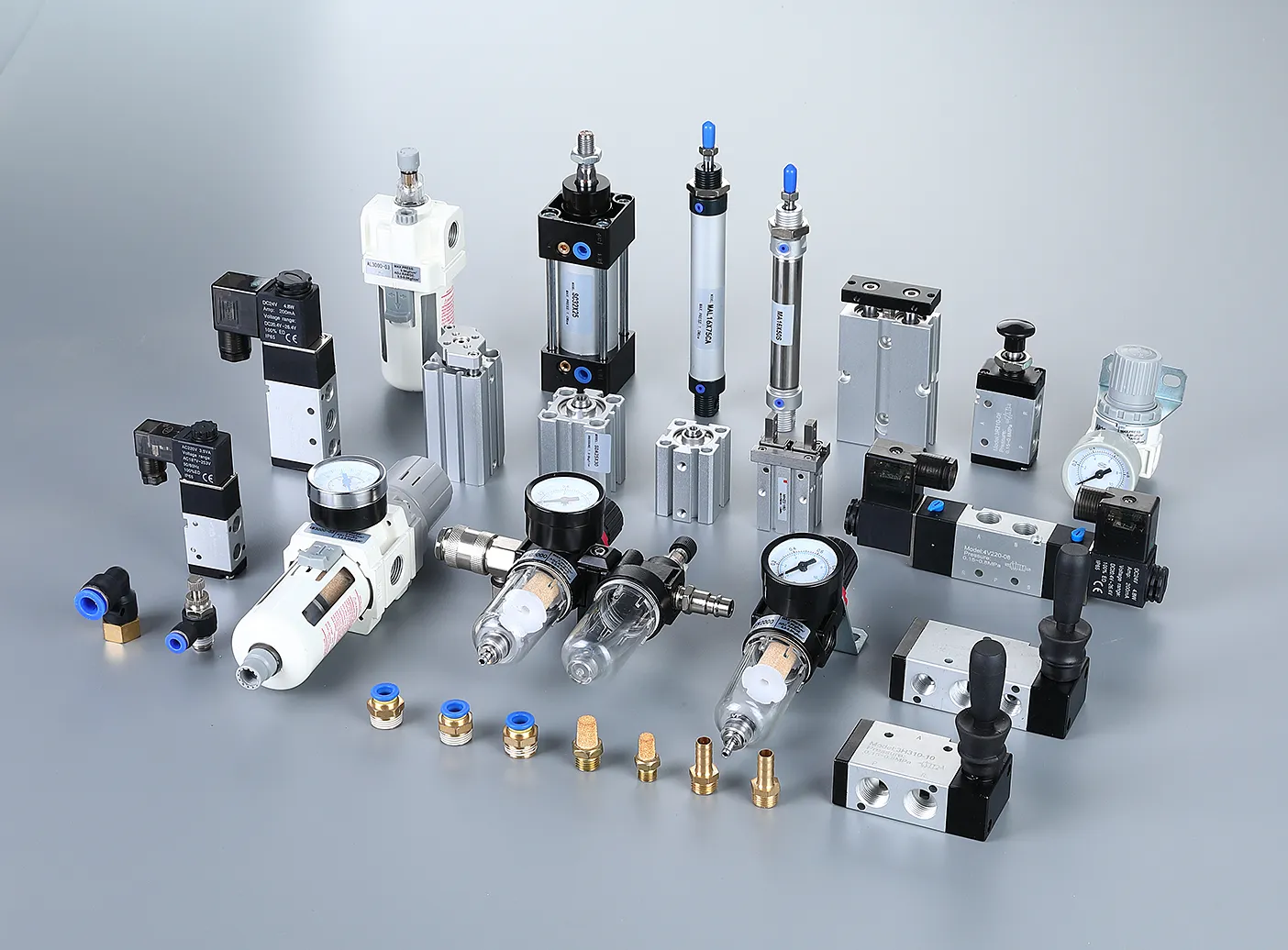
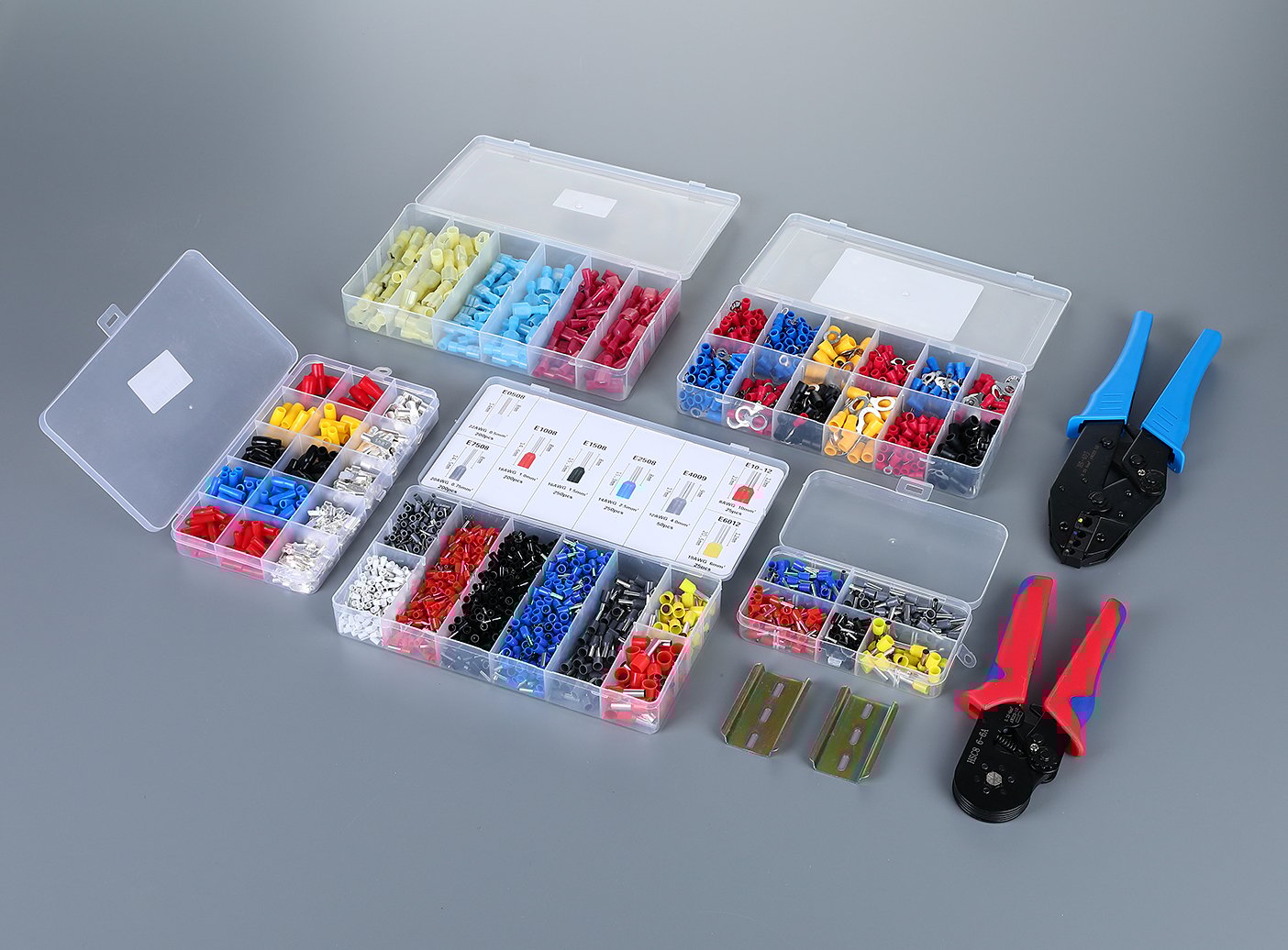
With over 30 years of industry experience, OMCH has been a reliable supplier of automation components since 1986. From power supplies to sensors and pneumatic elements, our product range supports a broad array of PLC-based systems.
Our components are backed by ISO 9001, CE, CCC, and RoHS certifications, ensuring compliance and reliability across global markets. For projects requiring custom designs or OEM solutions, OMCH offers flexible manufacturing to meet specific technical and integration needs.
Whether you’re sourcing compact power modules or planning a scalable control system, OMCH delivers consistent quality and dependable support.
Learn more at omch.com
Conclusion
The purpose behind using 24V DC is on the fence between safety, standardization, and simplicity of the system. It is always important to use integrated power supplies and effective capacity optimization so these compact controllers can remain the stepping stone towards efficient and reliable automation.
To the engineer or integrator, knowledge of the power architecture of a PLC is more than a specification; it is fundamental to stability, scalability, and safety of the system. And when all parts count, it pays to use manufacturers you can trust, such as OMCH.



 English
  Arabic
  Turkish
  Russian
  Spanish
  French
  Indonesian
  Portuguese