


Temperature sensors are essential fundamental components in the areas of modern industrial automation, automotive manufacturing, and the Internet of Things (IoT). With thousands of suppliers all over the world, the question of how to determine precisely the partners who are highly reliable, cost-effective and stable in their supply over the long term is a problem that both the procurement managers and design engineers share. This guide will equip you with a comprehensive procurement reference in various dimensions such as technical selection, global leading manufacturers, regional supply chain benefits and future trends.
Critical Factors When Evaluating Temperature Sensor Manufacturers
The essence of technical selection is the key to the success of the project before choosing a manufacturer. Good manufacturers do not just offer products but also technical support and sensor solutions that are in line with the application scenarios. Finding the right temperature sensor requires evaluating several high accuracy metrics:
- Accuracy & Precision: Accuracy directly affects production yield. Top-tier manufacturers can usually provide platinum resistance temperature detectors (RTD) or precision-calibrated Integrated Circuit (IC) sensors with extremely low deviation.
- Response Time: In dynamic temperature-controlled environments, the speed at which a sensor perceives temperature changes determines the stability of the system.
- Long-term Stability: Many industrial applications require sensors with minimal drift over several years to reduce maintenance costs and ensure reliable performance.
- EMI/RFI Resistance: Industrial sites have complex environments; whether a manufacturer possesses comprehensive electromagnetic compatibility design is crucial.
Top Tier Global Manufacturers Leading the Sensor Industry
Global first-tier brands usually represent the highest standards and the most cutting-edge technical directions in the industry. As a global leader, these companies set the pace for technological innovation.
Honeywell

- Brand Heritage: Possesses over a century of experience in industrial control.
- Technical Diversity: Product lines cover all categories including thermistors, RTDs, thermocouples, and more.
- High Standard Compliance: Widely used in aerospace and defense fields.
- Global Network: Equipped with an extremely mature global logistics and technical support system.
Reason for Recommendation: Honeywell is a complete standard in sensor industry. It has the strength of being reliable in harsh conditions and has a profound knowledge of complex systems. When you need aerospace, heavy industry, or life-safety systems with very low fault tolerance, the technical depth and worldwide after-sales services of Honeywell offer the best guarantee, and it is the first choice when you want to seek ultimate brand credibility.
TE Connectivity
- Extremely High Market Share: One of the world’s largest manufacturers of connectors and sensors.
- Customized Solutions: Capable of providing integrated solutions from basic components to complete sensing assemblies.
- R&D Investment: Invests huge sums annually in materials science and miniaturization technology research.
- Multi-industry Coverage: From consumer electronics to deep-sea cables, its applications cover an extremely wide range.
Reason for Recommendation: TE Connectivity has a strong core competitiveness in terms of its enormous engineering capabilities and scale of manufacturing. TE can offer a one-stop interconnection solution to large OEM projects that need to combine temperature probes with connectors and wire harnesses. Its products are superior in terms of consistency and high stability in supply on large scale, and are therefore very applicable in automotive manufacturing and large scale industrial equipment clients.
Specialized Manufacturers for Rugged Industrial and Automotive Environments
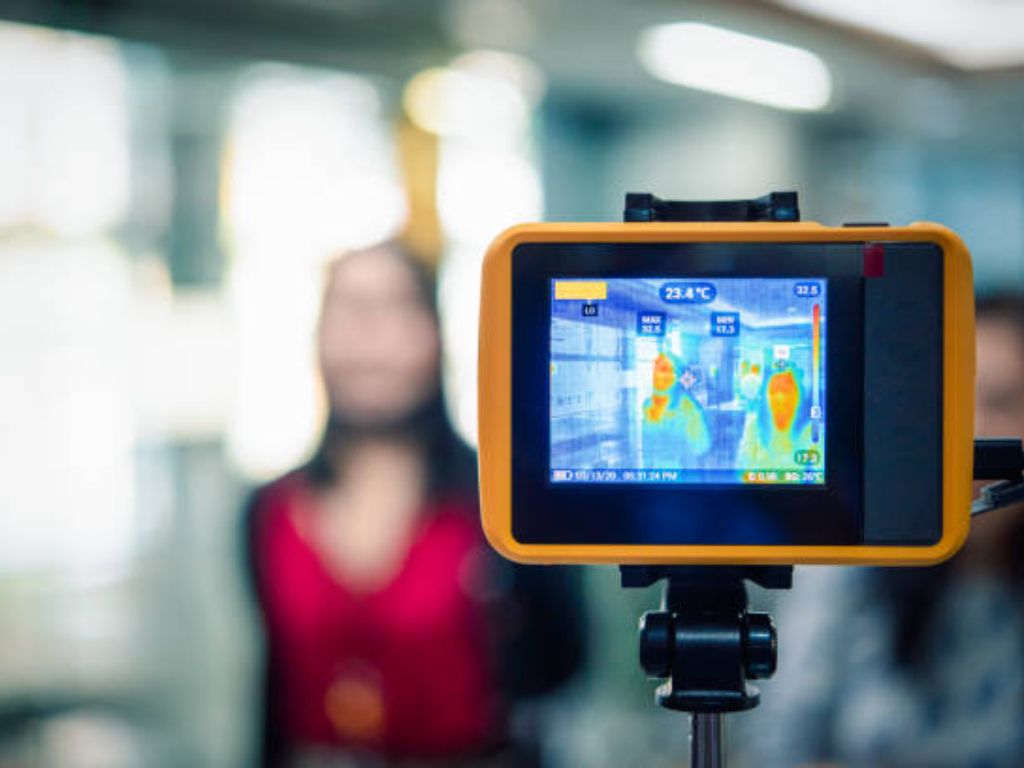
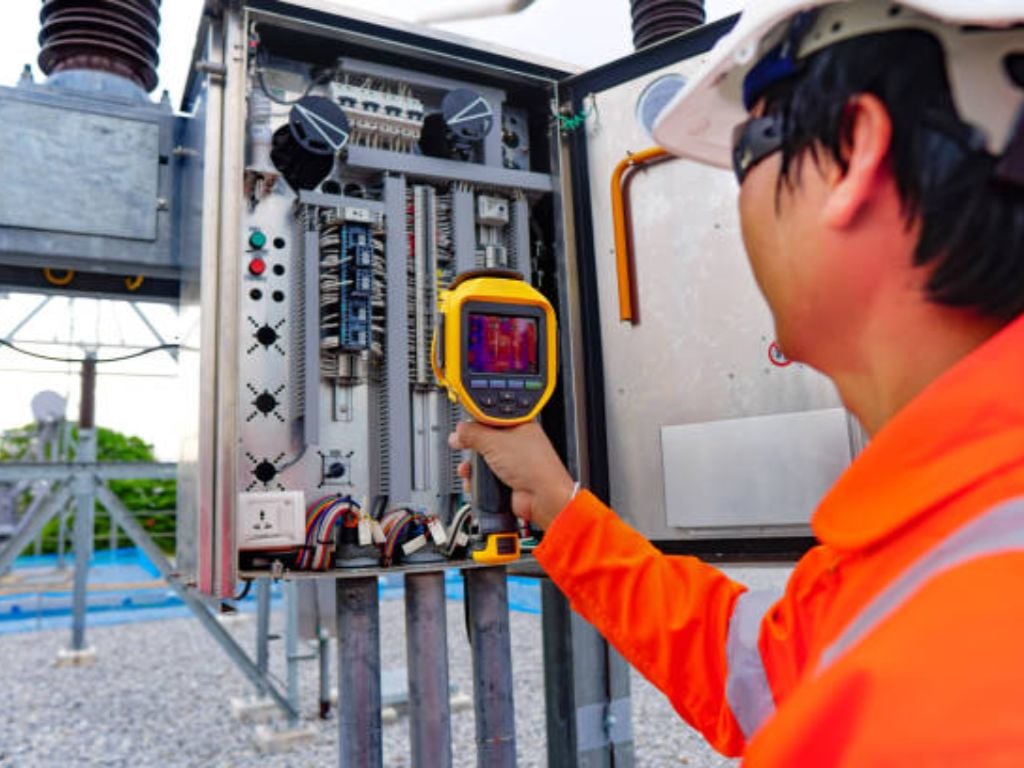
In harsh industrial sites or high-speed automotive systems, ordinary sensors are inadequate, necessitating reinforced solutions provided by specialized manufacturers.
Omega Engineering
- Process Control Experts: Focuses on laboratory measurement and industrial process control.
- Detailed Technical Documentation: Provides technical white papers recognized as “textbook grade” in the industry.
- High Flexibility: Supports small-batch, multi-variety research-grade orders.
- Online Selection System: An extremely convenient digital procurement and selection experience.
Reason for Recommendation: Omega Engineering is known to be professional and friendly to engineers. Omega can offer very specific technical advice whether you require a particular kind of thermocouple or an entire data acquisition system. It has a very high reputation in the North American and European research and development markets and is the most suitable partner in research institutions and high-end manufacturing in the experimental stage.
WIKA
- German Precision Manufacturing: A leading global manufacturer of pressure and temperature measurement instruments.
- Extreme Environment Adaptation: Excels at handling ultra-high pressure, ultra-high temperature, and strongly corrosive media.
- Full Industry Chain Control: Self-develops core sensing elements to ensure control over the product life cycle.
- Field Service Capability: Provides global field calibration and technical consulting.
Reason for Recommendation: WIKA is the embodiment of the German industry. WIKA explosion-proof and heavy-duty protective designs are the industry standards in the petrochemicals, power, and fine chemicals fields. WIKA is the ultimate solution in case you need a robust sensor that can withstand the most severe working conditions and comply with the requirements of global access (ATEX, etc.).
Comparing Regional Manufacturing Hubs: Quality, Cost, and Lead Times
Geographic location and supply chain models directly determine the Total Cost of Ownership (TCO) and delivery agility.
Emerson (Rosemount)
- Representative of High-end Manufacturing: Core factories are mostly located in Europe and America, representing top-tier global craftsmanship.
- Digital Capabilities: Deeply integrates intelligent protocols such as HART and WirelessHART.
- Ultimate Precision: Possesses an unparalleled reputation for accuracy in the energy and power industries.
- Long Life Cycle: Product design life typically spans several decades.
Reason for Recommendation: Rosemount series under Emerson is a standard of large-scale global infrastructure and energy projects. Its high initial procurement cost is offset by its very low maintenance rate and high reliability, which provide it with a major cost benefit over its entire life cycle. It is applicable to national or multinational infrastructure projects which are not very sensitive to the delivery cycles but have very high demands on equipment reliability.
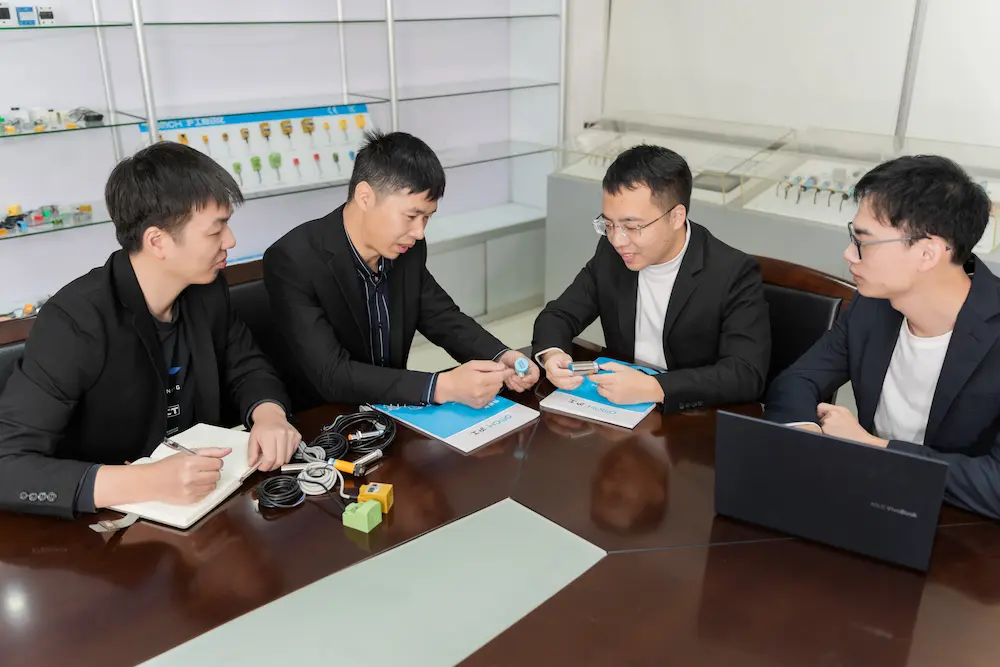
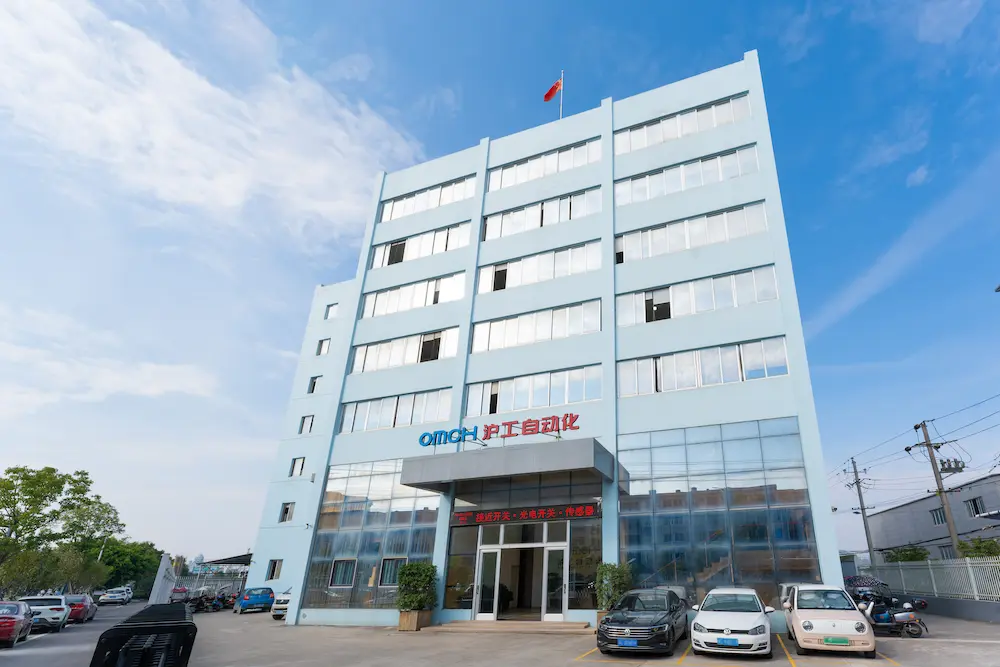
OMCH

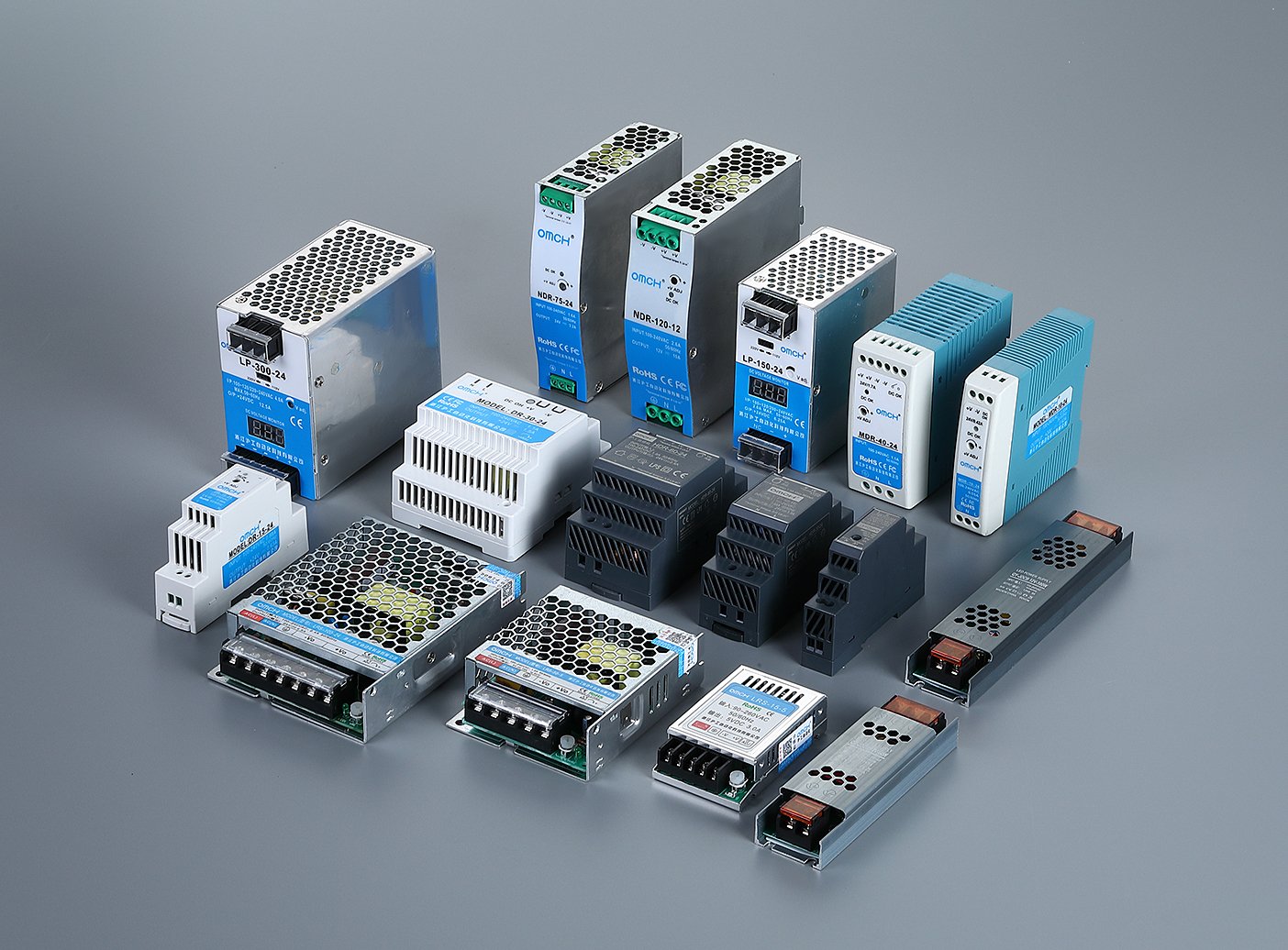
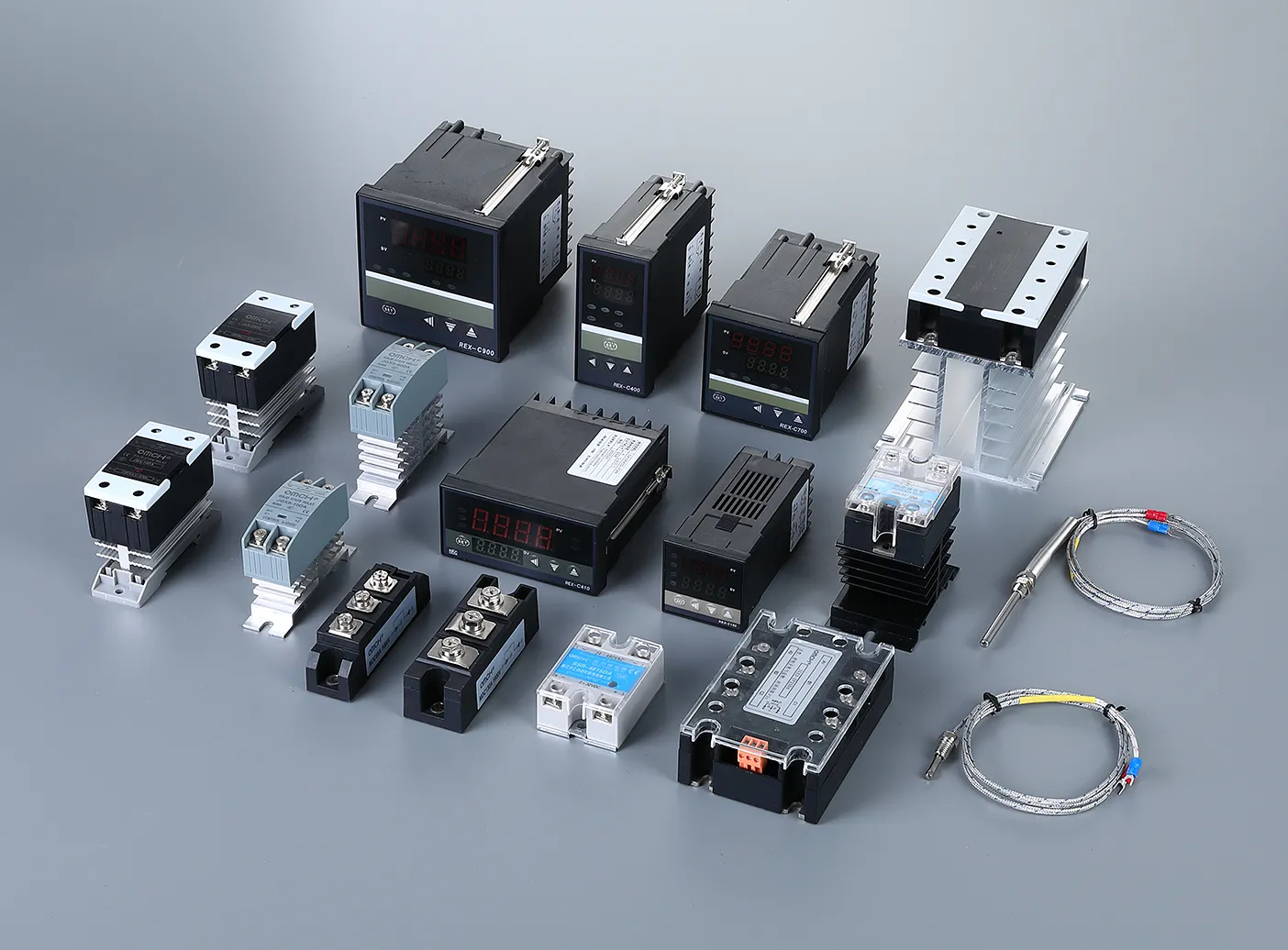
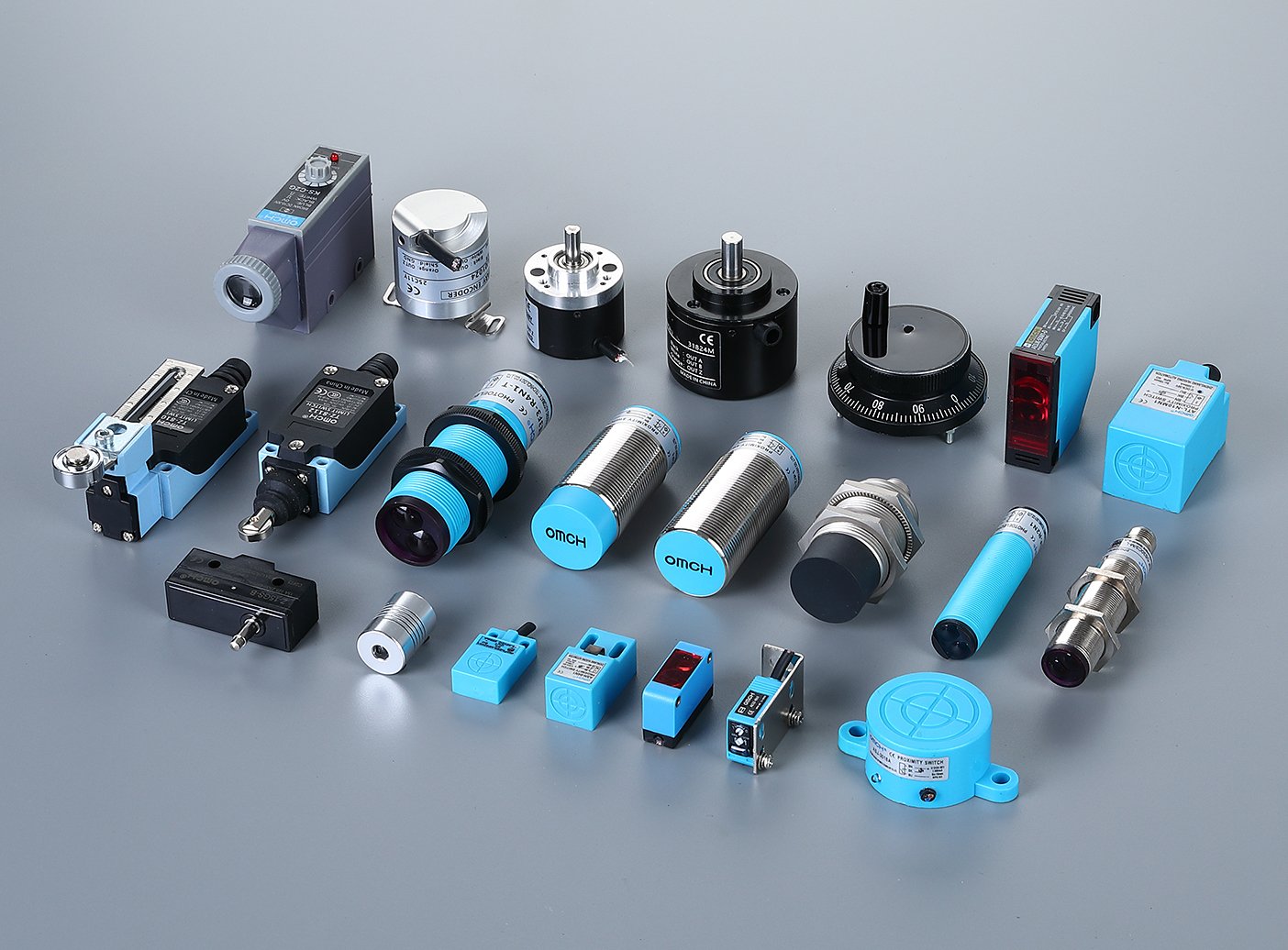
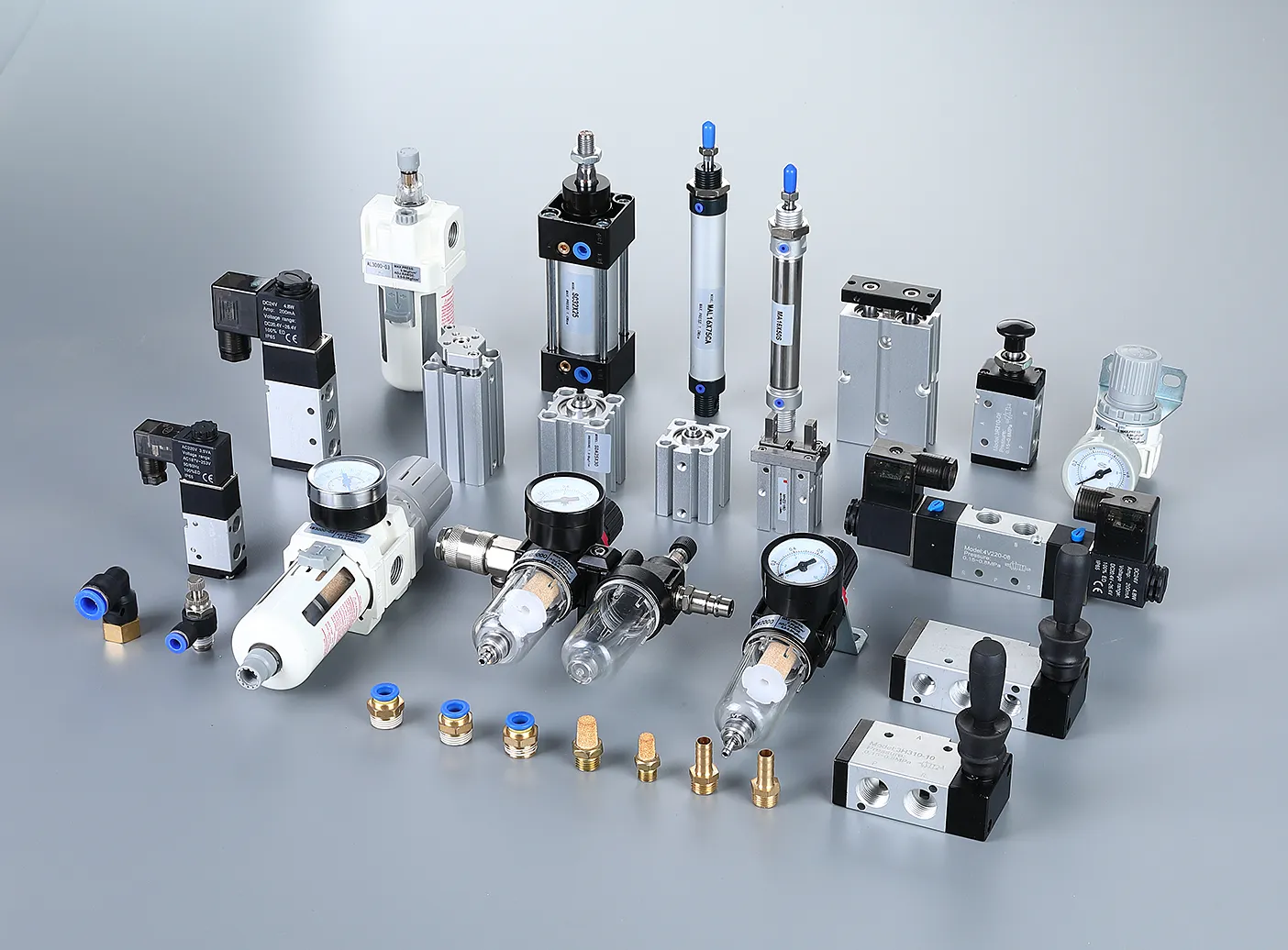
- Comprehensive Supply Chain Giant: Founded in 1986, with a scale of over 3,000 SKUs in industrial automation components.
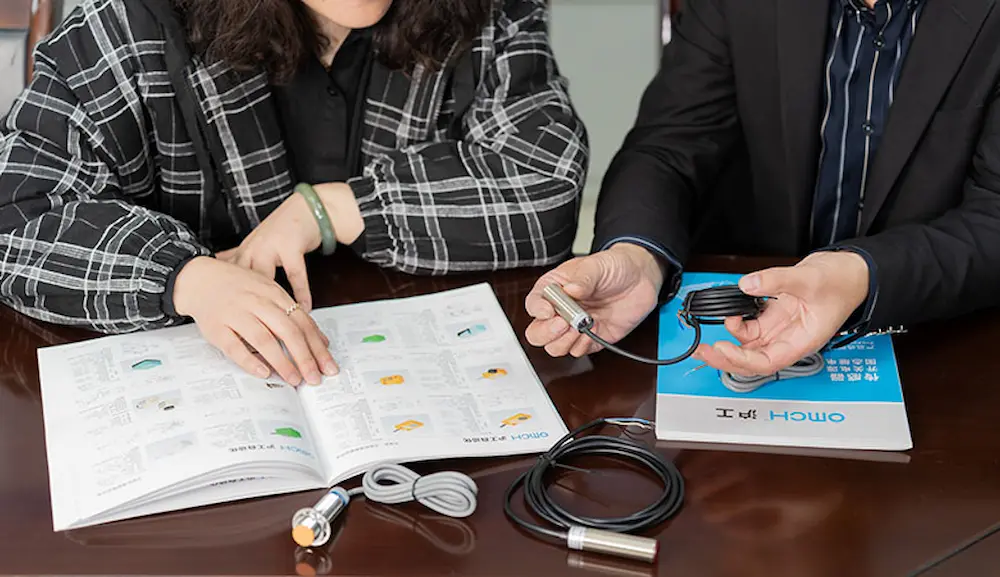
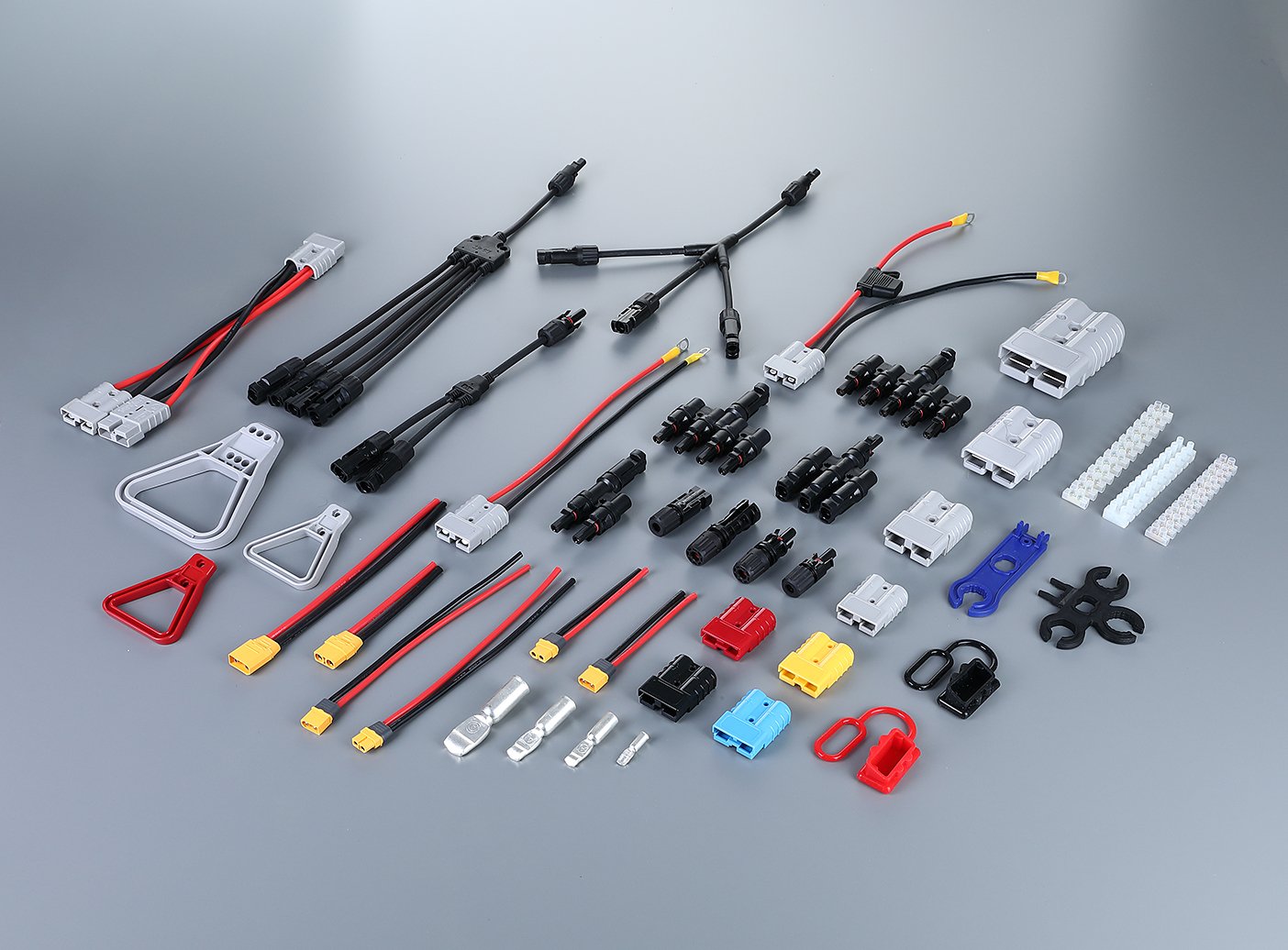
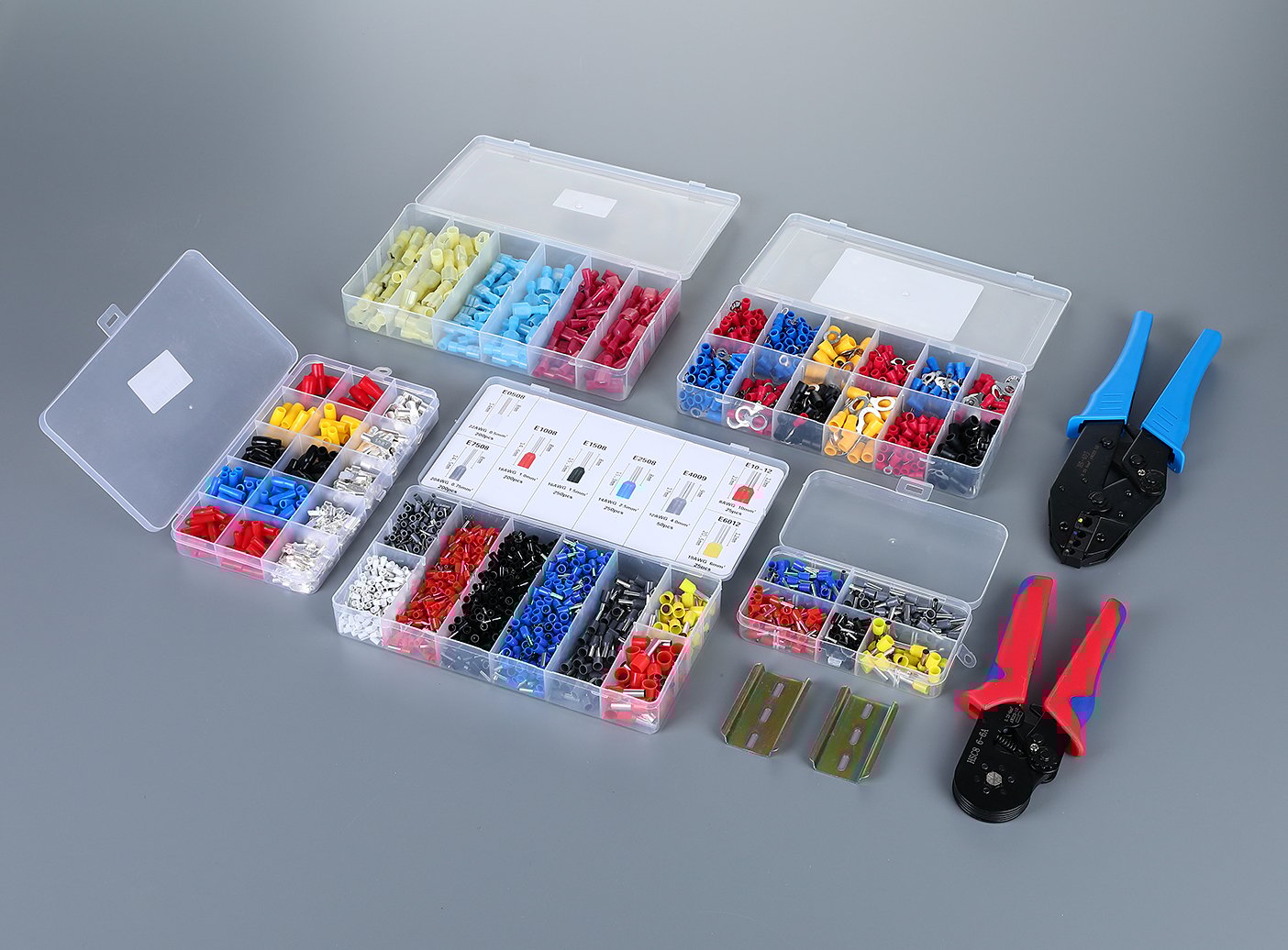
- One-stop Procurement Advantage: Covers power supplies, sensors, power distribution, and pneumatic components, achieving full-category integration.
- Global Delivery Network: Serves over 100 countries and regions with more than 72,000 stable customers.
- Efficient Response Capability: 24/7 rapid technical response, supported by 7 automated production lines in a modern factory.
Reason for Recommendation: OMCH is a perfect example of the benefits of the leading Chinese manufacturers in the sphere of industrial integration. With more and more complicated automation systems, OMCH offers not only high-quality sensors but also one-stop solutions due to its product library of 3,000+ SKUs. This model makes the procurement process very easy and reduces the supply chain. The full coverage capability and global service support offered by OMCH is a highly competitive option to Original Equipment Manufacturers (OEMs) seeking high cost-effectiveness, speed-to-market (Speed), and multi-category matching.
Innovative Manufacturers of Digital and Wireless IoT Sensors
With the popularization of Industry 4.0, digitization and wirelessness have become new trends for sensors.
Sensirion
- Digital Sensing Pioneer: Focuses on high-precision temperature and humidity digital output ICs.
- MEMS Technology Leader: Extremely small package size with ultra-low power consumption performance.
- High Integration: Integrates sensing, calibration, and signal processing on a single chip.
- Medical-grade Performance: Widely used in precision medical devices such as ventilators.
Reason for Recommendation: Sensirion is a favorite of IoT and consumer electronics engineers. Its products are balanced in terms of performance and size with the help of CMOSens 2 technology. The digital interface sensors offered by Sensirion can dramatically reduce your development cycle in case you are building smart homes, air quality sensors, or wearable devices.
Bosch Sensortec
- Automotive-grade Gene: Inherits the strong R&D background of Bosch automotive sensors.
- Multi-functional Integration: Often integrates temperature with pressure, humidity, or gas monitoring into one unit.
- Large-scale Mass Production: Possesses top-tier semiconductor manufacturing capabilities with excellent cost control.
- Algorithm Support: Provides comprehensive support for driver software and environmental compensation algorithms.
Reason for Recommendation: Bosch Sensortec is a market leader in the mobile devices and IoT markets. It has the benefit of fitting intricate environmental perception capabilities into very small chips, and being highly resistant to vibration and interference. Bosch is the most suitable technical supplier when the project aims at low power consumption, high-performance integration, and the need to have a robust algorithmic support.
Navigating Global Compliance Standards and Essential Industry Certifications
In global trade, compliance is a hard threshold for supplier access.
- Quality Systems: ISO 9001 is the foundation. The automotive industry should focus on IATF 16949.
- Environmental Standards: RoHS and REACH determine whether products can enter developed markets like the EU.
- Industry-specific Access: Industrial explosion-proofing requires ATEX/IECEx; food and medical require FDA or 3-A certification.
- Regional Certifications: China’s CCC, the EU’s CE, America’s UL, and the International Electrotechnical Commission’s IEC standards.
Custom Design and OEM Services: Optimizing Your Sensor Procurement
Standard products often cannot meet 100% of application needs. Excellent manufacturers should possess strong OEM capabilities.
- Technical Consulting: The ability of the manufacturer to offer Datasheets suggestions to system integration solutions at the selection stage.
- Rapid Prototyping: The ability to quickly produce samples based on existing 3,000+ SKUs or modular designs.
- Non-standard Customization: Includes the choice of special measurement ranges, cable lengths, interface types, and housing materials.
- Joint Development: A deep cooperation model where the manufacturer participates in the customer’s product development process (Design-in).
Future Technology Trends Influencing Temperature Sensor Manufacturing

- Wireless and Passive Sensing: Sensors can be used in closed environments without batteries by using energy harvesting technology.
- Self-calibration Technology: Achieving maintenance-free calibration throughout the sensor’s life cycle through algorithms and multi-redundant designs.
- Intelligent Edge Computing: Sensors are not only able to provide data but also have initial fault prediction and data filtering capabilities.
| Manufacturer Category | Representative Enterprise | Core Selling Point | Target Audience |
| Global Giants | Honeywell, TE | Brand endorsement, full-category coverage | Large-scale projects, safety systems |
| Industrial Experts | Omega, WIKA | Extreme conditions, precision instrumentation | Petrochemicals, energy, laboratories |
| Supply Chain Hub | OMCH | 3,000+ SKUs, one-stop procurement | Equipment manufacturers, wholesalers, integrators |
| Digital/IoT | Sensirion, Bosch | Miniaturization, low power, digital output | Smart hardware, medical electronics |
Conclusion
The choice of a manufacturer of a temperature sensor is a complex game of brand strength, technical features, local supply benefits, and service opportunities. Between the power of Honeywell and the effective supply chain of OMCH, there is the value positioning of each kind of manufacturer. It is suggested that when making a decision, you should not only pay attention to the unit price, but also the speed of response and the ability of the supplier to cooperate with you in the long term and its category synergy.
Frequently Asked Questions (FAQ)
- How can I find temperature sensor suppliers in the USA?
To locate reliable U.S. suppliers, the most effective method is using B2B industrial directories like Thomasnet or GlobalSpec (Engineering360), which allow you to filter by region, certification (ISO, AS9100), and specific sensor types. Additionally, attending major industry trade shows such as Sensors Converge or the AHR Expo provides direct access to domestic manufacturers and distributors.
- Are there any temperature sensor manufacturers based in California?
Yes, California is a center of high-tech sensing solutions. Some of the prominent manufacturers are TE Connectivity (with major operations in the state), Advanced Thermal Solutions, and Minco Products (regional offices). The Irvine region and Silicon Valley in particular have a number of specialized companies that specialize in MEMS-based digital sensors and medical grade temperature probes.
- Where can I get information about cryogenic temperature sensor manufacturers?
Cryogenic sensing (for temperatures below -150°C) requires specialized materials. You can find technical data and supplier lists through the Cryogenic Society of America (CSA) or by researching industry leaders such as Lake Shore Cryotronics, Scientific Instruments, Inc., and Lakeshore. These companies provide sensors specifically calibrated for liquid helium or nitrogen environments.
- What are the differences between RTDs, thermocouples, and thermistors provided by manufacturers?
Choosing the right technology depends on your specific application requirements:
- RTDs (Resistance Temperature Detectors): Best for high accuracy and stability. They use a platinum element and are ideal for industrial processes where precision is critical.
- Thermocouples: Best for extreme temperatures and durability. They consist of two different metals joined together and offer the widest temperature range but lower accuracy.
- Thermistors: Best for high sensitivity in a limited range. These ceramic-based sensors are cost-effective and react quickly to small changes, making them popular for medical devices and consumer electronics.


 English
  Arabic
  Turkish
  Russian
  Spanish
  French
  Indonesian
  Portuguese