


Sensors are no longer a means to gather data in the world of Industry 4.0; they have become the brain of industrial automation and intelligent manufacturing. The digital transformation of various industries, along with regulatory compliance and environmental (ESG) standards, are highly significant in 2026. Due to this, purchase decisions are not only price-based. They also concern advanced sensor technologies, a dependable supply, and adherence to green rules in industrial environments.
Mapping the 2026 Industrial Sensor Market Landscape
Industrial sensors are now smart in 2026. It has been reported that the global industrial sensors market will reach $30.01 billion in 2026, increasing at an average market growth of 9.5% per annum. Simple sensors are being substituted with smart sensors that leverage artificial intelligence for anomaly detection and self-monitoring.
Based on our research methodology and detailed insights, there are three main trends today:
- Standard Rules: IO-Link is now the common language. It connects sensors directly to the cloud.
- Fast Processing: Sensors can now process data by themselves. This makes the network faster.
- Green Rules: Buyers now ask for carbon footprint reports. This is a must-have to work with top companies.
Top Global Suppliers Categorized by Industry Excellence
These 10 suppliers are the key players in the market because of their technology and good service.
- Siemens (Germany)
- Main Area: Factory automation and process control.
- Key Feature: Connects hardware with digital software.
- Market Rank: Global leader in industrial systems.
- Certification: Meets the highest safety and data rules.
Siemens is well known in its all-in-one solutions. They are not simply selling a sensor, but a component of a large system. Their sensors are easily connected to the controllers and the cloud. This assists factories to operate effectively. Siemens also assists businesses in monitoring their carbon footprint which is quite critical in green objectives in the present day.
- Honeywell (USA)
- Main Area: Aerospace, safety, and gas detection.
- Key Feature: Very reliable in hard environments like high heat.
- Service: Works in oil, gas, and smart buildings.
- Innovation: Makes very small and high-tech sensors.
Honeywell sensors are extremely robust. They remain the preferred choice in oil and flight industries in 2026. Their gas sensors are very crucial in terms of safety since they can perform even in dirty or harsh environments. They adhere to international safety regulations. Honeywell is a very safe option to factories in harsh conditions.
- Keyence (Japan)
- Main Area: High-precision lasers and camera vision.
- Service Model: Direct sales with fast technical support.
- Product Goal: Best performance for difficult tasks.
- Delivery: Very fast shipping around the world.
The most accurate sensors are made by Keyence. Keyence is used when factories require measuring things with a high level of accuracy. They do not use middleman shops to sell directly to customers. This implies that their engineers are able to assist you in your factory within a short period of time. Their products are user friendly and assist factories to work at a faster rate.
- SICK (Germany)
- Main Area: Safety systems and LiDAR (laser radar).
- Key Feature: Great at identifying objects without touching them.
- Usage: Used for robots and automated warehouse trucks.
- Digital: Sensors can tell you if they need cleaning or repair.
SICK is the robot and logistics safety leader in sensors. Their laser technology assists robots to move without colliding with people. They possess basic switches to elaborate safety curtains. Their sensors are able to self-check and warn the workers before they break, which does not allow the factory to stop.
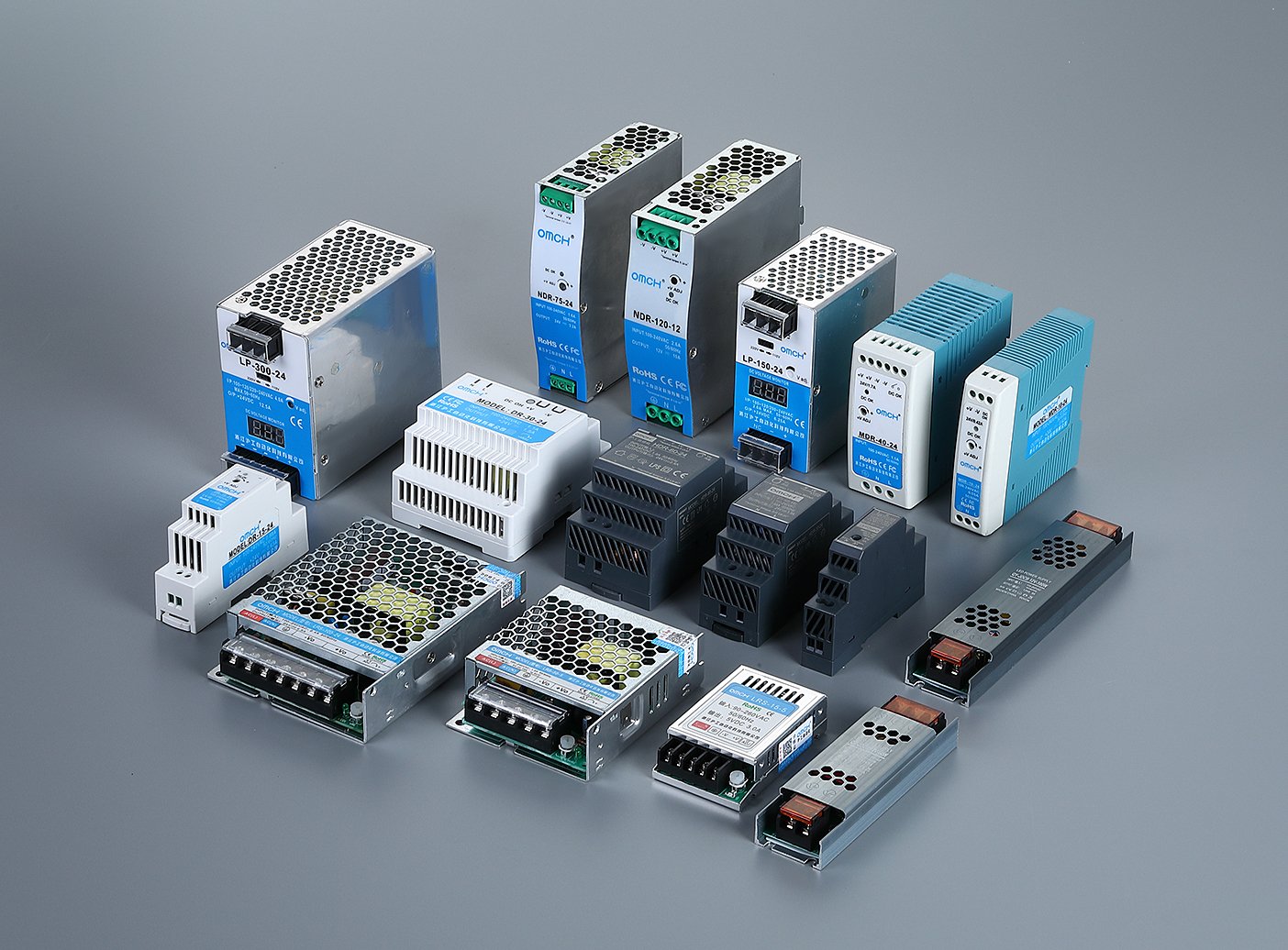
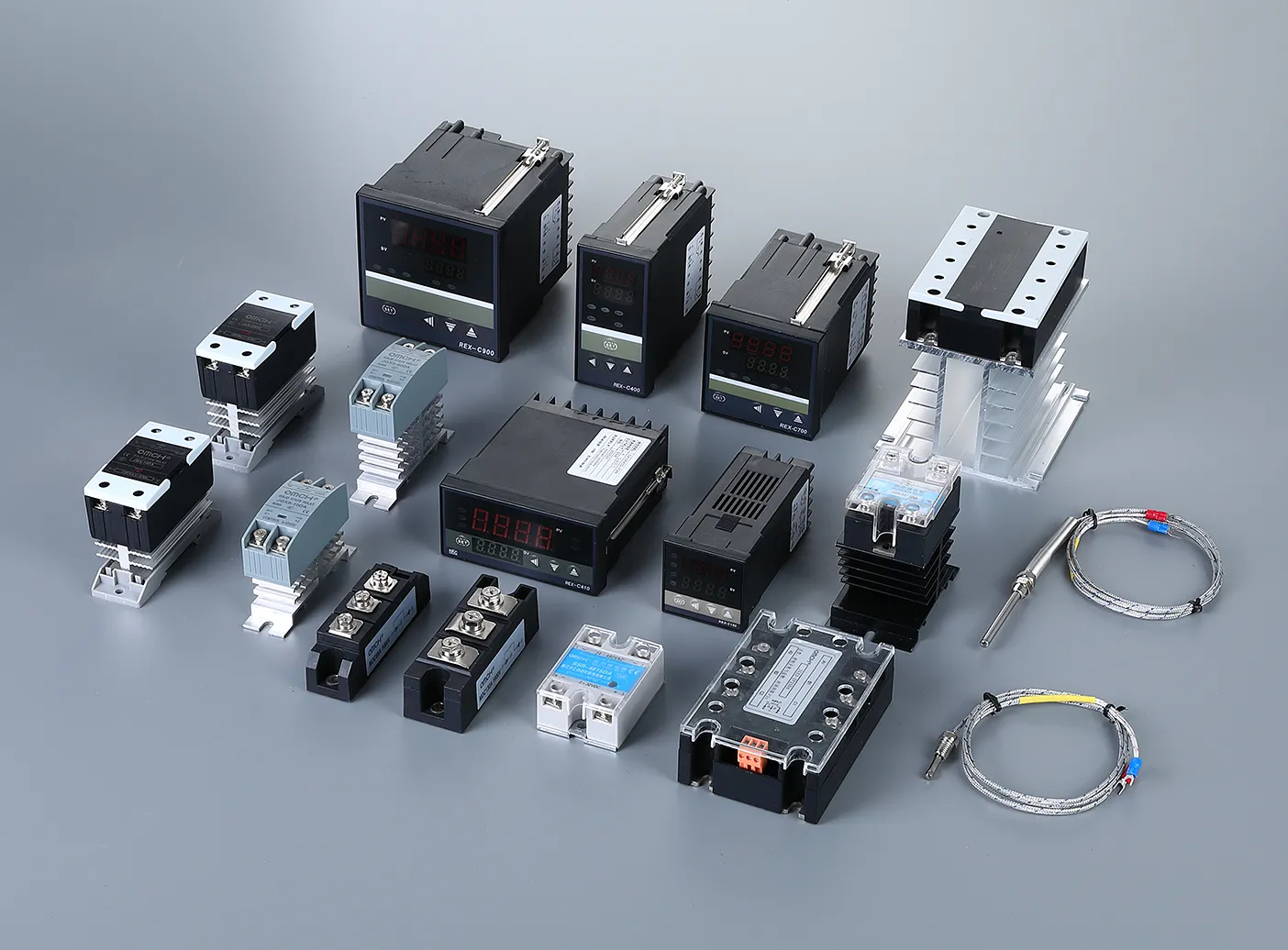
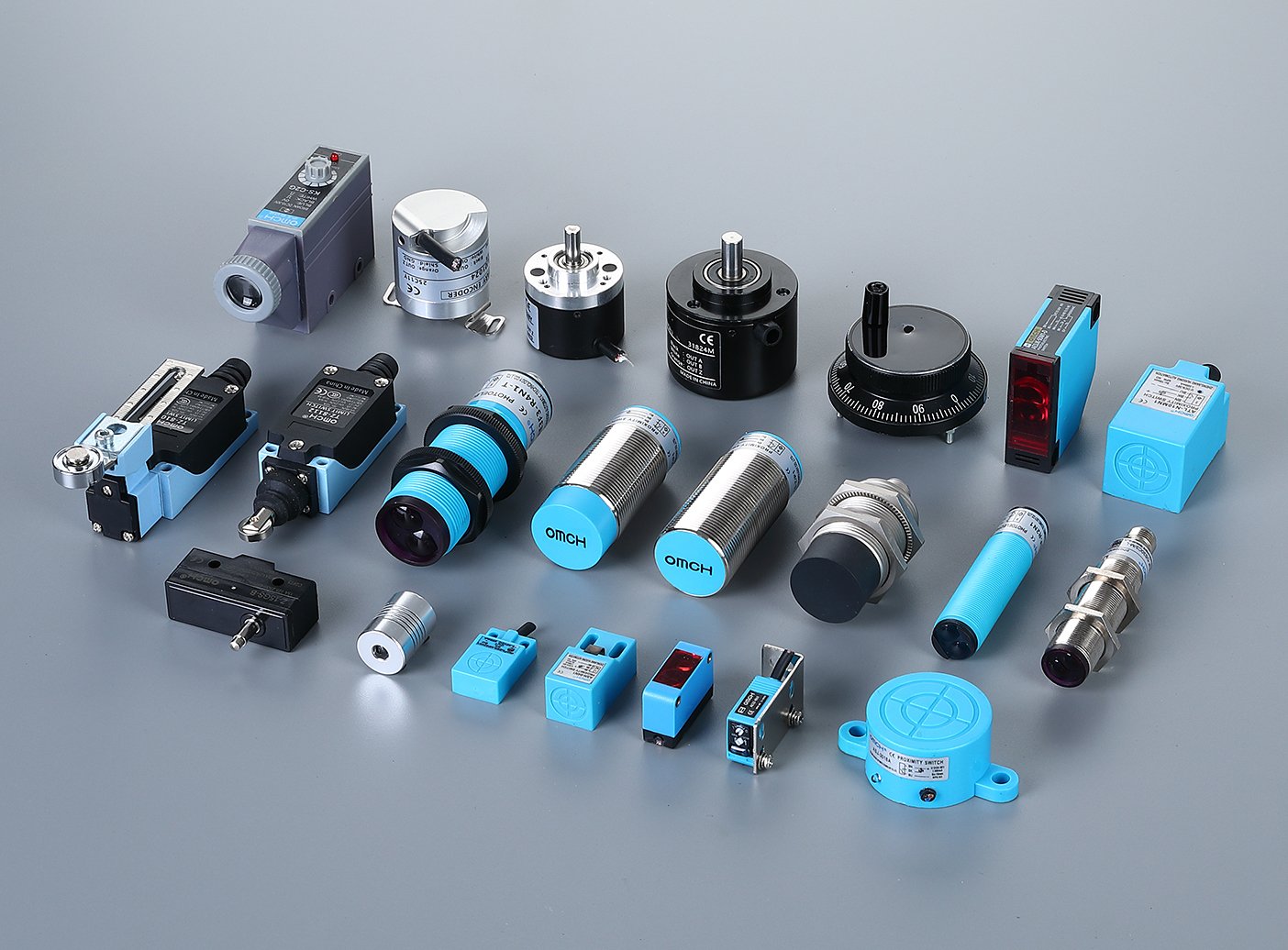
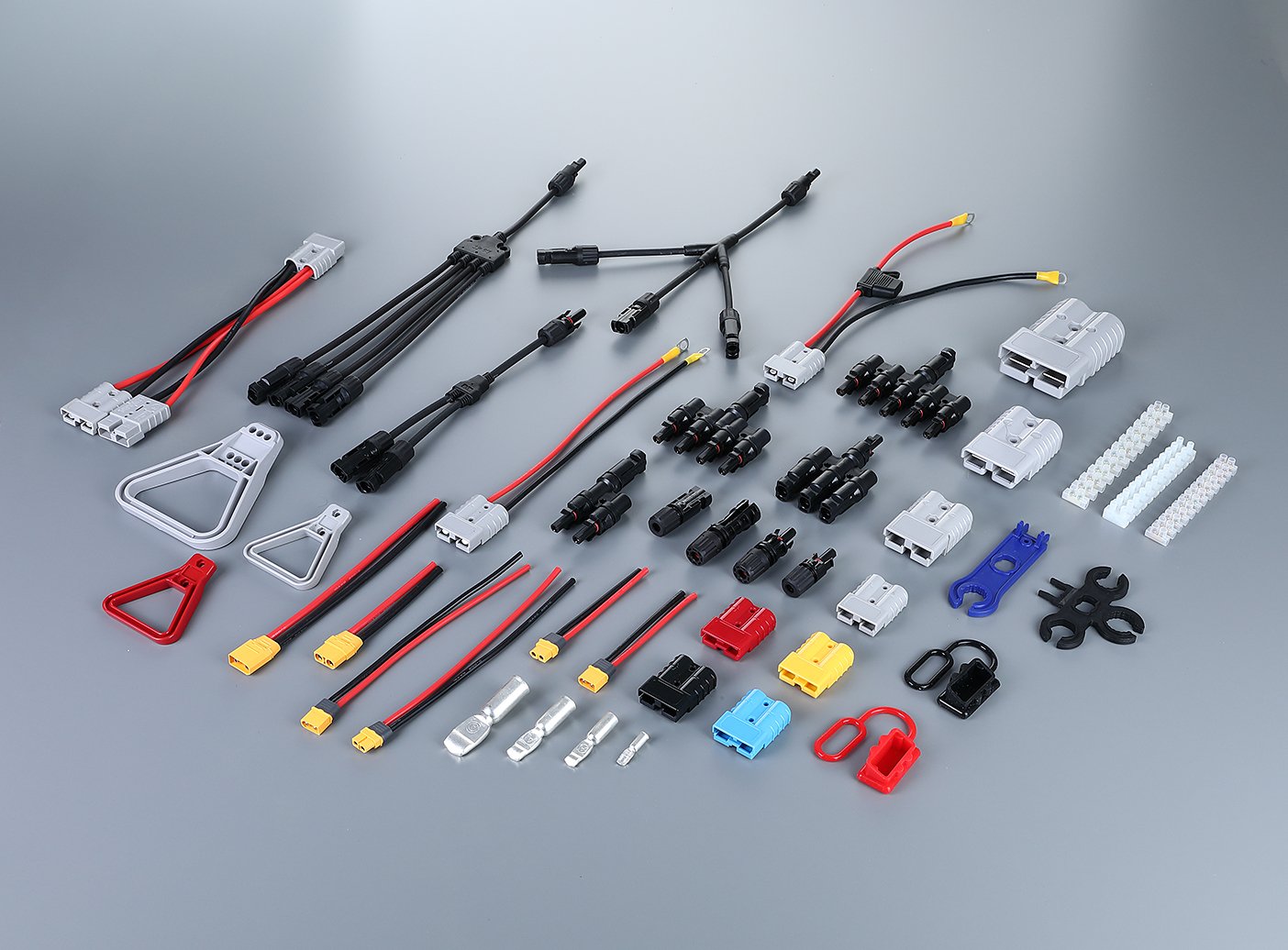
- OMCH (China)

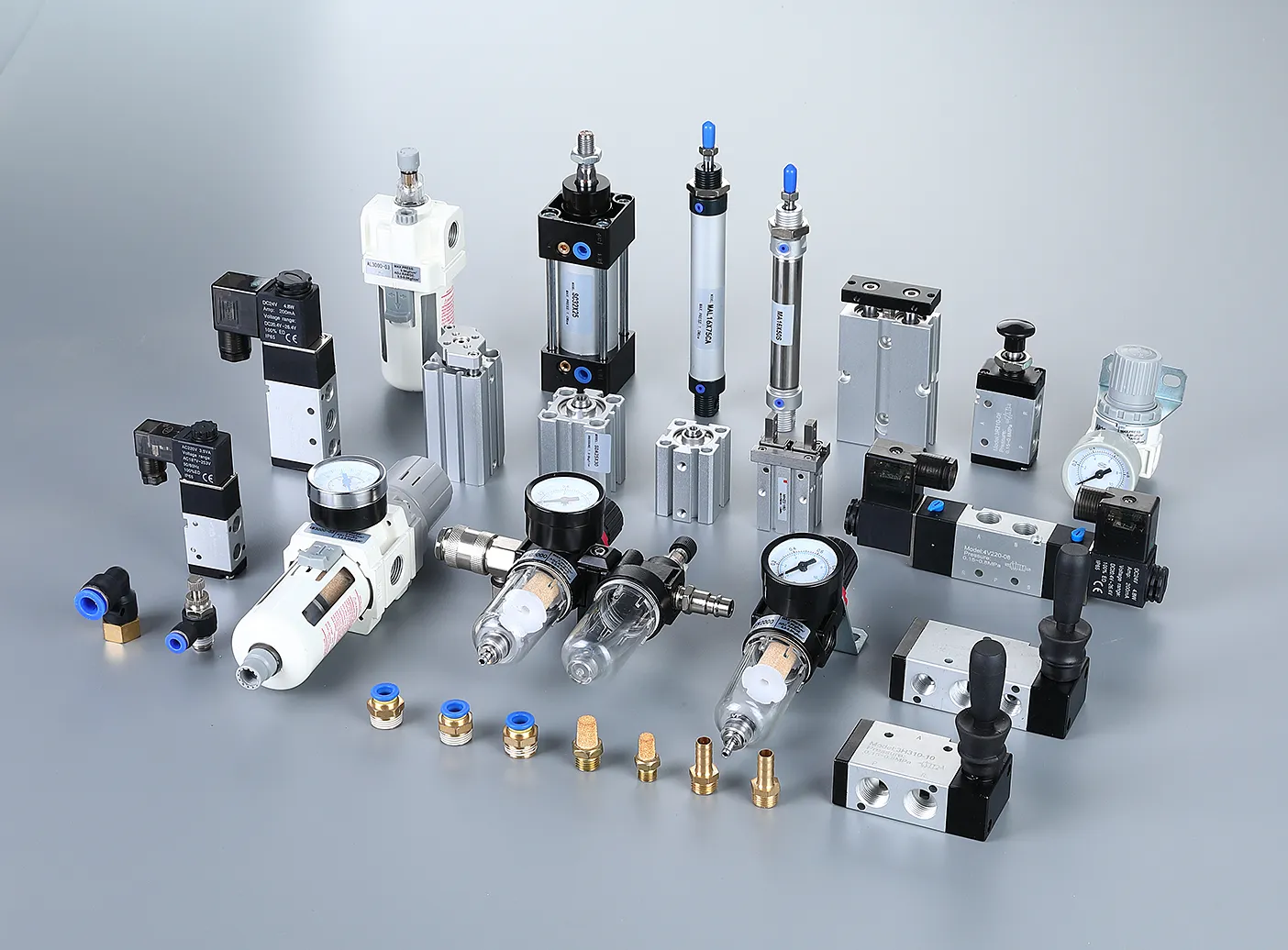
- Main Area: One-stop shop for sensors, power, and air systems.
- Supply: 3,000+ models. Samples in 15 days, big orders in 45 days.
- Global Reach: 72,000+ customers in over 100 countries.
- Promise: 24/7 support, ISO/CE/RoHS certified, 1-year warranty.
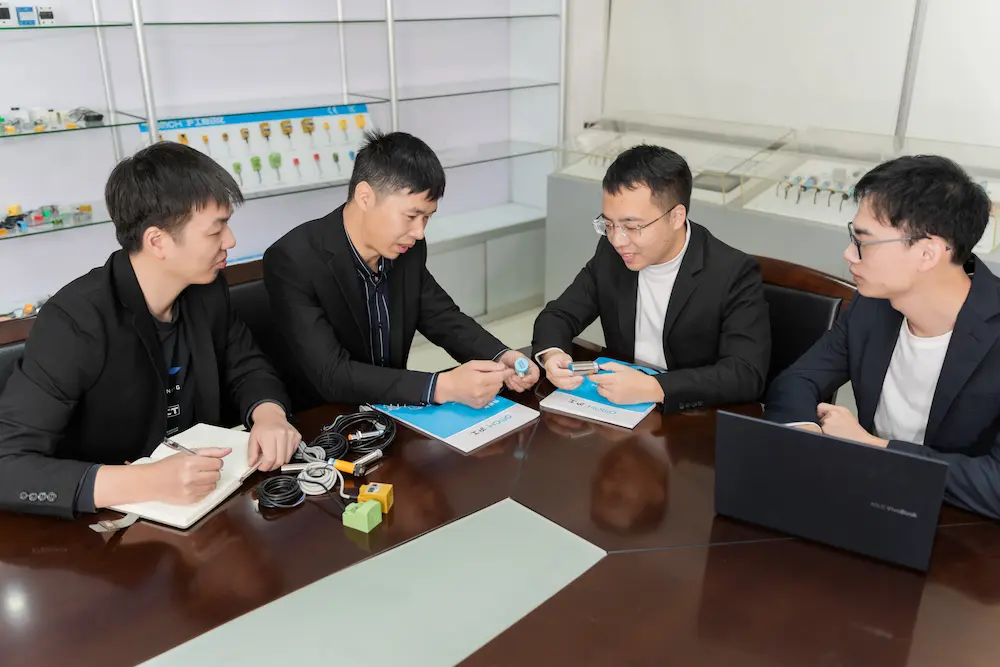
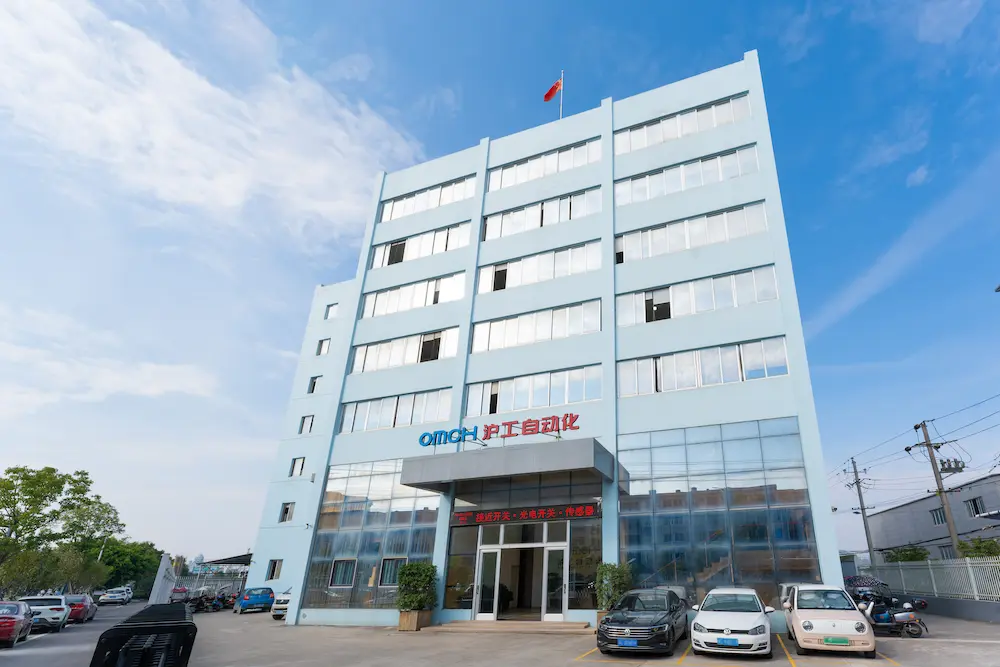
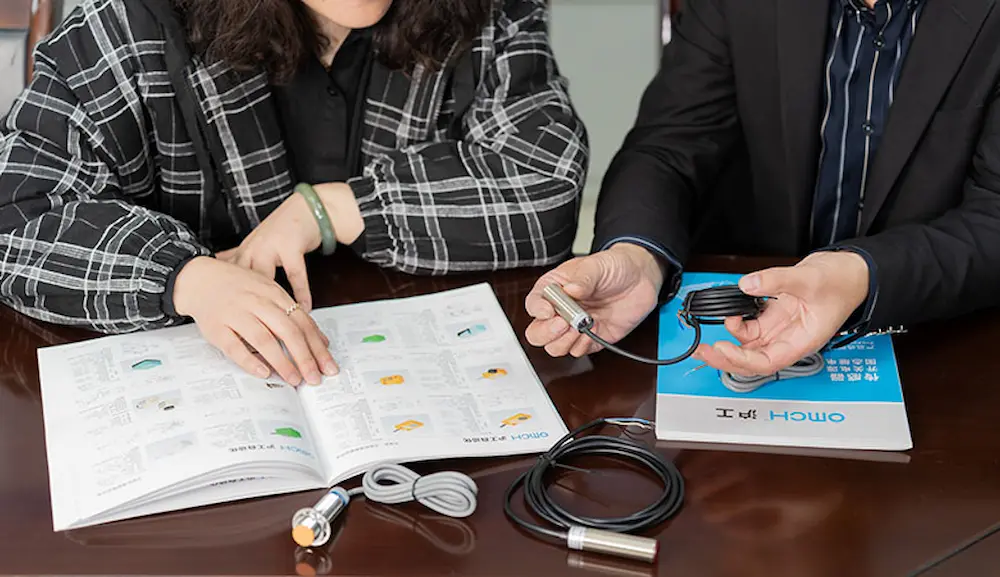
OMCH is a top choice for manufacturers in 2026. They offer many products and very fast delivery. With a large factory and 7 automatic lines, they solve the problem of long waiting times. They provide full solutions, not just parts. Because they have a large network, they are a reliable and cost-effective partner for global buyers.
- Pepperl+Fuchs (Germany)
- Main Area: Proximity sensors and explosion-proof products.
- Key Feature: Global leader in metal-detecting switches.
- Reputation: Works well in heavy industry with lots of electricity.
- Innovation: A leader in IO-Link technology.
Pepperl+Fuchs is a metal detector sensor specialist. Their sensors are also known not to be influenced by other machines in 2026. They offer products to meet numerous specific requirements, particularly to oil and medicine plants where fire safety is a major concern. They were among the pioneers in applying smart digital data to sensors.
- OMRON (Japan)
- Main Area: Electronics assembly and general light sensors.
- Key Feature: Very stable and lasts a long time.
- Usage: Best for high-volume production lines.
- Goal: Focuses on robots and humans working together.
OMRON is a necessity for most factories in 2026. Their switches and sensors are known to last very long before failure. They excel in the production of miniature sensors for electronics and automobiles. Their products do not fail very often and thus they save money for factories in the long run.
- Rockwell Automation (USA)
- Main Area: Smart manufacturing and system integration.
- Key Feature: Sensors work perfectly with their own controllers.
- Industries: Cars, food, drinks, and medicine.
- Network: Large group of sellers and helpers.
The leader in North American factories is Rockwell. Their sensors and controllers are a single team. This allows workers to repair and maintain the system easily. Their sensor settings can be changed in 2026 with software, which is quite convenient. They also design special sensors to food factories which require much cleaning.
- TE Connectivity (Switzerland)
- Main Area: Physical sensors (pressure, humidity, speed).
- Key Feature: Deep expert in basic sensor technology.
- Industries: From electric cars to big planes.
- Global Reach: Many factories and research centers worldwide.
TE Connectivity is the unsung hero of sensors. They are concerned with simple aspects such as pressure and speed. Their sensors can be found in electric car batteries or planes. They are made of special materials and hence the sensors can be used in extremely rough environments. TE is a good option when you require a large number of sensors on cars or machines.
- Endress+Hauser (Switzerland)
- Main Area: Liquid, flow, and pressure measurement.
- Key Feature: Very high accuracy, like a lab tool.
- Industries: Water, chemicals, and food processing.
- Service: Helps with setup and checking accuracy.
E+H will be the leader in the 2026 liquid measuring. They are most effective in determining the amount of liquid in a tank or the rate of flow. Their sensors are highly clean and safe in the case of food and medicine. They even have the ability to check themselves as the factory is still running, so you do not need to halt work.
Essential Sensor Types for Modern Automation Systems
In 2026, you must know these main types of sensors for your factory:
- Proximity & Position:
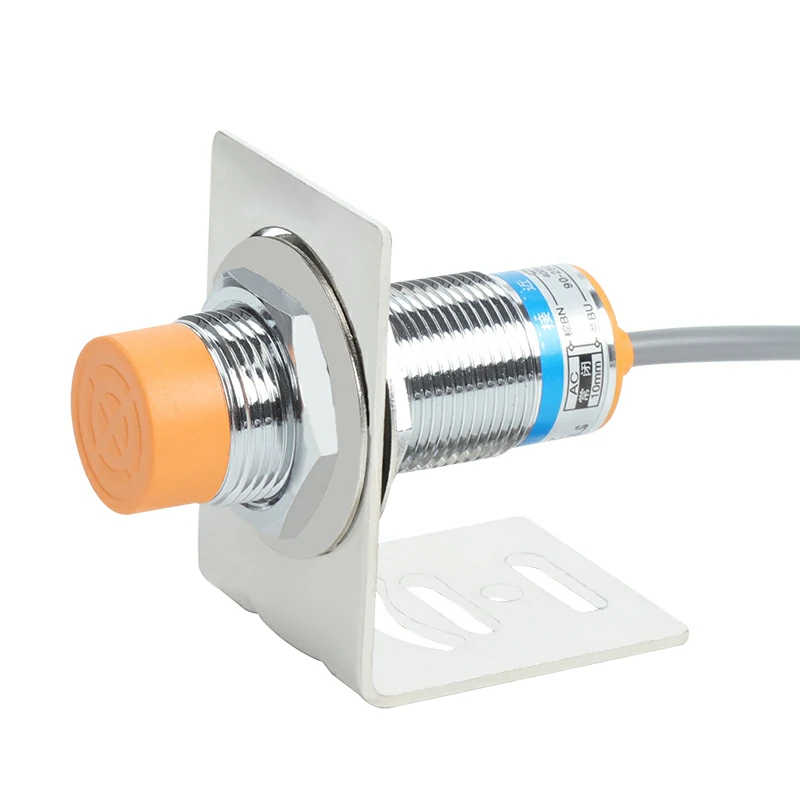
- Inductive: Used to detect metal without touching it.
- Capacitive: Can detect liquids or non-metals through a box.
- Pressure & Flow: These check the pressure of air or liquids to prevent pipes from breaking.
- Temperature & Environment: These check heat and moisture, which is important for high-quality products.
- Vision & Light: These use cameras to find small mistakes. For example, checking if glass bottles meet the ±3ml error limit to keep the quality high.
Key Technologies Defining Next-Gen Smart Sensors
When you buy sensors in 2026, look for these features:
- IO-Link: This enables the sensor to communicate with the computer and inform it whether it is healthy.
- Edge AI: The sensor contains a small brain to identify issues prior to their occurrence.
- PoE (Power over Ethernet): You just have to use a single cable to provide power and data, and it is easy to set up.
Evaluating Lead Times and Supply Chain Resilience
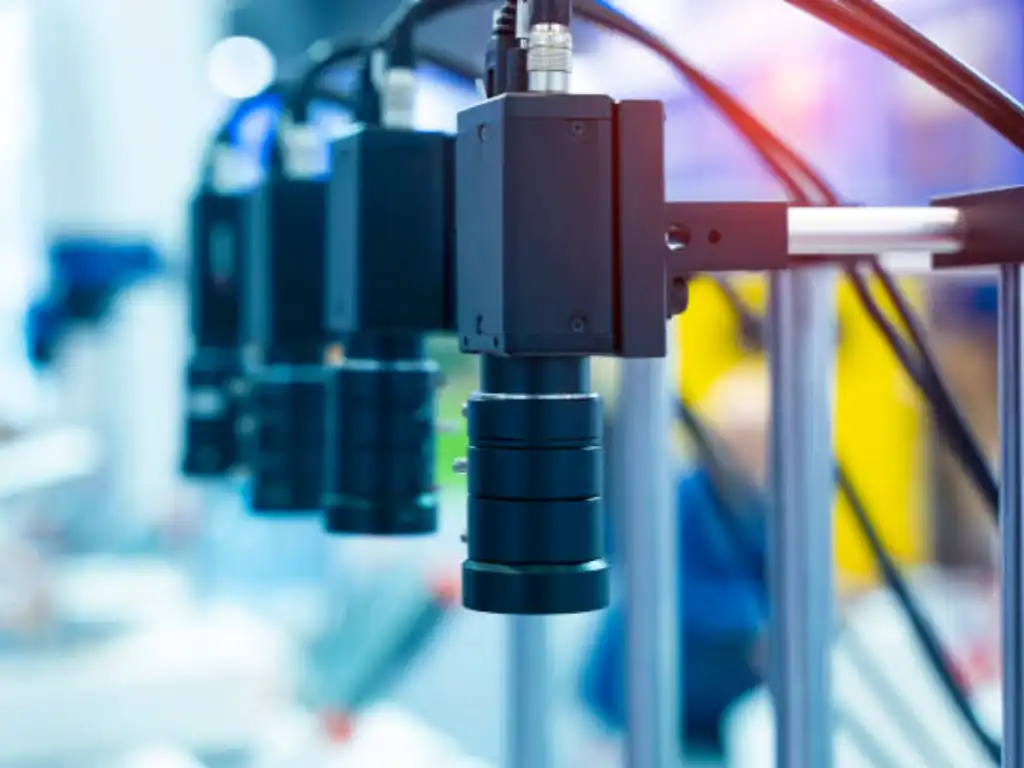
In 2026, being able to get the product is more important than the price. Supply chains can be slow. Good suppliers ensure fast delivery times:
- Samples: 10-15 days.
- Big Orders: 30-45 days.
Suppliers with local stock and factories help you save money and start your projects on time.
Sustainable Sourcing: Packaging and Sensors Carbon-Neutral
Green sourcing has great importance to any company:
- Carbon-Neutral Factories: Good suppliers are clean-energy and material-saving.
- Eco-Friendly Packaging: There are those that use 85 percent recycled materials in their boxes.
- Low Power: New sensors use 30% less electricity, which saves money and helps the earth.
Precision and Quality: Beyond the ±3ml Tolerance Standard
The best quality is achieved by examining each detail. The good sensors should be more precise than the old standards in 2026.
As an example, the previous ±3ml error is no longer good in glass making. The best suppliers apply ISO, CE, and RoHS regulations to ensure that sensors are highly accurate at all times. This will assist you in having less bad products and save you money.
Conclusion: Industrial Procurement Decision Matrix
In 2026, simple buyer-seller relations are outdated. The new procurement choices should be grounded on Total Cost of Ownership (TCO) and Digital Compatibility. Score your candidate suppliers on the following five core dimensions (on a scale of 1-5):
1. Digital Readiness
- [ ] Communication Protocols: Does it provide native support for open standards like IO-Link, MQTT, or JSON? (Avoid being locked into proprietary protocols.)
- [ ] Edge Intelligence: Do sensors feature built-in diagnostics (e.g., Predictive Maintenance alerts for service life or overheating)?
- [ ] Data Integration: Can the sensor data be directly integrated into existing ERP/MES systems?
2. Supply Chain Resilience & Response
- [ ] Lead Time Commitment: Does the supplier provide a clear “Mass Production Lead Time” (e.g., a 45-day standard) to handle market fluctuations?
- [ ] Local Support: Are there rapid-response technical teams or spare parts warehouses near your primary production sites?
- [ ] Customization Capability: Can the supplier quickly modify products (e.g., custom electrical interfaces or mounting brackets) for specialized conditions?
3. Quality & Compliance
- [ ] Industry Certification: Do they hold the latest ISO 9001:2026, CE, and RoHS certifications, as well as sector-specific standards (e.g., Food Grade or ATEX)?
- [ ] Tolerance Control: Is the production line equipped with Automated Optical Inspection (AOI) to ensure unit-to-unit consistency?
- [ ] Traceability: Does the supplier provide Individual Unit Tracking (unique IDs) to be able to trace back to original batches of raw materials in case of failure?
4. ESG & Sustainability
- [ ] Carbon Transparency: Does the supplier offer a Product Carbon Footprint (PCF) report (to the requirements of EU Digital Product Passport)?
- [ ] Eco-friendly Packaging: Does it reduce the use of plastic, and is the packaging made of high-ratio (e.g., 85%+) recycled materials?
- [ ] Energy Efficiency: Have the energy consumption of the sensor itself been made to be low energy consumption?
5. Total Cost of Ownership (TCO)
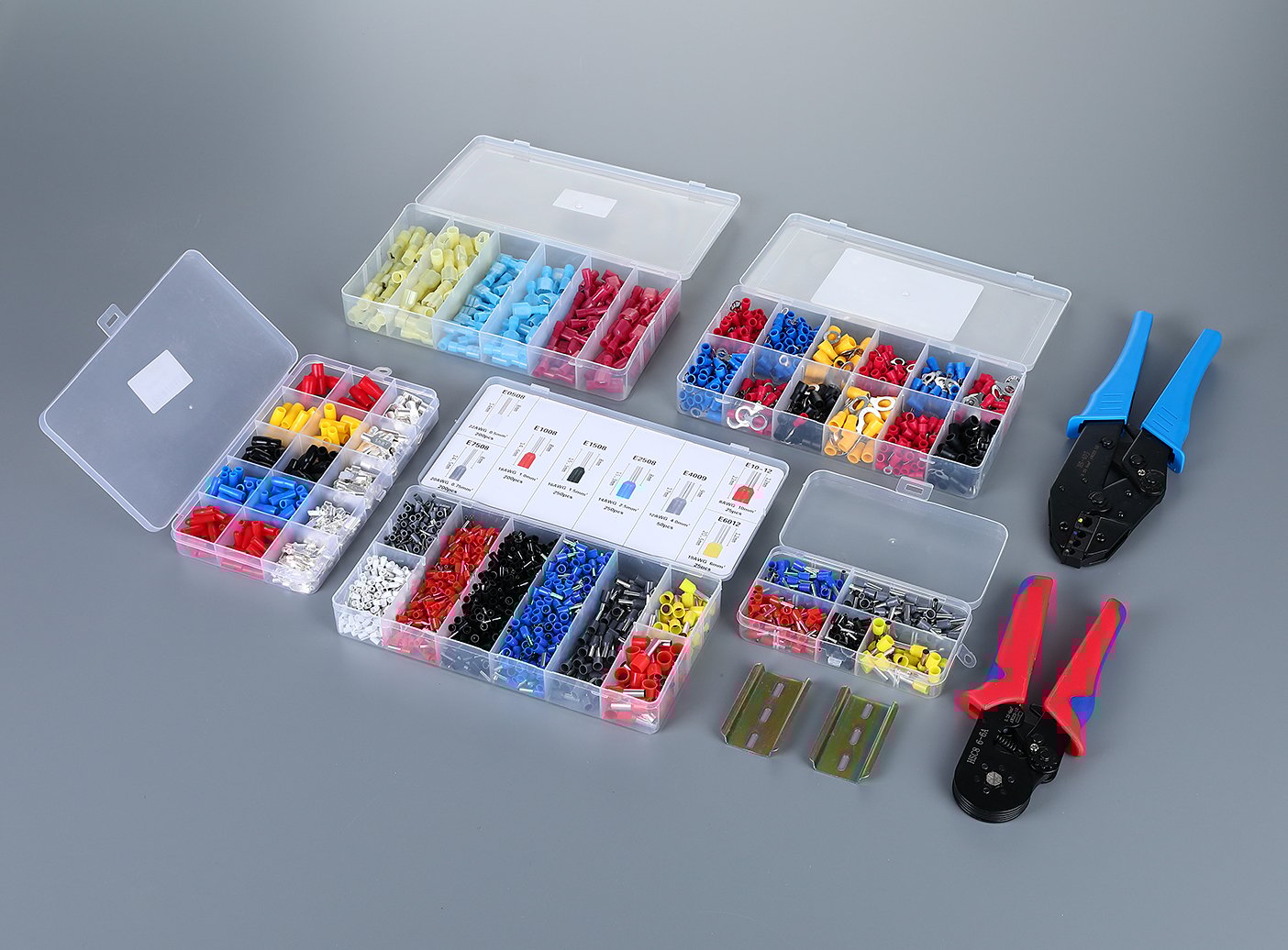
- [ ] One-Stop Solutions: Can the supplier provide complementary products (e.g., power supplies, relays, pneumatic components) to reduce procurement complexity?
- [ ] Warranty Policy: Does it come with a 1-year warranty with a clear compensation system on quality defects?
- [ ] Integration Effort: Is the technical documentation complete, and is multi-language support accessible and user-friendly?
Strategic Sourcing Recommendations
- In the case of Peak Performance and Cutting-Edge Tech, Keyence or SICK. They are priced higher, but they cannot be replaced in complex vision and safety laser applications.
- In the case of “Plant-wide Standardization and Large-scale Integration”, Siemens or Rockwell are the best. Their software environments offer unprecedented stability to the system.
- In the case of Supply Chain Flexibility and High Cost-Efficiency, OMCH or Pepperl+Fuchs are the most successful. Such suppliers significantly lower the cost of management in OEM cases that are highly reliant on fast delivery (15-day samples / 45-day mass production) and One-Stop procurement.


 English
  Arabic
  Turkish
  Russian
  Spanish
  French
  Indonesian
  Portuguese