



The manufacturing industry is in the process of changing as much as the steam engine or the assembly line. In decades past, the objective was straightforward: automation. The aim was to have machines move quicker and produce more. Speed is no longer the only currency of the day, however; intelligence is.
Smart Manufacturing Technology is not just about replacing human labor with robots; it is about connecting the shop floor to the top floor. It is the convergence of physical machinery with digital insights, allowing factories to predict equipment failures before they happen, customize products on the fly, and optimize energy use in real time.
To decision-makers, plant managers, and procurement officers, the question has shifted from “Should we adopt smart manufacturing technologies?” to “How can we put it into practice without interfering with our present manufacturing operations?”
This guide moves beyond the buzzwords. We will explore the tangible technology stack, the reality of retrofitting “brownfield” factories, and how to calculate the ROI of your digital transformation.
Defining Smart Manufacturing Technology Beyond the Industry 4.0 Hype
In order to adopt smart manufacturing, we need to first demystify the “Fourth Industrial Revolution” hype.
In its simplest form, Smart Manufacturing is the use of data analysis in the production process. Whereas traditional manufacturing processes are concerned with one machine performing a task repeatedly, smart manufacturing is concerned with the ecosystem. It creates a loop where:
- Data is generated by physical actions.
- Patterns are identified by analyzing data.
- The action is enhanced by executing decisions back in the physical world.
This is commonly known as a Cyber-Physical System (CPS). In a conventional system, when a drilling machine overheats, it will shut down and the line will be stopped. In an intelligent system, the system will detect the temperature trend increasing 30 minutes beforehand, automatically reduce the feed rate to cool the tool, notify the maintenance to monitor the coolant level during the next scheduled break, and adjust the downstream production schedule to reflect the temporary slowdown.
The core difference is adaptability. Smart manufacturing systems transform a fixed production line into a flexible and responsive organism.
The Top 5 Core Technologies Driving Smart Manufacturing
A smart factory resembles a human body. It requires a brain to think, muscles to move, and most importantly a nervous system to feel. Even the most sophisticated Artificial Intelligence cannot work without credible inputs. The following is the list of the key technology stack needed to create a smart factory, incorporating the Industrial Internet of Things.
IIoT Sensors & Precision Components (The Foundation)

You have to capture data before you can analyze it. This is the foundation of data collection.
Most companies commit the error of spending millions of dollars on cloud software and forgetting the physical elements on the factory floor. However, the integrity of your entire smart system relies on the accuracy and durability of its smallest parts: sensors, relays, and power supplies. This is the “Garbage In, Garbage Out” principle. When a sensor gives you false information because it is vibrating or being interfered with, your AI will make the wrong choice.
The Role of Precision Hardware
In order to create a strong data base, manufacturers require industrial grade components that are resistant to extreme conditions (dust, oil, electromagnetic interference).
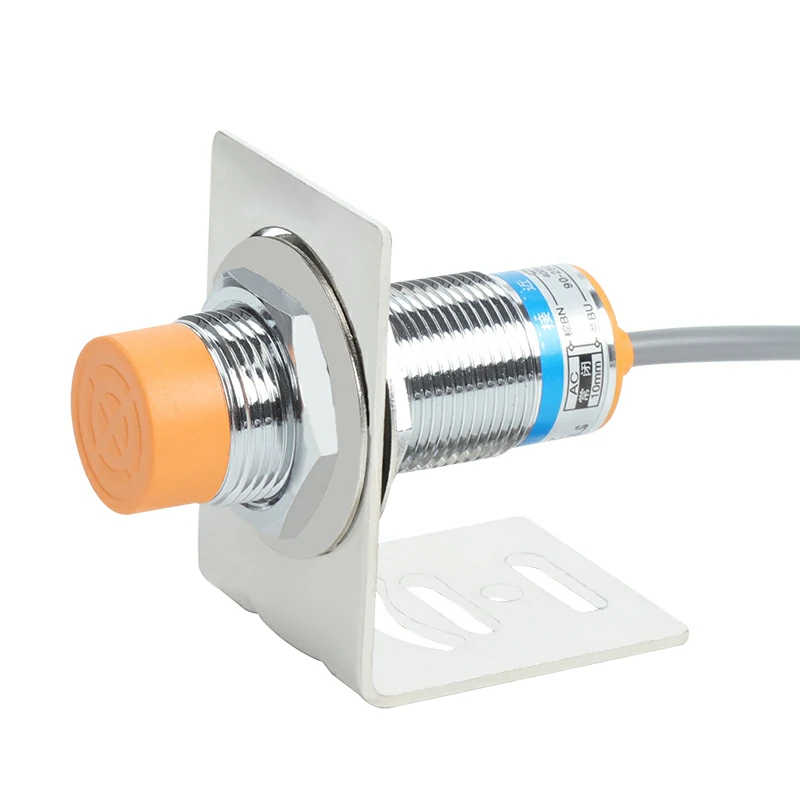
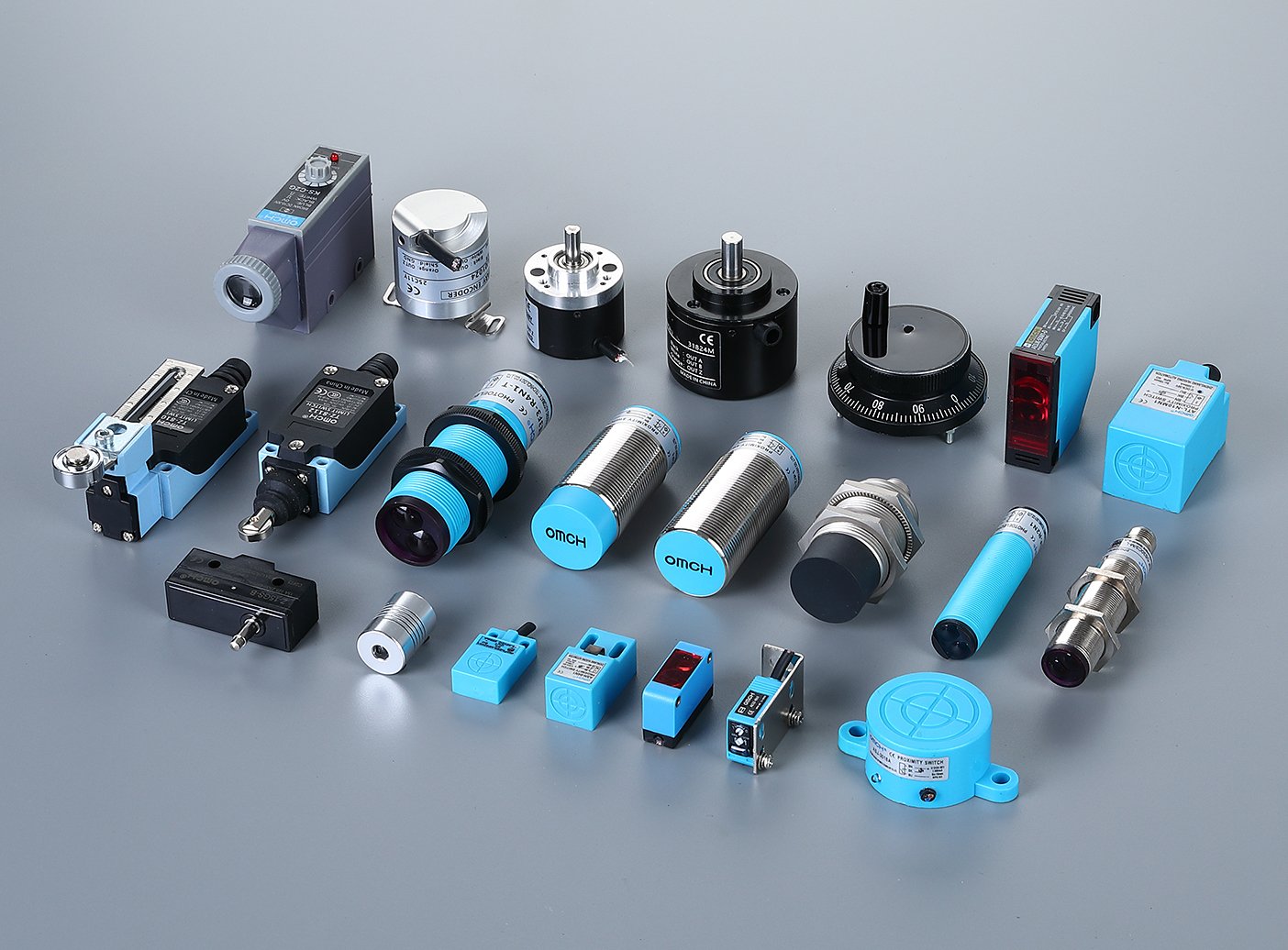
- Inductive & Capacitive Proximity Sensors: These are the eyes of the machine, detecting metal and non-metal objects to control positioning with sub-millimeter accuracy.
- Photoelectric Sensors: These are necessary in the counting, sorting, and presence detection of high-speed conveyor belts.
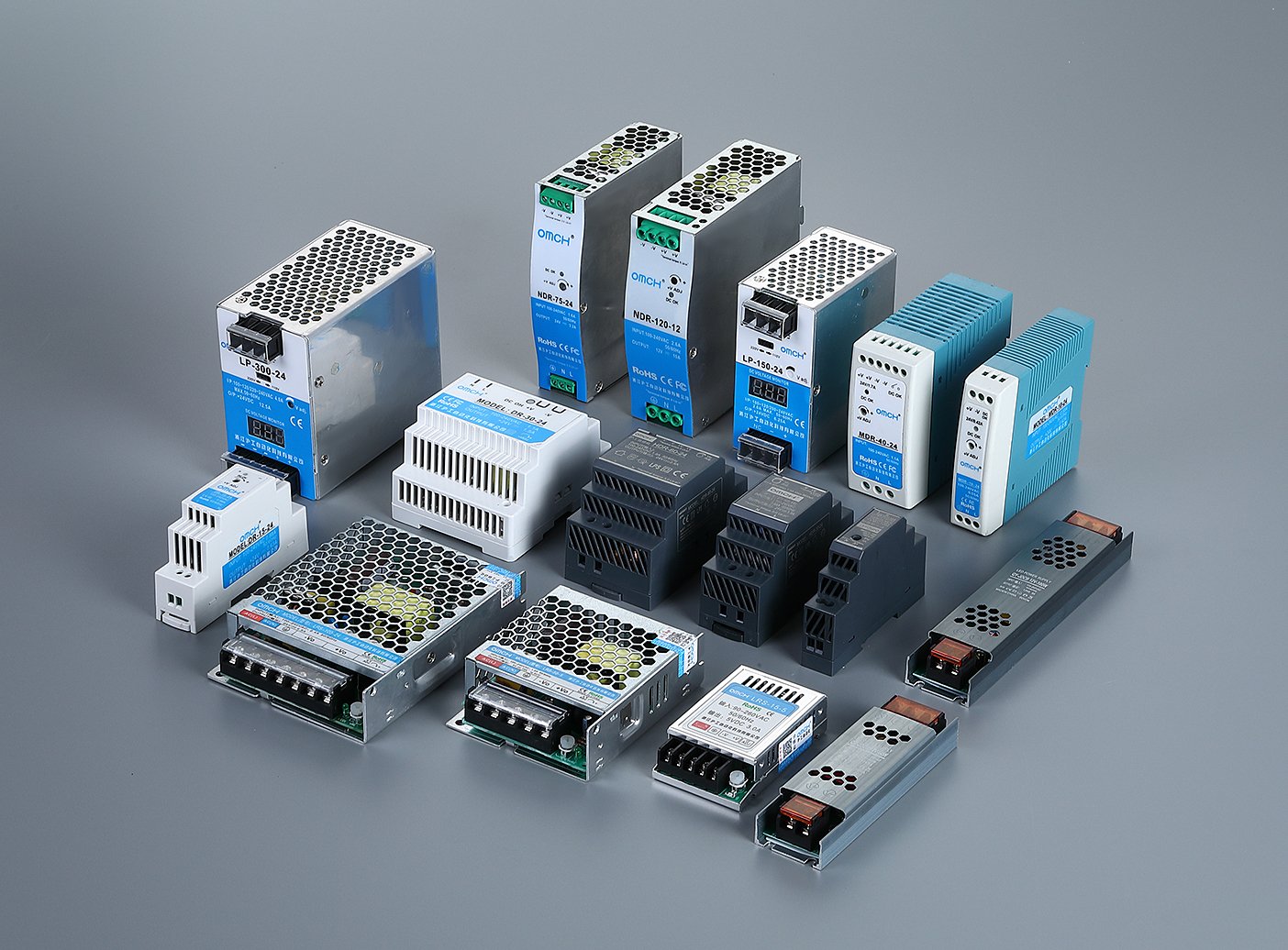
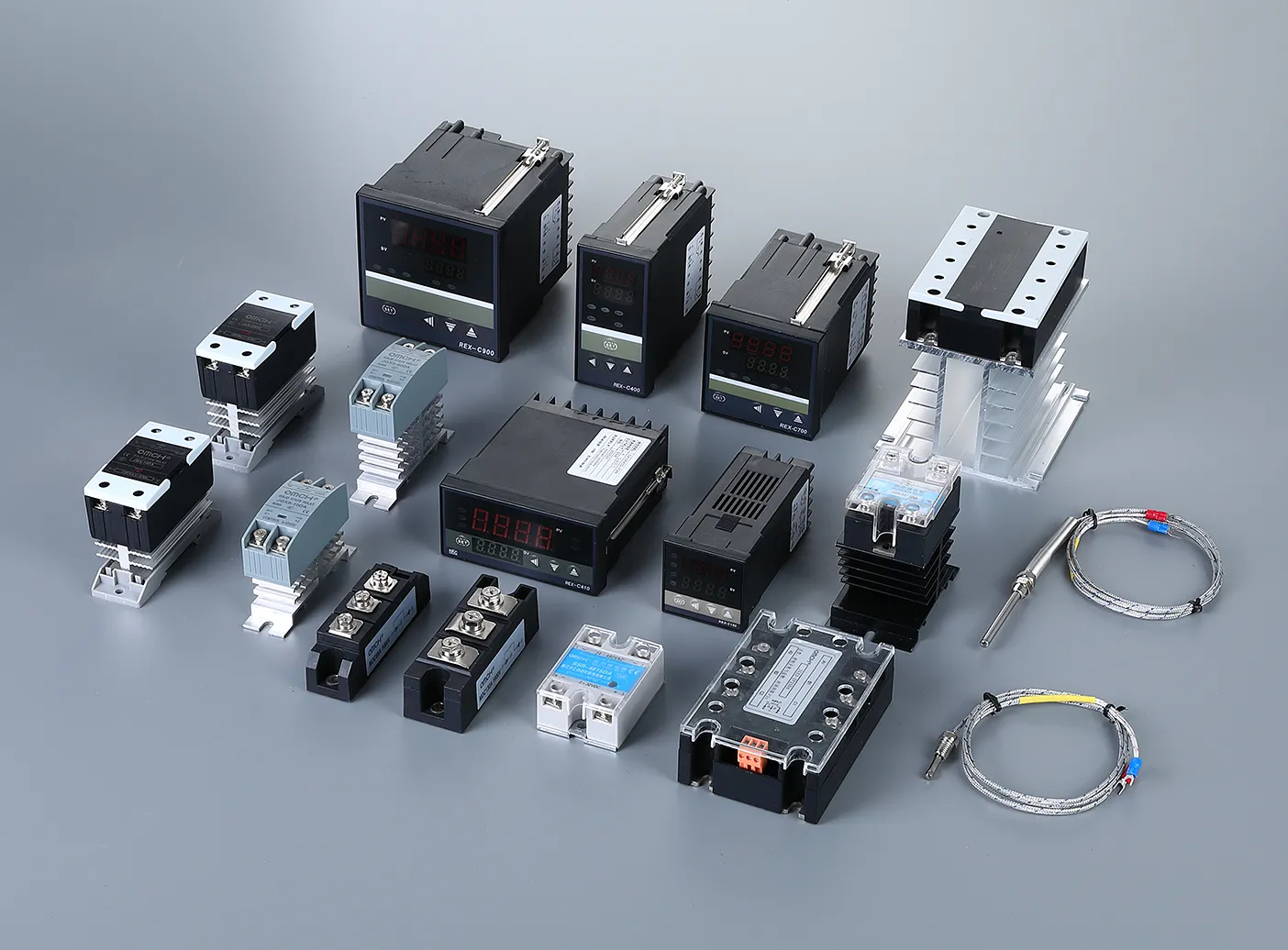
- Solid State Relays (SSR) & Switching Power Supplies: These are used to make sure that the “heartbeat” of the machine is steady. Fluctuation in power or contact failure in a relay leads to data gaps.
Edge & Cloud Computing (The Infrastructure)
Once data is captured by sensors, it needs a place to go.
- Edge Computing: Processing data locally on the machine. This is crucial for decisions requiring real time speed.
- Cloud Computing: Sending aggregated data to remote servers for long-term storage and heavy analysis, enabling Big data applications.
AI & Machine Learning (The Brain)
Assuming that the eyes are the sensors and Cloud is the memory, AI is the brain. Machine Learning algorithms are used to examine past data to identify trends that humans would overlook. As an example, relating a particular frequency of vibration in a motor to a bearing failure that normally occurs 48 hours after.
Digital Twins (The Simulation)
A Digital Twin is a virtual replica of your physical factory. Before you physically move a machine, you simulate it. This enables engineers to improve product design and experiment with “what-if” scenarios without wasting resources.
Collaborative Robotics (The Muscle)
“Cobots” are meant to work with humans. They handle repetitive tasks and utilize advanced sensors to ensure worker safety, acting as a transition between manual work and complete automation.
Retrofitting Legacy Equipment: Smart Tech for “Brownfield” Factories

The most common myth is that you have to construct a new plant. The fact is that 90 percent of implementation occurs in the existing manufacturing environment, utilizing factories that have machines that are 10, 20, or even 30 years old.
The Retrofit Strategy
There is no need to completely replace old manufacturing equipment. You can put smart technology around it.
- Overlay Sensors: Install aftermarket vibration and temperature sensors directly onto the chassis of old motors or pumps. These do not have to interfere with the internal PLC of the machine, they just have to listen to the health of the machine.
- IoT Gateways: Smart gateways can be used to convert old communication protocols (such as Modbus RTU or Profibus) into new IT standards (such as MQTT or OPC UA).
- Smart Metering: Fit smart energy meters on the input of old machines. Simply analyzing the power draw curve can tell you if a machine is idling, running under load, or struggling due to friction.
This approach allows manufacturers to digitize distinct lines one by one, keeping capital expenditure low while realizing the benefits of smart manufacturing incrementally.
High-Impact Applications: Predictive Maintenance and Digital Twins
While the smart manufacturing technology stack itself is impressive, the true return on investment is unlocked only when these tools are applied to solve specific operational challenges. Predictive Maintenance (PdM) improves asset management and Digital Twins drive innovation.
Predictive Maintenance (PdM)
Conventional maintenance is either “Reactive” (Fix it when it breaks) or “Preventative” (Change it every month whether it is needed or not). Both are inefficient. Predictive Maintenance involves the use of real-time data to service equipment only when it is required.
As an example, the system can be used to monitor the current draw and temperature of a servo motor to detect the initial indications of mechanical resistance due to lubrication breakdown.
The Hardware Reality: Ensuring Uptime with OMCH
However, a Predictive Maintenance system can be as reliable as the physical components that it relies on. When your control system breaks down because of a low-cost part, even the most sophisticated algorithms will not help you.
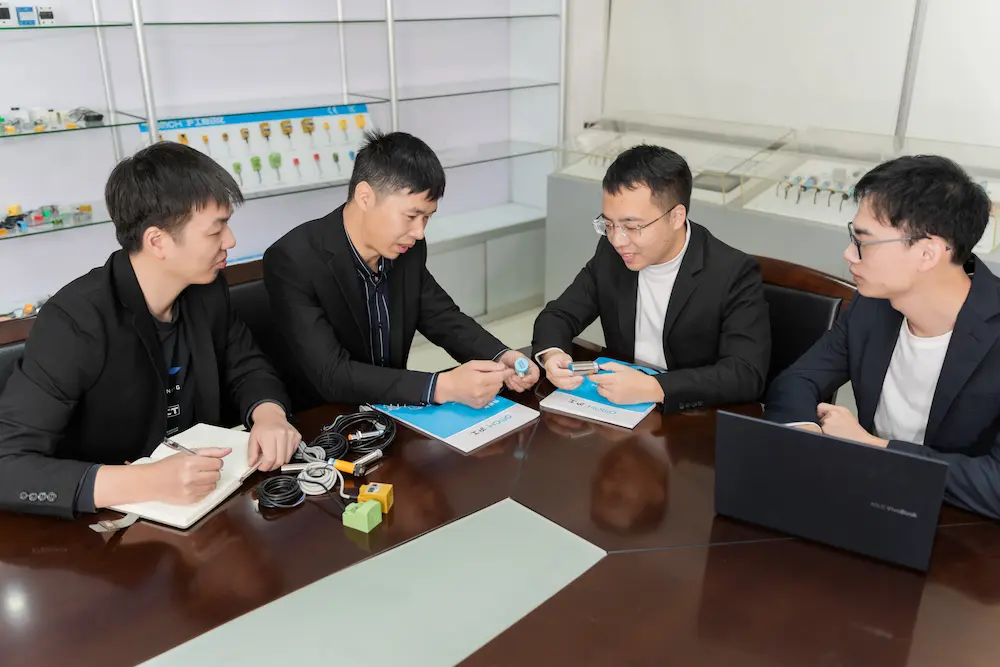
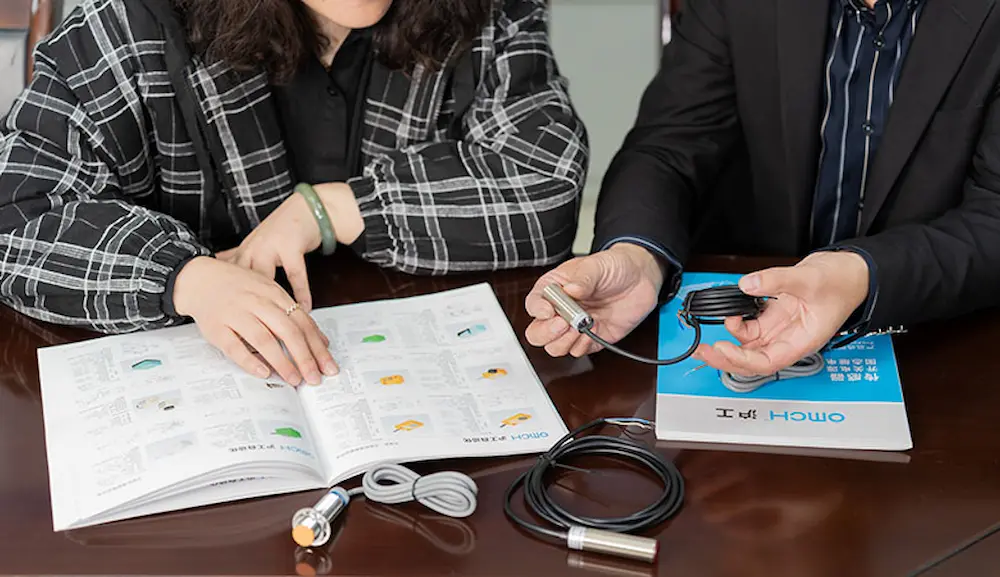
This is where OMCH stands out as a critical partner. OMCH was founded in 1986 and has almost 40 years of experience in refining the industrial automation “nervous system”. Unlike generic suppliers, OMCH offers a “One-Stop” solution with over 3,000 SKUs—from precision sensors to stable power supplies—all engineered to provide the data integrity required for advanced IIoT applications.
OMCH is critical in the particular requirements of PdM:
- Longevity in Switching: PdM implementation needs a control system that does not sleep. The Solid State Relays (SSR) of OMCH do not have moving components and therefore, they do not experience contact wear or arcing. This is what makes them suitable to the high frequency switching that is frequently needed in smart temperature control systems where mechanical relays would not last long.
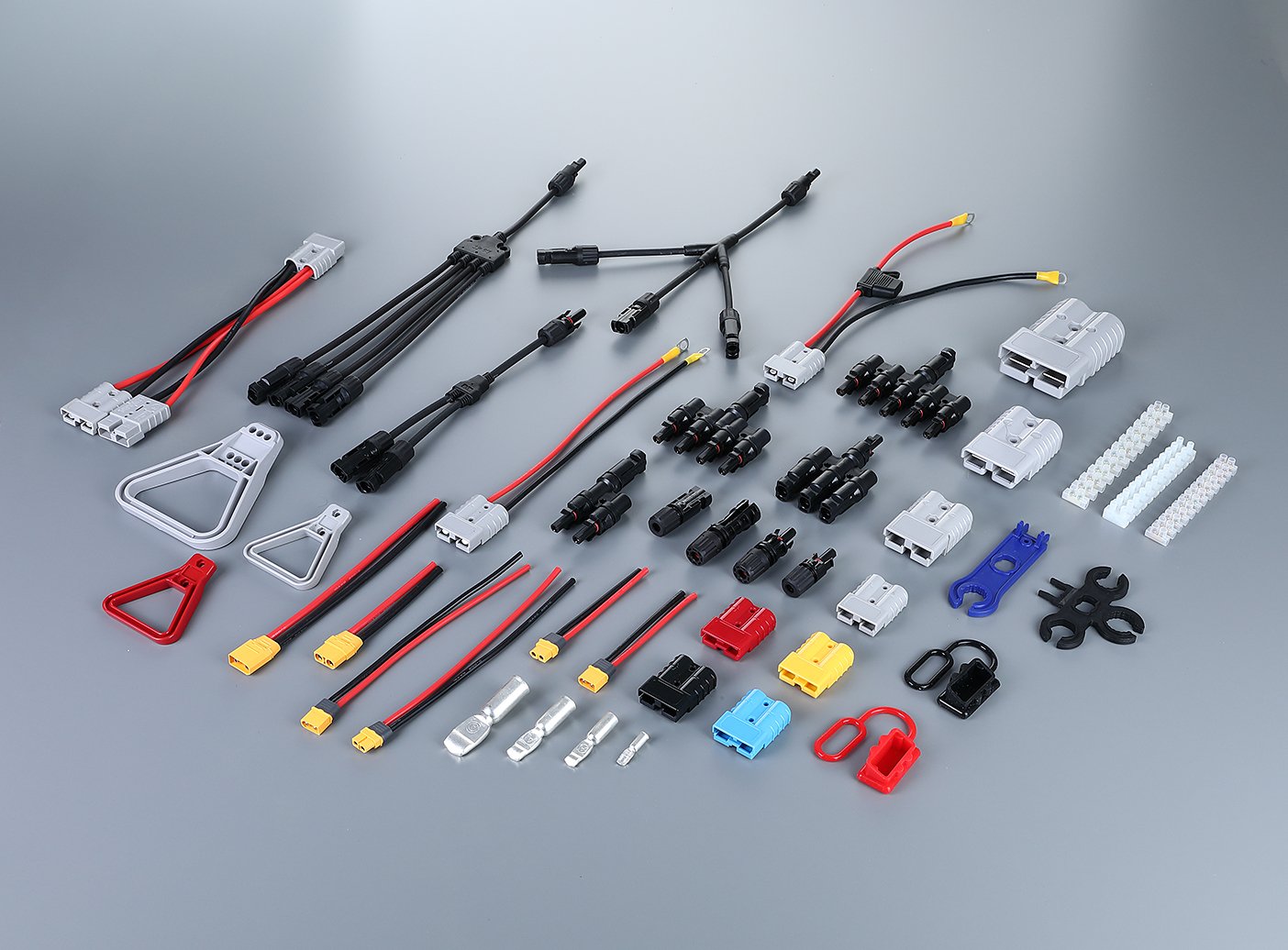
- Asset Protection: In addition, the variety of protection elements offered by OMCH (such as surge protectors and high-quality fuses) protect your costly IoT gateways against voltage spikes.
By using OMCH’s certified (ISO9001, CE, RoHS) and durable control components, you ensure that the physical actuation layer of your maintenance strategy is as “smart” and reliable as the software layer.
Digital Twins in Action
In addition to maintenance, Digital Twins can be used to do rapid prototyping. A virtual environment can be used to test the pressure of the filling line on a new glass shape by a bottle manufacturer. This saves a lot of “time-to-market” of new products since physical trial-and-error is reduced.
Success Stories: Lessons from Global Manufacturing Leaders
Looking at Best practices from successful implementations helps visualize the path forward.
- Automotive Giant: A leading EV manufacturer used RFID to track parts moving through the supply chain. They digitized inventory, which cut “line-side” storage by 40 percent.
- Electronics Manufacturer: By implementing vision systems to solve quality issues, a PCB manufacturer moved to “100% inline inspection,” significantly enhancing product quality.
The common denominator in these examples is that they began with a particular business issue (Inventory Space or Defect Rates) and used technology to address it, and not to use technology as an end in itself.
Calculating ROI: Justifying the Cost of Digital Transformation
Buy-in by the CFO is one of the most difficult aspects. You need to convert technical improvements into cost savings. The effects on important financial indicators are compared below:
| KPI Metric | Traditional Manufacturing | Smart Manufacturing | Financial Impact |
| OEE | 60% – 70% | 80% – 85% | Higher operational efficiency. |
| Unplanned Downtime | 5% – 10% | < 1% | Drastic reduction in operational costs. |
| Energy Consumption | Fixed Overhead | Optimized | Reduction in energy costs. |
| Time to Market | 6 – 12 Months | 2 – 4 Months | Higher margins and customer satisfaction. |
In reporting ROI, emphasize Total Cost of Ownership (TCO). Although smart sensors and gateways are expensive to install initially, the maintenance labor savings and energy savings can be used to break even within less than 18 months.
Navigating Key Challenges: Cybersecurity, Data Silos, and Talent
The way to a smart factory is not smooth. The first step to overcome these challenges is to be aware of them.
- Cybersecurity Risks: Connecting OT to the Internet expands the attack surface.
- Data Silos: Fragmented production systems might speak different languages. Solution: Use universal interoperability standards.
- The Talent Gap: The labor force is aging. Solution: Invest in platforms that allow existing engineers to generate actionable insights without being data scientists.
Future Outlook: Trends, Sustainability, and Common FAQs
With the future of 2026 and beyond, smart manufacturing is becoming Autonomous Manufacturing.
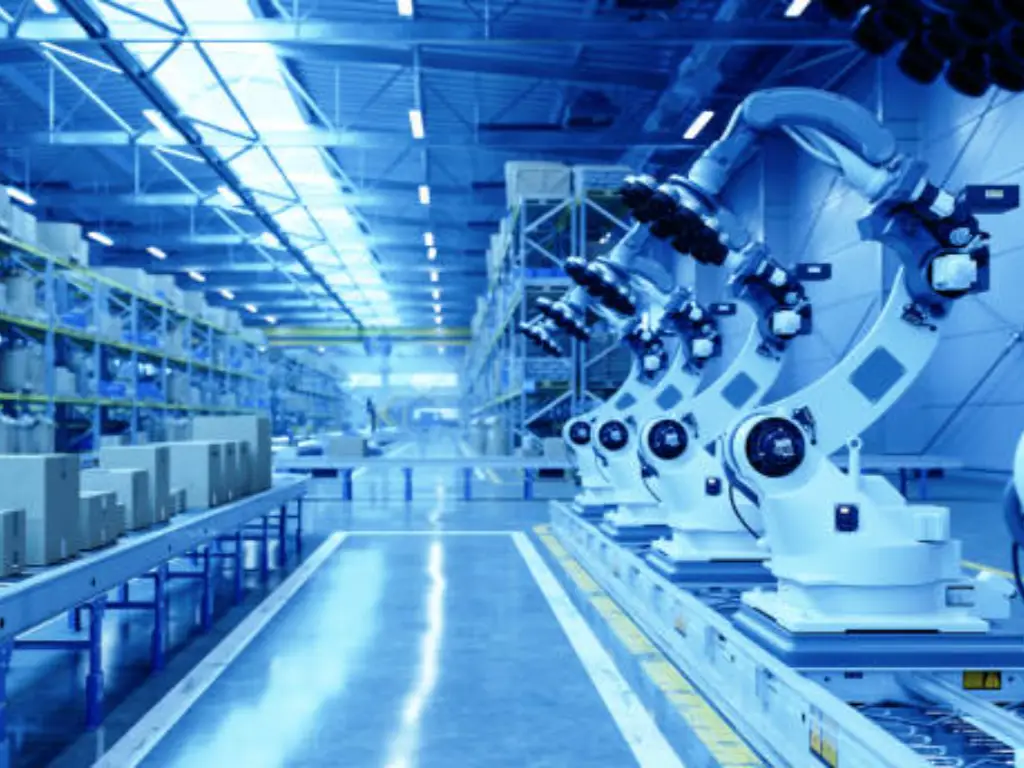
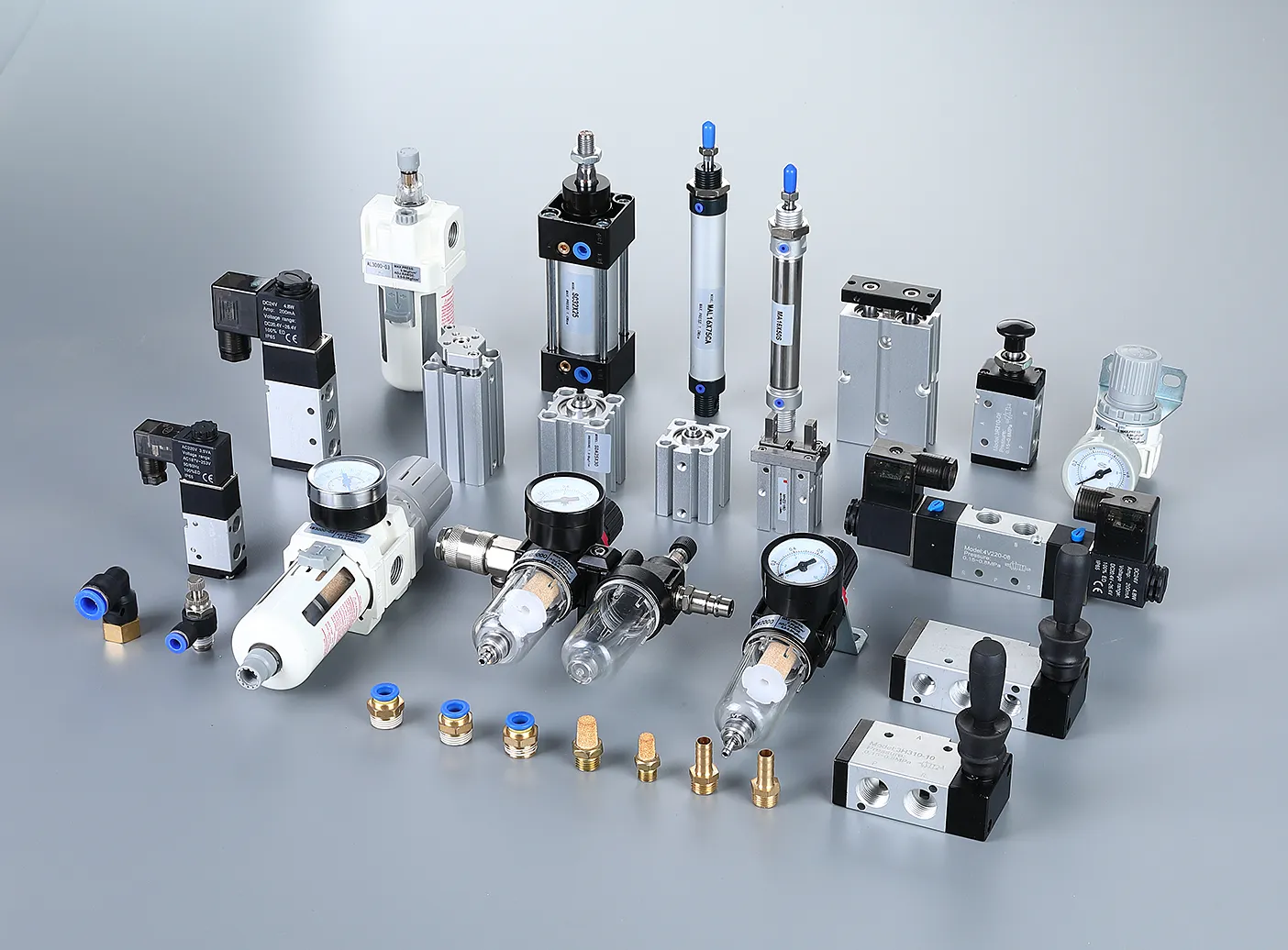
- Sustainability & Green Manufacturing: Data is the key to sustainability. Sensors can be used to identify air leaks in pneumatic systems (a massive energy waster) or to control oven temperatures to use the least amount of gas.
- Lights-Out Manufacturing: Highly automated cells that can run unsupervised during night shifts, increasing capacity without increasing labor costs.
Frequently Asked Questions (FAQs)
Q: Will Smart Manufacturing replace human workers?
A: Not entirely. The trend is “Cobots” (Collaborative Robots). This is aimed at eliminating human beings in hazardous, dirty and tedious work so that they can concentrate on supervision, programming and quality assurance.
Q: Is Smart Manufacturing too expensive for Small and Medium Enterprises (SMEs)?
A: No. The cost of sensors and connectivity has dropped dramatically. You can start small—retrofitting a single critical bottleneck machine with sensors and a gateway for a few thousand dollars—rather than digitizing the whole plant at once.
Q: Where should we start?
A: Begin with data, not hardware. Find your greatest source of pain (e.g., Why does the packaging machine jam every Tuesday?). Next, choose the sensors and connection required to address that particular issue.
The reliability begins at the component level. Do not economize on the “foundation”. Make sure that your sensors, power supplies, and control parts are of a good manufacturer with certified quality standards. The accuracy of sensors is the only way a smart system can be as smart as possible.


 English
  Arabic
  Turkish
  Russian
  Spanish
  French
  Indonesian
  Portuguese