



The rotary encoder is one of the most important elements of the dynamic world of industrial automation and Industry 4.0, the “sensory organs” of the motion control systems. These devices are necessary to give a good position feedback through the speed, direction and angle of a mechanical rotation. By 2026, the global market of such devices is more advanced due to the development of semiconductor technology, manufacturing hubs, and the need to be more precise in every respect, including medical robotics and heavy-duty textile machines. The question that will always be of interest to the procurement managers and design engineers is: How do you strike a balance between high-performance requirements and the varying market prices?
This guide provides a comprehensive deep dive into the pricing structures of rotary encoders in 2026, the technical variables that drive costs, and the strategic selection methods required to optimize your Return on Investment (ROI).
Understanding the 2026 Rotary Encoder Pricing Landscape
The pricing environment of the rotary encoder 2026 is characterized by a divergence of “K-shape”. On the one hand, commoditization of the standard incremental rotary encoder has been accomplished by the matured manufacturing processes resulting in lower entry-level prices of general-purpose applications. On the other end, a high-precision absolute rotary encoder with built-in diagnostic features (IoT-enabled) is being priced high.
The market can be divided at this point into three price categories:
- Entry-Level/Hobbyist ($5 – $25): Primarily mechanical or simple magnetic encoders used in consumer electronics, basic Arduino projects, or simple volume controls.
- Mid-Range Industrial ($40 – $180): The “workhorse” category. They are magnetic or optical incremental encoders that are high-performance and are used in factory automation, conveyors and packaging machines.
- High-End/Specialized ($250 – $1,000+): Multi-turn absolute encoders with high IP ratings (IP67+), explosion-proof certifications, or stainless steel housings for food and beverage or oil and gas industries.

A number of macro-economic variables have been stabilized in prices in 2026 compared to the volatility that was realized in early 2020s. The rise of high-tech production in Asia and increased resiliency of supply chains has added more competitive alternatives that the old European and American brands have to explain their high prices with complex software integration and specialized support.
Regional Price Variance: Asian Manufacturing vs. Western Brands
The geographical origin of a rotary encoder is one of the most influential factors in the pricing of the product in 2026. Traditionally, European and Japanese brands were priced at a “legacy premium” because of the perceived quality differences. The technical performance gap however has been narrowed to a large extent whereas the price gap is wide.
Industrial buyers can often achieve 30% to 50% cost savings by sourcing from high-tier Asian manufacturers without sacrificing precision. This price disparity is driven by two primary factors:
- The “Factory Direct” Model: Contrary to most of the Western brands, which depend on a multi-tiered system of international distributors and local dealers, who all mark up the product 10-15%.
- Supply Chain Density: The closeness to semiconductor hubs and raw material processing in Asia will lower the costs of inbound logistics and lead times and will be able to offer more aggressive pricing on high-volume orders.
2026 Price Comparison by Region (Standard Incremental Encoder)
| Region | Average Unit Price | Business Model | Value Proposition |
| Europe / USA | $120 – $250 | Distributor-heavy | High brand equity; specialized local support. |
| Japan | $100 – $200 | Dealer networks | Extreme reliability; legacy automation integration. |
| High-Tier Asia | $45 – $85 | Factory Direct / OEM | Best performance-to-price ratio; agile customization. |
With this kind of regional insight, procurement departments can begin to move beyond buying a brand to buying a specification, which in effect safeguards their project margins without compromising the high standards of reliable position feedback needed to be achieved with modern cnc machines.
Key Technical Drivers of Rotary Encoder Price
The cost of a rotary encoder is never arbitrary when evaluating a quote. It is a direct manifestation of the internal parts and the engineering accuracy needed to convert mechanical motion into a precise electrical signal. Knowing these drivers is vital to avoid “over-specifying” and unnecessary expenses.
- Sensing Technology: Optical vs. Magnetic
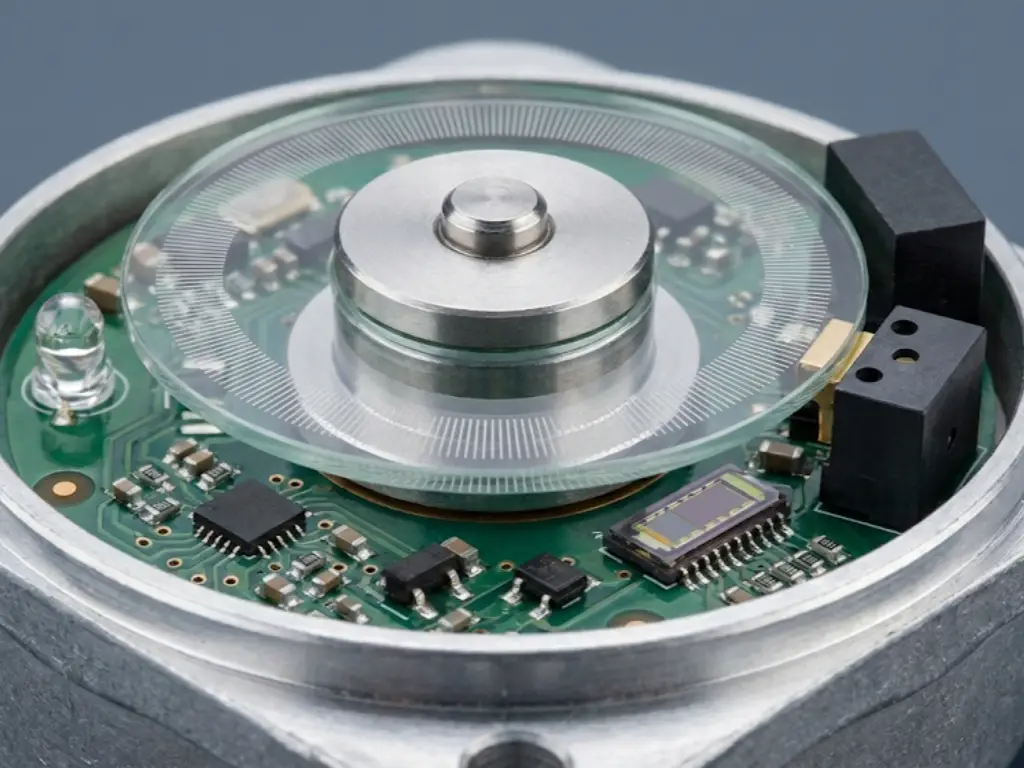
- Optical Encoders: Also known as a photoelectric rotary encoder, these are generally more expensive. They involve a code disk (glass, metal, or plastic) and a light source. The difficulty of etching high-resolution lines on a glass disk and the necessity of a clean-room assembly environment increase the Bill of Materials (BOM).
- Magnetic Encoders: Traditionally cheaper, though the gap is closing. These use a rotating magnet and a sensor chip. They are stronger in dirty conditions but have low resolution in the past. By 2026, high-resolution magnetic chip will become cheaper and therefore will be applied in cost sensitive industrial applications.
- Resolution (Pulses Per Revolution – PPR)
Resolution is likely to be the most significant price scaler. A 100 PPR encoder requires much less accuracy than a 10,000 PPR encoder. Higher resolution demands tighter tolerances in the sensing element and more powerful signal processing electronics to handle the high-frequency output without lag or error.
- Mechanical Construction and Durability
The encoder is frequently more expensive to “house” than its electronics.
- Encoder Shaft Load: The physical encoder shaft must withstand radial and axial loads; high-quality, oversized bearings are required for durability, significantly adding to the price.
- Environmental Protection: To achieve an IP67 (waterproof) rating (upgraded to IP50 (basic dust protection) the specialized seals and gaskets are required, which also raises the cost of materials and testing.
- Materials: A replacement of aluminum with 316-grade stainless steel in corrosive conditions can increase the mechanical cost of the unit three times.
Price Determinants Breakdown (2026 Estimates)
To help you better estimate your project budget, the following table summarizes how much each premium feature typically adds to the base price of a standard industrial encoder.
| Component/Feature | Estimated Price Impact | Reason |
| PPR (100 vs 10,000) | +$50 – $200 | Cost of high-precision etched glass disks. |
| IP67 Sealing | +$15 – $40 | Extra gaskets, seals, and pressure testing. |
| Stainless Steel Housing | +$80 – $150 | Raw material cost and machining complexity. |
| Digital Protocol (EtherCAT) | +$100 – $300 | Licensing fees and high-speed processing chips. |
Price Comparison: Absolute vs. Incremental Encoders
The debate on whether to invest in an absolute rotary encoder or remain with an incremental rotary encoder is common in procurement.
| Feature | Incremental Encoder | Absolute Encoder |
| Pricing (Estimated) | $40 – $150 | $150 – $600+ |
| Output Type | Continuous pulse stream (A, B, Z phases) | Unique digital code for every position |
| Power Loss Behavior | Loses position; requires a “home” sequence | Retains position; no homing required |
| Complexity | Simple electronics; low data overhead | Complex multi-turn counting; high data overhead |
| Typical Protocols | HTL (Push-Pull), TTL (Line Driver) | SSI, BiSS, CANopen, Profinet, EtherCAT |
| Cost Driver | Resolution and mechanical build | Logic chip, memory, and communication protocol |
Why the price gap? An absolute encoder requires a much more complex internal code disk (or multiple disks for multi-turn models) and a sophisticated microprocessor to calculate and communicate the exact position via digital protocols like EtherCAT or Profinet. You are paying for the “peace of mind” that the system will never require a homing cycle after a power failure—a feature that can save thousands in reduced downtime for complex machinery.
Cost Differences: Hobbyist vs. Industrial Grade Encoders
The market is overwhelmed with similar-looking encoders, which do the job of worlds apart. An encoder of hobbyist quality available on a site such as eBay at $10 may last a few months on a desktop 3D printer, but would break down in a CNC milling machine in a few hours. Industrial-grade encoders are priced higher because they are built to survive 24/7 operation, electrical noise, and physical vibration.
Industrial units feature differential line drivers to cancel out electromagnetic interference (EMI) from nearby motors—a feature absent in hobbyist modules. They also use high grade bearings that are rated at millions of revolutions as compared to simple bushings used in cheap modules.

OMCH Advantage: Industrial Performance at Competitive Manufacturing Costs
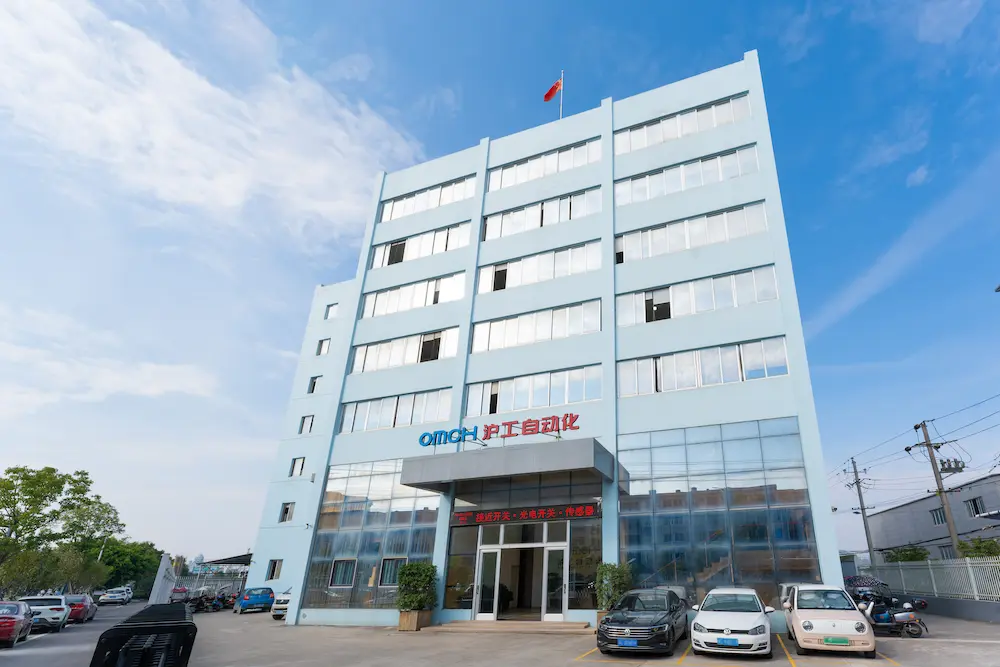
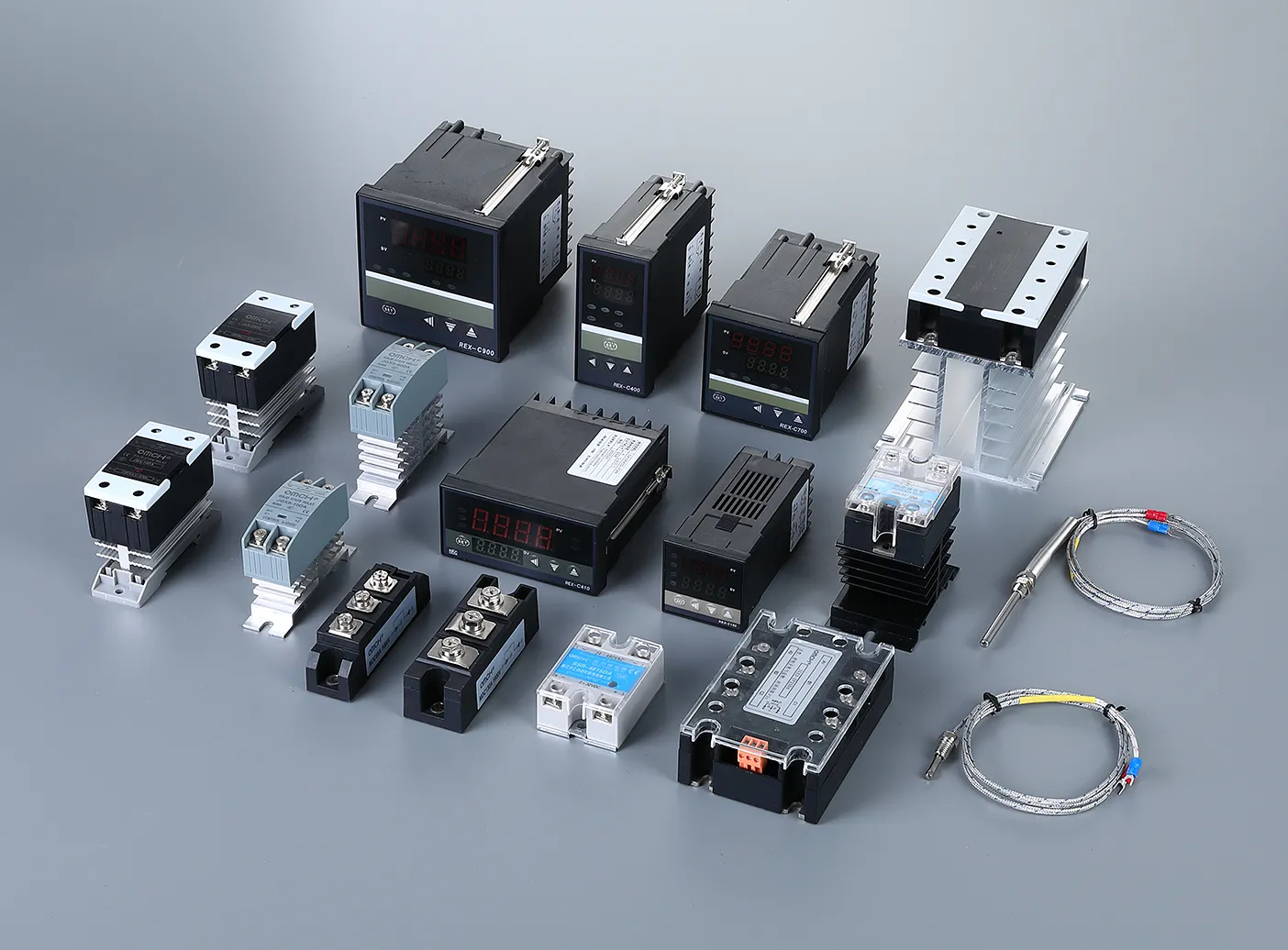
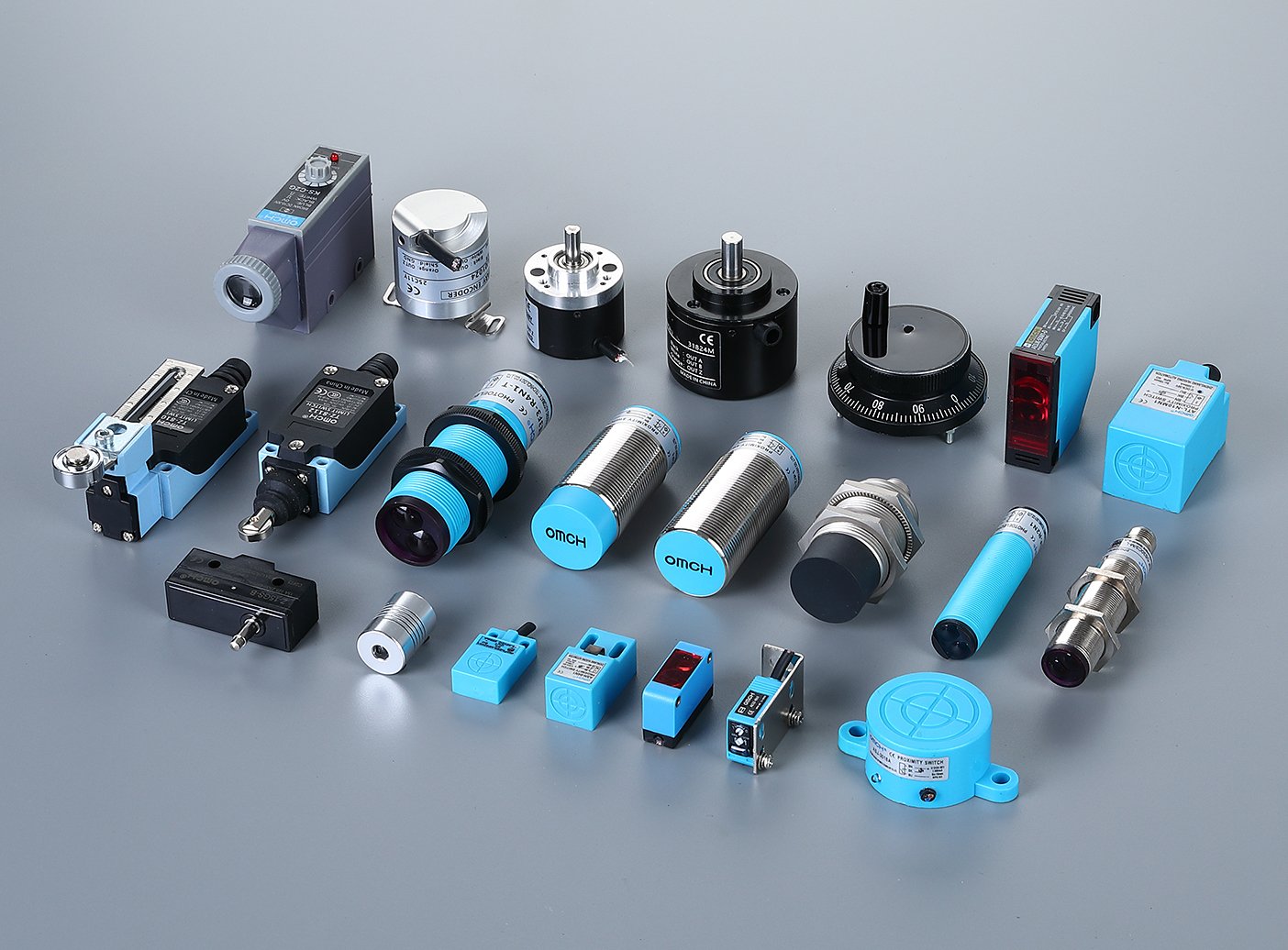
This is where OMCH comes in between high-end performance and low-end procurement. OMCH was founded in 1986 and has spent almost 40 years to master the art of industrial reliability and manufacturing efficiency. Being a complete manufacturer that incorporates R&D, production, and sales, OMCH does not have to add the middleman markups that tend to add to the price of European and American counterparts.
OMCH has a 8,000 square meter modernized factory and 7 dedicated production lines, which helps it to take advantage of the economy of scale to offer high quality rotary encoders that are of high international standards. We have a number of strong points:
- Proven Scale: Our products have more than 72,000 customers worldwide in 100+ countries and are tested in the field in every conceivable environment.
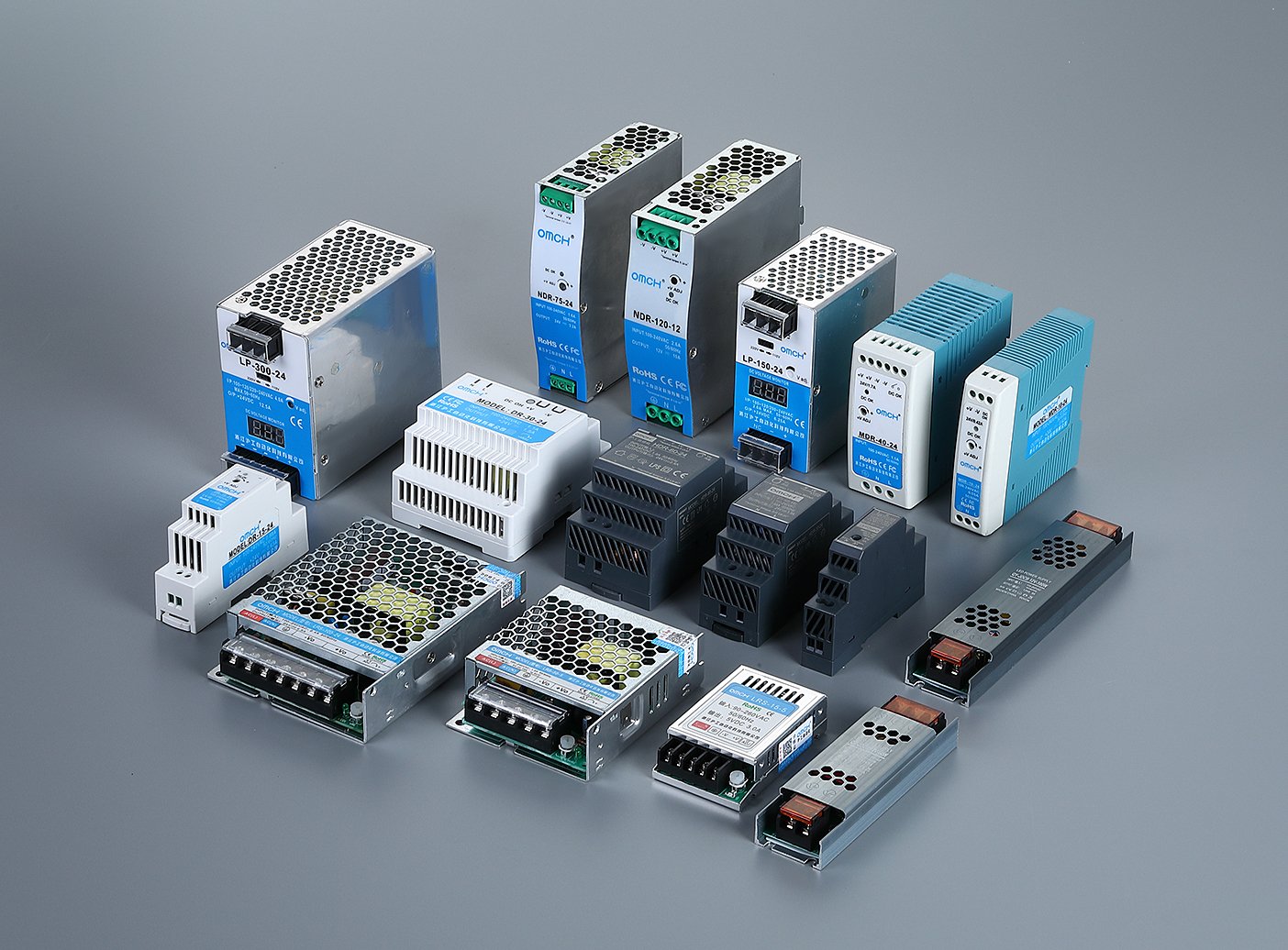
- One-Stop Sourcing: OMCH has a complete coverage catalog of more than 3,000 SKUs. This enables the customers to procure encoders with our power supplies, proximity sensors, and pneumatic parts, which saves a lot of logistics and administrative expenses.
- Certified Reliability: The quality is not compromised even with the competitive pricing. Our encoders are IEC compliant and have CE, RoHS and ISO9001 certifications meaning they are prepared to meet the most demanding export markets.
- Global Support: OMCH has 86 branches in China and a distribution network in 70+ countries, which means that the company offers 24/7 quick response and one-year warranty, which reduces the risk cost of international customers.
Hidden Costs Beyond the Initial Purchase Price
Smart procurement looks at the Total Cost of Ownership (TCO), not just the unit price on the invoice. A “cheap” encoder can become an expensive nightmare if you ignore these four factors:
- Integration and Programming Time: An encoder that uses an obscure or poorly documented protocol can cost your engineering team dozens of hours in troubleshooting. Standardized outputs ensure “plug-and-play” compatibility with most PLCs and motor drives.
- Cabling and Connectors: Often, the price of a high-quality, shielded M12 or M23 cable can be 20-30% of the encoder’s cost itself. Failure to consider the quality of cables causes signal noise, which causes unpredictable system behavior.
- Downtime and Mean Time Between Failures (MTBF): If an encoder fails in a high-speed bottling line, the cost of the lost production in just one hour can be ten times the price of the encoder. The investment in industrial grade sealing and vibration resistance is more or less an insurance policy.
- Shipping and Logistics: When looking for the best offer, always factor in shipping costs. While some retailers offer free shipping on a brand new unit, international bulk freight for industrial orders requires careful budget planning.
Strategic Selection: Balancing Performance with Budget Constraints
The strategic decision matrix to follow in order to achieve the best “price-to-performance” ratio is as follows:
- Define your “Must-Haves”: Do you really need 10,000 PPR? When the mechanical backlash of your system is 0.1mm, a ultra-high resolution encoder will not give it more precision, it will only give you precise data of an inaccurate movement.
- Match the IP Rating to the Reality: Don’t pay for IP67 if the encoder is housed inside a sealed, climate-controlled electrical cabinet where IP50 would suffice.
- Standardize Your Inventory: By selecting a flexible model that can accommodate a variety of machines in your plant, you can purchase in large quantities to reduce the unit cost and the cost of holding spare parts.
- Evaluate the Supplier’s Stability: A low price from a “fly-by-night” supplier is a liability. Ensure the manufacturer has the certifications (CE, ISO) and the history to support you long-term.
2026 Market Trends Influencing Future Encoder Pricing
As we look toward the remainder of 2026 and into 2027, several trends are reshaping the pricing of motion control components:
- The Rise of IO-Link: Increasing numbers of encoders are adding IO-Link as a means of providing “Smart Sensors” functionality. Although this will increase the hardware by a small margin, it will save the hardware owner a lot of money in terms of commissioning and maintenance due to remote diagnostics.
- Miniaturization: With the shrinking of robotics, there is an increasing demand of “Kit Encoders” (bearingless encoders). These are getting cheaper with the advancement in manufacturing methods of magnetic rings.
- Material Science: The cost of rare-earth magnets (used in magnetic encoders) continues to fluctuate. This is driving research into “magnet-free” inductive sensing, which may become a more cost-effective alternative in the high-precision market by 2028.
- The “Value-Driven” Manufacturing Shift: The stereotype of “low-cost” is being pushed out by the buyers in the industry as they shift to “High-Value Asian Manufacturing”. The current leading manufacturers in the region are now bridging the gap by providing European-level performance and reliability at lower, production-based price levels.
Sourcing Tips: How to Get the Best Bulk Price
Once you are ready to leave prototyping and go to mass production, follow these tips to save as much as possible:
- Request “Factory Direct” Quotes: When the volume of procurement is more than 50 units, it is usually cheaper to bypass the local retailers and contact the original equipment manufacturer (OEM). This direct sourcing model opens up high volume discounts and technical customization opportunities that middle-level distributors are usually unable to compete with.
- Leverage OEM/ODM Services: If you have a specific mounting requirement or cable length, a custom-built encoder from the factory can often be cheaper than buying a standard unit and modifying it yourself.
- Look for Multi-Year Contracts: Many manufacturers will offer a lower “blanket price” if you commit to a certain volume over 12 months, even if you take delivery in smaller monthly batches.
- Verify the Certification Paperwork: Ensure the price includes the necessary compliance documents (RoHS, Reach). The consequences of importing non-compliant parts may include huge fines and confiscated shipments at the customs, which will essentially annihilate any initial savings.
With a technical necessity in mind, the knowledge of the real causes of cost, and collaboration with proven and certified manufacturers, you can be sure of high-performance rotary encoders that will safeguard your equipment and your bottom line in 2026.


 English
  Arabic
  Turkish
  Russian
  Spanish
  French
  Indonesian
  Portuguese