


The pursuit of efficiency in the context of the modern industrial evolution has shifted from a competitive advantage to a necessity for survival. The core of this change is industrial automation, and more specifically, fixed automation, commonly known as “hard automation.” Although the modern industrial manufacturing trend tends toward “flexible” and “robotics,” analyzing a clear fixed automation example shows why it remains the unquestioned monarch of high-volume, low-variety production. Understanding your specific production needs is the first step in determining if this type of automation is the right fit for your facility.
This guide provides a comprehensive analysis of fixed automation, exploring its technical foundations, real-world applications across various industries, economic implications, and the strategic role of high-quality components in ensuring system longevity.
Understanding the Core Principles of Fixed Automation
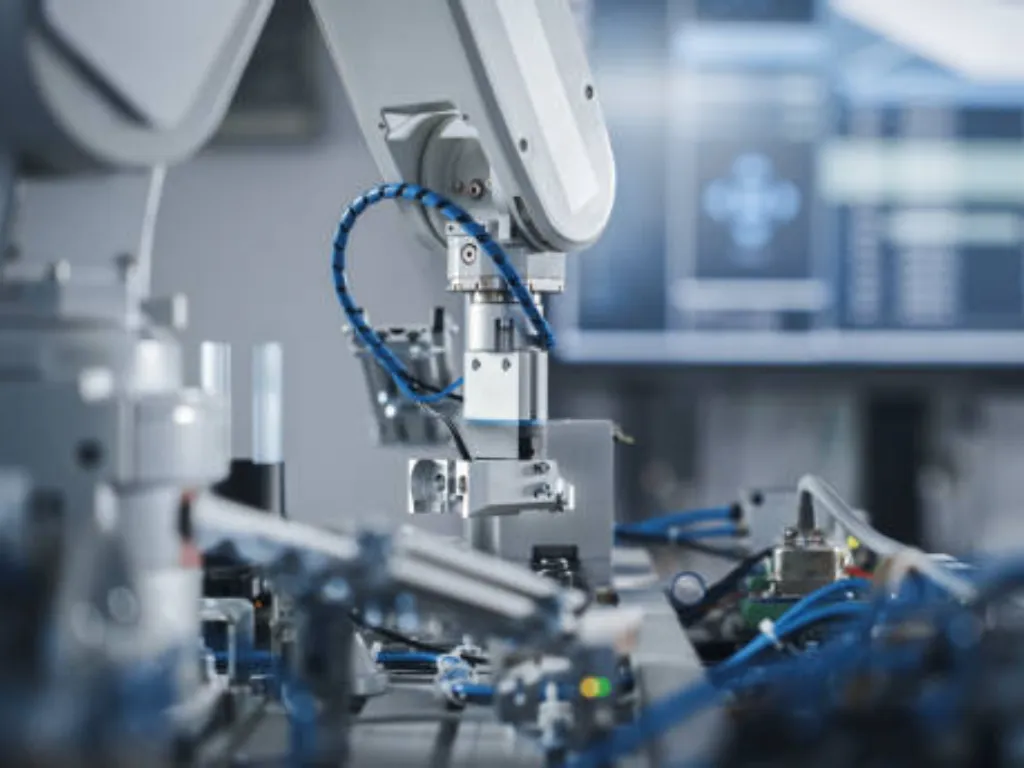
Fixed automation is characterized by a manufacturing system where the order of processing (or assembly) operations is determined by the equipment layout. Understanding different types of automation—such as fixed, programmable, and flexible systems—is essential for matching your facility’s specific production requirements. Fixed systems are unique because the ‘logic’ of the machine is built directly into its mechanical gears, cams, wiring, and hardware, rather than being managed primarily through a flexible software interface.
The Logic of “Hard” Systems
In a fixed automation environment, the steps in the manufacturing process are fixed and unchangeable. The machinery is engineered to perform a dedicated set of tasks with maximum speed. A production line using fixed automation is designed to do one thing exceptionally well, unlike a collaborative robot (cobot) or flexible automation systems which can be reprogrammed in minutes to do something different. Typical examples include the high-speed assembly of a particular type of ball bearing or the capping of a specific soda bottle.
Key Characteristics:
- High Initial Investment: Custom-engineered machinery involves a large amount of capital expenditure (CAPEX).
- Exceptional Throughput: These systems are optimized for high production rates. They often operate at speeds that exceed human capabilities by several orders of magnitude.
- Inflexibility: Because the production requirements are “baked in,” the equipment is not suitable for products with short lifecycles or frequent product variations.
Why High-Volume Manufacturers Choose Fixed Automation
Although flexible manufacturing and advanced technologies have emerged, fixed automation is still on the increase globally. The reason is based on the mathematical fact of mass production and the need to handle repetitive tasks flawlessly.
- Massive Economies of Scale
When a manufacturer is making millions of units of one product, the initial cost of the fixed machinery is amortized over so many units that the cost per unit becomes insignificant. In a business such as the bottling of beverages or packaging semiconductors, a fraction of a cent saved per unit translates into millions of dollars in profit per year by drastically lowering labor costs.
- Unmatched Consistency and Quality Control
Human error is a variable that mass production cannot afford. Fixed automation provides consistent quality and a level of repeatability that is virtually absolute. Because the mechanical path is fixed, the deviation in movement is limited only by physical wear, ensuring that product quality remains identical from the first unit to the millionth.
- Occupational Safety
Fixed automation thrives in “DDD” environments—tasks that are Dull, Dirty, or Dangerous. Manufacturers can eliminate the need for constant human intervention in dangerous areas of high temperatures, chemical exposure, or extreme mechanical force by isolating these industrial processes in fixed cells.
Real-World Fixed Automation Examples Across Key Industries
The power of hard automation is best demonstrated through standard industrial manufacturing practices and diverse examples of fixed automation across various industries. These systems are the “silent engines” behind the world’s most common products, providing the throughput necessary for global consumption.
- The Automotive Industry: Body-in-White (BIW) Welding Lines
Another typical example of fixed automation in automotive manufacturing is the assembly of the chassis of the car, the “Body-in-White.”
- The Process: Dedicated transfer lines move the chassis through a series of stations. Massive, fixed welding jigs are used at every station to hold the frame in place as high-pressure spot welders connect the steel panels.
- The Fixed Element: These lines are designed to fit one model of vehicle. When the manufacturer changes the model of a sedan to an SUV, the whole line usually needs a “re-tooling” period, which may take weeks or months.

- Food & Beverage: High-Speed Rotary Bottling
Enter any large brewery or soft drink plant and you will find fixed automation at its best.
- The Process: A rotary filler is capable of filling more than 100,000 cans per hour. The “fixed” here is the specialized star wheels and guide rails which fit the precise diameter and height of the can.
- The Component Logic: Every rotation of the machine triggers a mechanical valve to dispense a precise volume of liquid. There is no “reprogramming” for a different size without physically swapping out the mechanical parts.
- Pharmaceuticals: Blister Packaging
The process of packing daily medications is extremely precise and fast.
- The Process: A continuous web of plastic is heated and “formed” into blisters using fixed molds. The pills are then dropped into the cavities by a feeding system. A heat-sealed lidding foil is applied to the top and the final packs are punched out by a die-cutter.
- The Fixed Element: The die-cutters and heat-sealing plates are machined to the exact dimensions of the blister pack.
- Consumer Electronics: Component Taping and Reel Systems
Individual resistors and capacitors have to be “taped” into reels before a circuit board is assembled.
- The Process: High-speed machines use fixed mechanical arms to pick components and place them into a carrier tape at rates of thousands of units per minute.
- Chemical Processing: Automatic Filling and Capping
Conveyor systems are used in the filling of household cleaners or motor oils in a “straight-line” filler. The capping station has a fixed torque-head which drops at a pre-set frequency, so that all the caps are tightened to the same specification.
Fixed vs. Flexible Automation: Making the Right Choice
The selection of the appropriate automation types is a critical business choice. You must weigh the need for speed against the need for product variations.
| Attribute | Fixed (Hard) Automation | Flexible (Soft) Automation |
| Initial Cost | Very High (Custom Engineering) | Moderate to High (Standard Robots) |
| Production Speed | Extremely High | Moderate |
| Product Variety | Single Product / Very Low | High Variety |
| Flexibility | Near Zero (Requires Re-tooling) | High (Software Driven) |
| Labor Requirement | Lowest | Moderate (Programming/Setup) |
| Risk Factor | High (Market design changes) | Low (Adaptable to new trends) |
While programmable automation (like CNC machines) allows for different product styles, fixed automation is the only way to achieve the lowest possible production time per unit.
The Economic Impact: ROI and Cost-Benefit Analysis
Investing in fixed automation is a game of Return on Investment (ROI). The calculation involves more than just the purchase price; it involves the Total Cost of Ownership (TCO), including maintenance expenses.
The ROI Equation
For a fixed automation system, the ROI is usually calculated by comparing the cost of manual labor (or flexible automation) against the throughput gains of the fixed system:

Factors That Accelerate ROI:
- Specific Production Requirements: When your production requirements involve high volume and zero variation, fixed automation pays for itself faster than any other type of automation.
- Reduction in Scrap Rates: By maintaining consistent quality, these systems produce fewer defects, saving material costs.
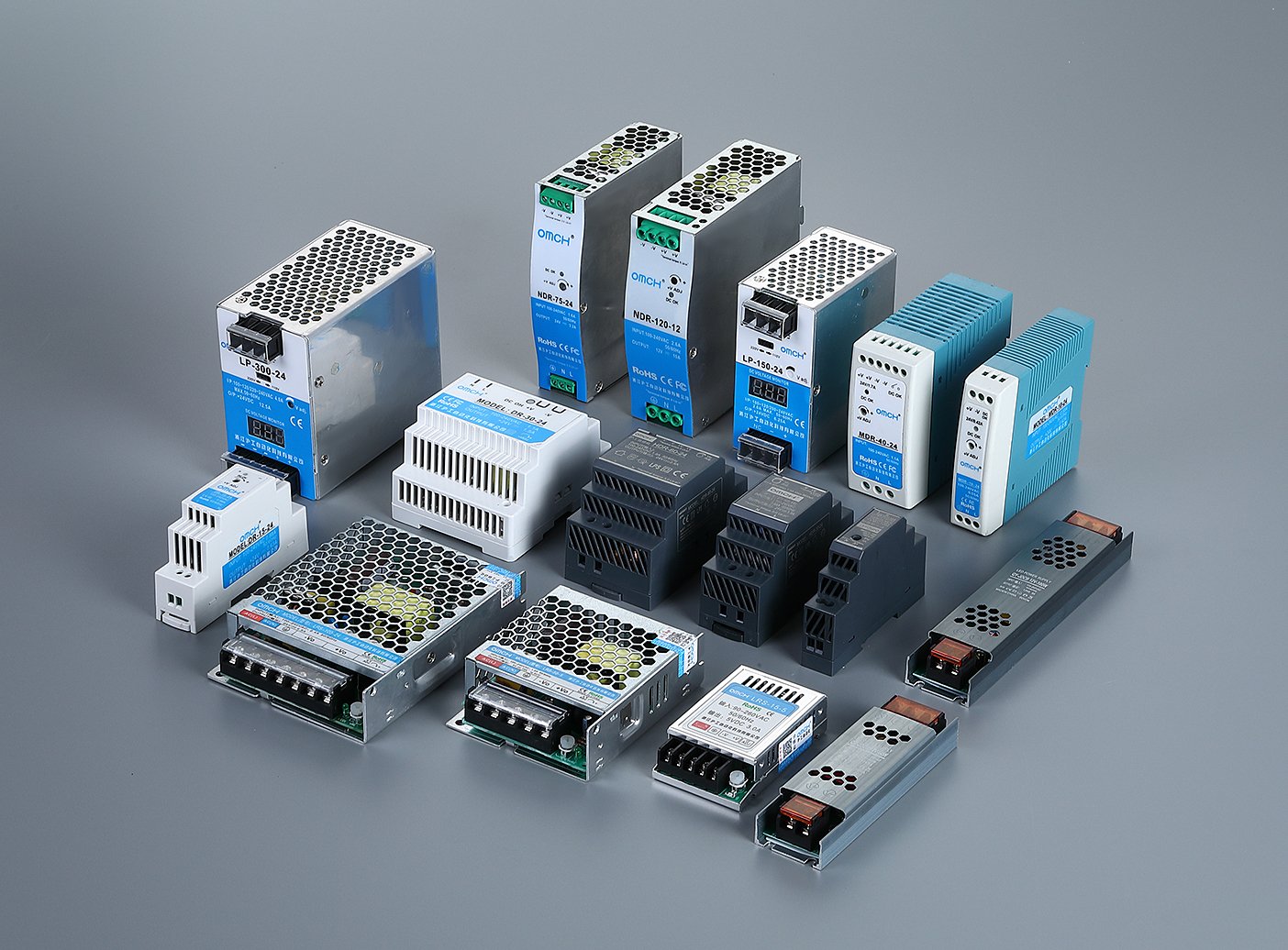
- Energy Efficiency: Modern fixed systems, when equipped with high-efficiency power supplies and sensors, consume less power per unit than human-operated stations.
- Optimized Production Time: The speed of a fixed production line ensures that market demand is met without the delays associated with manual setups.
Strategic Implementation: Overcoming Common Hard Automation Challenges
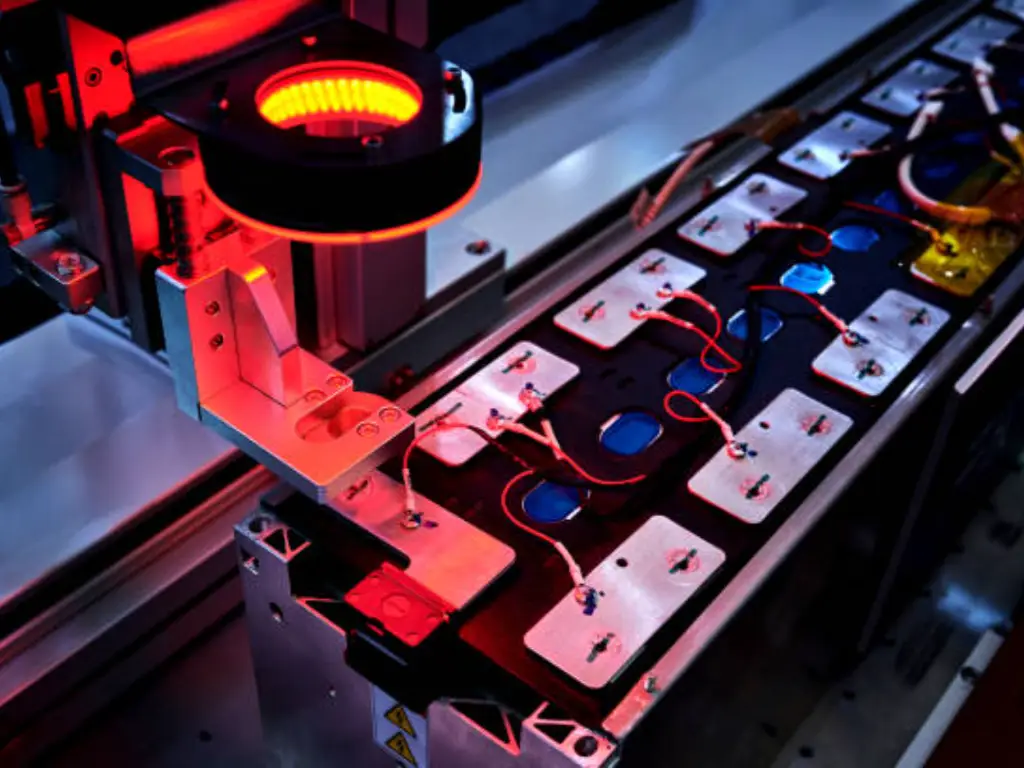
The most critical point in the life of most projects in the world of high-volume manufacturing is the shift between a theoretical plan and a working floor. In the case of fixed automation, the stakes are extremely high since the rigidity and sequentiality of the logic of the system is its most powerful asset as well as its most critical weakness
We discuss the three most significant issues of applying hard automation and the way OMCH offers the engineering solutions to these issues below.
- The “Single Point of Failure” Risk
The most daunting challenge in fixed automation is that it operates like a chain: it is only as strong as its weakest link. Because the mechanical steps are hard-coded and physically linked, there is no “rerouting” or “software bypass” if a single component fails.
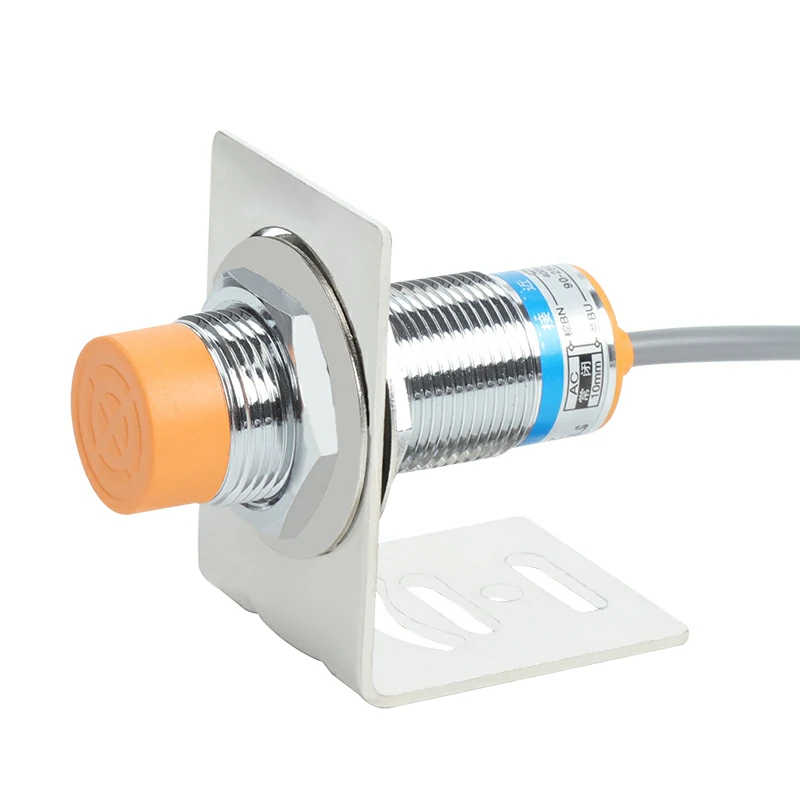
- The Challenge: An industrial bottling plant running at 100,000 units per hour relies on a single proximity sensor to trigger the capping mechanism. If that $20 sensor fails due to vibration or electrical noise, the entire $2 million line grinds to a halt. In high-volume environments, downtime isn’t measured in minutes; it’s measured in thousands of dollars of lost revenue per second. Furthermore, unplanned downtime directly inflates your long-term maintenance expenses.
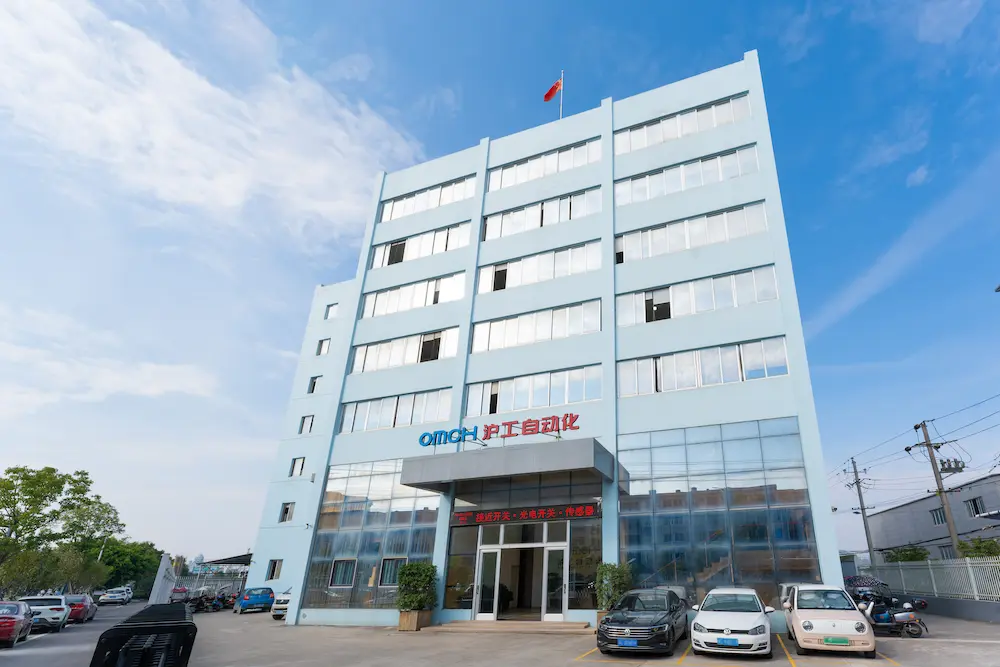
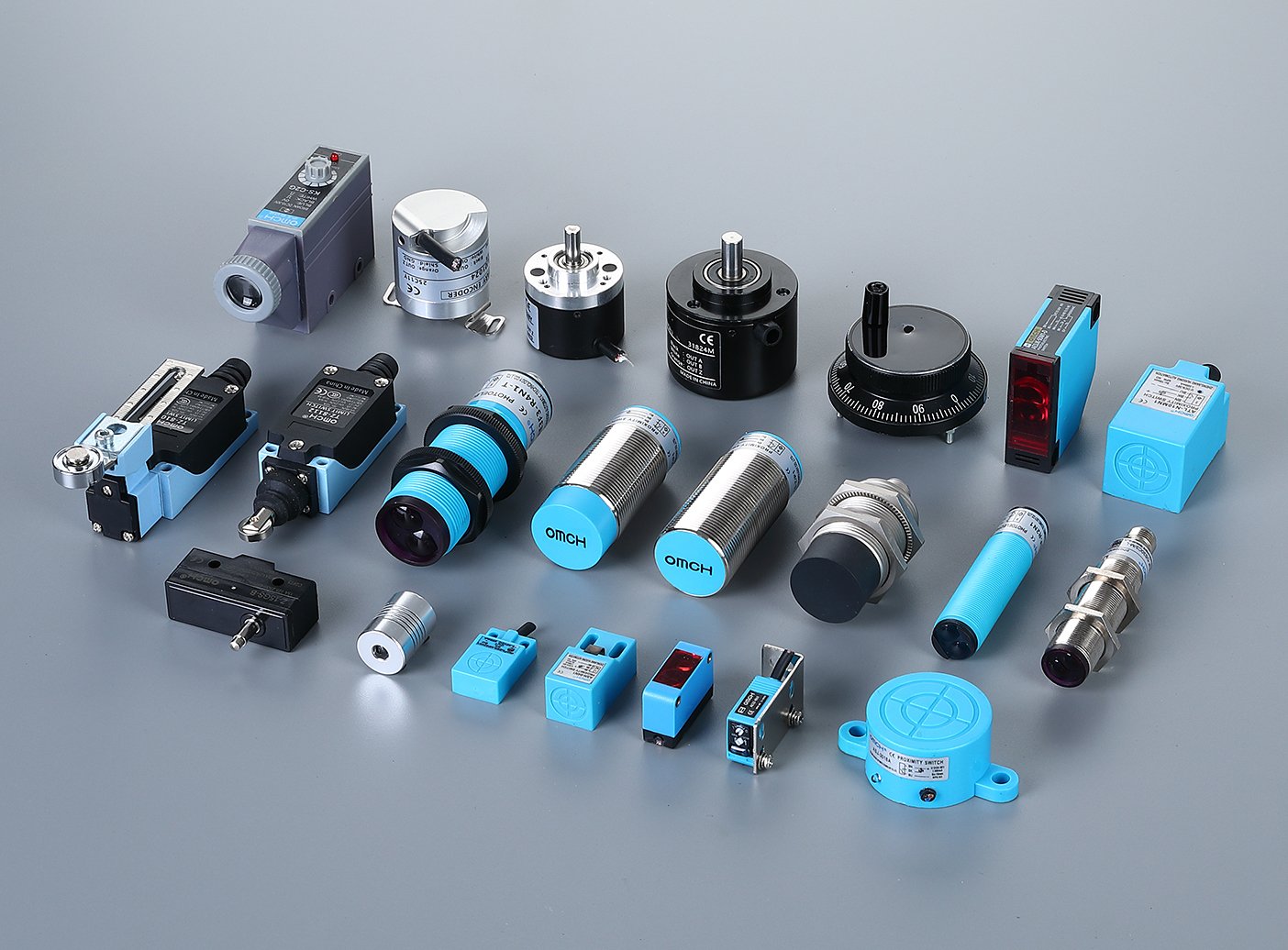
- The OMCH Advantage: OMCH has designed components since 1986 to remove this anxiety. By choosing OMCH proximity sensors, which feature advanced anti-interference circuits and heavy housings, you mitigate the risk of a $20 part halting a multimillion-dollar production line and driving up maintenance expenses. Our hardware, featuring heavy-duty housings and sophisticated circuitry, is built far beyond normal industrial standards to ensure unmatched durability. Having more than 72,000 customers worldwide who use our hardware, we have perfected our production process to make sure that an OMCH component is the most dependable part of your production chain.
- Maintaining Precision at Extreme Speeds
Fixed automation is geared towards maximum throughput. But the higher the mechanical speed, the smaller is the “margin of error” in sensing and control.
- The Challenge: In high-speed packaging or semiconductor taping, a sensor with a slow response time or “signal jitter” can cause a catastrophic mechanical crash. When the sensor is not able to maintain the cycle time of the machine, the timing of the whole sequence is lost causing damaged products or machine damage.
- The OMCH Advantage: The sensing technology of OMCH is designed to respond to high frequencies. It is our high-speed encoders or our high-speed proximity switches, our parts are built to follow motion with sub-millimeter precision at maximum speeds. This accuracy guarantees that your fixed automation system does not lose its “tact time” due to the possibility of synchronization errors.
- Environmental Degradation and Component Fatigue
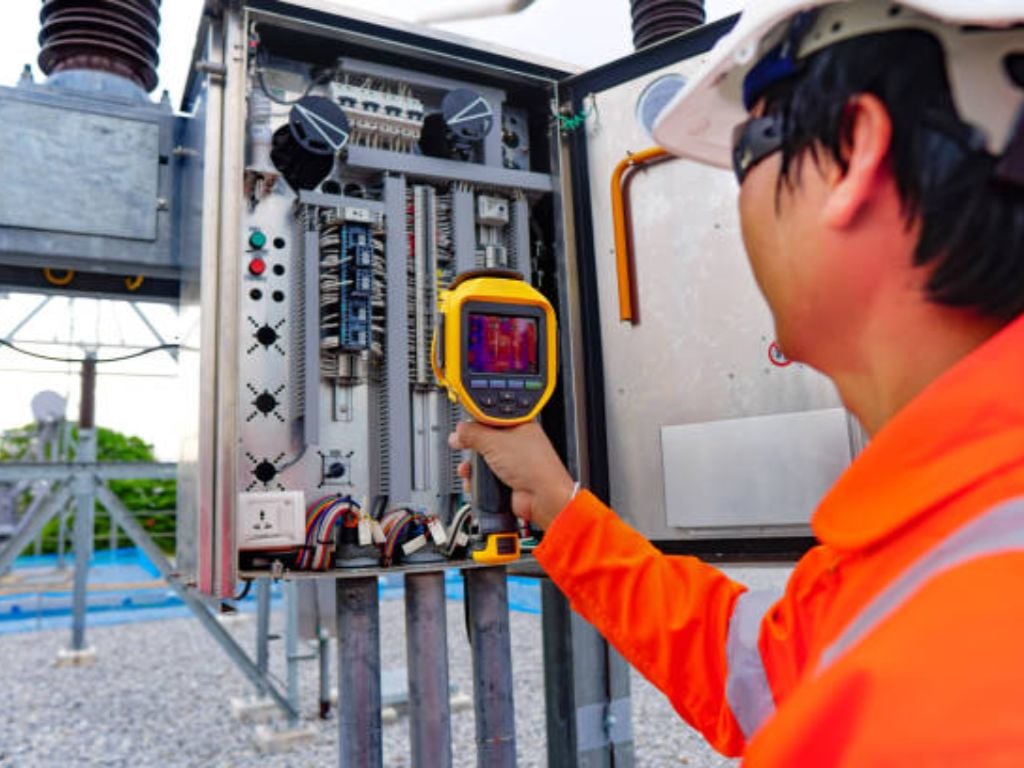
Fixed automation lines are frequently 24/7 in harsh environments – under constant vibration, high temperature, oil mist, or chemical washdowns.
- The Challenge: A large number of standard parts cannot withstand the mechanical stress of constant operation. The unplanned maintenance cycles caused by ingress of fluids or deterioration of a power supply by heat can ruin the ROI of a high-volume line.
- The OMCH Advantage: We treat quality as a strategic asset. Every OMCH product undergoes a rigorous triple-stage inspection process (Incoming, In-process, and Outgoing) and holds CE, RoHS, and ISO9001 certifications. Our Switching Power Supplies and Sensors are built to IEC and GB/T standards, ensuring they can withstand the “dirty” electrical and physical environments common in heavy industry.
- The Complexity of Component Integration (Sourcing Fatigue)
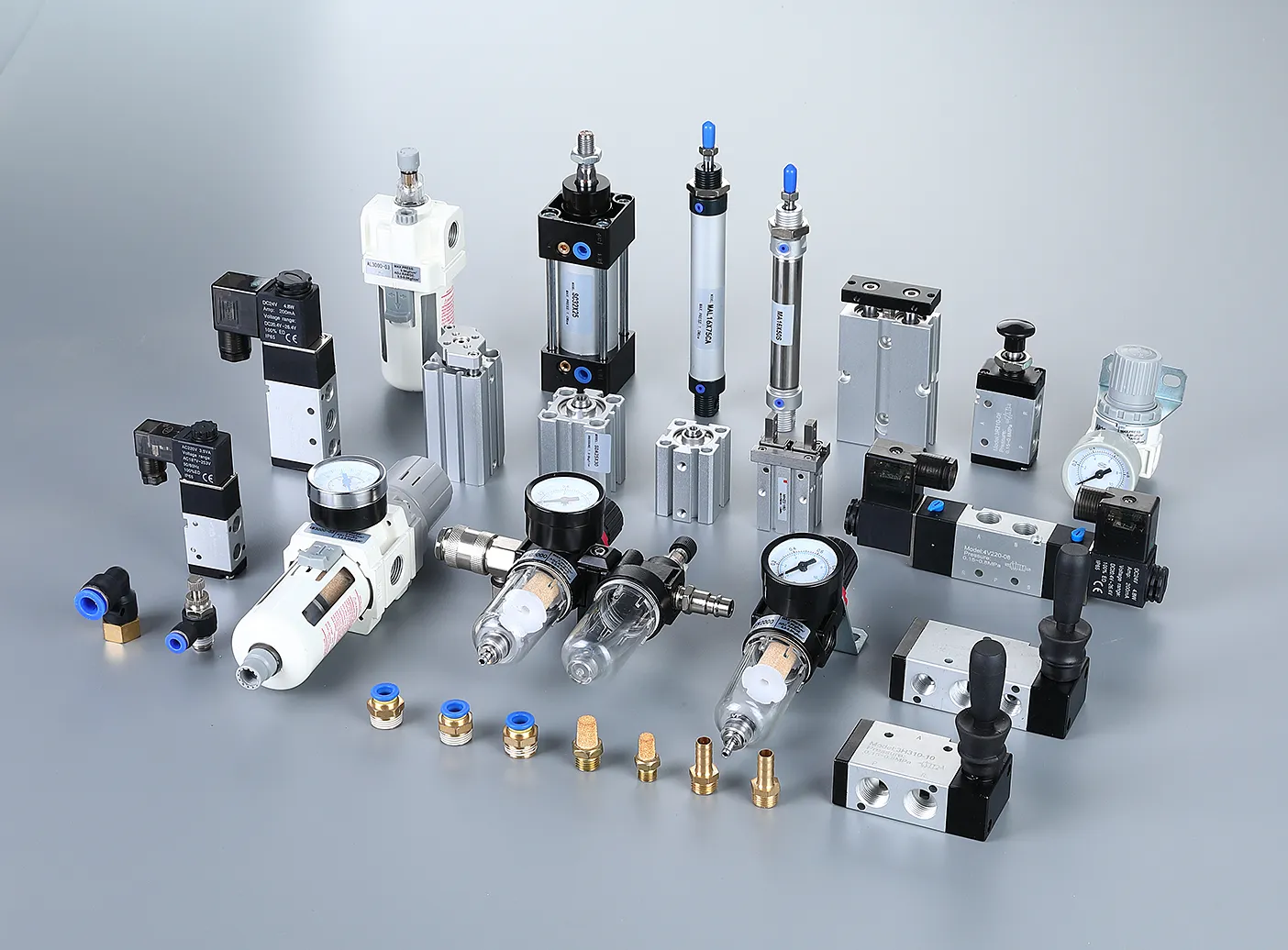
Construction of a complex fixed automation line typically involves components of dozens of different types sensors, relays, power units, and pneumatic actuators.
- The Challenge: Dealing with a disjointed supply chain causes compatibility problems and schedule delays. When the sensor of Brand A does not work with the relay of Brand B, the debugging stage of your project can take days and weeks.
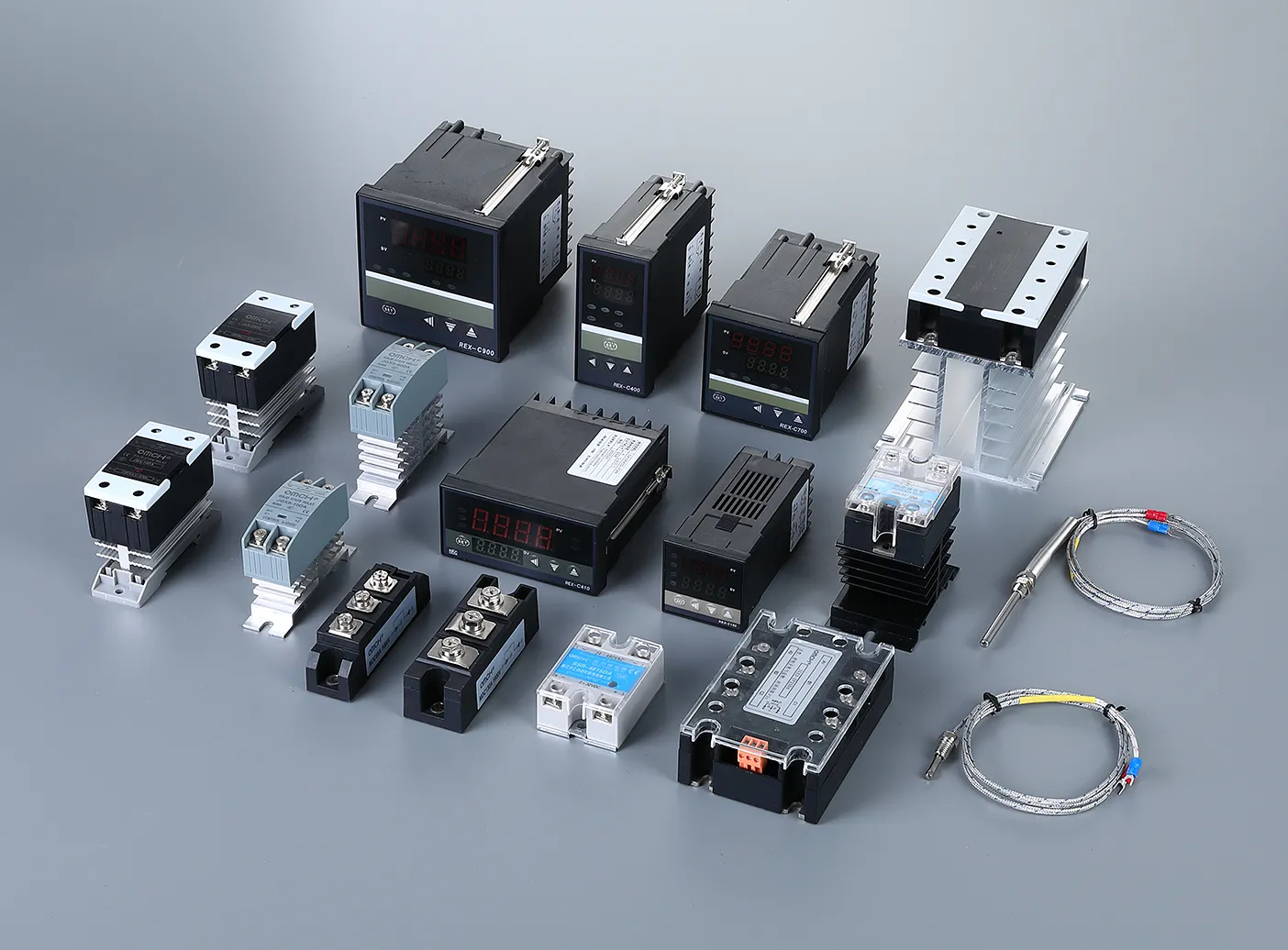
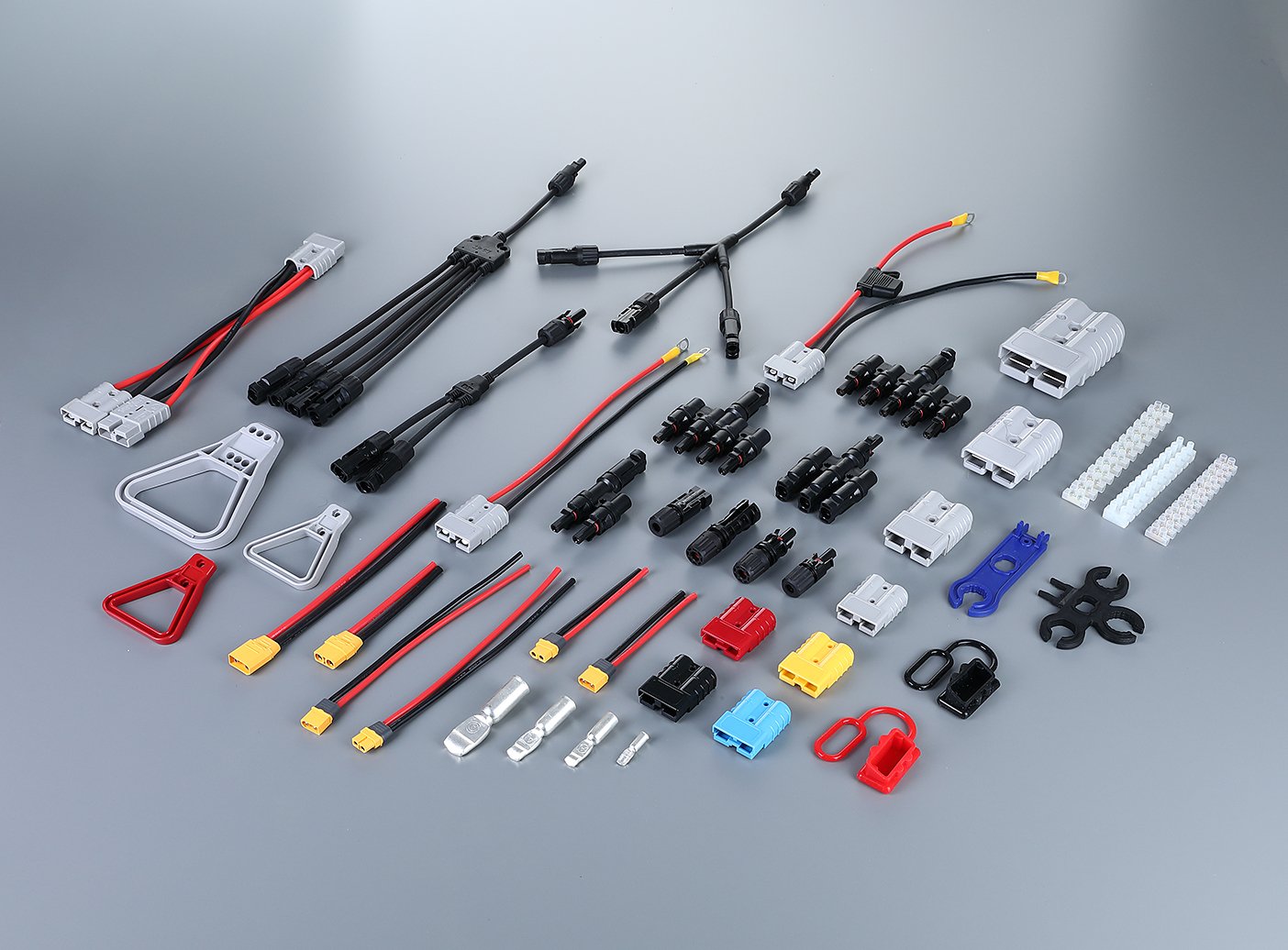
- The OMCH Advantage: OMCH provides a One-Stop solution of more than 3,000 SKUs. When you buy your sensors, power supplies, counters, and pneumatic parts all in one place, you are guaranteed of complete compatibility of the system. This holistic design makes your design process easier and your maintenance inventory easier. Moreover, our 24/7 fast-response technical support implies that regardless of whether you are in a factory in Europe, Asia, or the Americas, you can always get expert assistance to get your line running.
By integrating OMCH’s high-durability components, manufacturers transform the inherent rigidity of fixed automation into a reliable, high-speed profit engine. We don’t just sell parts; we provide the “nervous system” that makes mass production possible.
Future Trends: Fixed Automation in the Smart Factory
The future of fixed automation is not its replacement, but its digitalization through advanced technologies. We are moving toward a “Hybrid” model where fixed mechanical speed meets artificial intelligence and Industry 4.0.

- IoT-Enabled Fixed Lines
The fixed lines of tomorrow will have smart sensors (similar to the next generation of OMCH IoT-ready sensors) to check their health. The system will not wait until a part fails but will analyze the data on vibration and heat to predict failure and then perform a “Predictive Maintenance” during scheduled breaks.
- Rapid Changeover Technologies
Engineers are working on so-called “modular fixed automation”, in which the core chassis is fixed, but the “business end” of the machine can be changed with quick-connect systems, a compromise between fixed speed and flexible variety.
- Energy Intelligence
With the world becoming increasingly more sustainable, fixed automation will be the future of the so-called “Green Manufacturing”. With smart switching power supplies to optimize the power draw of all the motors and actuators, the high-volume lines will have the lowest carbon footprint per unit in industrial history.
Conclusion
The global supply chain is still based on fixed automation. When it comes to production needs that demand huge volume and surgical accuracy, nothing can replace the speed and mechanical efficiency of a well-designed hard automation system. Manufacturers can use these systems to gain a leading role in an ever-competitive global market by concentrating on strategic ROI, ensuring a thorough knowledge of their specific production requirements, and partnering with reliable component experts.

 English
  Arabic
  Turkish
  Russian
  Spanish
  French
  Indonesian
  Portuguese