


What is Programmable Automation? Programmable automation is a type of automation system where the production equipment is controlled by a computer program that can be rewritten to accommodate different tasks and different products. Unlike fixed automation, it allows for high-mix production with minimal human intervention, making it essential for the modern manufacturing process.
This guide explores the intricacies of this programmable automation system, providing industrial automation examples and serving as an example of programmable automation to help manufacturers navigate the transition toward a more flexible and efficient production environment.
Understanding Programmable Automation in Modern Industrial Settings
Fundamentally, programmable automation is a specific type of programmable automation system in which the production equipment is engineered to modify the order of operations to suit various product designs. The logic of the machine is not “hard-wired” into its physical components; instead, it is managed by a control system computer program—a set of coded instructions that can be rewritten and reloaded.
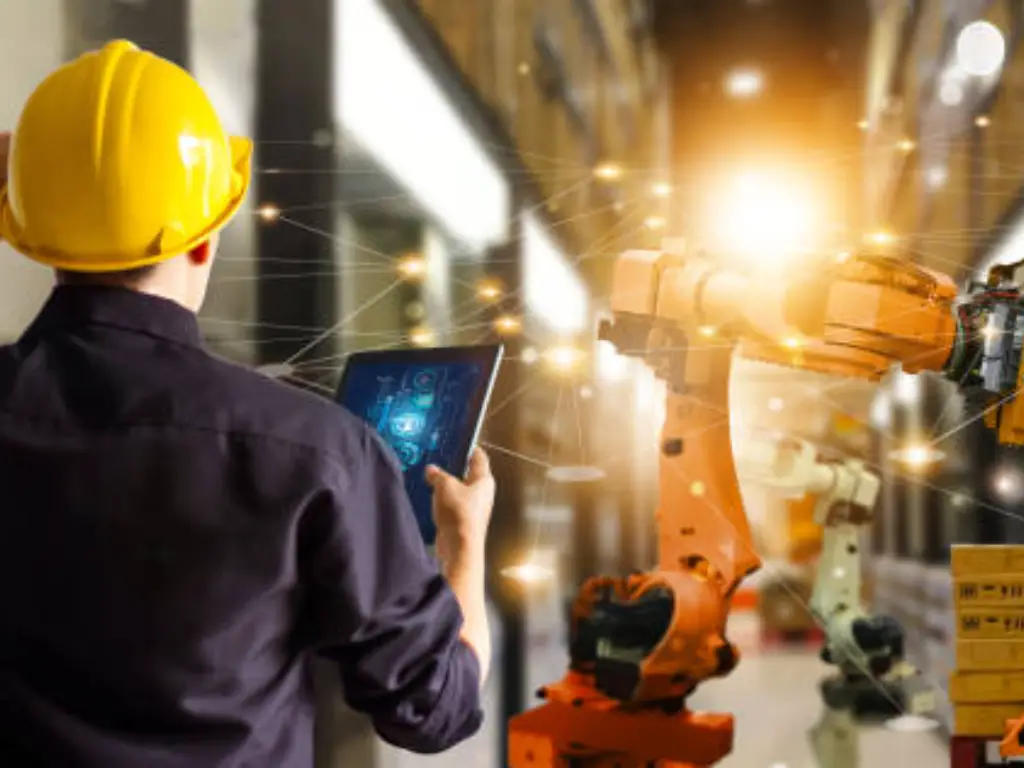
In a modern industrial setting, this means the difference between a machine that can only screw a specific bolt into a specific car door and a robotic arm that can be reprogrammed to handle different tasks like welding, painting, or assembling different parts within minutes. The most notable feature of this programmable automation system is its suitability for batch quantities. Once a production run of “Product A” is finished, the system is stopped, a new program is loaded, the physical tools may be changed (a process called changeover), and the production of “Product B” starts.
This “decoupling” of control logic and mechanical hardware enables manufacturers to react to market changes without the costly prohibitive nature of constructing new assembly lines for every slight change in product style. It represents a middle ground between manual labor and the high-speed, inflexible “fixed” automation seen in the traditional automotive industry.
Fixed vs. Programmable vs. Flexible Automation: Key Differences
In order to fully understand the benefits of programmable automation, it is important to compare it with other different types of automation: Fixed and Flexible automation. These types of automation are used for different purposes depending on the volume of production and the variety of similar items being produced.
| Feature | Fixed Automation (Hard Automation) | Programmable Automation | Flexible Automation (Soft Automation) |
| Production Volume | Very High | Medium | Medium to High |
| Product Variety | Very Low (Single Product) | High (Batches) | High (Continuous mix) |
| Setup/Changeover | Virtually impossible without rebuilding | Required between batches (Time-consuming) | Instantaneous (No downtime) |
| Initial Investment | High | High | Very High |
| Flexibility | Low | Medium | High |
| Typical Examples | Conveyor belts, Transfer lines | CNC Machines, Industrial Robots | FMS (Flexible Manufacturing Systems) |
Expert Tip: Choosing the right type of automation system depends on your batch quantities and the frequency of changeovers.
Fixed Automation is ideal for continuous production where high production rates are required for a single product over a long run. However, when the product design is altered, the automation machines tend to become outdated.
Programmable Automation permits diversity. This programmable automation example shows that although the equipment must be down during reprogramming and retooling between batches, it offers the required flexibility to industries where product designs change frequently.
Flexible Automation is an extension of programmable automation. It enables different types of products to be produced on the same line at the same time with minimal human intervention, though it generally involves a far more complex infrastructure and less manual labor.
Real-World Examples: CNC Machines, Robots, and PLCs
The three pillars of industrial automation systems—CNC machines, industrial robotics, and Programmable Logic Controllers (PLCs)—are the best way to view the practical implementation of programmable technology. These systems allow factories to pivot between various tasks with minimal physical reconstruction.
- CNC Machining: Precision on Demand
The bedrock of subtractive manufacturing. A single programmable automation example is an aerospace shop switching from turbine blades to cooling holes via software.
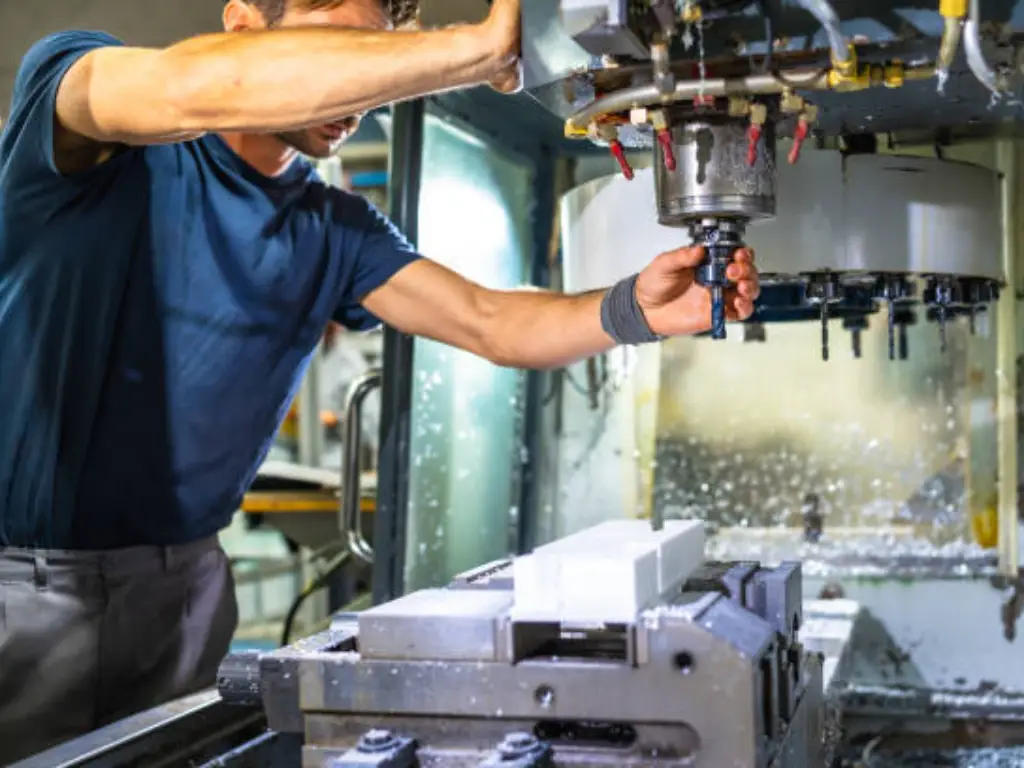
- Aerospace Job Shops: Consider a facility that produces components for commercial aircraft. In the morning, a 5-axis CNC mill might be programmed to carve a complex turbine blade from a solid block of Inconel. By the afternoon, the operator loads a different G-code file, and the same machine begins drilling precise cooling holes into a titanium wing spar.
- Medical Device Manufacturing: Programmable automation allows for “patient-specific” manufacturing. CNC machines are able to scan a 3D image of the bone structure of a patient and automatically create a program to mill a custom-fitted orthopedic implant. This low-volume, high-mix production can only be achieved due to the fact that the logic of the machine is not stored in physical cams or gears but in software.
- Industrial Robots: The Multitasking Workhorses
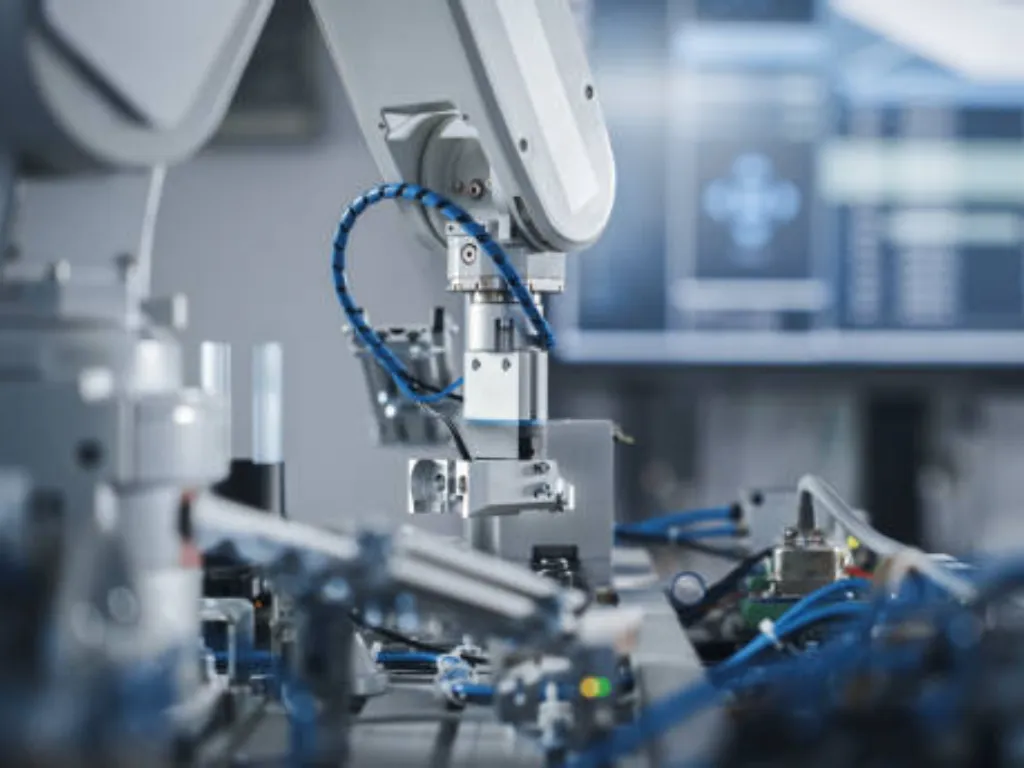
Modern robots function as automatic assembly machines, detecting chassis in the automotive industry to adjust welding paths with zero human error.
- Mixed-Model Automotive Assembly: On a modern car assembly line, robots are often required to work on different vehicle models (e.g., a sedan followed immediately by an SUV) on the same conveyor. The incoming chassis is detected by the robot through vision-guided programming, and the appropriate “welding path” program is called and the reach and pressure adjusted.
- Consumer Electronics Packaging: In an electronics fulfillment center, a robotic arm might spend the first half of a shift “kitting”—picking a smartphone, a charger, and a pair of headphones to put into a box. When the promotion ends, the robot is reprogrammed via offline simulation software to handle palletizing, stacking heavy crates of laptops onto shipping pallets. The physical robot remains the same; only its “behavioral script” changes.
- PLCs: The Logic Center of the Factory Floor
Managing warehouse automation and textile manufacturing, PLCs are the brains that integrate data capture with physical movement.
- Textile Manufacturing & Craft Breweries: In textile manufacturing, PLCs control the intricate patterns of looms, while in breweries, they automatically vary the conveyor speed and nozzle timing to suit different bottle sizes.
- Warehouse Automation: PLCs manage the complex logic of Automated Storage and Retrieval Systems (ASRS). In the world of warehouse automation, engineers can incorporate new coordinates into the PLC code so the facility can be scaled without much downtime.
Comparison of Real-World Programmable Applications
To further clarify the place of these examples, the following table subdivides the common programmable triggers of each:
| Technology | Primary Program Language | Changeover Trigger | Real-World “Flex” Example |
| CNC Machine | G-Code / M-Code | New Part Design (CAD/CAM) | Switching from a car engine block to a custom aircraft bracket. |
| Industrial Robot | Teach Pendant / Python | New Part Geometry or Task | A robot switching from spot welding to spray painting. |
| PLC | Ladder Logic (LAD) | New Production Process/Recipe | A bottling line switching from carbonated soda to thick fruit juice. |
By utilizing these three technologies, manufacturers move away from the “rigid” production lines of the past and toward a modular, software-driven future where the factory can adapt to the market in real-time.
Optimizing Batch Production with Programmable Sequence Control
Optimization of batch production is the main economic reason behind programmable automation. In such industries as pharmaceuticals, food and beverage and apparel, the products are produced in discrete groups or “batches”. Programmable sequence control automates transitions, ensuring that a single programmable automation example can be applied to diverse recipes.

The Challenge of Changeover
In traditional setups, switching from a “Strawberry Yogurt” batch to a “Greek Yogurt” batch might involve hours of manual valve adjustments and cleaning. Programmable sequence control automates these transitions.
- Automated Cleaning-in-Place (CIP): Programmable systems are able to perform an accurate cleaning cycle to prevent any cross-contamination between batches.
- Recipe Management: Digital “recipes” stored in the system allow for the instant adjustment of temperatures, mixing speeds, and ingredient ratios.
Programmable automation enables manufacturers to profitably run smaller batches by decreasing the time required to change products (Setup Time). This results in reduced inventory expenses and a reduced “time-to-market” of new products.
Cost-Benefit Analysis: Calculating ROI and Downtime Costs
Programmable automation is a large capital investment. To justify it, manufacturers must compute the Return on Investment (ROI) by looking at cost savings, manual labor reduction, and efficiency gains.
The ROI Formula

Gains include:
- Labor Savings: The elimination of manual operators in repetitive tasks.
- Increased Throughput: Machines operate 24/7 with minimal human intervention.
- Product Quality: Improved quality control reduces “scrap” and rework significantly.
- Flexibility Value: The capability to assume different contracts without purchasing new equipment.
The Hidden Cost: Downtime
Although programmable automation is effective, it is also complicated. Unplanned downtime—where a system fails due to a faulty sensor or power surge—can cost large manufacturers thousands of dollars per minute.
- Planned Downtime: Reprogramming and tool changes.
- Unplanned Downtime: Equipment failure.
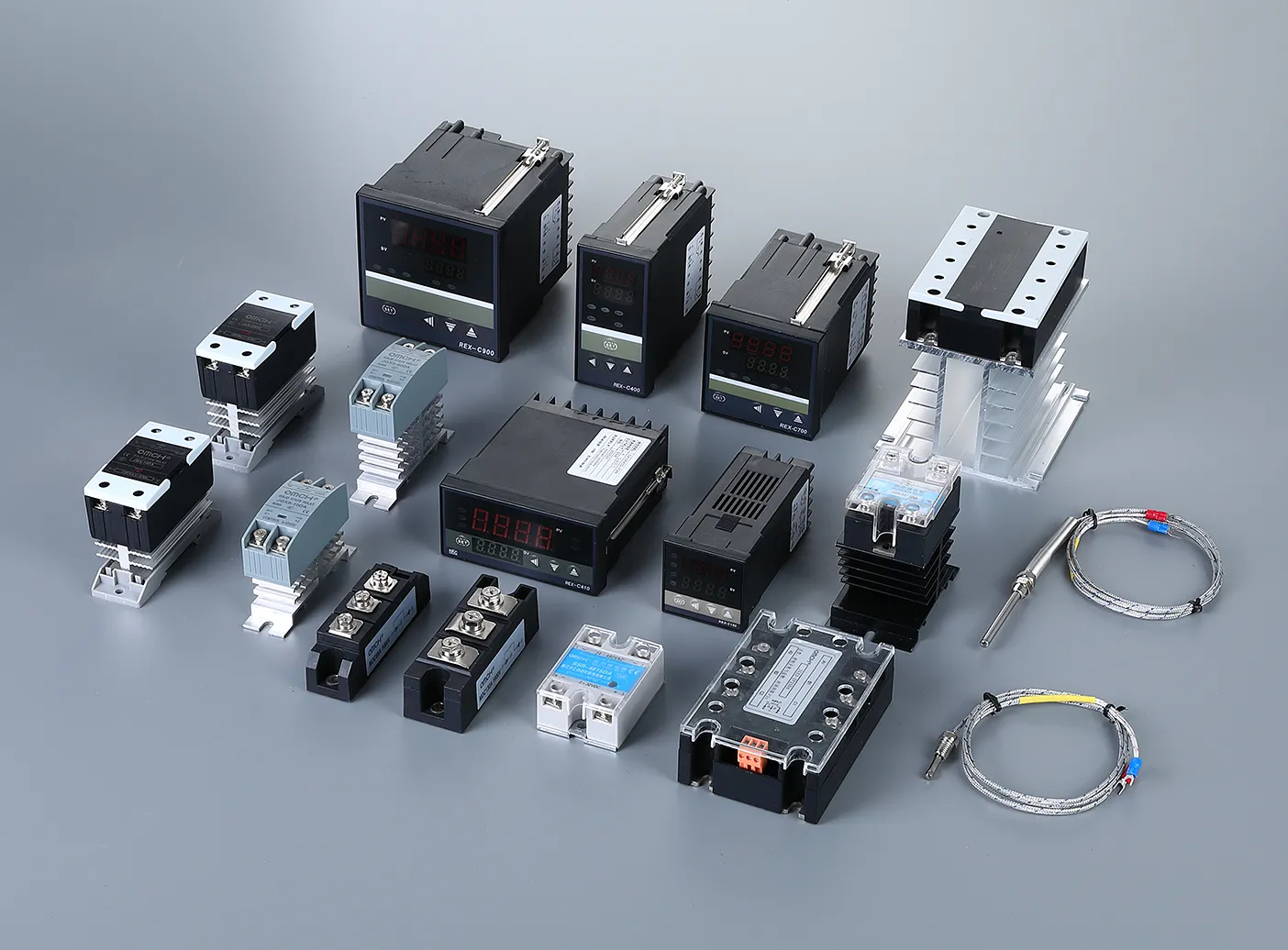
To maximize ROI, manufacturers must prioritize system reliability. This is achieved by using industrial-grade components—such as stabilized power supplies and durable limit switches—that are rated for millions of cycles in harsh environments.

Beyond G-Code: Integrating AI and Collaborative Robotics
The future of the manufacturing process lies in making systems “smarter” through artificial intelligence. We are moving toward Adaptive Automation, where the programmable automation system can learn from its environment to reduce human error and improve cost savings.
- AI and Machine Vision: A robotic arm using artificial intelligence can detect randomly oriented objects on a conveyor belt and change its grip in real-time, requiring no human intervention for alignment.
- Collaborative Robots (Cobots): These are meant to operate with humans, using simplified computer program interfaces that allow small-to-medium enterprises to adopt automation without high-level coding expertise.
Strategic Implementation: Transitioning from Manual to Programmable
The transition of a manual system to a programmable one needs a roadmap that focuses on reducing human intervention while increasing product quality.
Mapping Your Production Workflow for Automation
The decision to switch to a manual shop floor to a programmable powerhouse is not one that can be made in isolation. It involves a careful audit of what you are doing now to make sure that the automation you are doing is giving you a real payoff. The failure of most manufacturers is not due to the fact that they purchased the wrong robot, but rather due to the fact that they overlooked the “foundation”, which is the key components that feed data to the logic controllers.
When mapping your workflow, you must identify the “Sweet Spot”: tasks that are high-mix (many variations) but medium-volume. These are the places where manual labour is too slow, but fixed automation is too inflexible. However, as you map these processes, you quickly discover that a programmable system is only as robust as its weakest link. A robotic arm with a price of $50,000 is virtually useless when it is fed on an unreliable power supply or activated by a poor quality sensor that stops working after a few thousand cycles.
Sourcing the Foundation: The OMCH Advantage
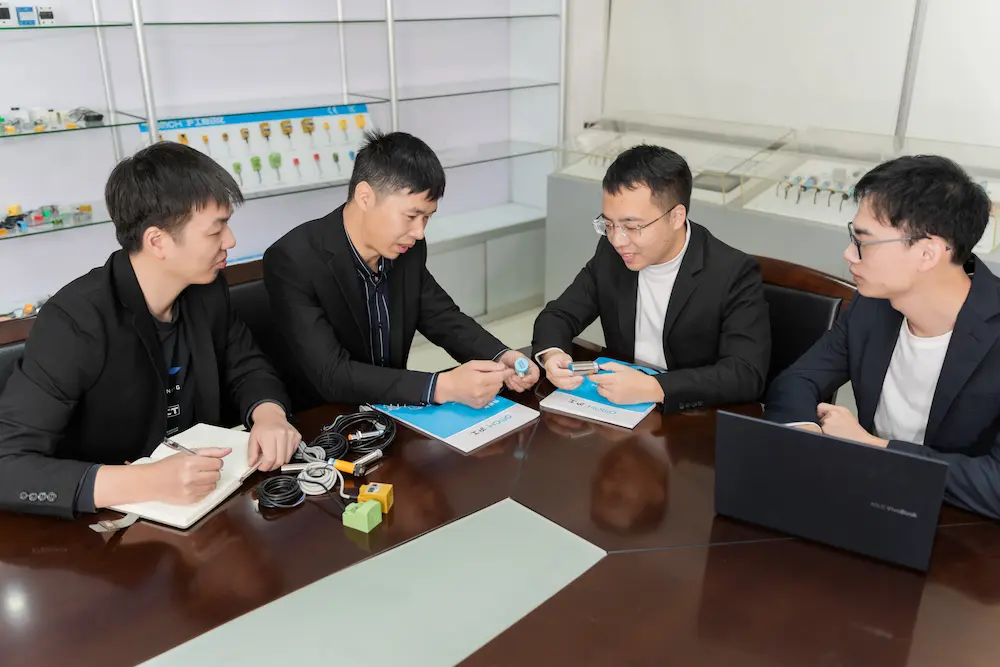
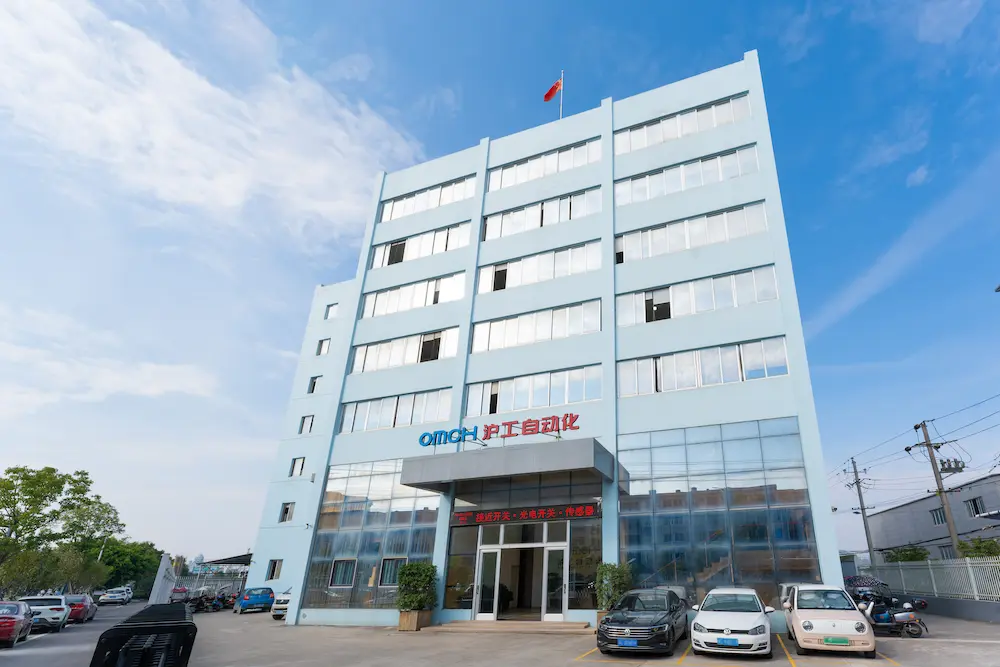
The most important challenge during the strategic mapping stage is to get credible elements to ensure long term stability. It is at this point that OMCH, a world leader in industrial automation components since 1986, can be a key partner in your transition. OMCH offers the “sensory organs” and the “nervous system” your programmable machines require with more than 38 years of experience and a presence in over 100 countries.
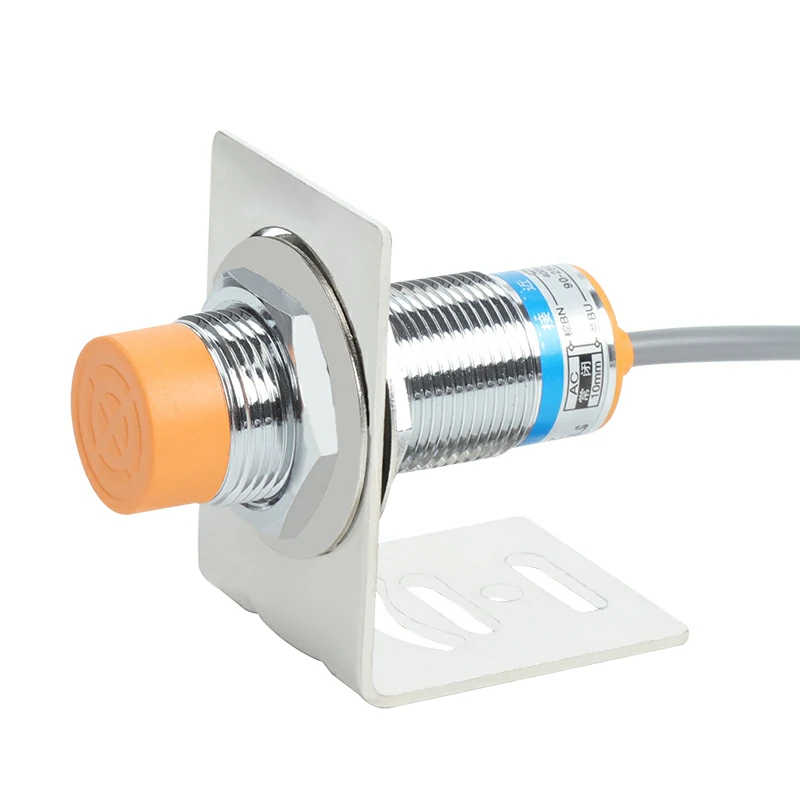
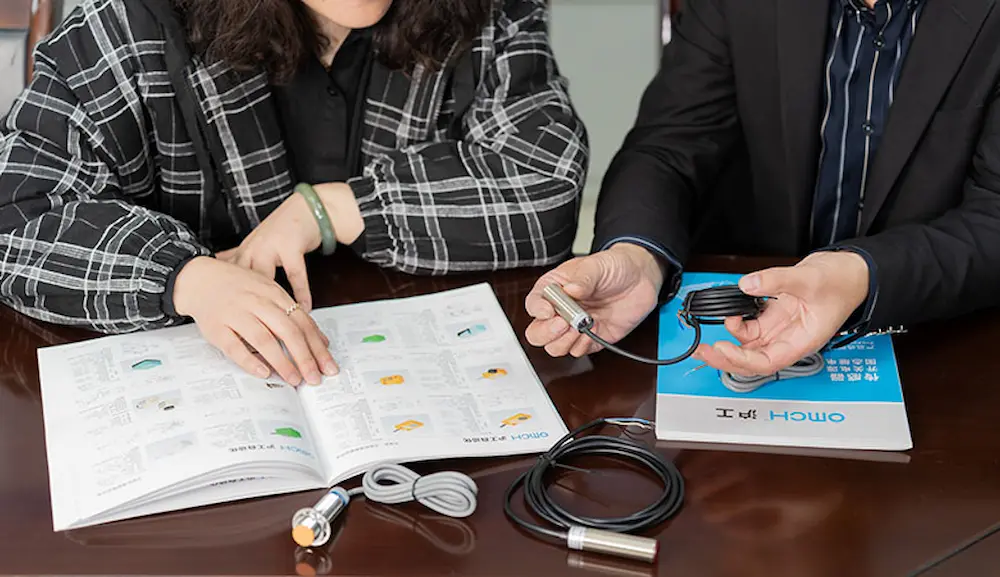
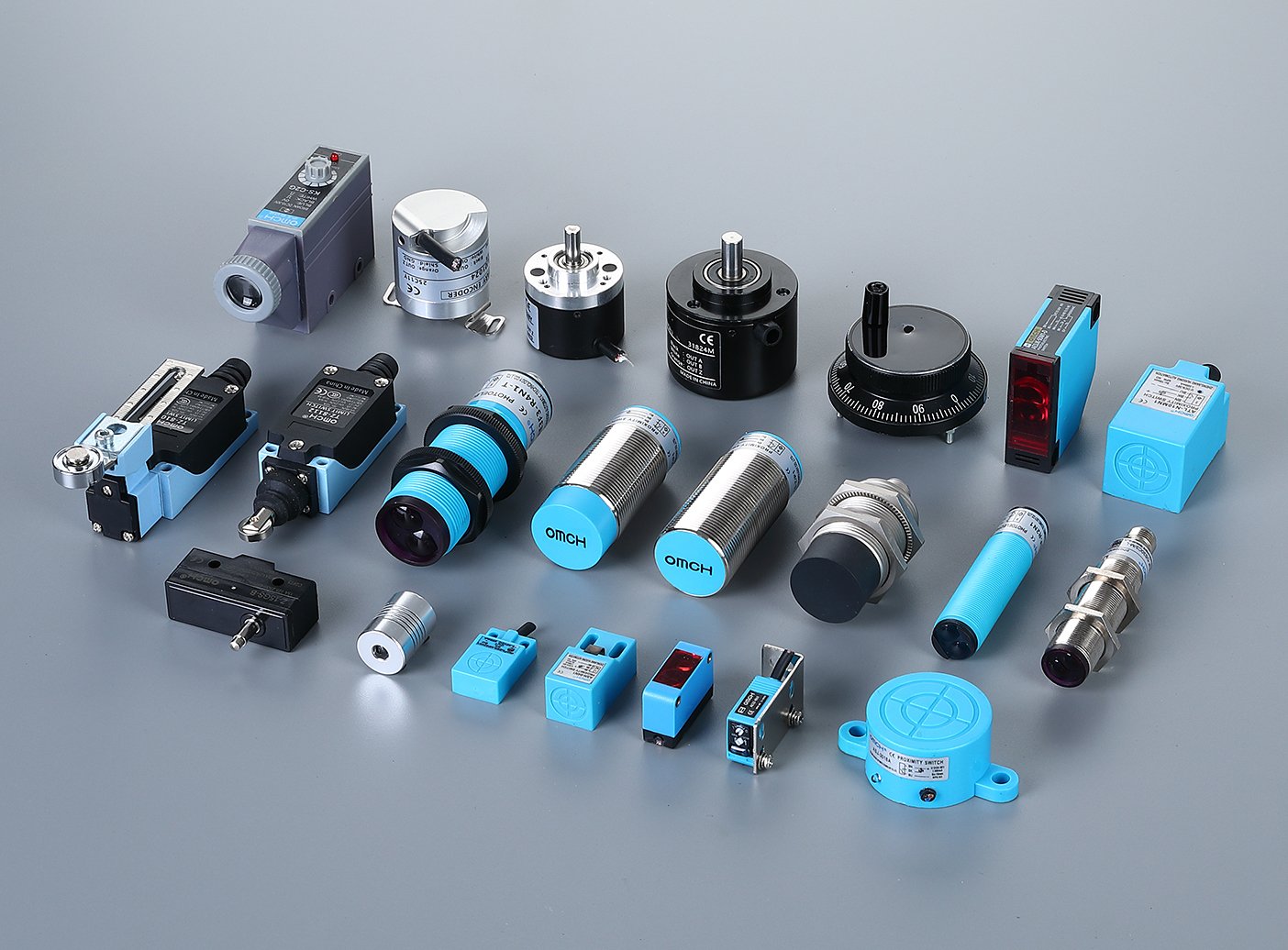
- Building a Reliable Infrastructure: As you identify bottlenecks, you will need a diverse range of components to bridge the gap between software logic and physical execution. OMCH has a wide product range of 3,000+ SKUs comprising of high-precision proximity sensors, photoelectric switches, and encoders. These components provide the real-time feedback required for CNCs and PLCs to make split-second adjustments.
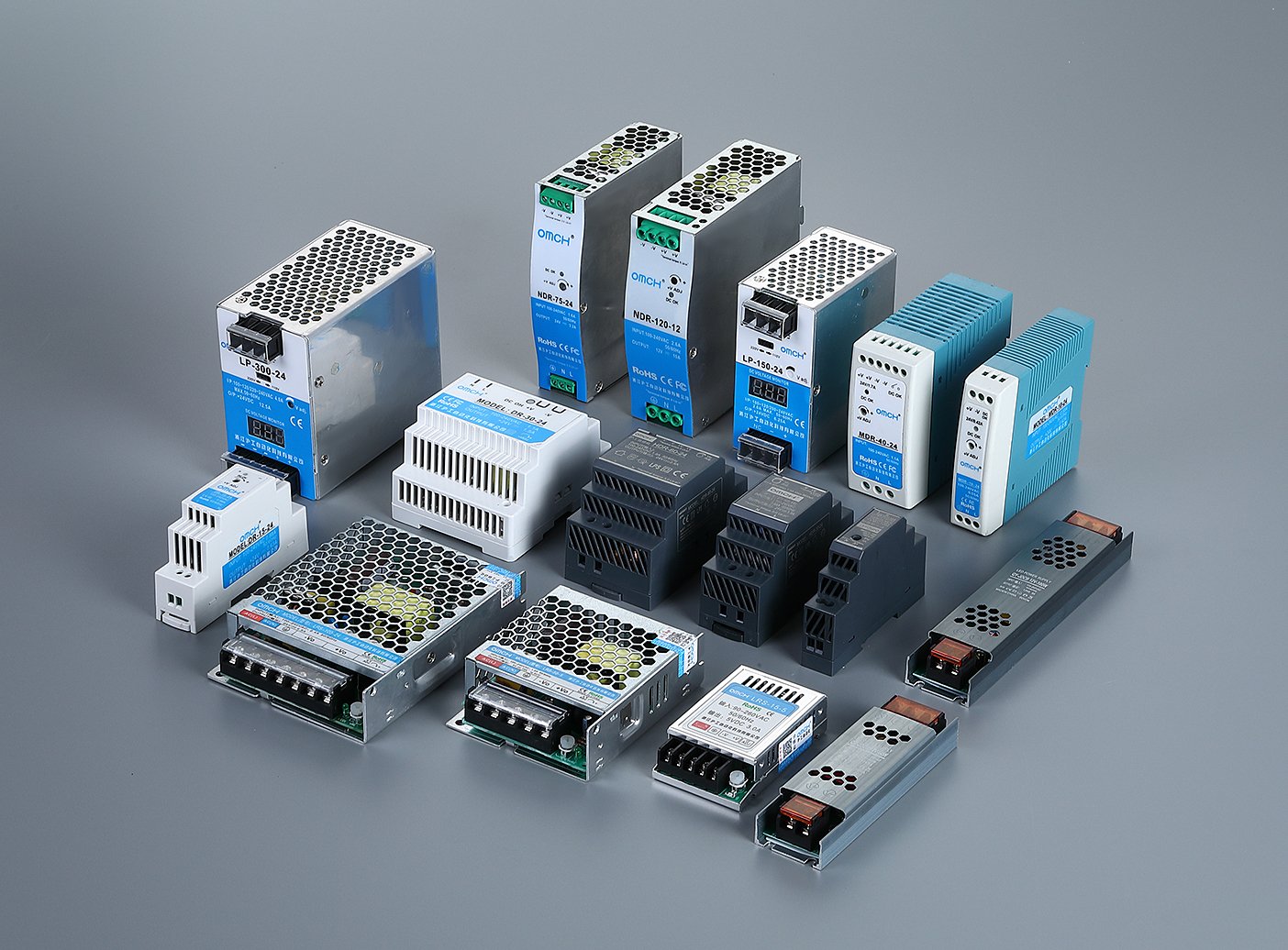
- Ensuring Clean Energy for Logic Boards: Programmable controllers are sensitive to power variations. The variety of switching power supplies and AC-DC DIN rail power offerings of OMCH will ensure that your “brains” (the PLCs) are fed with clean energy, eliminating the expensive logic errors and “glitches” that afflict low-end systems.
- Global Credibility and Certification: To map a workflow of international standards, it is necessary to have elements that are capable of passing any audit. The products of OMCH are supported with the ISO9001, CE, RoHS, and CCC certifications, which means that your automated line will be in compliance with the international safety and performance standards.
- Minimizing Unplanned Downtime: The end product of mapping is to increase uptime. OMCH has 72,000+ customers around the globe and 7 dedicated production lines, and we do not just sell parts; we offer a safety net. We have a 1-year warranty and 24/7 rapid response support, which means that in case a component requires replacement, your production will not be held up weeks, which will directly save your ROI.
When you combine the high-quality parts of a reputable manufacturer such as OMCH in the implementation stage, you will be assured that the “flexibility” that programmable automation promises is supported by the “reliability” that will last decades.
Future-Proofing Your Facility with Scalable Automation Solutions
The last phase of transitioning to programmable automation is ensuring scalability. A truly modern facility uses modular designs to adapt to the industrial automation market as it evolves.
- Modular Component Selection: When choosing your hardware foundation, opt for modular designs. Using standardized sensors and power modules allows you to swap, upgrade, or expand your lines without having to redesign the entire electrical cabinet.
- The Shift to IIoT: Future-proofing refers to the preparation of the Industrial Internet of Things (IIoT). Contemporary programmable systems enable sensors to not only activate an action, but also give information about their own health. The main sources of data used in predictive maintenance are high-quality encoders and sensors, which will enable you to replace a part before it breaks down and leads to a line stop.
- Investing in Talent and Partnerships: Programmable automation needs a workforce that is knowledgeable about the software (the G-code or Ladder Logic) and the hardware. Having a supplier with worldwide support and an enormous inventory means that your team will always have the means to be creative and grow.
Conclusion
The future of automation lies in programmable systems, which facilitate the transition from the inflexible production of the past to the hyper-flexible manufacturing of the future. By understanding these industrial automation examples and supporting them with a foundation of reliable components, you can build a production line that is as resilient as it is versatile. Whether in the automotive industry or food processing, the path to success lies in the balance between smart programming and the rock-solid reliability of the parts that make it move.
Ready to upgrade your manufacturing facility? Contact OMCH experts today to find the high-precision components that will stabilize your programmable automation journey.


 English
  Arabic
  Turkish
  Russian
  Spanish
  French
  Indonesian
  Portuguese