





The realm of industrial machinery and electrical engineering equally and carelessly use the same terms while in practice there are PCB (Printed Circuit Board) and PCBA (Printed Circuit Board Assembly) which have notable differences in the complexity of the manufacturing process, the costs involved, and the functionalities of the product. For the engineers and the buyers in the specialty domains where the inefficiencies in industrial controls lead to losses of vast proportions, distinguishing between a printed circuit and a fully assembled circuit board is not just a matter of semantics; it is a matter of strategy.
The purpose of this document is to explore the difference between the bare board and assembled versions in the context of industrial use, where the durability of electronic components, their reliability, and the stability of the supply chain are the most critical.
What Is PCB?
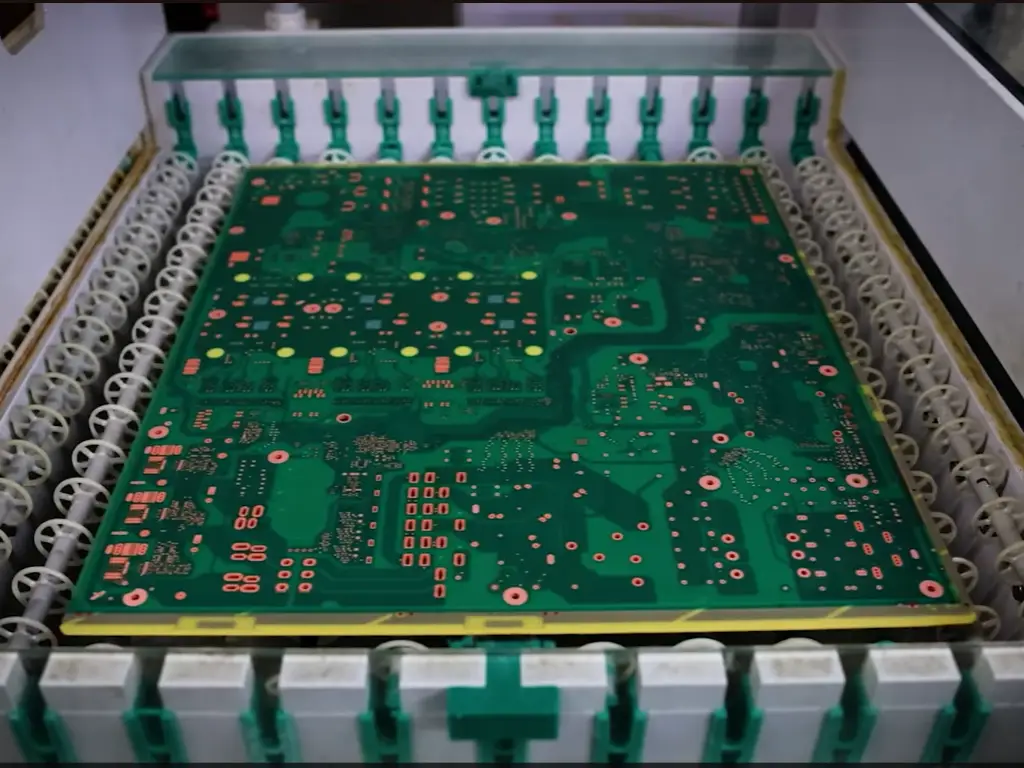
In electronics products and applications, a Printed Circuit Board (PCB) is an electrical connector and mechanical support. Until then, it is effectively a blank PCB or flat board—an inactive component. It contains a non-conductive substrate—ordinarily a fiberglass-reinforced epoxy resin laminate (FR4)—bonded with conductive layers of copper foil.
A PCB board’s main purpose is to act as a base to assemble electronic components onto and to create a path to connect with each other to relay power and signals. Compared to consumer electronics, PCBs in industrial settings have to withstand and be designed to accommodate greater wear and tear in the form of higher current, voltage, and higher temperatures. That said, a PCB by itself is not a functional electronic device. Without the addition of active components, there is no capability of performing any power conversion, signal processing, or logic operations. Rather, it is functional capability.
The complexity of a PCB design is directly influenced by how tightly packed the electronic circuit design is and the size limitations of the housing of the device. Below are the industrial types of PCBs:
| PCB Type | Structure | Typical Industrial Application |
| Single-Sided | One layer of substrate with conductive material on one side only. | Simple relay modules, LED lighting circuits, and basic power supplies. |
| Double-Sided | Conductive material on both sides; layers connect via Plated Through Holes (PTH). | Industrial controls, power converters, instrumentation. |
| Multi-Layer | Three or more conductive layers separated by insulating material. | Complex PLCs, HMI systems, medical devices, high-speed data transmission. |
| Rigid-Flex | Combination of rigid and flexible board technologies. | Robotics arm joints, automotive sensors, compact automation equipment. |
| High-Frequency | Utilizes advanced materials (e.g., Rogers) for specific dielectric constants. | Radar systems, high-speed communication infrastructure. |
What Is PCBA?
A printed circuit board assembly (PCBA) is the result of taking a bare board and mounting it with electronic pieces—using solder paste and a reflow oven—creating a complete electronic circuit. This is the last step in the PCB assembly process. While the PCB is the structure of the device, the PCBA is the living part of the device. Compared to mass produced consumer electronics that are miniaturized and designed to look sleek and polished, industrial electronic products are built with PCBAs that are designed to be robust, capable of withstanding harsh conditions.
Depending on the specific industrial application of the device, the PCBA can be a motor control drive (VFD) which acts as the muscle of the device, controlling power and torque, or it can be a programmable logic controller (PLC) that performs the logic processing as the brain. These devices all require a power supply unit (PSU) to supply stable energy and then control the device with a complex human-to-machine interface (HMI). For all of these devices, the PCBA is the most important part.
If you want a detailed description of some of the manufacturing techniques (Surface Mount Technology v. Through-Hole Technology), along with the entire process of the assembly procedure, please refer to our comprehensive technical guide: Printed Circuit Board Assembly.
PCB vs PCBA: What Are the Critical Differences?
To make the right sourcing decisions, it is important to understand the differences between PCBA vs PCB on a number of fronts. The following table highlights the primary differences:
| Feature | PCB (Printed Circuit Board) | PCBA (PCB Assembly) |
| Definition | A bare board with copper traces and PCB pads. | A fully assembled board with all components soldered via solder joints. |
| Functionality | Provides electrical connectivity; no logic capability. | Performs specific electronic functions (control, power, sensing). |
| Manufacturing Process | Component placement, reflow oven soldering, and automated optical inspection. | Component placement, reflow oven soldering, automated optical inspection. |
| Cost Driver | Layer count, material type (FR4/Rogers), board size. | BOM cost (Components), PCB assembly labor, testing complexity. |
| Lead Time | Generally shorter (days to weeks). | Longer (dependent on supply chain and assembly time). |
| Testing | Electrical tests (continuity), impedance control. | Functional Test (FCT), In-Circuit Test (ICT), Burn-in. |
| Standards | IPC-600 (Acceptability of Printed Boards). | IPC-610 (Acceptability of Electronic Assemblies). |
Functional Completeness and BOM Composition
In the Bill of Materials (BOM), the biggest difference can be found. A PCB, on its own, counts as one single line in the BOM. on the other hand, the final electronic device functionality is determined by the hundreds, if not thousands, of components that are listed next to it.
In the industrial domain, the composition of the BOM is of utmost importance. Active components that are used determine the overall worth of the system. Passive components within a circuit, such as resistors and capacitors, help to stabilize the circuit.
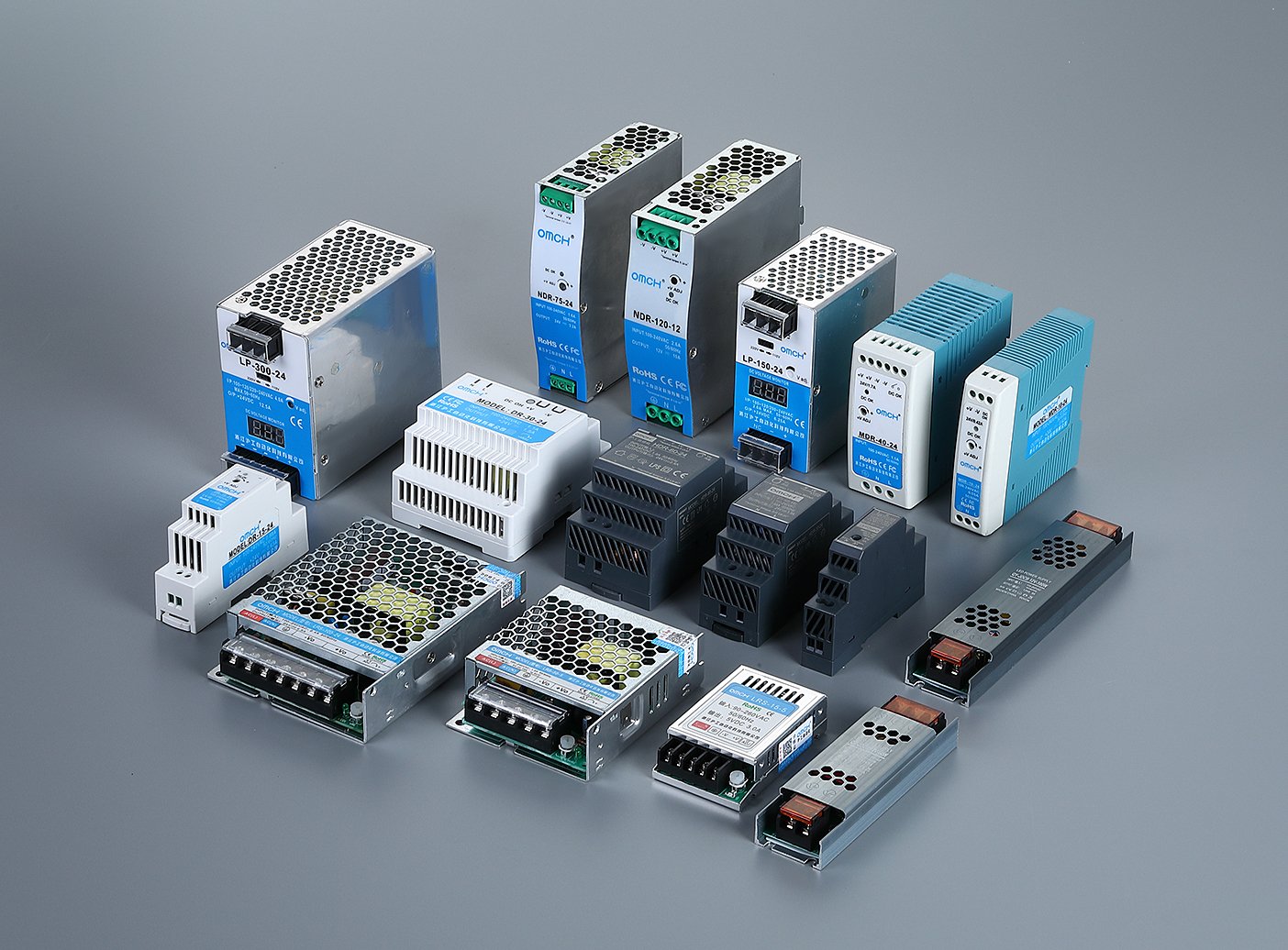
- Power Management: Switching power supplies, LED drivers, and transformers.
- Control and Logic: Microcontrollers, PLCs, and encoders.
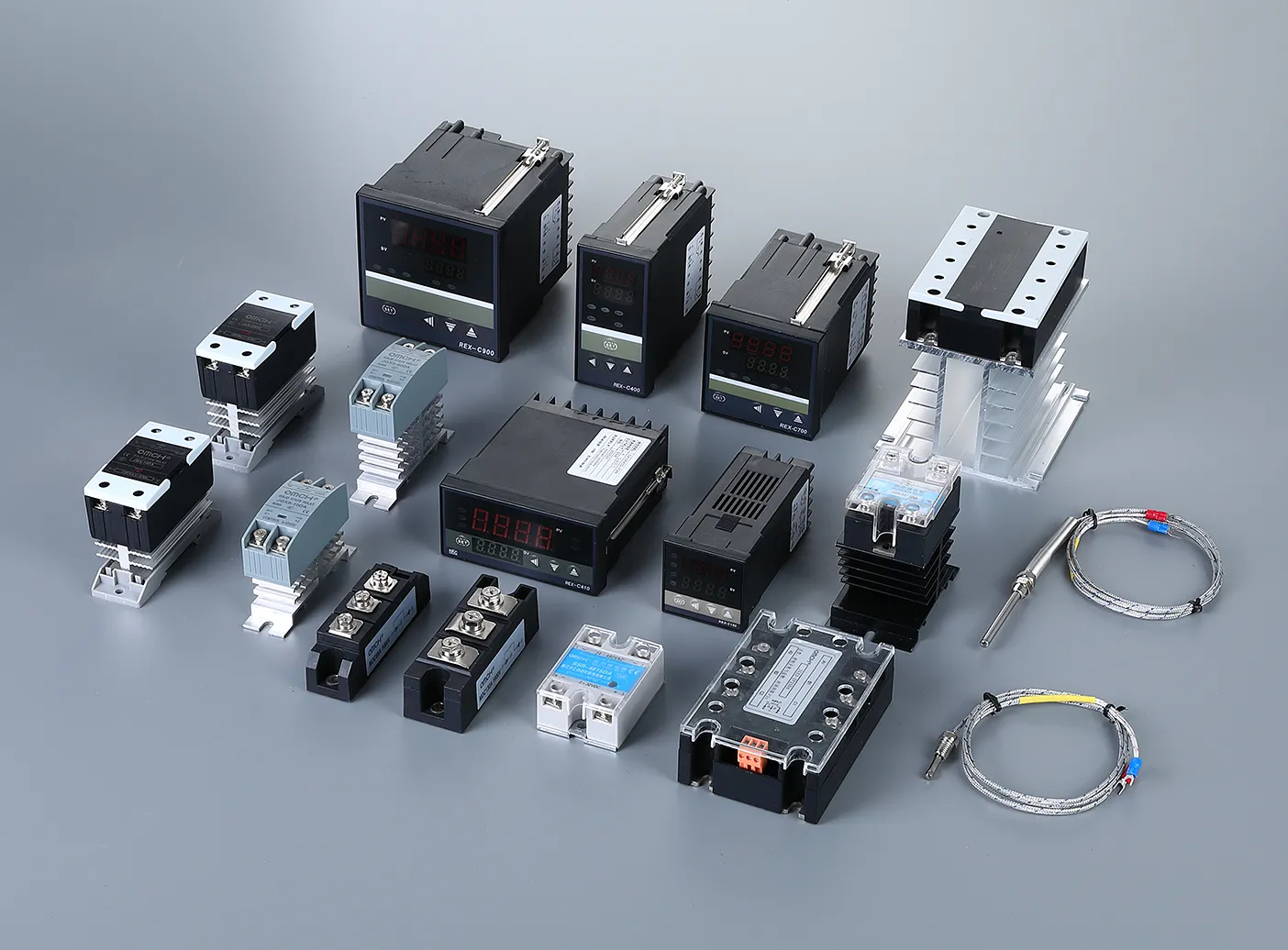
- Actuation and Switching: AC contactors, air circuit breakers, and relays.
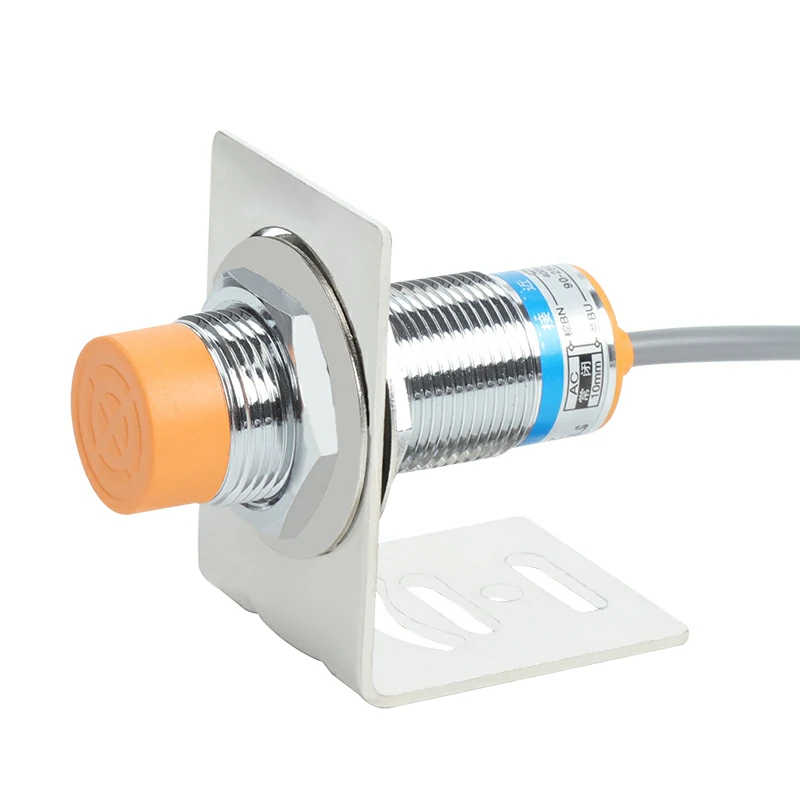
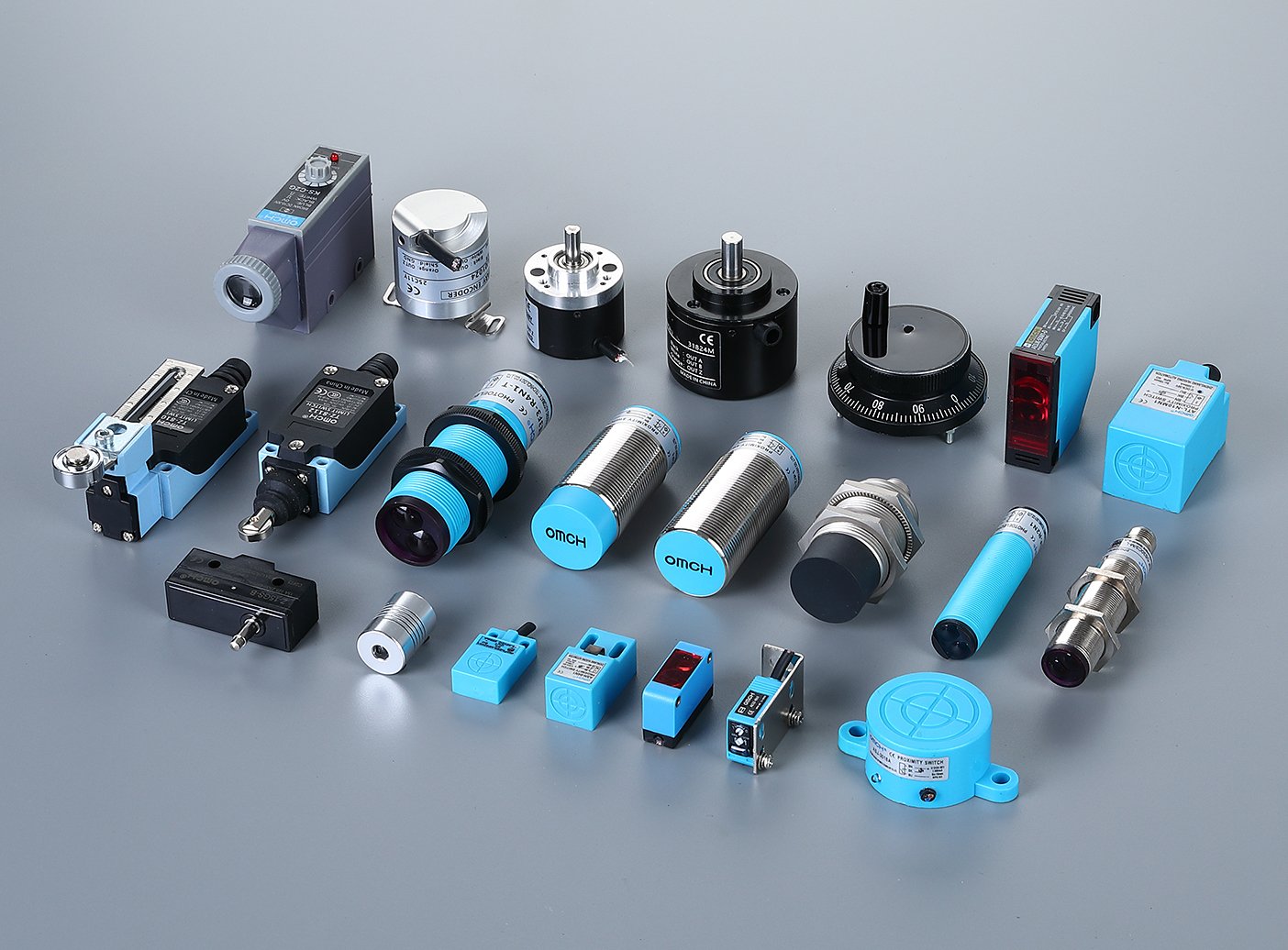
- Sensing: Proximity sensors, photoelectric sensors, and limit switches.
The PCB board serves these essential functions solely as passive interconnects. If the PCB is produced accurately. However, if the BOM specifies a relay possessing a contact rating that is insufficient, or a sensor with poor characteristics representing thermal drift, the PCBA shall fail in the field.
Cost Structure Analysis: Materials vs. Assembly
In a financial analysis of a PCB vs PCBA project, a bare board is, on average, 10 to 15% of the total cost of the unit. The remaining 85% to 90% goes to the components, assembly process labor, and testing.
A typical procurement misunderstanding relates to focusing on negotiating with PCB manufacturers for the bare board price instead of the components.
- Commodity Parts: Standard resistors and capacitors cost fractions of a cent.
- Critical Industrial Parts: Specialized industrial sensors, high-reliability power supplies, or certified circuit breakers can cost significantly more.
- The Multiplier Effect: The cost of high-performance industrial parts, more so with a scarce supply within the supply chain, may be reliant on spot market pricing. The cost of delays can be inflated to a point where the entire production line may be halted due to a missing logic chip or a missing connector.
Hence, the focus of cost optimization strategies is to advance more on the BOM and component sourcing strategy, rather than concentrating solely on the PCB fabrication cost.
Design for Manufacturing (DFM) & Assembly (DFA)
Oftentimes discounted as a single field of study, DFM and DFA are, in fact, two separate engineering areas, each of which focuses on a different level of production.
PCB Phase (DFM – Design for Fabrication): This considers the elements of the chemical and physical fabrication processes. It answers the queries of:
- Are the trace widths appropriate for the etching process?
- Is the aspect ratio of the drill holes within the capability of the plating process?
- Are there “acid traps” (acute angles in traces) that could cause circuit opens?
- Failure to adhere to DFM results in a board that cannot be manufactured or has a high scrap rate at the fabrication house.
PCBA Phase (DFA – Design for Assembly): This focuses on the physical layout regarding the soldering and population process. It addresses different issues:
- Component Spacing: Are tiny components placed too closely, preventing the pick-and-place machine nozzles from operating?
- Thermal Relief: Is there a configuration of thermal relief spokes in pads connected in soldered units to ground planes to avoid heat sinking during soldering (i.e., cold solder joints/defects)?
- Shadowing: For wave soldering, do large components block the flow of solder to smaller components behind them?
In the case of the DFAs in the industrial design where large footprint design components such as terminal blocks and large capacitors are involved, these components are manually inserted and soldered, thus creating a production bottleneck if the footprint design is not in sync with the component physical tolerances.
PCB vs PCBA: How to Choose
The decision to buy Bare PCBs vs PCBA is influenced clearly by the buyer’s production volume and in-house (or not) capabilities, with the volumes being more constrained as capabilities are less.
Select PCB (Bare Boards) When:
- Prototyping: You are in the R&D phase and need to manually swap components to test different circuit design layouts.
- Internal Capacity: Your facility possesses SMT lines, wave soldering machines, and a skilled workforce.
- Sensitive IP: The firmware or proprietary logic is highly sensitive, and you wish to perform the final programming and assembly in-house to maintain secrecy.
Select PCBA (Turnkey Assembly) When:
- Volume Production: You need a significant quantity (thousands) and manual assembly becomes impractical.
- Focus on Core Competency: Your company does not engage in the soldering process and instead centers its focus on product design, software, or systems integration.
- Reliability Requirements: Industrial standards (like IPC Class 3) require automated optical inspection (AOI) and X-ray inspection for BGA chips, which are generally only available through professional PCBA services.
The Role of Components in Industrial PCBA Reliability
When analyzing failures in industrial electronics, the root cause is rarely the epoxy resin or conductive layers of the PCB. The PCB is a static and durable material. Most failures occur in the weak zone, which is at the interface of the component leads and the solder.
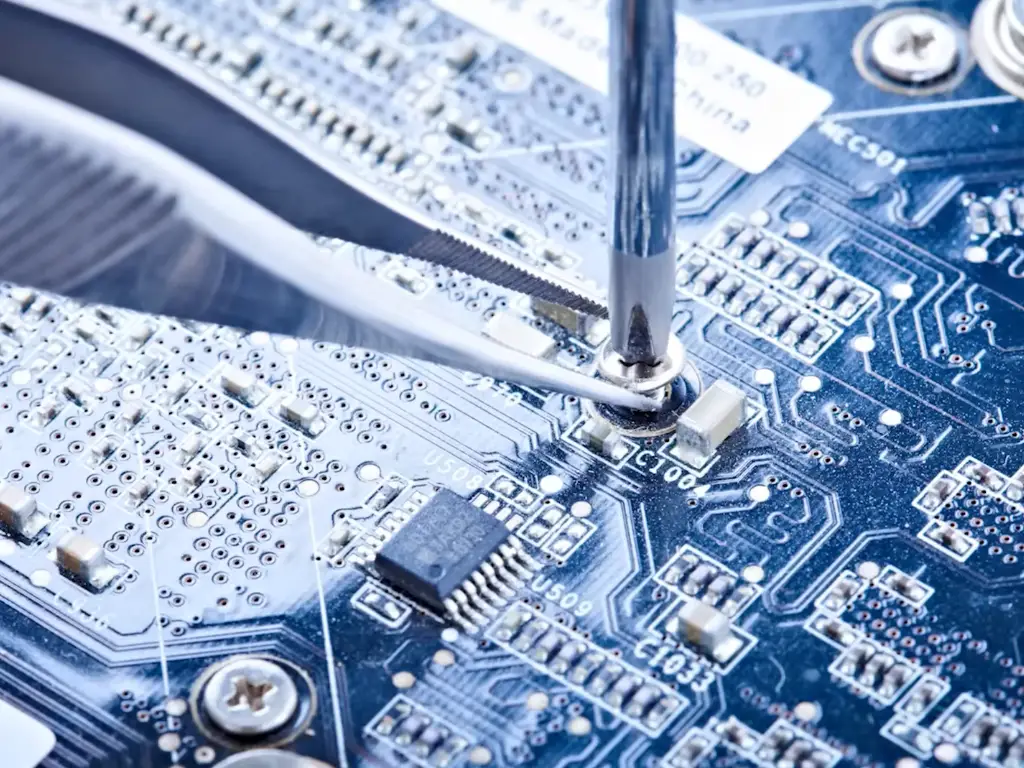
The substrate is static and does not fail. In the industrial environment, the aggressive (often extreme) variables include vibration, dust, thermal cycling, and electromagnetic interference.
- Vibration: An industrial component is assumed to incorporate a heavy relay or transformer, which on its own, may reliably detach from the surface mount pads under continuous vibration. Quality industrial parts have sophisticated mounting pins for structural integrity.
- Thermal Cycling: Poorly selected power supplies or LED drivers without adequate thermal dissipation design will overheat, causing semiconductor breakdown.
- Contact Erosion: In switching applications, Electromechanical relays of inferior quality will suffer contact oxidation or welding much quicker than premium ones, resulting in a halt of the system.
As such, the longevity of the PCBA is dependent on the quality of the components that are fitted to it. Excellence in PCB design will not be able to offset a poor quality sensor or a circuit breaker that is underrated.
Supply Chain Management: Sourcing PCBs and Components
Effective Supply Chain Management involves coordinating the PCB manufacturers and the acquisition of the BOM.
Managing Component Lifecycle and Availability
One of the largest risks in industrial manufacturing is the End-of-Life (EOL) announcement for key components. There’s often a misalignment of the component lifecycles and the industrial equipment lifecycles; consumer electronics components within a machine can go obsolete in 3-5 years while the machine is expected to operate for 15-20 years. When a critical component on a PCBA becomes obsolete, the manufacturer is forced to choose between two costly options: a Last Time Buy, wherein they stockpile the component at a high cost, or redesigning the entire PCBA, which triggers prototyping and the costly process of re-certification.
As a solution, sourcing strategies should focus on “Active” status components along with extensive production roadmaps. Supply chain managers should pay extra attention to “Not Recommended for New Designs” (NRND) flags and establish relationships with suppliers who focus on industrial longevity rather than consumer grade volatility. Such strategies are critical to avoiding scenarios where production stagnates, and to guarantee the manufacturability of the PCBA for the entire useful life of the machine.
Strategic Sourcing: Turnkey vs. Consigned Models
Buyers are presented with two choices for PCBA contract manufacturing:
- Turnkey (Full Procurement): The assembly house takes responsibility for sourcing the blank PCB and all components.
- Benefits: More straightforward logistics and only one contract.
- Drawbacks: Lack of control regarding component brands. The assembler has the option to decide to implement “equivalent” generic parts on a cost-saving basis, which could hinder the industrial reliability of the assembly.
- Consigned or Directed Buy: The buyer provides components to the assembler, or instructs the assembler to purchase from specific suppliers.
- Analysis: In the case of the standard resistors and capacitors, Turnkey is the preferred approach. However, with respect to Critical Parts, particularly the power supply modules, sensors, and primary switches, the Directed Buy model should be considered the standard.
The OEM guarantees that the assembler will meet the required performance specs, outsourcing assembly labor and using high-quality, trusted vendor components for the circuit’s most important nodes.
To execute a successful Directed Buy strategy for industrial applications, OMCH stands as a pivotal partner. OMCH addresses volatility risks by providing a comprehensive portfolio of industrial automation parts backed by a robust, long-term supply strategy. With over 3,000 SKUs covering critical categories like proximity sensors, switching power supplies, and relays, OMCH ensures that high-mix, low-volume industrial requirements are met with precision. Leveraging 38 years of manufacturing experience, OMCH offers flexible customization (OEM/ODM) ranging from 10W to 1000W power solutions. Crucially, every component undergoes a rigorous quality protocol—including raw material inspection and 100% full-load aging tests—ensuring that the parts integrated into your PCBA meet the highest durability standards demanded by global markets.
Conclusion: Making the Right Manufacturing Decisions
When comparing PCB vs PCBA, it is essential to know that one is a design and one is a product. A PCB offers a physical framework and conductive pathways for an electrical circuit to function; a PCBA is a completed working system. The two creations must work in tandem. If PCB fabrication is flawed, assembly will be ruined. On the other hand, if the poor component is chosen, the PCB is useless. The system will work, but it will not be efficient and thus far from a functioning system.
For industrial manufacturers and system integrators, it is key to look beyond the board, and to the ecosystem of the Bill of Materials. Adept integrated circuit design and assembly, coupled with management of the stable supply chain, ensures high reliability performance in demanding environments.
When planning your next industrial automation project, do not leave the critical components to chance. Ensure your PCBA is built on a foundation of quality by selecting industrial-grade power supplies, sensors, and relays that match the engineering rigor of your circuit design. Contact our team today to discuss your component requirements and secure the reliability your production line demands.



 English
  Arabic
  Turkish
  Russian
  Spanish
  French
  Indonesian
  Portuguese