


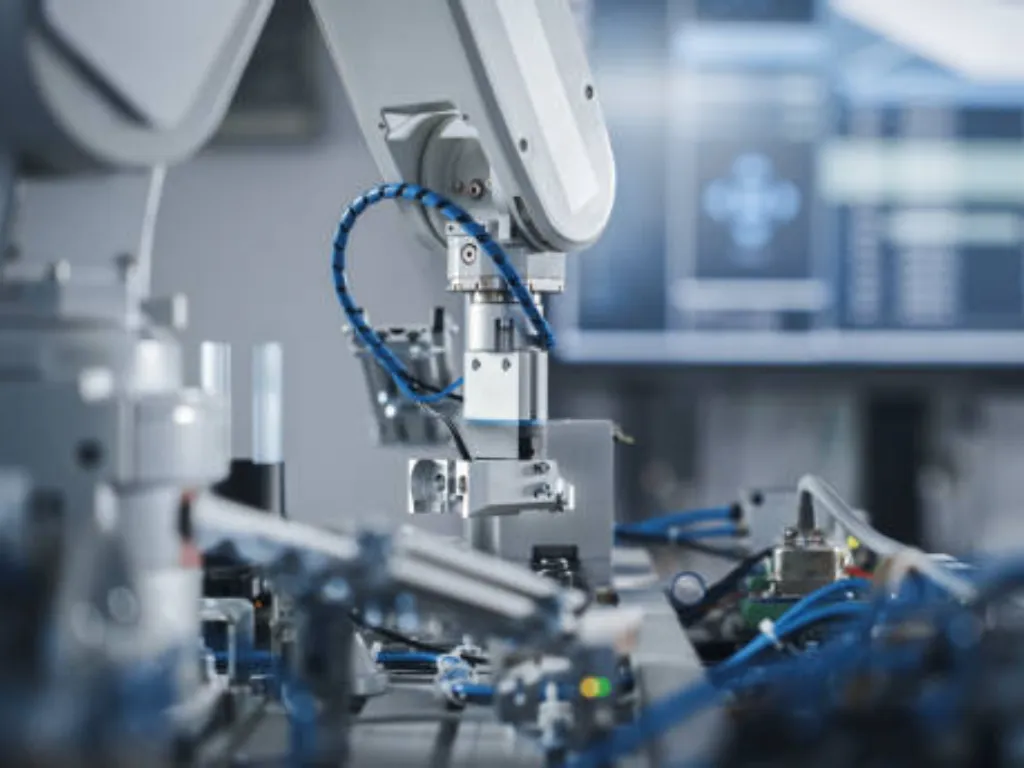
The manufacturing industry in 2026 is no longer characterized by the world as a place of mere mechanization or the mere introduction of robotics. In an era where volatile energy costs and persistent labor shortages have become the new normal, traditional, passive production models are no longer just an “inefficiency” problem—they are a matter of industrial survival. We are now in a period where intelligent manufacturing technologies have gone beyond their original claim of incremental benefits to become the foundation of corporate strategy.
With the Fourth Industrial Revolution, industries are struggling with the unpredictable energy prices and the lack of labor. In this regard, the shift of the traditional manufacturing process to the full-scale digital transformation does not only offer a competitive advantage, but it also offers a roadmap to institutional resilience in the factory of the future.
According to the National Institute of Standards and Technology (NIST), the definition of smart manufacturing centers on fully integrated, collaborative manufacturing systems that respond in real time to meet changing demands and conditions in the factory, in the supply network, and in customer needs. Whereas the First Industrial Revolution was characterized by the power of steam and the shift towards the early mass production, the present-day industrial revolution is driven by the digital technologies and the possibility to transform the enormous amounts of data into the actionable intelligence. This article explores how these data-driven ecosystems are redefining value creation, moving beyond surface-level metrics to achieve true operational excellence.
Accelerating Time-to-Market with Digital Twin Prototyping
Among the most significant strategic advantages of smart manufacturing, the reduction of the product development lifecycle by a significant factor should be listed. Previously, it would take months of physical testing to transform a conceptual design into a physical product that could be manufactured on a large scale. The design of products has been transformed today.

In a smart manufacturing environment, Digital Twin technology acts as a bridge between the virtual and physical worlds. By creating a high-fidelity digital representation of the product and the manufacturing processes, engineers can simulate thousands of “what-if” scenarios. This makes sure that the quality of the products is built into the design way before a single cut of raw material is made.
- Virtual Validation: Manufacturers are able to test the behavior of a new component in different stress conditions or the impact of a change in the sequence of the assembly line on throughput.
- Rapid Tooling: Digital twins optimize molds and dies in a virtual environment, ensuring the “first-time-right” ratio is much greater during actual mass production.
- Reduced R&D Costs: Firms are able to divert the funds that were used on waste to additional innovation to meet the changing customer needs within weeks instead of months.
Boosting OEE Through AI-Driven Predictive Operations
The “gold standard” of manufacturing productivity is still the Overall Equipment Effectiveness (OEE). Traditional OEE monitoring is however reactive- it informs you of what has gone wrong after the downtime has already taken place. Smart manufacturing converts this paradigm to Predictive Operations through the use of internet of things (IoT).
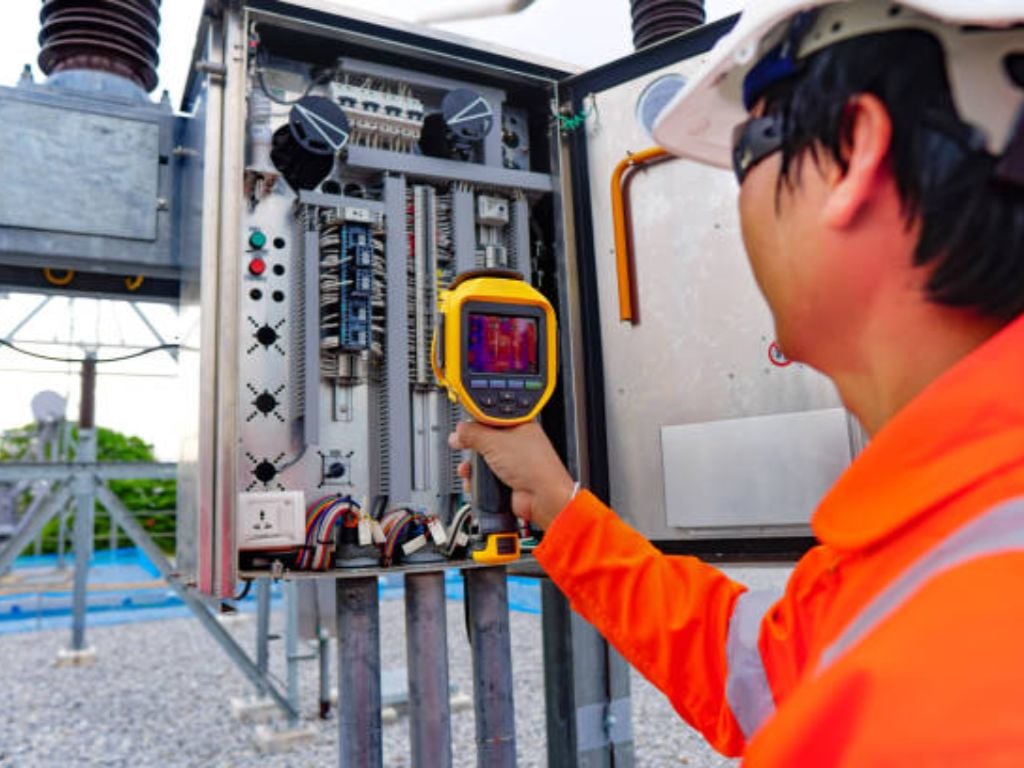
Vibration, temperature, and acoustic patterns can be analyzed in real-time using AI algorithms by installing IoT sensors along the production lines. This allows a smooth and automated data collection plan, and a shift towards a preventive maintenance (scheduled by time) to a predictive maintenance (done by actual machine health). Manufacturers can also make sure that their hardware base is never underutilized by optimizing each step of the production process, and the bottlenecks are removed before they can affect the bottom line.
Comparison: Traditional vs. Smart Manufacturing Metrics
| Metric | Traditional Manufacturing | Smart Manufacturing (2026) | Strategic Impact |
| Maintenance | Scheduled or Reactive | Predictive & Prescriptive | Reduces unplanned downtime by up to 50%. |
| Data Usage | Manual/Siloed | Vast amounts of data | Enables continuous improvement loops. |
| Quality Control | Manual Batch Sampling | 100% Computer vision Inspection | Near-zero defect rates; higher customer satisfaction. |
| Inventory | Buffer-based | Data-driven Inventory management | Significant cost savings and freed capital. |
Transitioning from Data Insights to Autonomous Decision-Making
Over the last ten years, the emphasis was on “Big Data.” By 2026, the strategic advantage has moved to Autonomous Decision-Making. This requires sophisticated data processing and advanced analytics to handle the increasing amount of data generated by modern sensors.
Because of the heavy lifting required for data analytics, many firms now utilize cloud computing to manage their production data. We are moving away from dashboards that simply present a problem to systems that automatically solve it. For example, when a sensor notices a motor overheating, the system can automatically slow the machine down to avoid failure, issue a repair order, and adjust the schedule simultaneously. This level of data processing eliminates “decision fatigue” for plant managers and ensures the factory runs at full capacity 24/7.
Strengthening Supply Chain Resilience with End-to-End Visibility
The volatility of the 2020s taught manufacturers that a factory is only as strong as its weakest supply chain link. Smart manufacturing provides the transparency required to build a truly resilient supply network.
Manufacturers achieve End-to-End Visibility through the combination of cloud computing and real time tracking. When a shipment is delayed, the system can automatically re-prioritize inventory management or switch to a second supplier already integrated into the digital ecosystem.
This agility prevents the “bullwhip effect” and ensures that customer satisfaction remains high even during geopolitical instability. By linking the factory floor to the global supply chain, companies can meet customer demands with unprecedented precision.
Driving ESG Goals with Energy-Efficient Smart Systems

Modern enterprises no longer have the choice of whether to adopt Environmental, Social, and Governance (ESG) criteria. The main driver towards achieving global sustainability goals is the implementation of smart manufacturing technologies. Smart systems utilize granular production data to track power usage, allowing for peak shaving and significant waste reduction.
- Peak Shaving: Automatically shifting energy-intensive manufacturing processes to times when rates are lower, leading to direct cost savings.
- Waste Reduction: Advanced analytics ensure that fewer raw materials are wasted on faulty components, supporting continuous improvement.
- Circular Economy: Intelligent systems trace the life of a product, making it easier to recycle parts at the end of their usage.
In 2026, being “green” means being efficient. Energy conservation is directly proportional to the cost of operation, proving that sustainability and operational excellence go hand-in-hand.
Empowering the Workforce with Augmented Reality and AI Copilots
Smart manufacturing is not eliminating the human worker; it is augmenting them. The “labor gap” is being bridged by digital technologies that make jobs safer.
AR headsets enable junior technicians to do complicated repairs by superimposing instructions on the actual machinery, significantly reducing the potential for human error. In the meantime, AI Copilots act as digital assistants, providing real time insights from vast amounts of data.
This anthropocentric view ensures that tribal knowledge is computerized and distributed, reducing the entry barrier for new workers and maintaining productivity in a high-tech environment.

Overcoming Implementation Barriers to Secure Long-Term ROI
Although the benefits of smart manufacturing are overwhelming, the truth of the matter is harsh: not all smart manufacturing projects are able to fulfill their original promise. Industry data suggests that a significant portion of companies remain trapped in “Pilot Purgatory”—a state where localized digital projects show promise but fail to scale or provide a measurable return on investment (ROI) at the enterprise level.
Why Most Smart Manufacturing Projects Fail
In order to ensure the future of manufacturing, we need to comprehend the main areas of friction that result in the abandonment of the project:
- The “Tech-First” Fallacy: A lot of companies adopt artificial intelligence or machine learning because it is a trend, and they have not identified a particular area of operational pain. Technology as an end in itself seldom results in cost reduction.
- Entrenched Data Silos: In many traditional setups, production data is trapped within specific machines or departments. Advanced analytics cannot deliver the holistic insights required to achieve operational excellence without a single data architecture.
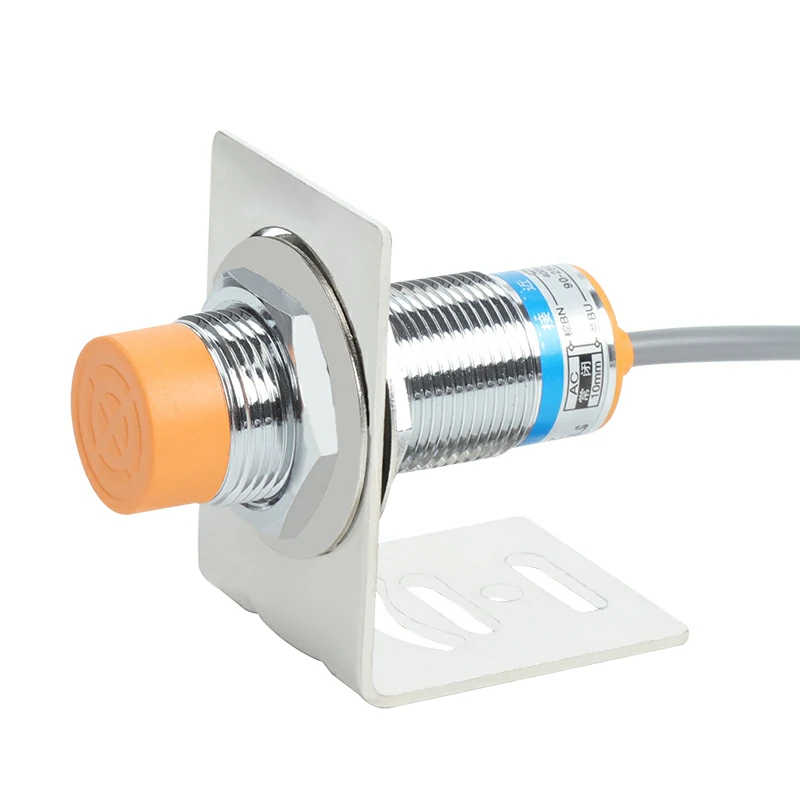
- Neglecting the Hardware Foundation: It is a typical error in digital transformation to invest heavily in software and little in the physical “nervous system”. When your sensors are not reliable or your actuators are not standardized, then the resulting data is noisy and your big data analytics are useless.
- Cultural Resistance: The transition to collaborative manufacturing systems needs to be a change of mindset. Unless the workforce perceives automation as an opportunity to improve the work process continuously, the adoption rate will decline.
The Pitfall Avoidance Guide: Securing Your Investment
In order to make sure that each dollar spent on smart manufacturing technologies will bring a tangible payoff, leaders are advised to adhere to the following strategic “Pitfall Avoidance Guide”:
- Define “North Star” KPIs First: Before selecting a single sensor or software package, define what success looks like. Is it a 15% reduction in energy consumption? A 10% increase in customer satisfaction? Every technical choice must map directly to these business outcomes.
- Prioritize Interoperability: Avoid proprietary “black box” systems. Make sure that your internet of things (IoT) devices and production lines are open-standards that can be easily used to collect data throughout the factory floor.
- Focus on Scalability from Day One: Do not design a solution for one machine. Develop a structure that can be duplicated in several production lines. This necessitates the choice of a hardware base that is based on industrial grade components that are available worldwide and meet international standards so that a solution that is tested in one facility can be easily implemented in a complete enterprise.
- Bridge the OT/IT Gap: Digital transformation must be successful, and this means that the Operations Technology (OT) team (who know the machines) must coordinate with the Information Technology (IT) team (who know the data).
- Implement “Prescriptive” Training: Do not simply provide workers with new tools, demonstrate how these tools will help them to eliminate their daily frustrations. Reduce human error and reduce the learning curve with digital technologies such as AR and AI Copilots.
Companies can overcome the initial implementation hurdles by considering smart manufacturing as a long-term strategic development and not a one-time IT purchase. The idea is to go beyond mere operational enhancements and establish a self-perpetuating loop of data-driven expansion that will ensure the brand name of the company over the next ten years.
Selecting Industrial-Grade Components for System Stability
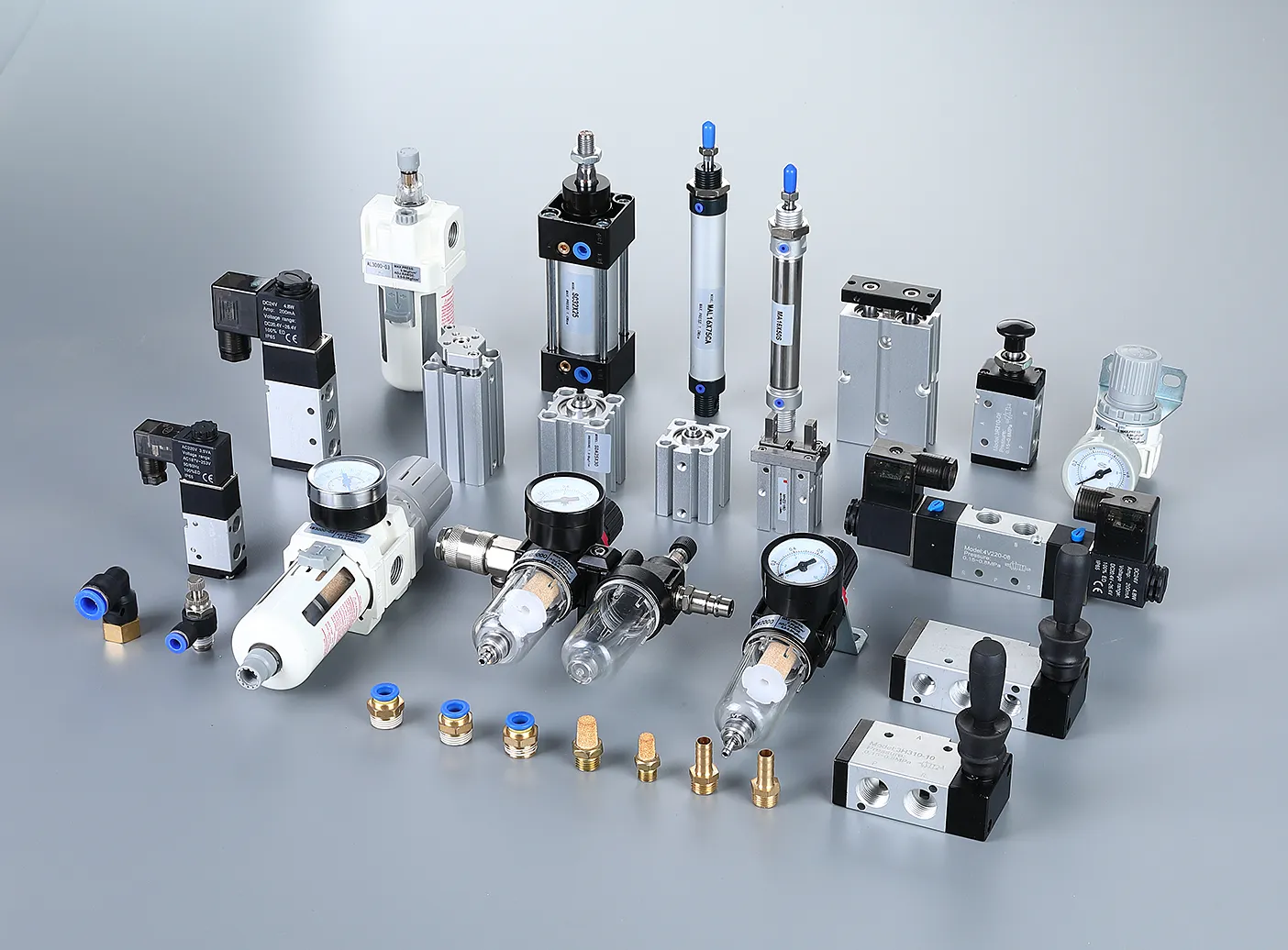
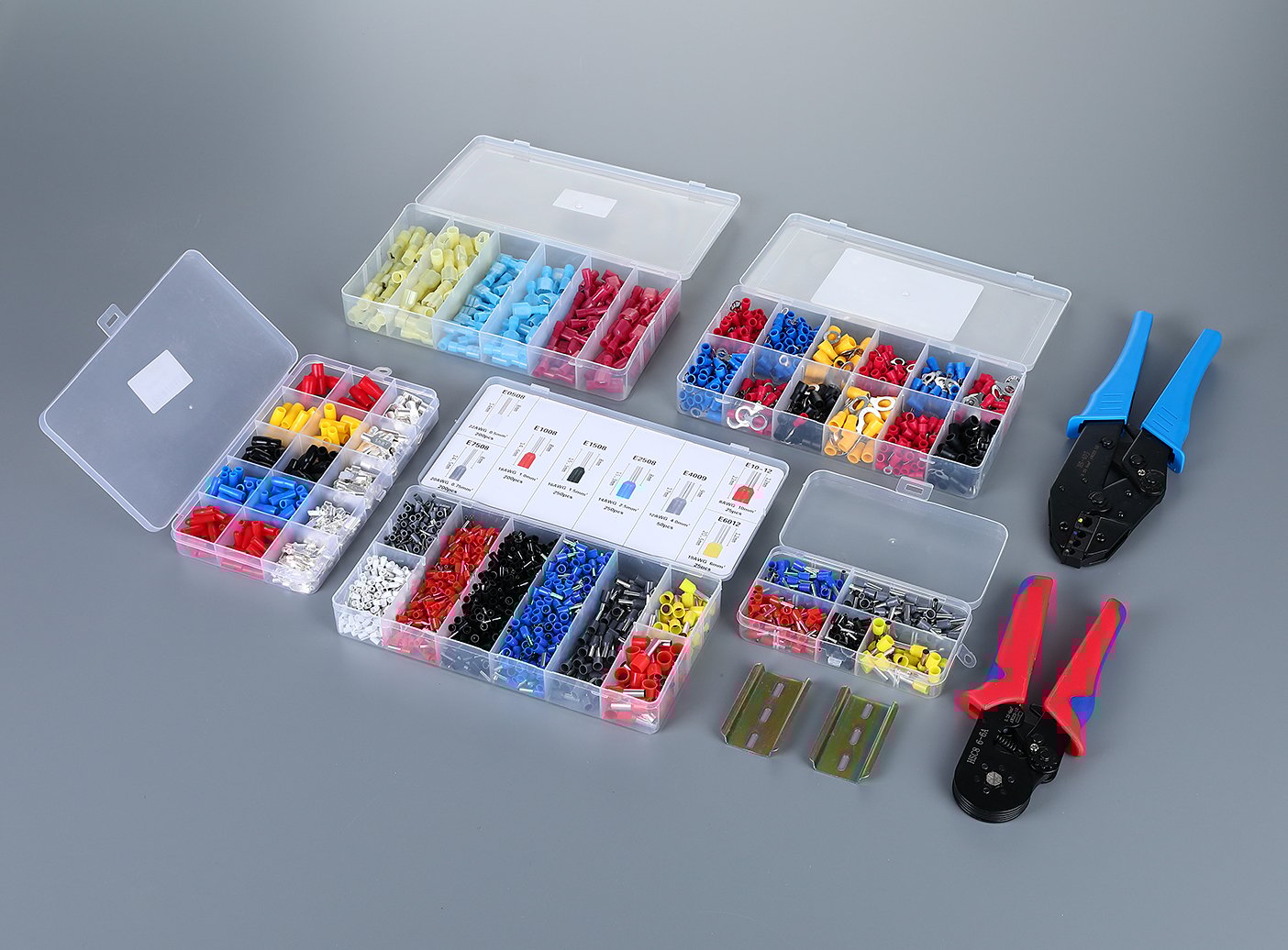
A smart system is only as dependable as the elements that provide it with data. To attain the benefits of artificial intelligence, the hardware must be standardized and robust.
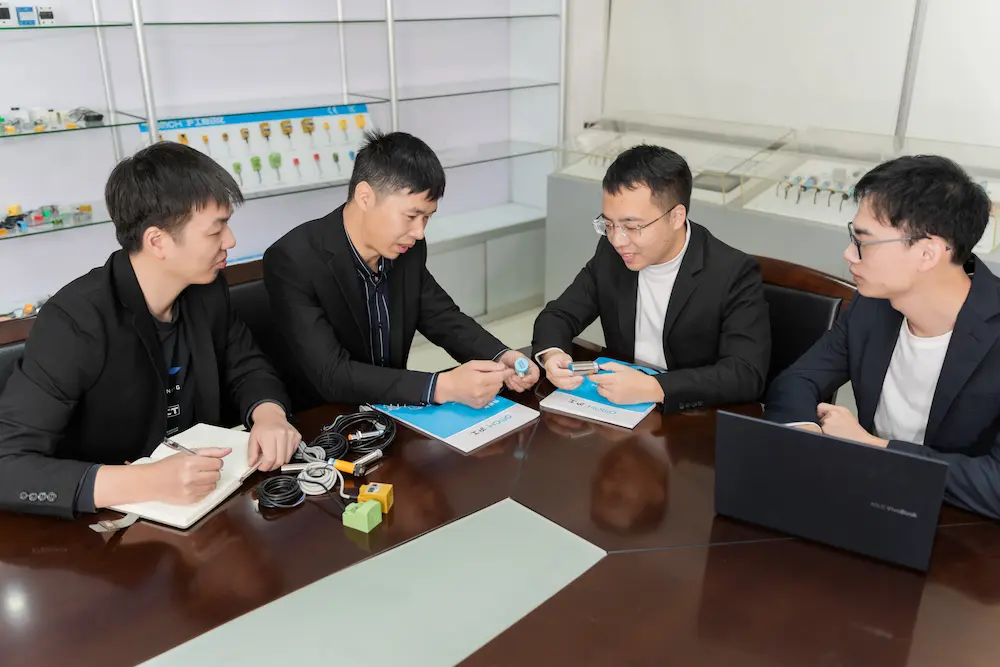
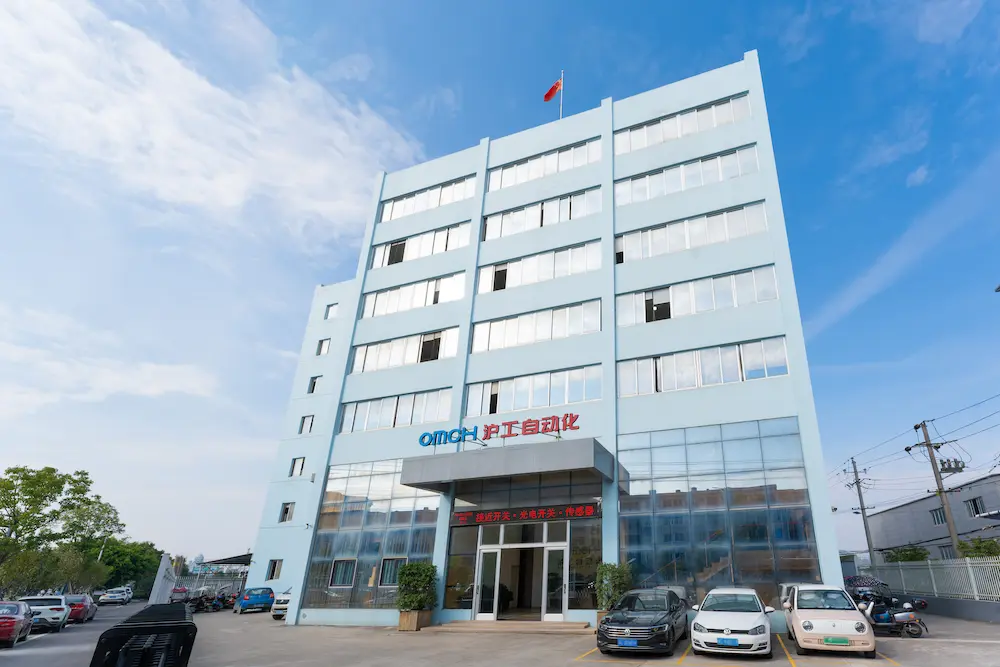
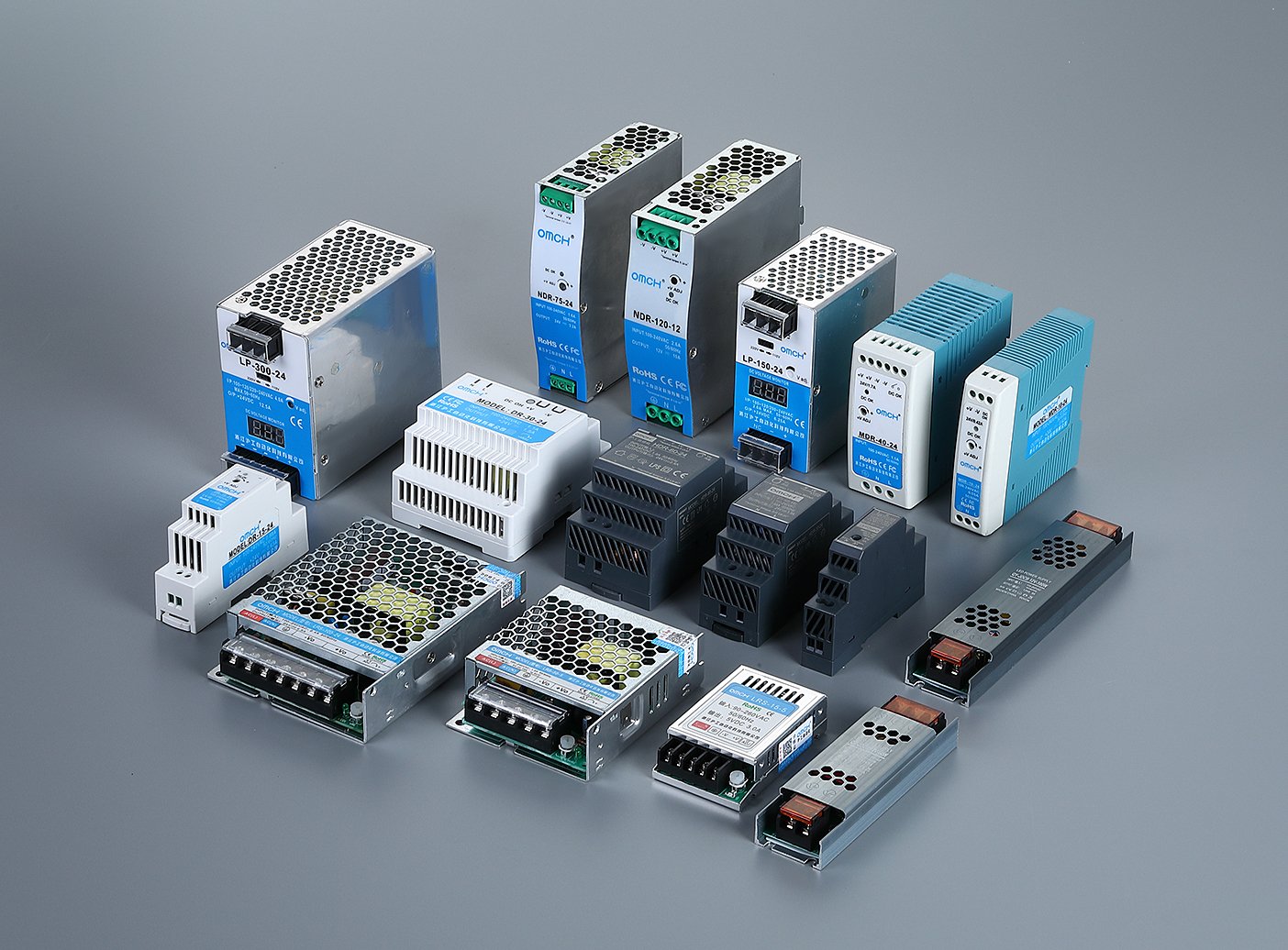
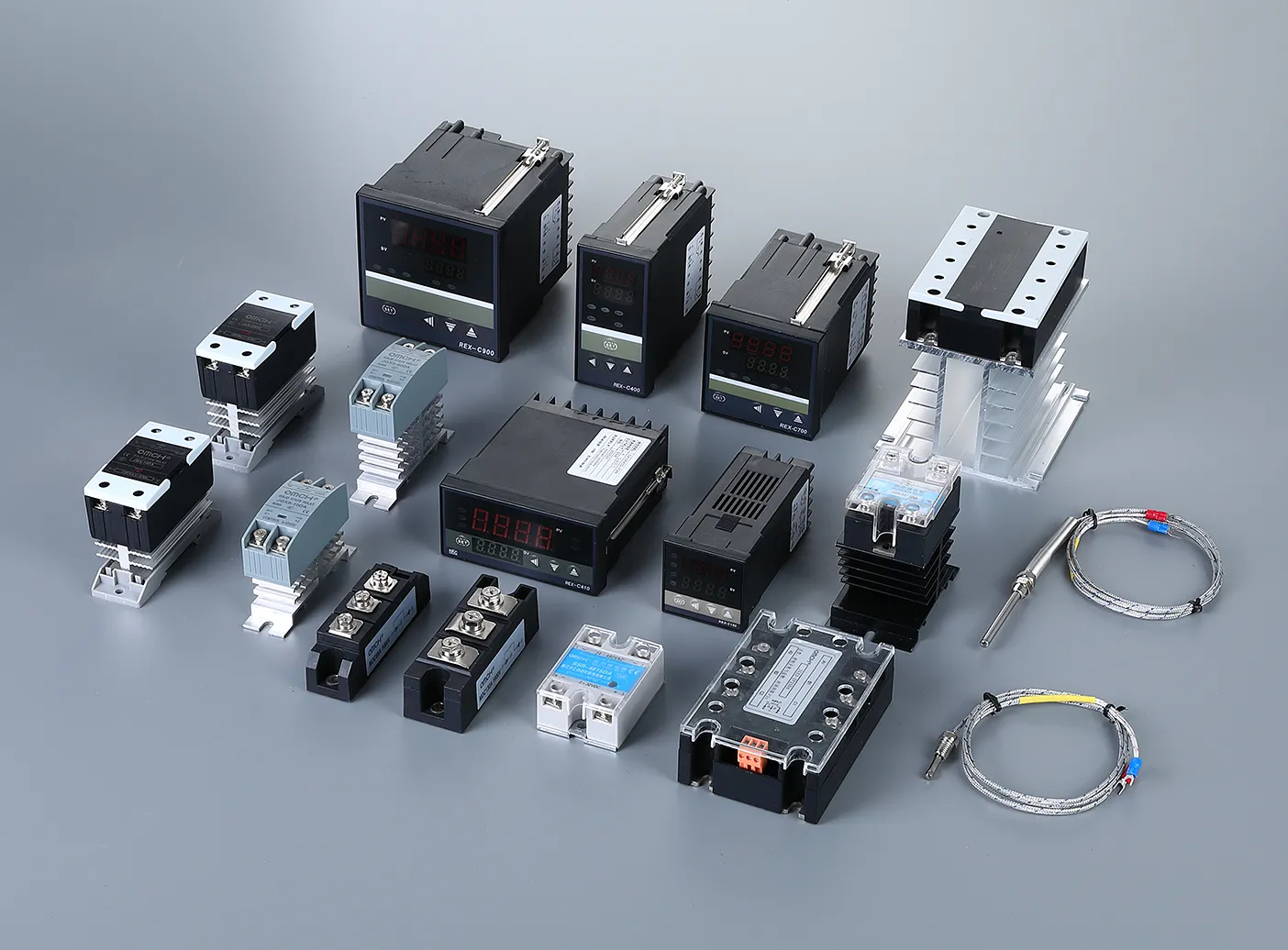
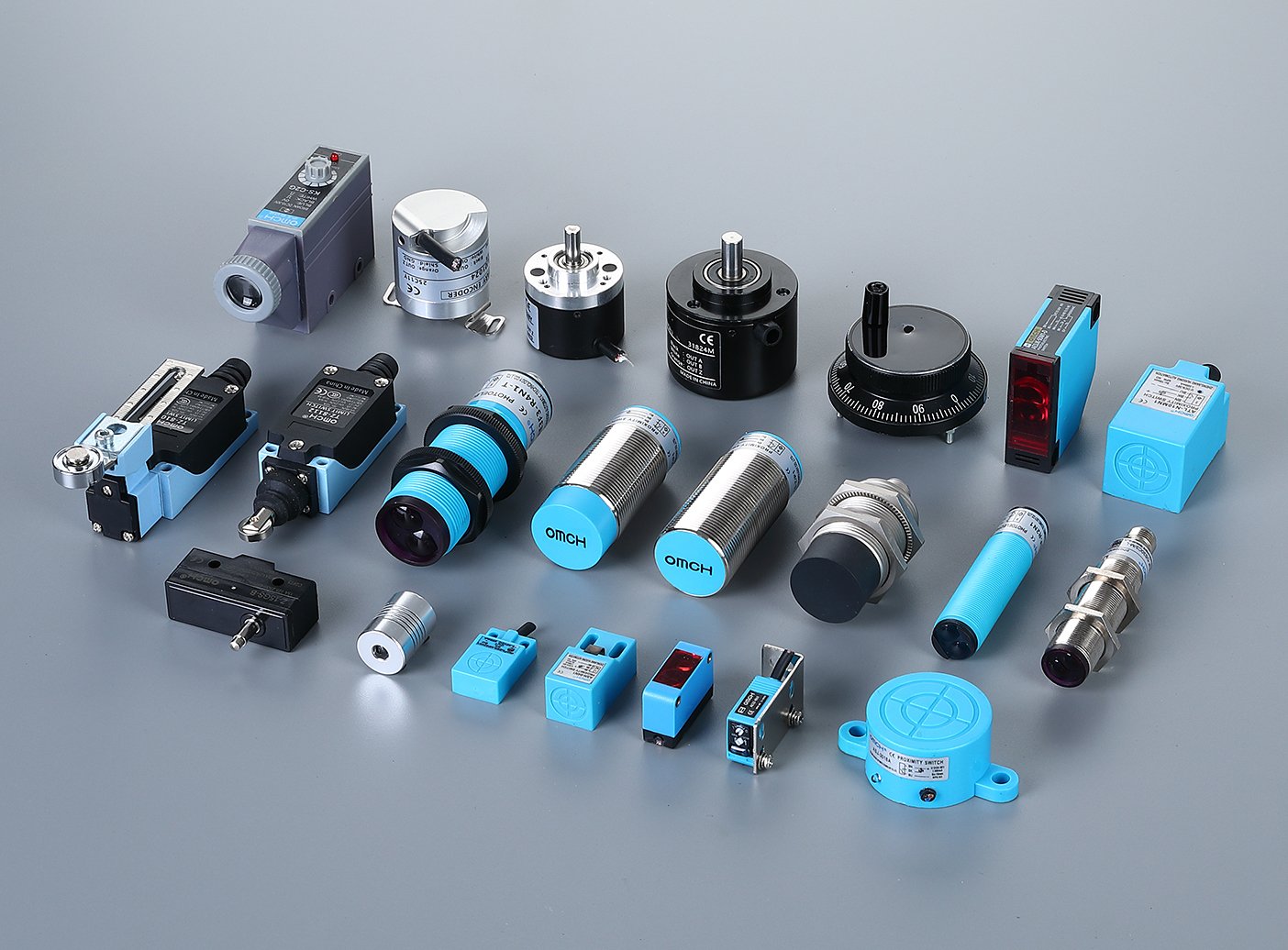
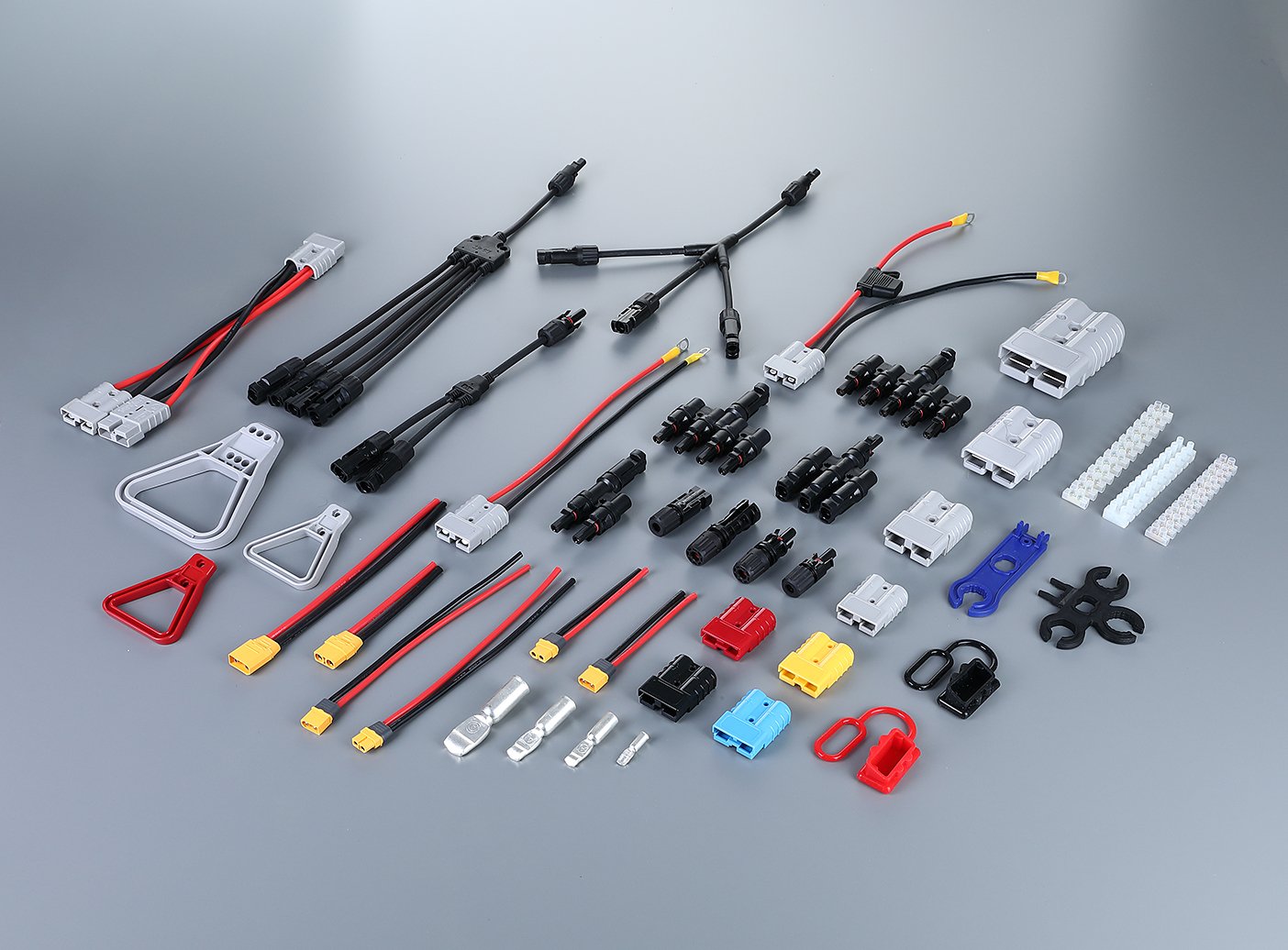
This is where manufacturers such as OMCH are very important. Founded in 1986, OMCH has forty years of experience in perfecting the industrial automation components that are the nervous system of the factory of the twenty-first century. OMCH has a customer base of 72,000+ and operates in more than 100 countries and regions, which offers the trust and reliability needed to transform digitally on a large scale.
For a smart factory to maintain high OEE, it requires a “One-Stop” solution for high-quality parts that drive operational improvements:
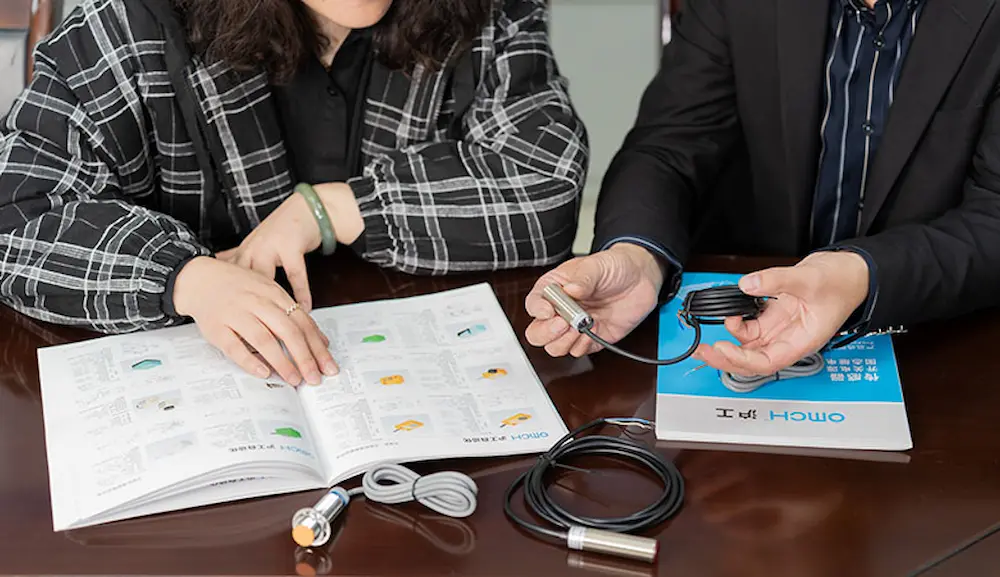
- Comprehensive Coverage: With over 3,000 SKUs, OMCH provides sensors and power supplies that enable smooth collaborative manufacturing systems.
- Global Standards: With an 8,000-square-meter factory, OMCH guarantees that all products meet international standards like CE and ISO9001, ensuring product quality.
- Unmatched Reliability: OMCH’s rigorous inspection protocols serve as the “backbone” of system stability, preventing costly downtime.
- Rapid Response: Their network of 86 branches guarantees quick delivery, which is essential for maintaining operational efficiency.
Manufacturers can reduce the technical risks of implementation by incorporating high-performance elements of a reliable vendor such as OMCH, so that their smart infrastructure will continue to be operational and profitable in the years to come.
A Strategic Roadmap for Scaling Smart Manufacturing Ecosystems
Scaling to a global ecosystem requires a structured approach. The roadmap for the future of manufacturing follows three phases:
- Foundation and Connectivity (Year 1): Focus on hardware reliability and data processing. This is where partnering with reliable component providers ensures that the production data input into the system is accurate.
- Intelligence and Integration (Year 2-3): Implement machine learning for predictive maintenance and digital twins. De-silo data between the shop floor and the boardroom.
- Autonomy and Ecosystem Expansion (Year 4+): Transition to autonomous decision-making. At this point, the factory is an autonomous node in a global value web, perfectly aligned with customer needs.
To sum up, the strategic advantages of smart manufacturing are no longer a dream; they are the new conditions of industrial survival. By combining cutting-edge artificial intelligence with time-tested hardware, manufacturers can build a future that is not only efficient but truly resilient.

 English
  Arabic
  Turkish
  Russian
  Spanish
  French
  Indonesian
  Portuguese