




In the sophisticated landscape of modern industrial automation, high precision is the currency of success. It does not matter whether it is the microscopic motion of a surgical robot or the huge rotation of a wind turbine, the possibility to follow the movement of a rotating shaft with the highest accuracy is the most important. At the heart of this capability lies the rotary encoder. As an electromechanical device that converts the angular position or motion of a shaft or axle into analog or digital output signals, the rotary encoder serves as the “eyes and ears” of motion control systems across diverse mechanical systems.
This comprehensive guide explores the diverse applications of shaft encoders across global industries, provides a technical roadmap for selection, and examines how high-performance components drive the next generation of industrial efficiency.
Core Role of Rotary Encoders in Motion Control
To appreciate the uses of rotary encoders, it is necessary to first appreciate their basic use in a feedback loop. In any motion control system, there are three primary components: the controller (the brain), the motor/actuator (the muscle), and the encoder (the feedback).

- Position Feedback
The most common role of an encoder is to provide real-time position information of a mechanical component. This is critical in applications like cnc machines or 3D printing, where the system must know where the tool head is located at every millisecond to ensure the finished product matches the digital design.
- Speed and Velocity Monitoring
By measuring the rate of change in the encoder’s pulses over a specific timeframe, a controller can calculate the motor speed (revolutions per minute). This is necessary in conveyor belts, mixing equipment, and other industrial machinery where the speed must remain constant regardless of the load.
- Direction of Travel
In most automated systems, one does not just know how far or how fast something moved, but in which direction. Encoders enable controllers to detect clockwise or counter-clockwise rotation immediately by quadrature encoding (two channels, A and B, separated by 90 degrees).
In the absence of the rotary encoder, motion control would be “open-loop”, and would be based on estimation instead of verification. The encoder closes the loop, enabling the high-speed, high-precision manufacturing that defines the 21st century.
Precision Feedback in Industrial Robotics and Automation
One of the most obvious beneficiaries of the high-tech rotary encoder technology is the robotics industry. The requirements of feedback systems have increased as robots leave caged industrial settings and enter collaborative (Cobots) and mobile (AGVs) platforms.
- Robotic Joint Control
In a multi-axis robotic arm, every joint requires at least one encoder to provide motor feedback. These sensors measure the exact angle of each segment to make sure that the “end effector” gets to its target coordinates within a sub-millimeter precision. For articulated robots, often powered by brushless motors, high-resolution encoders are necessary to prevent cumulative errors that could lead to collisions.

- Automated Guided Vehicles (AGVs) and AMRs
Mobile robots are odometrical based on encoders. The onboard computer can determine the position of the robot in a warehouse by monitoring the rotation of the drive wheels. When combined with LiDAR or camera data, encoder feedback provides a secondary layer of verification, ensuring the vehicle doesn’t slip on a slick floor or deviate from its programmed path.
- Pick-and-Place Systems
In high-speed packaging lines, delta robots perform “pick-and-place” operations at speeds exceeding 100 cycles per minute. In this case, the encoder signal latency is important. Any delay in the feedback would cause the robot to miss the item on the conveyor belt.
Heavy-Duty Applications: Mining, Energy, and Construction
Whereas robotics requires accuracy, heavy industry requires durability. The rotary encoders in the mining, energy, and construction industries have to withstand conditions that would destroy other electronic parts.
- Wind Energy: Pitch and Yaw Control
As massive structures permanently exposed to the elements, wind turbines rely on rotary encoders to manage two fundamental motion control operations. These sensors are primarily utilized for pitch control, where they facilitate the precise adjustment of blade angles to either capture the optimal amount of wind or “feather” the blades during severe storms to prevent structural damage.
Furthermore, encoders are indispensable for yaw control, enabling the entire nacelle to rotate so that the turbine remains perfectly aligned with the wind direction. Given the extreme nature of these outdoor applications, these components must be engineered for high durability, maintaining accuracy while resisting intense vibration, lightning strikes, and drastic fluctuations in temperature.
- Mining and Oil Drilling
In deep-well drilling, encoders track the depth and rotation speed of the drill string. Since the nature of these operations is deep, the feedback has to be sent through long cables without attenuation of the signal. Similarly, in mining, encoders monitor the position of massive bucket-wheel excavators and underground conveyors, where coal dust and moisture are omnipresent.

- Construction Cranes and Hoists
Tower cranes have encoders to measure the height of the hook and the horizontal movement of the trolley. Since safety is the first priority, such systems are usually fitted with redundant encoders so that in case one sensor fails, the system can safely brake or alert the operator.
High-Accuracy Solutions for Medical and Laboratory Equipment
The accuracy of an encoder in the medical industry is literally a life and death issue. Its uses in this case include diagnostic imaging to robotic-assisted surgery.
- Diagnostic Imaging (CT and MRI)
CT scanners are characterized by a huge rotating machine with high speed around a patient. Encoders are used to make sure that the X-ray images are recorded at precise angular steps so that the software can recreate an ideal 3D model of the internal organs of the patient. Any encoder signal “jitter” would cause blurred images and possible misdiagnosis.

- Surgical Robotics
Surgeons can use robots to make minimally invasive surgeries with tremors removed. This demands encoders of extremely high resolution, sometimes involving a massive number of pulses per revolution, to convert the movement of the surgeon’s hand into microscopic tool movements.
- Laboratory Automation
High-throughput screening and blood analysis machines have small rotary encoders that control the motion of pipettes and sample trays. These encoders should be small, low power and very robust to enable 24/7 laboratory operations.
Choosing Between Absolute and Incremental for Your Application
Deciding on the specific type of encoder for your system starts with a fundamental engineering question: Does your application require relative movement tracking or a fixed reference point? The choice between an incremental rotary encoder and its absolute counterpart significantly impacts system complexity, integration low cost requirements, and how the machine behaves following a power interruption.
Understanding Incremental Feedback Technology
An incremental rotary encoder is the most widely used position feedback sensor for applications prioritizing speed and cost-efficiency. It generates a specific number of pulses per revolution, allowing the controller to calculate movement by counting these increments. While it is a low cost and highly effective angular measurement device, it is important to note its volatility: if power is lost, this sensor loses memory of its position and must return to a “home” reference point to recalibrate.
The Advantage of Absolute Feedback Systems
For mission-critical mechanical systems, an absolute encoder provides a unique digital code for every increment of rotation. Unlike a standard incremental rotary encoder, this advanced type of encoder is aware of its absolute position the moment it is switched on. Even if the rotating shaft is moved while the power is off, the system retrieves its exact coordinates instantly without needing a homing sequence.
Comparison Table: Incremental vs. Absolute Encoders
| Feature | Incremental Rotary Encoder | Absolute Position Encoder |
| Position Tracking | Measures relative change | Measures absolute position |
| Power Loss Behavior | Requires “homing” after restart | Remembers position instantly |
| Primary Output | Stream of number of pulses | Digital (SSI, BiSS, CANopen) |
| Cost Profile | Low cost / Economical | Professional / Premium |
| Complexity | Simple pulse integration | Advanced data communication |
| Ideal Application | Motor speed & conveyor control | Robotic arms & safety systems |
| Feature | Incremental Rotary Encoder | Absolute Position Encoder |
Optimizing Performance in Harsh and Corrosive Environments
In locations where liquid intrusion, chemical erosion, or salt air is a regular occurrence, typical optical encoders tend to break down in a few weeks. Achieving long-term reliability in these “kill zones” requires a strategic combination of non-contact magnetic encoding and 316 stainless steel housings.
The Synergy of Magnetic Technology and Stainless Steel
Traditional optical encoders rely on a delicate glass disk that can fog, crack, or become obscured by moisture and dust. In contrast, magnetic encoding technology utilizes a robust Hall-effect or magneto-resistive sensor to detect rotation. Since it is a non-contact system, it is automatically resistant to the contaminants that normally paralyze optical sensors.
When this technology is surrounded by a surgical grade stainless steel casing, the end product is a sensor that is virtually impenetrable.
- Food Processing (Washdown Environments): In facilities requiring high-pressure, high-temperature caustic cleaning, OMCH’s stainless steel encoders prevent bacterial growth and withstand thermal shock, maintaining IP67/IP69K integrity where others fail.
- Marine Engineering (Salt Spray): For offshore rigs and coastal cranes, salt air is a relentless corrosive agent. The combination of sealed magnetic electronics and corrosion-resistant alloys ensures that feedback remains accurate despite years of exposure to brine.
Why Global Leaders Choose OMCH
OMCH has been leading in the development of these resilient solutions since 1986. Our manufacturing process has been perfected to satisfy the most demanding industrial requirements, as we have a base of more than 72,000 customers and a footprint that spans 100+ countries.
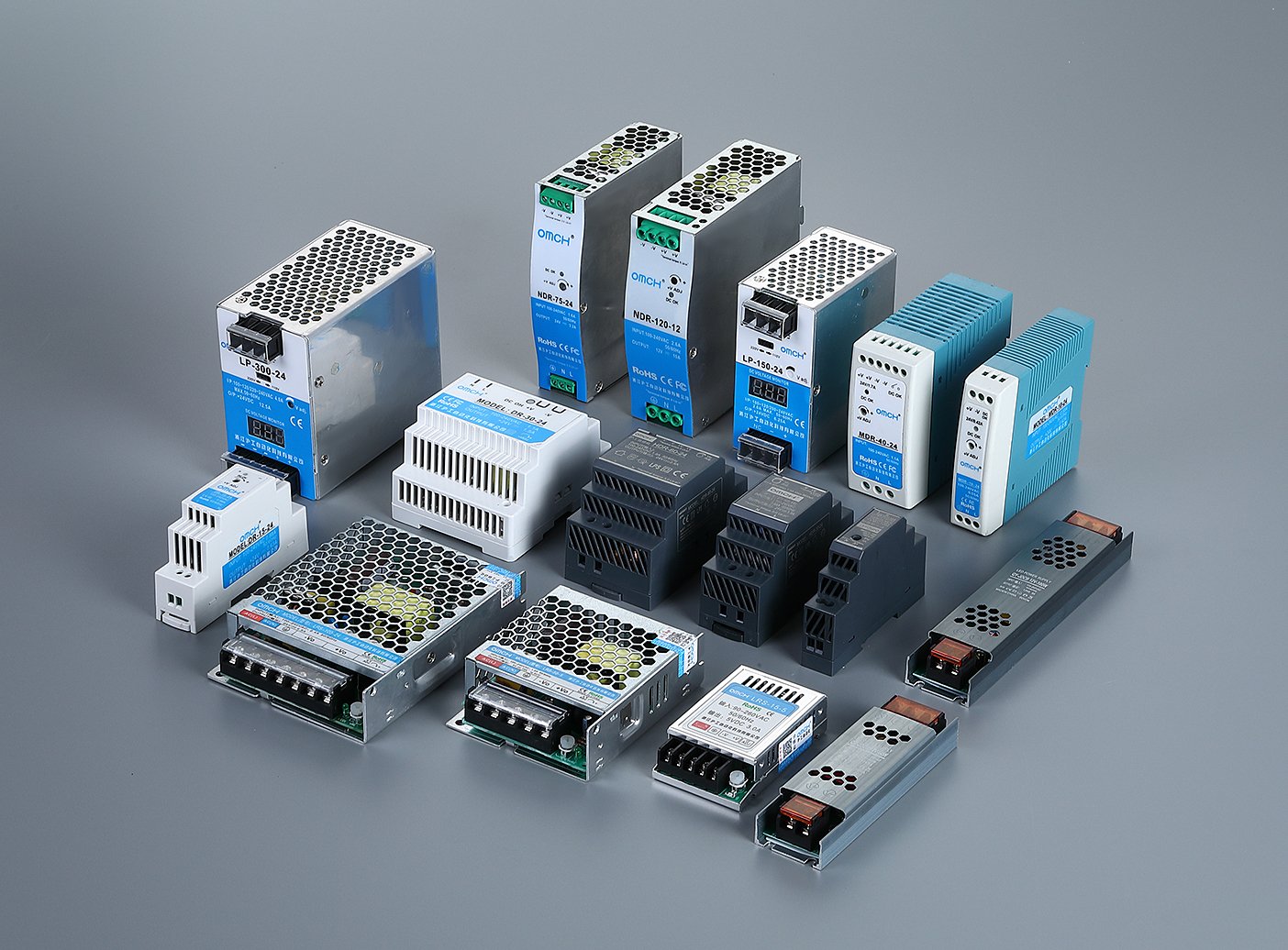
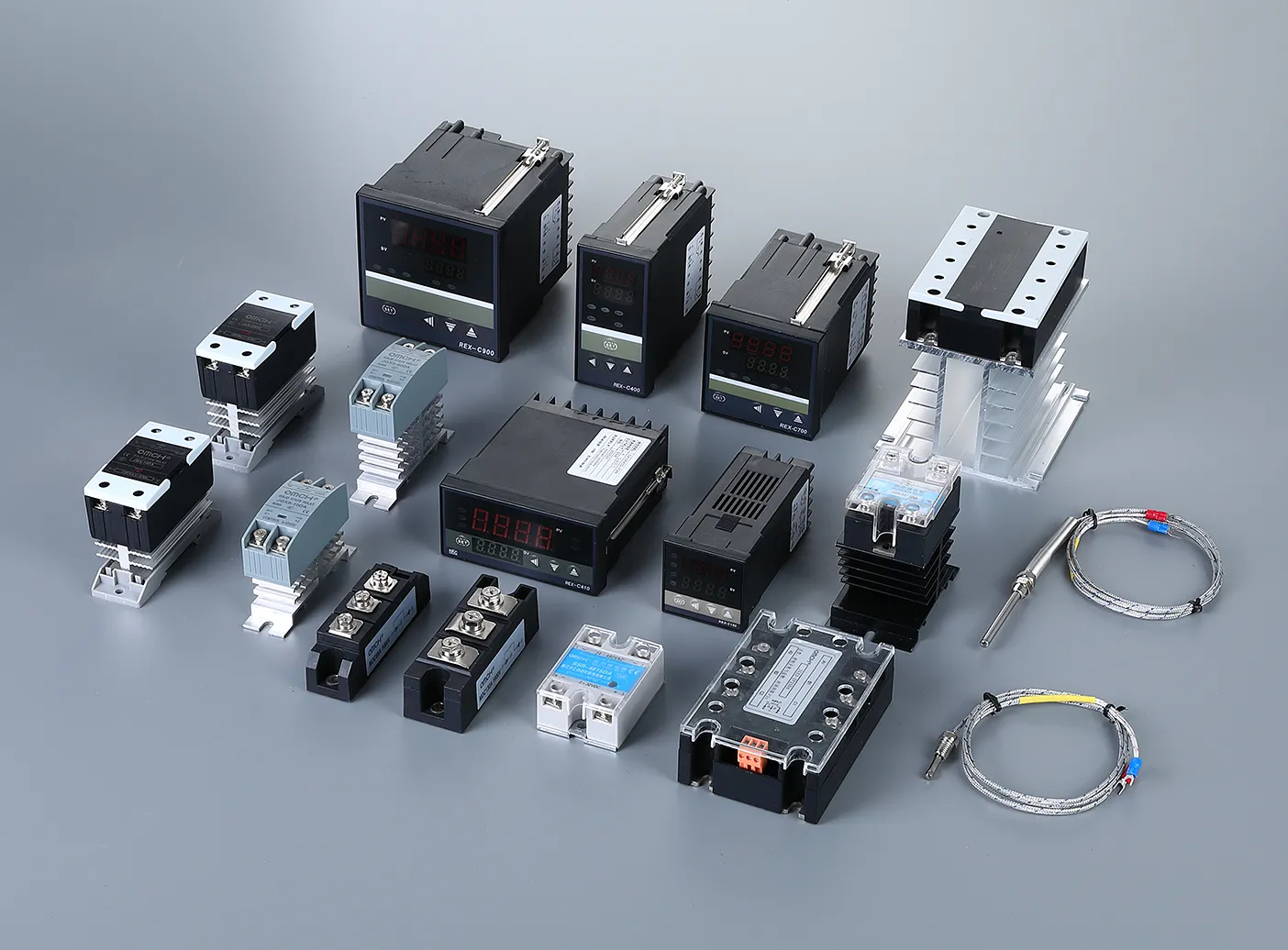
We have a modernized 8,000-square-meter facility that has seven advanced production lines to provide a huge catalog of 3,000+ SKUs. This is a one-stop feature that enables engineers to source high-protection encoders with our entire range of sensors and power supplies. All units have ISO9001, CE and RoHS certification, which guarantees worldwide conformity and uniform quality. When you combine the elements of OMCH, you are not purchasing a part, you are utilizing 40 years of experience and a 24/7 quick response system that is committed to eradicate your downtime.
Maintenance Tips for Long-Term Encoder Reliability and Accuracy
The best encoder needs to be well installed and serviced to realize its full service life. Follow these best practices to prevent premature failure:
- Precision Alignment
The most common cause of encoder failure is mechanical bearing wear caused by shaft misalignment. Flexible couplings should be of high quality and should always be used to connect the encoder to the motor shaft. These couplings take up minor quantities of parallel or angular misalignment which would otherwise impose undue stress on the encoder bearings.
- Electrical Noise Shielding
Encoders transmit delicate signals that can be easily disrupted by “noise” from high-power motors or VFDs (Variable Frequency Drives).
- Use shielded twisted-pair cables.
- Ensure the shield is grounded at only one end (usually the controller end) to prevent ground loops.
- Route signal cables away from high-voltage power lines.
- Environmental Sealing
When you are operating in a washdown environment (such as a food factory), make sure that the encoder has a sufficient IP (Ingress Protection) rating. A high pressure spray normally needs an IP67 rating to survive. Periodically check seals and cable entry points for signs of degradation or moisture ingress.
- Controlled Cleaning
Avoid using harsh chemicals or high-pressure air directly on the encoder’s shaft seal, as this can force contaminants into the internal optics. Clean the housing with a soft and damp cloth.
Smart Sensors: Encoders in Industry 4.0 and IIoT
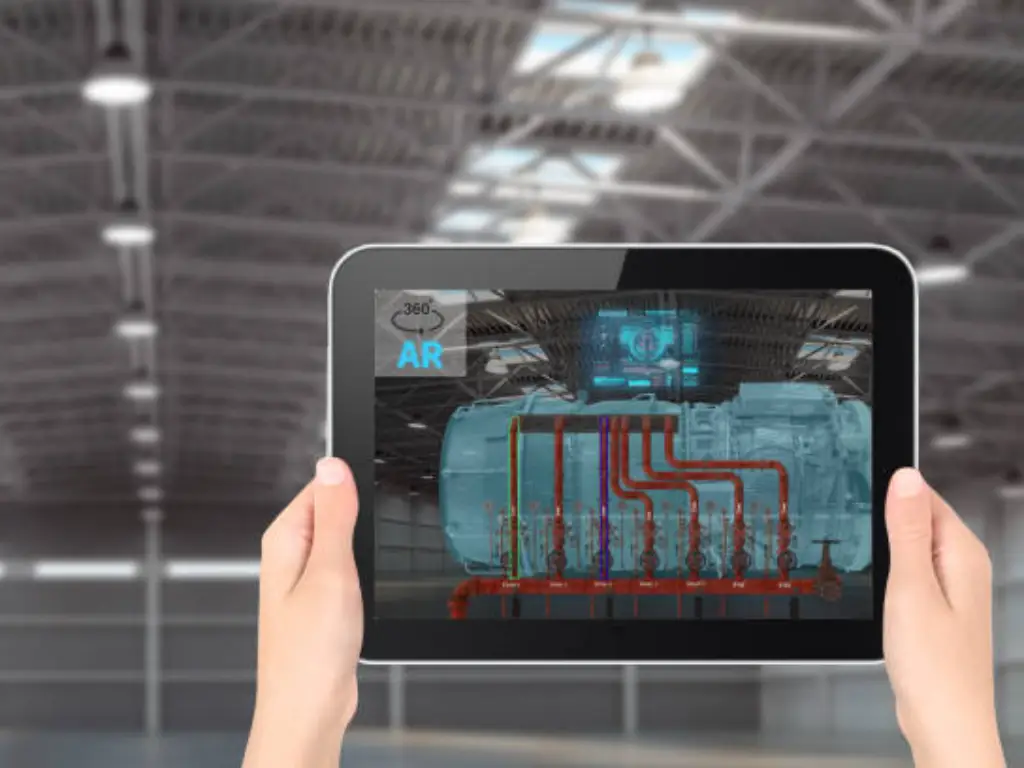
As we move toward Industry 4.0, rotary encoders are evolving from simple feedback devices into intelligent data nodes. The integration of the Industrial Internet of Things (IIoT) is changing how we interact with motion data.
Predictive Maintenance
Currently, “smart” encoders are able to check their own health. They are able to monitor temperature, vibration intensity and signal strength. If the encoder detects that its internal LED is dimming or its bearings are vibrating abnormally, it can send an alert to the maintenance team before a failure occurs. This shifts the paradigm from reactive repair to predictive maintenance, saving companies millions in unplanned downtime.
Advanced Communication Protocols
The shift from traditional pulse-based signals to networked protocols like EtherCAT, PROFINET, and IO-Link allows encoders to share more than just position. They are able to send diagnostic information, serial numbers and configuration settings to the cloud. This enables replacement and more complicated multi-axis synchronization which is “plug and play”.
Digital Twins
In smart factories, the real-time data from encoders is fed into “Digital Twins”—virtual replicas of the production line. This enables the engineers to model the changes, optimize the speeds, and locate the bottlenecks in a virtual world and then make the physical changes at the shop floor.
Conclusion
The rotary encoder is a silent titan of the industrial world. The sensitivity of a surgical arm to the strength of a mining drill, its capacity to offer accurate and dependable feedback is the basis of contemporary automation.
By understanding the technical differences between types of encoders, identifying the unique demands of your industry, and collaborating with well-established manufacturers, you can make sure your systems are efficient and minimize downtime. As we look toward an IIoT-driven future, the rotary encoder will continue to be the bridge between the physical movement of machines and the digital intelligence that controls them.

 English
  Arabic
  Turkish
  Russian
  Spanish
  French
  Indonesian
  Portuguese