



In the modern supply chain management world, which is highly competitive, a warehouse is not merely a place where goods are stored. It is emerging as a data-driven dynamic system. As e-commerce is rapidly expanding and customers demand same-day delivery, businesses seeking a competitive advantage and competitive edge have a simple decision to make: automate or die.
The solution to this dilemma is intralogistics automation. It does not only involve purchasing a couple of robots. It is a total transformation that includes all the basic elements to cloud software. This guide is a discussion of how to create a smarter warehouse, both in the large strategic plan and in the small details such as sensors and power supplies.
What Is Intralogistics Automation and Its Business Value
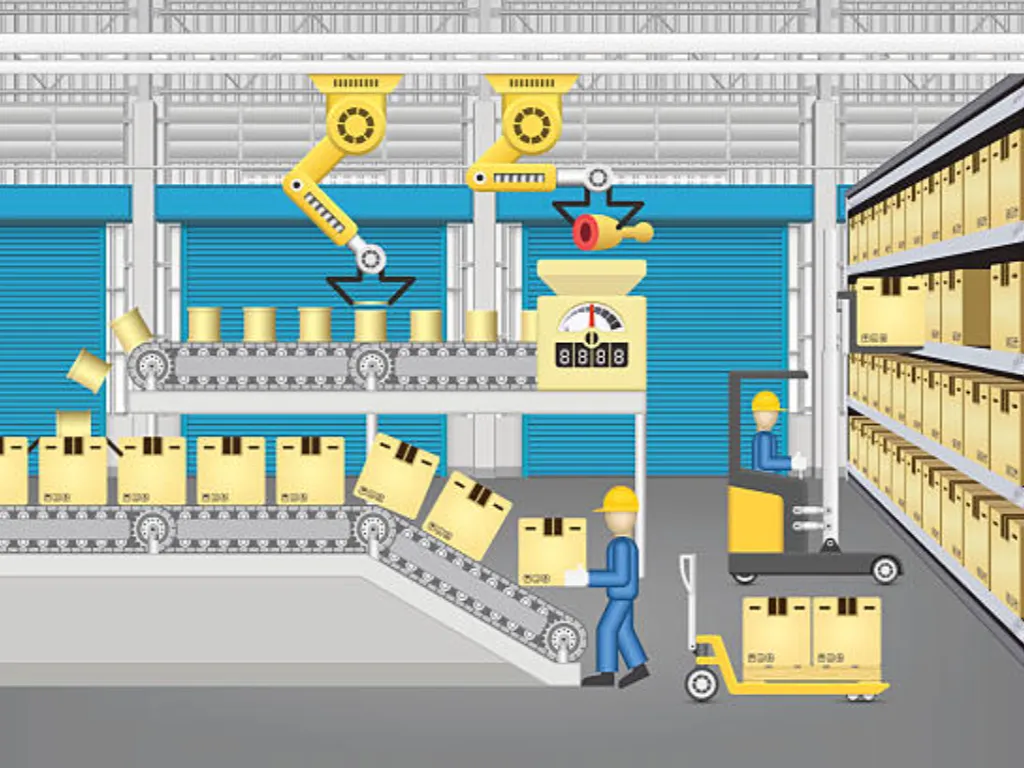
We need to understand the concept of intralogistics before we look at the technology. The intralogistics industry is concerned with what occurs within the four walls, unlike external logistics, which involves the movement of goods between cities. This involves the internal logistics processes such as receipt, storage, picking, packing, and shipping of raw materials and finished products in a factory, distribution center, or warehouse. Essentially, it manages the complete flow of goods and logistical flow through the internal supply chain.
From Manual Work to Smart Systems
Traditional intralogistics processes were based on industrial trucks, forklift trucks, and manual labor. This is “mechanization.” Automation refers to the application of automation solutions to perform tasks with minimal human assistance. We are now shifting towards Smart Automation. This transformation redefines internal processes and manufacturing processes, changing the way business is done.
Core Business Value: Solving Problems
Companies spend money on automation for three main reasons:
- Solving Labor Shortages and High Labor Costs
Warehouse workers and forklift drivers are becoming difficult to hire. In addition, a large number of employees quit these jobs within a short time. This gap is filled by intralogistics automation solutions such as Automated Guided Vehicles (AGVs) and robotic arms. They do not require rest, they are not injured, and can work 24/7, significantly reducing labor costs. This is the ultimate intralogistics solution to the labor problem. - Increasing Speed and Throughput
Orders may soar during peak periods such as Black Friday. Machines are capable of working at a faster rate to satisfy this need, whereas humans are not. The current automated sorting systems are capable of order processing thousands of packages in an hour with a 99.9 percent accuracy. Speed is not only about warehouse efficiency, but also about customer satisfaction. - Data Transparency and Better Decisions
This is usually ignored but it is very valuable. Machines generate data when they are transporting goods. This enables managers to view inventory levels, bottlenecks, and equipment efficiency in real time. It enhances supply chain visibility and ensures a smooth information flow, transforming the warehouse operations into an asset of data.
Key Technologies Powering the Modern Smart Warehouse
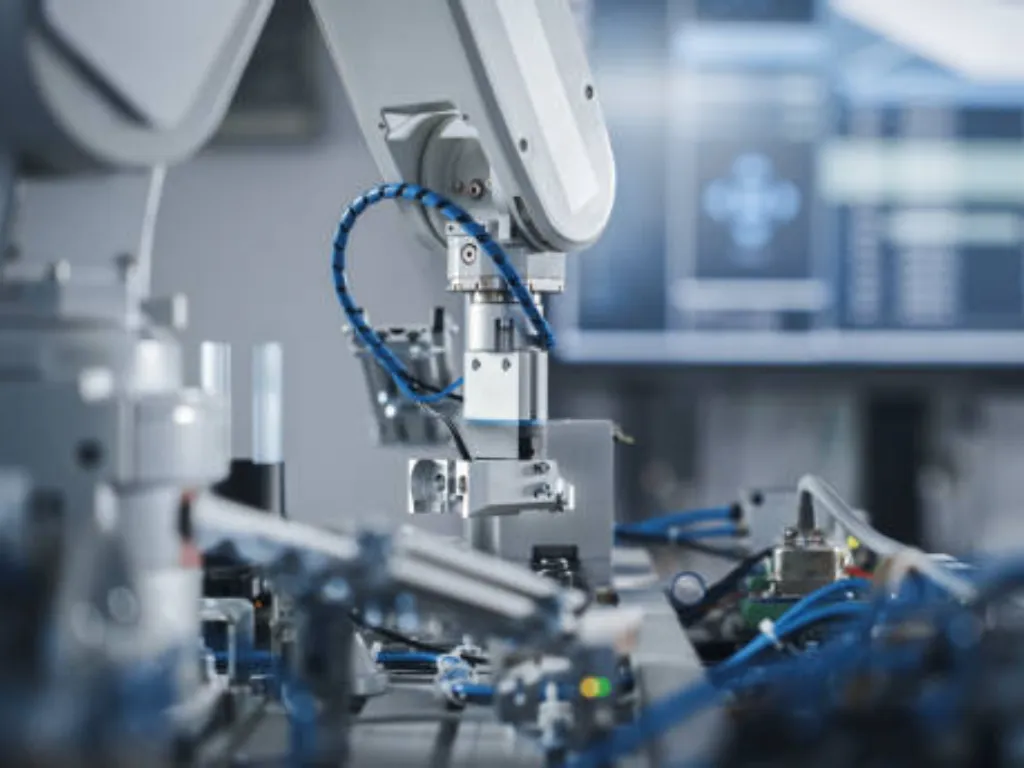
If a smart warehouse is like a human body, the hardware is the “muscles.” Recently, several key automation technologies and material handling equipment have matured. Understanding these various technologies and choosing the right equipment is the first step.
Mobile Robots: AGVs vs. AMRs
Moving goods is the most basic task. There are two main types of robots for this:
- AGV (Automated Guided Vehicle): These are the first generation. They follow magnetic strips, QR codes, or tracks on the floor. Their path is fixed. If they see an obstacle, they stop and wait. They are good for simple, stable tasks.
- AMR (Autonomous Mobile Robot): These are more advanced. They use lasers (LiDAR) and cameras to see the environment. They do not need lines on the floor. If they see an obstacle, they go around it. They are perfect for busy, changing environments like e-commerce warehouses.
Storage Systems: The AS/RS Revolution
In places where land is expensive, AS/RS (Automated Storage and Retrieval Systems) is the best way to save space.
- Stacker Crane Systems: These are for heavy pallets. They move fast between very high shelves.
- Shuttle Systems: These are for smaller boxes. They run on tracks in the shelves and are very fast. They are the heart of “Goods-to-Person” systems, making order picking much faster.
Robotic Picking and Collaboration
- Robotic Picking Arms: 3D cameras and AI have allowed these arms to now pick up objects with odd shapes (such as bags of chips or bottles). They substitute the most tedious human activities.
- Cobots (Collaborative Robots): These are not meant to substitute humans, but to collaborate with them. They are safe and flexible with sensors that prevent them when they come into contact with a person.
Technology Comparison Table
| Technology | Core Device | Navigation/Control | Flexibility | Cost | Best Use Case |
| Transport | AGV | Magnetic strip/QR code | Low (Fixed path) | Medium | Fixed production lines |
| Transport | AMR | SLAM (Laser/Vision) | High (Auto-bypass) | High | E-commerce, complex areas |
| Storage | AS/RS (Crane) | Rails | Low (Fixed racks) | Very High | Heavy pallets, unmanned warehouse |
| Storage | Shuttle | Rails/Grid | Medium | High | Fast box storage, Goods-to-Person |
| Sorting | Cross-belt Sorter | PLC/WCS Control | Low (Rigid) | High | Courier hubs, huge volume |
Decision Framework: Which Technology Fits Your Volume?
Don’t just buy the trendiest robot; buy what fits your throughput. Use this decision matrix to match your operation scale with the right automation level.
| Daily Order Volume | SKU Complexity (Variety) | Recommended Technology Strategy | Why? |
| < 2,000 Orders | Low to High | Manual + Digital (WMS) | Automation ROI is low here. Focus on a good WMS and handheld scanners to optimize human walking paths. |
| 2,000 – 10,000 Orders | High (Many small items) | AMRs (Goods-to-Person) | Volume justifies automation, but flexibility is key. AMRs scale easily—just add more robots during peak seasons without changing infrastructure. |
| 10,000 – 50,000 Orders | Low (Standard pallets/cases) | Conveyors + AGVs | High volume with low variety needs the consistent, high-speed throughput of fixed conveyors and guided vehicles. |
| > 50,000 Orders | Very High | AS/RS + Shuttle Systems | Extreme density and speed are required. Vertical storage (AS/RS) utilizes height, while shuttles handle massive throughput that AMRs cannot match. |
The ROI Calculator: Is It Worth It?
To convince stakeholders, you need a clear calculation. A typical automation project should aim for a payback period of 2 to 3 years.
The Simple Formula:

- Total Investment (CAPEX): Hardware cost + Software licensing + Integration fees + Training.
- Annual Savings (OPEX):
- Labor: (Number of workers replaced × Annual Salary)
- Accuracy: (Cost of returns/errors × % reduction)
- Space: (Value of floor space saved by vertical storage)
Pro Tip: Don’t forget Maintenance Costs. A general rule of thumb is that annual maintenance (spare parts, software updates) costs about 3-5% of the initial hardware investment. This is why choosing durable components initially is crucial to keeping this percentage low.
Software Integration: The Brain Behind the Brawn
If robots are the muscles, software is the brain. Without good software systems, expensive hardware is useless. Hardware handles the physical work, but the software stack determines the intelligence. Many projects fail because they underestimate the complexity of data flow.
To understand how a smart warehouse “thinks,” imagine the journey of a single order as it flows down through the “Pyramid of Control.”
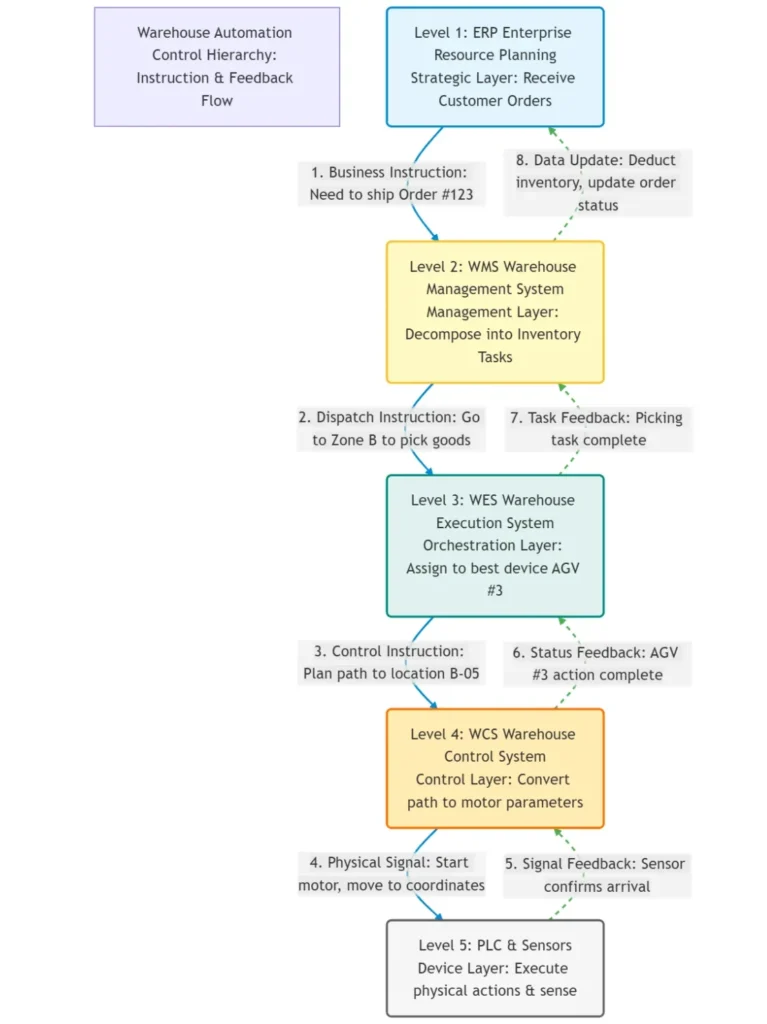
Level 1: ERP (Enterprise Resource Planning) – “The CEO”
- Role: The ultimate authority on business data (Finance, Sales, Procurement).
- Action: It receives a customer order and tells the warehouse: “We need to ship Order #123 containing 5 units of Product X.”
- Time Scale: Days or Hours.
Level 2: WMS (Warehouse Management System) – “The Manager”
- Role: Manages inventory and location logic.
- Action: It knows where Product X is stored (e.g., Aisle 4, Shelf B). It groups Order #123 with other orders to create a “wave” of work.
- Command: “Retrieve Product X from Location 4-B.”
- Time Scale: Minutes.
Level 3: WES (Warehouse Execution System) – “The Traffic Controller”
- Role: The critical bridge in modern automation. It balances the workload in real-time.
- Action: It sees that Robot A is charging and Robot B is busy, so it assigns the task to Robot C. It prevents traffic jams in the aisles.
- Command: “Robot C, go to Location 4-B now.”
- Time Scale: Seconds.
Level 4: WCS (Warehouse Control System) – “The Driver”
- Role: Speaks the machine language.
- Action: It converts the “Go” command into specific motor instructions for the conveyor or robot.
- Command: “Motor start. Conveyor speed 1.5m/s. Diverter activates in 3 seconds.”
- Time Scale: Milliseconds.
Level 5: PLCs & Sensors ( The Nervous System) – “The Hands & Eyes”
- Role: The physical execution and feedback layer.
- Action:
- PLC (Programmable Logic Controller): Executes the logic.
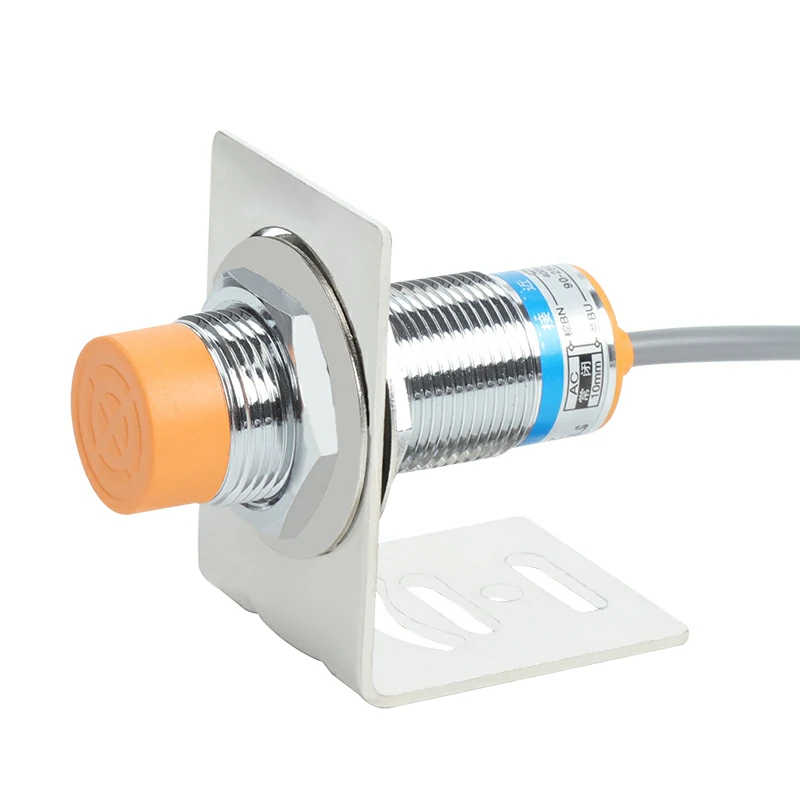
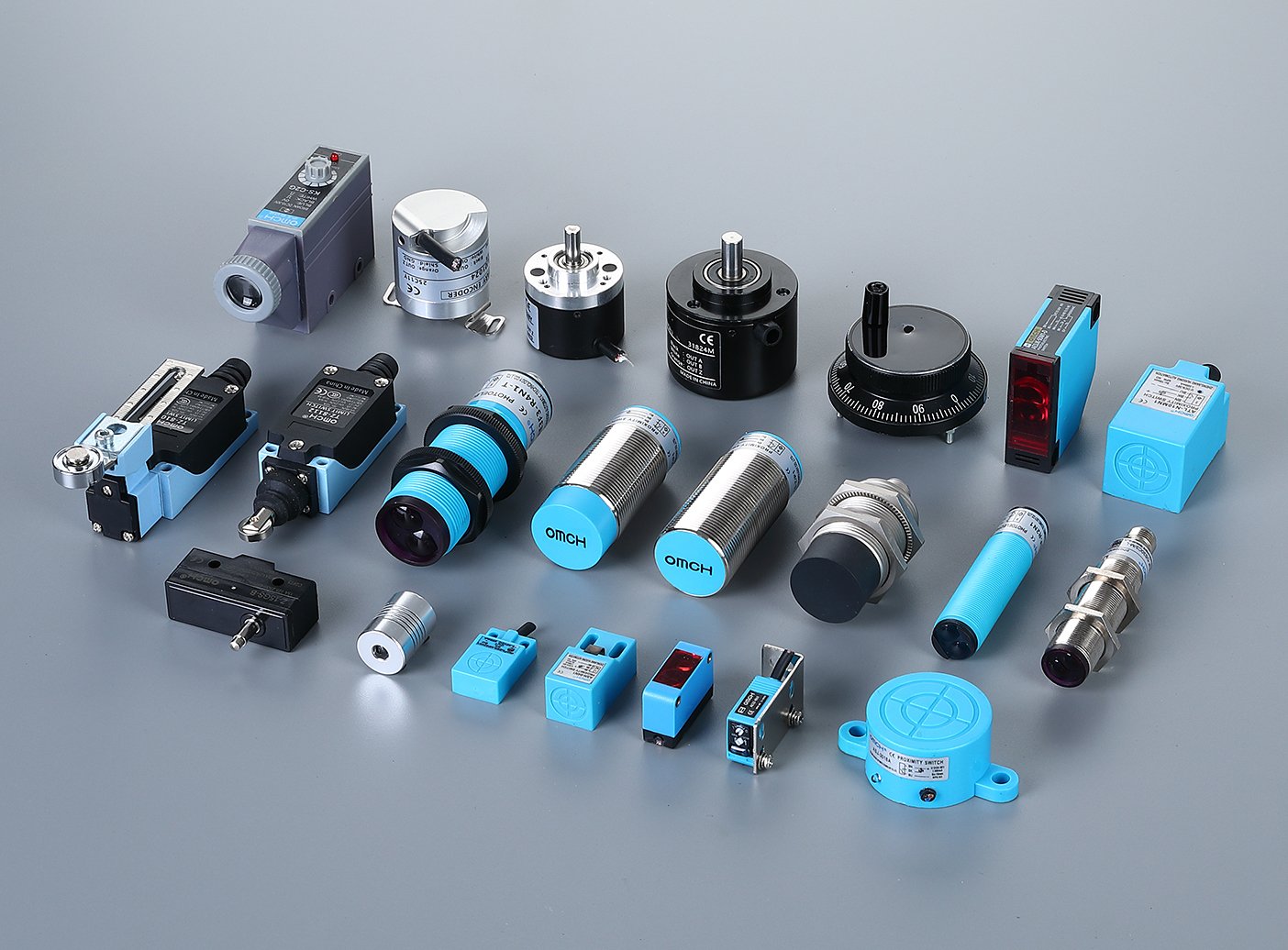
- Sensors: The Photoelectric Sensor detects the package arrival; the Proximity Sensor confirms the robotic arm is in the correct position.
- Feedback: “Object detected. Task complete.” -> This signal travels all the way back up the chain to update the inventory in the ERP.
Why Integration Matters:
A seamless flow from Level 1 to Level 5 is non-negotiable. If the WCS (Level 4) triggers a motor, but the Sensor (Level 5) fails to detect the stop point due to poor quality, the data loop breaks, causing a physical crash or a “ghost” inventory error.
A Strategic Roadmap for Implementing Automation
Rushing into automation can lead to failure. A successful project usually follows these four steps:
Step 1: Assessment and Data Audit
Do not automate just for the sake of it. First, check your data:
- Product Analysis: Are your items standard or weird shapes? How fast do they sell?
- Order Analysis: Do you ship big pallets or single items?
- Identify Pain Points: Is the problem in receiving, storage, or picking?
- Warning: If your current process is messy, automation will just make the mess faster. Fix the process first.
Step 2: Solution Design
Now, choose the right technology.
- Need high density? Choose AS/RS.
- Need flexibility? AMRs are better than conveyors.
- Use Simulation Software. Test your plan in a virtual world before spending money. This prevents many design errors.
Step 3: Pilot Phase
Do not change the whole warehouse at once. Pick one area to test.
- For example, start with 5 AMRs in one picking zone.
- The goal is to test the tech, check the software connections, and let employees get used to working with robots.
Step 4: Full Rollout and Optimization
After the pilot works, deploy the full system. But going live is not the end. Use the data from the system to keep improving the algorithms and efficiency.
The Hidden Backbone: Ensuring System Reliability
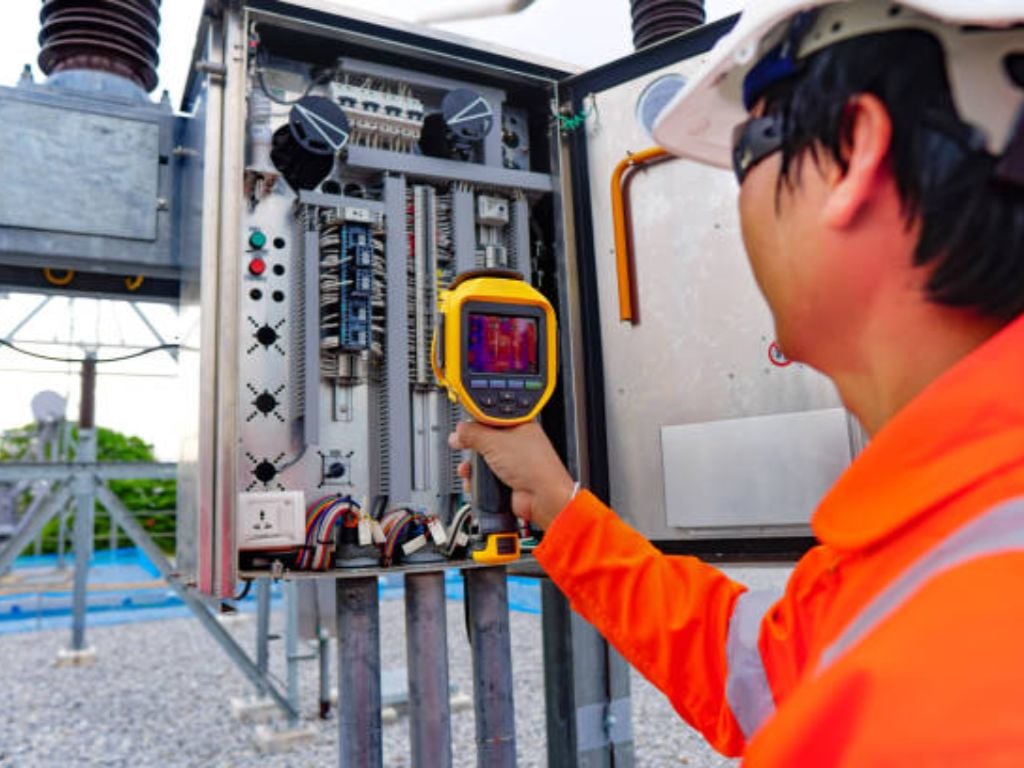
As much as the strategic roadmap is the guiding factor of the big picture, the success of the long-term is pegged on the quality of the smallest details. This is one of the facts that should not be overlooked: A multi-million dollar automation system can come to a halt due to the failure of one sensor that costs 20 dollars.
From Macro Strategy to Micro Details
Speaking about Smart Warehouses, we refer to data screens and robots. We forget the base that makes them run, though, Industrial Automation Components. The warehouse is a harsh environment. It has vibration, electrical noise and long working hours. Ordinary commercial electronics will not survive here.
Thus, it is essential to select a One-Stop High-Quality Component Strategy to ensure that the system is operational.
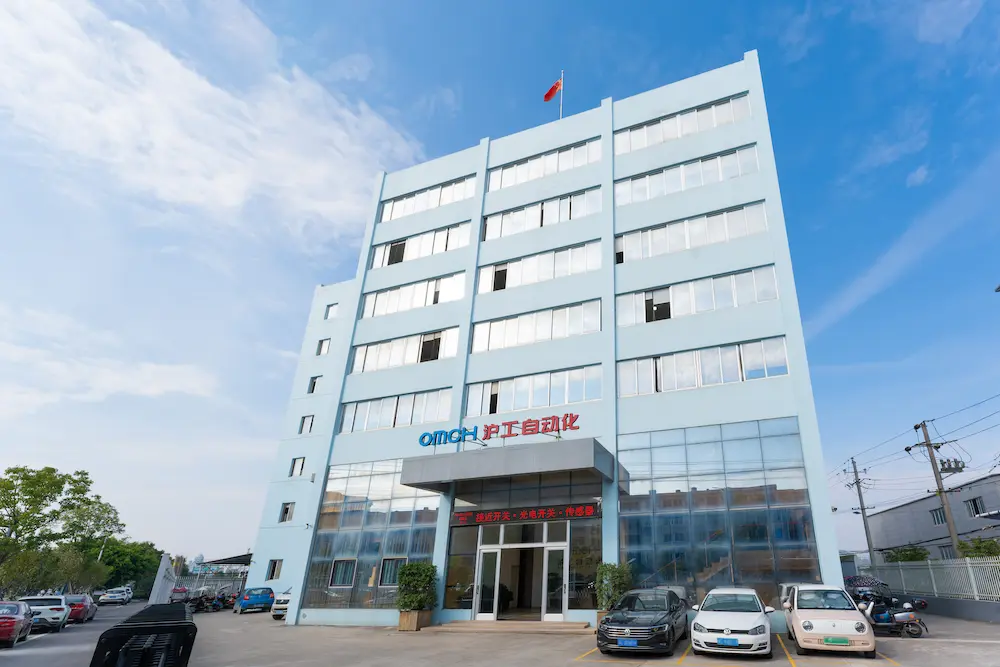
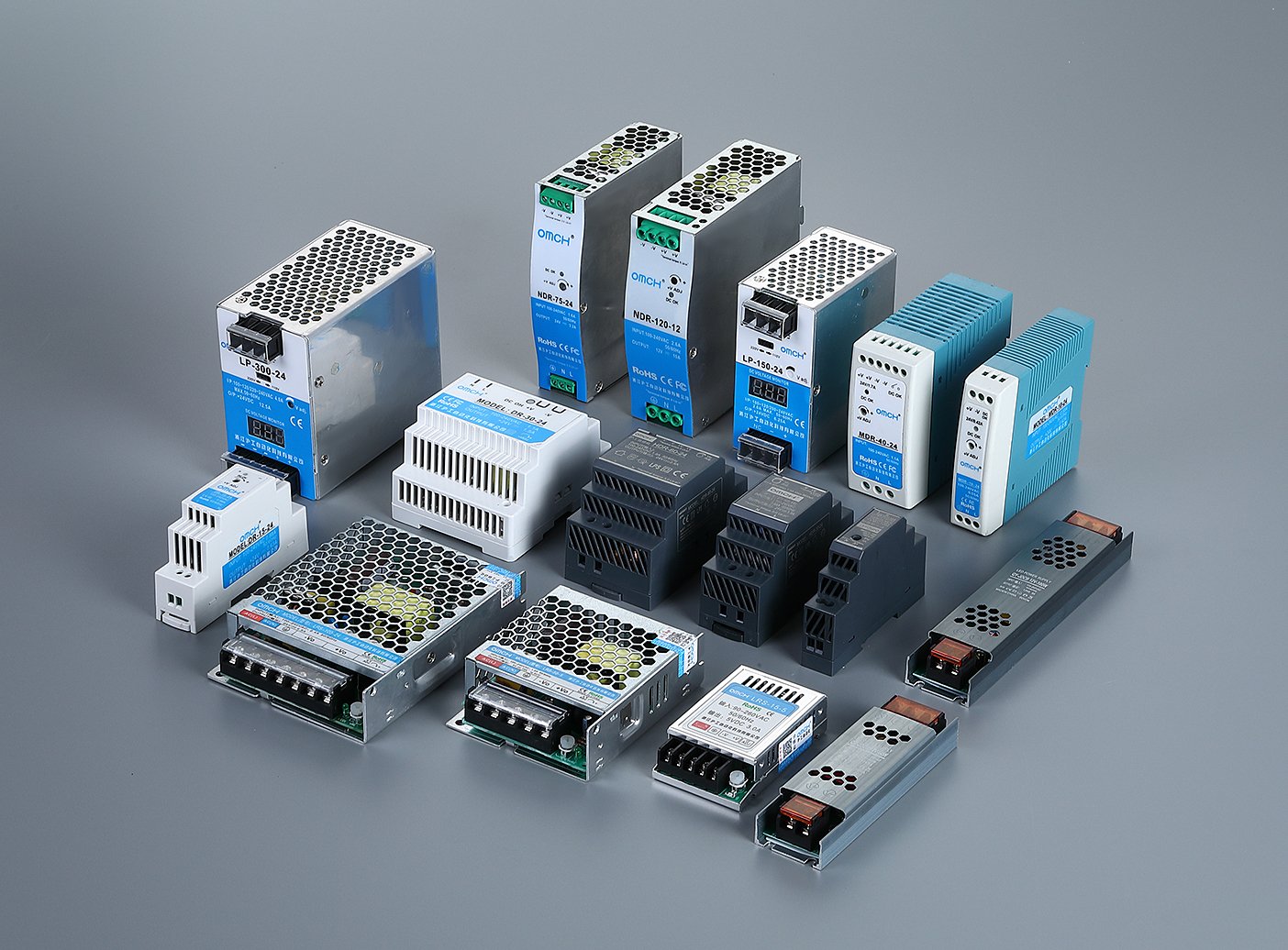
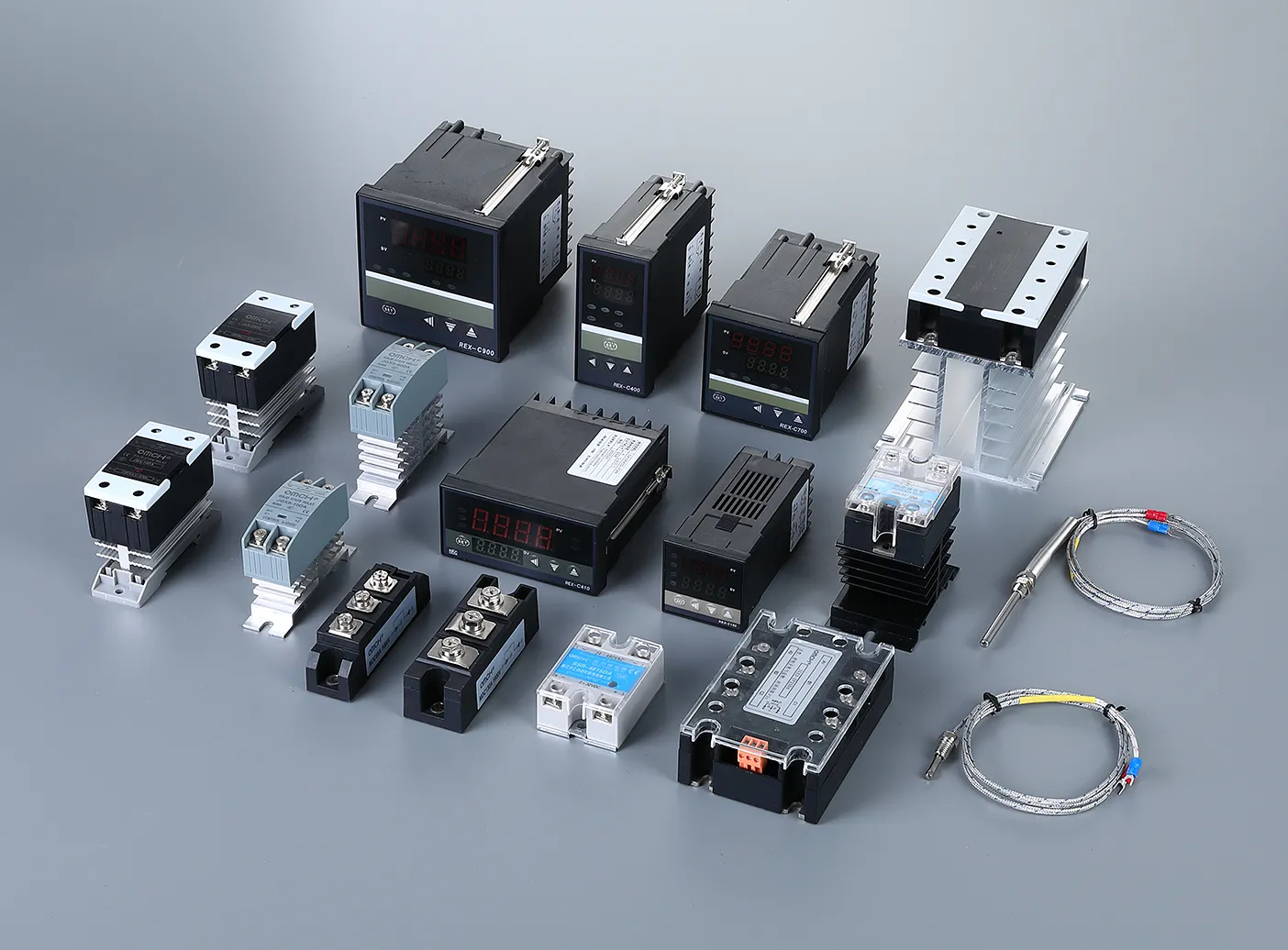
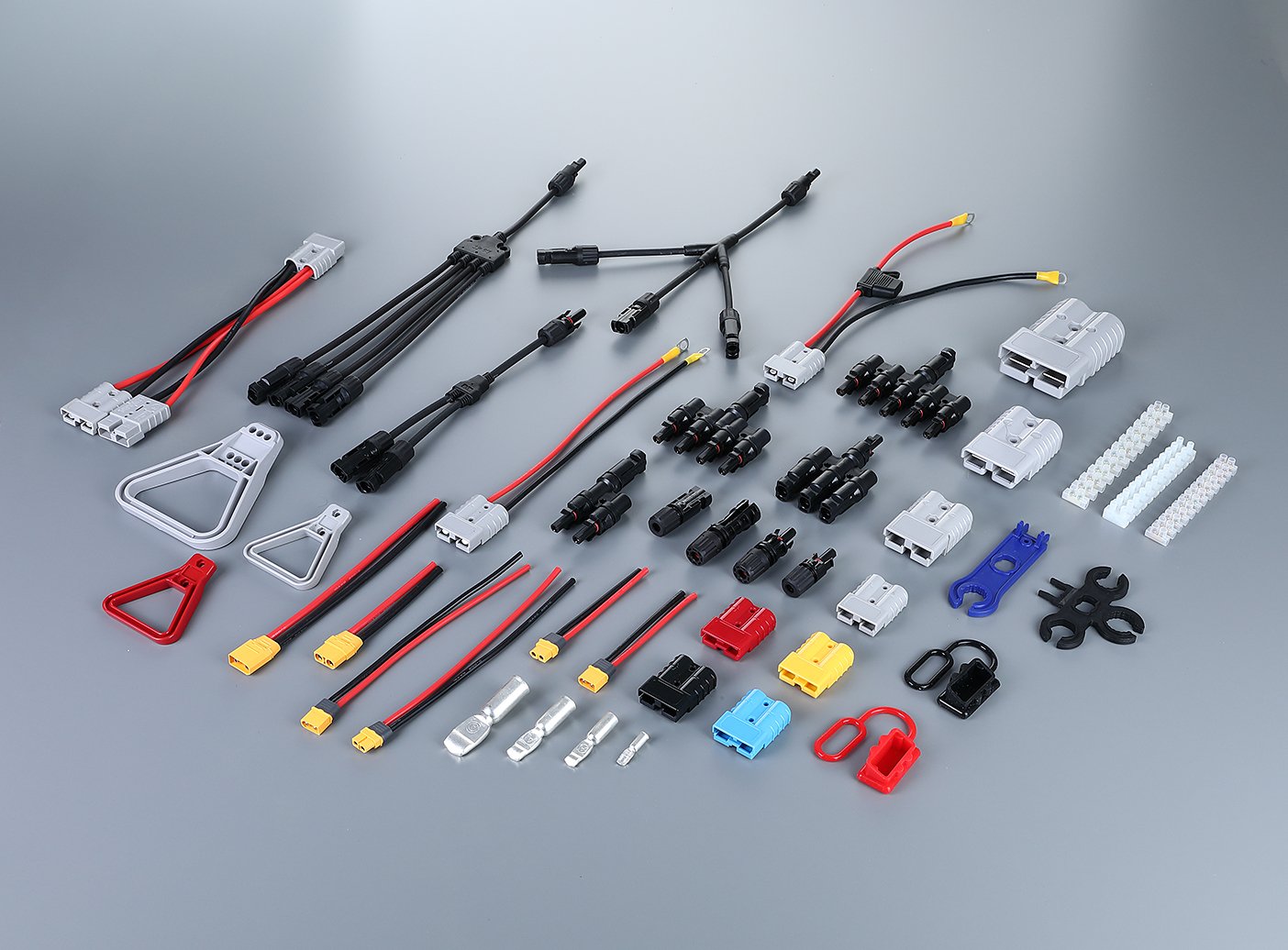
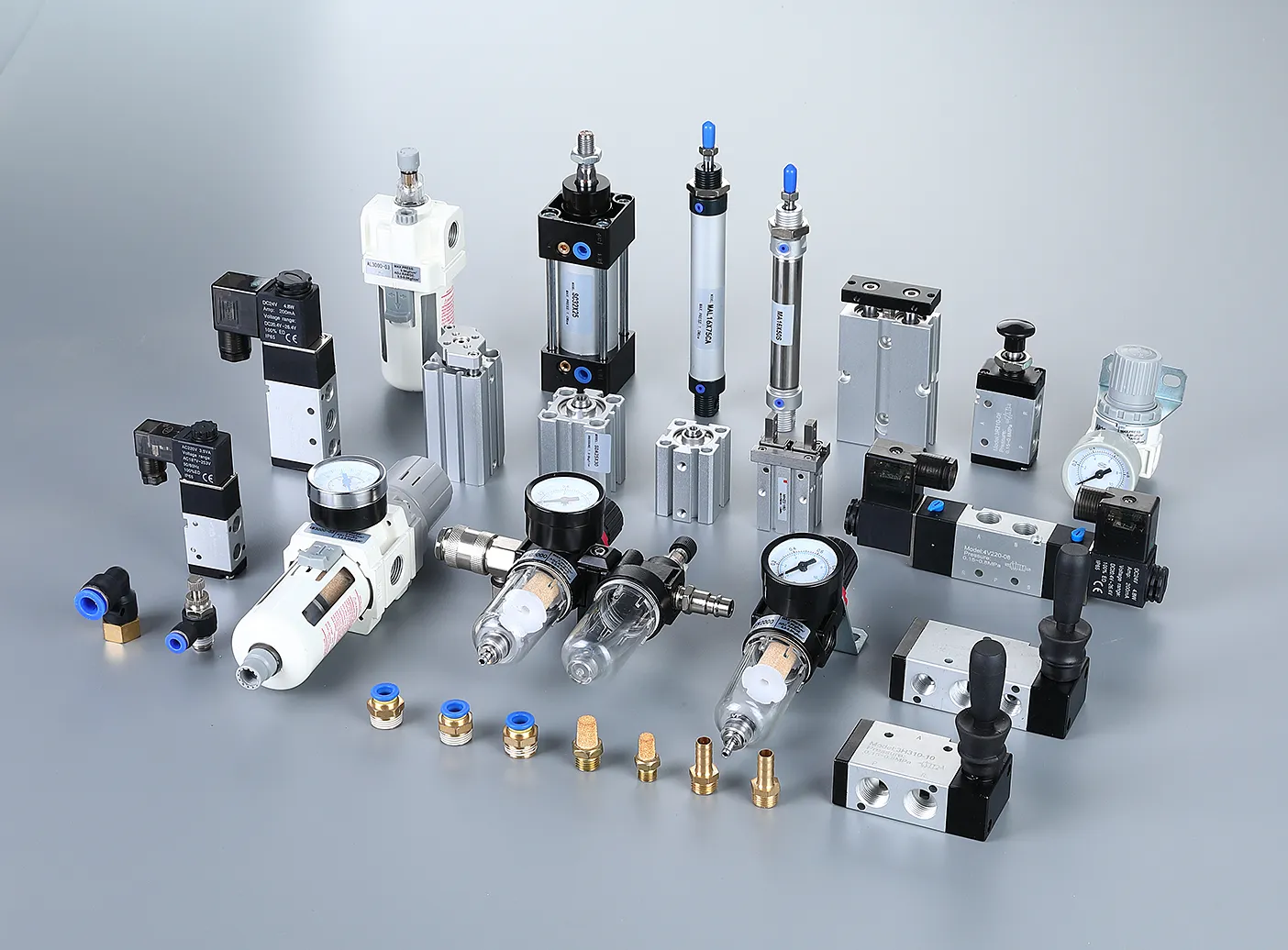
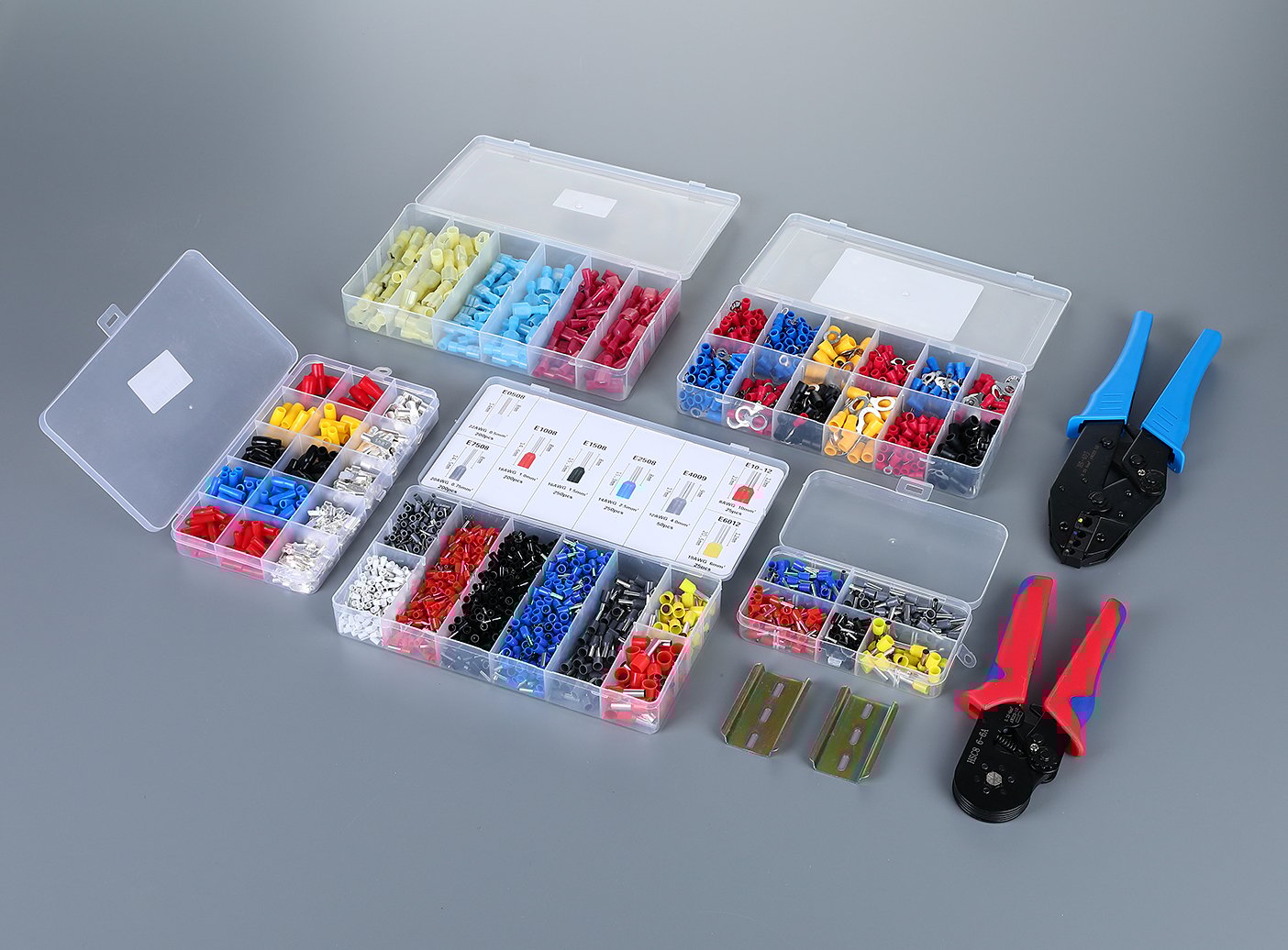
Here is where established manufacturers such as OMCH prove their worth. OMCH was founded in 1986 with an international network of service, which is a great example of reliability. They provide a One-Stop solution with more than 3,000 specifications, including proximity sensors and photoelectric sensors, as well as power supplies.

Rather than purchasing through numerous and varied inexpensive suppliers, by selecting a partner such as OMCH, who possesses international standards such as CE, RoHS, and ISO9001, you can be confident that your machines are well-grounded. This emphasis on quality elements reduces the chances of downtime, and your costly automation system operates effectively throughout the year.
Overcoming Common Pitfalls in Intralogistics Projects
Even with the best hardware and reliable parts, projects can still face problems. Here are three common traps:
Trap 1: The Complexity of “Brownfield” Sites
Adding automation to an old warehouse (Brownfield) is harder than building a new one.
- Bad Floors: Old floors may be uneven, which stops AMRs or breaks sensors.
- Bad Wi-Fi: Metal shelves block signals. If the network is slow, the robots stop. You must check the site carefully first.
Trap 2: Data Silos
Many companies fail to connect their new automation to their old ERP system.
- Result: Robots move fast, but orders arrive slow.
- Solution: Plan the software connections (API) early to make sure information moves as fast as the physical goods.
Trap 3: Ignoring the Human Factor
This is a big risk. If workers think robots will take their jobs, they might fight against the change.
- Solution: Manage the change well. Explain that automation takes over the “dirty, dull, and dangerous” work. Train workers to operate and maintain the machines.
Future Trends: AI, Flexibility, and Sustainability
Looking toward 2025, internal logistics is moving in three directions:
AI-Driven Predictive Logistics
Artificial Intelligence will not merely see but it will predict. The systems of the future will examine the past, weather, and trends to determine what customers will purchase tomorrow. After that, they will instruct robots to bring those goods to the shipping dock before the order is placed, optimizing order fulfillment.
Extreme Flexibility
Fixed conveyor belts will be less frequent. Innovative solutions like groups of modular robots will be used in future warehouses. Robots can be easily added and removed by companies as the business expands. This will be facilitated by models such as the Robots-as-a-Service (RaaS).
Green Logistics (Sustainability)
Saving energy is becoming a key goal.
- Machines will capture energy (like when a crane lowers a load).
- Algorithms will find the shortest paths for robots to save battery.
- Companies will choose components that use less power and last longer to reduce electronic waste.
Conclusion
The intralogistics automation is a blend of all the simple components up to the sophisticated cloud algorithms and new technologies. You must have a large strategic plan that involves AI and software to succeed in these technological advancements. However, you must also pay attention to the small details by selecting trustworthy partners in the components such as OMCH to establish a solid base. It is only then that businesses can develop a smart logistics system that is efficient, strong and future-ready.


 English
  Arabic
  Turkish
  Russian
  Spanish
  French
  Indonesian
  Portuguese