


With the modern industrial automation and digital transformation, the stability of power supply has become the lifeline of enterprises. In precision semiconductor manufacturing, oil and petrochemical refining, and large-scale food processing, a few milliseconds of power flash (Voltage Sag) can cause downtime on the production line, costly equipment damage, and even severe production accidents.
The article is a profound guide to the global procurement managers, electrical engineers, and plant operators to understand the fundamental technical trends of the industrial-grade UPS (Uninterruptible Power Supply) market in 2026 and examine the top suppliers in the world.
Defining Industrial vs. Commercial UPS Systems
The most frequent error before commencing procurement is the misuse of commercial-grade UPS that is intended to be used in an office setting in a factory. Although both are used to achieve the same basic purpose of protection against power surges and outages, their design philosophies differ completely.
UPS of commercial grade are mainly meant to serve temperature controlled data centers or offices. Their enclosures are largely plastic or thin steel plates, cooling is done by small fans and they are very sensitive to environmental dust, humidity and temperature changes (usually restricted to 0 C – 40 C). Conversely, industrial ups systems are designed to endure the severe edge conditions. Harsh environments are usually accompanied by:
- Extreme Temperatures: Factory floors can exceed 50°C in summer and drop below -10°C in winter.
- High Contamination: The air is often filled with metal dust, corrosive gases, or high-humidity salt spray.
- Grid Pollution: Industrial grids are full of harmonics, surges, and voltage drops caused by the startup of high-power motors.
- Physical Impact: Mining or steel plants involve high-intensity mechanical vibrations.
Industrial UPS utilize heavy-duty steel cabinets, feature higher-grade Electromagnetic Compatibility (EMC), and are usually equipped with isolation transformers to physically isolate the production load from external unstable grid interference.
Essential Reliability Standards for Industrial Power Backups
For B2B procurement, compliance is the first step to mitigating risk. If a UPS manufacturer cannot provide the following international standard certifications, it can hardly be called truly “industrial grade,” regardless of their years of experience.
Core Certification Checklist
- IEC 62040 Series: The international entry permit of UPS. In particular, IEC 62040-3 specifies performance and testing requirements to achieve stability under non-linear loads.
- IP Ratings (Ingress Protection): Commercial UPS are typically IP20 only. Industrial grades should be at least IP31, IP42 or even IP54 depending on the application to ensure that solid foreign objects (conductive dust) and moisture do not get into internal circuits.
- IEEE 519: The standard of harmonic control. The UPS of industries should be low in Total Harmonic Distortion (THDi) to prevent contamination of precision instruments in the factory.
- Seismic Certification: Equipment should be able to withstand seismic vibration tests in earthquake prone areas or chemical plants that have high vibration.
- CE and UL Certification: This is a mandatory safety labeling to enter European and North American markets, which deals with electrical insulation, fire resistance, and explosion safety.
5 Leading Global Industrial UPS Manufacturers
Based on 2026 market feedback, R&D investment, and global service capabilities, the following five manufacturers represent the highest level in the industrial UPS field. Each remains a key player with a significant market share in the evolving energy landscape.
Schneider Electric (APC & Gutor)
- Core Strength: Global Digital Ecosystem.
- Deep Analysis: Schneider has a dual-brand strategy that dominates the market. APC is targeted at light-industrial and edge computing applications, whereas the Gutor brand is the gold standard in heavy industry, tailored to nuclear power plants and deep-sea drilling platforms. Their flagship technology is the EcoStruxure™ platform, which is an AI-based technology that monitors battery chemical health in real-time to predictive maintenance, and is planned to be released in 2026.
- Best For: Large-scale manufacturing, critical infrastructure, and enterprises with high requirements for remote digital management.
Eaton

- Core Strength: Survival Capability in Extreme Environments.
- Deep Analysis: The industrial UPS of Eaton (e.g. 9PHD series) is famous in its ruggedness. They have a good internal coating technology that is resistant to corrosive gases and have high thermal management. Their power quality management software has great algorithmic benefits in managing non-linear load variations.
- Best For: Mines, paper mills, steel processing, and other heavy industrial sites with high dust and harsh conditions.
Vertiv

- Core Strength: High-Efficiency Modular Architecture.
- Deep Analysis: Previously known as Emerson Network Power, Vertiv is a leader in the industrial advantage. Their Liebert series can be hot-swapped to modularity, i.e. factories can increase power capacity by adding modules without interruption to 100kW to 500kW. This pay-as-you-grow model will greatly lower the initial investment.
- Best For: Semiconductor fabs, precision automated assembly lines, and sectors requiring extreme availability (99.9999%).
ABB

- Core Strength: Decentralized Parallel Architecture (DPA).
- Deep Analysis: ABB’s DPA technology ensures that every UPS module has its own independent controller, static bypass, and control panel. This design completely eliminates “single point of failure” risks; even if one module fails entirely, the remaining modules carry the load seamlessly.
- Best For: Public utilities, power plants, and multinational energy transmission systems.
OMCH

- Core Strength: Industrial Automation Full-Link Component Synergy.
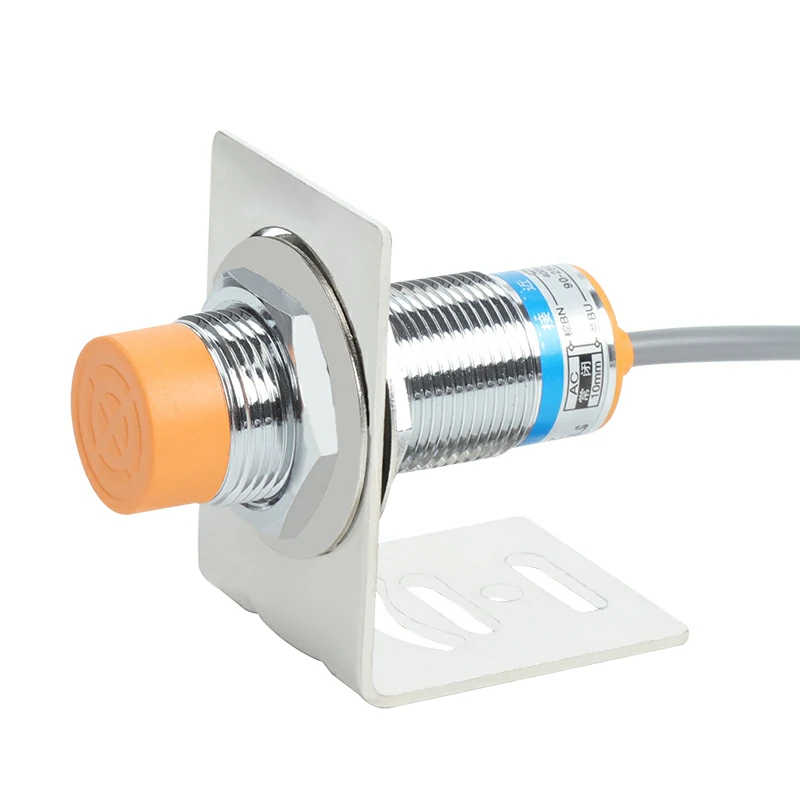
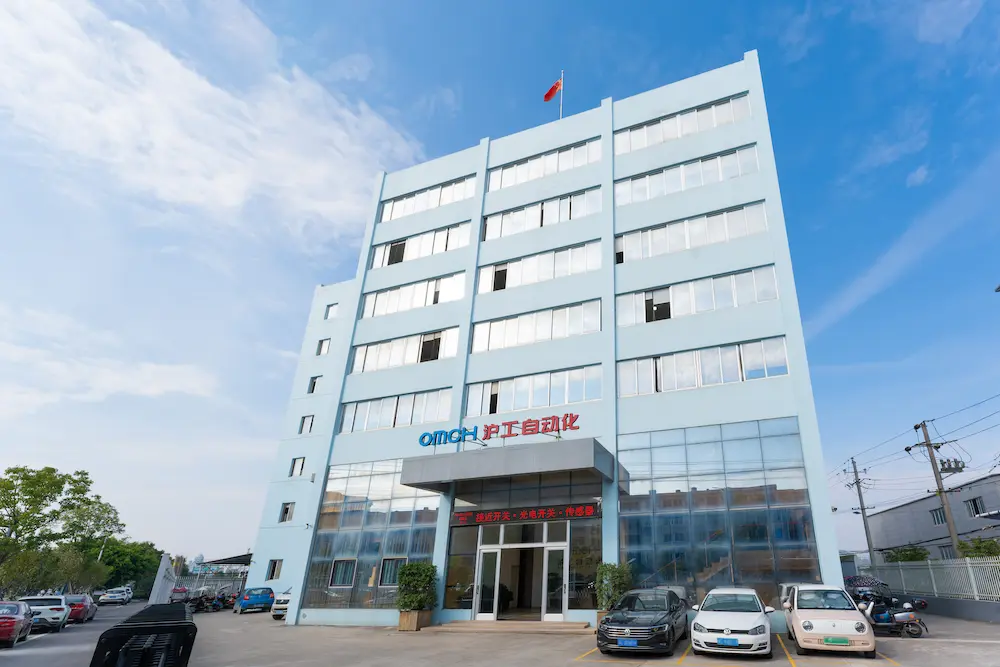
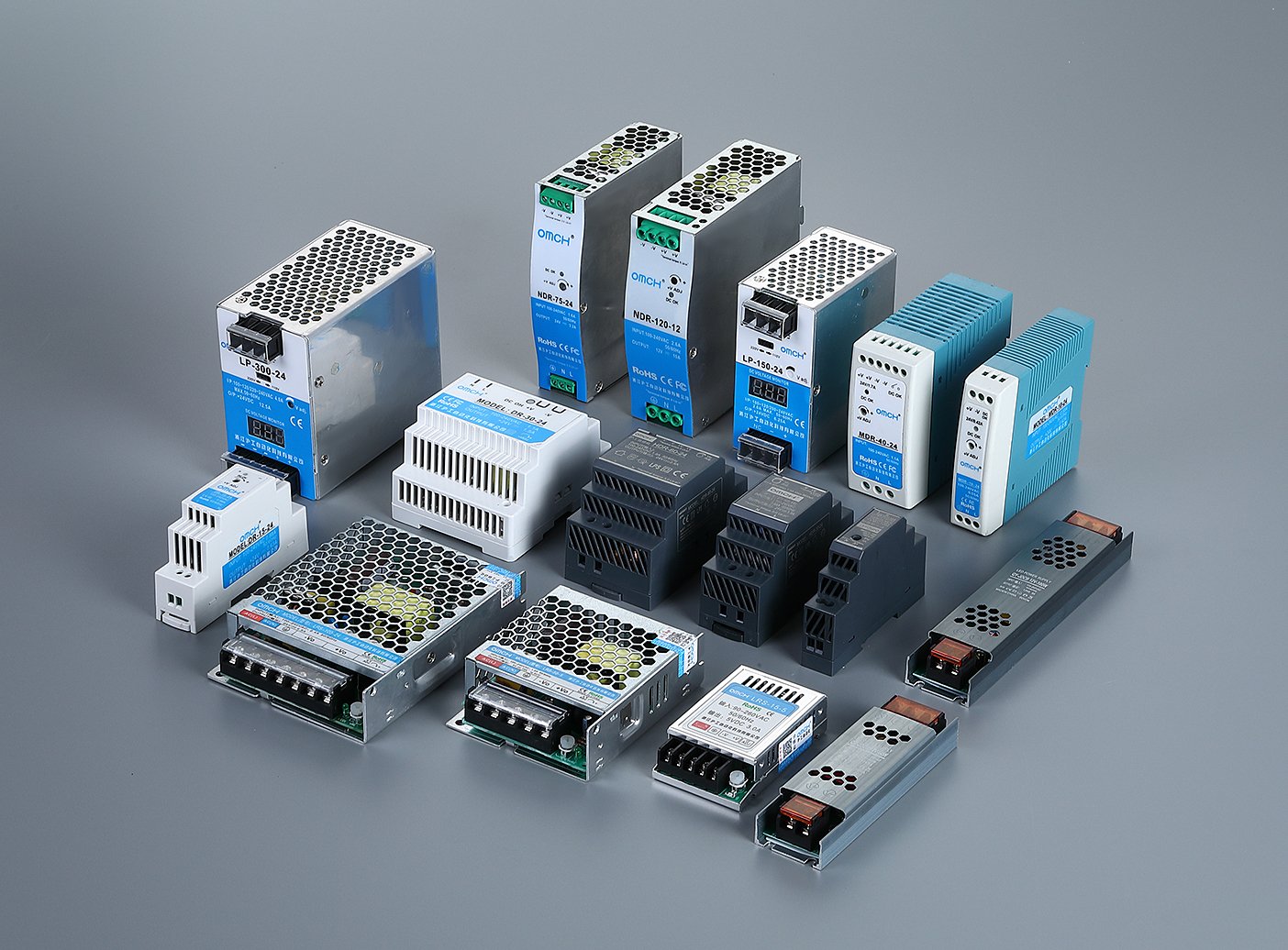
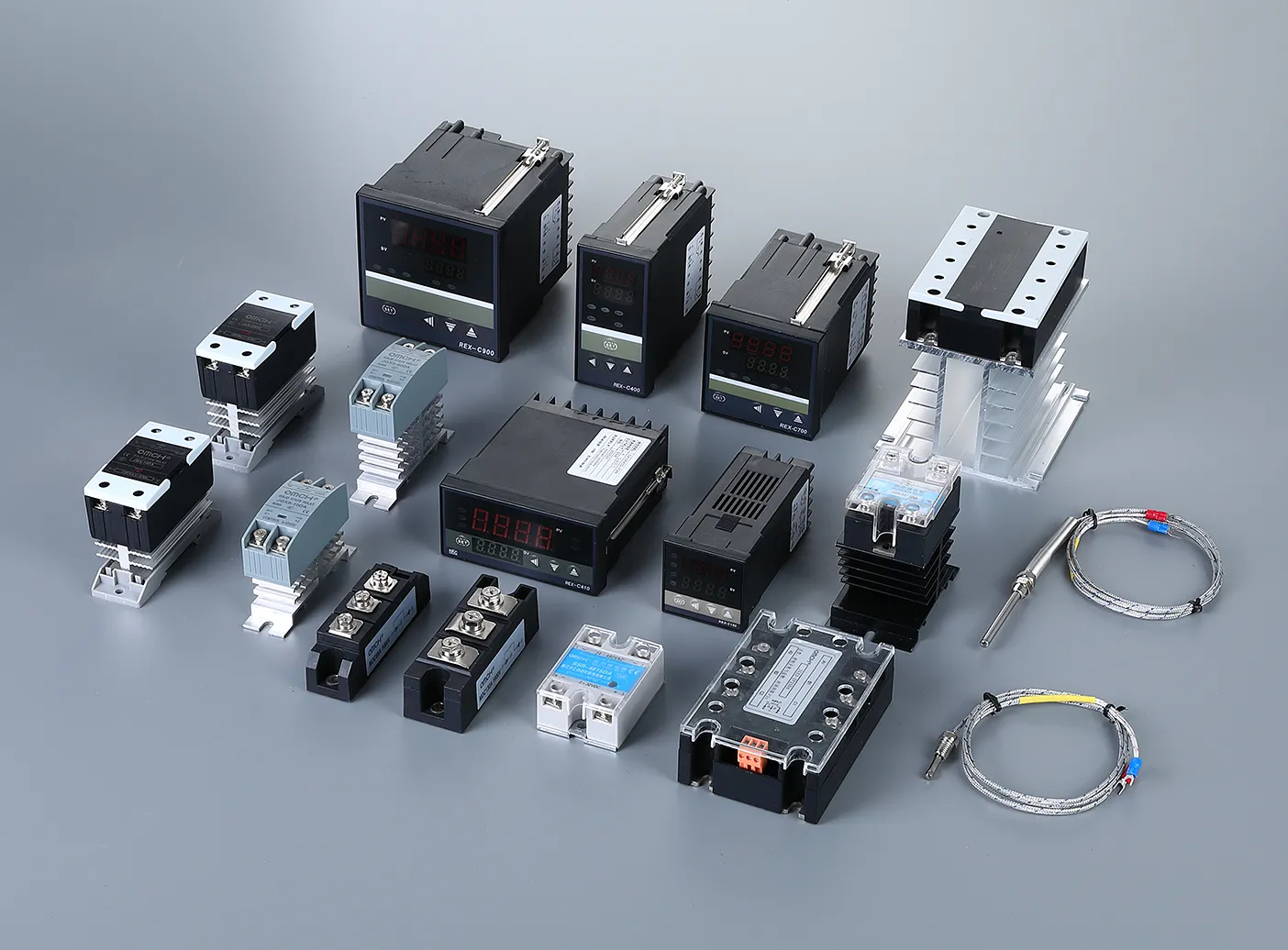
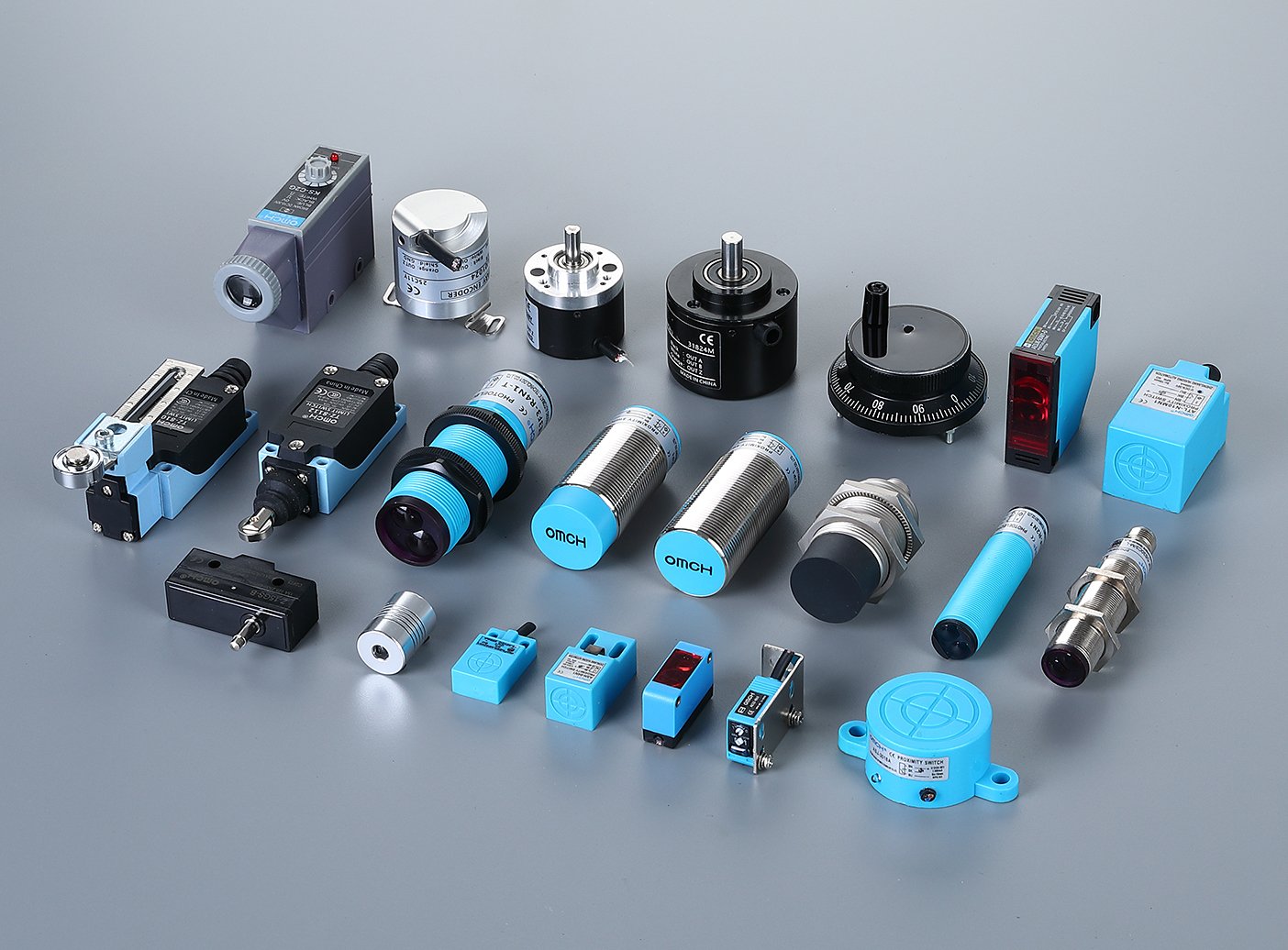
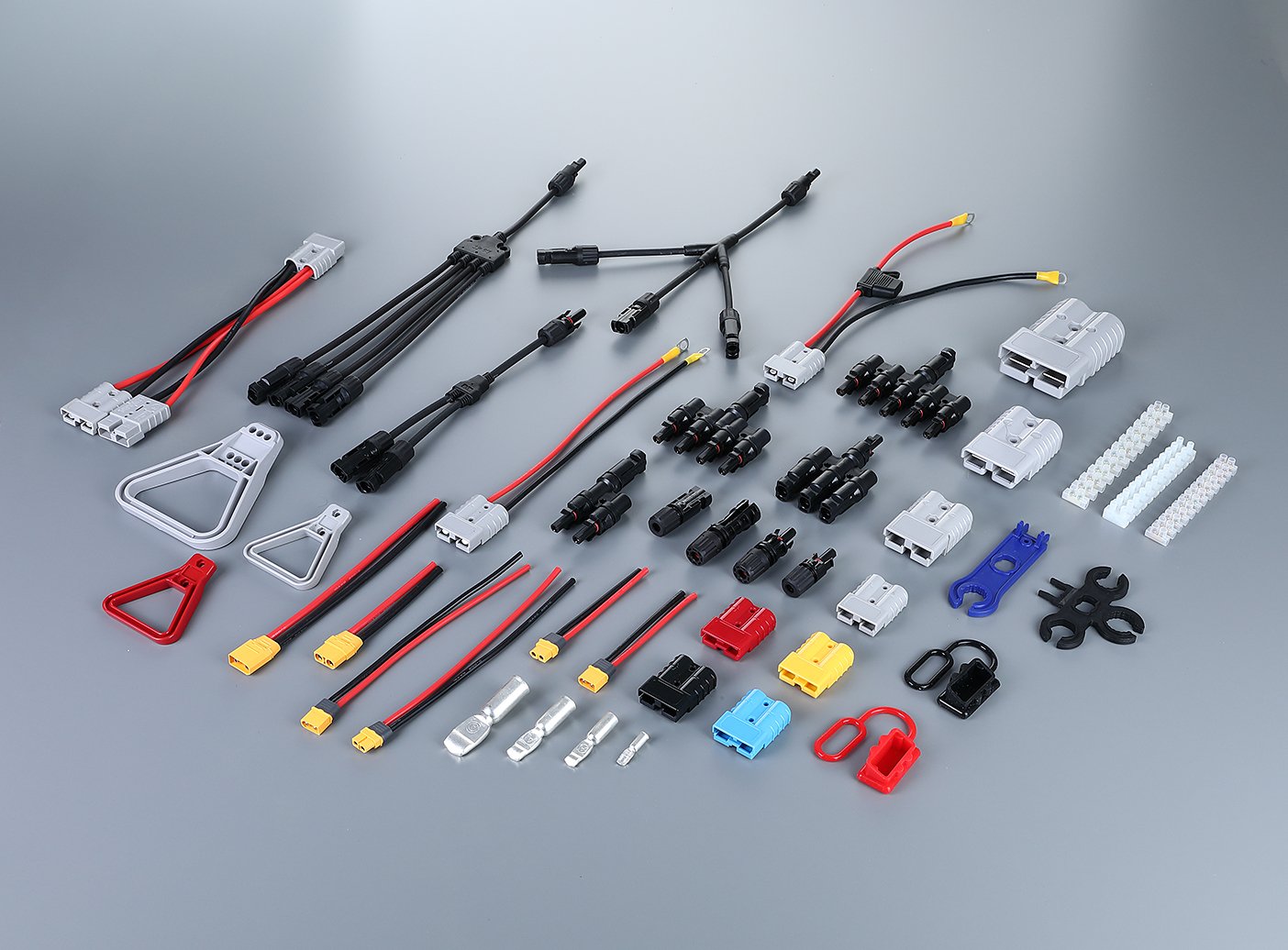
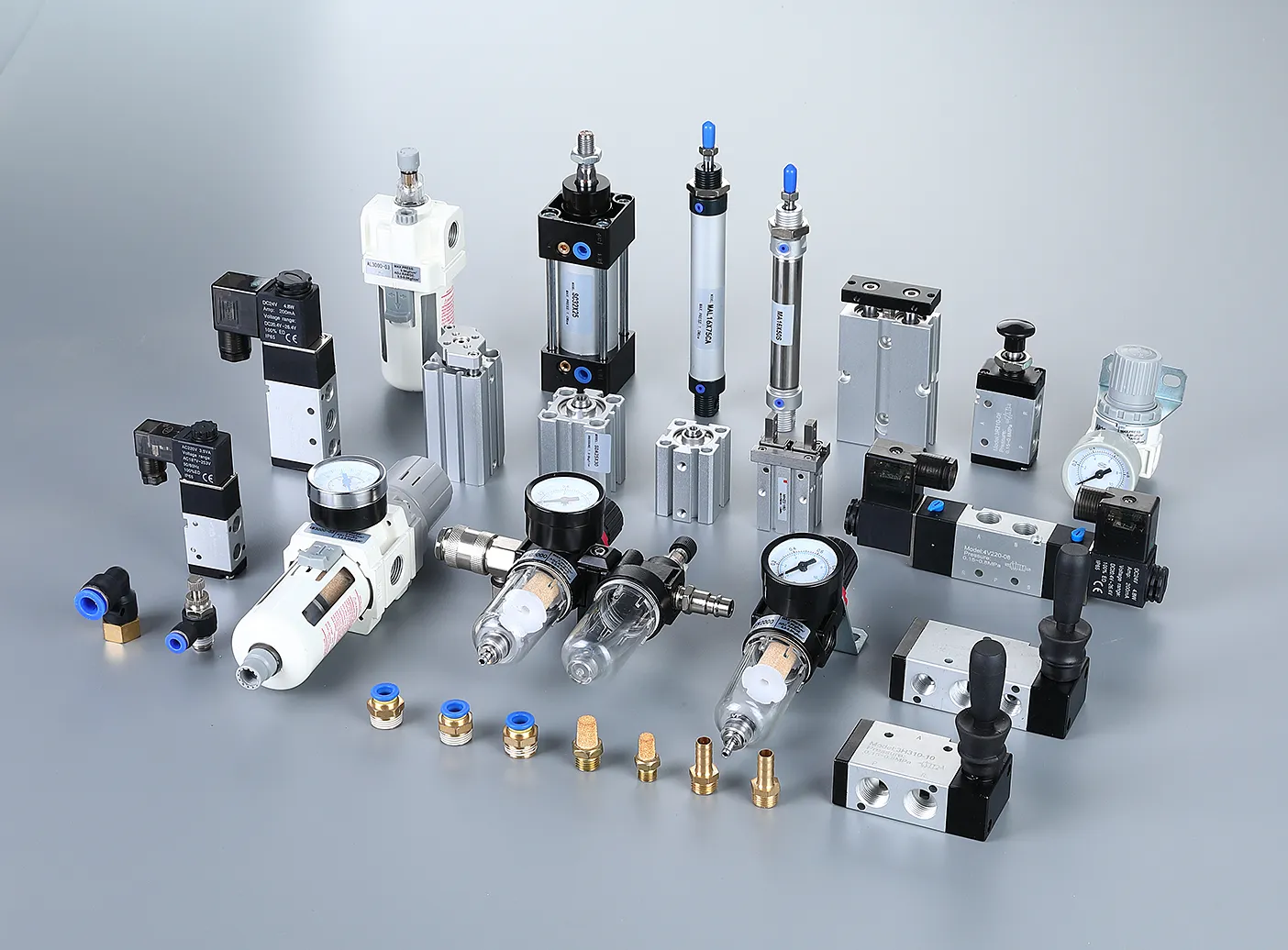
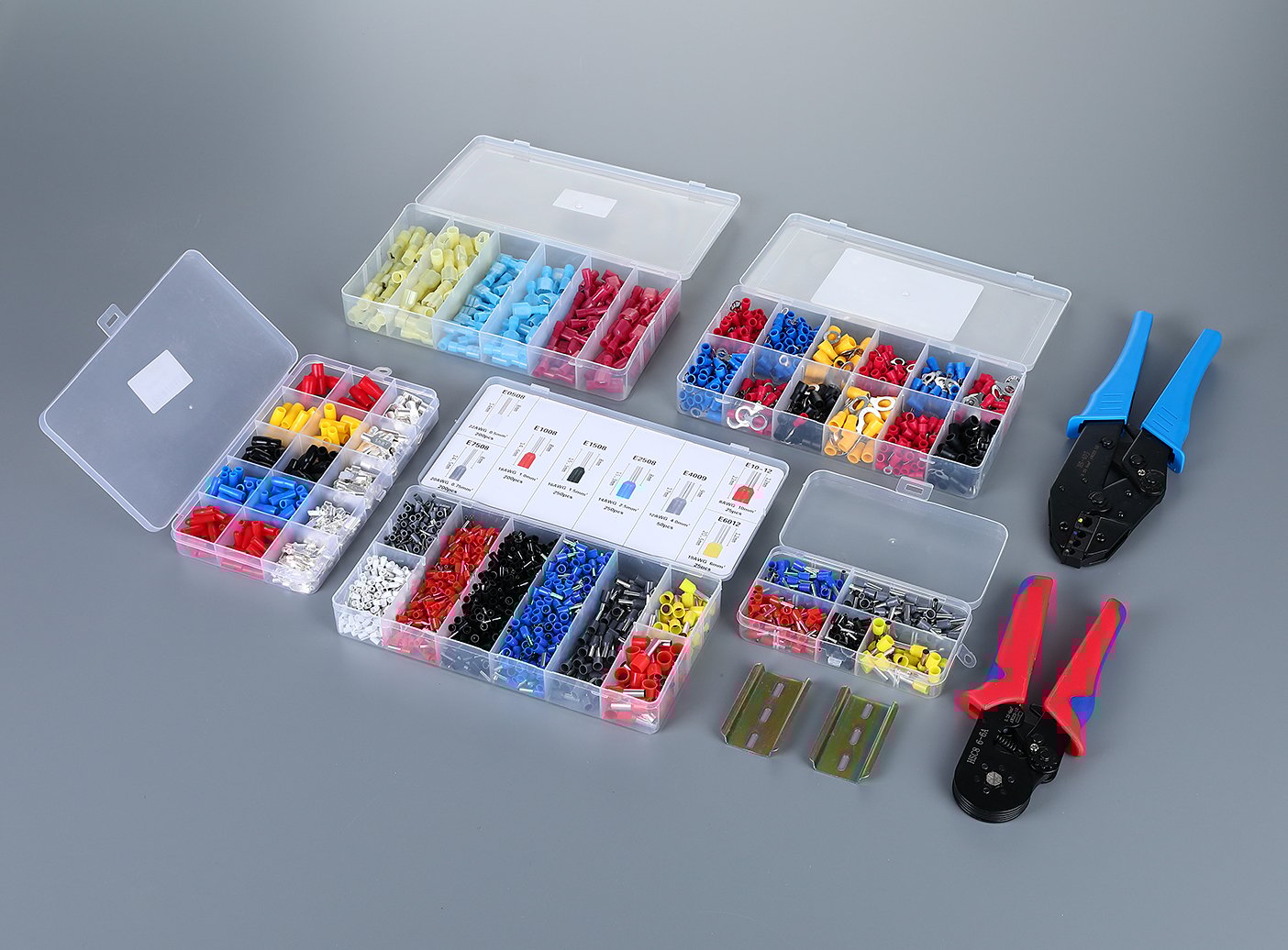
- Deep Analysis: OMCH was founded in 1986 and has a distinct competitive advantage in 2026. In contrast to the conventional pure-play power vendors, OMCH considers UPS as a part of the entire factory automation. They have more than 3,000 specifications in their product line that spans the entire ecosystem, including AC-DC power supplies and sensors, to circuit breakers (ACB/MCB). OMCH UPS are flawless in communication with their own industrial sensors and actuators, and with a delivery network of 100+ countries, they provide high supply efficiency and 24/7 quick response.
- Best For: OEMs, system integrators, and automated workshops seeking high cost-performance and one-stop procurement.
Industrial UPS Manufacturer Core Parameters Comparison
| Manufacturer | Core Tech Tag | Max IP Rating | Recommended Scenario | Service Response |
| Schneider | AI Predictive Maintenance | IP54 | Nuclear, Oil, Large Plants | Extreme (Global) |
| Eaton | Rugged/Seismic Hardware | IP43 | Mining, Metallurgy, Paper | Excellent |
| Vertiv | Flexible Modular Expansion | IP31 | Semiconductor, Auto Lines | Fast |
| ABB | DPA Decentralized Arch | IP42 | Utility, Maritime Platforms | Extreme |
| OMCH | One-Stop Auto Components | IP40+ | OEM, Integrators, Control Cabinets | Extreme (24/7) |
Key Technical Specs for High-Load Environments
When reviewing data sheets, engineers should focus on these three key indicators to find the best ups brands for their specific needs:
3-Phase Systems Balance
Three-phase power of 380 V/400 V/480 V is normally required in industrial UPS. A good system should be able to sustain the output voltage even when the load is unbalanced. When the factory contains numerous single-phase devices that are linked to the three-phase power, the UPS static bypass and inverter switching logic should be smart.
Compatibility with Inductive Loads
Motors, pumps, compressors, and other inductive loads produce enormous back EMF and inrush current when starting. Whereas ordinary commercial UPS may cause an overload protection, industrial UPS should be able to sustain a short-term overload of 150 percent or more and should have a strong inverter buffer.
Digital Communication Protocols
Simple dry contact alarms are no longer adequate in 2026. The current industrial UPS must be able to support Modbus TCP, EtherNet/IP, or Profinet in order to be directly connected to the SCADA system or DCS control center of the factory. Integration with renewable energy sources is also a key technical trend for 2026.
Selecting the Right Capacity for Your Facility
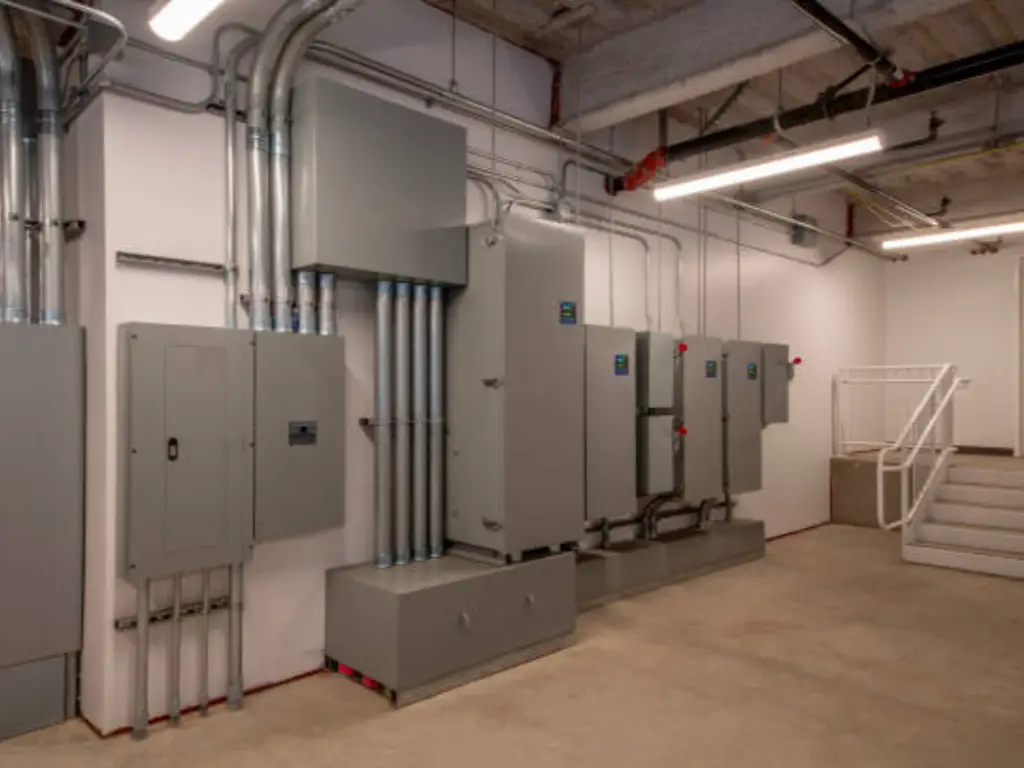
Sizing is not about the most expensive; it’s a balance of capacity, redundancy, and cost. Regional trends, such as those found in china’s ups market research, show that china ups sales are booming in the united states, europe, and china itself.
- Load Auditing: Document the rated power (kW) and apparent power (kVA) of all the connected devices. Based on the Power Factor (PF), systems with PF=1.0 are suggested in 2026 to achieve the highest actual output.
- The 20% Reserve Rule: Never operate a UPS to capacity. The initial load is suggested to be 70-80 percent of the total capacity. This does not only prolong the UPS life, but also addresses the temporary excitation requirement during motor start-up.
- Scalability: In case your factory intends to introduce a production line in less than two years, it is a good idea to select a modular or easily parallelable system such as the ones offered by Vertiv or OMCH.
Total Cost of Ownership and Maintenance Cycles
The decisions made in B2B procurement are usually made on a 10-year life cycle. According to the ups market growth forecast, the annual growth rate of the industry remains strong due to increasing demand for reliability.
- CAPEX: Includes the host unit, battery cabinets, and installation/commissioning fees.
- OPEX: Focuses on energy efficiency. In 2026, high-frequency double conversion technology efficiency can exceed 96%, while ECO Mode can reach 99%. Even a 1% efficiency difference can save tens of thousands of dollars annually in a 1MW system.
- Battery Selection:
- VRLA Lead-Acid: Low initial cost, but requires replacement every 3-5 years, leading to high maintenance costs.
- Li-ion (Lithium-ion): The mainstream in 2026. The unit price is more expensive but the lifespan is 10-15 years, it occupies less space, and has more cycle counts, which is more advantageous in terms of TCO.
Customization Options for Specific Industry Needs
There are few extreme cases that generic products can fit. Negotiating with suppliers, request the following customization options:
- Special Enclosure Materials: In offshore platforms, are they using 316L stainless steel to avoid salt spray corrosion?
- Redundant Cooling: Does it have redundant fans or liquid cooling interfaces?
- Itegrated Control Cabinets: Does the supplier such as OMCH provide the UPS with related circuit breakers and surge protectors in a pre-assembled control cabinet? This combined design will save more than half of the on-site wiring time.
Conclusion
Selecting an appropriate industrial UPS manufacturer is not merely a purchase of power equipment, but it is a purchase of insurance to your production continuity. The digital management of Schneider to the full-chain advantage of automation of OMCH, each brand has its incomparable value.


 English
  Arabic
  Turkish
  Russian
  Spanish
  French
  Indonesian
  Portuguese