


Today, when you open any industrial automation sector magazine or scroll through LinkedIn, you are presented with a vision of a radically transformed future. Everyone is discussing the potential of Generative AI, Hyperautomation, and the Industrial Metaverse. These are not just buzzwords; they represent a genuine leap forward in how we analyse, optimise, and envision manufacturing. However, for a factory manager or an engineer tasked with keeping a production line running smoothly today, this constant influx of high-level concepts can feel overwhelming. It often generates a feeling of pressure—a sense that unless you are redesigning your whole facility with these advanced digital technologies tomorrow, you are already outdated.
But let’s take a breath.
As a leader in the industrial automation industry rooted in the trenches of low-voltage electrical protection and automation solutions, we advocate for a balanced perspective. We recognize that software is the “brain” of the future factory, capable of unprecedented logic and planning. Yet, we also understand that this digital brain relies entirely on the physical reality of the factory floor. We see the control cabinets, the miles of cabling, and the critical sensors that silently translate digital commands into physical motion.
We believe the real revolution of the coming years is not about choosing between software innovation and hardware reliability, but about integration. It is concerning the way these high-level technologies are finally coming down to earth, altering the way we wire a panel, the way we protect a circuit, and the way we empower a worker. Do not think of these automation trends as a tidal wave that is going to sweep away your existing setup, but rather as new, precision tools that—when supported by robust hardware—will supercharge your capabilities.
Whether you are in pharmaceuticals, medical technology, beverage, or packaging, here is our perspective on the industrial automation trends of 2026. We will look past the hype to explore how software intelligence and hardware reality combine for practical implementation.
Trend 1: Edge AI Demands Smarter, Robust Local Hardware
The debate on artificial intelligence in manufacturing has changed. It is no longer only about huge data centres that analyze global supply chains. The 2026 trend is edge computing—the shift of intelligence out of the distant cloud and onto the machine in the factory floor.
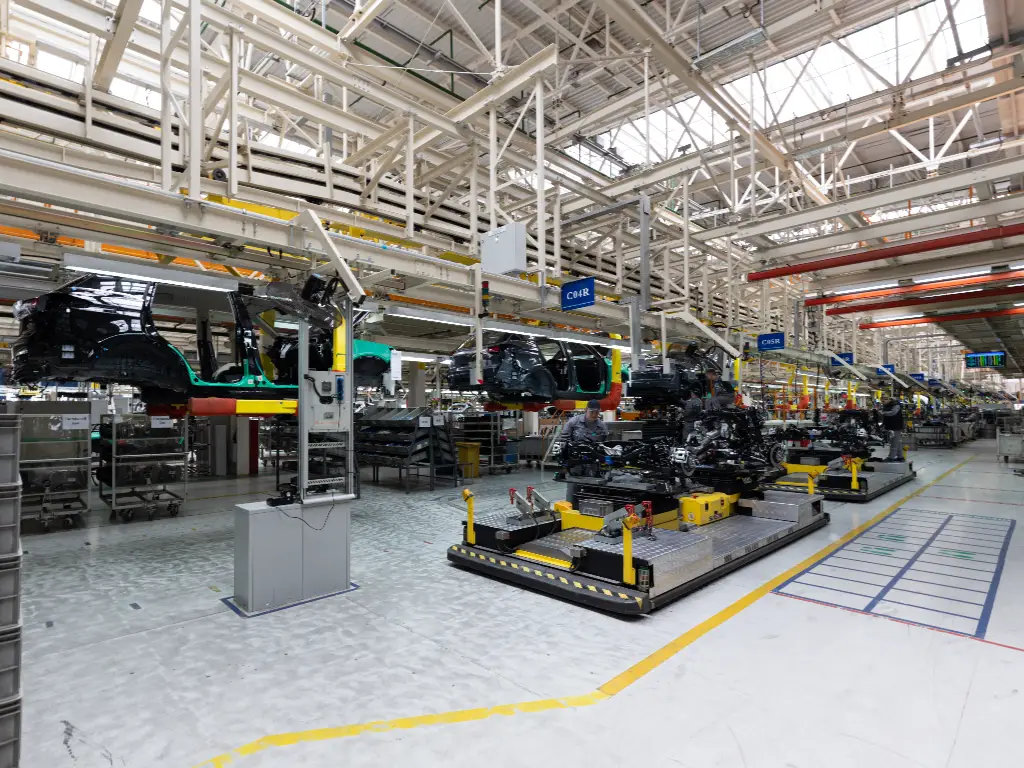
All the talk in the automation industry trends is about algorithms and machine learning. Manufacturers are being informed that AI is capable of predictive analytics, optimizing throughput, and automatically fixing production lines in real time. It is typically concerned with the software capabilities—the brain of the operation.
Although the software is amazing, the intelligence of an AI algorithm is limited to the information it gets. When the physical smart sensors feeding such data are likely to drift due to vibration, or when the connection suffers from latency, the smartest AI in the world is useless. Moreover, the transfer of calculation to the “Edge” implies the location of sensitive processors directly adjacent to vibrating motors and heat-generating drives.
To do this, you do not have to wire the whole factory to the cloud during the night. Rather, begin with single-machine intelligence based on local logic and focus on hardware resilience by choosing components with high IP ratings to safeguard sensitive processors. More importantly, make sure that your fundamental limit switches and high-precision sensors have protocols such as io-link or Modbus; they must be able to send the diagnostic status data needed to feed local models and ensure data visibility. It is important to keep in mind that you cannot create a correct digital twin model of your factory when the physical sensors that form the basis of the data are not accurate.
High-Precision Sensors as the Foundation of Data
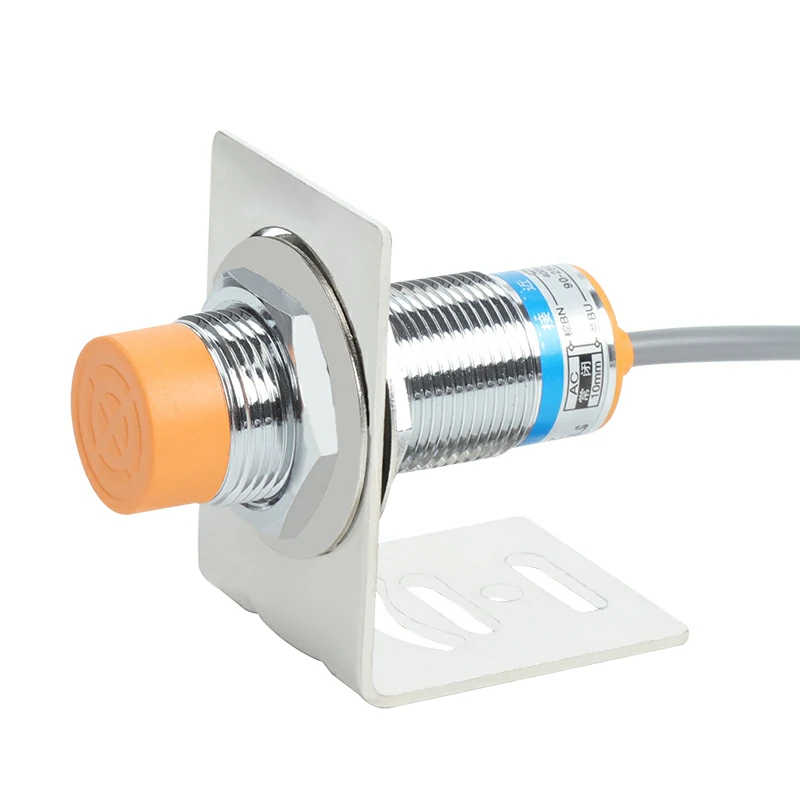
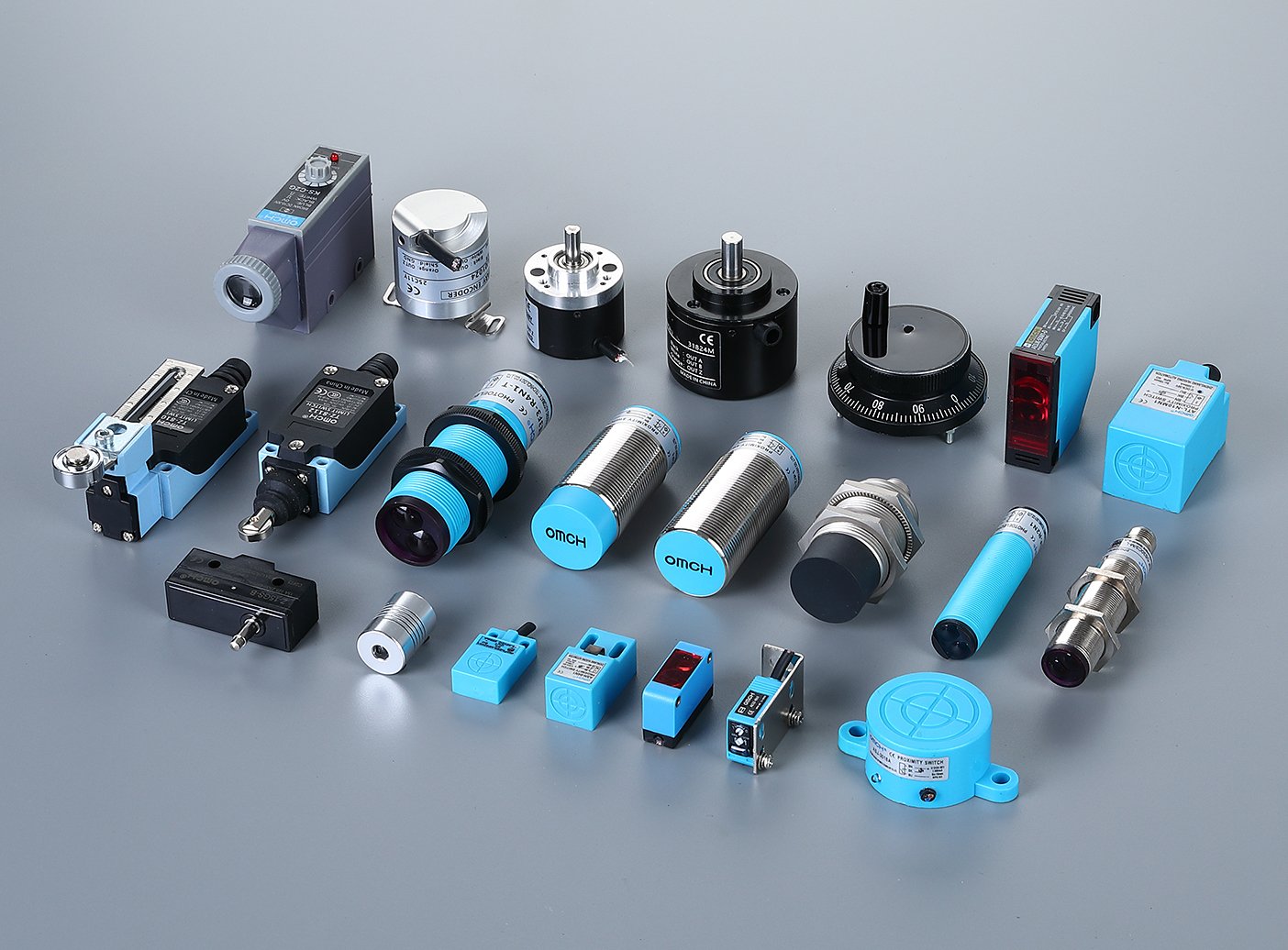
The sensor is not a switch anymore; it is the nerve end of your industrial automation technology. The sensors required in 2026 are those that have extreme repeatability and durability. When a proximity sensor malfunctions because of the ingress of oil mist, your predictive maintenance model fails with it. We are also witnessing the transition to smart sensors, which can self-diagnose, i.e., inform the system that they are dirty or misaligned before they provide false data.
The Shift from Cloud to Localised Control
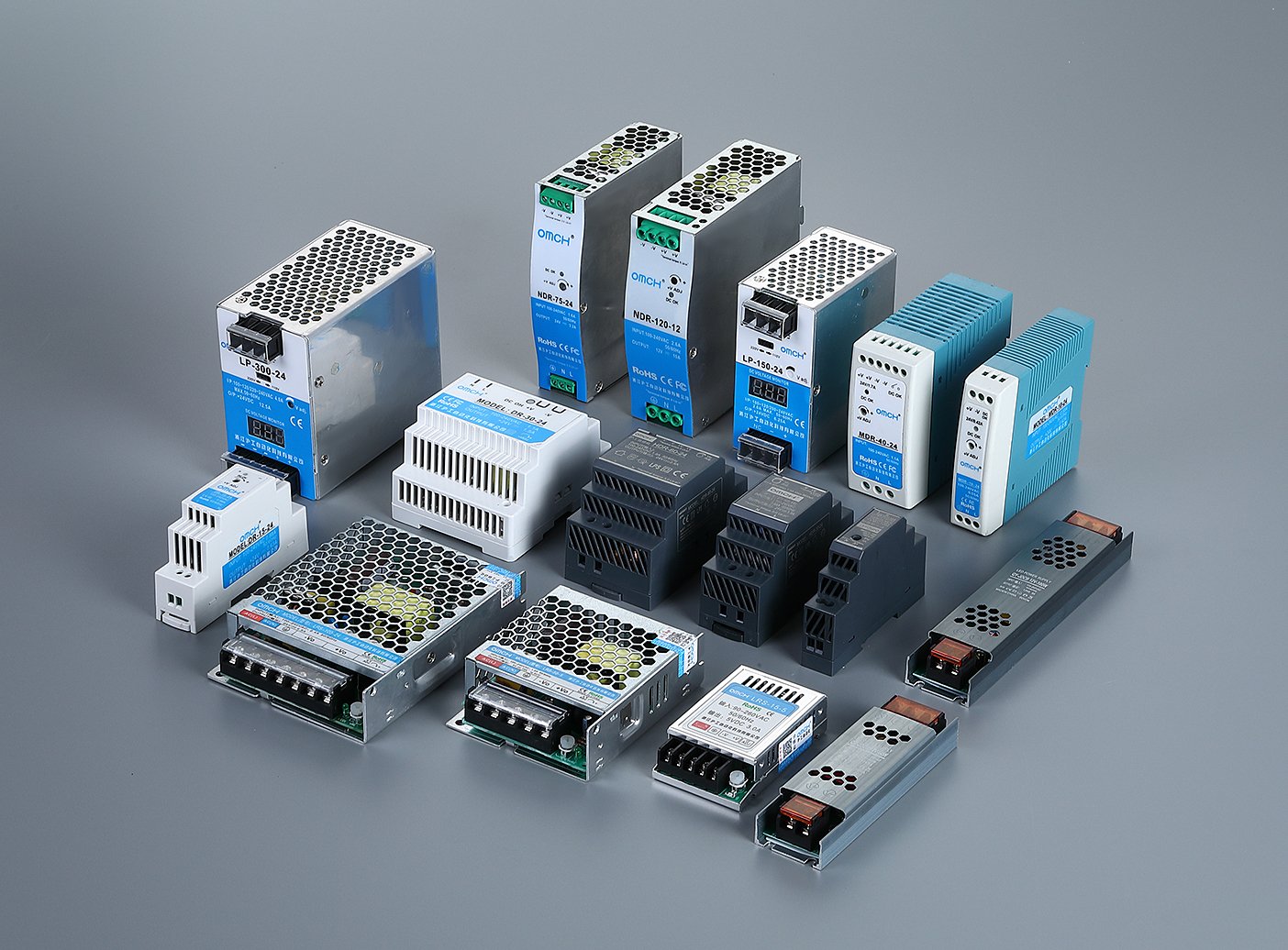
The foe of production speed is latency. It is time-consuming to send data to the cloud and back, in milliseconds, which high-speed packaging or assembly lines do not have. This is necessitating the desire of localized control in the cabinet. This however, presents a hardware problem: how to fit high-performance computing power into a small hot control panel. This trend requires small, low-heat-dissipation parts and DIN-rail-mounted power supplies that are efficient enough to allow the cabinet to be cooled without huge air conditioning units.
Trend 2: IT/OT Convergence Increases Electrical Safety Risks
The Information Technology (IT) department and the Operational Technology (OT) department were two different worlds over the years. Now, they are merging. This forms the foundation of the industrial internet of things (IIOT).
The line between the office network and the factory floor is becoming blurred. We are witnessing Ethernet cables that are being run to machines that were previously isolated. The aim is to have a smooth flow of data—from the ERP system in the office to the PLC on the floor—creating a fully connected factory.
The connectivity is a two-sided sword. Linking delicate microprocessors to the industrial power supply is like bringing a fine guest in a silk suit to a muddy construction site they will be injured unless they are properly shielded.
IT equipment requires clean and stable power. OT environments are replete with dirty power—large motor start voltages, are welding noise, grid switching. We observe numerous digital transformation projects fail not due to code errors, but due to power-quality issues that burn the fragile gateway that links the machine to the network.
To safely navigate the IIoT landscape, you must fundamentally re-evaluate your electrical architecture; never treat an IoT-enabled cabinet the same as a traditional relay panel. The most effective strategy is to implement advanced surge protection strategies.
Vulnerability of Connected Devices to Power Surges
The smarter the devices you have, the more HMIs, IoT gateways, vision systems, etc., the more vulnerable you become. These devices are based on microscopic transistors, which can be ruined by voltage transients which would not even be felt by a standard contactor. The it/ot convergence opens new routes through which the surges may enter the system via a data port and leave via the power supply, resulting in disastrous downtime.
Implementing Advanced Surge Protection Strategies
You must have a defense-in-depth approach. This implies the installation of Type 1 Surge Protecting Devices (SPDs) at the main power entry to deal with high-energy external surges (such as lightning), and Type 2 or Type 3 SPDs at the control cabinet level to deal with particularly sensitive equipment. Being a producer of such protective elements, we do not consider SPDs as an accessory, but as an insurance policy for your digital investment.
| SPD Type | Installation Location | Primary Function | Ideal Protection Target |
| Type 1 | Main Power Distribution / Service Entrance | Handle massive energy from direct lightning strikes. | The entire facility’s electrical infrastructure. |
| Type 2 | Sub-distribution Boards / Control Panels | Clamp residual voltage from switching surges or distant lightning. | PLCs, Drives, Motors, and general automation panels. |
| Type 3 | Near Terminal Equipment (<10m) | Provide fine protection for sensitive electronics. | IoT Gateways, Sensors, HMIs, and precision instruments. |
Trend 3: Human-Centric Automation and Enhanced Safety
The story is becoming industry 5.0 (collaboration) rather than Industry 4.0 (automation). It is not about substituting people anymore; it is about assisting human workers to work more effectively and safely.
Collaborative robots (or cobots) are becoming a norm, replacing traditional industrial robots in shared spaces. While we also see a rise in autonomous mobile robots (amrs) for logistics, cobots are meant to operate with humans without safety cages and perform repetitive duties so that the workforce can concentrate on solving complex problems.
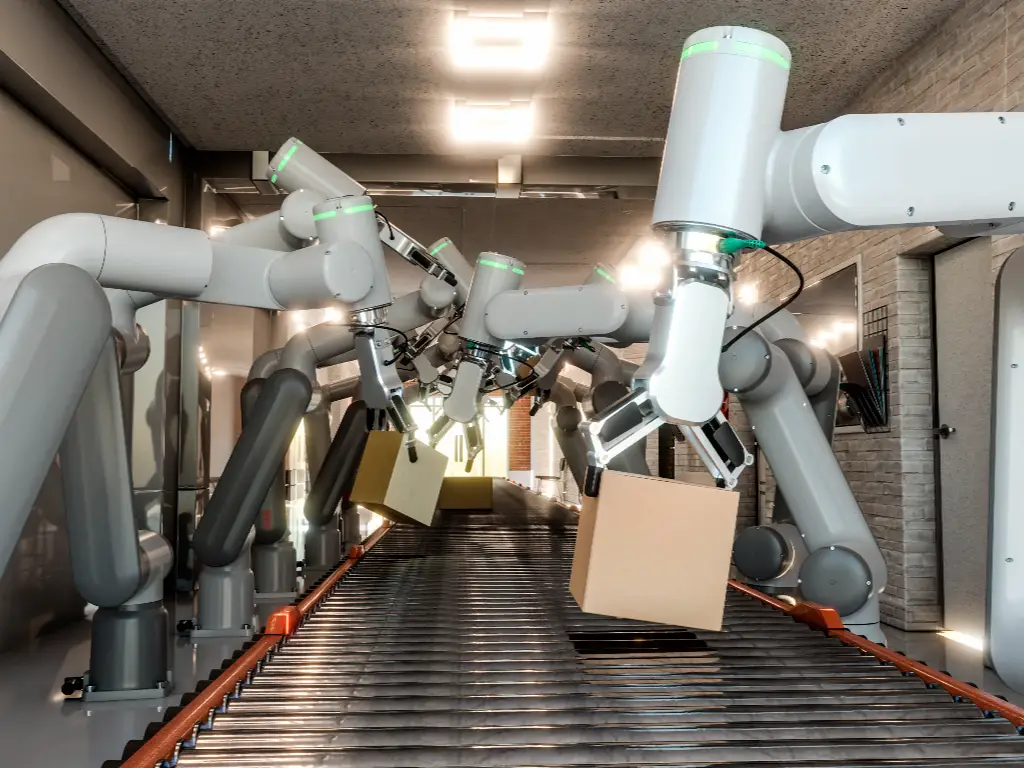
The more complex the robotics systems are, the greater the cognitive load on the operator. We discover that bottlenecks in efficiency are common due to overly complex HMI (Human-Machine Interface), or too strict safety protocols, which make operators circumvent them in order to complete the production processes. Real Human-Centric automation implies that the hardware should be user-friendly.
The trick to this trend is to cease using touchscreens only and reintroduce physical high-quality buttons (pilot devices) to perform important functions such as Start, Stop, and emergency stop. These give the immediate physical response that the brain desires during stressful situations. Moreover, modernize to dynamic safety systems such as intelligent light curtains that enable the machine to reduce its speed to a safe level instead of halting altogether when a human being is near the machinery, preserving the workflows and keeping your people safe.
Trend 4: Standardization for Supply Chain Resilience
This is possibly the most practical trend in 2026, which is the result of the bitter experience of the recent global upheavals. It is the shift from Special to Standard to protect supply chains.
The new norm is supply chain uncertainty and shortages. Manufacturers and integrators are horrified by single points of failure, the unique, custom-made components, which, when they fail, take six months to be replaced by a boutique supplier.
Resilience does not imply that you must make a decision between standard components that are boring and costly custom components. The strongest supply chains are based on the partners who are able to do both: to supply the international standard components to meet the volume requirements and to respond quickly to the unique challenges.
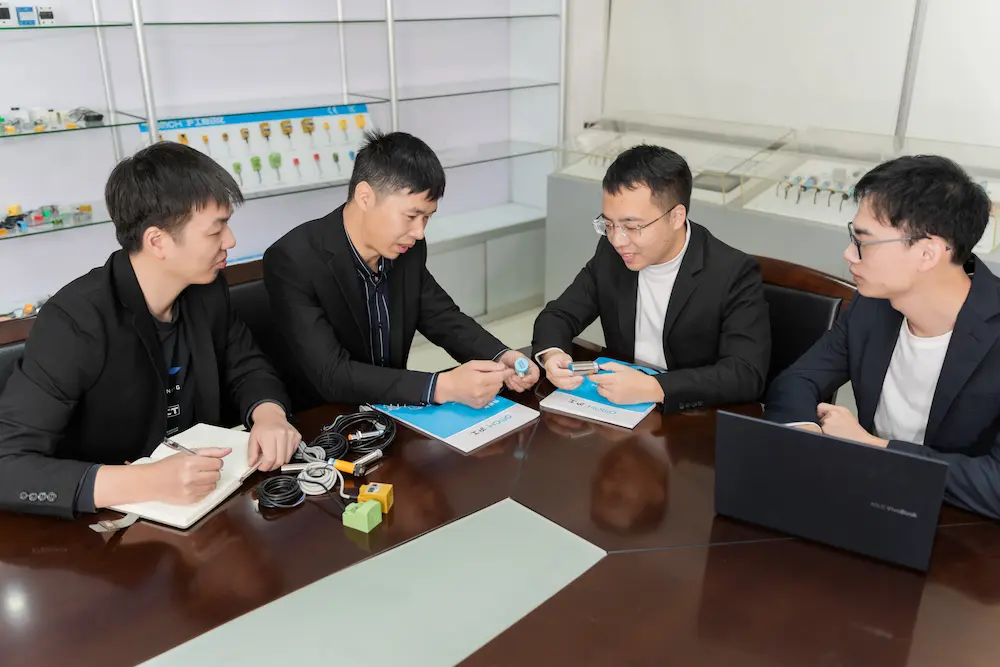
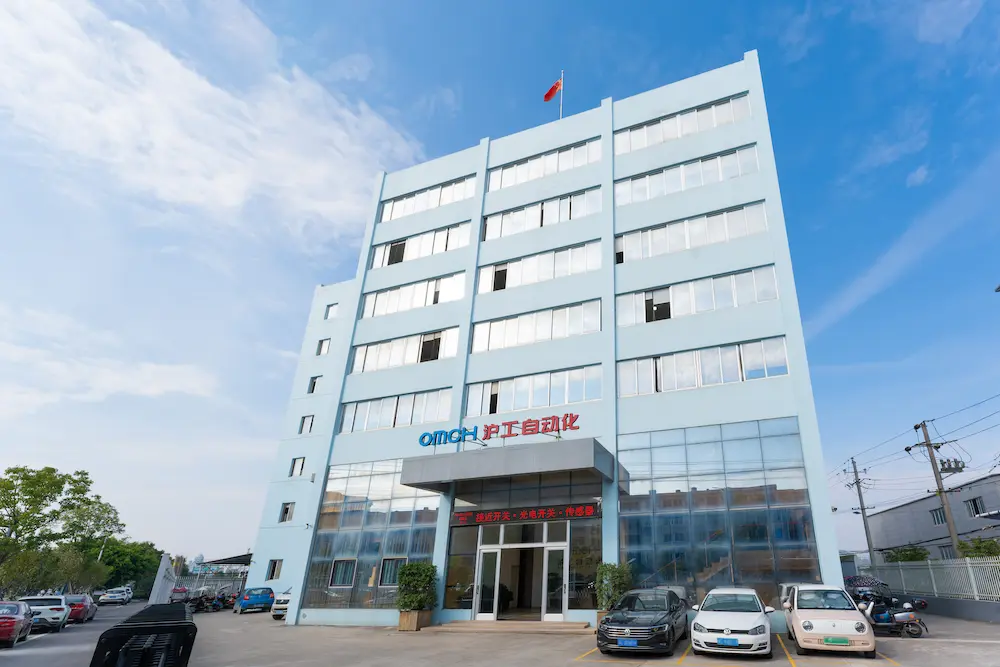
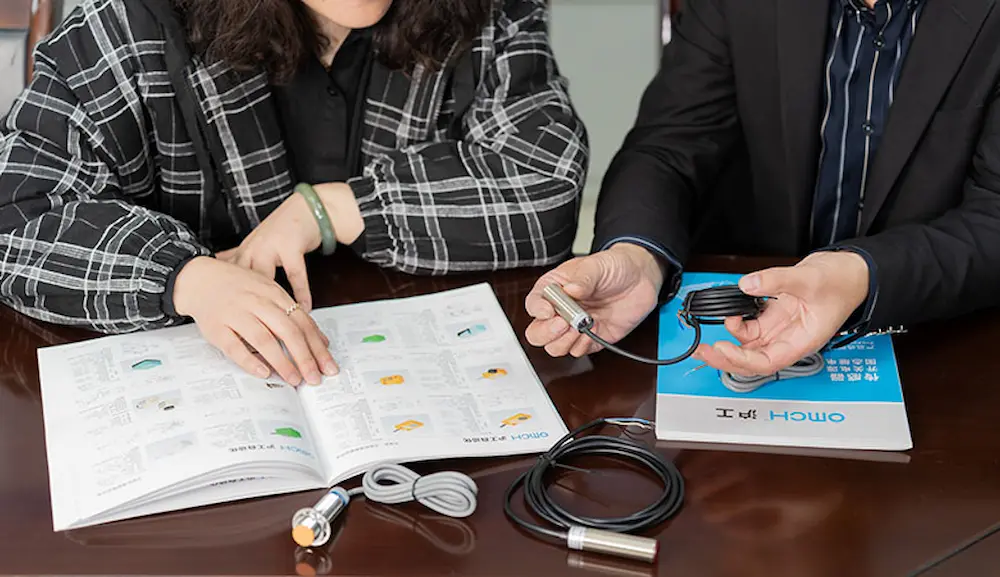
This is where OMCH delivers the best of both worlds. With 38 years of manufacturing experience and an annual output of 20 million units, we provide the supply chain stability you need. We offer a vast portfolio of 3,000+ SKUs that strictly adhere to IEC international standards for easy integration. Yet, we don’t force a one-size-fits-all approach. For unique challenges, our engineering team delivers rapid OEM/ODM customization. Whether you need a standard proximity switch or a custom power supply designed for a specific application, our flexible manufacturing ensures you get the right component, right when you need it.
| Sourcing Strategy | Pros | Cons | The OMCH Hybrid Advantage |
| Pure Standardization | High availability, lower cost, easy replacement. | May not fit unique machine footprints or specific voltage needs. | Massive Inventory: We stock 3,000+ IEC standard SKUs for same-day shipping. |
| Pure Customization | Perfectly tailored to the application. | High cost, long lead times, “single point of failure” risk. | Agile R&D: We offer OEM/ODM without the “boutique” wait times, backed by scalable manufacturing. |
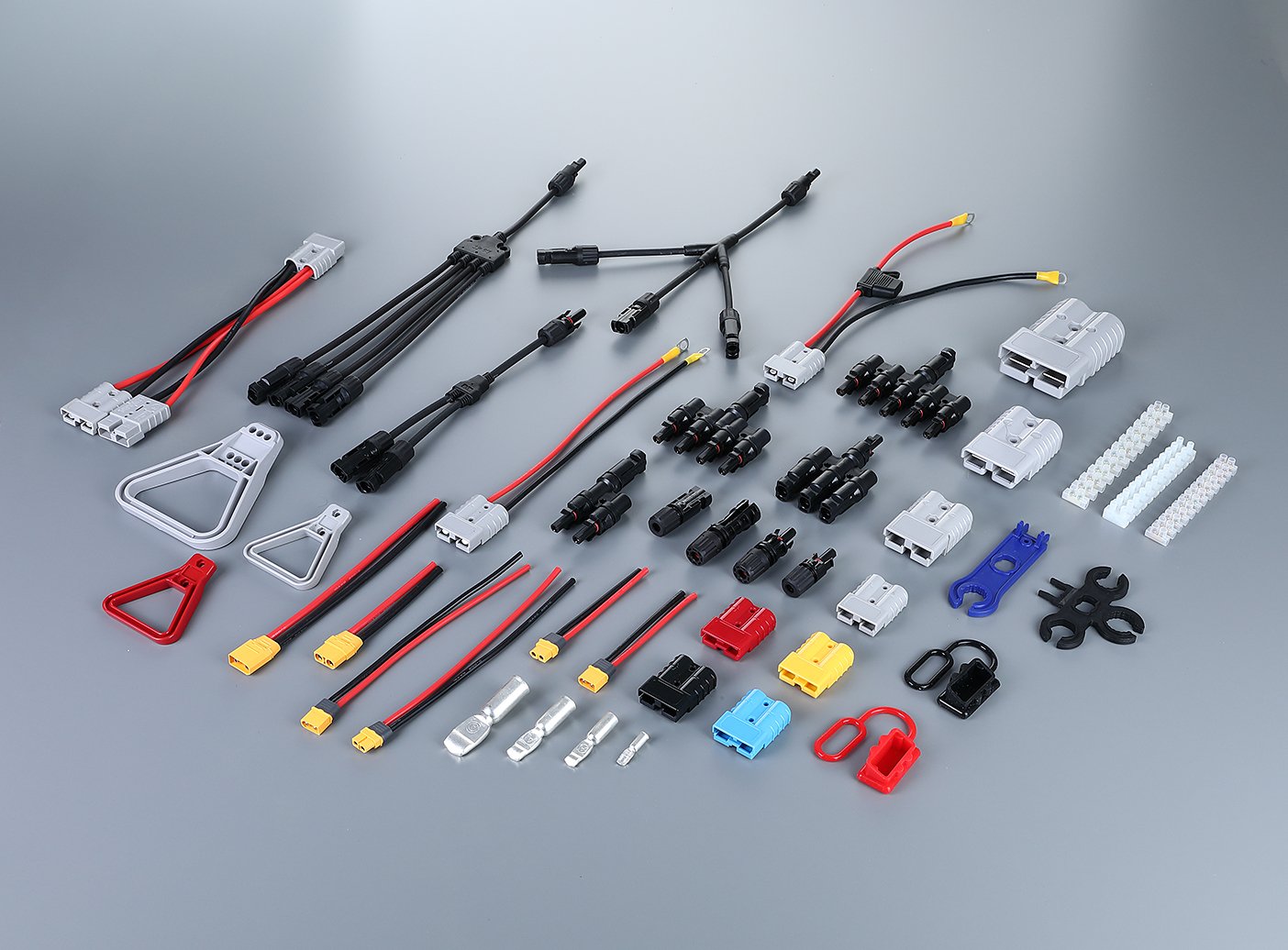
The most practical step you can take is to reject closed ecosystems and strictly standardize your Bill of Materials (BOM) around universal components, such as M12 connectors and standard DIN-rail mounts. Partner with suppliers like OMCH who have the manufacturing depth to guarantee availability. By choosing standardized hardware from a manufacturer with global scale—backed by ISO 9001 quality control and massive inventory—you effectively “future-proof” your supply chain against shortages, ensuring your line never stops waiting for a proprietary part.
Trend 5: Sustainability via Component-Level Energy Visibility
Sustainability is no longer a corporate buzzword, but a regulatory measure and a cost-saving need. Green manufacturing and ESG compliance are the priorities. The market discourse implies that in order to be green, you must either change all your motors to ultra-premium efficiency models or put up solar farms.
You cannot control what you cannot quantify. Attempting to conserve energy without statistics is just like attempting to lose weight without a scale; you are just guessing.

Operational adjustments, rather than replacement of capital equipment, bring the largest wins to most factories. But you must have eyes on the energy visibility. The trend is incorporating metering inside breakers into the lowest level of protection devices.
You do not have to spend money on external power analyzers to begin saving energy. The low-cost, high-impact solution is to replace your primary breakers with so-called smart breakers that have an inbuilt metering feature. Take advantage of this energy-use analytics to determine peak usage periods and just stagger the initiation of large loads using time-delay relays or PLC logic, and save a lot of money on demand charges without necessarily having to install heavy capital equipment.
Trend 6: Brownfield Retrofitting Over Greenfield Construction
And lastly, we can discuss the reality of the global industrial base. In 2026, the majority of automation will not occur in new glittering factories (Greenfield), but in old, worn-out plants (Brownfield).
The media is fond of displaying Lights Out factories that are completely automated at the ground level. But the thing is that there are millions of good mechanical machines, which are just sitting on factory floors. They are physically fit but dumb. The best thing to do with them is not to scrap them, but to give them a voice through legacy machinery upgrade. We are experiencing a huge demand for the so-called bolt-on automation—elements which can be attached to already existing machinery with the least amount of disturbance.
To achieve a cost-effective upgrade, emphasize bolt-on automation over demolition. Collect data on old motors without cutting a single wire using wireless sensors or clamp-on current transformers. The best bet is to retain the “iron”—the mechanical structure—but to remove the old relay logic and replace it with a new micro-PLC and new sensing devices, which will provide 80% of the advantage of a new machine at a fraction of the cost.
Conclusion: Building a Future-Proof Automation Strategy
With the year 2026 approaching, it is easy to be tempted to be swept up in the next big thing. Technology is not an end in itself. Effective automation does not mean the most buzzwords in your annual report; it concerns the creation of a resilient, safe, and efficient system. It begins with the mundane choices: the precision of a sensor, the dependability of a surge protector, the quality of a connector.
Do not allow trends to paralyze you. Begin small, begin with your infrastructure and expand. Strategic planning for the long term starts with these hardware choices.
Ready to turn these trends into reality? As a comprehensive manufacturer with over three decades of experience, we don’t just sell parts; we provide the foundation for your automation strategy. Whether you need to secure your supply chain with standardized components or protect your new AI-driven line from electrical surges, we are here to help.
Contact OMCH Today to discuss how we can help you build a factory that is ready for 2026 and beyond.


 English
  Arabic
  Turkish
  Russian
  Spanish
  French
  Indonesian
  Portuguese