


In its simplest form, industrial automation is the application of control systems, which can be a computer or a robot, and information technologies to manage various industrial processes and machineries within an industry in place of a human being. Nevertheless, Industrial Automation Technology includes the hardware and software architecture that allows these systems to run independently.
It is the transition from manual operation to accurate and better control of the processes. When we speak of automation technology nowadays, we are talking about a complex of systems that transform raw materials into finished products with minimum human intervention, and a coordinated system of automated technology that maximize efficiency, safety, and consistency in industrial operations.
The Modern Industrial Automation Technology Ecosystem
The industry has been using the Automation Pyramid, a strict hierarchical model, where sensors are at the bottom, controllers are in the middle, and enterprise systems are at the top. In this model, the flow of data was linear and usually slow. This hierarchy is changing to a more fluid structure by 2025.
We are heading to a Modern Automation Technology Stack. This ecosystem does not focus on strict structural layers but on connectivity and data flow. The historical divide between Operational Technology (OT -the physical hardware) and Information Technology (IT -data systems) is breaking down. Field devices can now talk to edge computing units or cloud-based dashboards without going through the traditional bottlenecks.
This change is the transition between closed proprietary systems to open, interconnected systems. The system is able to respond and adjust in real-time to changing production conditions as signals and data are exchanged across the entire network. In order to manoeuvre through this terrain, it is important to know the major functional layers that make up this system.
The technologies discussed in this guide have a roadmap as shown below:
| Technology Level | Core Function | Key Components |
| Field Technologies | Sensing & Acting | Smart Sensors (IO-Link), Servos, Pneumatics |
| Control Technologies | Decision Making | PLCs, DCS, Power Supplies, Relays |
| Connectivity | Communication | Industrial Ethernet, Fieldbus, Gateways |
| Supervisory | Monitoring | HMI, SCADA |
| Emerging Trends | Optimization | AI, Machine Learning, Edge Computing |
Field Technologies: Advanced Sensing and Actuation
This layer is the physical interface of the automation system. It collects environmental data and performs physical activities. The control system does not have the input needed and is not able to affect the physical process without a reliable field technology.
Smart Sensing and Data Acquisition
In the past, sensors were used as discrete switches, which signified simple binary states like On/Off or Present/Absent.
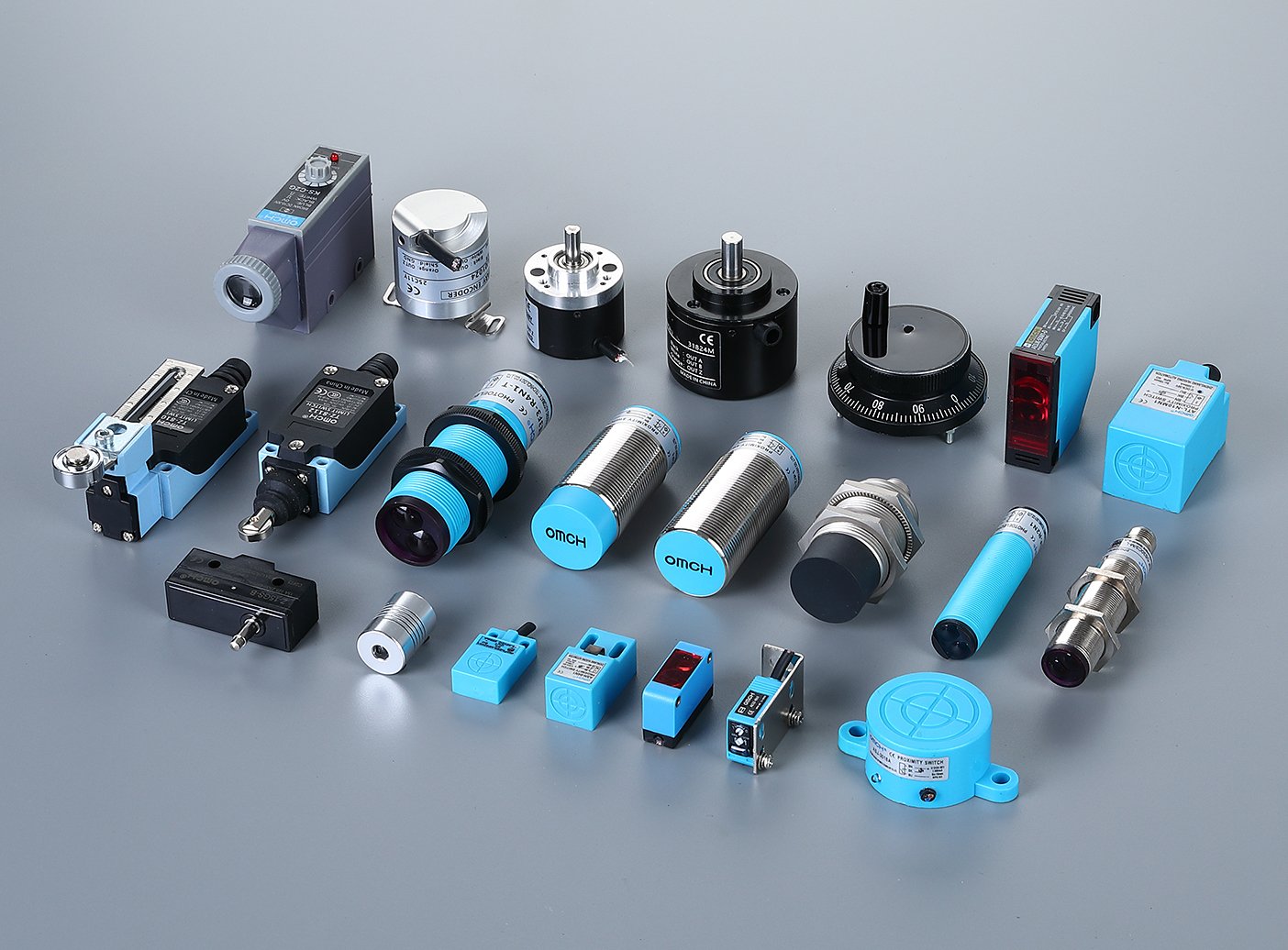
The modern industrial applications of sensing technology have developed into Data Acquisition. Smart sensors, such as those using protocols such as IO-Link, do not send out simple signals but give detailed status reports. As an example, a photoelectric sensor can send diagnostic information about lens contamination or signal strength directly to the controller.
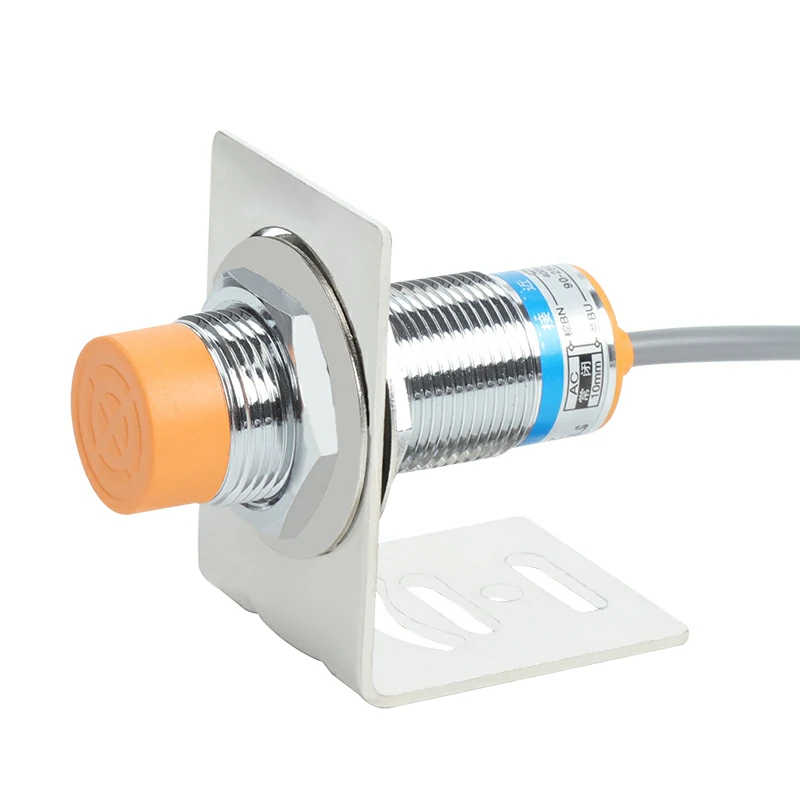
This shift changes sensors into active sources of data rather than passive components. Inductive proximity sensors to detect metal components or photoelectric sensors to count objects, signal integrity is the priority. The precondition of reliable process control is precise input data. Furthermore, by enabling preliminary data processing at the source, these sensors contribute to edge computing, reducing the latency and load on central data centres.
Precision Actuation and Motion Control
After the acquisition of data, the system should perform physical tasks via Actuation. This is done by transforming electrical control signals into mechanical motion to drive conveyor systems, CNC machines, or material handling equipment. The industry is moving away from basic pneumatic logic to Precision Motion Control.
- Servo Systems: These systems provide closed-loop feedback on position, velocity, and torque, allowing industrial robots or positioning tables to achieve high repeatability.
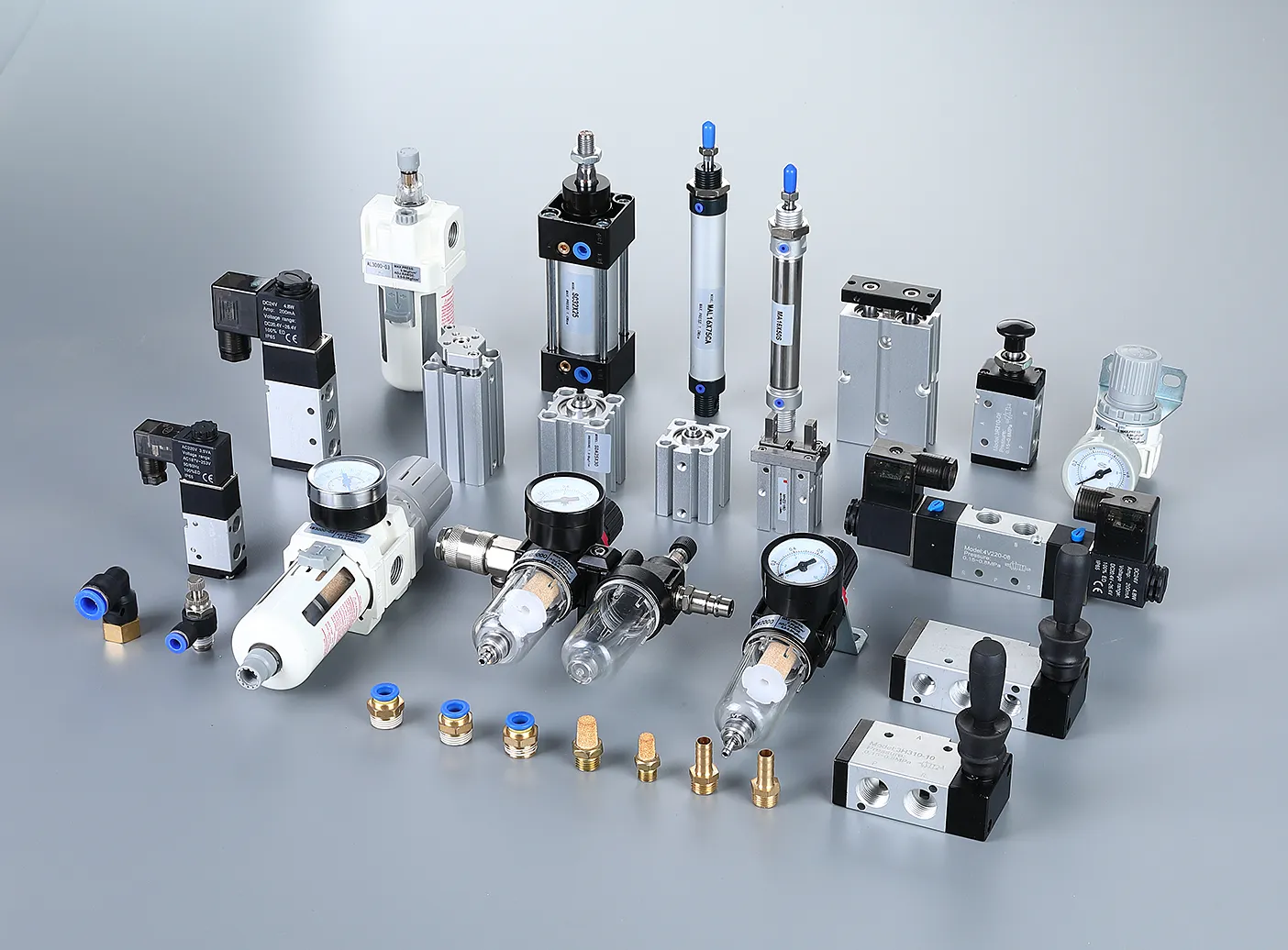
- Advanced Pneumatics: The modern pneumatic systems incorporate electronics to dynamically control the pressure to enable the manipulation of delicate materials without damage.
- Robotics: From heavy-duty industrial robots lifting tons to collaborative robots working alongside human workers, these systems automate repetitive tasks on assembly lines. This technology can replace manual labour in hazardous environments.

The accuracy of these actuators is directly proportional to the quality of products. Actuation inconsistencies in electrical systems may cause machining errors, ineffective sealing, or assembly flaws.
Control Technologies: Logic and Signal Processing
The automation architecture revolves around the control layer. It receives raw field data, executes programmed logic and sends commands to actuators. This layer is essential to the safety of operations and production efficiency.
Programmable Logic Controllers (PLC) Evolution
PLC is still the standard of programmable automation and discrete control. Nevertheless, the requirements of logic controllers in 2025 are quite different compared to the old models.
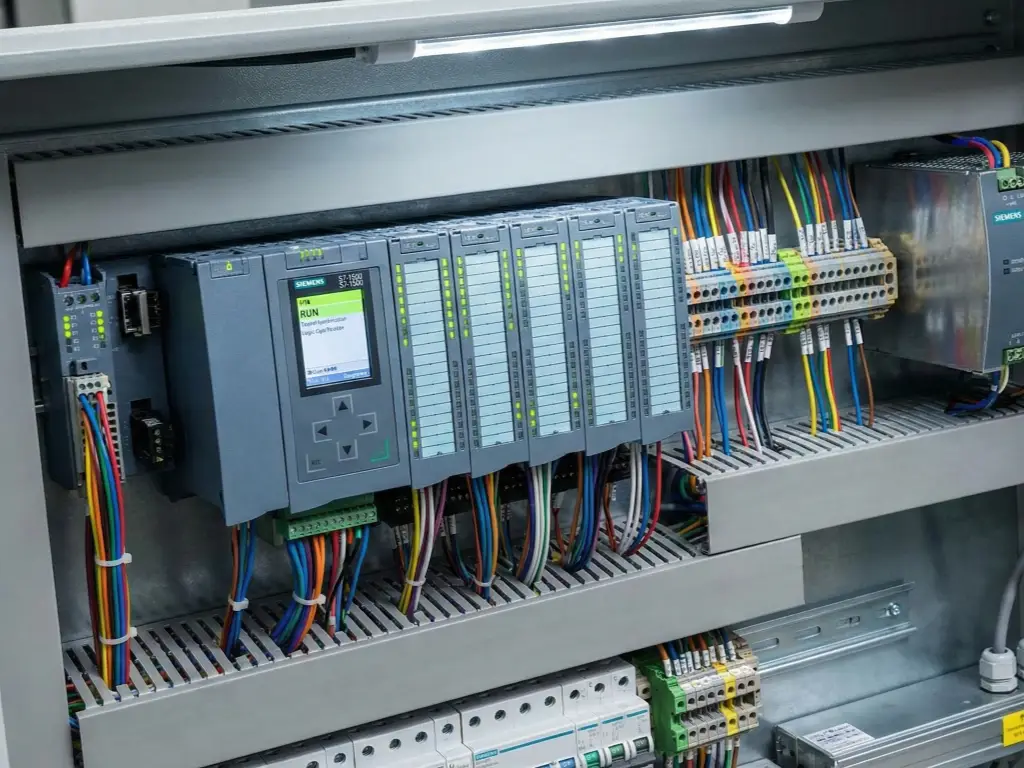
The modern PLCs are focused on the speed of processing and the modularity of hardware. They must be able to perform intricate logic scans within microseconds to keep pace with fast packaging or assembly lines in the manufacturing sector. Modularity enables the incorporation of communication cards or I/O modules to enable the expansion of the automation systems without necessarily replacing the entire hardware. However, the quality of the power supply is the sole determinant of the reliability of these control systems.
- Voltage Stability: A temporary voltage drop can lead to a PLC reset, which causes downtime in production processes and data loss. Good quality power supplies have soft-start. This technology is effective in eliminating the AC input surge currents when starting up, eliminating electrical stress on sensitive loads such as PLC mainboards.
- Global Compatibility & Compactness: In order to accommodate international standards of smart manufacturing, power units with a broad AC input voltage range of 100-240 V are required. This enables the machine builders to standardize their control cabinet design for international markets. Moreover, smaller control components enable more devices to be fitted on 35mm DIN rails, maximizing control cabinet space.
- Protection & Signal Integrity: Electromagnetic interference (EMI) has the potential to interfere with the logic signals in a control cabinet. Industrial control power supplies that have built-in EMI filters are required to make sure that noise generated by high-power devices does not interfere with the control logic. There is also inbuilt short-circuit and overload protection, which means that the power supply will automatically disconnect in case of a fault and automatically reconnect, ensuring the manufacturing process continues with minimal maintenance interventions.
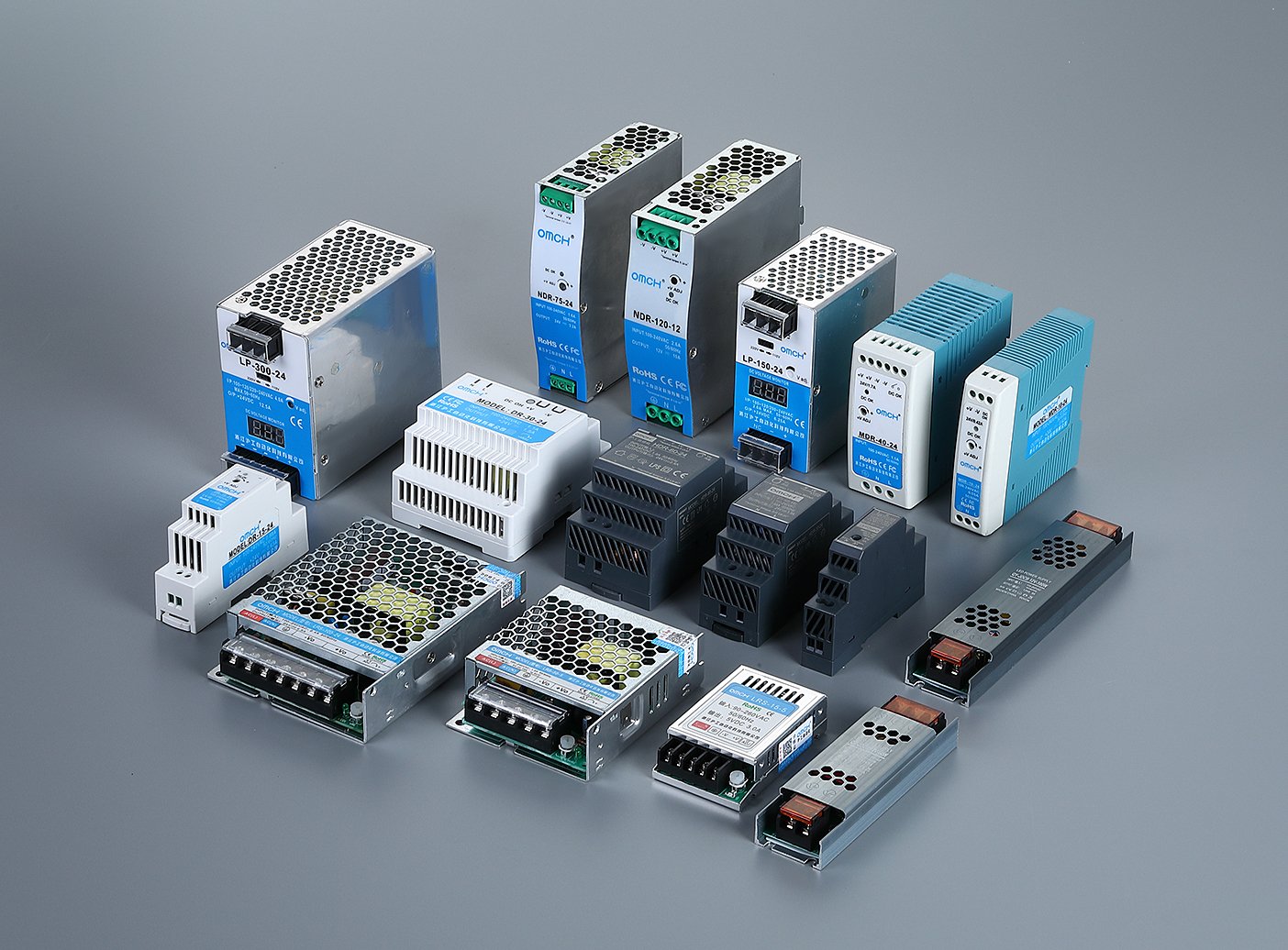
A high-performance processor cannot function correctly without stable power delivery. Industrial Power Supplies and Relays are critical infrastructure for the PLC. OMCH Industrial Power Supplies are engineered to be this reliable backbone. Our units support a wide 100-240 V input for global compatibility and feature integrated EMI filters to protect sensitive PLC logic from noise. With soft-start functionality to prevent surge currents and rapid transient response, they maintain stable voltage during fluctuations. All these protections, including short-circuit safety, are packed into a compact design that maximizes DIN rail space, ensuring your automation runs without interruption.
Distributed Control Systems (DCS) Architecture
While PLCs are optimized for high-speed discrete control, Distributed Control Systems (DCS) are designed for complex process control.
PLCs are designed to be used in high-speed discrete control, whereas Distributed Control Systems (DCS) are intended to be used in complex process control.
In other industries like oil refining or chemical processing, the use of one controller poses a major danger. DCS architecture helps to overcome this by spreading control functions among many processors within the plant. Redundancy is the characteristic of a DCS. In case of failure of one processor or module, a backup system comes into play and the process is not interrupted and is safe.
Connectivity Technologies: Industrial Protocols and IIoT
One of the biggest issues with industrial automation is interoperability, or the ability of devices made by various manufacturers to communicate with each other. The standards of data packaging, transmission, and reception are determined by connectivity technologies. This is aimed at removing data isolation, ensuring that data flow is unimpeded, and creating truly open systems.
There are two major types of communication protocols used in the industry. Fieldbus protocols (like Profibus and Modbus) are serial communication standards that are characterized by their strength and simplicity, which are appropriate for transferring small data packets over long distances. The modern standard is industrial Ethernet (e.g., Ethernet/IP, Profinet, and EtherCAT). These industrial protocols use standard Ethernet cables but use deterministic techniques to make sure that data is received within certain time limits.
Connection is based on a strong physical layer. Bridges are provided by gateways and edge devices, which convert legacy signals to current Industrial Internet of Things (IIoT) protocols such as OPC UA and MQTT to integrate with the cloud. This IIoT integration is the backbone of smart factories. To ensure that these communication hubs have constant uptime, the power infrastructure behind them should be stable even when the electrical noise and fluctuations common in an industrial environment are present.
Supervisory Technologies: Visualization and SCADA
Supervisory technologies are the interface between the automated system and human operators, which converts binary data into actionable visualization.
This interface starts with the Human-Machine Interface (HMI). An HMI offers local control and monitoring. It enables operators to send commands (e.g. starting a batch) and get feedback (e.g. alarms or status reports). A good HMI design focuses on situational awareness, where visual indicators are used to indicate abnormalities as soon as possible, minimizing the human intervention time and avoiding mistakes.
SCADA (Supervisory Control and Data Acquisition) offers a global view at the plant-wide level. In contrast to an HMI that is usually linked to one machine, SCADA systems combine the data of several PLCs to compute real-time monitoring indicators like Overall Equipment Effectiveness (OEE) and other KPIs. The new web-based SCADA systems are becoming standard, providing dashboards that can be monitored and managed remotely. The main value is the speed of decision-making, i.e., detecting bottlenecks in production in real-time to keep throughput goals.

Emerging Trends: AI Integration and Edge Computing
Advanced technologies are improving the current automation stacks by providing the ability to make decisions faster and analyze data more effectively.
Machine Learning (ML) and Artificial Intelligence (AI) are changing the way systems work. In comparison to the traditional static programming, Machine Learning is concerned with the algorithms that learn from data to become better with time without being told what to do. This ability transforms three important aspects:
- Quality Control: ML-driven vision systems learn to distinguish between acceptable and defective parts with superior accuracy, identifying microscopic flaws that standard sensors might miss.
- Predictive Maintenance: By analyzing historical data patterns—such as motor vibration or temperature trends—ML models can predict equipment failures weeks before they occur, allowing for proactive intervention. This is a massive leap for continuous improvement and reducing unexpected downtime.
- Process Optimization: Intelligent algorithms analyze production flow data in real-time to adjust parameters, maximizing yield, optimizing energy use, and reducing lead times.
Digital twins allow for the simulation of these changes before implementation, aiding in change management. Additionally, edge computing complements this by processing data at the source. Latency is important in high-speed applications, like a vision system that inspects products at high rates. Edge devices handle data on-site to make instant control decisions (e.g., reject a defective part) and only send central servers the summary data that is relevant. These technologies force multipliers to the existing hardware, and they enhance the efficiency of the system.
Tailoring Automation to Industry Needs
The automation strategies in industries should be adjusted to the specific needs of the manufacturing process and the broader digital transformation strategy. The choice of the technology stack is greatly dependent on the discrete or continuous process.
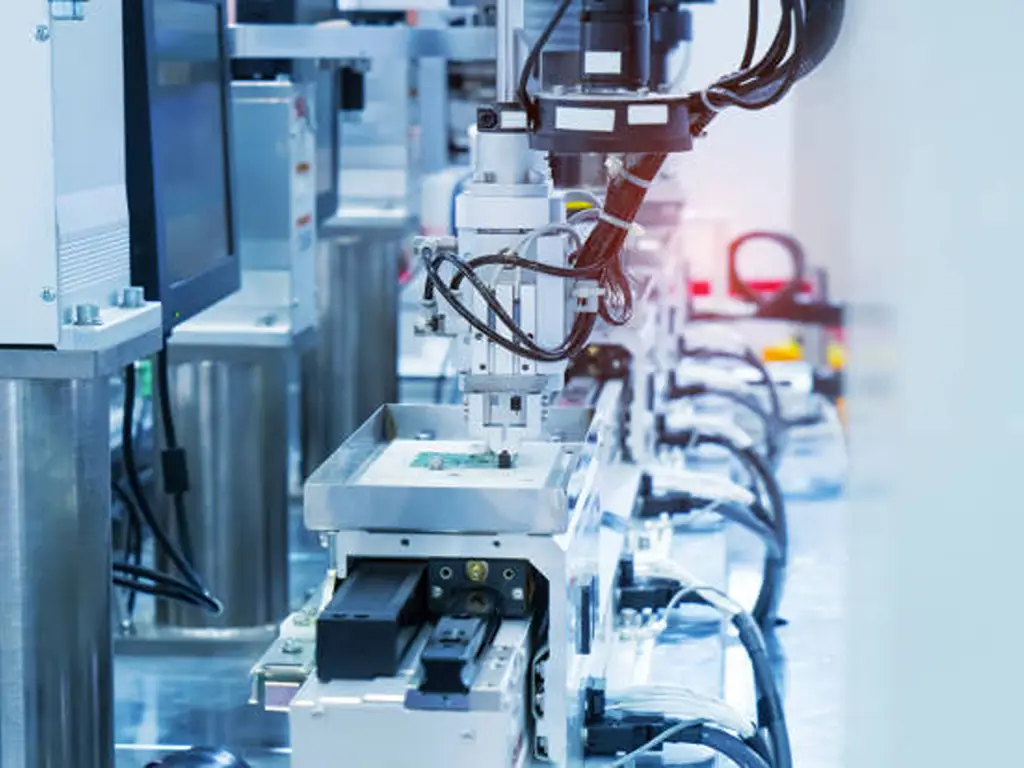
In Discrete Manufacturing (e.g., the automotive industry or electronics), production is in discrete, countable units. The main goals are the reduction of cycle time, positional accuracy and speed of assembly. High-speed PLCs, servo motion control, and fast-response sensors are the critical automation solutions for automotive manufacturing. Milliseconds of sensor response delay may cause mechanical collisions or defects.
In Process Manufacturing (e.g., chemical, food and beverage), the product is a continuous substance or formulation. The goals include consistency, adherence to recipes, and constant operation. The technology emphasis is on DCS, PID control loops and precision analogue instrumentation. The main threat is the instability of the processes; the power outage may destroy a whole production batch or pose safety risks.
There are Hybrid Scenarios where the two types intersect, e.g. a facility that receives liquids (Process) and packages them (Discrete).
| Feature | Discrete Manufacturing | Process Manufacturing | OMCH Opportunity |
| Logic | Sequential Execution | Regulatory Control (PID) | Reliable Relays & Power |
| Variables | Position, Speed, Count | Pressure, Temp, Flow | Inductive/Capacitive Sensors |
| Risk | Production Volume Loss | Material Loss / Safety | Short-Circuit Protection |
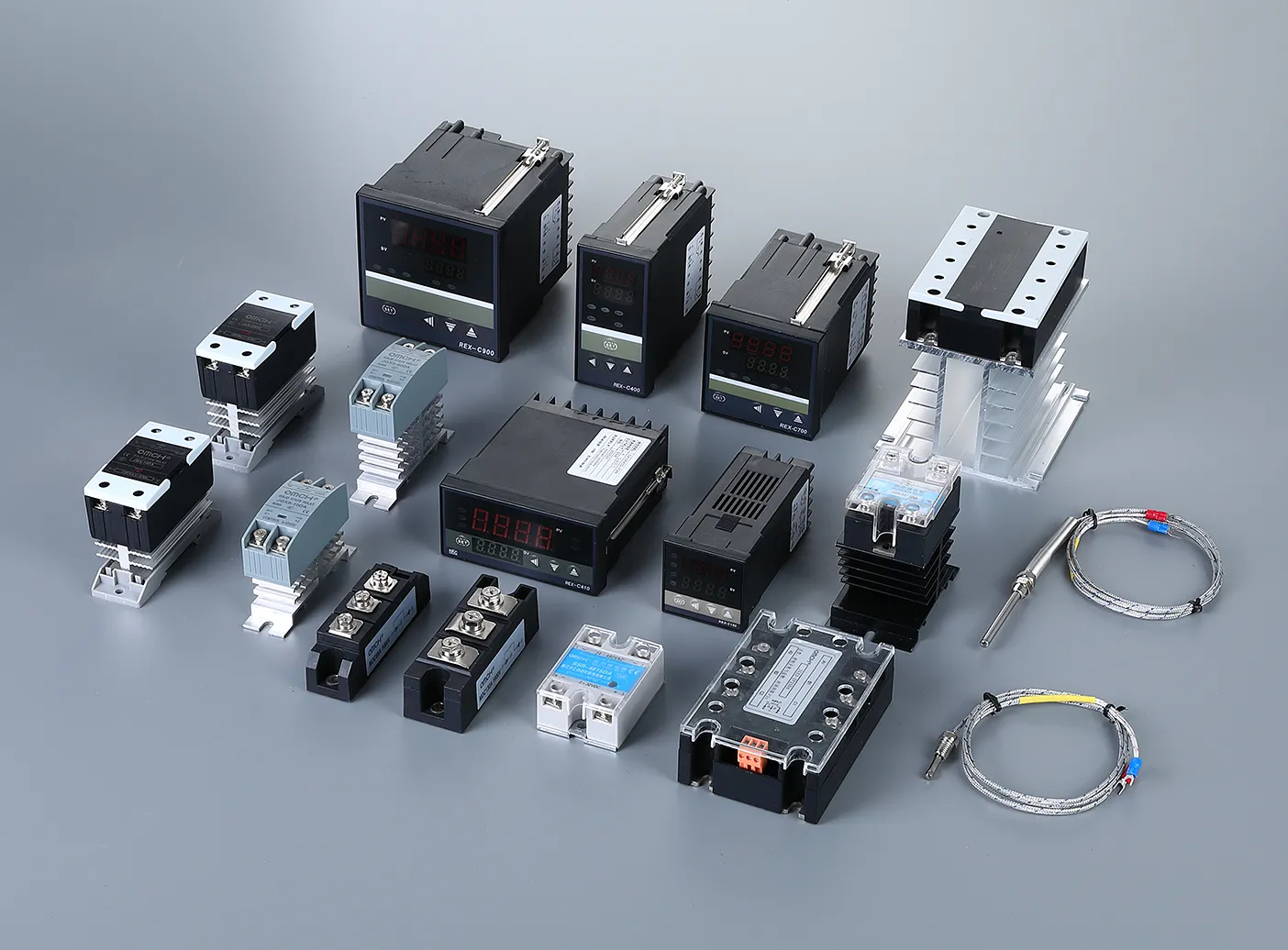
| Hardware | Servos, Robotics | Pumps, Valves, Heaters | Solid State Relays (SSR) |
Despite architectural differences, the requirement for reliable “Control Components” is universal. Both discrete and process systems rely on stable power supplies and switching components to function correctly.
Selecting Technologies based on Application Scalability
The choice of the automation technology is not only the purchase of the latest hardware but also the alignment of the complexity of the technology with the particular scale and strategic objectives of the facility. This strategic alignment is crucial for cost reduction and ensuring a high ROI (Return on Investment).
In order to make this decision, engineers and decision-makers are advised to classify their needs according to the scale of operations:
| Operational Scale | Primary Focus | Recommended Strategy | Strategic Caution |
| 1. Small-Scale Operations (Entry Level & Retrofits) | Immediate ROI & Simplicity Focus on “Does it work?” | Robust Standalone Systems: A micro-PLC combined with standard discrete sensors and a local HMI is often sufficient. | Avoid Unnecessary Complexity: Skip complex IIoT or cloud subscriptions if data does not drive profit. Focus on reliability and ease of troubleshooting for local technicians. |
| 2. Mid-Sized Facilities (Growth Stage) | Efficiency & Uptime Focus on “How efficiently is it working?” | Prioritize Connectivity: Choose controllers supporting Industrial Ethernet (e.g., Profinet) and IO-Link sensors for centralized data collection and remote diagnostics. | Ensure Modularity: Hardware must allow for adding I/O modules or drives as market demands increases without replacing the entire control cabinet. |
| 3. Large-Scale Enterprises (Global Standardization) | Interoperability & Compliance Focus on Standardization. | Predictive Capabilities: Investments in Edge Computing and AI-driven predictive maintenance are justified here, as a 1% efficiency gain translates to significant revenue. | Global Compliance is Critical: Strict adherence to global standards (CE, UL, IEC) is mandatory to ensure supply chain unity and maintenance consistency across global sites. |
Nevertheless, there is one principle that is applicable to any degree of automation: The reliability of a system is defined by the most basic elements of a system. High-level features cannot cause hardware instability.
This is where OMCH fits into your strategy. Our products are designed to meet high international standards to guarantee the continuity of your critical systems in operation, supported by complete transparency and test reports. In addition, we have 38 years of automation experience in the power, automotive, and new energy industries. This profound knowledge of the domain enables us to create products that are specific to the industry issues and provide systematic and customized solutions. Regardless of the scale of your retrofit project or a more complex one, collaborating with OMCH means that your automation will be constructed on the basis of quality.



 English
  Arabic
  Turkish
  Russian
  Spanish
  French
  Indonesian
  Portuguese
  Thai
Thai  Vietnamese