


Industrial Automation and IoT: Architecting the Future Factory
The industrial environment is experiencing a paradigm shift, whereby the mechanical assembly lines are being replaced by intelligent, interconnected ecosystems. The profound convergence of the Industrial Internet of Things (IIoT) and the fourth industrial revolution (Industry 4.0) is what we are experiencing. So, what is IIoT? No longer a hypothetical idea, IIoT has become the backbone of the contemporary manufacturing industry, and it is the reason why the isolated machines are being replaced by fully synchronised smart factories.
This transformation is not only defined by connectivity, but it is a systemic digital transformation where Internet of Things industrial automation becomes the standard. The sector is rapidly shifting towards a paradigm in which various connectivity standards, edge computing, and AI-based analytics come together to streamline industrial processes in real time. From predictive maintenance to supply chain transparency, the emphasis has not been on mere automation but on a comprehensive approach where standardization and interoperability have become the new standard of competitiveness. It is not just an upgrade, but the basic structure of the future factory.
The Architectural Shift: Convergence of IT and OT
We need to define the fundamental technologies that are behind the giant change in industrial automation and architecture before we can comprehend it.
The Internet of Things (IoT) is at its most basic the network of physical objects, or things, with sensors, software, and other technologies, that are used to connect and exchange data with other devices and systems via the internet.
But in a manufacturing scenario, we refer to the Industrial IoT (IIoT). Although the technology behind it is comparable to consumer IoT (such as a smart thermostat), the application and stakes are completely different.
| Feature | Consumer IoT (e.g., Smart Home) | Industrial IoT (IIoT) |
| Primary Purpose | User Convenience: Enhancing personal comfort and lifestyle. | Operational Efficiency: Ensuring safety, production processes continuity, and asset optimization. |
| Reliability | Tolerant: A lost connection is merely an annoyance (e.g., music stops playing). | Critical: A lost connection can result in dangerous equipment failure or massive financial loss. |
| Precision & Latency | Human-Scale: Delays of seconds are acceptable. | Machine-Scale: Data often needs to be processed in milliseconds to control high-speed machinery. |
Now that we have these definitions in place we can consider the architectural change. The past four decades of industrial architecture were constructed in a rigid hierarchy, commonly known as the Purdue Model. The bottom had the physical machines, the middle had the control systems (PLC/SCADA), and the top had the execution systems and enterprise planning (ERP) systems. Communication was slow and one step at a time.
That hierarchical model is flattening today. We are experiencing the merging of Information Technology (IT) and Operational Technology (OT).
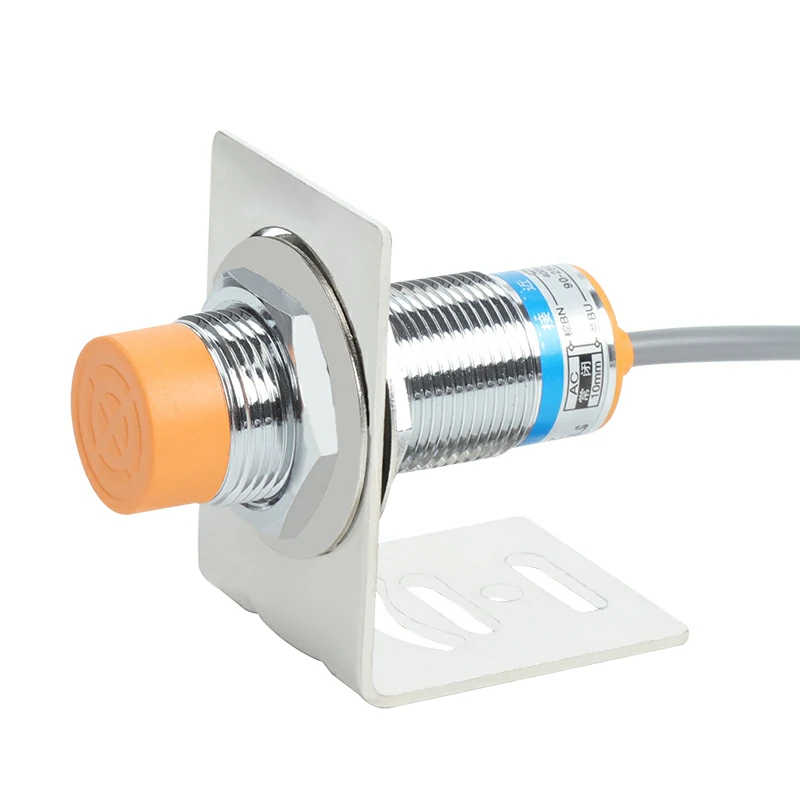
The IIoT dismantles these barriers. Information does not have to go through all the levels of hierarchy. A sensor on a motor can be connected to an edge of the network device or the cloud directly. This change imposes a new, heavy load on the underlying hardware. Components no longer just work, they now communicate. They should be strong enough to withstand the brutal reality of the factory floor and at the same time have the connectivity to become part of the new digital networks.
Key Applications: Solving Critical Industrial Pain Points
Technology can only be useful in industrial settings when it addresses certain operational issues. The essence of smart manufacturing and the application of IIoT is to solve the three significant problems that decrease profitability: unplanned downtime, invisible energy consumption, and inefficient manual inspection.

The End of Unplanned Downtime
There is a profound difference between reactive maintenance (fixing a machine because it broke) and predictive maintenance (fixing a machine because data indicates it is about to break). Unplanned downtime is often the most expensive operational cost in manufacturing, halting industrial operations and disrupting supply chain flow.
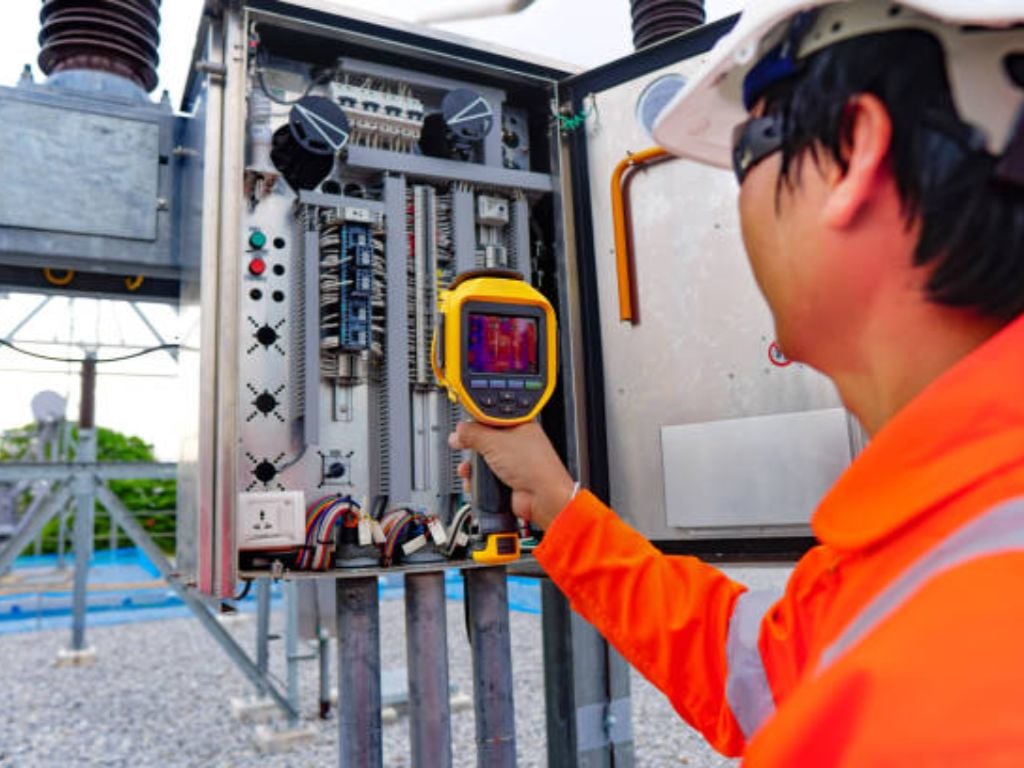
Through predictive maintenance, IIoT transforms this dynamic. By monitoring parameters like vibration, temperature, and current draw in real time, operators can detect the early signs of a failing component weeks before failure occurs. This allows the move from a “fail and fix” model to a “predict and prevent” strategy, significantly reducing maintenance costs and optimizing equipment performance.
Illuminating the Invisible Energy Cost
Energy management is usually considered as a fixed overhead expense. However, energy is a variable that can be managed in a connected factory to improve energy efficiency. Energy consumption becomes visible when the digitization of low-voltage distribution cabinets is performed. Facility management teams are able to view the actual amount of power consumed by a particular compressor at a particular shift, identifying spikes, leakages, and inefficiencies (“invisible energy cost”). This visibility enables corrective action to be taken immediately, leading to cost savings in the long run.
Liberating the Workforce
Quality control often requires manual inspection, which is not always efficient. Having skilled technicians walk routes to gauge checking is not the most effective way to utilize human talent. IIoT automatizes the process of gathering routine data, which leads to workforce liberation—enabling the workforce to concentrate on solving complex problems instead of entering data. It substitutes the manual logs with digital dashboards, which makes the inspections continuous, accurate, and immediate, ultimately enhancing workplace safety and customer satisfaction.
The Three Core Layers of IIoT Technology
In order to design this future, we need to know the technology stack. The industrial automation application technology may be broken down into three separate layers, each of which is essential in the data path between the shop floor and the boardroom.
| Core Layer | Key Element | Role & Mechanism |
| 1. Sensing & Actuation (The Physical Interface) | Smart Sensors | Capture physical parameters such as temperature, pressure, vibration, acoustic signals, and chemical composition. |
| Actuators | Convert electrical signals into physical actions, such as switching valves, adjusting motor speeds, or controlling robotic arms. | |
| DAQ / Fieldbus | Convert analog signals to digital and transmit them via industrial fieldbuses (e.g., Modbus, Profibus, EtherCAT). | |
| 2. Network & Edge (The Processing Hub) | Industrial Network | Facilitates data transport using technologies like 5G for wireless flexibility and Time-Sensitive Networking (TSN) for deterministic reliability. |
| IoT Gateways | Acts as a central hub for protocol conversion, data aggregation, identity authentication, and preliminary security solutions. | |
| Edge Computing | Performs local data processing and real-time decision-making near the data source to significantly reduce latency using edge devices. | |
| 3. Cloud & Analytics (Global Optimization) | Cloud Platform | Provides centralized infrastructure (PaaS/SaaS) and Data Lakes to store and manage massive volumes of historical cross-factory data. |
| Intelligent Analytics | Utilizes Machine Learning (ML) and Artificial Intelligence (AI) models to process data for predictive maintenance and global optimization. | |
| Digital Twin & HMI | Creates virtual replicas for system simulation and provides visualization interfaces (including AR) for remote monitoring and interaction. |
Sensing and Actuation: Ensuring Data Integrity at the Source
Data Integrity is the critical engineering challenge in this layer in an IIoT architecture. The quality of the whole digital ecosystem is solely determined by the faithfulness of the source signal. When IoT devices or smart devices drift under the influence of thermal stress or electromagnetic interference, even the most sophisticated advanced technologies in the cloud will be useless, generating insights on a corrupted reality.
Thus, it is no longer about data collection but about industrial resilience. The hardware interface, the connected devices, should not only be chosen based on their electronic sensitivity, but also their physical survivability. This is where the difference between consumer-grade and IIoT devices comes in as the factor of system stability. Components of high quality should be able to give consistent signals even when the voltage changes, vibrates, and dust, and this should be the stable foundation of the whole digital superstructure.
Network and Edge Computing: The Latency vs. Bandwidth Trade-off
The strategic decision at this layer is balancing the load between the Edge and the Cloud. We are moving away from the idea that “everything goes to the cloud.” Sending high-frequency sensor data (sampled at 10kHz) to a remote server is inefficient and introduces unacceptable latency for critical safety loops.
The tradeoff at this level is the load balancing between the Edge and the Cloud. We are leaving the notion of everything going to the cloud. Transmission of high-frequency vibration data to a distant server is inefficient and adds unacceptable latency to important safety loops.
The contemporary method is Distributed Intelligence. Edge computing is the reflex system of the factory. It removes the noise and only sends the significant signals (anomalies or aggregated trends) to the network. Such an architecture needs strong gateways that can do multi-protocol translation at the edge of the network, so that the network is not used to store data torrents but to extract high-value insights. This is to make sure that in the event that the external network connection is cut off, the local machine safety and basic automation functions are still running.
Cloud and Intelligent Analytics: Closing the Optimization Loop
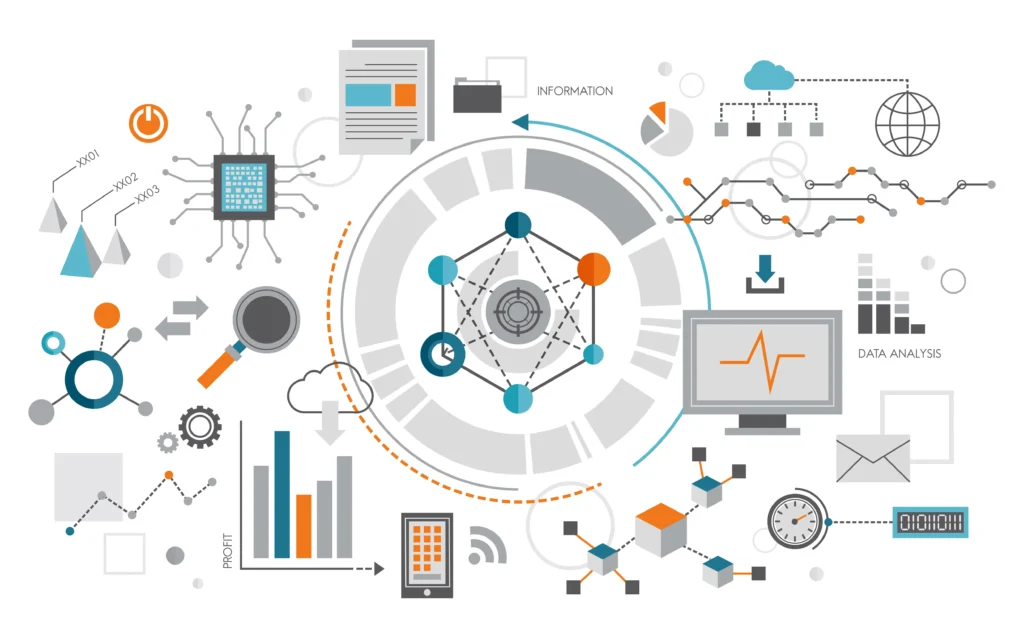
The Cloud layer is not just a storage warehouse, it is the driver of Systemic Evolution. The Edge deals with the Now, whereas the Cloud deals with the Future. The richness of this layer is the Digital Twin feedback loop. One cannot simply visualize collected data on a dashboard. The more advanced application is to use the massive amount of data to train machine learning models in the cloud and then push the updated and smarter models back down to the edge devices. This forms a self-enhancing system in which the experience of a single machine is used to enhance the intelligence of the whole fleet. It turns the factory into a dynamic system that optimizes its own energy consumption and maintenance schedules, based on best practices in the world using big data.
Overcoming Fragmentation and Legacy Retrofit Barriers
The smart factory is a vision that is very attractive, yet in practice, it is usually hampered by practical barriers. There are two common obstacles that slow down IoT applications and projects, namely, the disintegration of communication protocols and the challenge of updating legacy equipment.
Unifying Protocol Fragmentation via Edge Gateways
The industrial environments are usually not standardized. One plant floor can include a combination of automation protocols, including Modbus, PROFIBUS, CAN, EtherCAT, and OPC Classic. They differ in their packet formats, communication cycles and synchronization.
This fragmentation compels engineers to code proprietary adapters to each connection, and integration is time-consuming and hard to scale. The outcome is data silos, where useful data is locked up in isolated machines since they cannot communicate with the central platform.
Multi-protocol Edge Gateways are the solution. Instead of writing specific code for each machine, manufacturers can install intelligent gateways that are inherently multi-protocol. These devices are located at the edge, converting different machine languages (such as Modbus or CAN) into a common standard such as OPC UA or MQTT (JSON). Moreover, the use of Software-Defined hardware enables the configuration of protocols to be done digitally, which makes the system less expensive to adapt and enables it to be modified to meet future requirements.

Cost-Effective Retrofitting for Legacy Equipment
Most factories operate with equipment that is 10 to 20 years old. These industrial machines are mechanically reliable but digitally “mute,” lacking Ethernet ports or built-in sensors. Digitizing them is difficult due to several challenges:
- Power Supply: Supplying power to sensors on rotating or mobile equipment is complex.
- Cabling: Running new conduit in a crowded facility is expensive and disruptive.
- Environment: Devices must often withstand washdown cycles (IP65) or explosive atmospheres.
- Cost: Traditional retrofit projects can be expensive, often making them cost-prohibitive for Small and Medium Enterprises (SMEs).
Modern retrofit strategies focus on minimally invasive techniques.
- Wireless & Energy Harvesting: Technologies like LoRaWAN or IO-Link Wireless allow sensors to transmit data without new cabling. Vibration-harvesting or long-life battery sensors eliminate the need for electrical drops.
- Non-invasive Sensing: Clamp-on current transformers or magnetic-mount vibration probes can be installed in minutes without stopping production or drilling into the machine.
- Modular Retrofit Kits: Standardized kits—similar to concepts championed by early exemplars like General Electric—turn a complex legacy equipment retrofit engineering project into a simple product installation.
If you aim to transform your facility through IIoT, your strategy must begin at the very first layer of the architecture: the hardware. No amount of software intelligence can compensate for unreliable physical data.
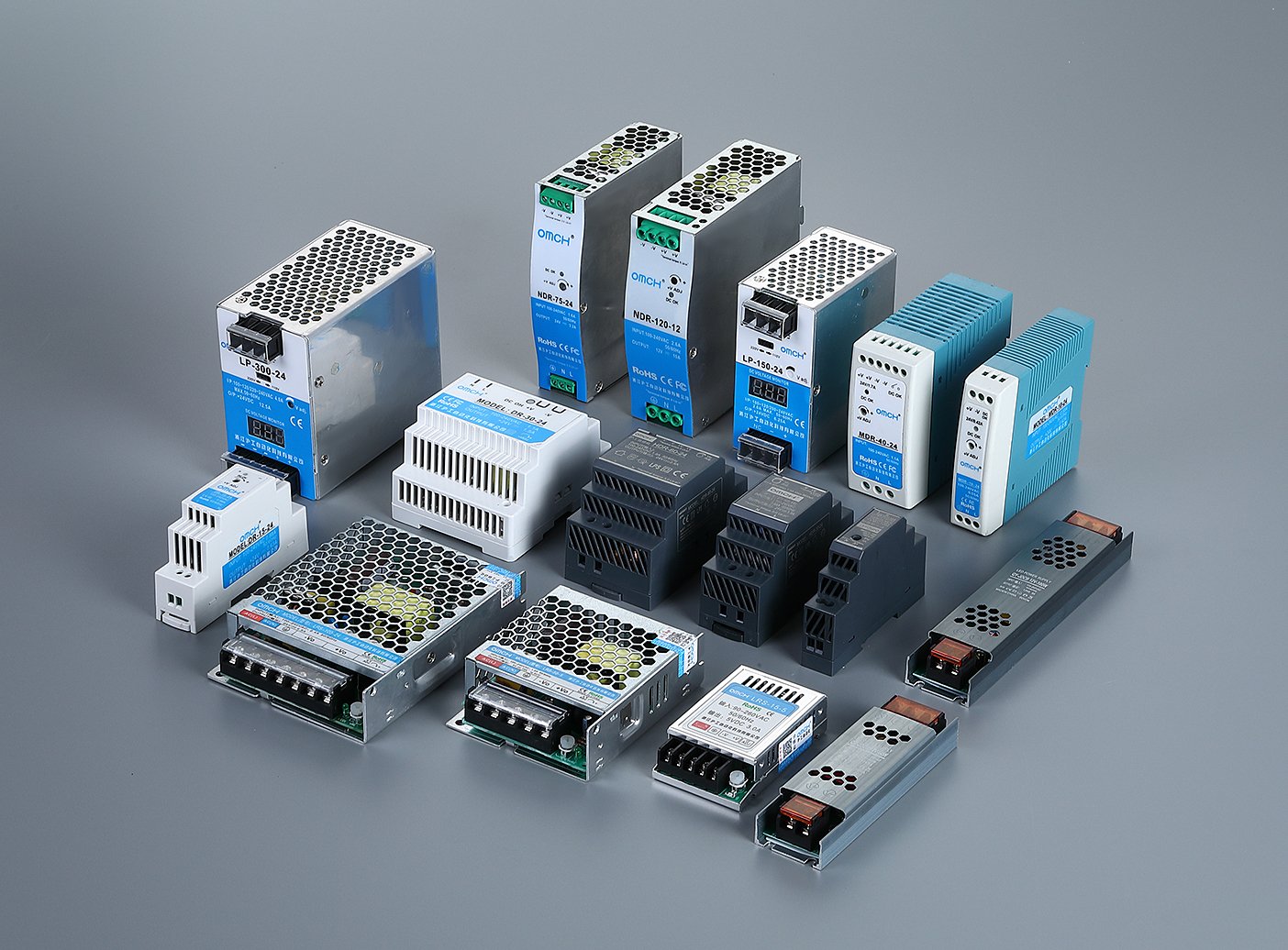
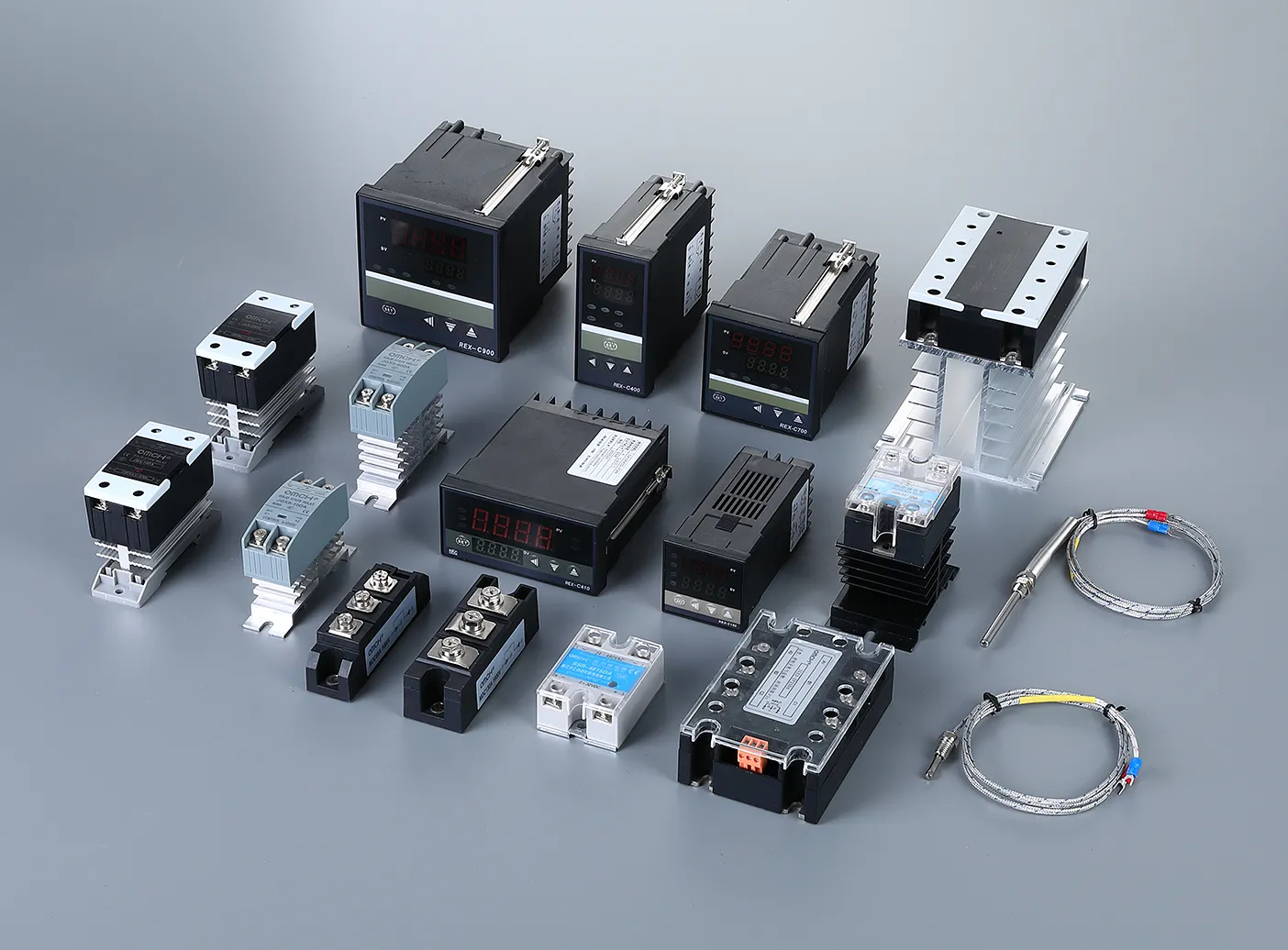
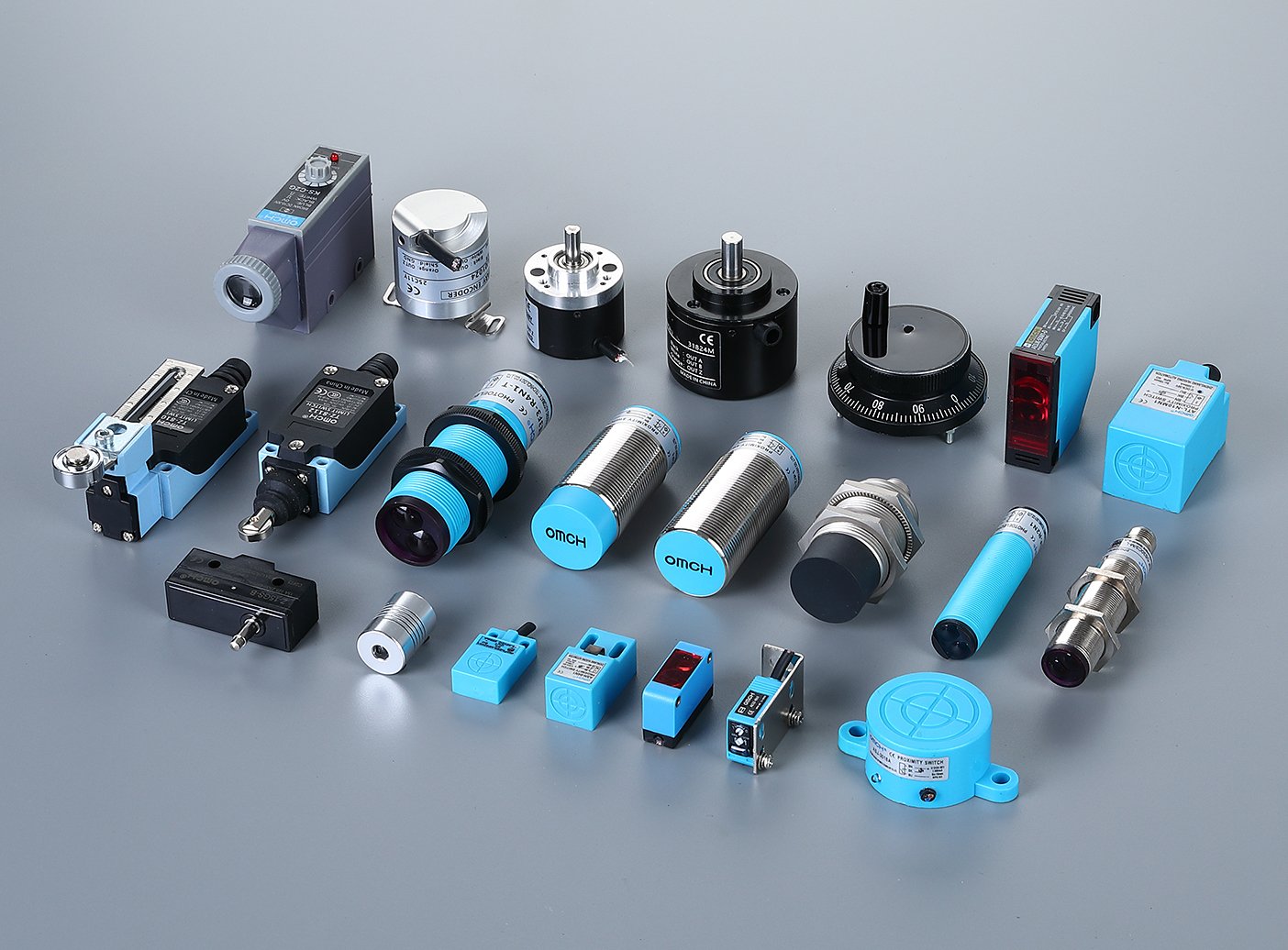
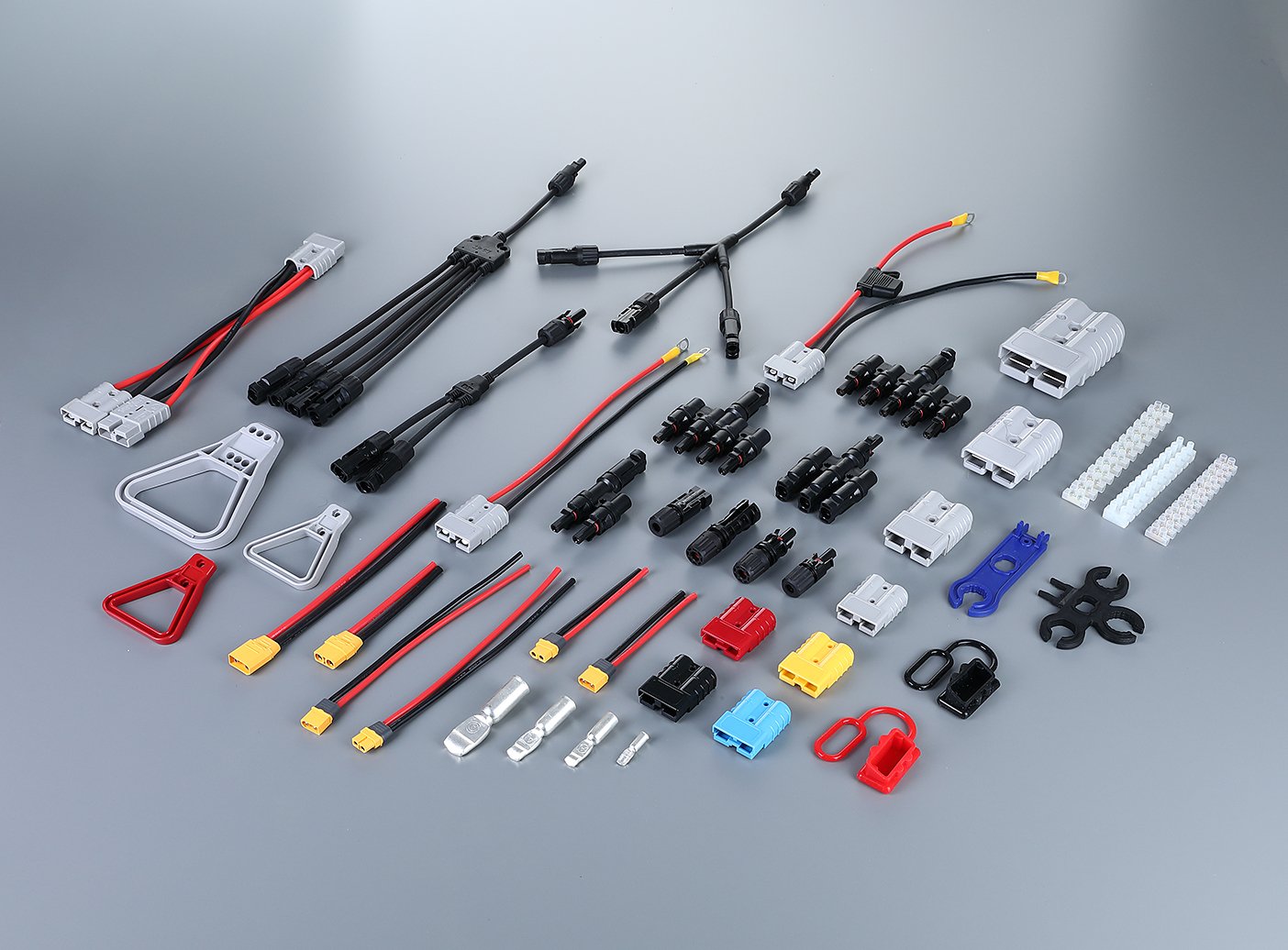
This makes the selection of your hardware partner a critical strategic decision. With 38 years of manufacturing experience and delivering over 20 million units annually, OMCH provides the industrial-grade durability that is non-negotiable for retrofit projects. Our extensive catalogue of 3,000+ SKUs ensures that you can find the exact sensor or power supply needed to integrate any legacy machine, all backed by essential international certifications (CE, CCC, ROHS). We specialize in the hardware foundation, but we remain constantly tuned to new industry trends and dynamics. We deeply understand your pursuit of factory evolution—providing the stability you need to build the future.
Strategic Roadmap for Implementing IIoT
The application of IIoT is a major task that needs a strategic approach. The reason why companies fail is that they want to relate all the assets at the same time, and the data overload is not clearly valued.
Assessment: Identifying Critical Assets
The initial step is to determine the Critical Assets—the machines which, in case of failure, will halt the business processes or have a great influence on quality. Digitization should focus on these assets. Evaluate their existing capacity: Do they have existing data acquisition capabilities? What is the exact issue that you are attempting to address (e.g., frequent motor burnout)?
Pilot Phase: Starting Small and Scaling
Introduce a pilot project that targets one line or even one machine. Install the sensors, configure the gateway, and start gathering data. The aim is to demonstrate the value proposition. As soon as the team is able to show a tangible ROI, say, preventing a particular failure or finding an energy leak, it becomes significantly easier to get funding to roll it out on a larger scale. Test the technical stack, polish the data analytics model, and scale to the rest of the facility.
Future Trends: AI and Hyper-Connectivity
The industrial sector is now at the beginning of a wider change. The future of the factory will be characterized by hyper-connectivity and autonomy.
We are heading to 5G Industrial Private Networks, where even critical control loops will not need physical cabling, and will provide ultra-reliable low-latency communication. There is also the adoption of Digital Twins, where physical systems are represented in the cloud, and engineers can simulate changes before they are implemented in the real world.
Lastly, Artificial Intelligence Large Models are also penetrating the industrial arena. In the near future, operators will communicate with factory systems in natural language, asking complicated questions about efficiency and get immediate and data-driven responses. Factory architecture is changing, and the means to construct this future are available to be deployed.


 English
  Arabic
  Turkish
  Russian
  Spanish
  French
  Indonesian
  Portuguese