


By 2026, the world of manufacturing is already in the digitalization and intelligent automation era, driving significant shifts across the global industrial automation market. It does not matter whether you are constructing a brand-new Dark Factory, or you are upgrading an old traditional assembly line, the very physical basis that will make or break your project is the same: very precise and reliable Industrial Automation Components.
To electrical engineers, system integrators and procurement managers, it is an enormous task to find the correct elements for a modern industrial automation system amidst a plethora of hardware brands and bewildering technical specifications. You must strike a balance between cost and performance and avoid supply chain risks within increasingly complex industrial environments. In the vast majority of cases, the failure of an apparently trivial proximity switch or the failure of a cooling fan can cause the unforeseen closure of a million-dollar production line, with the resultant downtime costs being immeasurable.
This is a detailed guide that will take you through the fundamentals of the logic of control systems, disaggregate the key component groups of contemporary industrial automation, and offer a very practical 2026 purchasing and supplier assessment guide.
What Exactly Are Industrial Automation Components?
In order to really appreciate the elements of industrial automation, we cannot simply view them as cold hardware or circuit boards. These components are fundamentally a mixture of software and hardware that is used to automatically control, monitor and drive various industrial processes and manufacturing processes with minimal or no human intervention. By deploying these components, factories can efficiently handle dangerous or repetitive tasks that were previously prone to human error.
They create a complex industrial automation control system (IACS) that is able to sense, think and act. These components have irreplaceable functions in any typical Closed-loop Control System. This loop can be divided into three basic physical steps:
- Sensing Phase (Input): The first step in any automated sequence involves data acquisition. Different types of sensors at the front of the machine sense the physical world—for example, level sensors monitoring tank volumes, pressure sensors in hydraulic lines, temperature sensors in a furnace, or the position of an object on a conveyor. These physical signals are then transformed into accurate electrical signals for remote monitoring and control.
- Phase of Decision (Logic/Control): These electrical signals are sent to the brain of the system. The brain immediately evaluates whether the current state is as expected and computes the next action to be taken based on the pre-written logic programs and algorithms.
- Execution Phase (Output/Actuation): The brain commands the so-called muscles which convert weak control signals back into strong physical actions, such as driving a servo motor at high speeds, opening a pneumatic valve, or telling a 6-axis robotic arm to grab a heavy object.
The most sophisticated Industrial IoT (IIoT) ideas or smart cloud AI models cannot be more than ghosts without bodies without these highly coordinated hardware components as a foundation to create any real productivity in the physical world. The knowledge of these three pillars makes the choice of components much more focused.
Controllers: The Brains of Your Automation System
The controller is the brain of the automation that determines the whole automation. It accepts input signals of field devices, makes complicated logic calculations, and transmits commands to output devices. The shapes and functions of controllers are continuously changing as industrial situations become more complicated. There are three primary controller architectures that are currently co-existing on the factory floor:
PLC (Programmable Logic Controller)

The most traditional and robust industrial automation controller is the PLC. It was designed in the 1960s and is designed to operate in harsh industrial conditions (high temperature, high humidity, high electromagnetic interference, and high vibration), with very high reliability and low failure rates. PLCs are normally programmed in languages such as Ladder Logic that adhere to the IEC 61131-3 standard. They are good at discrete control (handling on/off states), e.g. starting/stopping conveyors, extending cylinders, or counting materials. PLCs are still the most affordable and dependable option in the majority of small to medium-sized machine control systems.
PAC (Programmable Automation Controller)
The PAC has come into existence as factories require more sophisticated motion control and machine vision. A PAC is a PLC that is improved and hybrid. Although it still has the ruggedness of a PLC, it has a more open architecture (typically built around high-performance processors) and higher-level programming languages (such as C/C++). A PAC is able to combine logic control, high-precision multi-axis motion control (such as CNC and robot coordination) and data processing on a single platform. When you have a complex closed-loop motion and cross-domain integration, the PAC is the best choice.
IPC (Industrial PC)
An IPC is constructed completely on standard computer architecture, and can run real-time versions of operating systems such as Windows or Linux, but the hardware is highly industry-ruggedized (e.g. fanless passive cooling, solid-state shock-proof storage, wide-temperature operation). The greatest strengths of the IPC are its unsurpassed computing capability, enormous data throughput, and eventual openness. IPCs are common Edge Computing Nodes in the smart manufacturing environment of 2026. They are capable of performing hard real-time control operations through Soft PLCs and directly executing sophisticated AI inspection models, processing 3D vision point clouds, and integrating with enterprise-level ERP or MES systems.
| Comparison Dimension | PLC (Programmable Logic Controller) | PAC (Programmable Automation Controller) | IPC (Industrial PC) |
| Core Advantages | Ultra-high reliability, hard real-time performance, easy to maintain, and strong anti-interference capabilities. | Balances logic with complex motion control; offers multi-platform integration. | Powerful computing power, extremely high openness, and perfectly suits IIoT (Industrial IoT). |
| Typical Application Scenarios | Conveyor line control, simple packaging machinery, and injection molding machines. | Complex assembly lines, multi-axis robotic cells, and process control. | Data acquisition gateways, machine vision inspection, and Edge AI. |
| Programming Language / Environment | Ladder Logic, Structured Text, etc. (IEC 61131-3 standards). | IEC standards + High-level languages (C/C++). | PC-level development environments (Python, C++, Java, etc.). |
| Data & Network Capabilities | Basic: Suitable for device-level fieldbus communication. | Medium-High: Capable of handling complex recipes and cross-segment routing. | Ultra-High: Massive data storage and direct database interaction. |
Sensors and Input Devices: Gathering Crucial Data
If the controller is the brain, sensors and input devices are the “senses.” Machines rely entirely on these components to acquire accurate parameters from the physical world (position, temperature, pressure, speed, etc.). Without them, the brain is blind and unable to make correct decisions. In modern factories, the sensor network is often the largest and most widely distributed group of components.
Understanding the technical principles and boundaries of different sensors is key to avoiding equipment malfunctions:
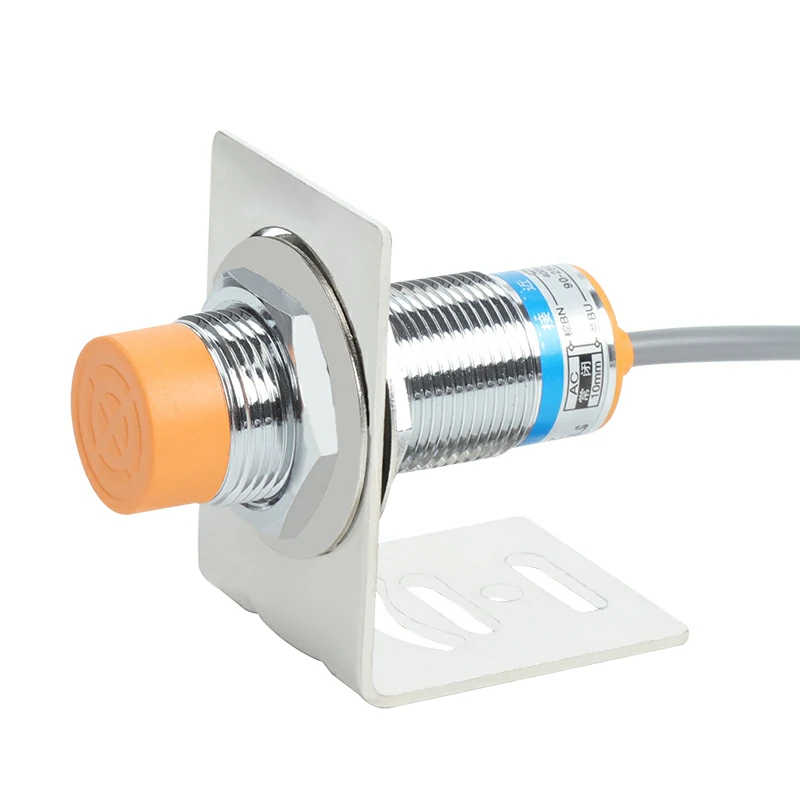
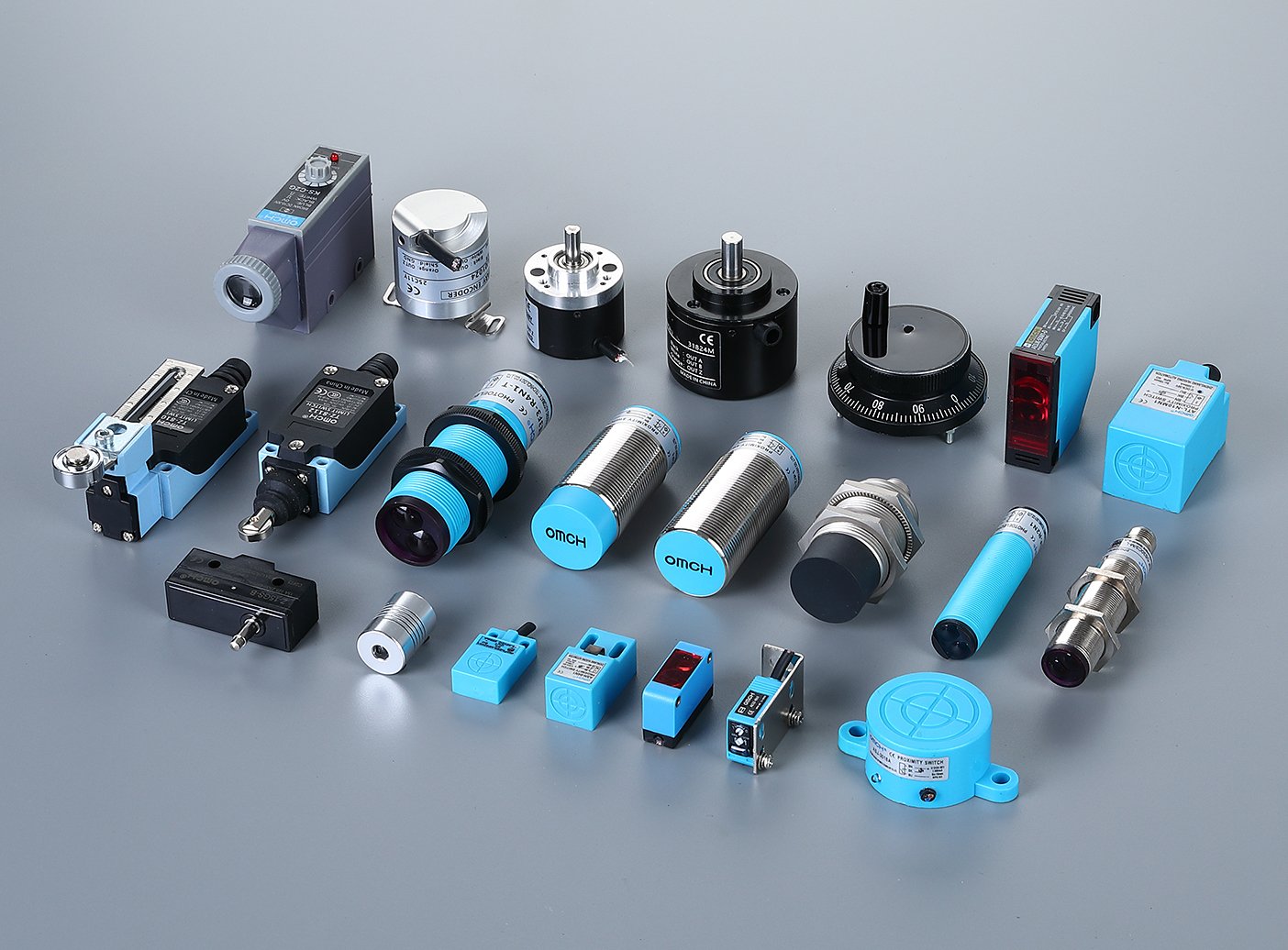
- Proximity Sensors: The most frequently used “tactile” components in automation, used for non-contact detection of an object’s presence.
- Inductive: Sensitive only to metal targets; often used to detect gear speed or the presence of a metal pallet. Highly durable and immune to oil and dust.
- Capacitive: Can detect non-metal objects (like plastic, wood, or even liquid levels inside non-metal pipes). However, they are more sensitive to environmental humidity.
- Photoelectric Sensors: The “eyes” of automation. They use light beams (usually infrared or laser) to detect the presence, absence, or distance of objects. Categories include through-beam (longest range and most reliable), retro-reflective, and diffuse. Widely used in logistics sorting and packaging counting.
- Transmitters: Essential in process automation (like chemical or food & beverage industries) to continuously monitor fluid states. Pressure transmitters, temperature transmitters, and flow meters convert continuous physical changes into standard analog signals (like 4-20mA or 0-10V) or digital protocols for the PLC.
- Mechanical Switches & HMIs: This includes limit switches, micro switches, and the emergency stop buttons/indicator lights on operation panels. They serve as the system’s most basic physical defense line and the entry point for human intervention.

Actuators and Drives: Enabling Physical Machine Movement
When the front part of an automation system is concerned with data input and logic, the back part is all about releasing power. The system has actuators and drives as its muscles. The controller sends control signals to them and transforms them into strong mechanical energy that can be used to lift heavy loads, cut metal, or route fluids.
The choice in this category is what directly determines the speed, accuracy and torque of your machine.
Servo Motors & Drives
Where quick dynamic response and positioning accuracy in the micron range is needed, the AC servo systems are the unquestioned monarchs. A servo system is made up of a servo motor and a servo drive. It consists of its nature of full closed-loop control- a high-precision encoder mounted on the tail of the motor feeds the actual position and speed of the rotor back to the drive thousands of times per second. The drive compares the difference between the desired and actual position and modulates the electrical current in real-time. This strict error-correcting process enables servo systems to deal with complicated operations such as CNC profile machining, semiconductor wafer handling without damage, and flying shears in high-end packaging equipment.
Variable Frequency Drives (VFDs).
The VFD is your industrial friend when positional accuracy is not the most important, but you require the fine, smooth control of the speed and torque of a 3-phase AC asynchronous motor. VFDs operate by modulating the frequency (Hz) and voltage (V) of the AC power to the motor with internal IGBT modules.
In addition to allowing easy soft starts and stops (which saves the physical wear on gearboxes and electrical shocks to the grid in massive amounts), the greatest benefit of the VFD to the modern factory is energy savings. In variable torque loads, such as centrifugal fans, water pumps, and large conveyors, a VFD to dynamically control motor speed according to the actual process requirements can reduce electricity consumption by 30 to 50 percent, which is why it is an essential instrument in achieving factory carbon neutrality.
Pneumatics & Hydraulics
In many industrial scenarios, pure electrical drives (motors) aren’t the only—or even the best—option. Fluid power still claims a massive share of the market:
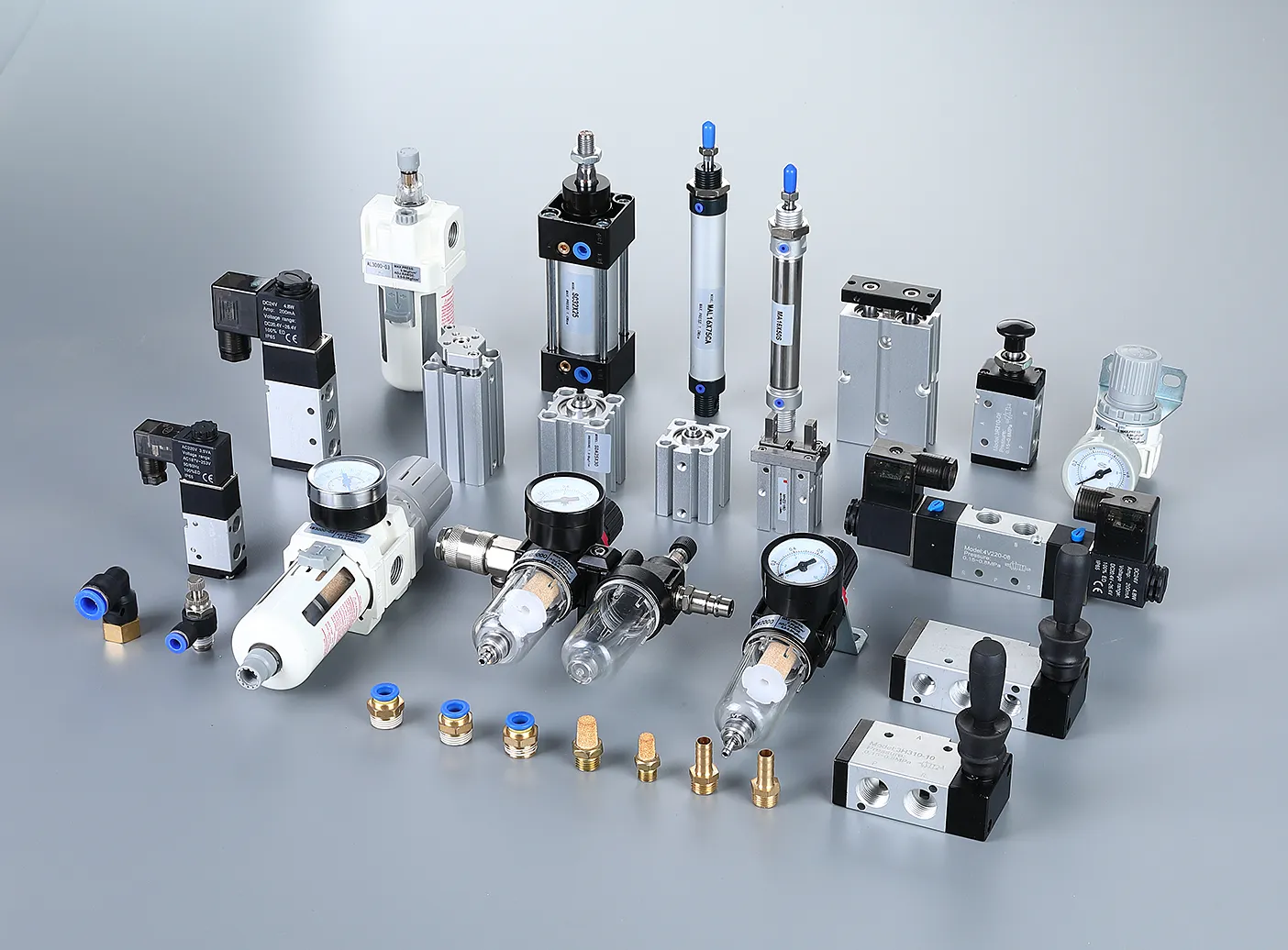
- Pneumatic Systems (Cylinders & Grippers): These use compressed air in the factory network as a source of power. Pneumatics are extremely simple in design, very economical to purchase and maintain and very quick in action. In addition, since they do not produce electrical sparks, they have natural safety benefits in flammable or explosive chemical settings (such as dust explosion hazards). They are the horses of work on simple point to point tasks such as pushing, lifting and gripping on assembly lines.
- Hydraulic Systems (Hydraulic Cylinders & Motors): These are systems that utilize incompressible fluids (typically industrial hydraulic oil) to pass energy. The essence of the hydraulics can be summarized as “Big brute strength. They are capable of producing incredible linear force and rotational torque in a very small size, and are able to sustain high pressure over extended durations without overheating as electric motors do. Hydraulics are the only solution in heavy forging presses, injection molding machine clamping mechanisms and large construction equipment.
Whether it’s a high-speed servo drive or a frequently switching contactor, components responsible for transferring and converting immense energy inevitably generate massive amounts of waste heat and electromagnetic interference. This brings us to a critical, yet frequently “corner-cut” aspect of automation cabinet design: Power distribution and thermal management.
Power Supply and Crucial Thermal Management Components
After exploring the system’s brains, senses, and muscles, we must turn our attention to the unsung heroes that hold the power of life and death over the entire system: the “logistics” components. No advanced PLC or servo motor can survive without stable power and a suitable temperature environment. Power distribution and thermal management form the bedrock of industrial automation.
Industrial DIN-Rail Power Supplies
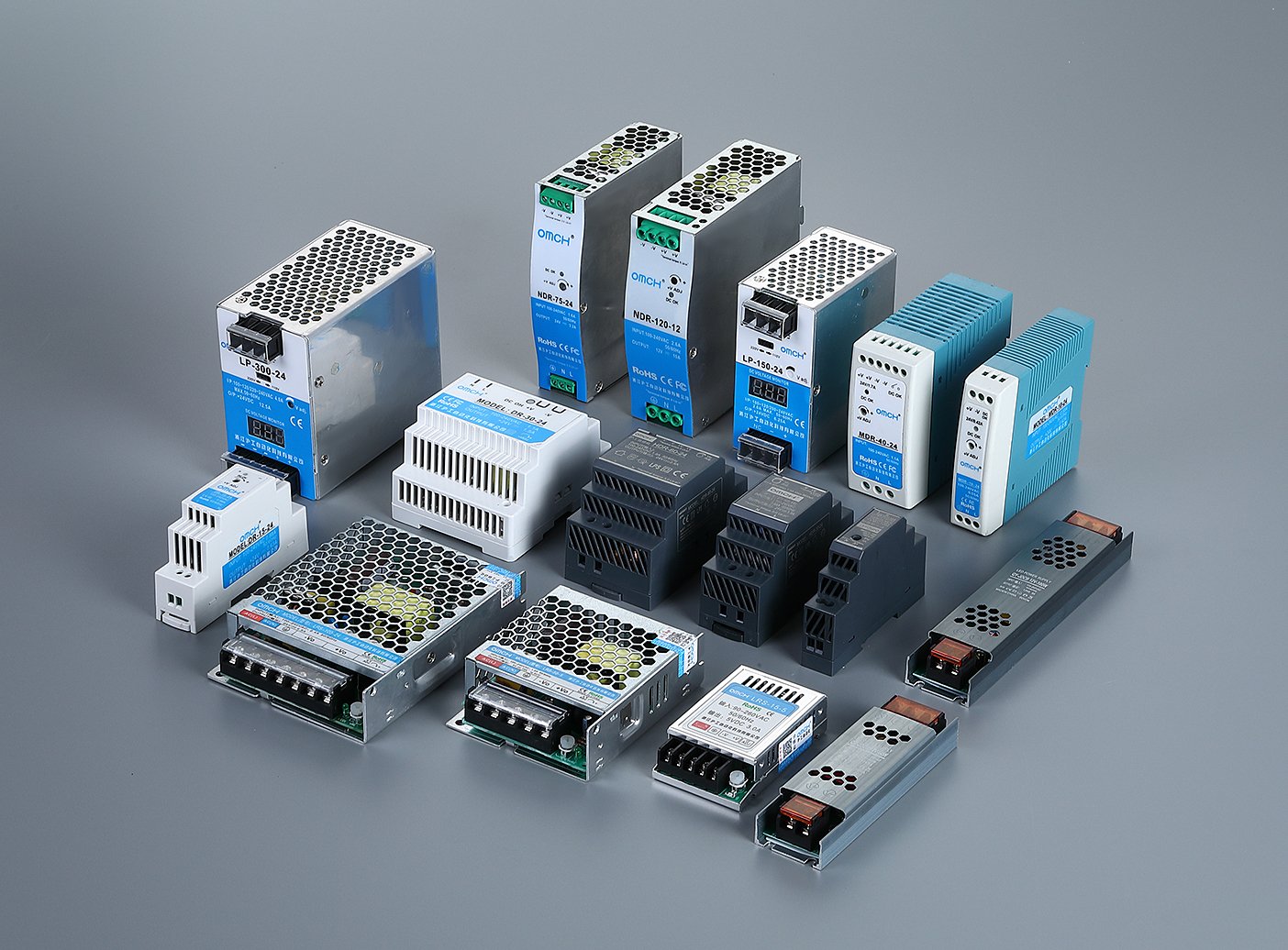
The Switched-Mode Power Supply (SMPS) is the most widespread power element within an industrial control cabinet. Most logic components within the automation system (such as PLCs, sensors, and HMI screens) are exceptionally sensitive to clean and stable 24V DC power, whereas factory grids typically supply 380 V or 220 V AC power.
Commercial consumer power supplies are miles behind industrial-grade power supplies. They should have strong resistance to grid voltage variations, very high Electromagnetic Compatibility (EMC) as well as the capability to operate over a wide temperature range under extreme conditions (usually -25C to +70C). In order to protect against unexpected power outages in the factory, engineers frequently provide Redundancy Modules and Uninterruptible Power Supplies (UPS) to allow the controller sufficient time to store important operational data and safely de-energize hazardous equipment.
Basic Electrical Protection
To prevent grid short-circuits or equipment overloads from causing fires and catastrophic damage, the control cabinet must be designed with proper electrical protection components connected in series. This includes standard Miniature Circuit Breakers (MCBs), fuses, and Surge Protective Devices (SPDs). Acting as physical safety barriers, they can cut off the circuit in milliseconds in the event of an electrical fault or sudden surge (like a lightning strike), isolating dangerous energy away from the core control system.
Connectivity and Wiring Systems
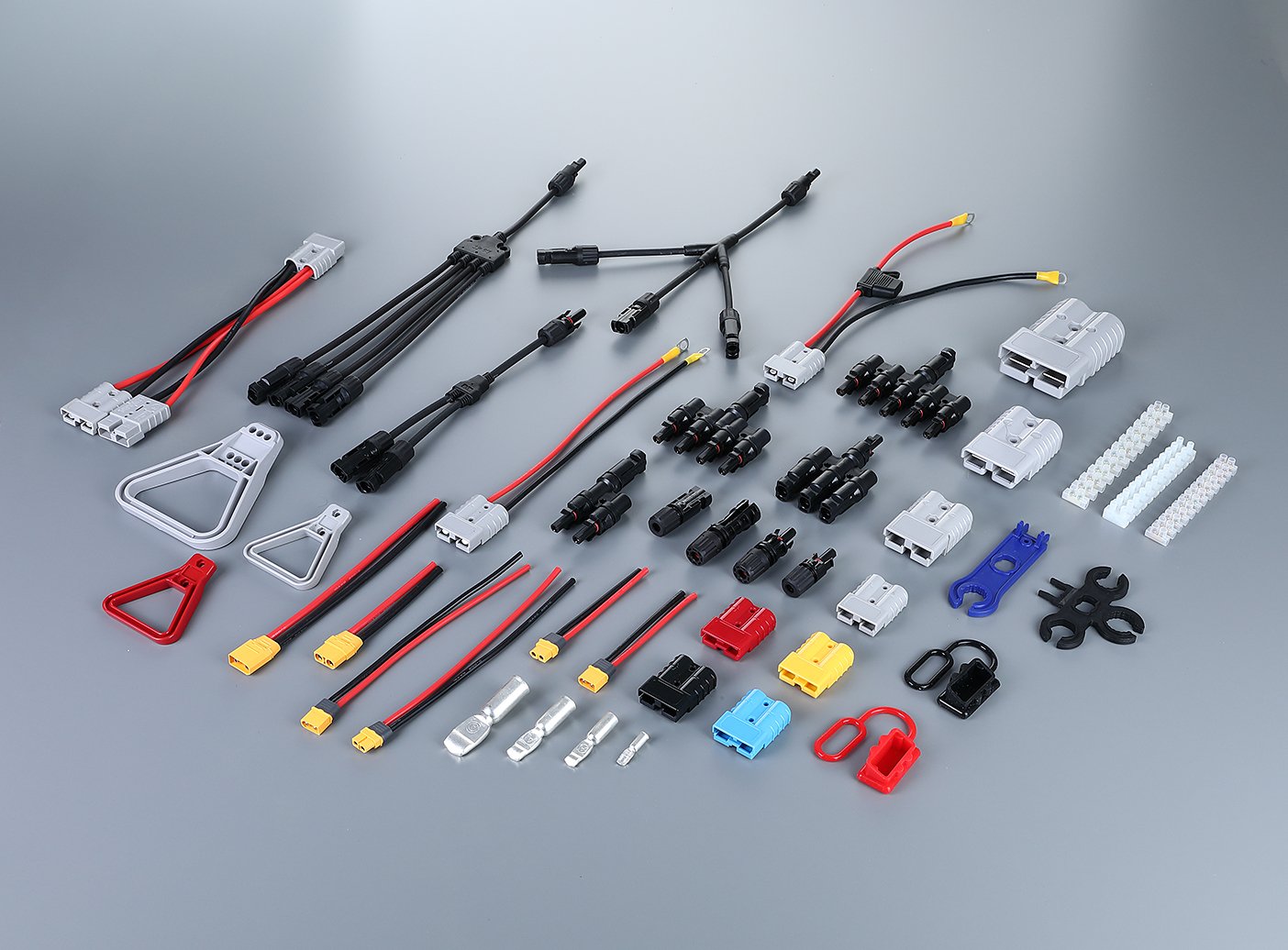
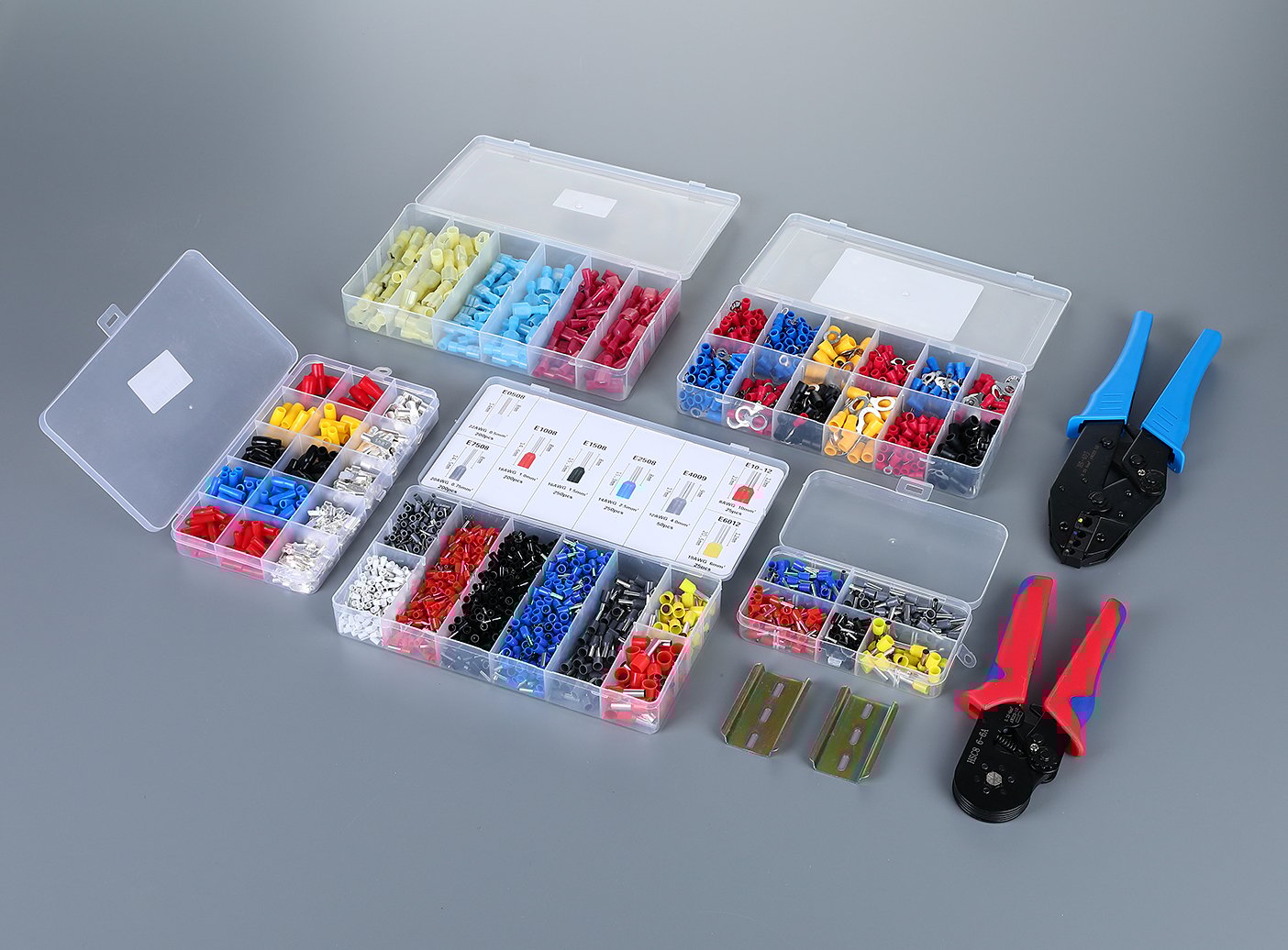
In complex automation systems, hundreds or thousands of components need to be connected flawlessly. DIN rails provide a standardized physical mounting platform; terminal blocks and highly flexible industrial shielded cables act as the system’s “blood vessels” and “neural pathways.” Choosing connectivity components that meet anti-vibration and anti-corrosion standards is an absolute engineering requirement for ensuring weak digital signals transmit flawlessly in high-EMC environments.
The Value of One-Stop Manufacturing
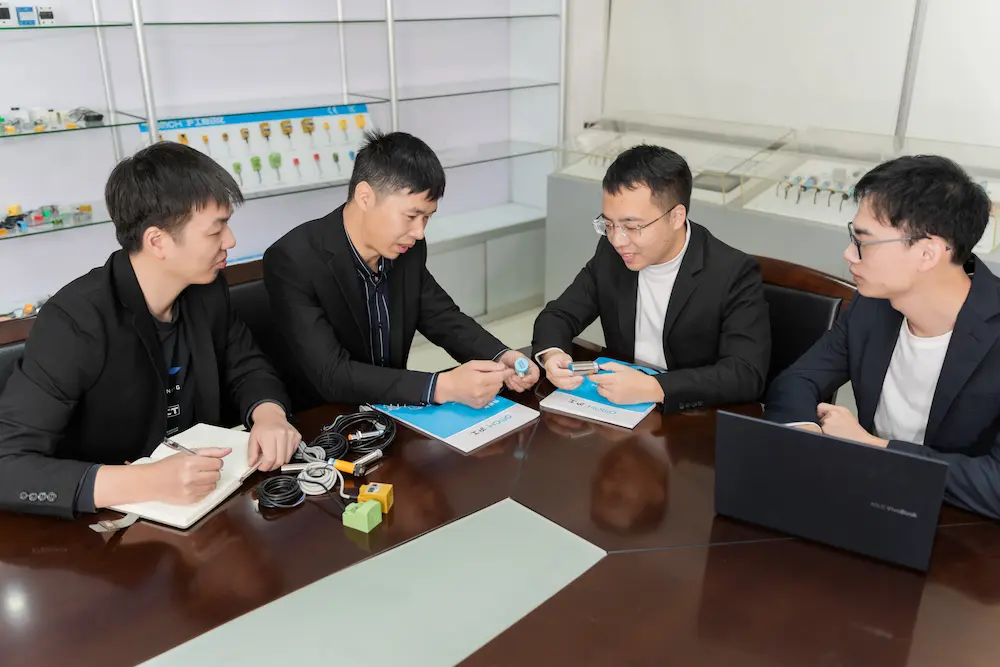
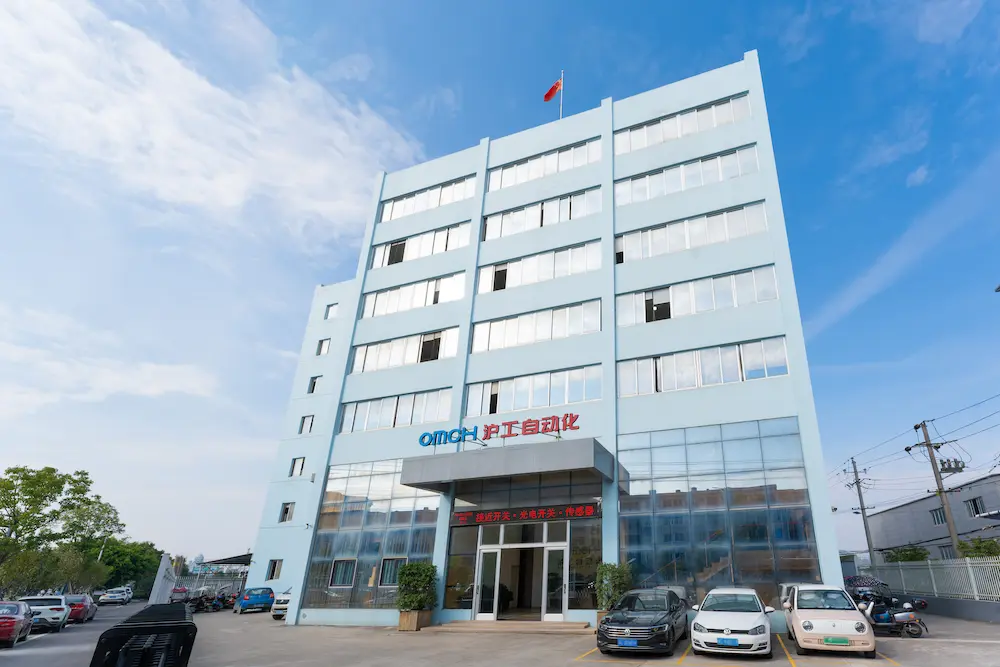
System fragmentation often leads to high costs and compatibility risks when sourcing sensors, power supplies, and pneumatics from multiple brands. OMCH, with nearly 40 years of expertise since 1986, solves this through a comprehensive “one-stop” ecosystem.
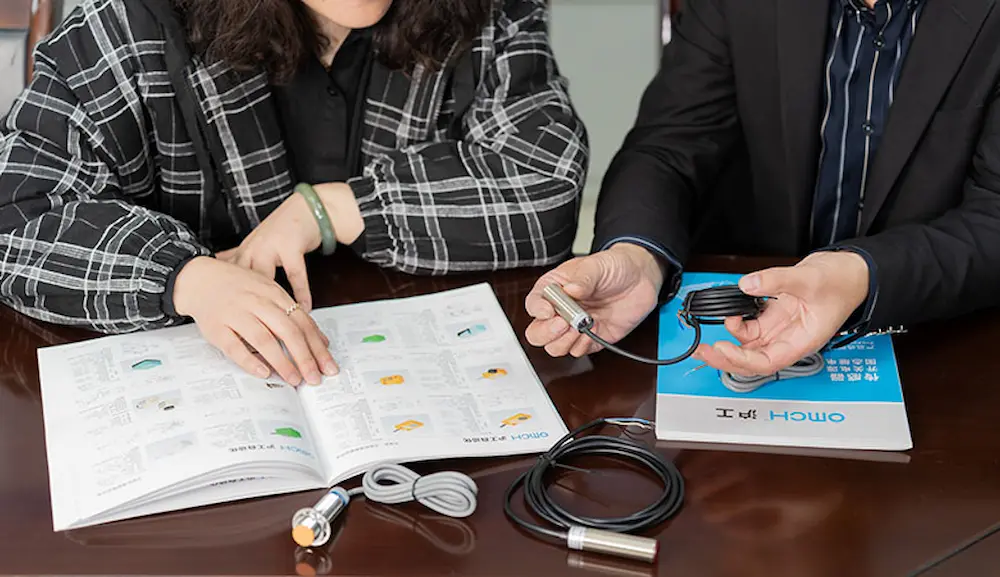
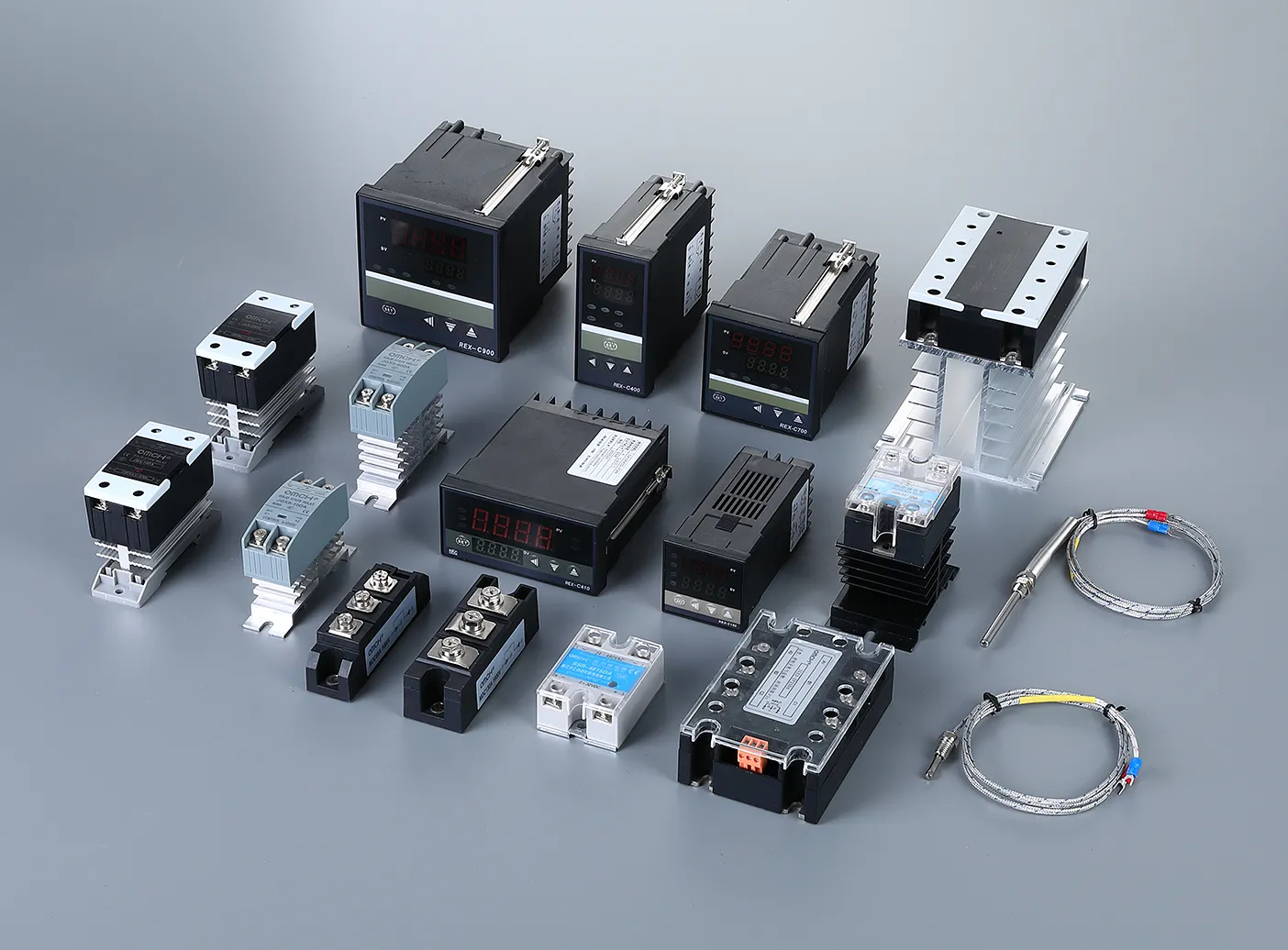
With over 3,000 SKUs, OMCH covers the entire automation loop: from sensing (proximity/photoelectric) and power systems (DIN-rail SMPS) to terminal execution (pneumatic cylinders/valves).
This single-source model eliminates technical barriers and drastically shortens R&D cycles. Supported by global certifications (IEC, CE, RoHS) and a 24/7 service network spanning 70+ countries, OMCH provides the reliability and global warranty essential for seamless international project delivery.

Key Specifications for Choosing Automation Components
Once you understand the component categories, how do you cut through the marketing jargon and select the hardware that best matches your actual field requirements? You need a deep grasp of several core technical specifications. Remember, in the industrial sector, “the most expensive isn’t always the best; the most suitable is king.”
- Ingress Protection (IP Rating)
This is the critical metric assessing whether a component can survive its physical environment. The IP code consists of two digits: the first indicates protection against solid particles (dust), and the second indicates protection against liquids (water).
- IP20: Typically used for components installed inside a sealed electrical cabinet (like breakers and relays); protects against finger touches, but offers no dust or water resistance.
- IP65 / IP67: Can be used with components that are in direct contact with the factory floor or even outside (such as field sensors or machine vision cameras). IP67 implies that the component is totally dust-proof and can even be temporarily immersed in water without being damaged. When the equipment is often washed down with high-pressure water jets and harsh chemicals, as in the food and beverage or pharmaceutical industries, you need to purchase components that are of the highest standard of IP69K.
- Operating Temperature (Environmental Tolerance)
Beyond IP ratings, extreme temperatures are the ultimate test of hardware quality. Standard commercial electronic components operate between 0°C and 40°C. However, if your control cabinet is stationed in a sweltering steel smelting plant or deployed next to freezing outdoor pipelines, you must procure “Wide-Temperature” components (e.g., -40°C to +85°C) to prevent catastrophic component failure caused by extreme heat or cold.
- Industrial Communication Protocols
In the smart factory of 2026, no component is an island. Sensors, drives, and controllers must be able to “talk” to each other at high speeds using the same language. When purchasing, you must verify that the components support your facility’s existing bus standards.
- PROFINET and EtherNet/IP: Standard protocols using industrial Ethernet. They are burning quick and are suitable in managing huge data loads and complicated closed-loop motion control.
- Modbus RTU / TCP: A universal protocol that has a long history. It is very stable and economical and is commonly applied in data acquisition applications that do not require ultra-high real-time performance.
- IO-Link: The most recent hot underlying sensor protocol. It enables complex diagnostic information to be sent back to the PLC by standard proximity switches or photoelectric sensors (e.g. warning when a lens is becoming dirty), the key to predictive maintenance.
Total Cost of Ownership (TCO) Considerations
The deadliest error in automation procurement is the price-only mentality- looking at the Initial Purchase Price on a quote only. In the case of senior executives and experienced procurement directors, it is always about the Total Cost of Ownership (TCO).
A low-quality, cheap contactor that is 30 percent cheaper to purchase may result in a tenfold loss in three years. These three hidden costs should be considered when calculating TCO:
Energy Consumption
Industrial machines are huge power consumers. The efficiency of your components in terms of energy consumption directly influences the monthly electricity bill of the plant. As an example, a slightly more expensive servo drive with regenerative braking technology, or a very efficient VFD, can easily save enough on electricity in five years to pay the initial cost of a few units.
Maintenance and Replacement
This consumes a huge portion of TCO. The fundamental metric in this case is the Mean Time Between Failures (MTBF) of a component. When you purchase knock-off relays or low-cost cooling fans to save some money, the frequent breakdowns will result in the soaring labor, travel, and repair expenses. In developed countries such as Europe or the US, a visit by a senior automation engineer to a location may cost thousands of dollars. Thus, demanding industrial grade products and high MTBF at critical junctions is in fact the most cost effective invisible investment in the entire system.
Cost of Downtime
This is the nightmare of any plant manager. On a car or chip assembly line, a minute of downtime can cause astronomical losses in the value of production and raw materials scrapped. In assessing hardware, you need to put a premium on self-diagnostic features (such as sensors that provide pre-failure warnings) and modularity (components that can be hot-swapped without rewiring) to reduce unexpected downtime to zero.
How to Evaluate Automation Component Suppliers Effectively
After you have settled on technical specifications and have a thorough grasp of the TCO model, the last thing to do, and the one that determines the long-term sustainability of your project, is to choose the appropriate supplier. The purchase of industrial automation parts is not a single purchase; you are in effect, selecting a strategic partner that will be with you in your ups and downs over the next 10 to 15 years.
A passing Vendor Audit Checklist must cover these four core dimensions:
Supply Chain Resilience & Delivery Capability
After weathering global chip shortages and logistics crises, On-time Delivery has become a top-tier competitive advantage.
- Does the supplier have ample localized warehousing centers across major global industrial hubs?
- Do they commit to maintaining “Safety Stock” for your core consumables?
- Is their product matrix rich enough to offer “One-stop Shopping” options, reducing your integration risks from juggling multiple micro-suppliers?
Certifications and Compliance
If your equipment is destined for the global market, component compliance certifications are non-negotiable.
- CE Mark: The entry requirement that is obligatory to the European market, which demonstrates that the product complies with health, safety, and environmental standards.
- UL / CSA Certification: The gold standard of the North American market, which involves incredibly rigorous fire and electrical shock testing.
- RoHS and REACH: Environmental compliance certificates that guarantee that products do not contain any dangerous heavy metals and chemicals. A supplier who is unable to offer a full chain of certifications will create catastrophic roadblocks to your customs clearance and equipment delivery.
Global Technical Support and Service Network
All machines wear out. In the event of a communication malfunction on your equipment in a foreign factory, is your supplier able to send an engineer to the location within 24 hours? Good automation component vendors do not merely sell hardware, but they sell service. They should offer 24/7 phone support, comprehensive datasheets in various languages, and open and expedited Return Merchandise Authorization (RMA) procedure.
Product Lifecycle Management
Industrial equipment is generally used more than ten years, and electronic components change at a lightning pace. An elite supplier will offer a definite Lifecycle Status Chart (e.g., Active, Classic, Limited, Obsolete) and send warnings a year or two before a controller or sensor becomes obsolete. At the same time, they ought to offer a 100 percent compatible Migration Path to upgrades so that your production line will never have a dead-end with parts that cannot be replaced.


 English
  Arabic
  Turkish
  Russian
  Spanish
  French
  Indonesian
  Portuguese