

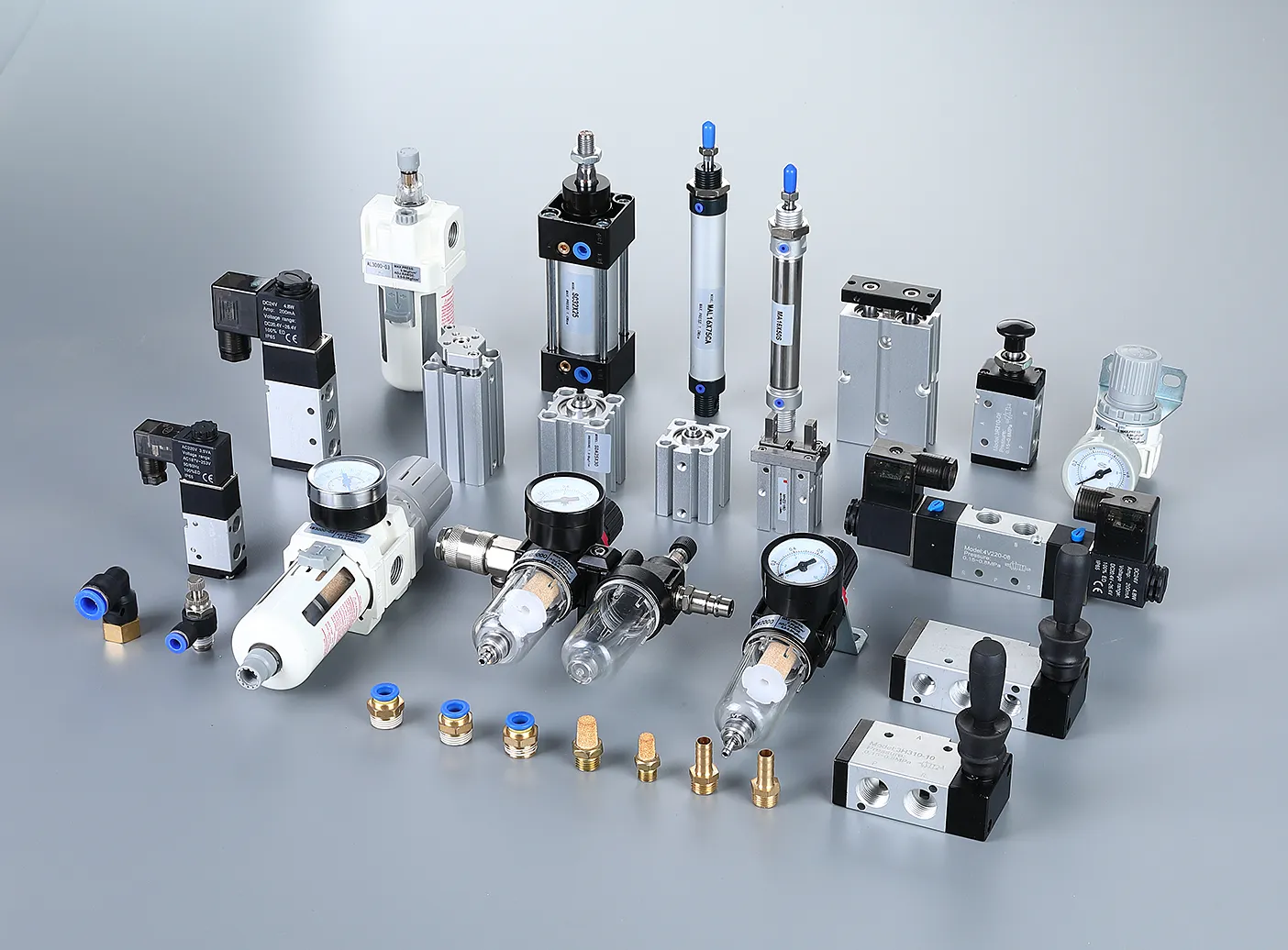
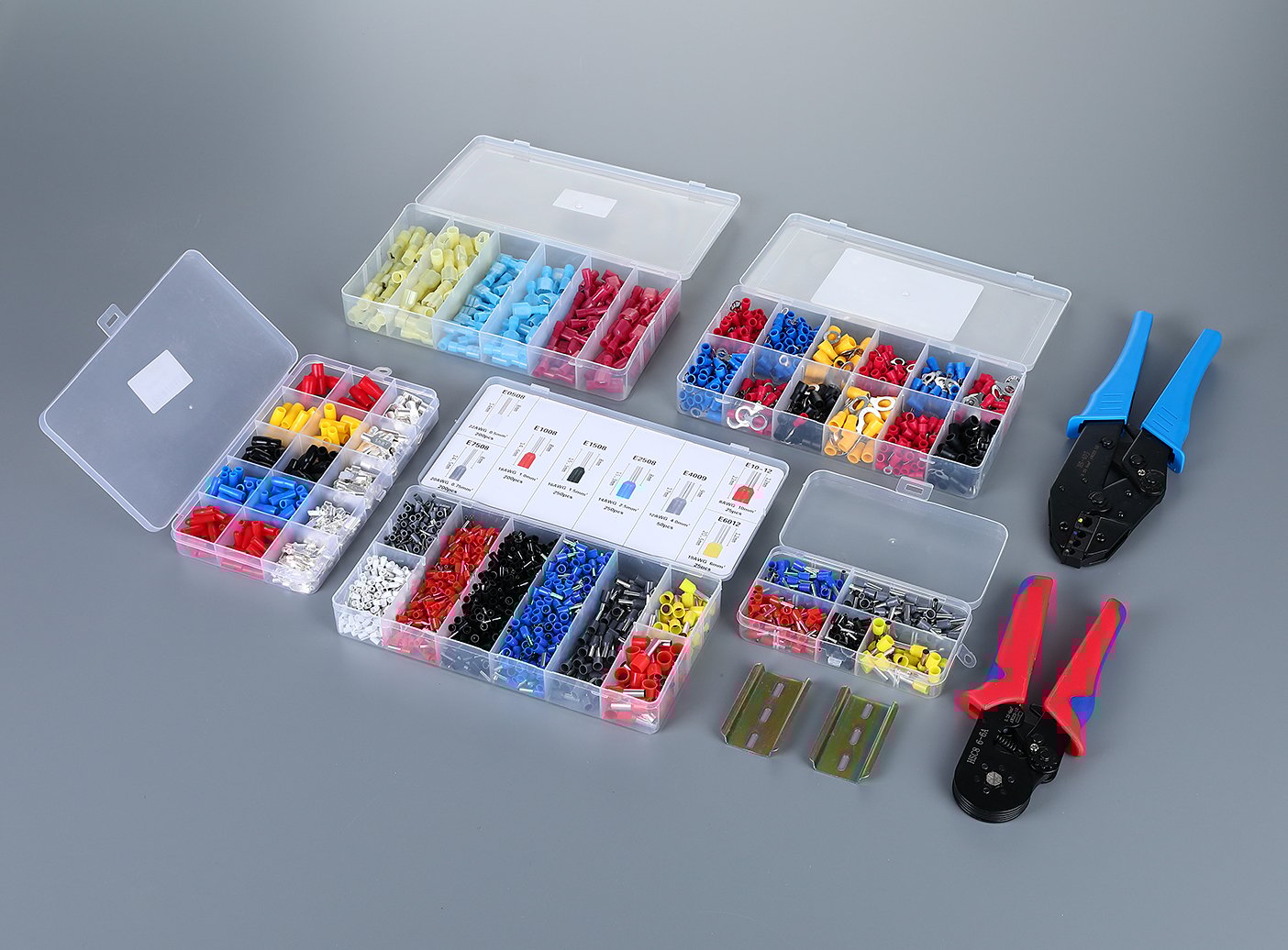

Saat Anda mencari “jenis-jenis komponen listrik,” sebagian besar hasil pencarian akan menampilkan daftar resistor, kapasitor, dan transistor — unsur-unsur dasar papan sirkuit. Hal itu berguna jika Anda sedang memperbaiki pengisi daya ponsel. Namun, dunia komponen listrik jauh lebih luas daripada yang muat di PCB. Jika Anda pernah berdiri di depan panel kontrol motor, berjalan melintasi lantai pabrik, atau membuka spreadsheet pengadaan untuk proyek industri, Anda pasti sudah mengetahuinya.
Komponen listrik mencakup berbagai perangkat, mulai dari yang berukuran milimeter hingga peralatan sebesar lemari es. Komponen-komponen ini menangani daya mulai dari miliwatt hingga megawatt. Fungsinya tidak hanya memproses sinyal — melainkan juga mendistribusikan energi, mengendalikan motor, melindungi rangkaian listrik, dan memastikan seluruh jalur produksi tetap beroperasi.
Panduan ini membahas jenis-jenis utama komponen listrik dari sudut pandang industri: apa saja komponen tersebut, bagaimana pengelompokannya, dan di mana Anda akan menemukannya dalam sistem yang sebenarnya.
Apa Itu Komponen Listrik?
Komponen listrik adalah perangkat terpisah apa pun yang menjalankan fungsi tertentu dalam suatu sistem kelistrikan — membatasi arus, menyimpan energi, mengaktifkan atau menonaktifkan rangkaian, mengubah tegangan, atau mendeteksi kondisi fisik. Berdasarkan Kamus Istilah Elektroteknika Internasional IEC 60050, istilah ini mencakup segala hal, mulai dari resistor pemasangan permukaan yang sangat kecil hingga trafo daya seukuran kabinet.
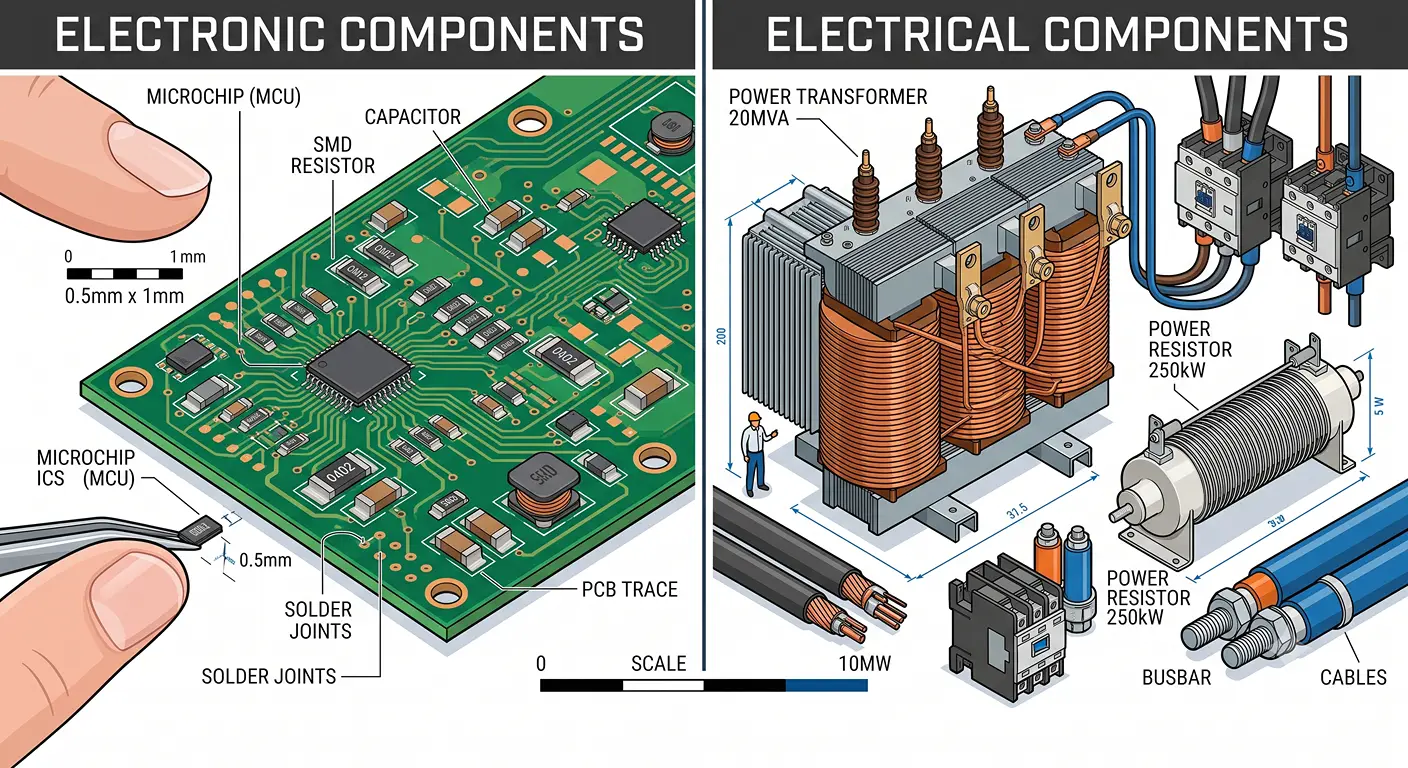
Inilah perbedaan yang sering terlewatkan oleh kebanyakan panduan pemula: Komponen listrik tidak sama dengan komponen elektronik.
Komponen elektronik beroperasi pada tingkat sinyal — mulai dari miliwatt hingga beberapa watt — dan memproses informasi pada papan sirkuit cetak. Bayangkan komponen-komponen ini sebagai sistem saraf: mereka mendeteksi, menghitung, dan berkomunikasi. Komponen listrik menangani daya — mulai dari puluhan watt hingga megawatt — mendistribusikan energi, dan melakukan pekerjaan fisik. Komponen-komponen ini merupakan otot dan kerangka dari suatu sistem industri.
Resistor pada papan Arduino adalah komponen elektronik. Resistor pengereman yang melepaskan panas sebesar ratusan watt dari VFD adalah komponen listrik. Prinsipnya sama, tapi kelasnya berbeda.
Bagaimana Komponen Listrik Diklasifikasikan
Sebelum membahas masing-masing jenis, akan sangat membantu jika kita memiliki gambaran umum. Klasifikasi standar industri — yang selaras dengan kerangka kerja kamus data IEC 61360 untuk komponen listrik — mengelompokkan semuanya ke dalam tiga kelompok besar:
Kerangka kerja ini mencakup setiap komponen kelistrikan yang mungkin Anda temui — mulai dari trafo kontrol yang menyuplai daya ke PLC hingga pemutus arus dalam wadah cetakan yang melindungi saluran pengumpan motor. Mari kita bahas setiap kategori satu per satu.
Komponen Pasif — Pengatur Energi
Komponen pasif memiliki satu kesamaan: mereka tidak menghasilkan penguatan. Komponen ini mengelola energi — menyimpannya, menghilangkannya, atau mentransfernya — tetapi tidak pernah memperkuat sinyal. Terlepas dari namanya, pentingnya komponen ini sama sekali tidak pasif. Tanpa komponen ini, tidak ada sistem kelistrikan yang dapat beroperasi lebih dari sepersekian detik.
Bayangkan komponen pasif sebagai sistem lalu lintas dalam suatu jaringan listrik: resistor membatasi aliran (seperti polisi tidur), kapasitor menyimpan dan melepaskan energi (seperti tempat parkir), induktor menahan perubahan mendadak (seperti roda gila), dan transformator mengubah tingkat tegangan (seperti kotak persneling).
Resistor dan Kapasitor — Pengaturan Arus dan Penyimpanan Energi
Resistor berfungsi persis seperti yang disiratkan oleh namanya: mereka menghambat aliran arus. Di lingkungan industri, Anda akan menjumpai resistor daya tetap dengan daya terukur mulai dari 5 watt hingga lebih dari 500 watt — bukan komponen film karbon mungil berdaya seperempat watt yang ada di papan sirkuit. Komponen-komponen ini mampu menahan panas yang nyata: resistor pengereman pada VFD, resistor pengardean netral dalam sistem distribusi, dan elemen pemanas pada peralatan industri. Ada dua angka yang paling penting: resistansi dalam ohm (Ω) dan nilai daya. Jika daya yang digunakan salah, resistor akan terbakar dalam hitungan detik.
Kapasitor menyimpan energi dalam medan listrik dan melepaskannya saat diperlukan. Dalam konteks industri, jenis yang paling penting adalah kapasitor koreksi faktor daya (PFC). Sistem kelistrikan pabrik mengonsumsi baik daya aktif (yang menghasilkan kerja) maupun daya reaktif (yang hanya berosilasi dalam kabel). Kapasitor PFC — yang umumnya memiliki nilai nominal 5 hingga 50 kVAR dan dipasang dalam rangkaian berukuran kabinet — meniadakan daya reaktif, sehingga menurunkan tagihan listrik dan mencegah denda dari penyedia listrik. Anda juga akan menemukan kapasitor elektrolit (dengan nilai nominal 400 V atau 450 V DC) pada bus DC setiap VFD, yang menghaluskan arus bolak-balik (AC) yang telah diperbaiki menjadi arus searah (DC) yang bersih untuk tahap inverter.
Induktor dan Trafo — Rekayasa Medan Magnet
Induktor menyimpan energi dalam medan magnet dan menahan perubahan arus. Dalam sistem industri, bentuknya yang paling umum adalah reaktor — sebuah kumparan tembaga atau aluminium yang dililitkan pada inti besi. Reaktor saluran (dengan impedansi khas sebesar 3% hingga 6%) dipasang pada input VFD, melindungi jaringan listrik dari distorsi harmonik dan drive dari lonjakan tegangan. Choke bus DC menjalankan fungsi perataan serupa pada sisi DC.
Transformers mentransfer daya AC antar sirkuit melalui induksi elektromagnetik, menaikkan atau menurunkan tegangan tanpa mengubah frekuensi. Trafo kontrol industri — dengan kapasitas terukur mulai dari 50 VA untuk panel kecil hingga 5 kVA untuk kabinet besar — mengubah tegangan jaringan 480 V atau 230 V menjadi 24 V atau 120 V untuk sirkuit kontrol. Di segmen beban berat, trafo distribusi menangani daya 50 kVA hingga 2.500 kVA atau lebih, yang menyuplai seluruh bagian pabrik. Spesifikasi utama meliputi nilai kVA, tegangan primer dan sekunder, serta kelas isolasi — Kelas H (180°C) umum digunakan untuk unit industri yang beroperasi pada suhu tinggi di ruang tertutup.
Komponen Aktif dan Semikonduktor — Pengendali
Jika komponen pasif diibaratkan sebagai rambu lalu lintas, maka komponen aktif adalah lampu lalu lintas dan ruang kendali. Komponen-komponen ini membutuhkan daya eksternal untuk beroperasi, dan tugasnya adalah menentukan ketika aliran energi, berapa banyak, dan ke arah mana. Setiap sistem otomatis — mulai dari sabuk konveyor hingga mesin CNC — bergantung pada komponen aktif untuk mengambil keputusan dan melaksanakannya.
Dioda dan Transistor — Unsur Dasar Sistem Pengendalian
Dioda merupakan semikonduktor paling sederhana: arus mengalir ke satu arah saja, bukan ke arah sebaliknya. Komponen andalan dalam elektronika daya industri adalah dioda penyearah — yang mengubah arus bolak-balik (AC) menjadi arus searah (DC) pada catu daya dan pengisi daya baterai. Dioda penyearah 1N4007, misalnya, mampu menangani tegangan balik puncak hingga 1000V. Dioda Schottky menawarkan penurunan tegangan maju yang lebih rendah untuk catu daya switching frekuensi tinggi. Dioda Zener berfungsi sebagai referensi tegangan yang presisi dalam rangkaian regulasi. Dan di setiap kumparan relai dan kontaktor dalam panel kontrol, Anda akan menemukan dioda flyback yang menyerap dorongan balik induktif yang jika tidak akan merusak semikonduktor di sekitarnya.
Transistor adalah sakelar dan penguat sejati dalam elektronika modern. Dalam aplikasi industri, MOSFET sangat dominan — ini adalah sakelar yang dikendalikan tegangan yang mampu menangani tegangan 600 V atau 1.200 V pada arus puluhan ampere, dikemas dalam wadah TO-247 atau TO-220 yang kokoh dengan heatsink yang dipasang dengan baut. Inverter penggerak motor tiga fasa pada dasarnya terdiri dari enam atau lebih MOSFET atau IGBT dalam konfigurasi jembatan, yang beralih ribuan kali per detik untuk menghasilkan keluaran arus bolak-balik (AC) dengan frekuensi variabel.
Sirkuit Terpadu dan Unit Catu Daya — Kecerdasan dan Konversi
Sirkuit terpadu (IC) mengemas jutaan atau miliaran transistor ke dalam satu chip silikon. Di lantai pabrik, IC terpasang di dalam CPU PLC, papan kontrol penggerak motor, dan modul komunikasi. IC-lah yang berperan sebagai otak — menjalankan algoritma kontrol, memproses masukan dari sensor, dan mengirimkan perintah ke tahap keluaran.
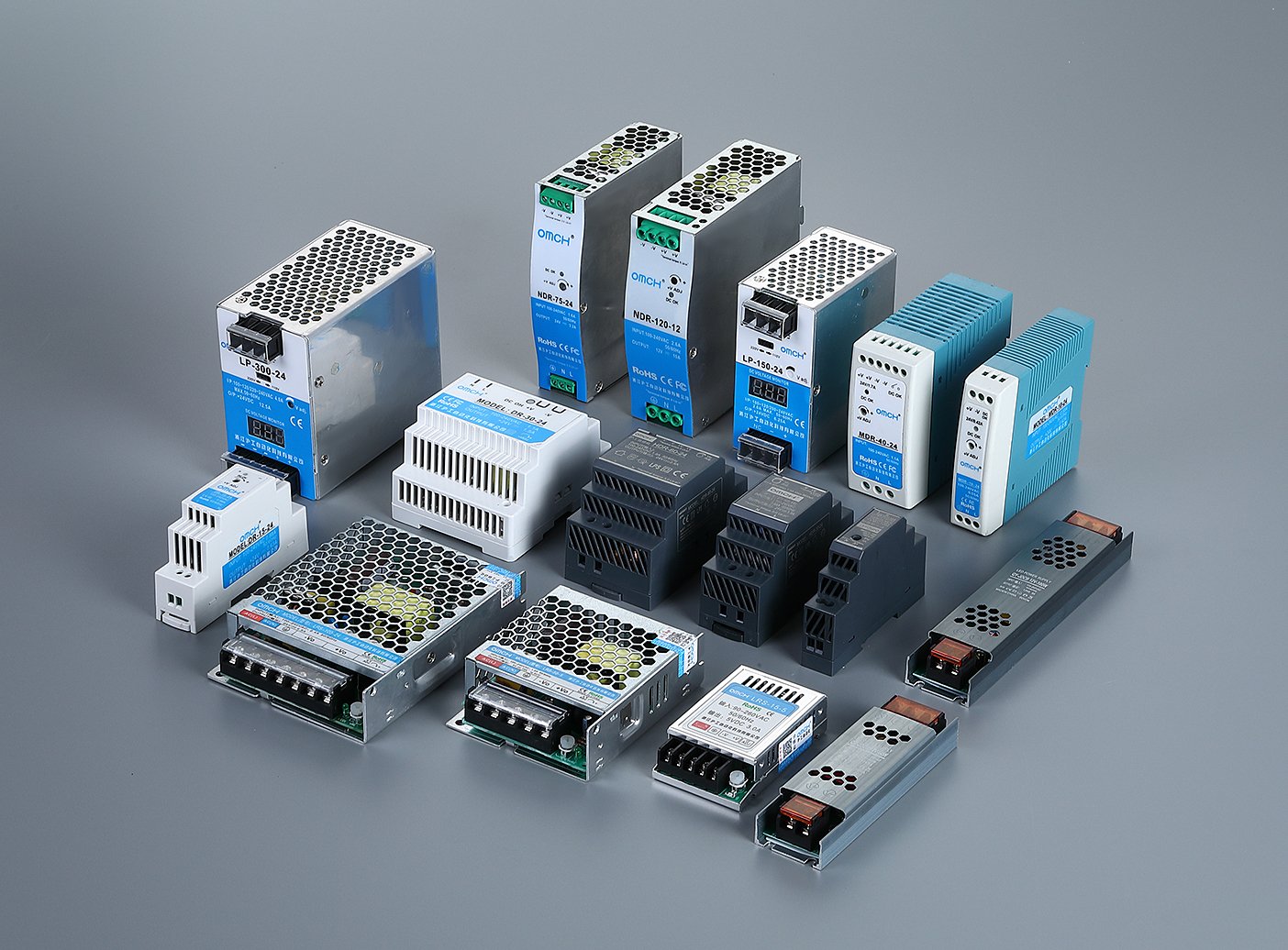
Unit catu daya menjembatani kesenjangan antara jaringan listrik dan sistem kontrol. Standar industri yang digunakan adalah catu daya switching yang dipasang pada rel DIN: sebuah unit berukuran ringkas dengan casing logam yang dipasang pada rel DIN standar 35 mm di dalam kabinet kontrol dan mengubah tegangan listrik 85–264 V AC menjadi output 24 V DC yang teratur. Rel 24 V tersebut — yang didefinisikan oleh IEC 61131-2 sebagai tegangan kontrol universal — menyalakan setiap PLC, sensor, relai, dan HMI di dalam kabinet. Catu daya ini berkisar dari 15 W (untuk menyalakan beberapa sensor) hingga 480 W atau lebih (untuk mengoperasikan seluruh panel kontrol). Unit modern mencapai efisiensi lebih dari 90% dan dilengkapi perlindungan bawaan terhadap kelebihan beban, korsleting, tegangan berlebih, dan suhu berlebih — biasanya diberi label OLP, SCP, OVP, dan OTP pada lembar data. Saat mengevaluasi catu daya industri, pastikan setidaknya memenuhi standar kepatuhan CE dan RoHS, serta memiliki rentang input universal 85–264V AC — yang berarti unit tersebut dapat beroperasi di mana saja di dunia tanpa perlu pemilihan tegangan secara manual.
Komponen Elektromekanis dan Perlindungan — Para Pekerja dan Penjaga
Di sinilah perbedaan antara teknik elektro dan elektronika terlihat paling jelas. Komponen elektromekanis melakukan tindakan fisik — membuka dan menutup rangkaian, menghubungkan dan memutus sambungan, serta mendeteksi jarak dan posisi. Komponen-komponen inilah yang Anda sentuh, dengar, dan lihat saat membuka pintu lemari kontrol.
Sakelar, Relai, dan Pemutus Arus — Pengendalian Manual hingga Otomatis
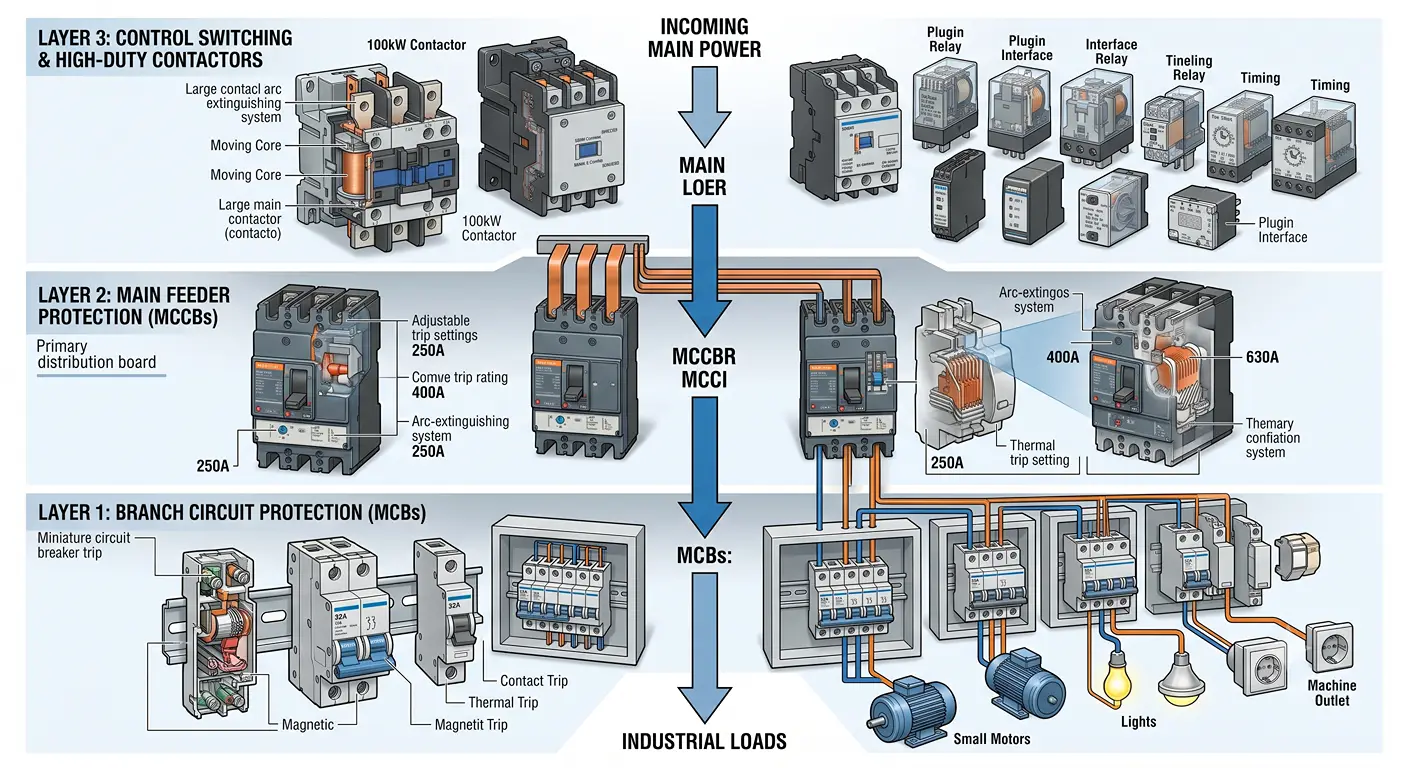
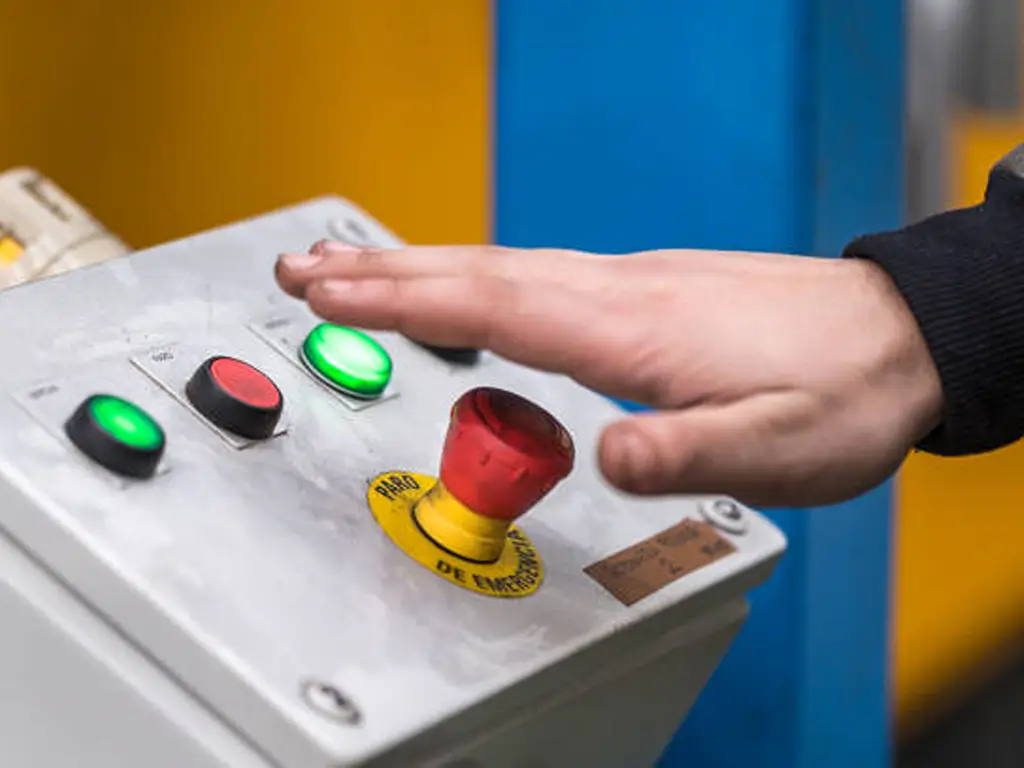
Sakelar merupakan elemen pengendali paling dasar: sepasang kontak yang saling bersentuhan atau terpisah. Di dunia industri, sakelar mikro (atau sakelar batas) berperan sebagai tulang punggung — sebuah sakelar kecil yang diaktifkan secara mekanis dan dipicu oleh benda fisik yang menekan tuas atau plunger-nya. Sakelar ini memberi sinyal kepada sistem pengendali bahwa suatu bagian mesin telah mencapai ujung pergerakannya. Sakelar tombol tekan terdapat di setiap panel operator, dirancang untuk kategori beban AC-15 (AC kontrol) atau DC-13 (DC kontrol), serta ditempatkan dalam wadah berstandar IP65 atau IP67 yang tahan debu dan semprotan air saat pencucian.
Relai Ambil konsep sakelar dan ubah menjadi sistem elektromagnetik. Berikan tegangan ke kumparan — biasanya 24 V DC atau 230 V AC — dan medan magnet yang dihasilkan akan menarik sepasang kontak hingga bersentuhan. Sinyal kendali berdaya rendah kini dapat mengendalikan rangkaian berdaya jauh lebih tinggi. Sebuah relai industri standar dapat mengalirkan arus 10 A pada tegangan 250 V AC melalui kontak yang dirancang untuk ratusan ribu kali operasi. Kontaktor adalah relai tugas berat yang dirancang untuk pengendalian motor. Sesuai dengan standar IEC 60947-4-1, relai ini mampu menangani beban AC-3 (pengoperasian motor sangkar tupai) pada arus mulai dari 9 A hingga ratusan ampere, dengan masa pakai listrik yang diukur dalam jutaan siklus operasi.
Pemutus arus menambah kecerdasan pada sistem perlindungan. Tidak seperti sekring, yang hanya dapat digunakan sekali dan harus diganti, pemutus arus akan terputus saat terjadi kelebihan beban atau korsleting, lalu dapat diatur ulang hanya dengan menekan tuas. Pemutus arus miniatur (MCB, sesuai IEC 60898) melindungi sirkuit cabang dengan arus 6 A hingga 63 A. Pemutus arus dalam wadah cetakan (MCCB, sesuai IEC 60947-2) menangani feeder utama pada arus 100 A hingga 630 A atau lebih, dengan pengaturan trip yang dapat disesuaikan dan kapasitas pemutusan sebesar 10 kA, 25 kA, atau lebih tinggi. Perangkat arus sisa (RCCB/RCBO) menambahkan perlindungan kebocoran arus ke tanah — yang sangat penting untuk keselamatan personel.
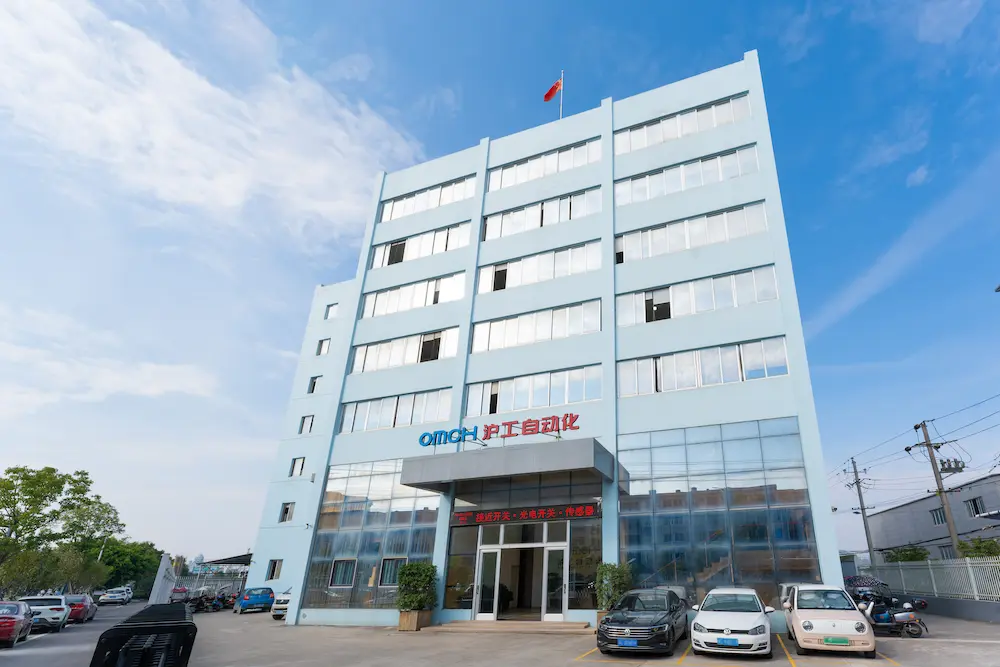
Bagi distributor dan grosir yang sedang mengembangkan katalog komponen listrik mereka, cakupan pemasok sangatlah penting. Produsen yang menyediakan MCB, MCCB, RCCB, kontaktor, relai, dan sakelar batas di bawah satu atap — yang didukung oleh sertifikasi CE, CCC, dan RoHS — berarti hubungan dengan pemasok yang lebih sedikit untuk dikelola serta standar kualitas yang konsisten di seluruh jajaran produk Anda. OMCH, misalnya, memproduksi lebih dari 3.000 model di lebih dari 30 kategori dari fasilitas seluas 8.000 m² di Zhejiang. Bagi distributor, hal ini berarti hanya perlu satu audit, satu sistem kualitas, dan satu rantai logistik yang mencakup sebagian besar katalog produk tegangan rendah dan kontrol industri Anda. Anda dapat menjelajahi katalog mereka komponen distribusi tegangan rendah dan produk kontrol dan pengalihan industri untuk mengetahui apakah cakupan kategori tersebut sesuai dengan pasar Anda.
Konektor, Terminal, dan Sensor — Lapisan Antarmuka
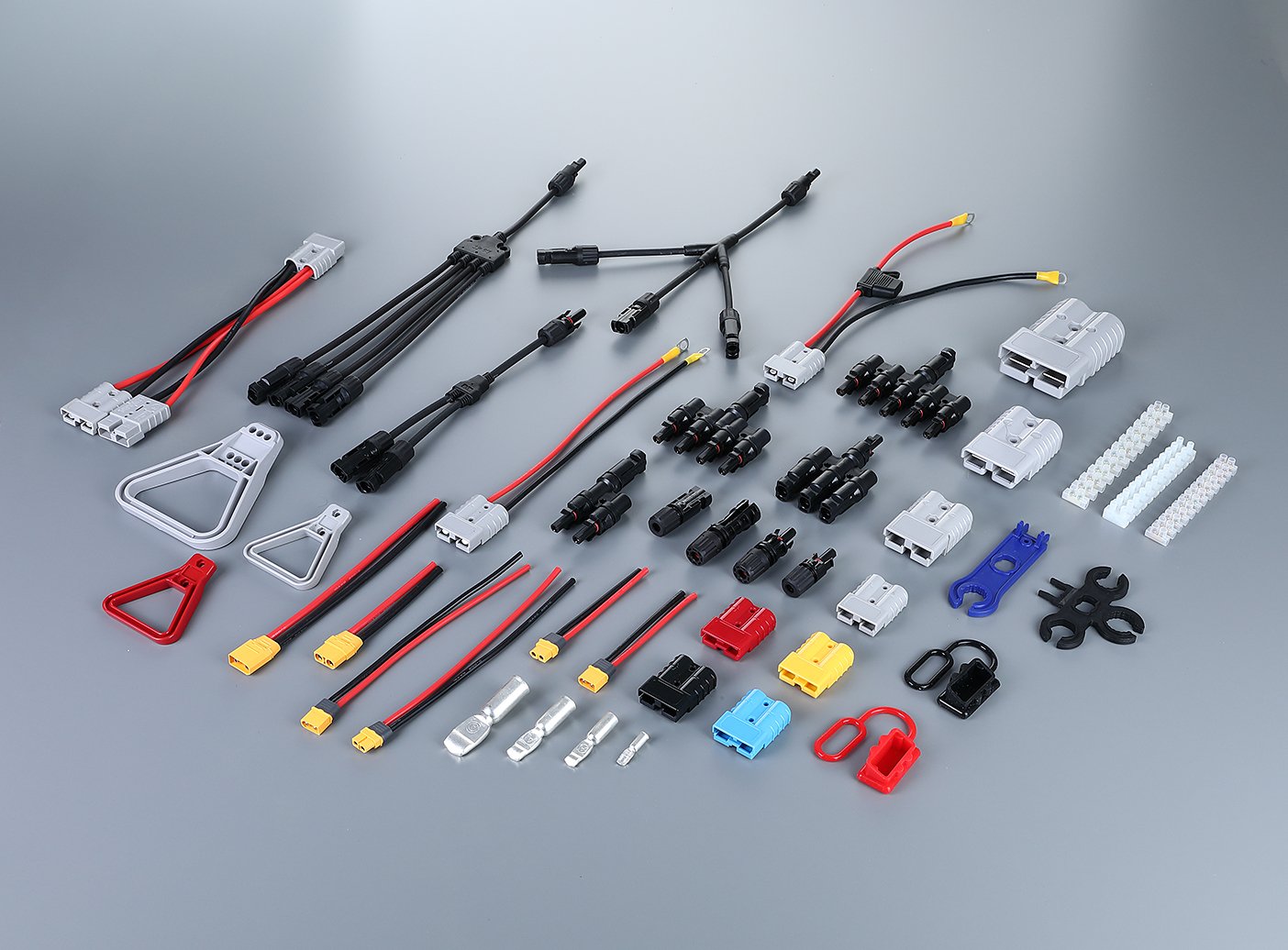
Konektor dan terminal adalah komponen andalan yang sering terabaikan dalam setiap instalasi kelistrikan. Blok terminal rel DIN (sesuai dengan IEC 60947-7-1) ditumpuk berdampingan di setiap kabinet kontrol, menyediakan titik sambungan yang teratur dan berlabel untuk pemasangan kabel di lapangan. Setiap terminal dirancang untuk penampang kabel tertentu — 2,5 mm² untuk sinyal sensor, 6 mm² untuk daya kontrol, serta 35 mm² atau lebih untuk kabel motor. Konektor melingkar industri (M12, M8) mentransmisikan sinyal sensor dan aktuator dalam wadah yang tahan getaran dan bersertifikasi IP67.
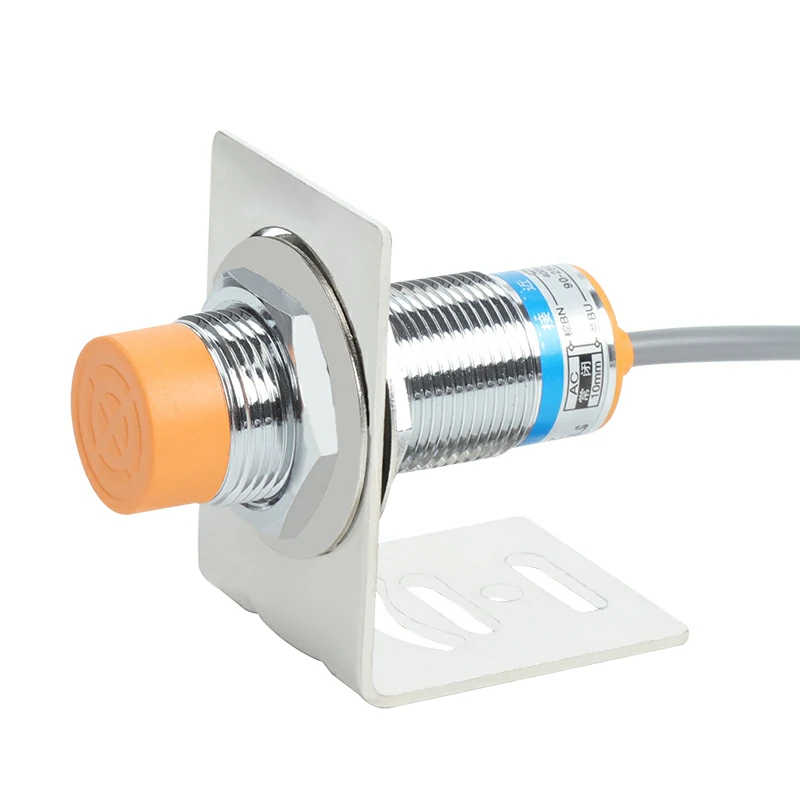
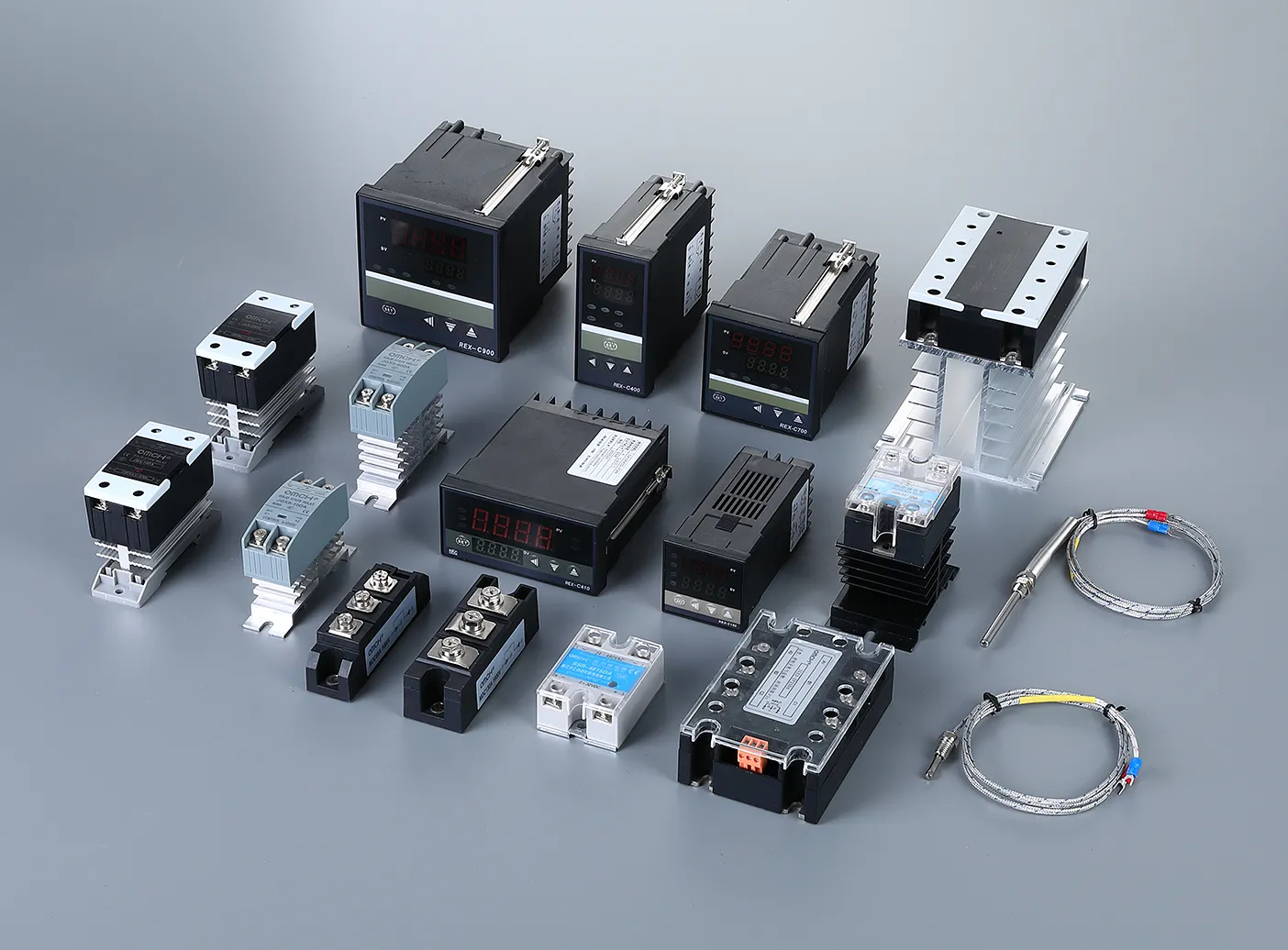
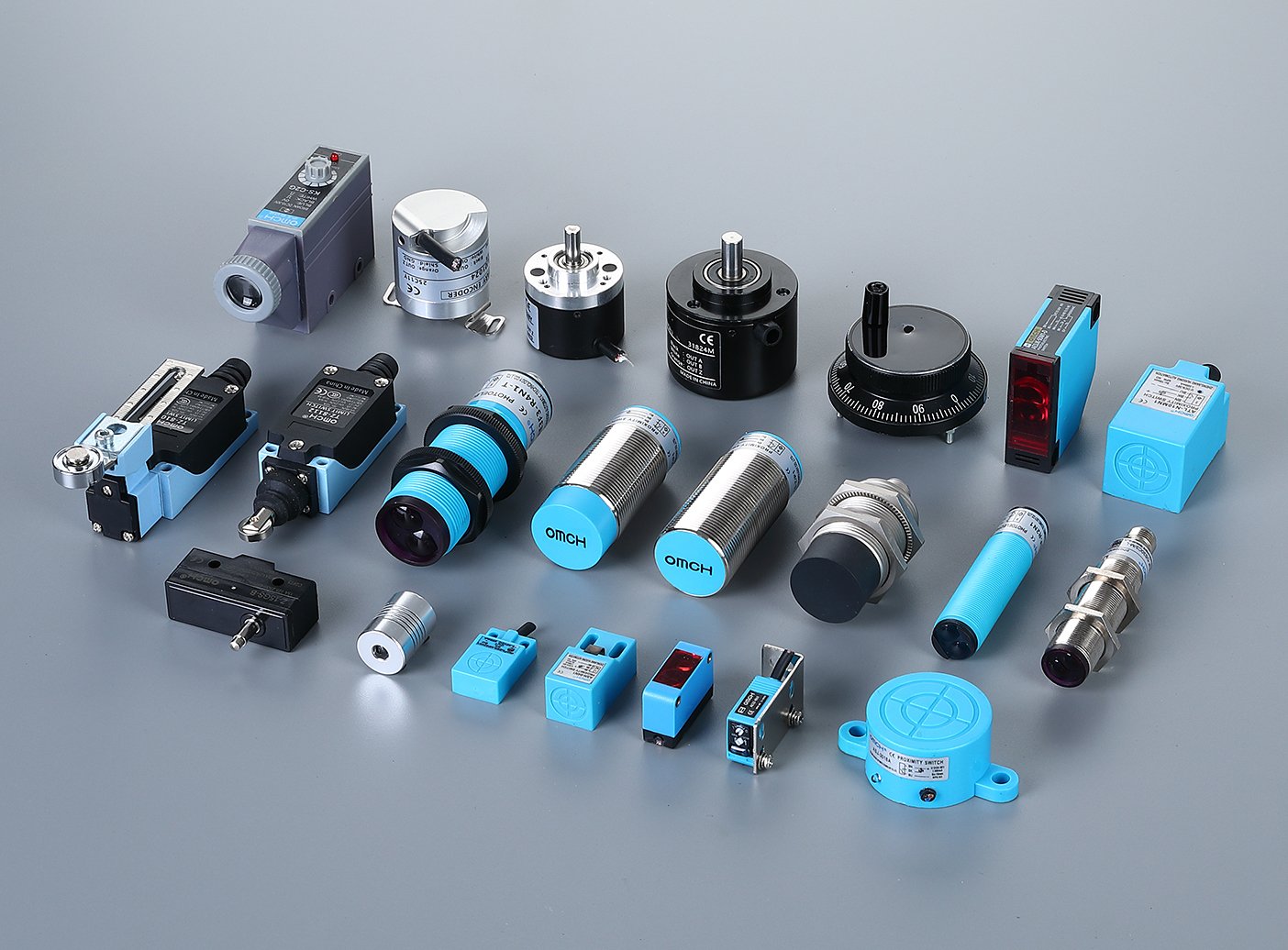
Sensor melengkapi gambaran keseluruhan. Sensor-sensor ini menjembatani sistem kelistrikan dengan dunia fisik. Sensor kedekatan induktif mendeteksi target logam pada jarak 2 hingga 15 mm — memberi tahu PLC bahwa silinder telah keluar atau suatu komponen telah tiba di stasiun. Sensor fotoelektrik menggunakan sinar cahaya untuk mendeteksi objek pada jangkauan yang jauh lebih panjang — sepasang sensor through-beam dapat menjangkau hingga 50 meter melintasi konveyor gudang. Sakelar batas memberikan konfirmasi posisi mekanis yang pasti. Sensor suhu dan sakelar apung memantau kondisi proses, sehingga menghubungkan lingkungan fisik dengan sistem kontrol.
Tanpa sensor, PLC yang paling canggih sekalipun tidak dapat mendeteksi apa pun dan terputus dari lingkungan sekitarnya. Dengan adanya sensor, sistem kendali menjadi mampu mendeteksi — merespons posisi, tekanan, suhu, dan aliran secara real time. Inilah komponen-komponen yang memungkinkan terwujudnya otomatisasi.
Memahami jenis-jenis komponen listrik bukan sekadar latihan akademis. Setiap kategori — pasif, aktif, dan elektromekanis — memainkan peran spesifik dalam sistem yang menggerakkan pabrik, memompa air, mengoperasikan jalur perakitan, dan menjaga agar bangunan tetap beroperasi. Saat Anda menentukan spesifikasi panel, memecahkan masalah gangguan, atau mengevaluasi pemasok, mengetahui ke dalam keluarga mana suatu komponen termasuk akan memberi tahu Anda hal-hal yang penting: parameter apa yang perlu diperiksa, standar apa yang harus diverifikasi, dan seperti apa bentuk kegagalan tersebut. Itulah perbedaan antara memesan suku cadang dan merancang sistem.
Daftar Pustaka
- IEC 60050 — Kosakata Elektroteknika Internasional. Komisi Elektroteknika Internasional. electropedia.org
- IEC 61360 — Jenis elemen data standar beserta skema klasifikasi yang terkait. Komisi Elektroteknika Internasional. Internet dan Komunikasi Elektronik
- IEC 60947-4-1 — Peralatan sakelar dan pengatur tegangan rendah: Kontaktor dan starter motor. webstore.iec.ch
- IEC 60898 — Pemutus arus untuk perlindungan arus berlebih. webstore.iec.ch
- IEC 60947-2 — Peralatan sakelar dan pengatur tegangan rendah: Pemutus arus. webstore.iec.ch
- IEC 61131-2 — Pengendali yang dapat diprogram: Persyaratan dan pengujian peralatan. webstore.iec.ch
- IEC 60947-7-1 — Peralatan sakelar dan pengatur tegangan rendah: Blok terminal. webstore.iec.ch
- OMCH — Komponen Distribusi Tegangan Rendah. omch.com
- OMCH — Produk Kontrol dan Pengalihan Industri. omch.com
- OMCH — Situs Web Resmi. omch.com
- OMCH — Kontak. omch.com

 English
  Arabic
  Turkish
  Russian
  Spanish
  French
  Indonesian
  Portuguese
  Thai
Thai  Vietnamese