


Introduction: The Billion-Dollar Distinction
In the competitive environment of the modern manufacturing sector, the difference between success and stagnation is frequently determined by the architectural choices made decades ago. The core of these choices is a basic dichotomy that has been dividing the engineering community over decades: the debate of factory automation vs process automation.
To the uninitiated, automation is a one-dimensional concept: robots, sensors, and code collaborating to minimize manual work. But to industry experts, comparing process automation and factory automation is like comparing a sprinter to a marathon runner. They are both athletes, but their training, diet, muscle structure, and gear are completely different.
A disconnect between your production reality and your architecture is not merely a technical inconvenience; it is a financial bleed. It may result in:
- Bloated CAPEX: Specifying hardware that does not add value (e.g., installing a $500,000 DCS on a simple assembly machine where a $5,000 PLC would suffice).
- Operational Rigidities: The failure to switch product lines fast because of rigid software that cannot handle high-mix/low-volume demands.
- Data Silos: The inability to see the true production costs due to the inability of the OT (Operational Technology) layer to communicate with the IT (Information Technology) layer.
This is a detailed guide that goes beyond the dictionaries. We shall tear apart the manufacturing processes, the control logic, the importance of component precision, and the converging future of these automation technologies. We offer the strategic map that you require to navigate the complicated Industry 4.0 environment.
Discrete vs. Process: Understanding Fundamental Production Logic
In order to choose the appropriate automation solutions, it is necessary to disregard the technology momentarily and examine the material physics of the product under development only. The distinction lies not in the software, but in the state of matter and the creation philosophy.
Automation of Factories (Discrete): The Logic of “Assembly”:
Discrete Manufacturing, often the context for factory automation vs process automation discussions, is concerned with discrete, countable objects. The production process entails the transformation of raw materials or sub-assemblies by altering their shape, joining them, or assembling them into a finished product. It excels at automating repetitive tasks such as screwing, drilling, or pick-and-place operations.

- The Bill of Materials (BOM): FA is BOM-driven. A car is made of an engine, a chassis, four wheels, and thousands of rivets. If you miss one rivet, the product is incomplete.
- The Physics: The mechanism is mechanical and kinematic. It entails cutting, drilling, stamping, welding, and screwing. It heavily involves product assembly and material handling. The variables are Position, Torque, Speed, and Force. The focus is on moving a solid object from Coordinate A to Coordinate B with high precision.
- Reversibility: Discrete manufacturing is characterized by theoretical reversibility. In case a screw is installed in the wrong place, it can be unscrewed. If a robot arm puts a part in the incorrect bin, it can be reclaimed and resorted. The substance itself does not lose its identity in the process.
Common FA Industries: Automotive, Aerospace, Electronics (3C), Packaging, Machinery Manufacturing.
Process Automation (Continuous): The Logic of “Transformation”:
Process automation and factory automation differ significantly here. PA is concerned with the manufacture of products in large amounts—usually fluids, gases, powders, or slurries. The production process is the process of mixing, heating, cooling, fermenting, or reacting ingredients to produce a new substance, with a prime focus on maintaining consistent product quality.
- The Recipe or Formula: PA is recipe-driven. You do not “build” a liter of gasoline; you purify and refine it according to a chemical formula.
- The Physics: It is a chemical or thermodynamic process. The critical variables are Flow rate, Pressure, Temperature, pH, Viscosity, and Level. Managing the energy balance is often more critical than managing motion.
- Irreversibility: Once the ingredients are combined and reacted, they cannot be undone. It is impossible to squeeze the flour out of a baked loaf of bread. This inherently increases the risk; a mistake here means material waste, making rigorous quality control essential.
Common PA Industries: Oil and Gas, Petrochemicals, Pharmaceuticals (API), Food and Beverage, Water/Wastewater, Power Generation.
Table 1: Comparison of the Fundamental Production Logic
| Feature | Automation of the factory (Discrete) | Continuous Process Automation |
| Material State | Solid, distinct parts | Liquid, Gas, Slurry, Powder |
| Primary Action | Mechanical (Cut, Join, Move) | Chemical/Physical (Mix, React, Heat) |
| Production Unit | Each (Piece, Item) | Weight/Volume (Kg, Liter, Ton) |
| Complexity Source | Complex Kinematics & Motion | Complex Chemistry & Thermodynamics |
| Quality Check | Dimension, Tolerance, Appearance | Purity, Density, Composition |
| Changeover | Frequent (High Mix / Low Volume) | Rare (Long campaigns / Continuous) |
Control Architectures: PLC vs DCS
The difference in the production logic requires different “brains” to run the operation. This is the historical battlefield between the PLC (Programmable Logic Controller) and the DCS (Distributed Control System). While modern technology has blurred the lines, their core DNA remains distinct.

The PLC Ecosystem: Prioritizing High-Speed Logic
The PLC was created in the automotive industry to substitute relay racks. It has a DNA designed to execute discrete logic, and to do it in real time.
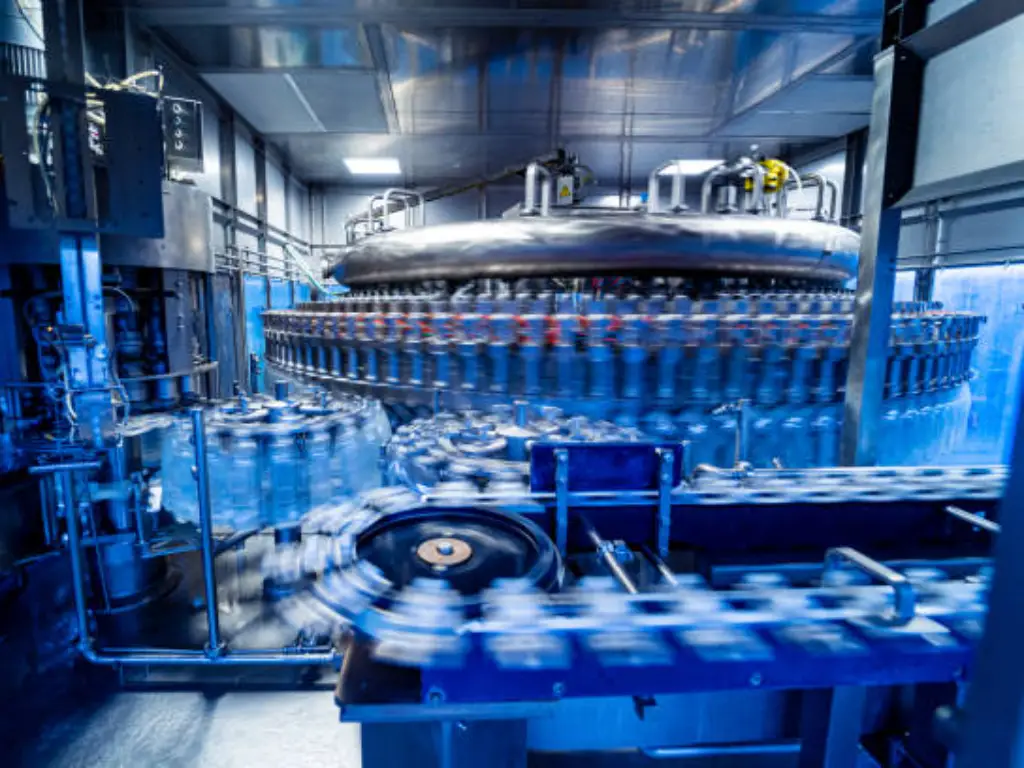
- The Need for Speed: In a fast bottling line, a sensor may encounter a bottle every 20 milliseconds. The controller has to interpret the input, make a decision to fire an ejector, and activate the solenoid in a fraction of a second.
- Hard Real-Time: FA needs “deterministic” control. When the logic says to stop at 100mm, it has to occur at that exact point. A 5ms delay is not just a lag; it would result in a collision that is worth thousands of dollars in damaged tooling.
- Standardization: PLCs use languages that are specified by IEC 61131-3. While modern PLCs support Function Blocks, the industry still relies heavily on Ladder Logic (LD) and Structured Text (ST).
The DCS Ecosystem: Prioritizing Loop Stability
The petrochemical industry was the birthplace of the DCS. Its DNA is designed to be reliable, centralized, and driven by complex feedback loops.
- The Requirement of Stability: In a chemical reactor, interactions are complicated. Altering the pressure could have an impact on the temperature and flow rate at the same time. A DCS is excellent at controlling these multi-variable connections (MIMO) through complex PID algorithms, often providing supervisory control over the entire plant.
- Global Database: A DCS uses a global database as opposed to PLCs which in most cases require individual programming. When you make a tag of a “Pump” in a DCS, it is automatically present in the HMI, accessible to human operators instantly.
- Redundancy: Process plants can run for years (24/7/365) without shutting down. They do not have time to pause for a controller update. DCS architectures have hot-swappable redundant processors and I/O cards.
Table 2: Technical Architecture Comparison
| Feature | PLC (Factory Automation) | DCS (Process Automation) |
| Scan Time | Fast (<10ms typically) | Moderate (100ms – 500ms typically) |
| I/O Handling | Digital I/O (On/Off) optimized | Analog I/O (4-20mA, HART) optimized |
| Architecture | Machine by Machine (Component-centric) | Plant-based (Whole facility is one) |
| Operator Interface | HMI / SCADA (Add-on software) | Integrated Graphics (Built-in) |
| Cost Structure | Reduced hardware price, Increased integration price | High initial hardware cost, Lower integration cost |
| Programming | Logic-based (If X then Y) | State-based (Function Blocks, PID Loops) |
The Physical Layer: Why Component Precision Defines System Success
Although the industry tends to focus on the “Brain” (The PLC/DCS) or the “Soul” (Software/AI), the truth about automation processes is that the system is only as reliable as its “Senses” and “Muscles”—the physical elements of the factory floor.
This is the Physical Layer. It is where digital code collides with physical reality.
You are either operating a high-speed packaging machine (FA) or a high-pressure boiler (PA), but the signal chain starts at a sensor and terminates at an actuator. When a proximity sensor does not sense a part within a millisecond, the industrial robots crash. When a power supply varies during a critical chemical synthesis, the batch is destroyed.
The Unnoticed Dangers of Component Failure:
- In FA: Wear and Speed is the enemy. Sensors make millions of cycles per month. Robotic systems subject connectors and cables to constant vibration and flexion. A low-quality plastic casing on a sensor will crack, allowing oil ingress and resulting in line blockages.
- In PA: Environment is the enemy. There are always threats of corrosion, moisture, dust, and electromagnetic interference (EMI) from large pumps. A typical relay could be welded closed by the inductive load of a large valve, losing control.
The OMCH Benefit: Designed to the Physical Reality
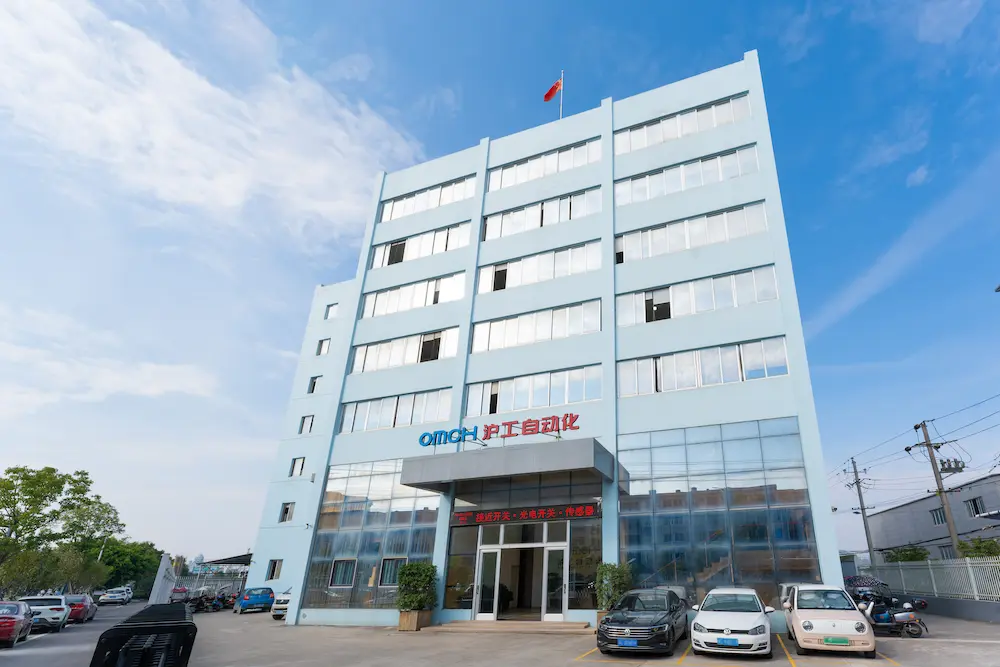
It is here that the choice of components becomes more of a strategic choice rather than a commodity purchase. This is the Physical Layer that we have been specializing in at OMCH since 1986. Having more than 30 years of experience in manufacturing and having more than 72,000 clients in 100+ countries, we know that factory automation vs process automation demands different types of robustness.

1. In the case of Discrete Manufacturing (Precision & Speed)
In FA, a millisecond matters. A sensor that lags means a machine that runs slower. OMCH provides:
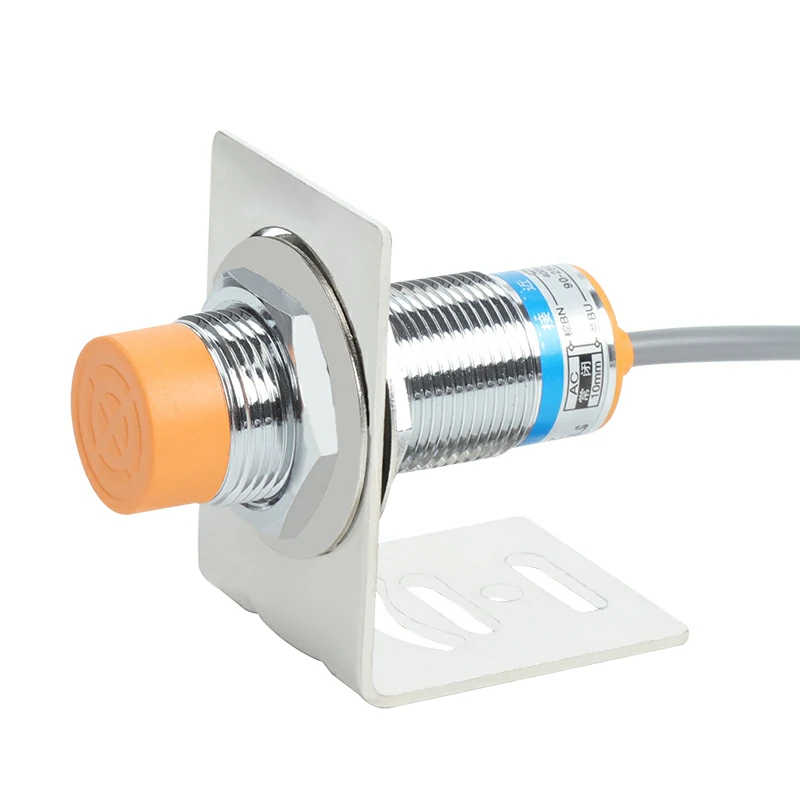
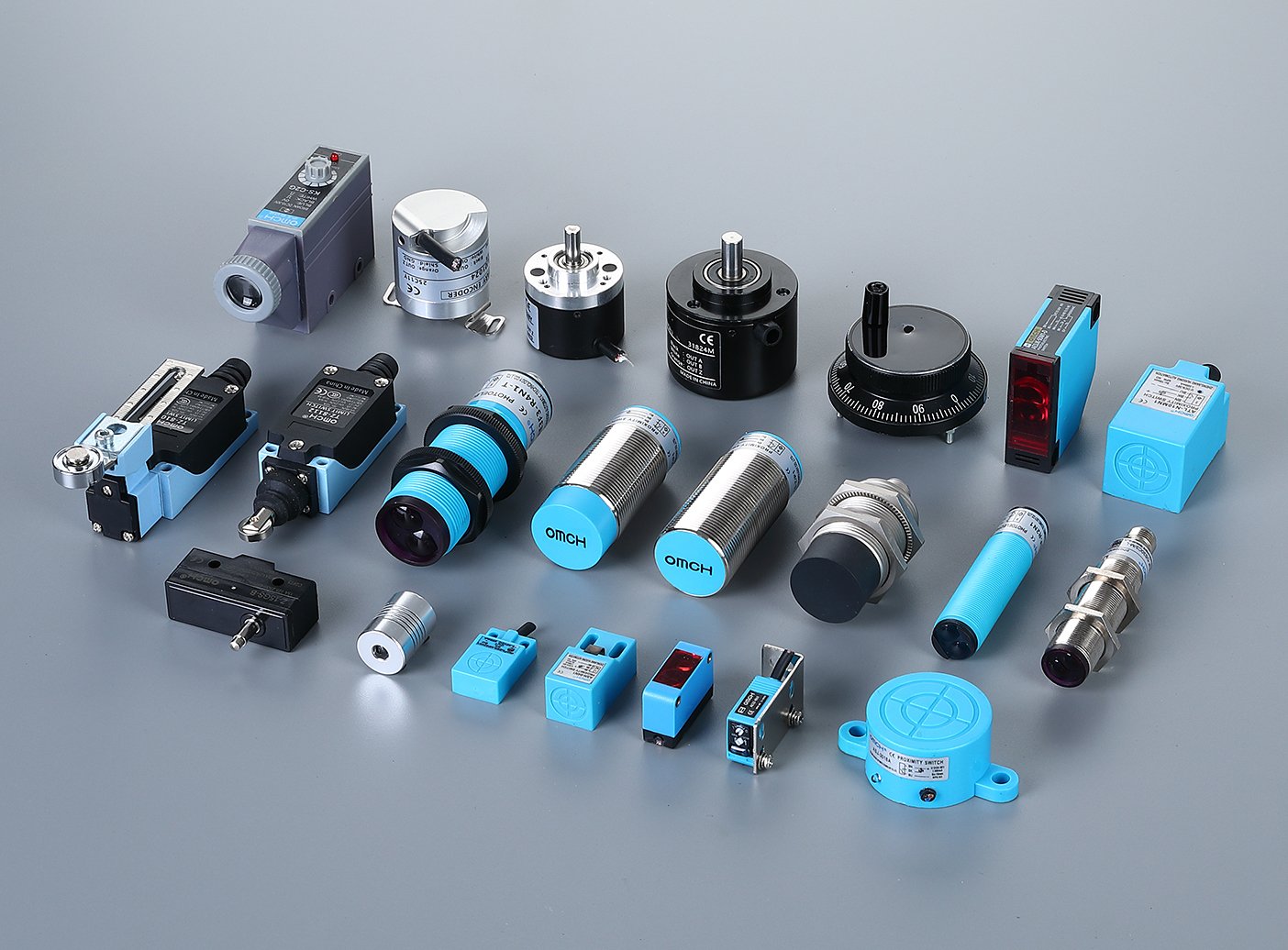
- High-Frequency Inductive Proximity Switches: These switches are intended to sense metal targets on conveyors that are moving rapidly without missing counts or “double firing.”
- Photoelectric Sensors: These can identify clear objects (like glass bottles) or color marks, which are necessary in current high-speed packaging lines.
- Encoders: Providing accurate position feedback in motion control applications, ensuring robots stop exactly where they are programmed to.
2. To Process Automation (Durability & Stability)
In PA, the emphasis is on “set it and forget it” reliability. Components may be installed in hard-to-reach areas where maintenance is difficult. OMCH delivers:
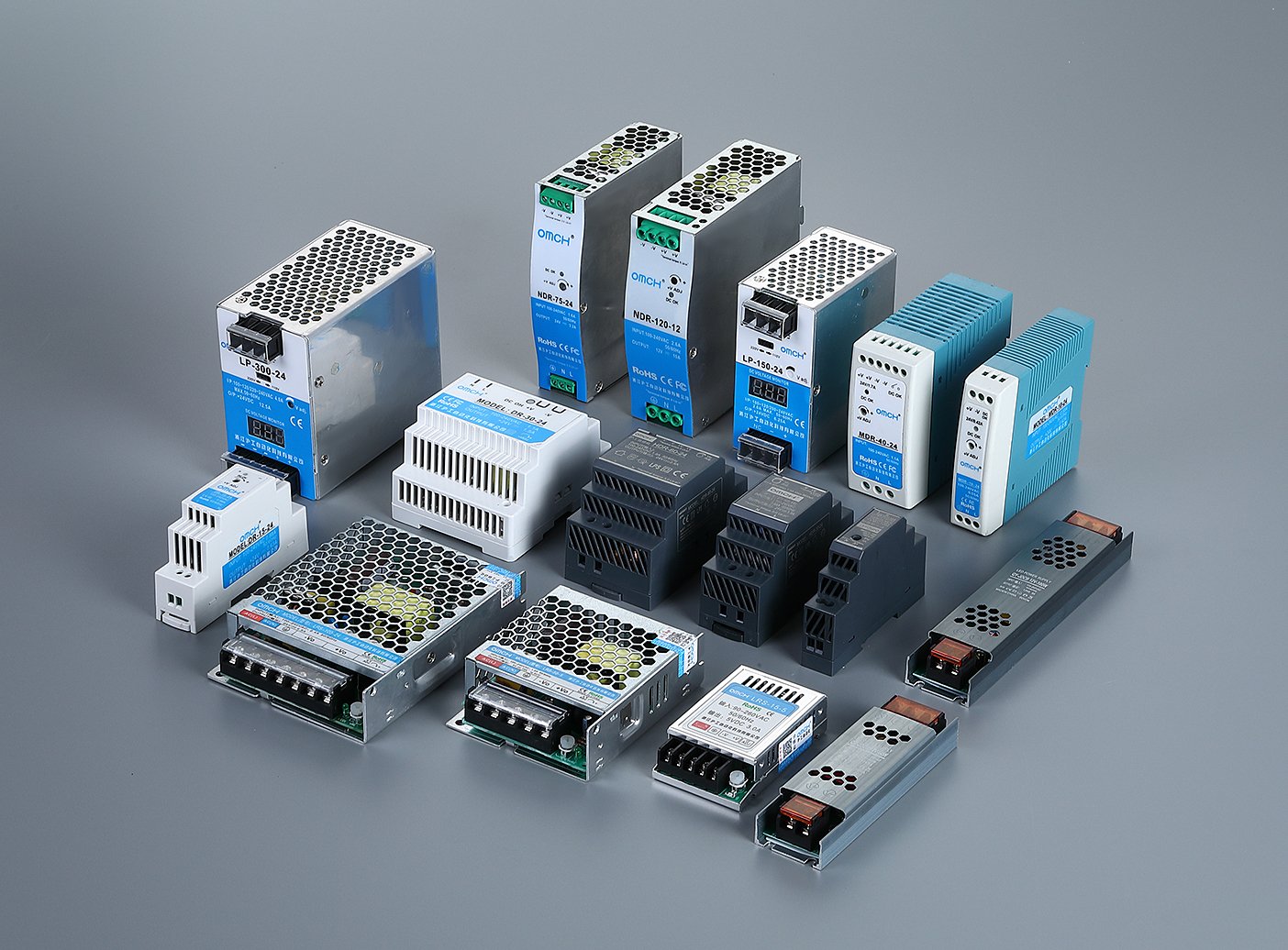
- Industrial Power Supplies: Our DIN-rail power supplies feature overload protection and high MTBF (Mean Time Between Failures), so the DCS will never lose its pulse even if grid power fluctuates.
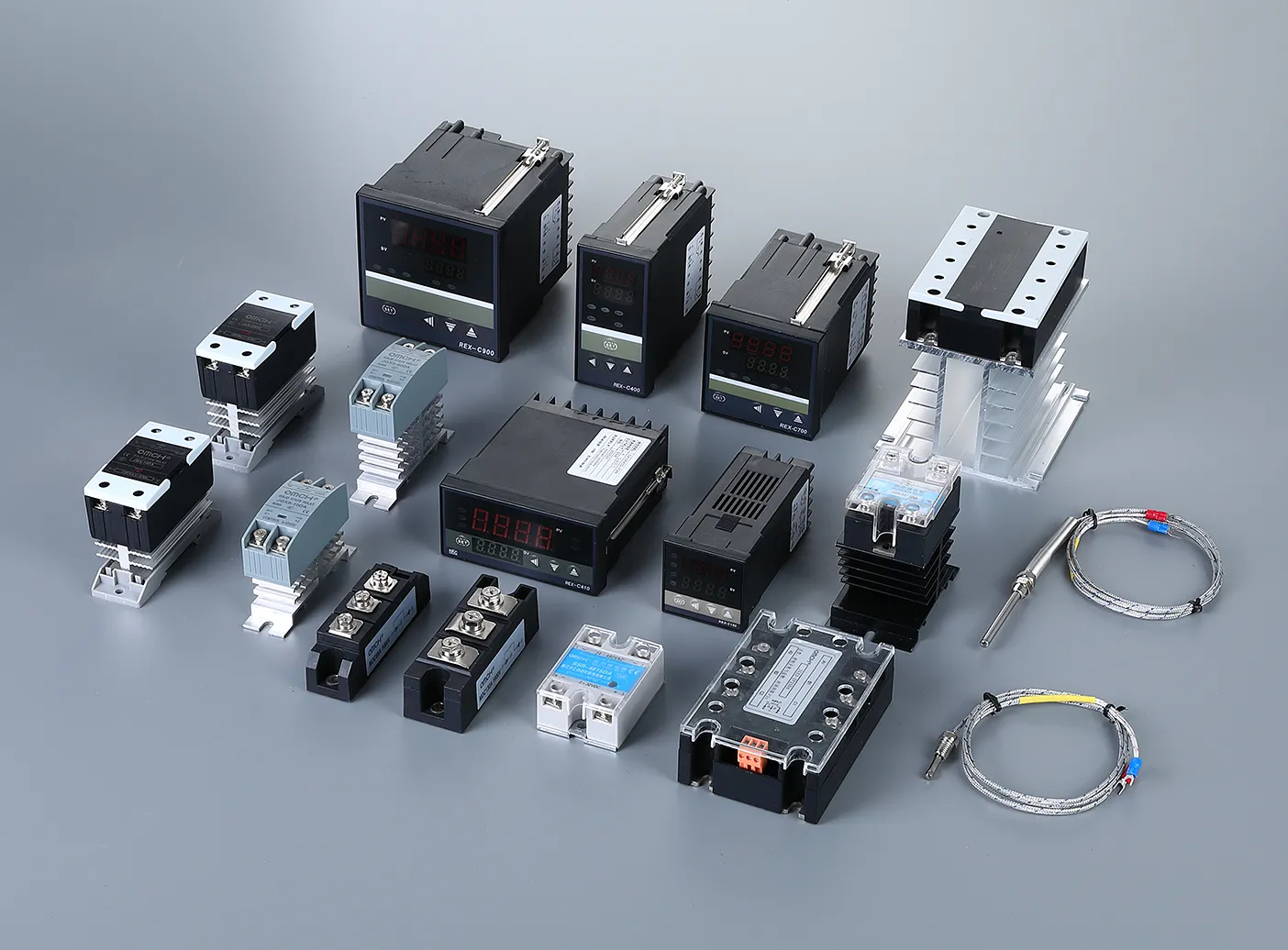
- Solid State Relays (SSR): These are necessary to provide accurate temperature regulation in heating coils, offering an infinite switching life compared to mechanical contacts which wear out over time.
- Certifications: OMCH components are constructed to withstand the extreme conditions of process industries with products that comply with IEC standards and have CE, RoHS, and ISO9001 certifications.
3. The “One-Stop” Strategic Value
Contemporary facilities tend to confuse FA and PA (Hybrid Automation). The acquisition of sensors (Vendor A), relays (Vendor B), and power supplies (Vendor C) results in a disjointed supply chain and uneven quality levels.
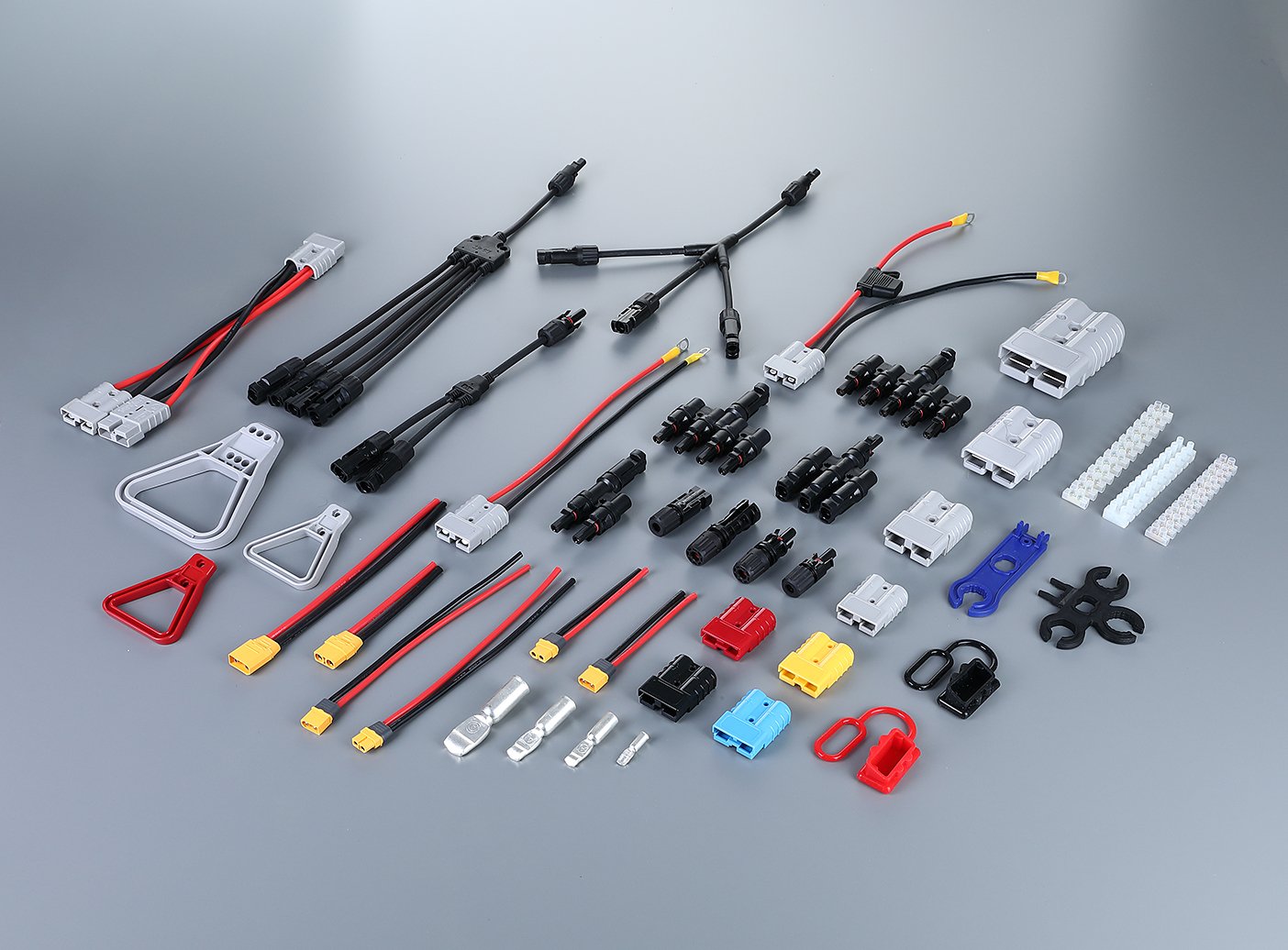
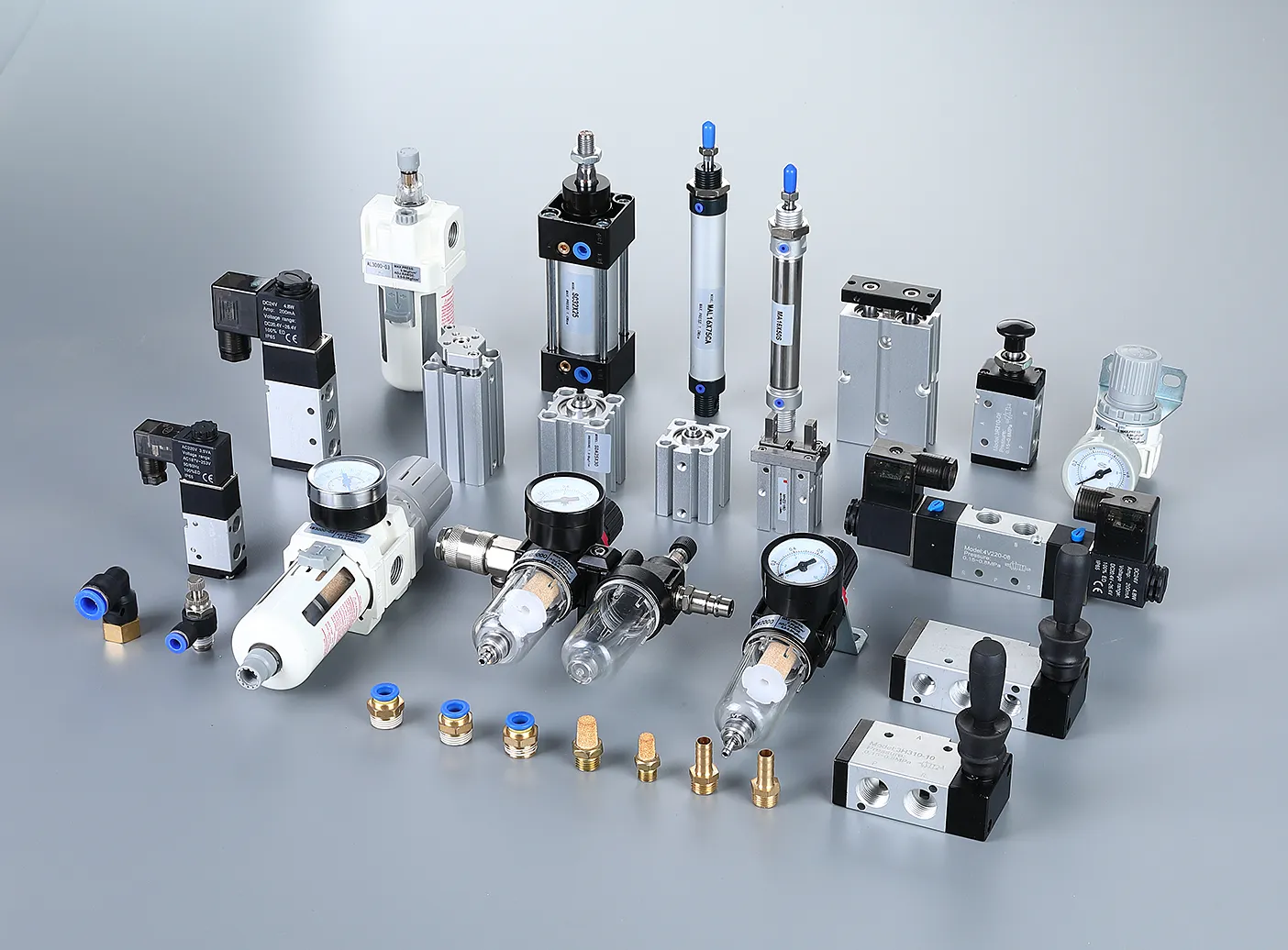
OMCH provides a full range of 3,000+ SKUs—sensors, power supplies, relays, push buttons, and pneumatic components.
Strategic Insight: A million-dollar control system is no good when the sensor that feeds it with data is inaccurate and costs 10 dollars. The best insurance policy for your production line is standardization on a proven manufacturer such as OMCH (www.omch.com).
Operational Stakes: Comparing Downtime Costs and Safety Protocols
The impact of failure in the two models is vastly different, and this has a significant effect on budgetary allocation and the design of safety systems. Understanding these stakes helps in justifying the cost savings and Return on Investment (ROI) for different types of automation equipment.
Factory Automation: Economics of Efficiency:
In discrete manufacturing, the downtime is computed in “units not produced.” It is an opportunity cost.
- The Situation: A bearing takes hold of a high-speed bottling line.
- The Effect: The line halts. 500 bottles are not filled in the next 15 minutes.
- The Fix: Maintenance replaces the bearing. The line restarts in 20 minutes. The loss is financial, but limited to lost production time and maintenance labor.
- Safety Focus: Safety is concerned with Machine Guarding. Light curtains, interlocks, and Emergency Stops (E-Stops) are created to halt movement immediately when a human being enters the danger zone, minimizing the risk of human error causing injury.
Process Automation: Economics of Disaster:
In process manufacturing, downtime is commonly estimated in millions of dollars or lives at risk. The physics of the process often carry inherent potential energy (pressure, heat, chemical reactivity) that must be contained without manual human intervention during a crisis.
- The Situation: A polymerization reactor has a failed cooling pump.
- The Effect: The reactor contains a polymer that begins to solidify or undergo a “runaway reaction.” The reactor vessel, which costs 2 million dollars, has to be jackhammered out or scrapped entirely. The plant is out of commission for 3 weeks.
- The Fix: There is no quick fix. The material loss is total, and the capital equipment damage is massive.
- Safety Focus: Safety is Process Safety (safety of the process regarding the environment and community). This includes Layers of Protection Analysis (LOPA) to avoid explosions, leaks, or toxic releases. It relies on Safety Instrumented Systems (SIS).
Table 3: Risk and Safety Profile
| Aspect | Factory Automation | Process Automation |
| Downtime Consequence | Lost Production Capacity | Spoilage of product / Equipment damage / Environmental risk |
| Recovery Time | Minutes to Hours | Days to Weeks |
| Safety Standard | ISO 13849 / IEC 62061 (Machine Safety) | IEC 61511 / IEC 61508 (Functional Safety) |
| Key Safety Device | Light Curtains, E-Stop Buttons | Pressure Relief Valves, SIF (Safety Instrumented Functions) |
| Maintenance Strategy | Preventive / Run-to-Failure | Predictive / Condition-Based Monitoring |
The Hybrid Frontier: Managing Complexity in Mixed Industries
The rigid distinction between factory automation vs process automation is disappearing. The most competitive industries today are in the Hybrid zone. Here the complexity—and the opportunity—is greatest.
The “Batch” Challenge:
In the middle is batch manufacturing. Take food processing or the Pharmaceutical industries.
- Upstream (The Kitchen): Ingredients are combined, cooked, and fermented. This is Process Automation (DCS/Batch software), requiring precise temperature curves.
- Downstream (The Packaging Hall): The product is filled, capped, labeled, and palletized. This is Factory Automation (PLC/Motion Control), requiring high-speed synchronization.
The Traditional Problem:
In the past, plants operated as two islands of automation. The kitchen was controlled by the DCS team, and the packaging was controlled by the PLC team. This left a “Black Hole” in the center. In case the filler downstream stopped due to a jam, the kitchen was not aware and continued pumping product, which resulted in wastage.
The Modern Solution:
Hybrid Controllers are on the increase, blending process automation and factory automation.
- PLCs are becoming more PID loop capable to take care of small process tasks (e.g., controlling a small mixing tank).
- DCS vendors are also incorporating remote I/O and faster logic to support discrete tasks (e.g., controlling a conveyor belt).
- OMCH in Hybrid: Since OMCH supplies components for both spectrums (pneumatics to control flow and valves, AND sensors for packaging lines), we allow a common physical layer standard throughout the hybrid facility. This simplifies the spare parts inventory for the entire plant.
Data Dynamics and “The Great Convergence” of New Era
As we look toward 2026 and beyond, the question is no longer about hardware (“How do I control this?”), but about data (“How do I optimize this?”). FA and PA are being transformed by the convergence of IT (Information Technology) and OT (Operational Technology).
From Siloed Operations to Unified Data Architectures
FA data in the legacy model was local and temporary. PA data was regulatory and historical. Today, protocols such as OPC UA, MQTT, and TSN (Time-Sensitive Networking) are developing a universal language. This facilitates seamless data acquisition across diverse computer systems.
- The “Context” Gap:
- Process Data is context-rich (e.g., Batch ID: 102, Temp: 98°C, Operator: Smith).
- Discrete Data is usually context-poor (e.g., “Motor Current: 5A”).
- The Convergence: With the integration of these data streams, manufacturers will be able to determine the actual cost of production. You are able to know the precise amount of energy (PA data) and the precise amount of raw material (PA data) that was used in that particular pallet of finished goods (FA data).
The Role of AI in Process Optimization
Artificial Intelligence is used differently in each field, but the goal—operational efficiency—is the same.
AI in Factory Automation:
- Generative Design: AI assists in designing more efficient mechanical components that are lighter and stronger.
- Machine Vision: Deep learning models are able to identify subtle defects (like scratches on a phone screen) that a traditional rule-based vision system would miss.
- Self-Optimizing Motion: Robots that learn to move more smoothly to conserve energy and reduce wear on parts.
AI in Process Automation:
- Advanced Process Control (APC):Machine learning models forecast the impact of the quality of crude oil variation on the output even before the oil reaches the heater, adjusting parameters in real-time.
- Virtual Sensors: Virtual sensors are AI-based methods to estimate a value (such as viscosity) based on other variables (such as temp, amp, flow) when a physical sensor is prohibitively costly or inaccessible.
Table 4: IT/OT Convergence Stack
| Layer | Traditional State | Future State (2026+) |
| Cloud / Enterprise | ERP (Finance only) | Integrated Data Lakes (Finance + Operations) |
| Edge Computing | Non-existent | Local AI Models used to perform real-time inference |
| Network | Fieldbus (Profibus, Modbus) | Industrial Ethernet (PROFINET, EtherNet/IP, 5G) |
| Control | Dedicated Hardware (PLC/DCS) | Software-defined Automation / Virtual Controllers |
| Physical Layer | Passive Components | Smart Components (IO-Link sensors) |
Decision Checklist: Selecting the Right Automation Strategy
The decision is not necessarily binary for manufacturers who are planning a new facility or renovating an old one. Nevertheless, this checklist assists in understanding which architecture should be the prevailing structure.
Score your project using this checklist:
- Is your product an object or a substance?
- Object (Go Discrete) / Substance (Go Process)
- What will happen to the product in case of power failure?
- It sits there innocently (Go Discrete) / It destroys, stiffens, or blows up (Go Process)
- What is the necessary control logic response time?
- < 20ms (Go PLC) / > 100ms is acceptable (Go DCS)
- How often do you switch products?
- A number of times per day (Go PLC/Discrete to be flexible) / Once a month or year (Go DCS/Process to be stable)
- What is the major regulatory burden?
- Machine Safety / OSHA (Discrete) / Environmental / FDA 21 CFR Part 11 (Process)
Strategic Roadmap: Future-Proofing Your Automation Investment
You may be inclined towards factory automation vs process automation based on your industry, but the way ahead must be a strategy that does not focus solely on the initial purchase cost. The most expensive system to purchase is usually the cheapest to maintain over a 10-year lifecycle.
Phase 1: Audit and Standardize (The Physical Foundation)
Get the fundamentals straightened out before implementing AI. Test your facility on component reliability. Do you have mixed brands of sensors? Do you have aging power supplies?
- Action: Transition to a standardized component list. By collaborating with an international supplier such as OMCH, you will have a solid physical layer that is certified, robust, and digitized.
Phase 2: Relate and Visualize (The Data Layer)
Make sure that all the machines you purchase utilize open standards (OPC UA / MQTT). Data trapped in a proprietary machine is useless.
- Action: Discontinue the purchase of “Black Box” machines. Make vendors submit data maps and connectivity capability as part of the tender process.
Phase 3: Optimize and Predict (The Intelligence Layer)
AI should only be considered after Phase 1 and 2 are complete. You cannot optimize a process you cannot measure.
- Action: Implement predictive maintenance using data. Replace the “fix it when it breaks” mentality with “fix it when the data says it is tired,” significantly boosting overall efficiency.
Conclusion
There is a difference between Factory Automation and Process Automation as they have different languages, hardware, and cultures. FA is the hare—swift, nimble, and accurate. PA is the tortoise—sturdy, strong, and persistent.
Nevertheless, the most successful manufacturers of the next decade will be those who will honor these differences and create a bridge between them. With a strong physical layer and an integrated data strategy, you will be able to attain the holy grail of manufacturing: High Speed, High Stability, and Total Visibility.


 English
  Arabic
  Turkish
  Russian
  Spanish
  French
  Indonesian
  Portuguese