





In the fast-paced environment of the global manufacturing industry, the adoption of industrial automation has ceased to be a competitive advantage, but a necessity of operation. It is no longer a question of whether to automate or not, but how to do it in a way that will help survive in a market that requires hyper-customization, zero defects, and sustainability to lower operational costs.
The challenge has changed for plant managers and manufacturing engineers. It is no longer merely about purchasing a robotic arm, but about creating a complex ecosystem in which hardware, software, and mechanical processes are in harmony with each other. From the automotive industry with its heavy-duty welding lines to the microscopic accuracy of medical devices assembly, factory automation applications are transforming the limits of what can be done in the production process.
However, the glossy brochure version of automation often hides the gritty reality: a multi-million dollar automated line is only as reliable as its smallest component. A single failing sensor or an unstable power supply can bring a factory to a standstill.
This guide provides a holistic analysis of factory automation applications in 2026, moving from high-level industry trends to the critical, often overlooked strategies regarding component selection and supply chain consolidation that determine the true ROI of such systems.
From Rule-Based Systems to Agentic Automation Evolution
We have to know the direction that the automation technology is heading in order to know where to invest today. Rule-Based Systems, often referred to as hard automation, characterized factory automation over decades. These were the realm of hard-wired PLCs (Programmable Logic Controllers) and numerical control systems that used hard-and-fast “If-Then” logic. A sensor identifies a component; a piston forces it. Although these systems were effective in batch production of the same products, they were not flexible. When the size of the product was altered by a millimeter, the line was forced to be closed and reprogrammed, unlike modern programmable automation.
We are currently experiencing a paradigm shift to Agentic Automation. This development is the shift of “Automated” to “Autonomous”. The agentic systems do not simply follow instructions; they see, interpret, and take action in accordance to the goals using machine learning.
- Perception: utilizing advanced machine vision and multi-modal sensing to understand the environment, suitable for complex automation tools, not just triggering a switch.
- Decision: Using edge AI to make real-time adjustments without querying a central cloud server.
- Adaptability: The ability to handle high-mix, low-volume production runs without lengthy changeovers, a key benefit of flexible automation.

To manufacturers, this implies that they should not buy fixed machinery but create flexible “cells” that can be reconfigured. This intelligence, however, is all dependent on robust data collection. An “Agentic” AI is blind and lacks high-precision industrial sensors as its eyes and ears. The development of software solutions has, ironically, rendered the quality of fundamental hardware elements as important as it has never been.
High-Impact Factory Automation Applications: From Assembly to Quality Inspection
Although the idea of automation is general, it is applied in particular, high-impact use cases where its value is achieved. We break down the ways in which three large industry verticals are already implementing the application of automation to address certain production bottlenecks below.
Automotive: Precision Welding, Painting, and Assembly Line Integration
The automotive sector has been the leader in smart factories, especially with the shift to Electric Vehicles (EVs). The production of EV batteries has presented new challenges that the conventional internal combustion engine production lines were unable to cope with.
- Body-in-White (BiW) Welding: Modern automotive lines utilize synchronized 6-axis robotic arms for spot and arc welding. It is not only the movement, but the feedback that is critically applied here. The integrity of the weld has to be checked by sensors in real-time. Automation will make sure that all chassis meet quality standards, eliminating the manual labor fatigue factor.
- Robotic Painting and Coating: Painting is a dangerous, toxic occupation that is ideal to automate to reduce dangerous human intervention. Robots with high-speed bells and electrostatic charging systems provide even paint layers (in microns) with a minimum amount of waste. Sophisticated solenoid valves and flow sensors control the precise control of flow rates and atomization air.
- EV Battery Assembly: This is a high-stakes application. Battery modules are assembled by picking and placing hazardous cells with the utmost delicacy. In this case, manufacturing processes are based on the use of force-torque sensors to make sure that cells are pressed properly without being broken and there is no threat of fire.
Electronics (3C): High-Speed Dispensing, Screw Locking, and PCB Inspection
The product lifecycle is brief and the components are minute in the Computer, Communication, and consumer goods Electronics (3C) industry. Precision and speed are the main objectives of automation in this case to ensure product quality.

- High-Speed Dispensing: In the case of smartphones and wearables, glue and thermal paste should be used in a particular pattern on dense PCBs. Automated dispensing gantries use vision alignment to compensate for board warpage, applying fluids with milligram-level accuracy.
- Automatic Screw Locking: There are dozens of screws of various sizes in a single smartphone. Electric screwdrivers with torque control are used in automated screw-locking machines. They do not simply tighten the screw, but they observe the torque curve and reject defective units immediately, ensuring greater efficiency.
- PCB Optical Inspection (AOI): With smaller chips, human inspection is no longer possible. Automated Optical Inspection (AOI) systems scan the soldered boards and compare them to a Golden Sample. High-frequency lighting controls and high-resolution cameras activated by rapid-response photoelectric sensors are needed in this application for quality control.
Food & Beverage: Hygienic Packaging, Filling, and End-of-Line Palletizing
The Food and Beverage (F&B) industry demands speed, but its non-negotiable requirement is hygiene and compliance (FDA, GMP).
- Hygienic Filling and Capping: Rotary filling machines have the capacity to fill thousands of bottles in a minute. Automation guarantees that the fill level is accurate (no product giveaway) and the caps are fitted with the appropriate torque. These machines are used in “washdown” environments, i.e. all the parts, including the motor, the proximity sensors, etc., should be IP67 or IP69K to be able to withstand high-pressure cleaning.
- Smart Packaging: Automation manages the material handling from bulk product to consumer-ready packs. This includes “pick-and-place” delta robots capable of detecting and positioning random food on a conveyor belt through vision systems.
- End-of-Line Palletizing: This is among the best ROI applications. One of the major causes of worker injury is heavy lifting of boxes onto pallets. Palletizers are robots controlled by safety light curtains and laser scanners that stack products 24/7 without straining their backs, reducing the risk of human error.
Integrating AI and IIoT for Flexible and Real-Time Production
The contemporary factory is a data factory. It is the combination of Artificial Intelligence (AI) and the Industrial IoT that will connect the individual machines, forming a unified organism.
The IIoT “killer app” is Predictive Maintenance (PdM). Rather than maintaining a machine after 500 hours (preventive), or after it has failed (reactive), AI uses vibration and temperature data to anticipate failure.
As an example, a stamping press motor may exhibit a small rise in temperature and frequency of vibration. It appears normal to a human operator. It means that in 48 hours there will be a bearing failure to an AI model that compares this to historical data. The system notifies the maintenance automatically and orders the spare part.
But here Garbage In, Garbage Out is applicable. The Sensory Layer is the key to real-time process optimization of production. The AI makes a mistake in case the temperature sensor is drifting, or the vibration sensor is not sensitive enough. This supports the necessity of high quality, industrial grade data acquisition components at the “edge” of the network.
Enhancing Human-Robot Collaboration (Cobots) and Safety Standards
Industry 5.0 will involve the human back into the loop, but not as a worker, but as a creative problem solver collaborating with collaborative robotics (Cobots).
Cobots are not confined to cages like the conventional industrial robots but are meant to share the workspace with humans for tasks like machine tending. They help in ergonomically challenging jobs, like supporting a heavy dashboard during the time that a human worker is connecting the complex wiring harness.

Workplace safety is the currency of collaboration. This application is dependent on:
- Force-Limiting Technology: The robot stops instantly upon contact.
- Safety Sensors: Area scanners and light curtains that create dynamic “zones.” When a human enters the yellow zone, the robot slows down; in the red zone, it stops.
- Redundant Control Systems: This is achieved by the use of high-reliability relays and safety controllers so that in case one circuit fails, the safety function is not affected.
Leveraging Automation for Sustainable and Energy-Efficient Manufacturing
Sustainability is not a corporate buzzword anymore, it is a regulation and a cost-saving measure. Automation is a key factor in Green Manufacturing.
- Energy Monitoring & Optimization: Smart power supplies and meters track energy consumption at the machine level. Automation systems can also detect the so-called “energy vampires”, machines that consume too much power when not in use, and turn them off during breaks.
- Waste Reduction: Precision automation reduces scrap. In injection molding, automated feedback loops are used to make sure that the correct amount of raw material is used and no flash or waste is produced.
- Resource Management: In the processing of raw materials such as paper or fabric dyeing, automated flow control valves and level sensors will make sure that only the necessary amount of water and chemicals is used, which will greatly decrease the environmental footprint of the facility.
Modernizing Legacy Infrastructure: The “Brownfield” Automation Challenge
Although the idea of a futuristic “Gigafactory” is attractive, the fact of most manufacturers is that they are working in a “Brownfield” environment, i.e. a facility with old equipment that is 15 or 20 years old, often including legacy CNC machine units. These machines are usually mechanically good but digitally silent. They do not have the sensors and connectivity of smart manufacturing solutions.
It is not always possible to replace these machines by ripping them out. The answer is “Retrofitting”–the art of providing old machines with new senses. This is not only cheaper (usually 70% cheaper than new equipment) but also quicker to install.
The “Smart Skin” Strategy: Digitizing Without Disruption
The most common retrofitting technique is applying a “Smart Skin”—an overlay of sensors that monitors the health and performance of the manufacturing systems without interfering with original control logic.
- Vibration & Temperature Monitoring: Predictive maintenance can be instantly enabled by magnetically attaching industrial vibration sensors to the casing of a 20-year-old motor. The motor continues to run as it always has, but now it “speaks” to your central system, warning you of bearing wear weeks in advance.
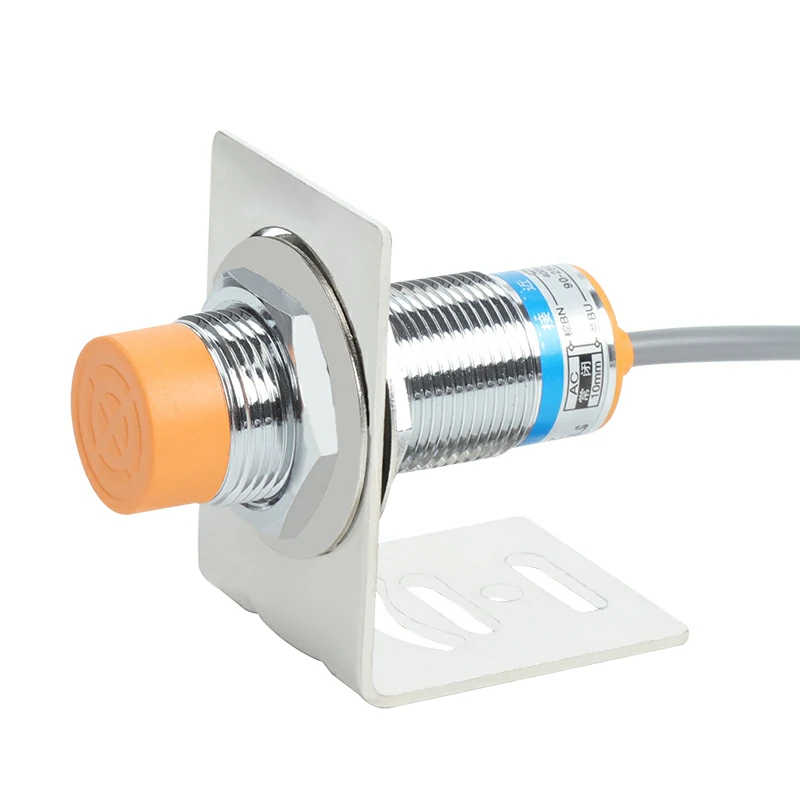
- Cycle Counting & Output Tracking: Many legacy stamping presses rely on manual clipboards to track output. Production data is digitized immediately by retrofitting simple inductive proximity sensors or photoelectric counters at the ejection chute. This gives real time OEE (Overall Equipment Effectiveness) measures that could not be calculated accurately before.
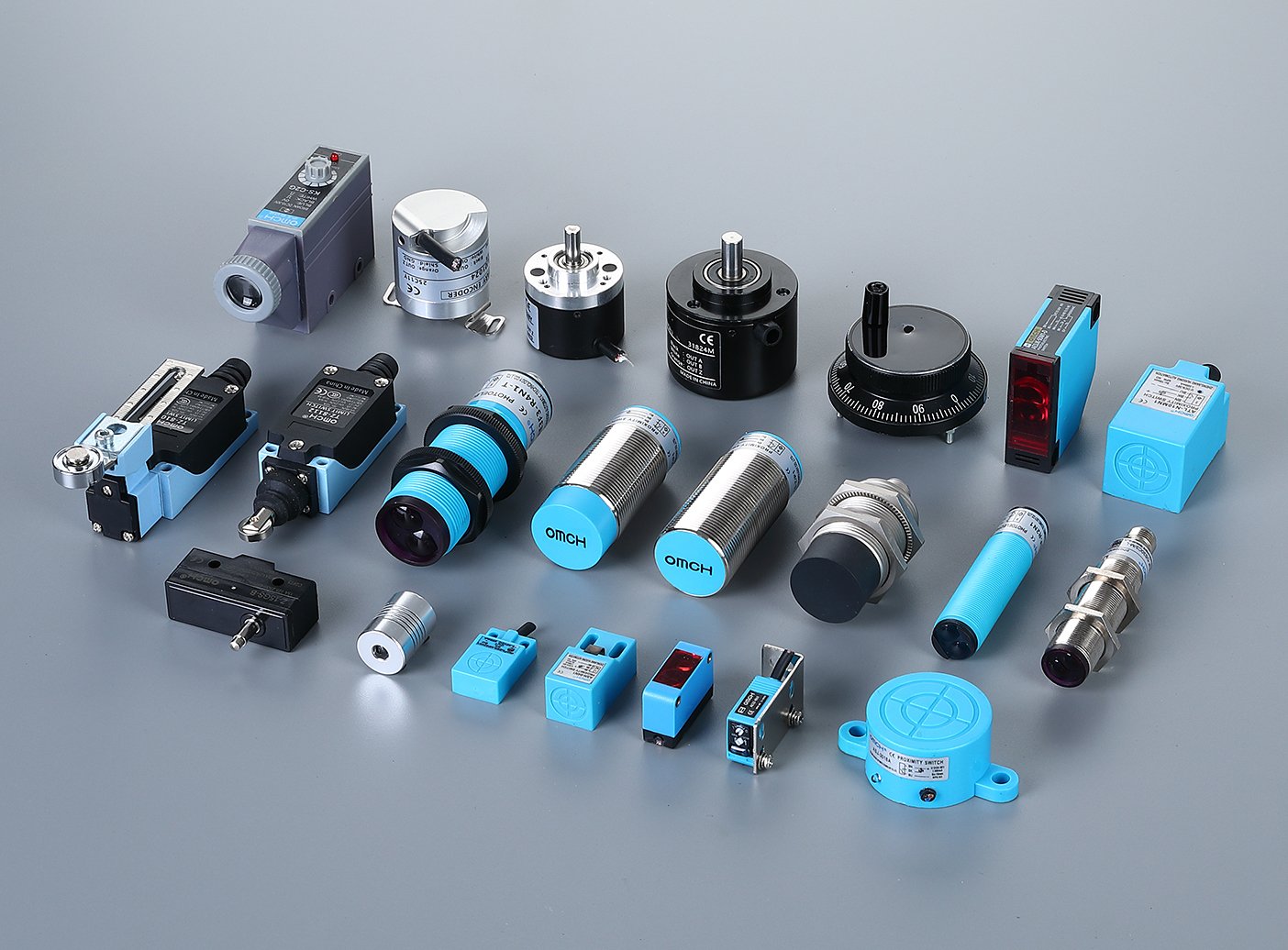
- Position Upgrade: Old machines often use mechanical limit switches that wear out physically. Modifying them to non-contact inductive sensors or high-resolution rotary encoders does not only enhance the accuracy of the cut or the drill, but also significantly lowers the rate of mechanical failures.
Revitalizing the Nervous System: The Control Panel Upgrade
Often, the mechanics of a legacy machine (the steel, the gears, the hydraulics) are indestructible, but the electronics are a ticking time bomb. The machine has a “Nervous System,” the control cabinet or computer numerical control unit, which is often the main cause of failure.
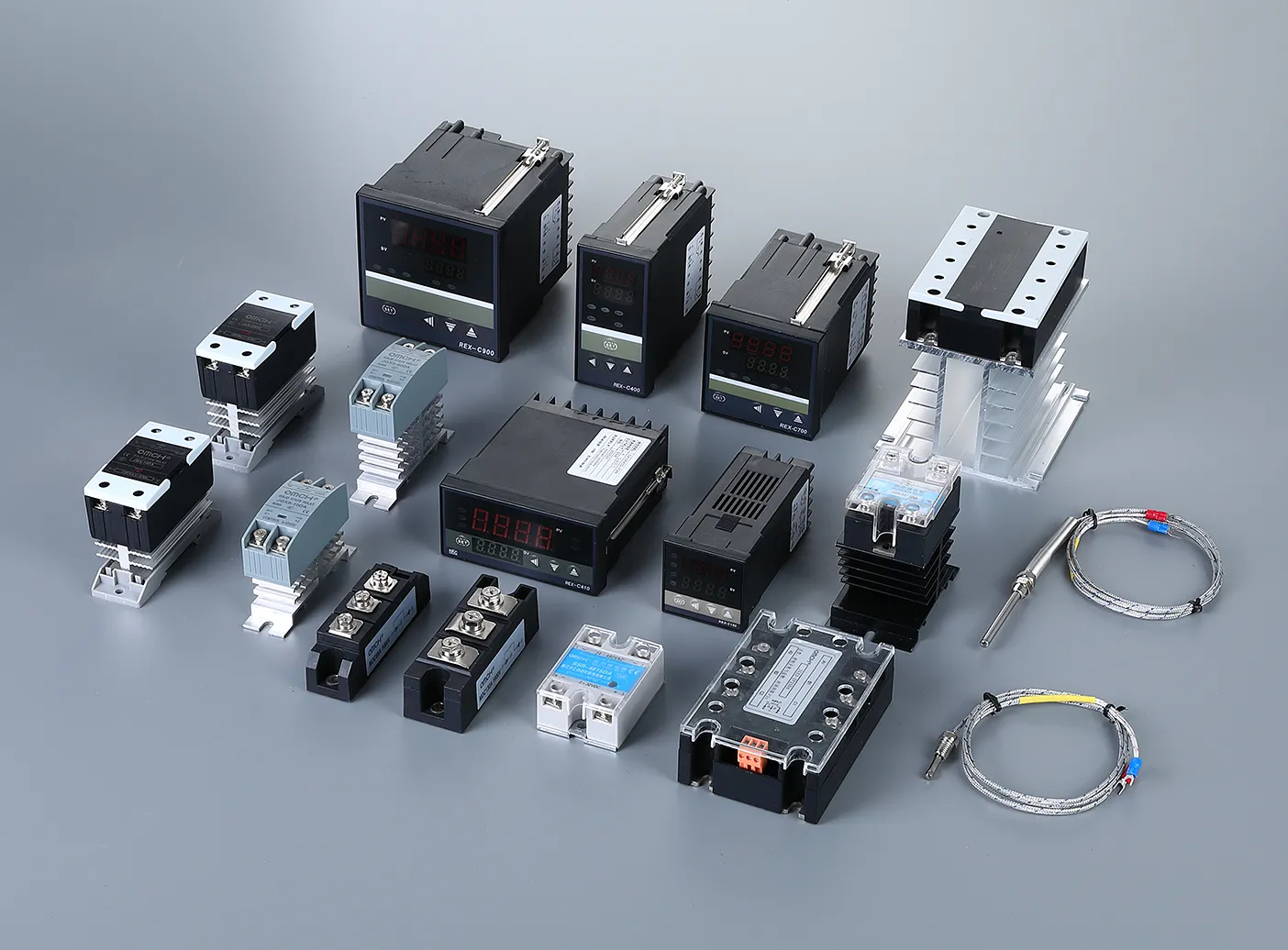
- Replacing Aging Relays: Mechanical relays have a finite lifespan. When retrofitting a project, the use of Solid State Relays (SSRs) in place of banks of old electromechanical relays does away with the possibility of contact welding and arcing. SSRIs have unlimited switching life and shorter response times, which immediately revitalize the reliability of the machine.
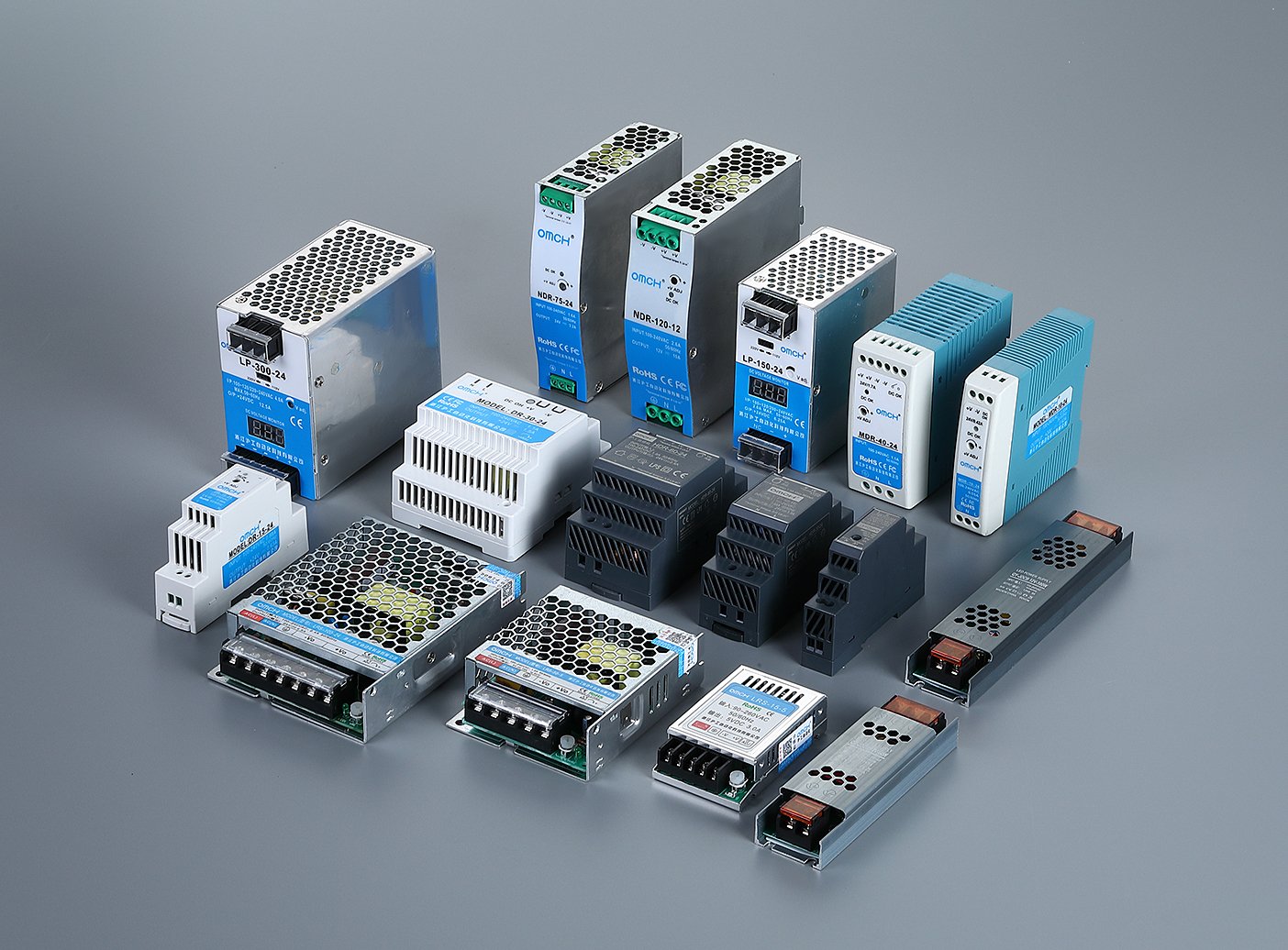
- Stabilizing Power: Legacy factories often struggle with “dirty power”—voltage spikes and drops that fry sensitive modern electronics. Before adding any AI or IoT gateway to an old machine, the power foundation must be secured. Installing modern, industrial-grade DIN-rail power supplies with overload and short-circuit protection is the first, non-negotiable step in any modernization project.
- From Hardwired to Fieldbus: Old cabinets are spaghetti bowls of point-to-point wiring and outdated human machine interface panels. Retrofitting involves installing remote I/O blocks. Instead of running 50 individual wires back to the PLC, you run a single communication cable. This requires robust industrial connectors and reliable cabling infrastructure to ensure that the new digital signals aren’t lost in the electrical noise of the old factory floor.
Through retrofitting, manufacturers can increase the life of their capital assets by ten years or more. It demonstrates that modern manufacturing is not merely a matter of purchasing the latest robot, but rather a matter of smartly updating the elements, sensors, power supplies, and controls that are already running your current production.
Building a Scalable Roadmap: Implementation, ROI, and Maintenance
Automation of factories is not a one-day event, but a marathon. Most projects are not successful due to the faultiness of the technology, but rather due to a poorly defined roadmap. Manufacturers need to pass through three important stages to be successful: Execution, Financial Analysis, and Long-Term Maintenance.
Phase 1: Structured Implementation
An attempt to automate everything simultaneously is a disaster in the making. A scalable implementation plan has a rigid hierarchy:
- The Audit: Identify high-volume, repetitive tasks or dangerous work. These are your “low-hanging fruit.”
- The Pilot Cell: Automate one single process first. Test the hardware, software integration, and worker acceptance in a controlled environment.
- Standardization & Scaling: Once the pilot is proven, replicate the cell across the factory. Here, the important factor is standardization, whereby the same communication protocols and hardware standards are used to avoid data silos and handle frequent product changeovers.
Phase 2: Calculating the True ROI
Most managers will end at the line item of “Labor Savings” when determining ROI (Return on Investment). Nevertheless, a detailed ROI analysis should involve:
- Tangible Gains: Increased throughput (parts per hour), reduction in scrap material, and lower energy consumption.
- Intangible Gains: Brand reputation protection (zero defects), improved worker safety (lower insurance premiums), and data visibility.
- The Formula:

Phase 3: The Maintenance Challenge
This is the silent killer of ROI. A downed robot that is off 4 hours per week can ruin the efficiency gains of the whole month. The maintenance strategies should be changed to Preventive and ultimately Predictive rather than Reactive (fixing it when it breaks). Even the most predictive software is not able to rescue a system that is constructed on shaky foundations.
The Foundation of the Roadmap: Strategic Component Selection
This leads to the most important, but not the least important, component of your roadmap Component Strategy.
The best implementation plan and projected ROI of 200% will be useless unless the physical elements, the “nervous system” of your automation, is reliable. One failed power supply or a wandering sensor will result in downtime that directly consumes your calculated ROI.
Why Partnering with a Manufacturer like OMCH is a Strategic Advantage
To secure your roadmap against hardware failure and supply chain volatility, aligning with a proven, “One-Stop” manufacturer is essential.
OMCH has a long history of operation dating to 1986, which offers the stability needed to support long-term roadmaps.
- Reliability for ROI: OMCH parts are produced according to ISO9001 systems and have international certifications (CE, RoHS, etc.). When you specify an OMCH industrial power supply or solid-state relay, you are investing in the “Uptime” that guarantees your ROI.
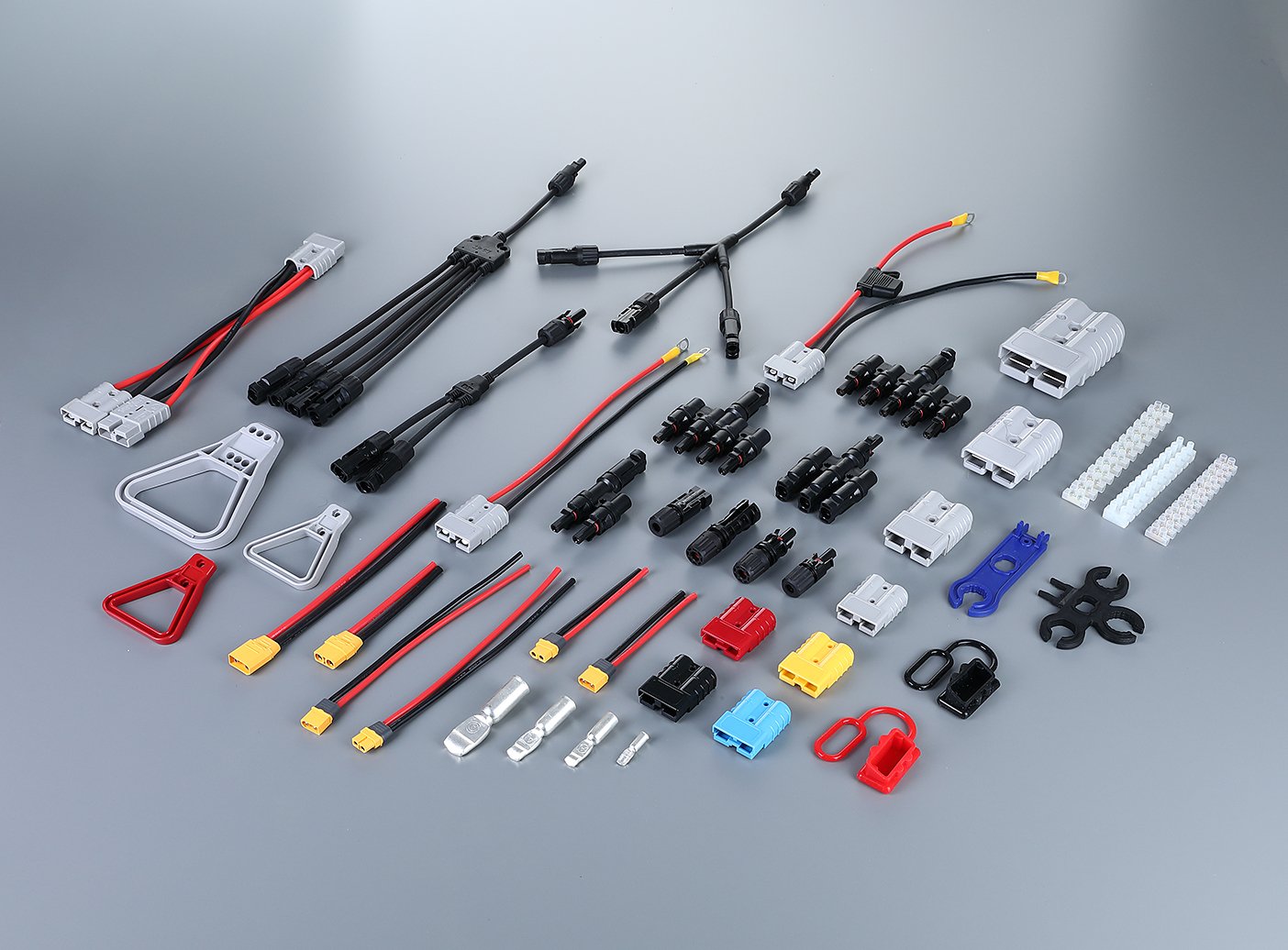
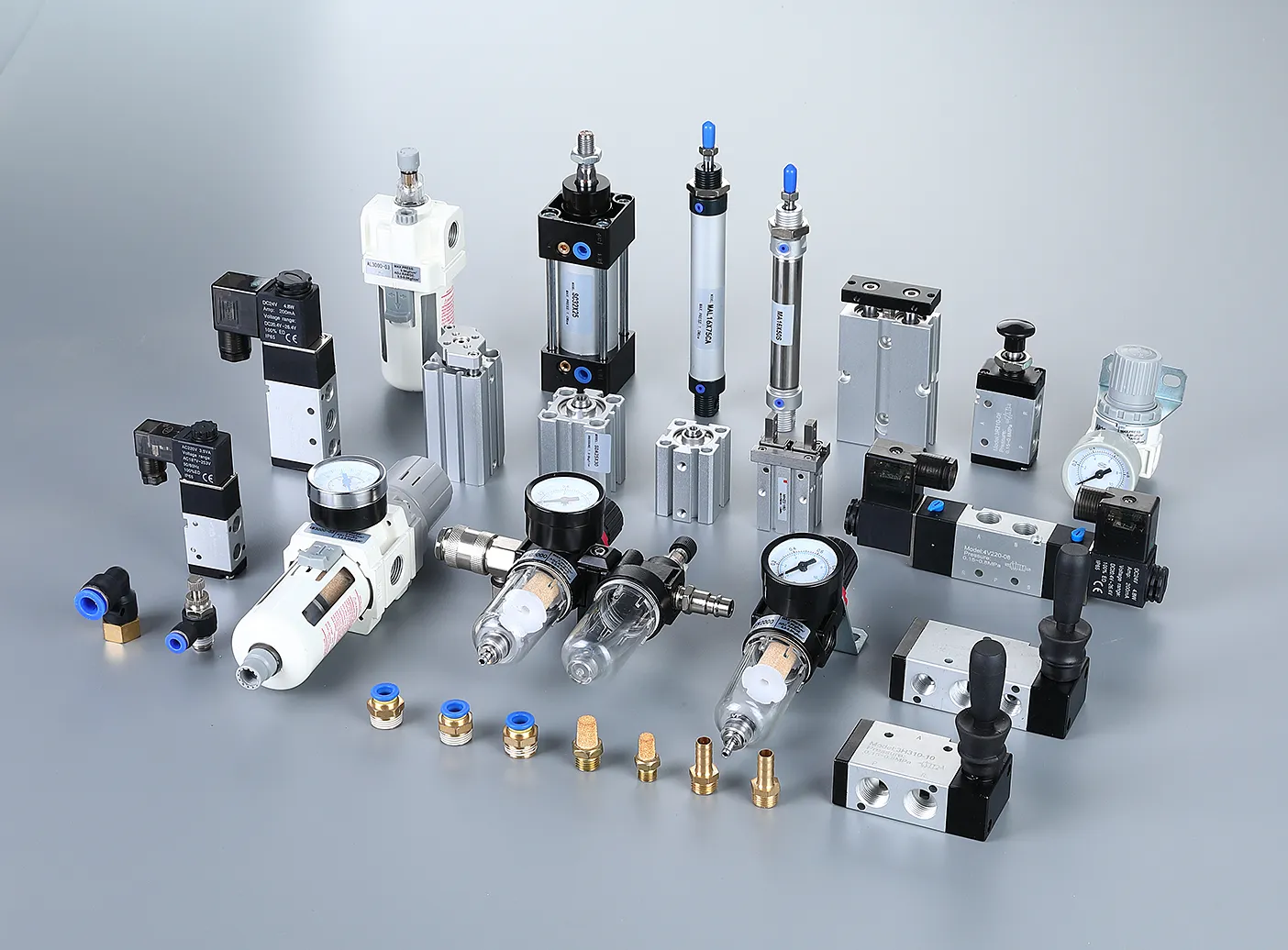
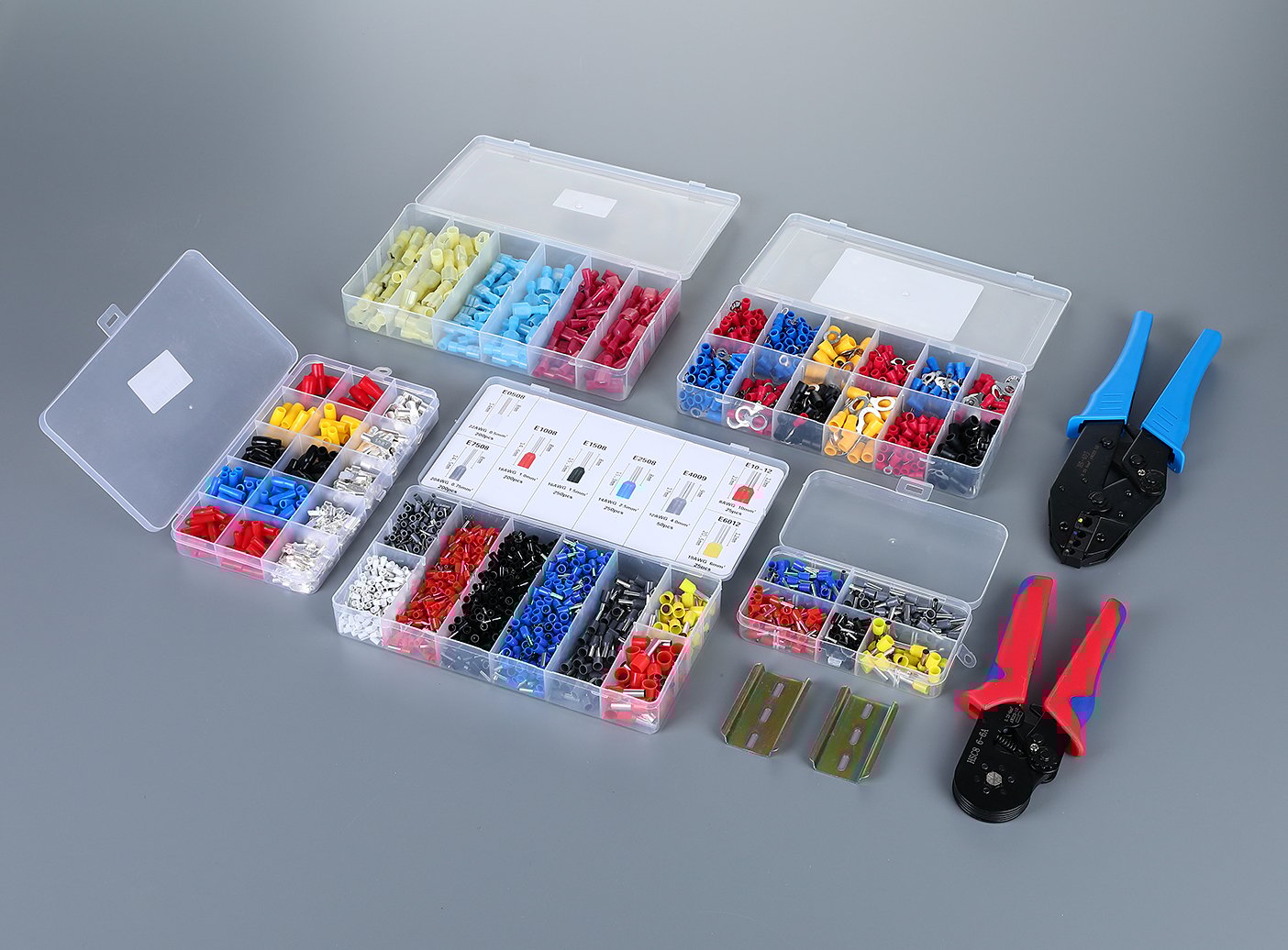
- Supply Chain Efficiency: OMCH has 3000+ SKUs under a single roof, as opposed to 50 different vendors of sensors, buttons, and pneumatics. This centralizes your purchasing, makes your maintenance stock easier, and makes everything in your facility compatible.
- Global Support: OMCH has a presence in more than 100 countries and 72,000+ clients, which means that your scalable roadmap has a strong global service network, with 24/7 response capabilities.
Table: The Impact of Component Strategy on Automation ROI
| Strategic Factor | Fragmented Sourcing (Generic Parts) | Unified Strategic Partner (e.g., OMCH) |
| System Stability | Low: Variable quality risks frequent downtime. | High: Certified, industrial-grade durability. |
| Maintenance | Complex: Mismatched parts and multiple support contacts. | Streamlined: Standardized parts from one source. |
| Procurement Costs | High: Multiple shipping costs and admin fees. | Optimized: Volume pricing and consolidated logistics. |
| Project Risk | High: Supply chain disruptions can halt projects. | Low: 38-year history and global inventory buffers. |
Avoiding Common Pitfalls in Large-Scale Automation Projects
Projects may go wrong despite the most appropriate roadmap. The distinction between a success story and a cautionary tale is often the ability to determine certain, usually neglected pitfalls.
Overlooking the “Weakest Link”: Component Quality & Reliability
The most expensive mistake in automation is “saving pennies to lose dollars.”
It is a typical practice of procurement departments to ruthlessly reduce the cost of “Class C” parts, such as proximity sensors, switches, or solid-state relays, and lavishly invest in the primary robot.
The Reality: A $50,000 robotic cell will come to a grinding halt if a $10 limit switch fails.
This is the “Weakest Link” phenomenon. In a 24/7 production environment, components face vibration, dust, moisture, and electrical noise. If you utilize generic, uncertified components, your MTBF (Mean Time Between Failures) drops drastically.
The Fix: Mandate “Industrial Grade” specifications for every component. Priority should be given to components that are rigorously tested against international benchmarks, such as IEC standards. Selecting parts with a verifiable track record of durability in harsh industrial environments is essential to safeguard the long-term reliability and stability of the entire system.

Neglecting Data Accuracy at the Edge
As we discussed in the AI section, your automated system is only as smart as its data. A common pitfall is assuming that software can fix bad hardware data.
When a photoelectric sensor is slow in response time, it will not detect a fast-moving product on a conveyor. When a rotary encoder is deprived of pulses by electrical interference, the robotic arm loses its position.
The Fix: Prioritize high-precision sensing. The ceiling of the system performance is determined by the specification of the sensor, whether it is detecting a transparent bottle (which needs specialized capacitive or photoelectric sensors) or positioning a shaft (which needs high-resolution encoders).
The Hidden Costs of Fragmented Component Procurement
The third significant trap is not technical but logistical. This we touched upon briefly in the roadmap, but it is a serious warning here.
When a factory automates, they are likely to have a “Zoo of Components”, fifty brands of sensors, twenty kinds of power supplies.
- The Inventory Trap: You must keep on hand spares to all the various brands, and you are tying up huge amounts of capital in inventory.
- The Troubleshooting Trap: When a fault is detected, the technicians spend hours reading various manuals of various suppliers.
- The Solution: Consolidation. A strategic method for de-risking the supply chain is streamlining procurement through established partners. Relying on manufacturers with decades of operational history offers greater stability in both R&D and logistics. This approach creates a cohesive ecosystem of power, control, and sensing, backed by a service network that ensures technical support is available in the event of a critical failure.
Future Outlook: Autonomous Factories and the 2030 Vision
The idea of automating factories will keep blurring the lines between the digital and the physical as we head to 2030. We are heading towards “Dark Factories” (facilities that do not need lighting/heating to operate) and Hyper-Flexible Micro-Factories that are nearer to the consumer.
The 2030 factories will be self-optimizing. They will modify their own production timetables according to the information of the global supply chains and re-arrange their own hardware modules to manufacture various products during the day and night.
But in this sci-fi future, there are still the basic laws of physics and electricity. The independent factory will not be powerless; it will not be able to feel its surroundings; it will not be able to turn circuits on and off. The necessity of high-quality and reliable automation components will not fade away, it will only increase.
The victors of the next industrial revolution will be those who integrate visionary software and an uncompromising base of high-quality hardware infrastructure. You are retrofitting a single line or you are constructing a gigafactory, the road to automation success starts with the dependability of the components you select today.



 English
  Arabic
  Turkish
  Russian
  Spanish
  French
  Indonesian
  Portuguese