


Si tienes un negocio de comercialización de componentes eléctricos, ya sabes la respuesta más obvia a la pregunta “¿dónde comprar componentes eléctricos?”. Tienes el navegador lleno de pestañas de Alibaba, una pila de catálogos de proveedores y el chat de WhatsApp repleto de presupuestos de fábrica.
La verdadera pregunta no es donde. Es quién es realmente de fiar, a qué precio y con qué riesgos ocultos.
Esta guía está dirigida a los distribuidores, es decir, a las empresas que compran componentes eléctricos para revenderlos, no para consumirlos. Analizaremos el panorama de los proveedores, un marco de evaluación práctico, dónde se lleva a cabo realmente la fabricación, las realidades de las compras internacionales y un plan de acción repetible para pasar de la fase de investigación al primer pedido.
A lo largo de este artículo, el término “componentes eléctricos” hace referencia a productos eléctricos industriales: disyuntores, contactores, relés, interruptores, fuentes de alimentación, bloques de bornes, sensores y conectores. No se refiere a componentes electrónicos (circuitos integrados, resistencias, condensadores). Las cadenas de suministro, los tipos de proveedores y los requisitos de certificación son fundamentalmente diferentes. Si has buscado “dónde comprar componentes eléctricos” y has llegado a una página que recomienda Digi-Key para piezas de Arduino destinadas a aficionados, este es el artículo que esa página no era.
Comprender la cadena de suministro de componentes eléctricos: quién vende qué
Antes de evaluar a cualquier proveedor, debes saber a qué categoría pertenece. Los distintos tipos de proveedores se adaptan a diferentes perfiles de compradores. Elegir el tipo equivocado para tu situación sale más caro que elegir al proveedor equivocado dentro del tipo adecuado.
Piensa en ello como si fueras a comprar un coche. Un concesionario 4S, un importador paralelo, un programa de venta directa de fábrica y una plataforma de coches de segunda mano: todos venden coches. Pero la experiencia, el perfil de riesgo y el coste total difieren enormemente. Con los componentes eléctricos ocurre lo mismo.
| Tipo de proveedor | Ejemplos típicos | Lo mejor para | Ventajas principales | Riesgo principal | Cantidad mínima de pedido habitual |
|---|---|---|---|---|---|
| Fabricantes de marcas | CHINT, Delixi, Schneider (fábricas propias) | Distribuidores de gran volumen especializados en una sola marca | El coste unitario más bajo a gran escala; control de calidad total | Cantidad mínima de pedido elevada ($10 000+); sin flexibilidad multimarca | 500–5.000 unidades |
| Distribuidores autorizados | Sonepar, Zhongyeda | Compradores que necesitan garantías de autenticidad de la marca | Garantía oficial + cadena de suministro trazable | Margen de beneficio del 5–15% sobre el precio de fábrica; restricciones de marca, región y línea de productos en el ámbito de los “distribuidores autorizados” | Varía; a menudo no hay un mínimo |
| Empresas comerciales / Proveedores integrados | Agregadores multimarca en Yueqing y Shenzhen | Distribuidores pequeños y medianos que crean carteras mixtas | Un proveedor, muchas marcas; agrupación de pedidos; cantidad mínima de pedido flexible | 5–15%: el margen varía según la marca; la calidad varía según la marca — no todos los productos se someten al mismo proceso de control de calidad | Entre 100 y 500 unidades por referencia; se aceptan contenedores mixtos |
| Mercados online B2B | Alibaba, Made-in-China, Global Sources | Importadores noveles; compradores que comparan precios | Bajo coste de búsqueda; protección del comprador (Trade Assurance); transparencia de precios | “Verificado” = registro básico de la empresa, no una auditoría de calidad; “Proveedor Oro” = suscripción de pago | De 10 a 1.000 unidades, dependiendo del producto |
La diferencia de precio real entre comprar directamente a fábrica y hacerlo a través de una empresa comercial suele ser de entre 5 y 15%. No es el 50% que sugieren algunas guías de abastecimiento. Ese margen de 5 a 15% te permite disfrutar de la consolidación multimarca, cantidades mínimas de pedido (MOQ) más reducidas y contar con alguien que hable tu idioma y se encargue del control de calidad. Para un pequeño distribuidor que realiza $5.000 pedidos mensuales en 8 categorías de productos, el margen de beneficio de la empresa comercial suele resultar más económico que gestionar 8 relaciones directas con fábricas distintas.
Pero ese ahorro solo se consigue si el proveedor es competente. Lo que nos lleva a la evaluación.
La diferencia de precio real entre la venta directa de fábrica y una empresa comercializadora es de De cinco a quince monedas de un penique — y no el 50% que indican algunas guías de abastecimiento. Para un pequeño distribuidor que realiza $5.000 pedidos mensuales en ocho categorías, el margen de beneficio de la empresa comercial le sale más barato que gestionar ocho relaciones directas con fabricantes distintos.
Cómo evaluar a los proveedores de componentes eléctricos: un marco práctico
La evaluación de proveedores no es una prueba de «aprobado/suspenso». Es un proceso de búsqueda de la combinación adecuada. Una fábrica que produce 50 000 disyuntores al mes para Siemens puede no ser en absoluto la opción adecuada para tu pedido de prueba de $3 000. Una pequeña empresa comercial que gestiona tus muestras a la perfección puede verse desbordada ante un pedido de 5 contenedores.
Piensa en tres pilares: referencia de cumplimiento (¿Pueden vender esto legalmente?), capacidad del proceso (¿serán capaces de hacerlo bien siempre?), y fiabilidad en la entrega (¿De verdad te enviarán lo que has pedido, cuando dijeron que lo harían?). Si uno de los pilares se derrumba, los otros dos ya no importan.
Certificaciones y cumplimiento normativo: el mínimo imprescindible
Las certificaciones son tu primer filtro. Pero no basta con echar un vistazo al logotipo de una certificación en una página web. La diferencia entre “tiene una certificación” y “tiene una certificación válida que cubre tu producto concreto” es donde se cometen errores que pueden salir muy caros.
Estos son los cinco tipos de certificación que debes comprobar en cada proveedor de componentes eléctricos:
1. ISO 9001 (Sistema de gestión de la calidad)
Por qué es importante: es la prueba mínima de que un proveedor cuenta con procesos documentados. Si no la tiene, mejor pasar de él.
Cómo verificarlo: Solicita el número de certificado y compruébalo en el registro en línea del organismo emisor. Cualquier organismo de certificación legítimo (SGS, TÜV, Bureau Veritas, BSI) dispone de una base de datos pública.
2. Marcado CE (acceso al mercado de la UE)
Por qué es importante: Es obligatorio para los productos eléctricos que se comercializan en el Espacio Económico Europeo. Pero —y esto es fundamental— hay dos tipos: el marcado CE autodeclarado y el marcado CE certificado por terceros. En el caso de los componentes de seguridad eléctrica (disyuntores, contactores, interruptores diferenciales), debe intervenir un organismo notificado (ON). El número del ON siempre consta de 4 dígitos y puede verificarse en la base de datos NANDO de la Comisión Europea.
Cómo verificarlo: Busca el número de organismo notificado (NB) de 4 dígitos en el certificado → realiza una búsqueda en la base de datos NANDO → comprueba que el organismo notificado esté autorizado para la directiva correspondiente (normalmente la 2014/35/UE para baja tensión).
3. Esquema CB de la IECEE (Pasaporte Internacional de Certificación)
Por qué es importante: El Esquema CB es un acuerdo multilateral entre 54 países miembros de la IEC (a partir de 2025, según datos de la IECEE) que permite que un único informe de ensayo sea aceptado en todos los países participantes. Elimina la necesidad de volver a someter a ensayo los productos para cada mercado. Para los distribuidores que venden en varios países, contar con un proveedor con certificación CB puede reducir drásticamente su carga administrativa en materia de cumplimiento normativo.
Cómo verificarlo: Comprueba la validez del certificado CB en la base de datos en línea de la IECEE. Asegúrate de que el certificado incluya los países de tu mercado de destino y de que se hayan tenido en cuenta las “diferencias nacionales”.
4. UL / CSA (mercado norteamericano)
Por qué es importante: Es obligatorio para los productos que se venden en EE. UU. y Canadá. La certificación UL exige inspecciones periódicas en fábrica. Un proveedor que afirme contar con la certificación UL pero se niegue a permitir visitas a fábrica es una señal de alarma.
Cómo verificarlo: Realice una búsqueda en la base de datos UL Product iQ por número de expediente.
5. RoHS / REACH (cumplimiento normativo en materia de materiales)
Por qué es importante: Restringe el uso de sustancias peligrosas. Es un requisito para acceder al mercado de la UE y cada vez más regiones lo están adoptando.
Cómo verificarlo: Solicita el informe de ensayo RoHS a un laboratorio acreditado según la norma ISO 17025, y no te conformes con la autodeclaración del proveedor.
Un ejemplo práctico: un distribuidor consolidado de componentes eléctricos que opera en varias regiones suele mantener un expediente de certificación por cada familia de productos —CE con participación de un organismo notificado (NB) para la UE, EAC para la Unión Económica Euroasiática, informes de ensayo CB para una aceptación internacional más amplia y documentación RoHS/REACH como norma habitual—. Cuando solicites certificaciones a un nuevo proveedor, este es el nivel que debes esperar. Si el proveedor solo puede presentar un “certificado CE” de una sola página, sin número de organismo notificado ni acreditación del laboratorio de ensayos, no ha superado el primer filtro.
Verificación de la calidad: más allá del certificado
Un certificado acredita que un proveedor cumplía con los requisitos el día de la auditoría. No acredita que tu El lote —fabricado seis meses después, un viernes por la tarde, con una materia prima sustitutiva que el responsable de compras encontró por 8% menos— cumple la misma norma.
Un proceso de verificación en tres pasos detecta lo que los certificados no detectan:
Paso 1: Prueba de una muestra (antes de comprometerte)
Solicita muestras antes de realizar cualquier pago por volumen. El plazo de producción de las muestras es de entre 7 y 15 días, a lo que hay que añadir el transporte aéreo. Prueba las muestras en tus condiciones reales de uso, no te limites a una inspección visual:
- Visuales y dimensionales: Compáralo con la ficha técnica. Mide las tolerancias.
- Rendimiento eléctrico: En el caso de los interruptores y los disyuntores, realice las pruebas a la tensión y la corriente nominales. Compruebe las curvas de disparo.
- Comportamiento térmico: Haz funcionar el equipo a carga nominal durante más de 30 minutos. Comprueba si hay puntos calientes.
- Resistencia mecánica: Realiza ciclos con el mecanismo. Un contactor con una capacidad nominal de 100 000 operaciones debería comportarse de la misma manera en el ciclo #100 que en el ciclo #1.
La queja más habitual entre los compradores experimentados es: “La muestra era perfecta. El pedido al por mayor, no”. Las muestras se seleccionan cuidadosamente. La producción en serie, no. Por eso existen los pasos 2 y 3.
Paso 2: Auditoría de fábrica (a distancia o in situ)
Si el valor de tu pedido es inferior a $10 000, puede que no resulte rentable viajar a China para visitar la fábrica. No obstante, deberías realizar una auditoría por videoconferencia. Pide al proveedor que te muestre —en directo, mediante una videollamada— estas tres áreas:
- Organización de la línea de producción: ¿Están ordenadas las estaciones de trabajo? ¿Se aprecia un flujo de trabajo claro o parece improvisado?
- Puestos de control de calidad: ¿Existe una zona específica de control de calidad con equipos de ensayo? Pida que le muestren los equipos en funcionamiento y un informe de ensayo reciente. La norma IEC 60947-1 (la norma de reglas generales para aparatos de conexión de baja tensión) establece como obligatorios los ensayos de tensión dieléctrica de resistencia y la verificación del aumento de temperatura. El proveedor debería poder mostrarle estos equipos en funcionamiento.
- Almacenamiento de materias primas: ¿Organizados, etiquetados y almacenados en un lugar con temperatura controlada? ¿O un montón de bobinas sin etiquetar en un rincón?
Para pedidos superiores a $20 000, plantéate contratar una auditoría externa a cargo de SGS, Bureau Veritas o TÜV. Una auditoría de fábrica de un día de duración en China suele costar entre $300 y $500 y genera un informe estandarizado que abarca la capacidad de producción, los sistemas de calidad y el cumplimiento de las normas sociales.
Paso 3: Inspección previa al envío (antes de abonar el importe pendiente)
Esta es tu última línea de defensa. Un inspector independiente (SGS, Bureau Veritas, Intertek) comprueba una muestra aleatoria de tus productos terminados antes de que salgan de fábrica. Entre los criterios de inspección habituales para los componentes eléctricos se incluyen:
- Conformidad en cuanto a cantidad y embalaje
- Comprobaciones visuales y dimensionales según tu hoja de especificaciones
- Pruebas funcionales en una muestra aleatoria (normalmente AQL 2,5, nivel II)
- Verificación del etiquetado y el marcado (marca CE, valores nominales de tensión, códigos de lote)
Una inspección estándar previa al envío cuesta entre $300 y $800 al día en China y puede evitar que recibas un contenedor con mercancía inservible.
Fiabilidad operativa: indicadores clave de rendimiento (KPI) que permiten predecir el rendimiento futuro
Las certificaciones y la calidad de las muestras te indican si un proveedor puede rendir. Las métricas operativas te indican si será cumplir, de forma constante, con cada pedido.
Tres indicadores clave de rendimiento (KPI) que debes seguir desde tu primera interacción:
1. Índice de entregas puntuales
Valor de referencia del sector: ≥95%. Excelente: ≥98%. Por debajo de 90%: motivo de descalificación.
Pero fíjate bien en la definición. ¿“A tiempo” significa “salió de nuestra fábrica a tiempo” o “llegó a tu puerto a tiempo”? Lo primero no te sirve de nada. Pide lo segundo.
2. Tiempo de respuesta a las consultas
Referencia del sector: ≤4 horas durante el horario laboral. Excelente: ≤2 horas. Un proveedor que tarda sistemáticamente más de 12 horas en responder a una solicitud de presupuesto sencilla tiene un problema organizativo, no un problema de huso horario.
3. Índice de reposición
Si un proveedor tiene una tasa de repetición de pedidos superior a 20%, sus clientes actuales están votando con sus carteras. Si es inferior a 10%, hay que preguntarse por qué.
Señales de alerta que justifican la suspensión inmediata: el proveedor no puede presentar informes de pruebas específicos para cada lote; se producen cambios en los precios entre el presupuesto y la factura sin explicación alguna; la persona de contacto cambia más de una vez en un plazo de tres meses; o el proveedor se muestra reacio a facilitar referencias de clientes.
Dónde adquirir componentes eléctricos: canales, centros de distribución y rutas comerciales
Ya sabes a quién buscar y cómo evaluarlos. Ahora bien: ¿dónde los encuentras realmente?
La selección de proveedores no es una actividad que se limite a un único canal. Un proceso de compras maduro sigue una progresión en tres fases: descubrimiento a través de una plataforma en línea → interacción directa → validación presencial. No intentes completar las tres etapas a la vez.
Mercados online B2B: el punto de partida
Para quien se inicia en la importación, las plataformas B2B ofrecen la vía de acceso con menor riesgo. Proporcionan funciones de búsqueda de proveedores, verificación básica y protección de pagos.
Alibaba.com cuenta con la mayor red de proveedores. Trade Assurance ofrece una protección básica para las transacciones. Pero es importante entender qué significan realmente las distinciones: “Proveedor verificado” confirma que la empresa está registrada legalmente, nada más. “Proveedor Gold” es una suscripción de pago; indica la disposición a invertir en la plataforma, no la calidad del producto. “Proveedor evaluado” significa que una empresa de inspección independiente ha visitado físicamente las instalaciones. Esta distinción tiene su importancia.
Made-in-China.com Ofrece una mayor cobertura en las categorías industriales y eléctricas que en la de bienes de consumo. La calidad de los proveedores tiende a estar más concentrada: hay menos anuncios, pero la relevancia media es mayor para los compradores B2B del sector eléctrico.
Global Sources Es una empresa sólida en el ámbito del abastecimiento de productos electrónicos y eléctricos para fabricantes de equipos originales (OEM) y de diseño por encargo (ODM). Si estás desarrollando una línea de productos a medida, empieza por aquí.
Lista de comprobación para la selección de plataformas:
- Filtrar por años de funcionamiento (preferiblemente 5 o más)
- Consulta el historial de transacciones y las opiniones de los compradores (no te limites a las valoraciones: lee también las quejas)
- Envía una solicitud de presupuesto de prueba y evalúa tanto la rapidez de respuesta y calidad técnica
- Verificación cruzada: si un proveedor afirma ser una fábrica, busca el nombre de su empresa en la vista de satélite de Google Maps. ¿Se ve en esa ubicación una instalación industrial?
Directamente de los fabricantes: cuándo y cómo acudir directamente a la fuente
Prescindir de los intermediarios parece la decisión más obvia. Pero no siempre es así. La compra directa a fábrica tiene sentido cuando tu volumen anual de compras en una sola categoría de productos supera aproximadamente $50 000 y dispones de la capacidad interna para gestionar el control de calidad, la logística y las relaciones con los proveedores.
Por debajo de ese umbral, los costes asociados a la compra directa a fábrica (barreras lingüísticas, falta de flexibilidad en las cantidades mínimas de pedido, riesgo de pago, falta de consolidación) suelen superar el margen de beneficio del 5–15% que se pagaría a una empresa comercializadora.
Si la venta directa desde fábrica es la mejor opción para tu volumen de negocio, saber dónde se encuentran realmente las fábricas te da una ventaja:
| Clúster industrial | Productos principales | Ciudades clave | Por qué es importante |
|---|---|---|---|
| Zhejiang — Yueqing / Wenzhou | Instalaciones eléctricas de baja tensión: disyuntores, contactores, relés, interruptores, cuadros de distribución | Yueqing, Wenzhou | Más del 65% de la cuota de mercado de la electricidad de baja tensión en China y más de 60% de las exportaciones chinas de material eléctrico de baja tensión. Más de 14 000 empresas del sector eléctrico. La tasa de cobertura de la cadena de suministro local supera el 85%: la mayoría de los componentes están disponibles en un radio de una hora. |
| Guangdong — Delta del Río de las Perlas | Conectores, cables, fuentes de alimentación, dispositivos inteligentes | Shenzhen, Dongguan, Foshan | La infraestructura de exportación más consolidada de China. Envíos más rápidos a los mercados internacionales. Especializados en fuentes de alimentación y conectores electrónicos. |
| Shanghái / Jiangsu | Automatización industrial, equipos de media y alta tensión, componentes de precisión | Shanghái, Suzhou, Changzhou | Máxima capacidad técnica. Sólida presencia de fábricas internacionales en régimen de empresa conjunta. La mejor opción para productos que requieran tolerancias estrictas o una fabricación conforme a las normas IEC/ISO. |
Las fábricas costeras (Zhejiang, Guangdong, Shanghái) ofrecen unos costes logísticos entre un 20 y un 30% inferiores a los de las alternativas del interior, debido a su proximidad a los principales puertos de contenedores (Ningbo, Shenzhen, Shanghái). Si una fábrica del interior te ofrece un precio atractivo, vuelve a calcular el coste teniendo en cuenta el transporte por carretera hasta el puerto antes de comparar.
Ferias y eventos del sector — La capa de validación
Las ferias comerciales son el lugar donde se pasa de una evaluación basada en pantallas a una validación en el mundo real. Su principal valor no es la realización de pedidos, sino acelerar el proceso de creación de confianza que determina si la relación con un proveedor perdura más allá del primer contenedor.
Eventos destacados para los compradores de componentes eléctricos:
- Feria de Cantón (Guangzhou, abril y octubre): La feria comercial más grande de China. Los pabellones dedicados a la electricidad y la electrónica son muy amplios. Cabe destacar la diferencia entre los “stands de marca” (más grandes, mejor situados y, por lo general, de exportadores consolidados) y los “stands estándar” (más pequeños y de calidad más variable).
- EP China / Electrical Shanghai: Feria especializada en energía eléctrica. Mayor concentración de proveedores del sector industrial que en las ferias comerciales generales.
- Feria de Electrónica de Hong Kong del HKTDC (abril y octubre): Destaca en el sector de los componentes electrónicos y eléctricos. El marco jurídico de Hong Kong aporta un plus de confianza a la hora de garantizar el cumplimiento de los contratos.
Preparación previa al espectáculo: Haz una lista de entre 10 y 15 proveedores con los que ya hayas contactado por Internet. Lleva muestras de los productos o especificaciones detalladas. Prepara una lista de cinco preguntas clave que te permitan aclarar tus dudas concretas. Un proveedor que responda a las cinco preguntas con información concreta y verificable en el stand es una señal más clara que un catálogo de lujo.
Una advertencia: muchas empresas comerciales exponen en estas ferias haciéndose pasar por fábricas. Pregunta: “¿Podemos visitar vuestra línea de producción mañana?”. Si la respuesta es evasiva, estás hablando con un intermediario. Eso puede ser o no un problema, dependiendo de tu estrategia de abastecimiento. Pero debes saber con quién estás tratando realmente.
La realidad del aprovisionamiento internacional de componentes eléctricos
La mayoría de las guías sobre “dónde comprar” se limitan a enumerar proveedores. Para un distribuidor de Vietnam, Kazajistán o Nigeria, ahí es donde empieza la verdadera complejidad. El precio unitario supone quizá un 60% de tu coste real. El 40% restante abarca la logística, el riesgo de pago, el cumplimiento de las normas aduaneras y la exposición al riesgo cambiario. Ese 40% determina si tu proceso de aprovisionamiento realmente genera beneficios.
Logística y envíos: cómo llega tu pedido desde la fábrica hasta tu puerta
La elección de las condiciones de envío (Incoterms) no es solo una cuestión de papeleo. Determina quién asume el riesgo en cada etapa y cuánto pagarás realmente cuando la mercancía llegue a tu almacén.
| Incoterm | La responsabilidad del proveedor finaliza en | Tú te encargas | Lo mejor para |
|---|---|---|---|
| FOB (Franko a bordo) | Mercancías cargadas en el buque en el puerto de origen | Transporte marítimo, seguro, tasas del puerto de destino, despacho de aduanas, transporte terrestre | Importadores con experiencia que cuentan con un agente de transporte de confianza |
| CIF (Coste, seguro, flete) | La mercancía llega al puerto de destino (seguro incluido) | Tasas portuarias en el puerto de destino, despacho de aduanas, transporte terrestre | Nivel intermedio: el proveedor se encarga del envío y tú, del despacho de aduanas |
| DDP (Entrega con derechos pagados) | Productos entregados en tu domicilio, con los aranceles pagados | Casi nada | Importadores noveles; pedidos de gran valor y urgentes |
El término FOB parece el más barato en la factura del proveedor. Pero es como reservar un vuelo con una aerolínea de bajo coste: la tarifa base es baja, pero todo lo demás conlleva un coste adicional. Un pedido FOB de $2.000 puede llegar fácilmente a costar $3.200 una vez sumados el flete, el seguro, los gastos portuarios, los servicios de despacho de aduanas y el transporte por carretera.
Estimaciones aproximadas de los tiempos de tránsito desde los principales puertos chinos:
- A Sudeste asiático (Bangkok, Ciudad de Ho Chi Minh, Yakarta): de 5 a 12 días por mar
- A Rusia / CEI (San Petersburgo, Vladivostok): entre 25 y 35 días por mar, o entre 12 y 18 días en tren a través del «China-Europe Railway Express»
- A Asia Central (Almaty, Tashkent): entre 10 y 15 días en tren a través de los pasos fronterizos de Alashankou y Khorgos
- A Oriente Medio / África: entre 20 y 35 días por mar
En el caso de los envíos LCL (carga inferior a un contenedor), que son la opción predeterminada para la mayoría de los primeros pedidos, el volumen óptimo se sitúa por debajo de los 15-20 metros cúbicos. Por encima de ese volumen, un contenedor completo (FCL) resulta más rentable por unidad.
Condiciones de pago y cantidad mínima de pedido: cómo sacar partido a las cifras para los pequeños distribuidores
La mayoría de los consejos sobre la selección de proveedores dan por hecho que dispones de un capital circulante ilimitado. Pero no es así. Un pedido mínimo de 500 unidades a $3,50 por disyuntor supone $1.750, lo cual es asumible. Pero si añades cinco referencias más, tu primer pedido asciende de repente a más de $10.000, sin contar los gastos de envío, con un plazo de entrega de entre 4 y 8 semanas y otras 2 a 4 semanas hasta que tus clientes te paguen.
Estrategias de negociación del pedido mínimo (MOQ) que realmente funcionan:
- Aceptación del primer pedido: Acepta la cantidad mínima de pedido (MOQ) estándar del proveedor para el primer pedido. Demuestra que eres un comprador serio. Negocia sobre la segundo pedido: los proveedores son mucho más flexibles con los clientes habituales.
- Consolidación de referencias mixtas: En lugar de pedir 500 unidades de una referencia, solicita que se repartan entre 5 referencias relacionadas (100 de cada una). De este modo, se cumple con el volumen total exigido por el proveedor y, al mismo tiempo, se reduce el riesgo de inventario por referencia.
- Escalera de muestra a granel: Pedir muestras → pequeño lote de prueba a precio de muestra → negociar un descuento por volumen para pedidos posteriores. De este modo se va generando confianza poco a poco sin tener que comprometerse desde el principio a realizar un pedido de gran volumen.
Condiciones de pago: La norma del sector es un anticipo del 30% y el 70% antes del envío (tras la inspección previa al envío). Nunca aceptes un pago por adelantado del 100%. Si un proveedor lo exige, o bien se encuentra en dificultades financieras o bien no espera que vuelvas a realizar un pedido. Para pedidos superiores a $20 000, plantéate utilizar una carta de crédito (L/C), aunque los bancos suelen exigir un mínimo de entre $10 000 y $20 000 para que las comisiones de la L/C salgan a cuenta.
Riesgo de tipo de cambio: Si tu moneda local fluctúa más de 10% al año frente al dólar estadounidense —algo habitual en mercados como Nigeria, Etiopía o Kazajistán—, mantén los plazos de validez de los presupuestos por debajo de los 15 días. Fija el tipo de cambio cuando pagues el depósito, no cuando recibas el presupuesto.
Despacho de aduanas y cumplimiento normativo en varios países
El despacho de aduanas no es la última etapa del proceso de adquisición. Es la puerta de control que puede hacer que todo tu envío sea devuelto al remitente si no has preparado la documentación necesaria.
La documentación mínima necesaria para la importación de cualquier componente eléctrico:
- Factura comercial
- Lista de equipaje
- Conocimiento de embarque (marítimo) o carta de porte aéreo (aéreo)
- Certificado de origen (FORMULARIO E para el comercio entre China y la ASEAN; puede reducir o eliminar los aranceles en función del código del Sistema Arancelario Armonizado y del país de destino)
- Documentos de certificación de productos relevantes para tu mercado
Principales vías de certificación en el mercado:
| Mercado | Certificación obligatoria | Notas |
|---|---|---|
| Rusia / UEEA (Rusia, Bielorrusia, Kazajistán, Armenia, Kirguistán) | EAC (TR CU 004/2011 para equipos de LV) | Declaración (DoC): ~$500–$1.100, de 1 a 3 semanas. Certificado (CoC, para equipos de mayor riesgo): ~$1.100–$4.200, de 4 a 8 semanas, incluida la auditoría de fábrica. El CoC requiere un representante autorizado local en la UEEA. |
| Sudeste asiático | Régimen CB + desviaciones nacionales | Indonesia (SNI), Tailandia (TISI) y Vietnam (marca CR): cada uno de estos países exige ensayos adicionales específicos para cada país, además de la certificación CB. Hay que prever entre 2 y 6 semanas adicionales para la certificación nacional tras la certificación CB. |
| Asia Central | EAC o GOST-K | Kazajistán y Kirguistán (miembros de la UEEA) aceptan el EAC. Uzbekistán y Turkmenistán cuentan con sistemas independientes: comprueba los requisitos de cada país antes de realizar el envío. |
| África | Específico de cada país | Nigeria (SONCAP), Kenia (PVoC), Sudáfrica (SABS). No existe un sistema unificado: cada país exige una certificación independiente. |
Una estrategia de certificación eficaz para los distribuidores que operan en múltiples mercados: empieza por la certificación del Esquema CB de la IECEE como base y, a medida que te adentres en cada nueva región, ve incorporando certificaciones específicas de cada mercado. La certificación CB es aceptada —con distintos grados de requisitos adicionales— por 54 países miembros. Es lo más parecido a un pasaporte universal para el cumplimiento normativo de los productos eléctricos.
La obtención y el mantenimiento de las certificaciones en más de cinco mercados suelen suponer un coste de entre $1.000 y $5.000 por familia de productos, solo en concepto de tasas de certificación iniciales, sin contar las modificaciones en la fábrica, las nuevas pruebas ni las auditorías de vigilancia anuales. Este es uno de los argumentos más sólidos para trabajar con distribuidores consolidados que operan en varios mercados, en lugar de intentar homologar una fábrica para cada mercado partiendo de cero.
De la investigación al primer pedido: tu plan de acción de compras
Ya has analizado el panorama de los proveedores, el marco de evaluación, los canales de abastecimiento y los costes ocultos de las compras internacionales. A continuación te explicamos cómo poner todo esto en práctica.
Paso 1 — Definir: Redacta las especificaciones de tu producto antes de ponerte en contacto con cualquier proveedor. Tensión nominal, corriente, índice de protección IP, materiales, certificaciones necesarias, coste unitario previsto. Una solicitud de presupuesto que diga “Necesito disyuntores” será ignorada. Una solicitud de presupuesto que diga “MCB, 1P+N, 16 A, curva C, capacidad de corte de 6 kA, IEC 60898-1, CE con organismo notificado” sí que recibirá presupuestos.
Paso 2 — Lista de candidatos preseleccionados: Utilizando los canales de la sección 3, elabora una lista de entre 5 y 10 proveedores candidatos. Aplica la lista de verificación de selección de la plataforma. Elimina a todos aquellos que no superen la verificación de la certificación de la sección 2.
Paso 3 — Comprobar: Para cada proveedor preseleccionado, comprueba que las certificaciones coincidan con las bases de datos de los organismos emisores. Solicita un informe de pruebas reciente realizado por un tercero. Verifica el registro de la empresa, su historial de exportaciones y cualquier valoración en Internet.
Paso 4 — Ejemplo: Solicita muestras a tus 2 o 3 principales proveedores. Prueba las muestras en tus condiciones reales de trabajo. Compara no solo el precio, sino también la calidad del embalaje, la claridad de la comunicación y la exhaustividad de la documentación.
Paso 5 — Auditoría: Realiza, como mínimo, una visita guiada por vídeo a la fábrica. Para pedidos superiores a $20 000, encarga una auditoría a una entidad independiente. El coste (entre $300 y $500) supone un seguro económico frente a la posibilidad de recibir un contenedor con mercancía defectuosa.
Paso 6 — Realiza una prueba piloto y, a continuación, amplía la escala: Realiza un pequeño pedido de prueba cercano a la cantidad mínima de pedido (MOQ). Evalúa la experiencia en su conjunto: el plazo de producción, la comunicación durante la fabricación, los resultados de la inspección previa al envío, la precisión del envío y la calidad real del producto a su llegada. No aumentes el volumen hasta que el proveedor haya entregado con éxito dos pedidos consecutivos sin problemas de calidad ni de plazos.
Plazo realista: Desde el primer contacto con el proveedor hasta la recepción de la mercancía en tu almacén, el plazo es de entre 6 y 12 semanas. Precipitarse en este proceso es el error más caro que puedes cometer. Un primer pedido fallido sale mucho más caro que las 4 semanas adicionales que dedicarías a realizar las comprobaciones necesarias.
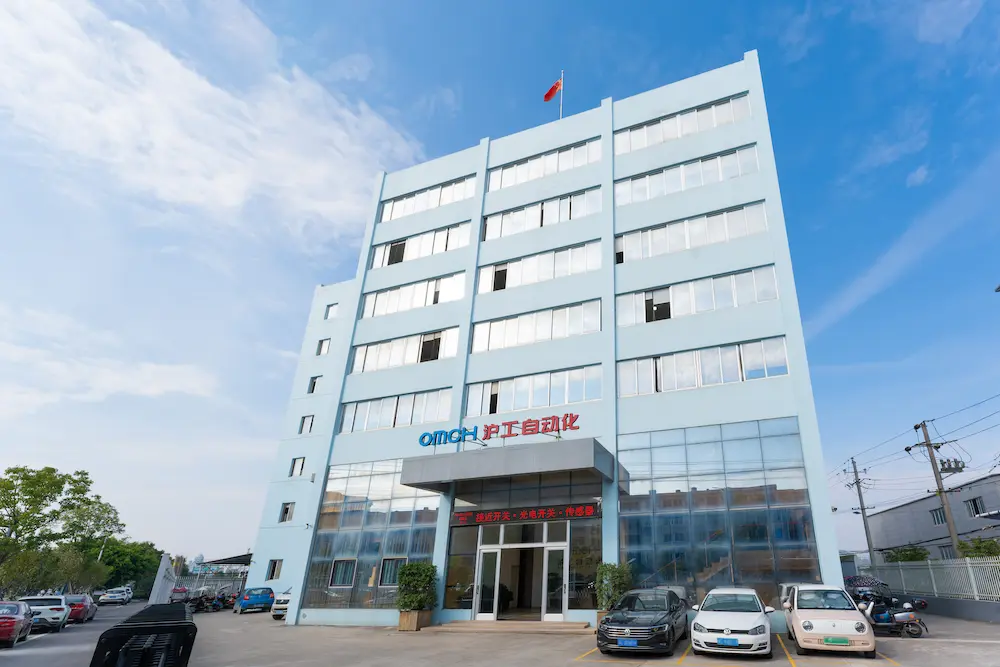
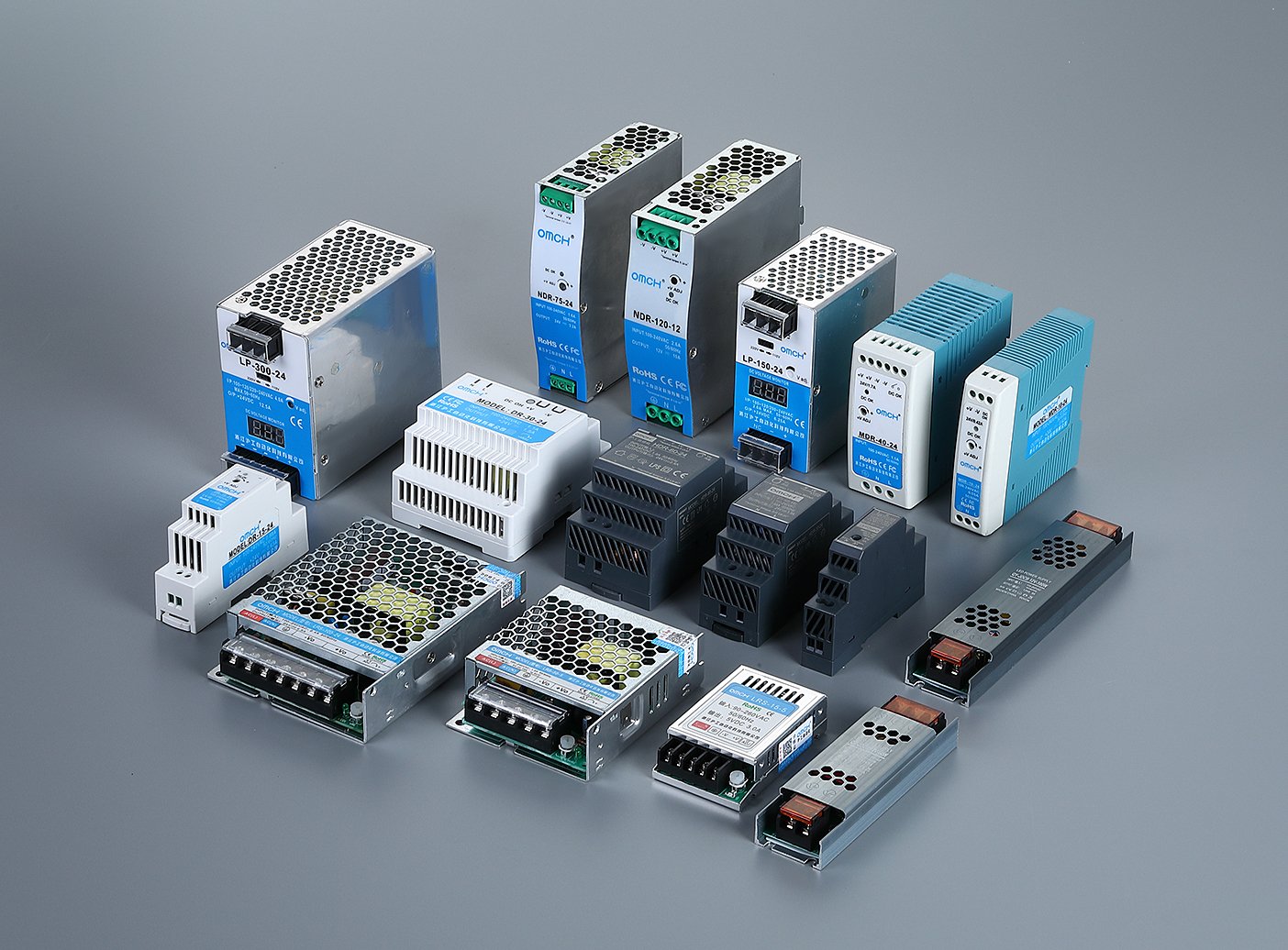
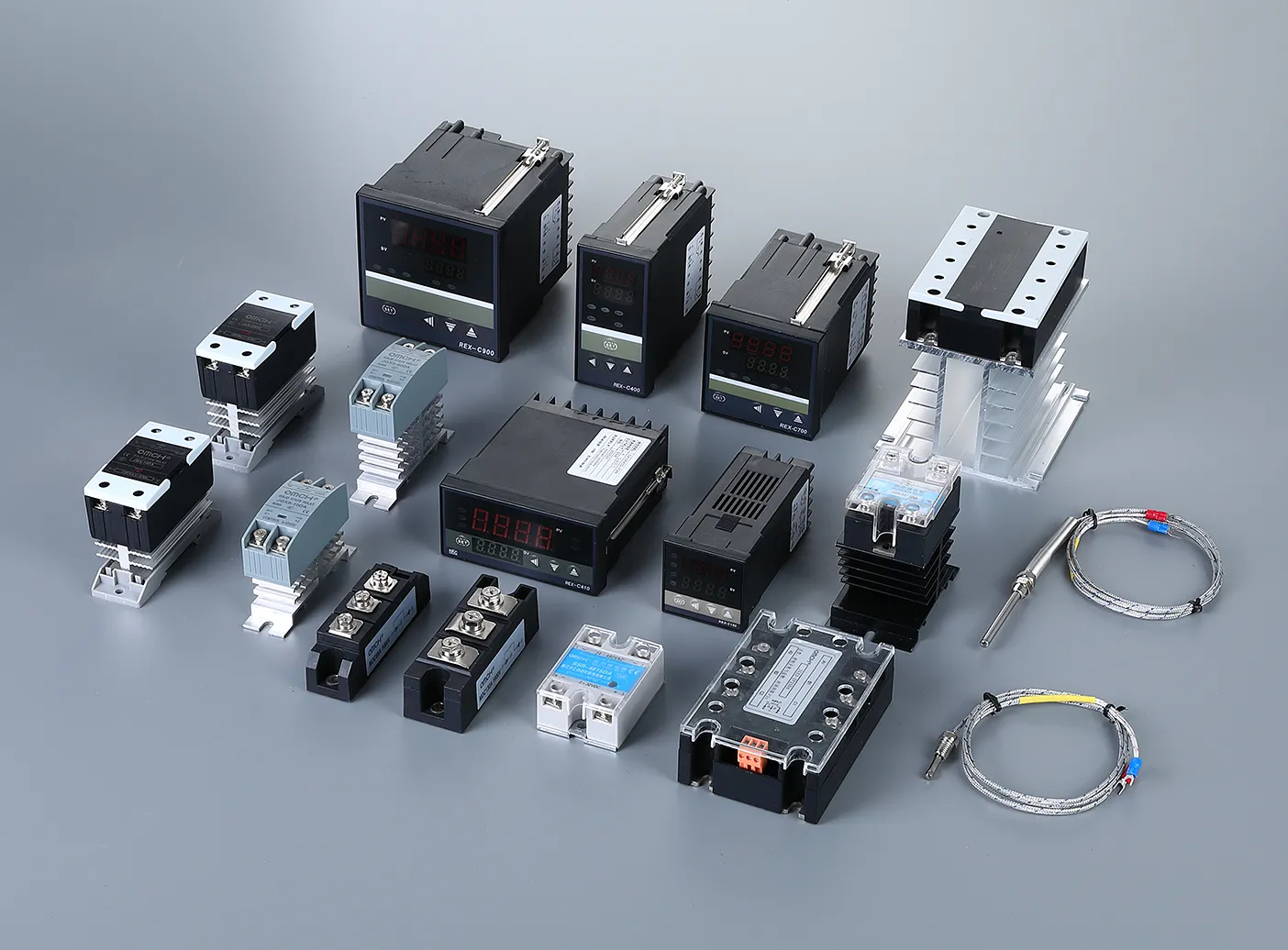
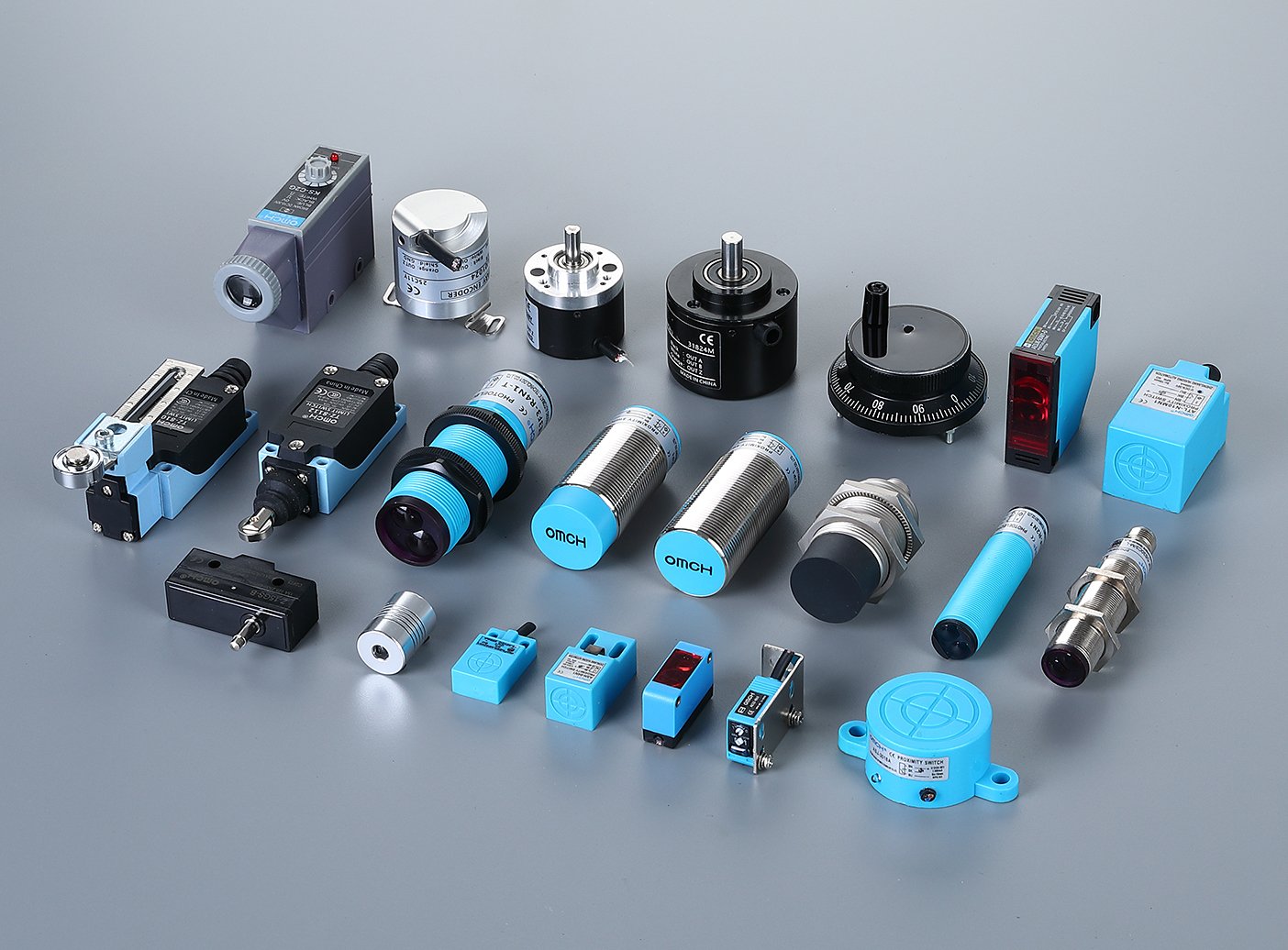
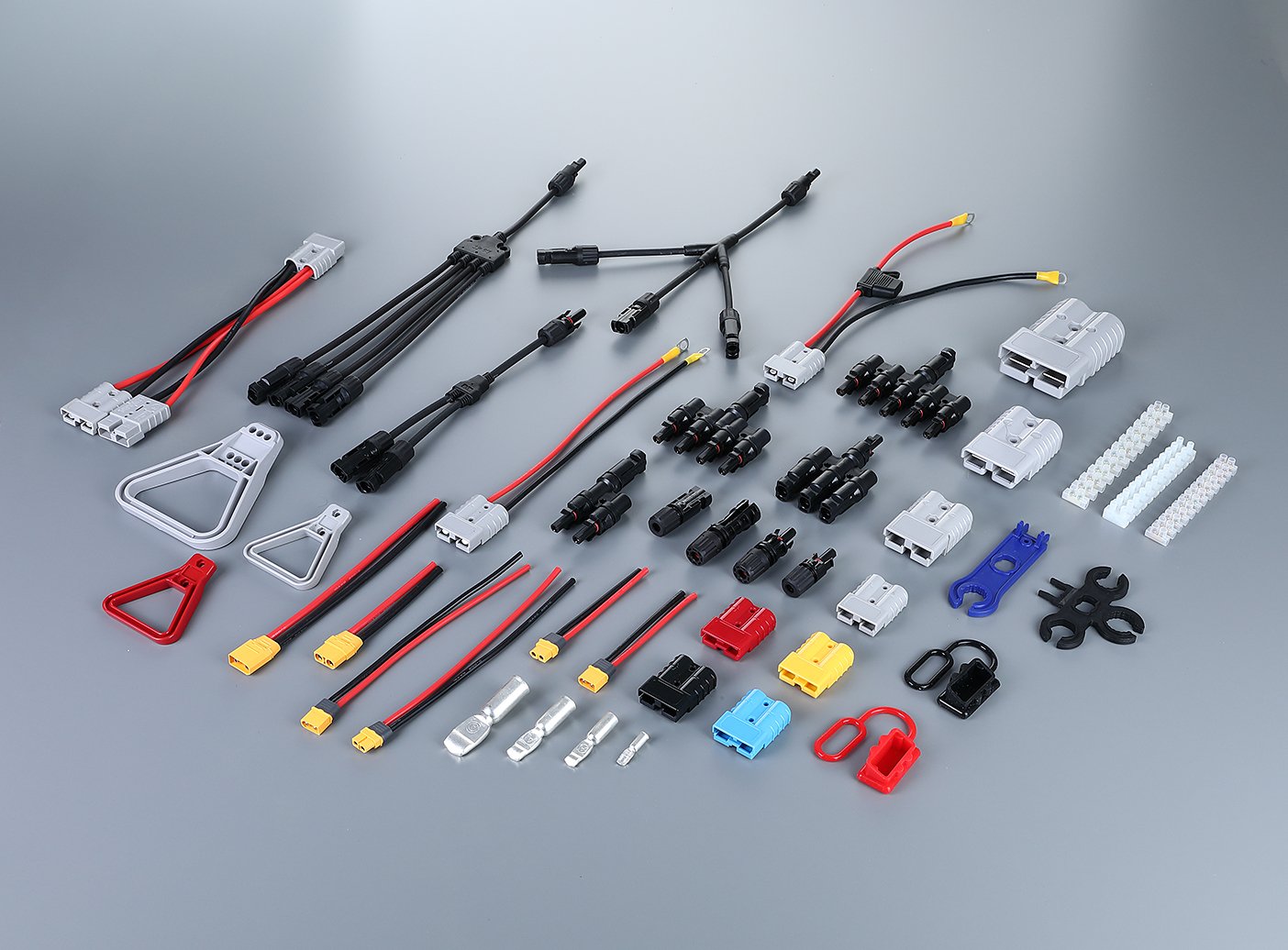
El marco de compras anterior es válido para cualquier categoría de componentes eléctricos. Si estás evaluando posibles proveedores, un punto de comparación que vale la pena tener en cuenta es OMCH, un distribuidor de automatización industrial con sede en Zhejiang que cuenta con más de 3.000 referencias en 30 categorías de productos, que van desde fuentes de alimentación para carril DIN y disyuntores hasta sensores y componentes neumáticos. Consulta la gama completa de productos en omch.com o Ponte en contacto con nosotros para solicitar un presupuesto.
Compara un proveedor que ya cumpla los criterios de evaluación descritos en esta guía.
Explora toda la gamaReferencias
- IECEE. “Sistemas de evaluación de la conformidad de la IEC: datos y cifras”. 2025. https://www.iec.ch/conformity-assessment/ca-systems
- IEC. “IEC 60947-1:2020 — Aparamenta de baja tensión, Parte 1: Normas generales”. 2020. https://webstore.iec.ch/publication/60512
- Nemko. “Ya están disponibles las estadísticas del programa de certificación de 2025”. 2025. https://www.nemko.com/blog/the-cb-scheme-statistics-for-2025-now-available
- Comisión Europea. “NANDO — Organizaciones notificadas y designadas del Nuevo Enfoque”.” https://ec.europa.eu/growth/tools-databases/nando/
- Gobierno municipal de Wenzhou. “Dos condados de Wenzhou alcanzan un PIB de 100 000 millones de yuanes”. 2024. http://www.wenzhou.gov.cn/art/2024/10/18/art_1229737165_59255140.html
- Gobierno provincial de Zhejiang. “Prospera la industria eléctrica de Yueqing”. 2022. http://www.ezhejiang.gov.cn/wenzhou/2022-06/09/c_770400.htm
- InZhejiang. “Oportunidad China: Turquía es testigo del auge de la fabricación de equipos eléctricos de baja tensión en Yueqing”. 2024. https://www.inzhejiang.com.cn/News/202409/t20240930_27117803.shtml
- Comisión Económica Euroasiática. “TR CU 004/2011 — Sobre la seguridad de los equipos de baja tensión”.” http://sercons.cn/services/tr-cu-004-2011-on-safety-of-low-voltage-equipment/
- IECEE. “Esquema CB — Lista de países miembros”.” https://www.iec.ch/conformity-assessment/cb-scheme
- OMCH. “Página de inicio”.” https://www.omch.com/
- OMCH. “Contacto”.” https://www.omch.com/contact/


 English
  Arabic
  Turkish
  Russian
  Spanish
  French
  Indonesian
  Portuguese
  Thai
Thai  Vietnamese