


In the complex ecosystem of global production, the distinction between Discrete Manufacturing and Process Manufacturing serves as the foundational architecture for every operational decision. Whether a company is assembling high-tech aerospace components or refining specialty chemicals, the choice of type of manufacturing dictates everything from the floor layout and software stack to the financial reporting and supply chain management strategy. Understanding the core differences of discrete vs process manufacturing is essential for optimizing these workflows.
With the maturation of Industry 4.0, the boundaries between these two traditional silos are starting to be blurred, and so-called “Hybrid” environments are emerging. The necessity to be aware of the minor differences, and more importantly, the necessity to possess reliable hardware is no longer a technical necessity, but a strategic one. It is a deep study of these two worlds, and it is a comprehensive comparison that is directed to the modern producer who has to deal with complicated manufacturing processes.
Core Logistics: Countable Units vs. Batch-Based Formulas
The easiest difference between discrete and process manufacturing is the physical nature of the product, which in turn predetermines the type of manufacturing process that is used by a facility.
Discrete manufacturing produces distinct parts and countable items. Think of automobiles, smartphones, or industrial sensors. These are quantified in units. You can count five encoders on a shelf or 100 limit switches in a box. The production logic is additive—parts are joined together to create a final assembly. When evaluating process vs discrete manufacturing, the divergence begins at the raw material stage.
Process manufacturers, conversely, focus on transformations. The production is usually measured in weight or volume (liters, kilograms or tons). Examples of products that are manufactured in bulk quantities through mixing, heating, or reacting of ingredients according to a specific formula are pharmaceuticals, personal care products, beverages, or plastics.

The Soul of Logistics: MTO vs. MTS
The soul of the difference in logistics logic is often manifested in the opposition between Make-to-Order (MTO) and Make-to-Stock (MTS) strategies:
- Discrete (Leaning toward MTO): Discrete products can be very customized (e.g. various specifications of a CNC machine), so a discrete manufacturer would tend to use an MTO or Assemble-to-Order (ATO) model. This will save inventory costs of expensive parts but will require a very agile supply chain to manage the delivery of parts on-demand.
- Process (Leaning toward MTS): Process manufacturing is often typified by continuous production processes, often described in the technical discussion of discrete vs continuous manufacturing, where it is expensive to stop the production line (e.g. a glass furnace or a chemical reactor). Consequently, these industries are normally operated on MTS basis where large volume production is employed to achieve economies of scale. The logistical problem in this scenario is not the quantity of parts but the storage and shelf life.
BOM vs. Recipe: Navigating the Complexity of Production Data
In a discrete environment, the Bill of Materials (BOM) acts as the definitive parts list. It follows a hierarchical structure, usually with numerous levels, which demonstrates precisely how many screws, brackets, and separate parts are needed to assemble a final finished product. A single missing component in the BOM causes a stock-out that halts assembly. This process relies heavily on Routings: the route of workstations through which the parts pass.
In process manufacturing, the BOM is replaced by the Recipe or Formula. A BOM is a list of parts whereas a Recipe is a set of instructions to a chemical or physical manufacturing process.
- Variable Ingredients: Unlike a discrete BOM, recipes often account for variability in raw materials (e.g., the sugar content in a batch of fruit).
- Co-products and By-products: Process manufacturing frequently generates unintended or secondary outputs. A chemical reaction can be used to produce the desired lubricant (main product), however, heat and a chemical byproduct will also be generated, which must be captured or sold. These other outputs are complexities that are not typical of discrete manufacturers to handle in a data system.
The Reversibility Test: Why Structure Impacts Quality Control
The Reversibility Test is an easy but profound way of distinguishing between the two modes.
In Discrete Manufacturing, the process is usually reversible. In case a computer is assembled wrongly, a technician can disassemble it, salvage the CPU and RAM, and return them to their original components state for reassembly. This mechanical quality permits unit-level rework. Quality control (QC) can be concerned with tolerances, fit, and finish of individual serial-numbered parts.
In Process Manufacturing, the change is permanent. When you have baked a cake, mixed paint or refined petroleum, you cannot un-mix the ingredients and get back the raw materials in their original form. Since it is an atomic or molecular process, QC has to occur at the level of batch production. When a 5,000-liter vat of medicine does not pass a purity test, the whole batch can be scrapped. This necessitates rigorous “Lot Tracking” and “Cradle-to-Grave” traceability to comply with regulatory compliance standards and safety regulations.
Standard vs. Process Costing: Financial Frameworks for Profitability
The CFO office views these two worlds in two different perspectives of cost accounting and inventory management.
| Feature | Discrete Manufacturing (Standard Costing) | Process Manufacturing (Process Costing) |
| Primary Cost Object | The Individual Unit or Job Order | The Production Process or Batch |
| Cost Accumulation | By Job, Batch, or Serial Number | By Department or Time Period |
| Material Tracking | Individual parts tracked via BOM | Bulk materials tracked via weight/volume |
| Labor/Overhead | Assigned to specific units based on work hours | Averaged across the total output of a period |
| Inventory Value | Sum of specific parts + labor | Weighted average of raw materials in the system |
Standard Costing in discrete manufacturing allows for granular analysis: “Why did this specific tractor cost $500 more than the last one?” Process Costing, however, employs a “Weighted Average” or a “First-In, First-Out” (FIFO) method to calculate the cost per gallon or per ton and is concerned with the efficiency of the whole production run, but not with the items.
Solving the Hybrid Challenge: Managing Mixed Manufacturing Modes
The modern industrial world is not full of strictly one or the other companies. A brewery (Process) must at some stage bottle and package the beer, which necessitates effective assembly lines to produce the final product. A manufacturer of medical devices (Discrete) may rely on a specialized chemical coating process (Process) for its implants. This is the Hybrid Challenge.
The difficulty lies in synchronization. How do you link the continuous flow of a fluid process with the high-speed, unit-based logic of a packaging line? The solution is Hardware Foundation and advanced process control. The changing needs between discrete automation and process automation in a single factory setting are also brought to the fore in this intersection.
Case Study: Batch Fluids and High-Speed Packing Synchronization.
Take the case of the luxury cosmetics manufacturer. On the process side, the plant handles 500kg batches of high-viscosity skin cream. On the discrete side, this bulk volume will have to be converted into 5,000 market-ready units. The “Hybrid Gap” occurs at the filling station—the exact moment a continuous fluid becomes a distinct unit.
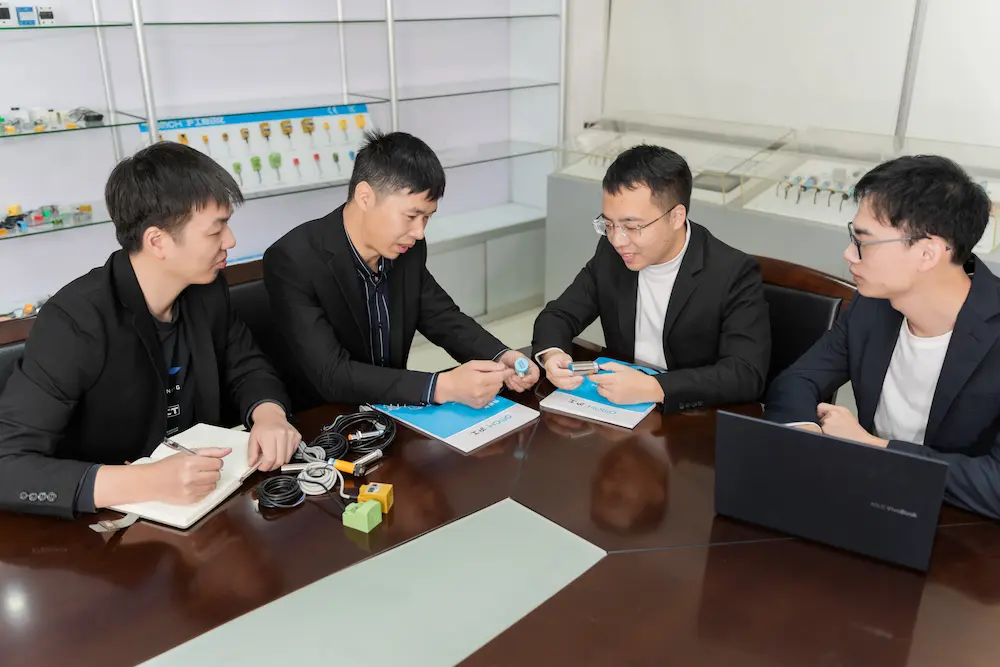
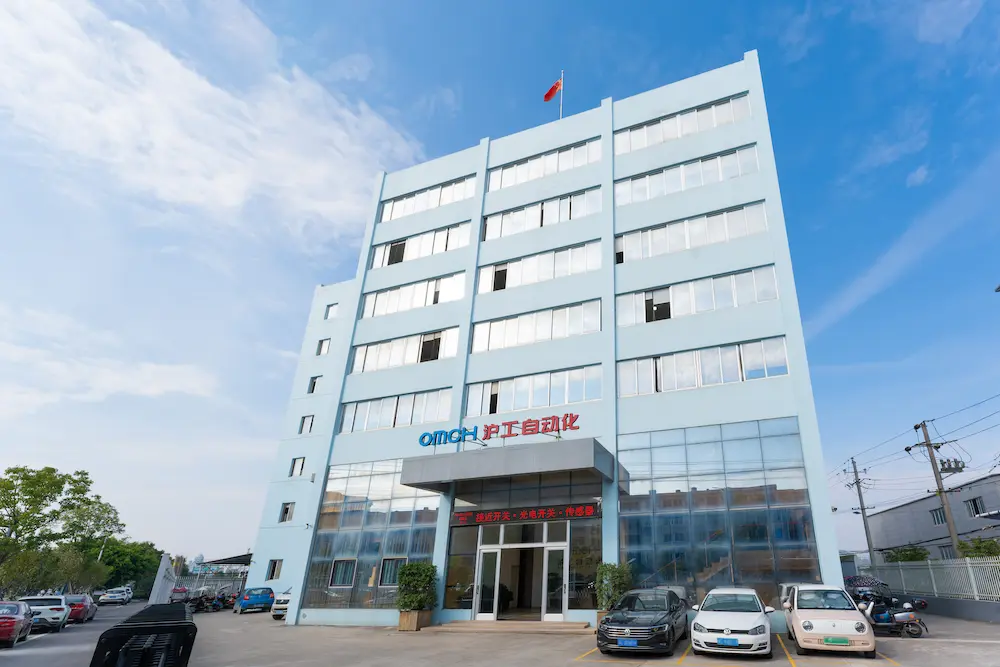
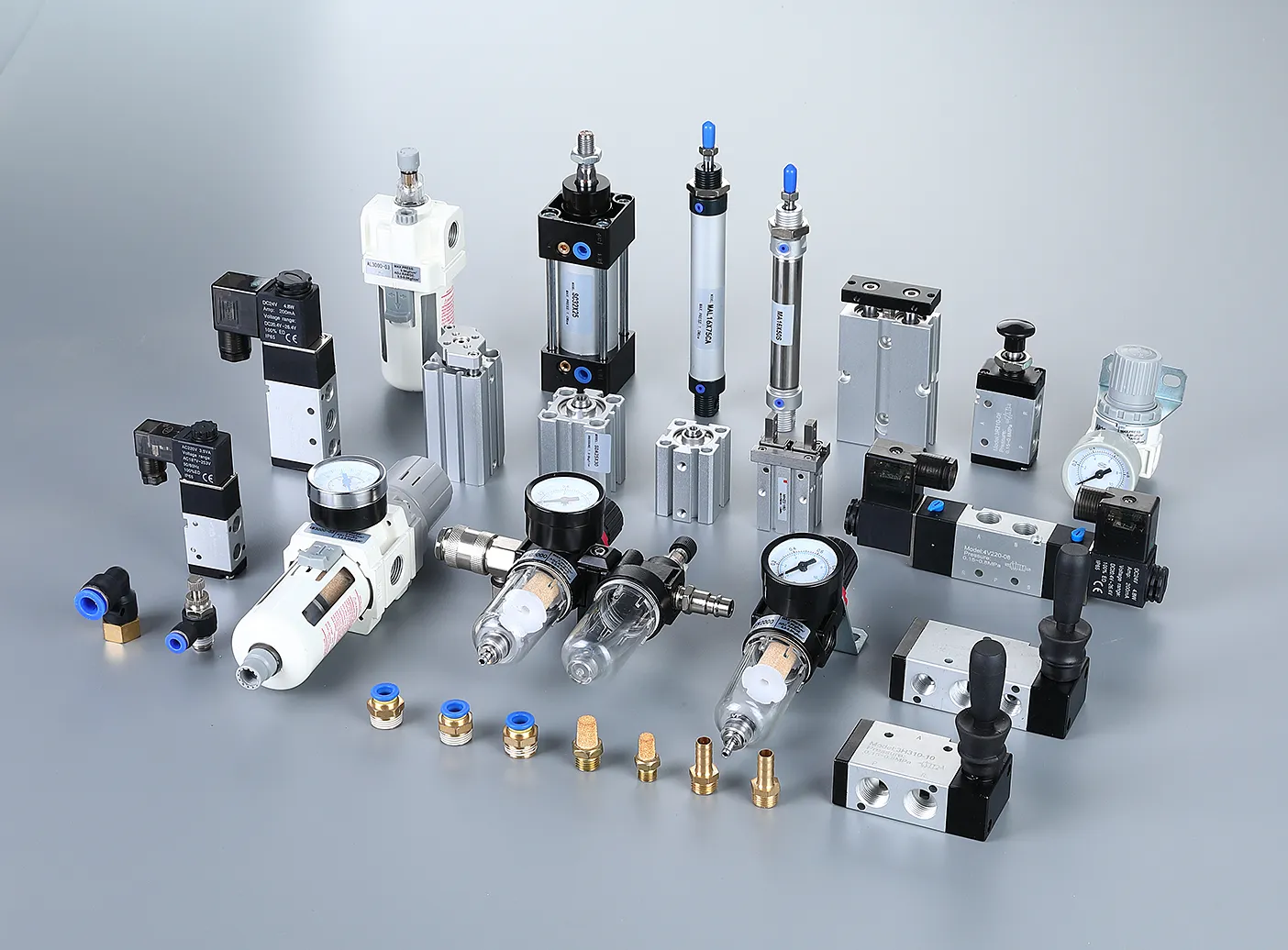
At the point of convergence between these two worlds, the necessity of precision is absolute. Any data delay or hardware failure translates to lost luxury product or expensive line downtime. This is where OMCH offers the lifeline of critical hardware with the help of “Integrated Industrial Automation.”
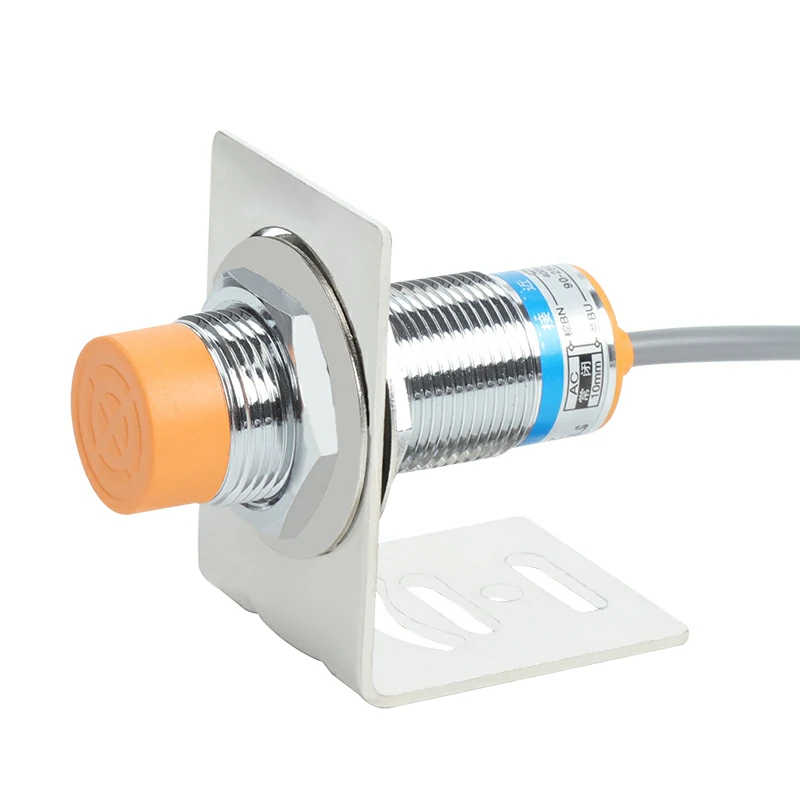
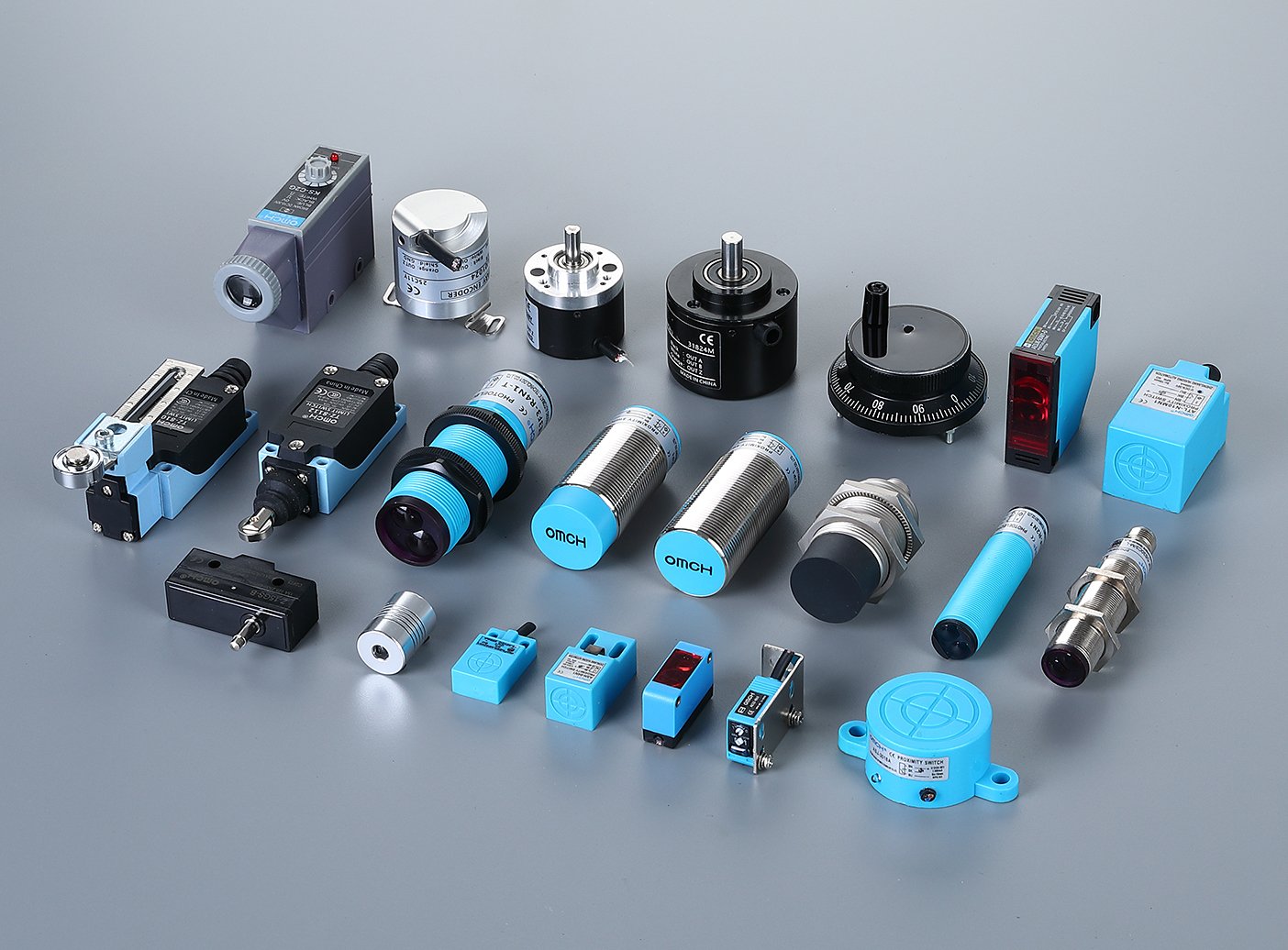
- Precision Sensing at the Transition (The “Zero Waste” Goal): OMCH uses Inductive and Capacitive Proximity Sensors as the main activators of the filling valves as the jars pass through a high-speed conveyor. The sensors of OMCH have milliseconds response times, unlike conventional sensors that can have difficulties with the reflective surfaces of glass jars or the different densities of creams. This will ensure the filling valve opens only when the container is perfectly aligned with the nozzle and no spillage of the product will occur and that the 500kg batch will produce exactly 5,000 jars and not a single jar less or more. While process manufacturing inherently faces yield loss, OMCH’s precision sensors minimize this waste at the critical filling junction.
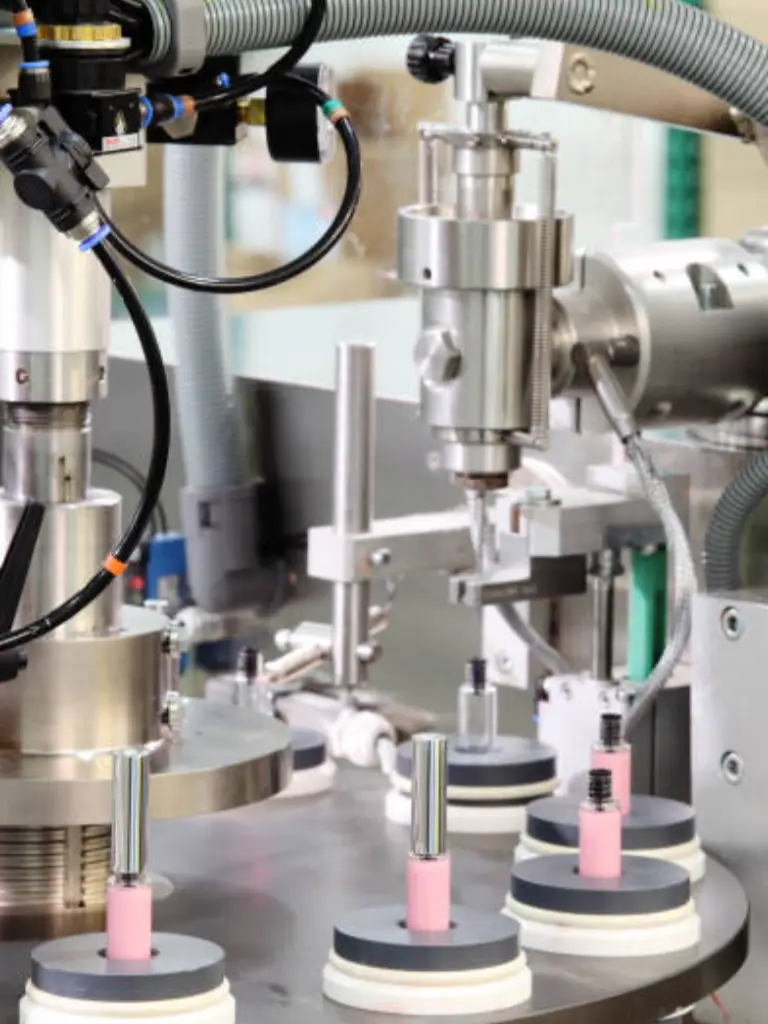
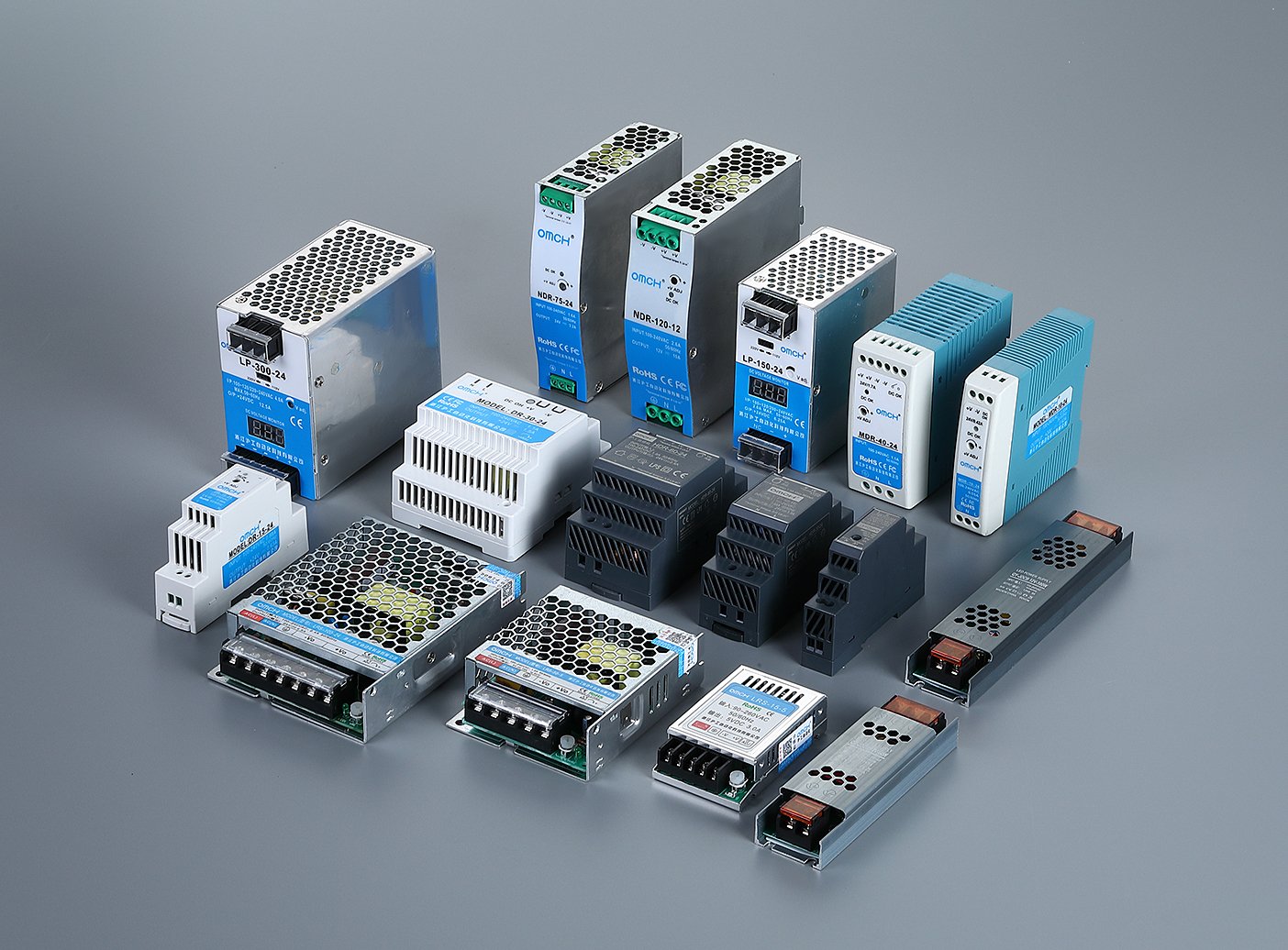
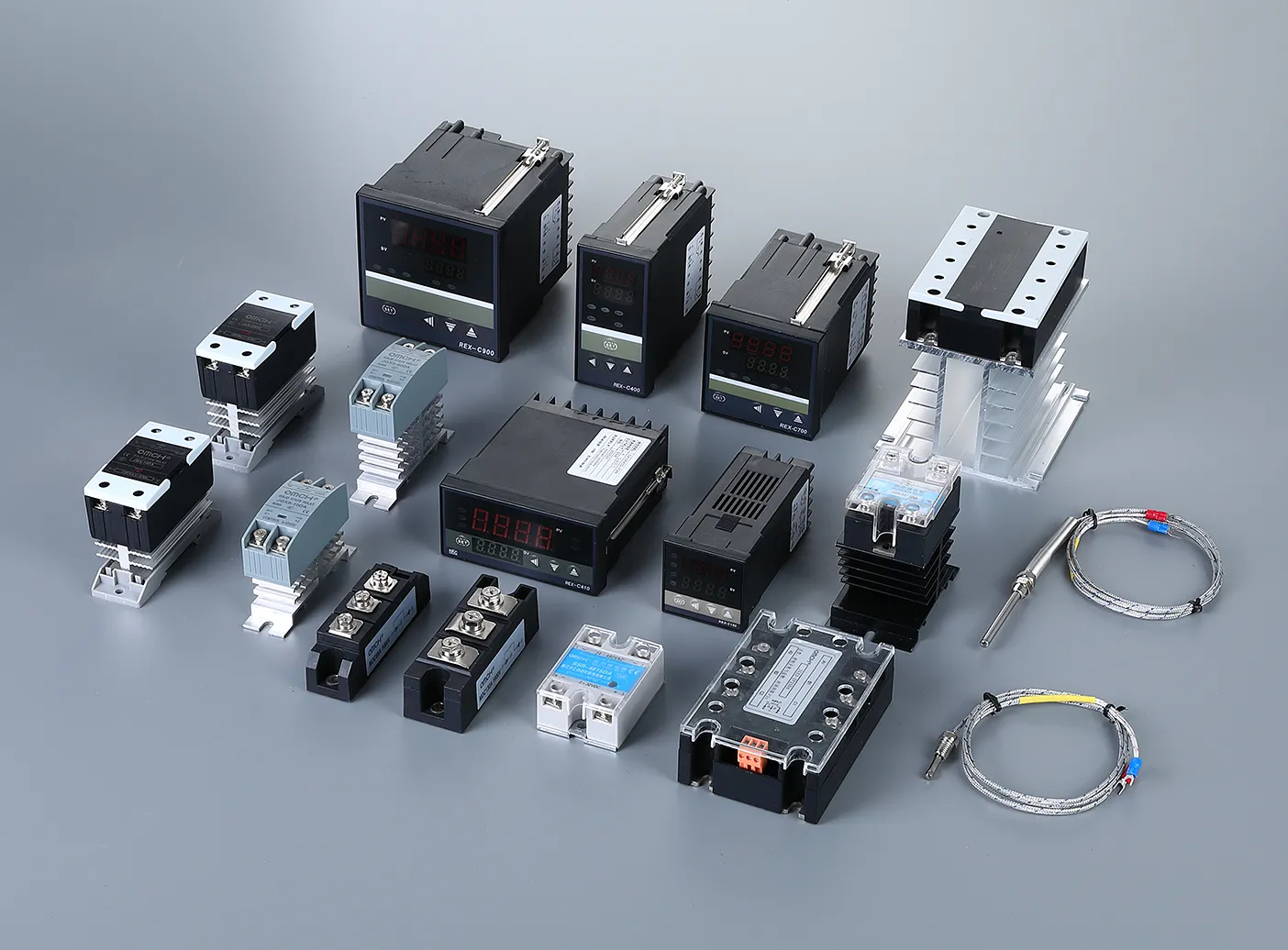
- Reliability in Hostile “Washdown” Environments: The process side involves high temperatures and chemical mixing, followed by rigorous hygiene washdowns. In these environments, standard electrical components often fail due to moisture ingress. OMCH’s Switching Power Supplies and Solid State Relays are built to rigorous international standards (CE, RoHS, ISO9001).() Our power supplies provide the “clean,” stable DC power required for sensitive PLC controllers, even amidst the high-frequency vibrations of a 5,000-unit-per-hour packaging arm.
- Scaling through Multi-Specification Versatility: Cosmetic brands often switch between jar sizes—from 50ml eye creams to 200ml body lotions. This requires frequent line recalibration. With over 3,000 SKUs, OMCH provides the “One-Stop” advantage. Whether the line requires long-distance photoelectric sensors for large boxes or miniature limit switches for compact capping modules, engineers can source every component from a single, trusted catalog. This multi-specification capability allows the producer to scale their production cycle without needing to redesign the entire control architecture.
- Minimizing Downtime with Global Support: In a 24/7 production environment, a failed sensor on a Friday night shouldn’t halt a 500kg batch. With a global presence in over 100 countries and a commitment to 24/7 rapid response, OMCH ensures that replacement parts and technical support are always within reach. Our one-year warranty and localized inventory mean that the “Hardware Foundation” is not just a product, but a guarantee of operational continuity.
By integrating OMCH components at these critical friction points, the luxury cosmetics producer moves beyond simple manufacturing; they achieve a synchronized, hybrid operation where bulk fluids and distinct units flow as one seamless, high-efficiency stream.
ERP Selection Criteria: Specialized Software for Different Operational Needs
When selecting an erp solution or erp software, it is important to understand what mode of manufacturing prevails in your business to effectively manage the production cycle and production planning.
- Discrete ERP Requirements:
- Strong PLM (Product Lifecycle Management): To manage complex, evolving BOMs.
- Advanced Scheduling: To coordinate erp systems with bottlenecks in a variety of workstations.
- Serial Number Tracking: For individual unit history and warranty management.
- Process ERP Requirements:
- Recipe Management: To handle ingredient potency and alternative ingredients.
- Batch/Lot Traceability: Necessary for process industries to comply with FDA, chemical or food safety.
- Yield Analysis: To monitor the amount of raw material that was wasted in the transformation (evaporation, scrap).
Modern erp systems must integrate with hardware to provide real time visibility across the factory floor.
Future Trends: AI and Sustainability in Distinct Production Environments
Intelligence and Responsibility are two forces that define the future of manufacturing.
- AI and Machine Learning: “Generative Design” and “Predictive Maintenance” of robotic arms are being applied to discrete manufacturing. In process manufacturing, AI analyzes “Digital Twins” of chemical reactions to optimize yield and reduce energy consumption.
- Sustainability: Sustainability in discrete manufacturing focuses on the “Circular Economy”—designing products that can be easily disassembled and recycled. In process manufacturing, it is about “Green Chemistry” and carbon capture.
In both cases, the ability to monitor energy consumption is vital. The quality of components are now being fitted with monitoring features to enable factories to monitor their carbon footprint on a machine-by-machine basis.

The Decision Matrix: Choosing the Best Path for Growth
In order to identify your strategic direction, compare your manufacturing types with this matrix:
- Is your product measured in units or volume? (Units = Discrete | Volume = Process)
- Can you take the product apart after it’s made? (Yes = Discrete | No = Process)
- Is your “recipe” a parts list or a chemical formula? (Parts = Discrete | Formula = Process)
- Is your quality focus on “Dimensions” or “Purity”? (Dimensions = Discrete | Purity = Process)
Conclusion
Although the technical differences between these types of manufacturing are still evident, the end goal of any contemporary producer is the same, namely, the efficient and consistent creation of value. With the world markets moving towards extreme customization and shortening of delivery cycles, the competitive edge will be on those who can master the hybrid middle ground.
To succeed in this changing environment, it is not enough to pick a side but to have a smooth blend of a solid digital architecture and a high-accuracy hardware base. With the operational logic aligned with the appropriate technological infrastructure, the producers will be able to make sure that their operations are not only scalable and compliant but also resilient enough to spearhead the next wave of industrial transformation.
 English
  Arabic
  Turkish
  Russian
  Spanish
  French
  Indonesian
  Portuguese