




In the wave of Industry 4.0, Lights Out Manufacturing is often depicted as the ultimate ideal of the manufacturing industry: rows of industrial robots operating precisely in the dark factory without human intervention, with production lines churning out products 24 hours a day without pause. However, there is often a massive gap in technology and management between the ideal and the reality on the shop floor.
For most companies attempting to transition to “unmanned” operations, the challenge is not merely about how to purchase expensive robots, but rather how to maintain ultimate stability and product quality in a system that lacks human “error-tolerance” and is susceptible to human error during the initial setup of the production environment.
The Reality of Autonomous Production Beyond the Hype
Lights Out Manufacturing was a term coined by General Motors in the 1980s, and even in the modern world of 2026, few companies have actually managed to reach the state of zero-human presence in the whole process to create a fully automated factory. We must first dispel a popular myth: advanced automation is not Lights Out.
Even common automated manufacturing facilities are still dependent on human workers to make daily adjustments, change materials, and work with small alarms. Real fully automated production, however, demands that the system have full closed-loop self-healing capabilities. This implies that when a component is off by 0.01 mm or the hardness of a raw material is altered, the system should be capable of detecting this through artificial intelligence and automatically correcting itself as a human expert would, instead of just stopping and sending a work order that needs a human operator to handle.
The essence of this dilemma is to do away with uncertainty in the manufacturing process. People are the best universal insurance in a factory, as they can deal with overflowing debris, tangled cables, or abnormal noises at any moment. These small random factors in the dark, when not addressed by minimal human intervention, will quickly build up to a disastrous failure of the fully automated manufacturing line.
Solving the Precision Gap in Unattended Machining
In the field of fully autonomous production, the first major technical mountain companies face is “precision drift” within the production process.
Inconsistency of Raw Materials
In manual mode, skilled technicians are able to change cutting parameters according to slight variations in materials. However, in a lights-out environment, when the hardness or carbon content of a batch of raw materials changes by even a small amount, automated tool paths may cause a spike in the rate of defects or even tool breakage, highlighting the potential issues of a traditional manufacturing mindset applied to a dark factory.
Thermal Displacement and Tool Wear
High-speed cnc machines produce a lot of heat and lead to the slightest thermal expansion of the machine structure. This displacement can be compensated by human labor performing frequent measurements, whereas unmanned systems have to use high-precision probes and machine vision systems to compensate for displacement in real time. Moreover, natural tool wear cannot be controlled; the system must examine machining current or vibration indicators via data analytics to precisely forecast tool life and automatically replace it before the automation equipment fails.
The solution to this challenge lies in building a Digital Twin, capturing microscopic changes in the physical world through sensor data and mapping them into control systems in real-time.
Integrating Real-Time Sensory Feedback and IoT Nodes
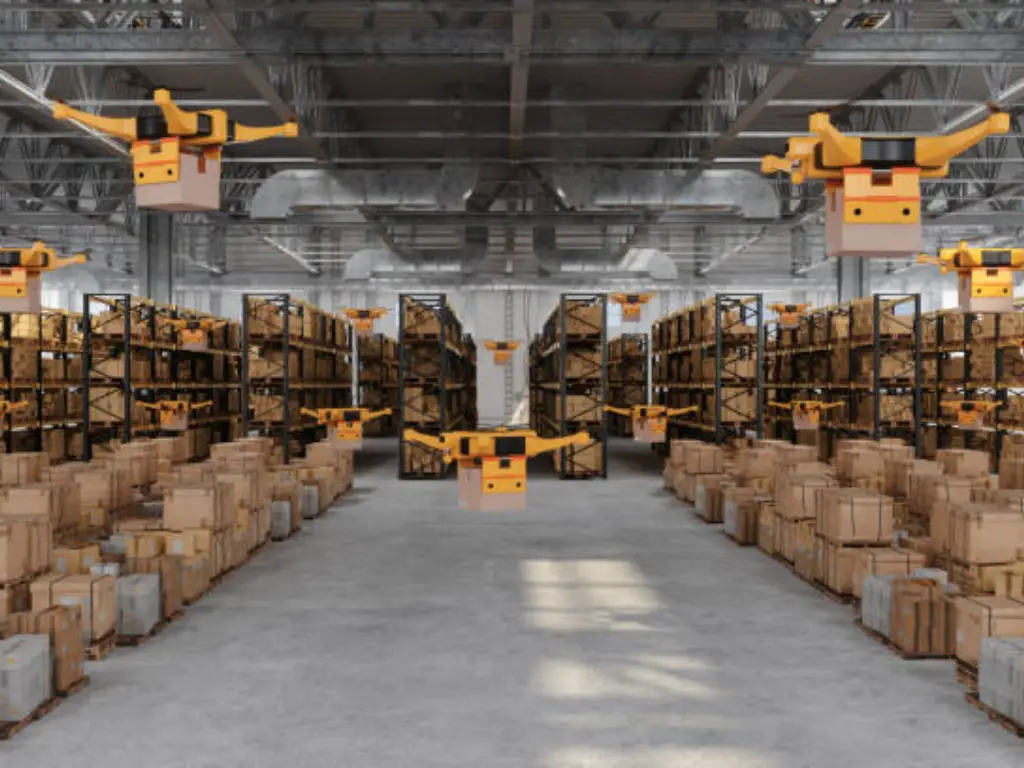
Assuming that advanced robotics are the hands of a factory of the future, sensors and IoT nodes are its eyes and neurons. In order to realize the real unmanned type of operation, conventional switching signals should be enhanced to multi-dimensional remote monitoring and real-time sensory feedback.a
It entails integration of complex systems: from low-level proximity switches and photoelectric sensors to the highest level execution systems and enterprise resource planning (ERP) software, the data flow must be zero-latency. Any single node can lose or falsely report a signal, which will cause the entire continuous production line to be paralyzed.
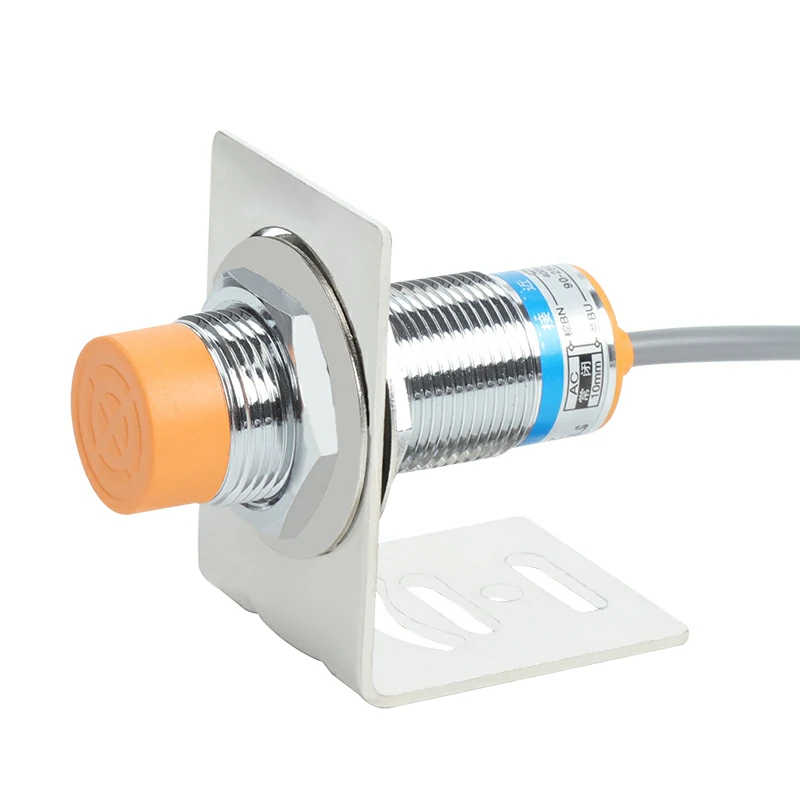
In the construction of such a complicated nervous system, companies can easily get into a trap: they pay too much attention to the costly robotic arms and forget about the basic building blocks like material handling systems. But the real pain point of a lights-out factory is that when one of the $10 proximity switches or relays fails, the loss of unplanned downtime is usually 10,000 dollars.
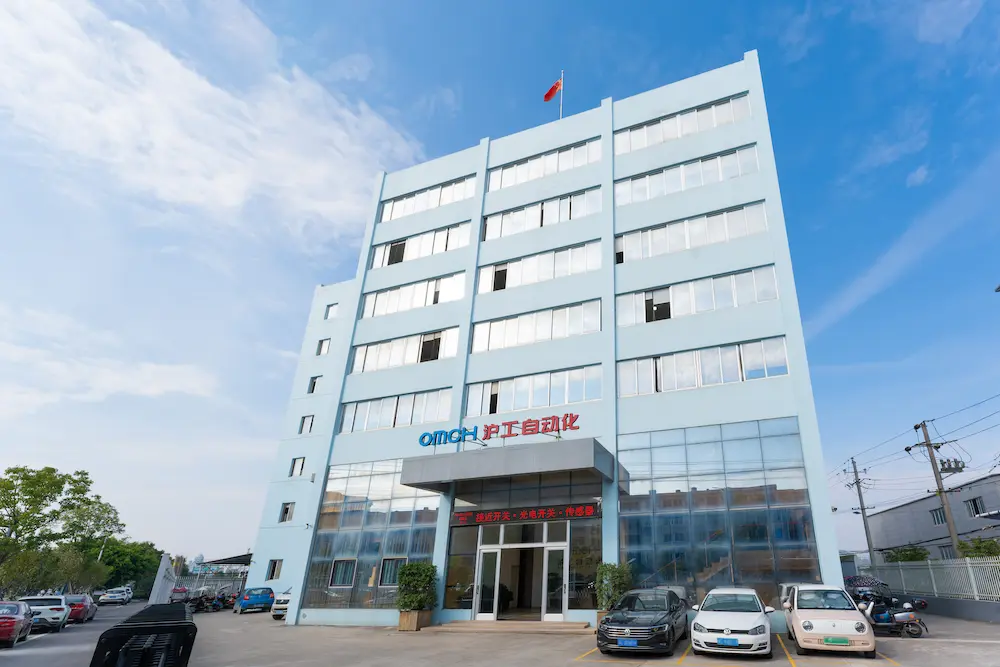
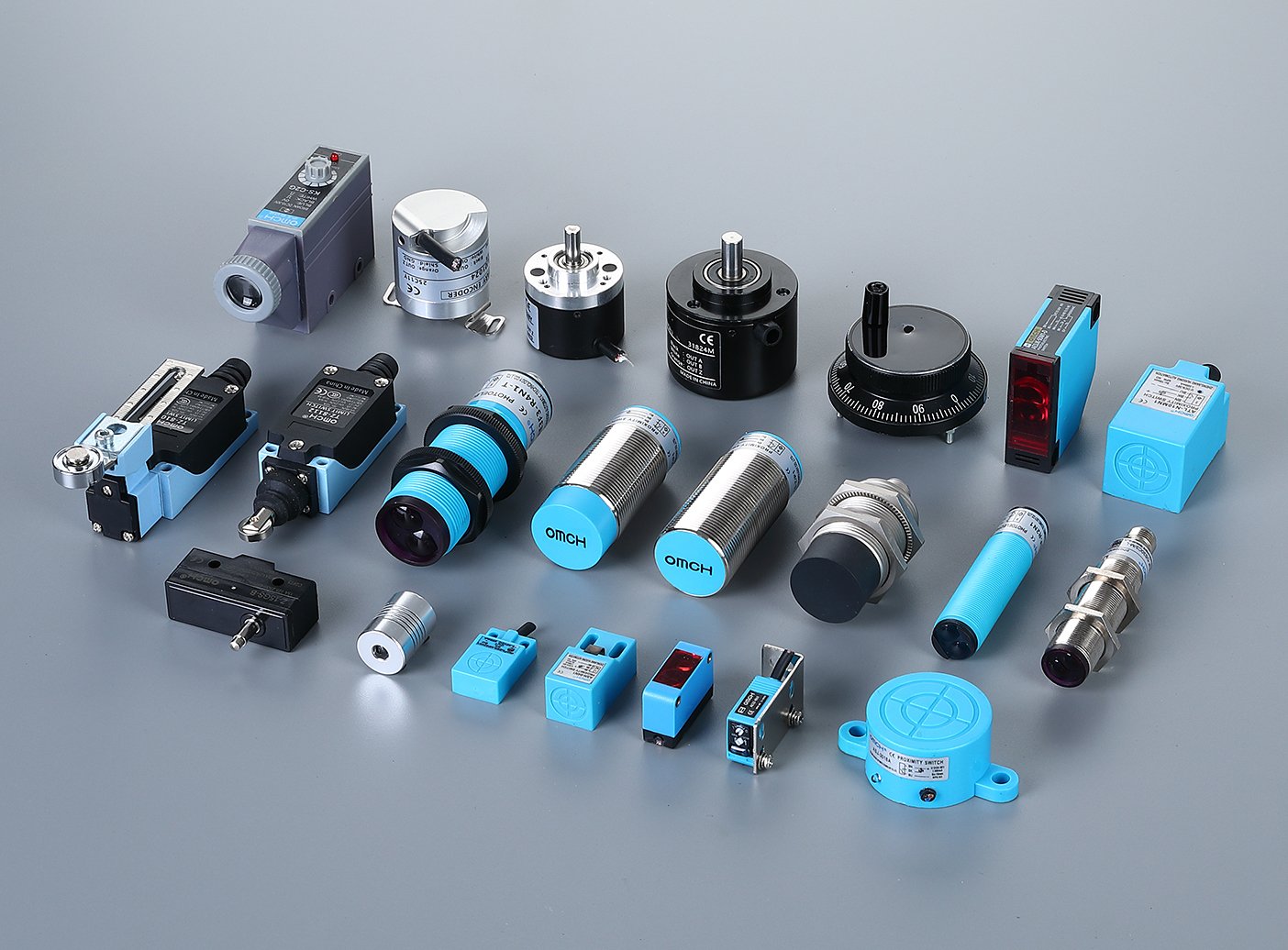
This is exactly why OMCH has become the preferred choice for over 72,000 customers worldwide. Since its establishment in 1986, OMCH has consistently focused on the ultimate reliability of foundational industrial automation components.
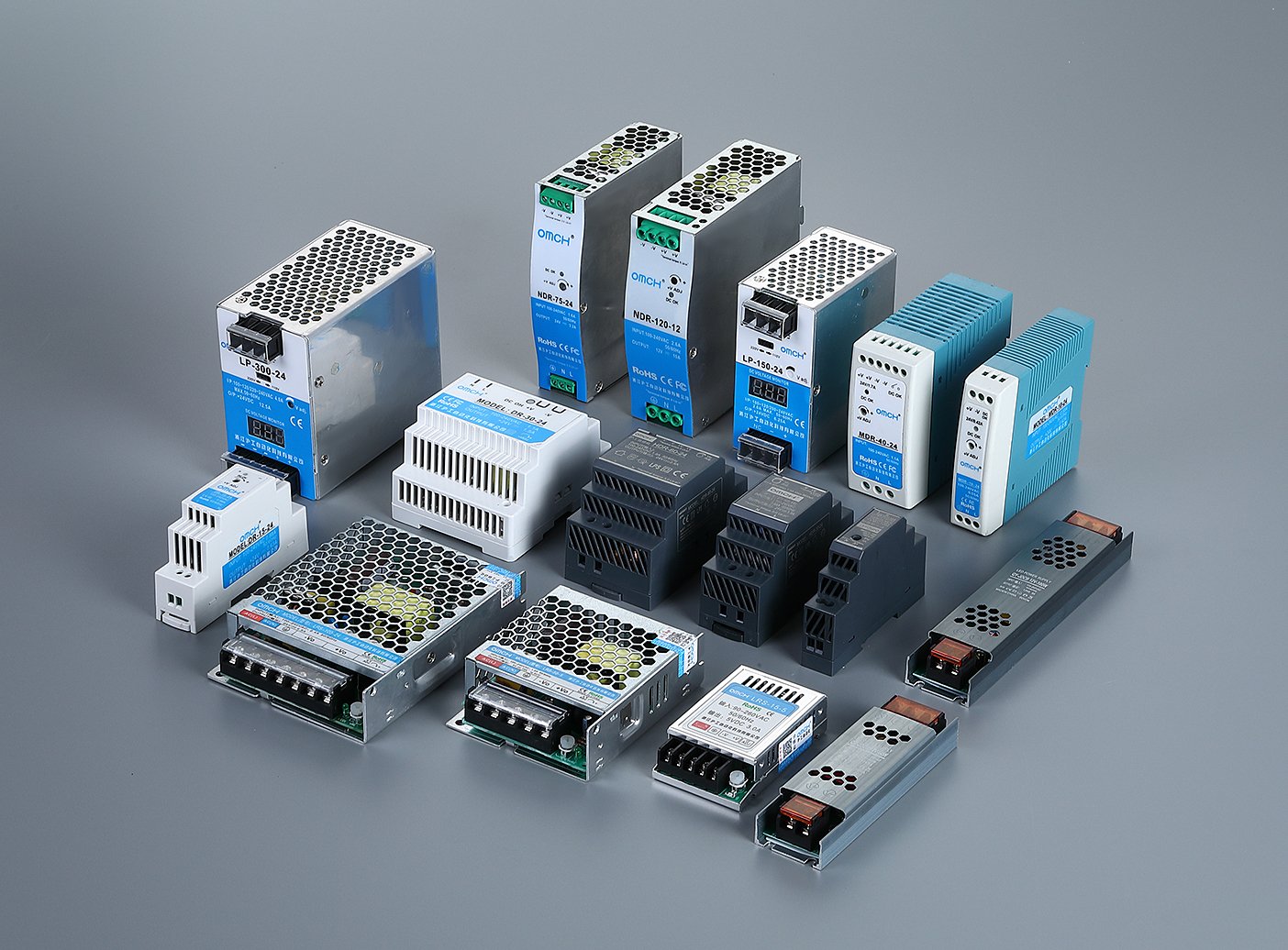
- Industrial-Grade Durability: OMCH’s proximity sensors, photoelectric sensors, and switching power supplies have all passed rigorous international certifications such as CCC, CE, RoHS, and ISO9001. In high-load 24/7 environments, the consistency of OMCH products provides the most solid “safety insurance” for lights-out factories.
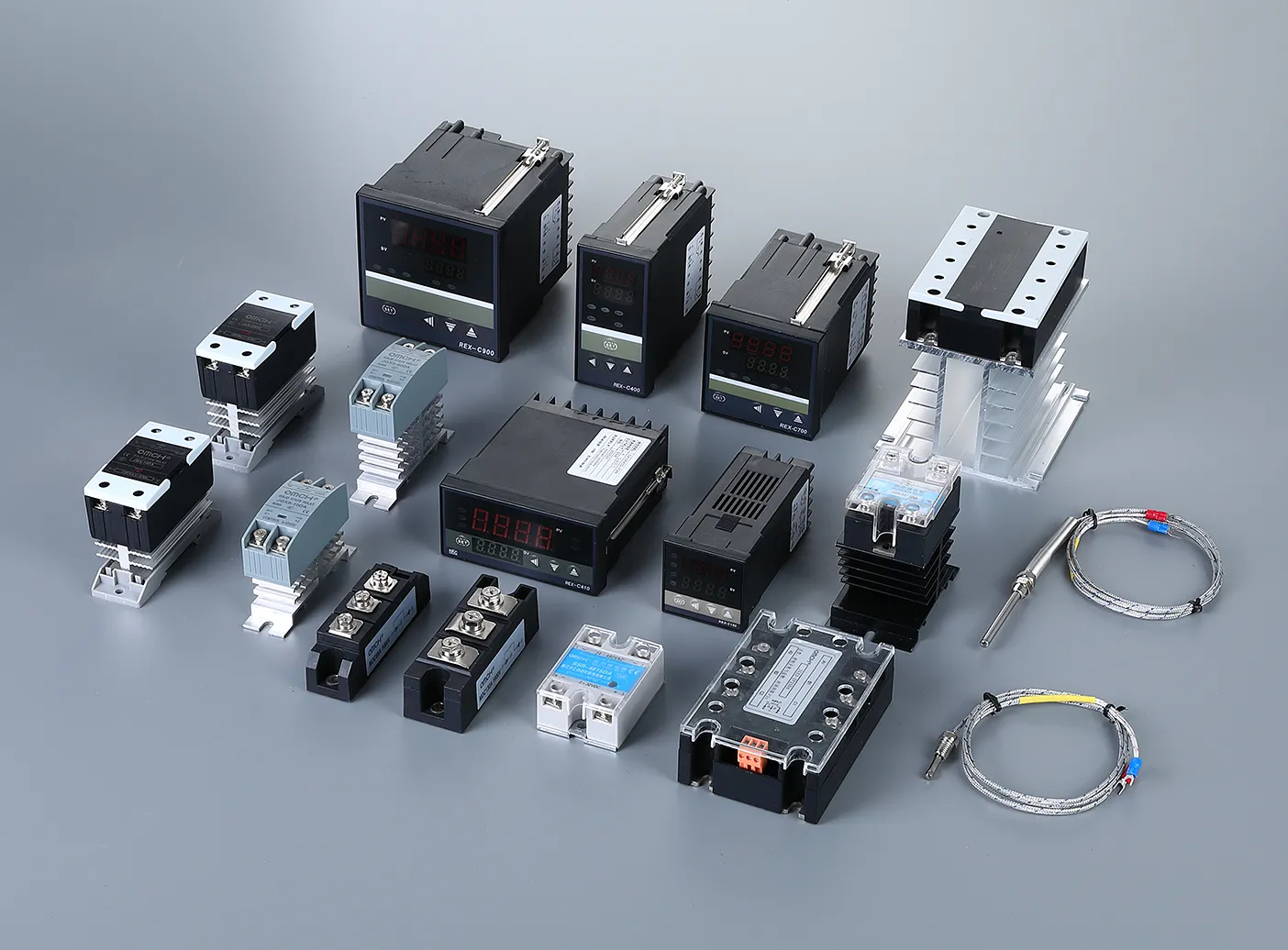
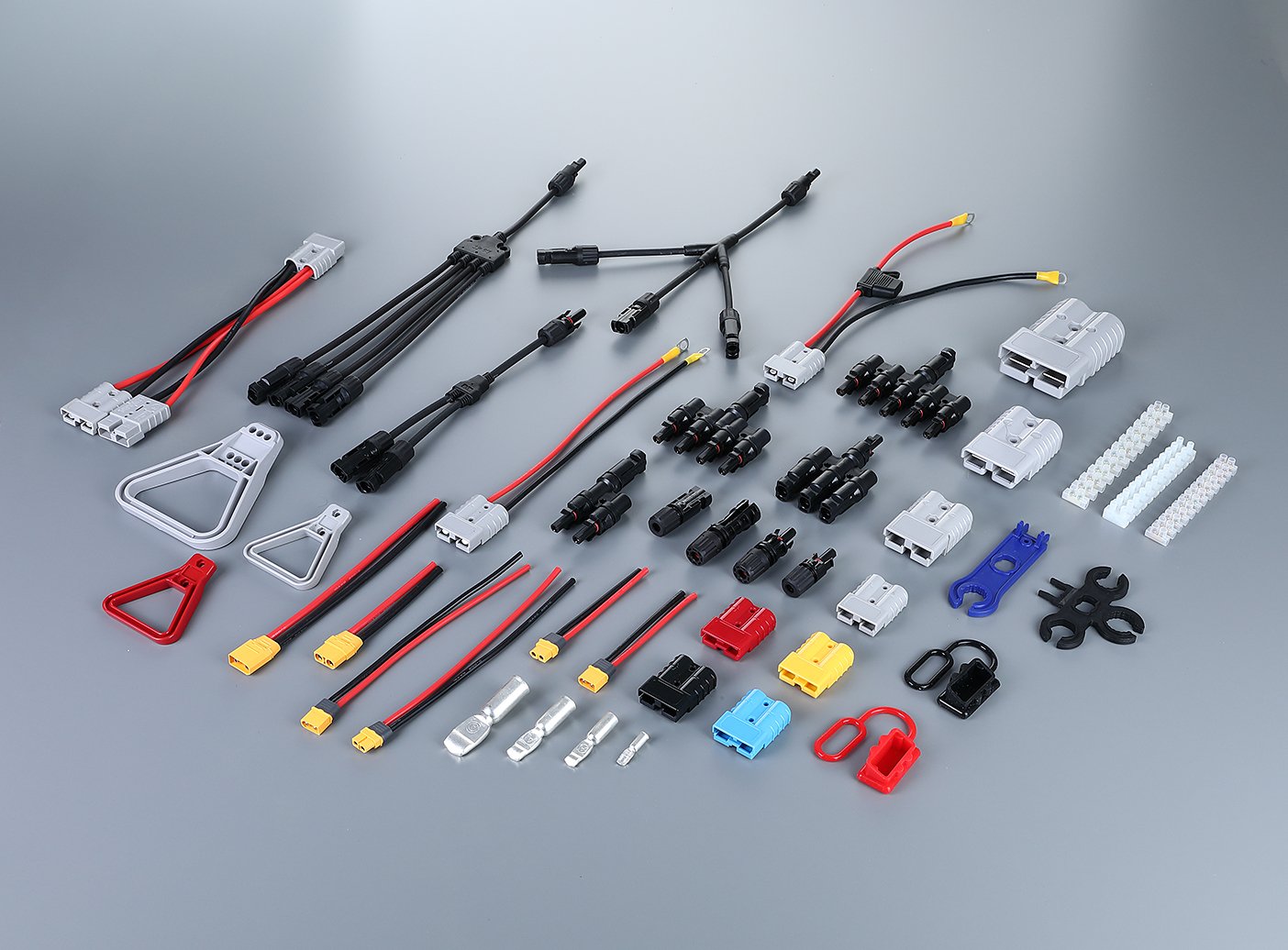
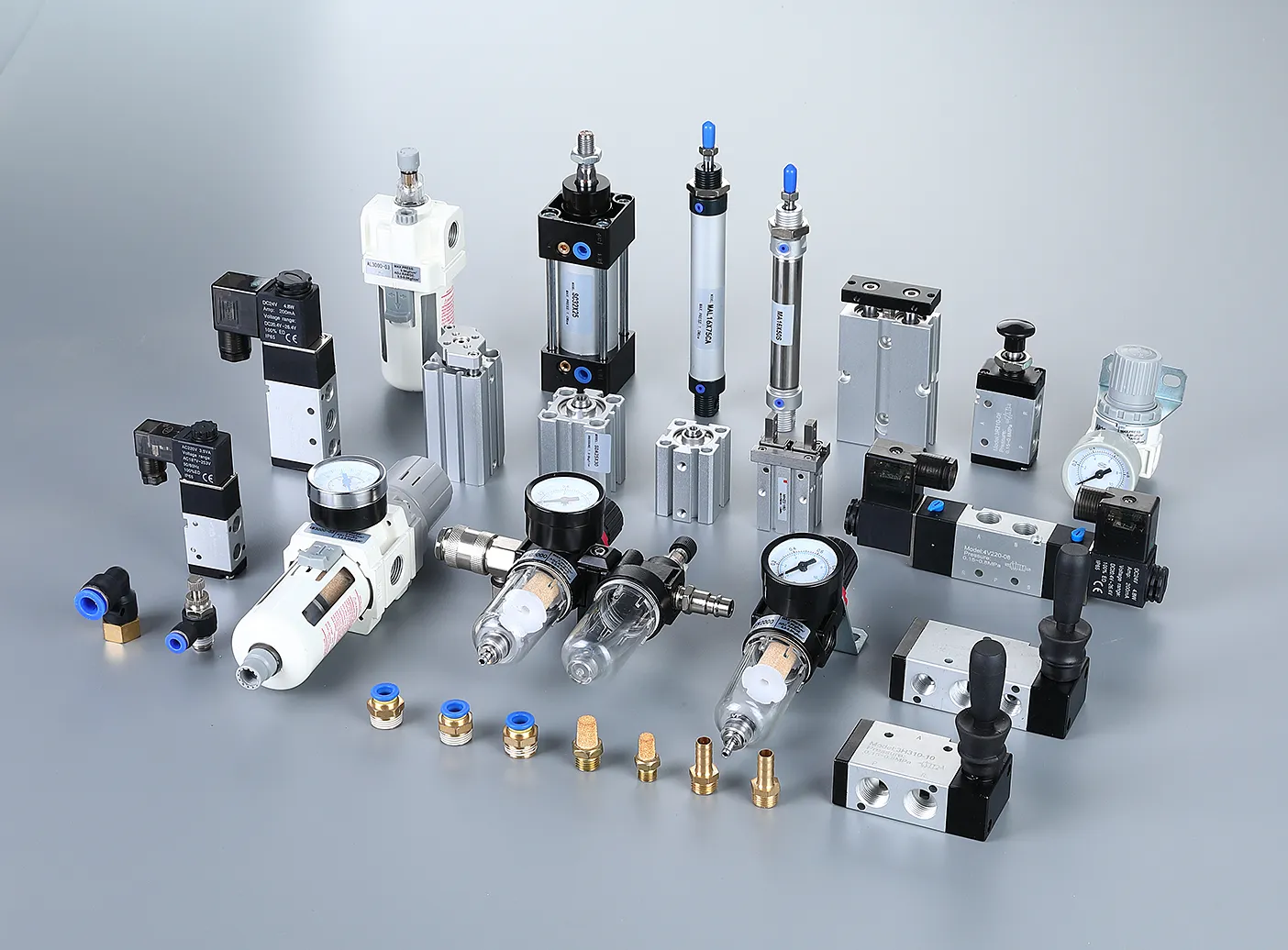
- Full-Link Product Matrix: OMCH has more than 3,000 product models, which span the whole process of power conversion and low-voltage distribution to sensory detection and pneumatic execution. To integrators, this implies the capability to do one-stop shopping, i.e. power supplies (AC-DC/DIN rail power supplies) to core sensors (proximity switches, light curtains) of the same brand, significantly minimizing risks due to system compatibility problems.
- Global Rapid Response: Lights-out factories cannot spare weeks of waiting to get spare parts. Having sold to more than 100 countries, OMCH guarantees that its customers can receive high quality component support at the quickest speed in case of extreme failures due to its effective supply chain layout and 24/7 technical support.
In the unmanned darkness, the stability of OMCH components is the source of corporate confidence.
Predictive Maintenance: The Defense Against Catastrophic Downtime
A lights-out factory cannot tolerate the concept of reactive maintenance. When an alarm is received by a maintenance engineer at 3:00 AM and he is rushing to the factory, the loss can be irreversible. Thus, the last line of defense against disastrous downtime is Predictive Maintenance.
This defense mechanism typically consists of the following three layers:
- Vibration and Thermal Imaging Monitoring: Installing high-frequency sensory equipment on core parts such as motors and bearings to monitor their operating frequencies in real-time.
- AI Anomaly Detection: This involves using machine learning models to process data fingerprints when normal operation is taking place. The system will automatically identify the abnormal current fluctuations (even when they have not caused a hardware alarm) as a precursor to failure.
- Automatic Spare Parts Triggering: The system can automatically order spare parts when a failure is predicted, which is combined with a supplier such as OMCH with a large SKU range and fast delivery capabilities, which will lock the maintenance window within the planned downtime.
Below is a comparison table of various maintenance modes in a lights-out factory:
| Maintenance Mode | Core Logic | Risk in Lights-Out Factory | Cost-Benefit |
| Reactive Maintenance | Fix it when it breaks | Extremely High: Leads to production interruption and chain damage to equipment | Lowest |
| Preventive Maintenance | Regular inspection/replacement | Medium: May lead to over-maintenance or unexpected damage within the cycle | Medium |
| Predictive Maintenance | Real-time analysis based on status | Lowest: Precise positioning before failure occurs | Highest (Long-term) |
Navigating the High Capex and ROI Timeline Hurdles
Financially, lights-out manufacturing is a capital bet. Initial Capital Expenditure (Capex) is extremely high and must be faced by decision-makers not only in terms of hardware acquisition but also in terms of high costs of software integration and system restructuring.
The Truth About Return on Investment (ROI)
The majority of companies fail to consider the lower labor costs and higher throughput saved in calculating ROI. For example, the automated production of electric razors has shown that the benefits of lights out manufacturing extend to continuous production without the limitations of shifts.
The Challenge of Marginal Costs
The final 10 percent of the gain can be twice or even three times the investment as the level of automation increases beyond 90 percent to 100 percent (a full lights-out condition). The companies ought to ask themselves: does the cost of maintenance of the complex vision system invested to eliminate the previous inspector really cost less than the labor cost?
Bridging the Talent Gap for Automated Systems Management
One of the most popular myths is that Lights-out factories do not require people. The converse is the case: Lights-out factories are making unprecedented demands on talent.
The factories do not require low-skilled manual workers anymore, but they are in dire need of so-called Automation Architects, who know the intricate logic of the PLCs, the kinematics of the robots, and the Industrial Internet of Things protocols.
- Role Transformation: Data analysts are now traditional repairmen. They do not have to pick up a wrench, but rather they have to sit in front of a screen and diagnose system sub-health by data feedback.
- Skill Gap: This is a high-end composite talent that is highly rare in the world. The dilemma facing firms is how to create a digital knowledge base to cement the experience of old technicians by using sensory algorithms, which will make them less reliant on particular experts.
Future-Proofing Your Facility for Industry 5.0 Standards
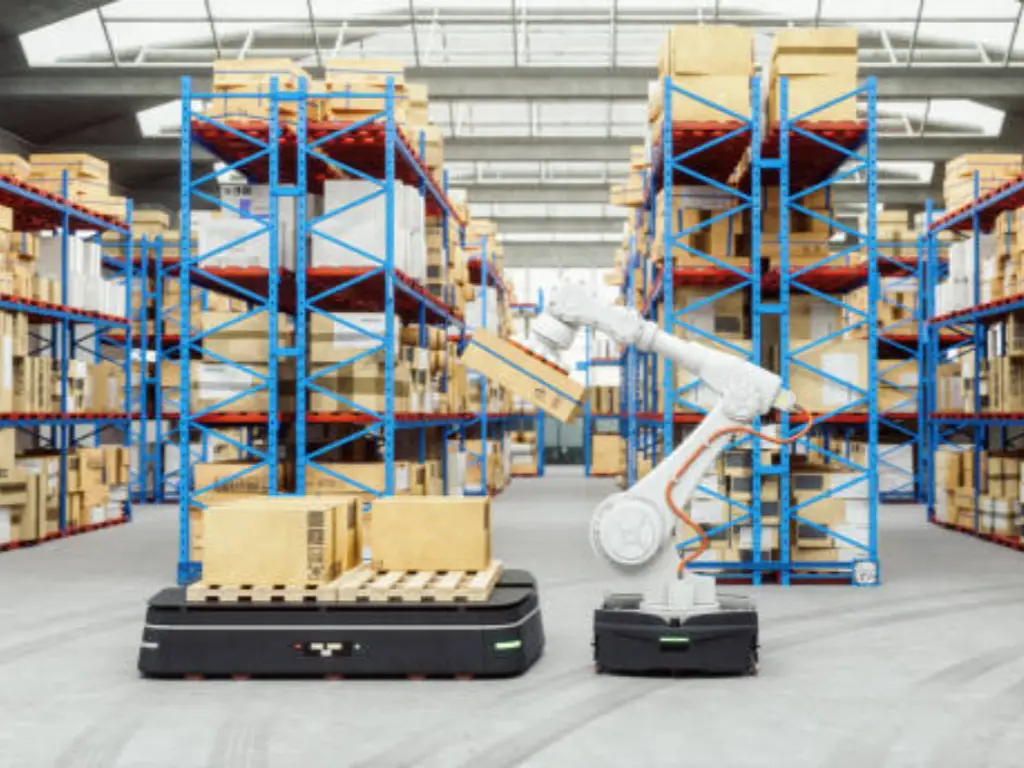
The idea of the lights-out factory is also changing as we head towards Industry 5.0. The factories of the future will not be cold and hard jungles of steel, but will be modular and highly resilient organisms.
Modularity
Standardized communication protocols (like OPC UA or MQTT) and modular hardware architecture should be embraced by companies to make sure that the current investment will not be outdated in three years. In cases where the production requirements vary, quick switching of line can be easily done by simply changing software parameters or swapping end-effectors.
Resilience of Human-Machine Collaboration
The next trend can be Flexible Lights Out – full unmanned operation at certain high-intensity intervals, but a smooth transition to human-machine cooperation (Cobots) at the complex stages of new product development.
Conclusion: A Solid Foundation is the Prerequisite for Success
The productivity dividends behind lights-out manufacturing are desirable, though the challenges of lights-out manufacturing are immense. The secret of success does not consist in the blind following of the stack of the most advanced technologies, but in the attention to the stability of the whole production chain.
As we have mentioned, all the links, starting with the low-level precision components, up to the highest level AI algorithms, have to mesh exactly.
Are you ready to embrace the new era of unattended manufacturing?
We can help you with the simplest sensor upgrade packages to develop a solid automation base to you. To get more specific selection guides and technical white papers, please contact us.

 English
  Arabic
  Turkish
  Russian
  Spanish
  French
  Indonesian
  Portuguese