





The movement of goods in the industrialized world of 2026 has ceased to be a back-of-house logistical requirement and has become a critical, front-line competitive requirement. Material handling automation is no longer a luxury of the Fortune 500 companies; it is a must-have of any business that intends to survive in the era of labor instability, e-commerce that is moving at a scorching speed, and the never-ending pursuit of operational efficiency.
The guide is a strategic roadmap to decision-makers, engineers and supply chain leaders. We will discuss the technical basis of warehouse automation, break down the mysteries of software integration, and offer a roadmap to high-impact deployment that will guarantee ROI in the long term.
Understanding Automated Material Handling: Core Definition and Key Benefits
In its most basic definition, automated material handling equipment is the use of technology, including the most basic conveyor systems, to the most advanced robotics controlled by AI, to move, store, retrieve, and otherwise handle materials with the least amount of human intervention. Even though the term “automation” was previously used to mean fixed and rigid tracks, the definition of 2026 is centered on the flexible intelligence of the contemporary supply chain.
The Core Benefits of AMH in 2026
Automation technology has expanded its value proposition far beyond simple labor replacement. Today, it is anchored by four pillars of business health that are absolutely essential:
- Operational Throughput and Speed: In a world where next-hour delivery is becoming the standard, manual material handling and packing can no longer keep up. AMH systems are able to work 24/7 without exhaustion, maintaining maximum velocity during spikes in demand to guarantee high customer satisfaction.
- Labor Risk Mitigation: With the global labor shortage at an all-time high, automation technology enables businesses to uncouple their expansion from their capacity to recruit. It moves human labor out of hazardous and repetitive tasks into high-value positions like “Automation Supervisor.”
- Space Utilization: The cost of real estate has gone through the roof. AS/RS storage solutions enable facilities to expand vertically instead of horizontally, often providing more than 400 percent more storage in the same footprint.
- Data-Driven Accuracy: Automation removes human error from inventory management. All movements are recorded digitally, which offers a “single source of truth” for material information and minimizes the hidden costs of lost or misplaced stock.
Core AMH Hardware: Fixed Infrastructure and Mobile Robotics
Current AMH hardware is typically divided into two different yet cooperative groups: Fixed Systems, which offer the foundation for high-volume storage and movement, and Mobile Intelligence, which provides the ability to change floor layouts in manufacturing facilities.
Fixed Systems: High-Density AS/RS and Precision Sorting Lines
Think of fixed infrastructure as the “heavy lifting” department of the warehouse.
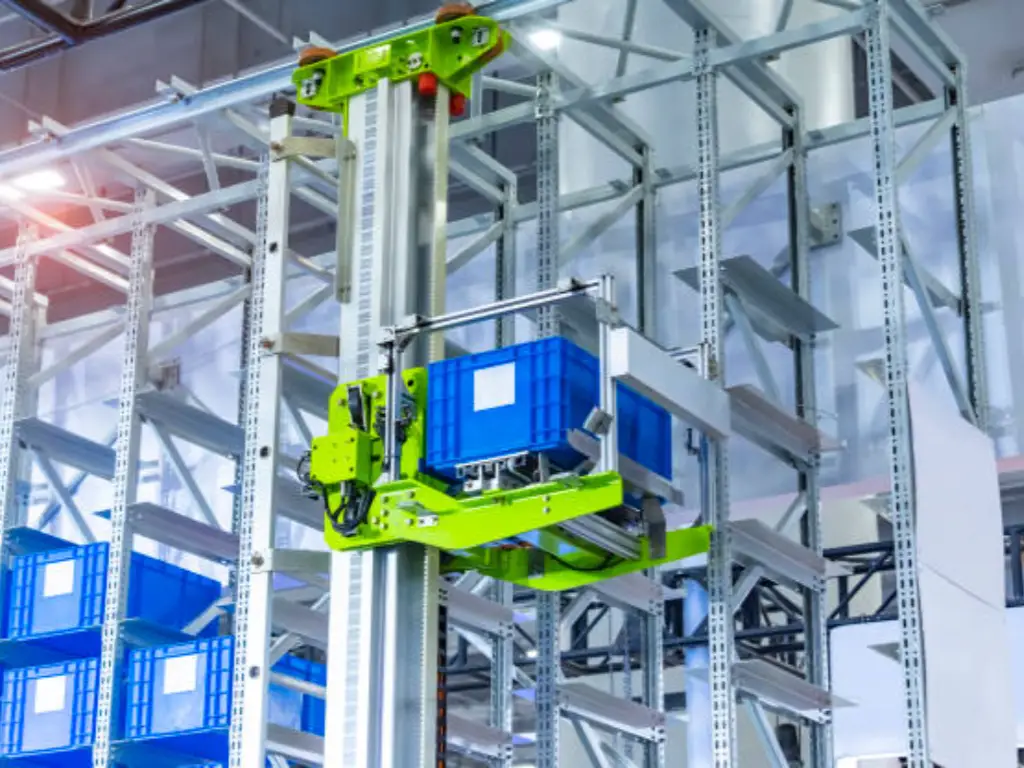
- AS/RS (Automated Storage and Retrieval Systems): These are the high-rises of the warehouse—advanced systems for dense storage.
- Unit-Load AS/RS: Pallet-based systems that involve huge cranes to stack goods in high-bay racks.
- Mini-Load and Shuttle Systems: Optimized for totes and cases. New technologies like AutoStore use a cubic grid architecture with robots moving over a stack of bins to provide the highest storage density in the industry.
- Precision Sorting Lines: Today’s sorters use advanced vision systems capable of detecting and diverting up to 20,000 items per hour. These are the blood and bones of e-commerce order fulfillment, where accuracy at high speed is a non-negotiable factor.
Mobile Intelligence: The Evolution of AGVs, AMRs, and Cobots
We have seen a colossal shift in the industry toward automated material handling equipment that can adjust to changing floor layouts, effectively eliminating the need for manual material handling in repetitive tasks.
- From AGV to AMR: The industry has experienced an enormous transition from Automated Guided Vehicles (AGVs) that use fixed tracks to Autonomous Mobile Robots (AMRs). AMRs navigate around obstacles dynamically with the help of SLAM (Simultaneous Localization and Mapping) and 2D/3D LiDAR. They demand zero infrastructure modifications to the warehouse floor.
- Cobots (Collaborative Robots): Unlike industrial robots that need to be caged, Cobots use force-limiting sensors designed to operate safely alongside humans. They are mainly applied in picking individual items and in 2026-style palletizing, where they handle the heavy lifting while humans manage the complex sorting.
The Digital Ecosystem: Seamless Software and System Integration
Hardware is just costly metal devoid of software to coordinate it. The AMH digital ecosystem is constructed around a hierarchy of systems that need to be in real-time communication.
Execution Hierarchy: Synchronizing WMS, WES, and WCS
To achieve seamless flow, three software layers must act in perfect harmony:
| System | Role | Focus |
| WMS (Warehouse Management System) | The Strategist | Inventory levels, order management, and overall facility logic. |
| WES (Warehouse Execution System) | The Orchestrator | Real-time optimization. It decides whether a robot or a conveyor should handle a specific task based on current congestion. |
| WCS (Warehouse Control System) | The Tactician | The low-level “driver” for hardware. It tells a specific motor to turn or a specific diverter to fire. |
Connected Intelligence: IoT, ERP, and Digital Twins
In addition to software unique to the warehouse, AMH needs to be part of the larger enterprise:
- ERP Integration: Integrating AMH with the Enterprise Resource Planning system will make sure that the financial and procurement records are updated immediately when an item is picked.
- Digital Twins: In 2026, many facilities use a Digital Twin—a virtual 3D replica of the warehouse—to simulate “what-if” scenarios. This enables managers to experiment with a new sorting logic in the virtual world and then implement it on the physical robots.
- IoT & Sensors: The system has thousands of sensors that monitor the temperature of the motors, vibration, and energy consumption, which allows Predictive Maintenance to prevent failures before they occur.
Industry-Specific Solutions: Tailoring Automation to Your Sector
In the landscape of 2026, a “one-size-fits-all” approach to automation is a recipe for inefficiency. Every industry has its own physical limitations, regulatory challenges and throughput requirements. In order to create a really efficient Automated Material Handling system, it is necessary to dismantle the particular pain points of the industry and then choose the hardware and componentry to address them.
High-Velocity Fulfilment: E-commerce, Retail, and Cold Chain
- E-commerce and Retail: The “Click-to-Ship” Sprint
- The Scenario: The modern e-commerce centers deal with millions of SKUs, including apparel and electronics. The main objective is to decrease the “cycle time,” or the number of minutes between the time a customer clicks on the “buy” button and the time the package is out of the dock.
- The Pain Points: Seasonality is too extreme (e.g. Black Friday spikes), labor turnover in picking positions is too high, and the picking is too complicated (choosing single items instead of full pallets).
- Technical Dissection: These facilities rely on Goods-to-Person (GTP) systems. High-speed AMR fleets move mobile shelving units to stationary pickers, while high-speed cross-belt sorters divert thousands of parcels per hour into geographic shipping lanes.
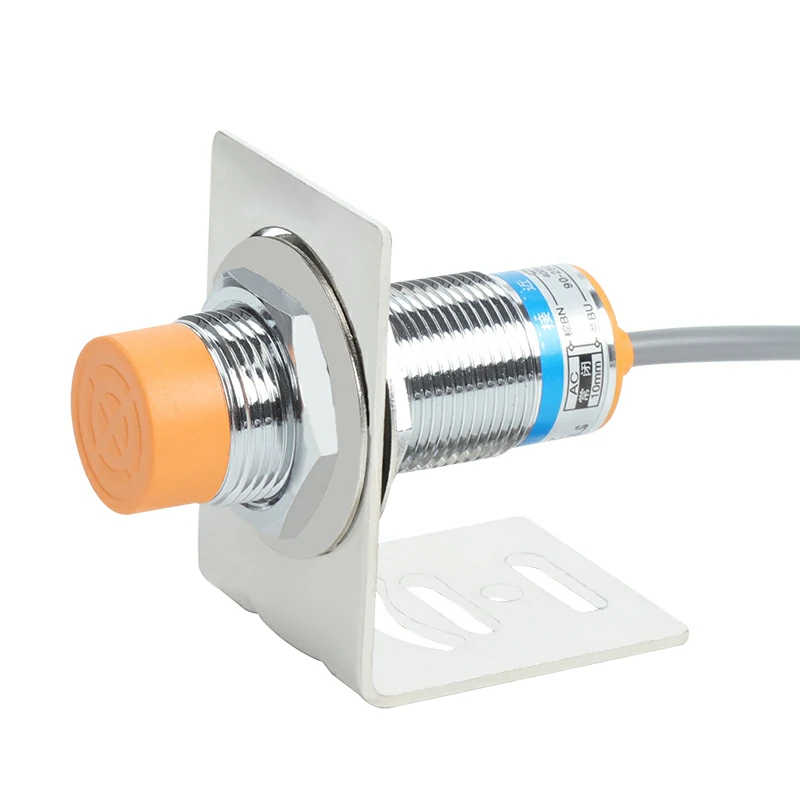
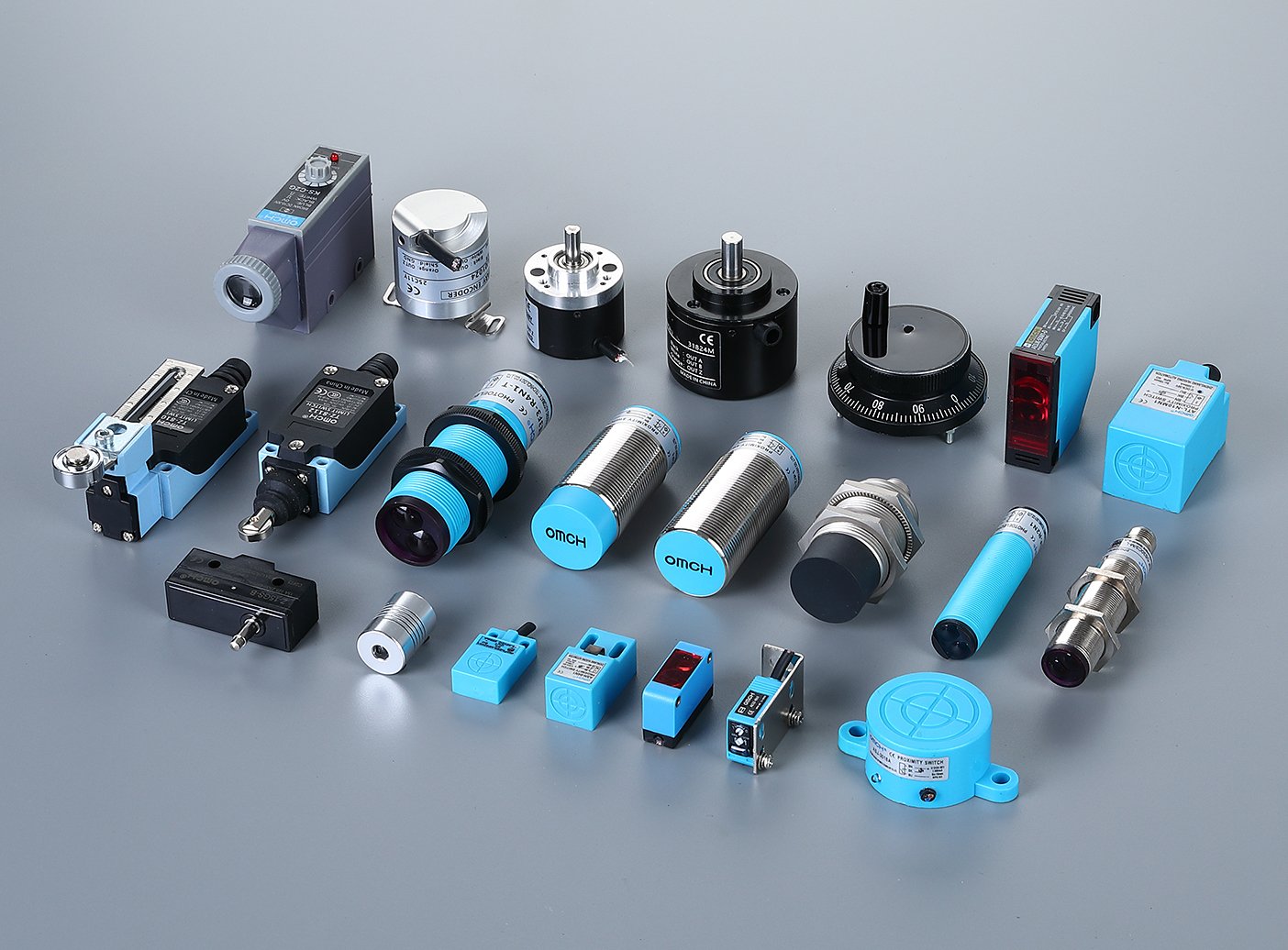
- The OMCH Strategic Value: In these high-velocity environments, a single sensor failure can cause a massive bottleneck. OMCH’s high-frequency photoelectric sensors and color-mark sensors are engineered for the millisecond response times required by rapid sorting lines. With 24/7 technical support and a global distribution network, OMCH ensures that retail giants can maintain 99.9% uptime during peak windows, backed by the reliability of components tested across 72,000+ global clients.
- Cold Chain Logistics: The Race Against Temperature
- The Scenario: Storing and moving frozen foods or biological samples requires maintaining temperatures as low as -25°C.
- The Pain Points: Human workers are not able to work in deep-freeze conditions long enough, which results in frequent shifts and high expenses. Moreover, typical electronics are prone to failure because of condensation and very low temperatures.
- Technical Dissection: The solution here is High-density AS/RS (Automated Storage and Retrieval Systems). Facilities minimize heat loss (no huge doors are required to remain open to allow forklifts to move) and remove the threat of human safety by employing automated shuttles that work in the dark and cold.
- The OMCH Strategic Value: Strength in harsh conditions is one of the strengths. The waterproof power supplies and inductive proximity switches of OMCH are made to work in extreme thermal conditions. To cold chain operators, the quality control of OMCH components, which is certified by ISO9001, implies that the maintenance cycles in the “frozen zone” will be reduced to a minimum, which will greatly decrease the Total Cost of Ownership (TCO).
Precision and Power: Automotive, Electronics, and Pharma
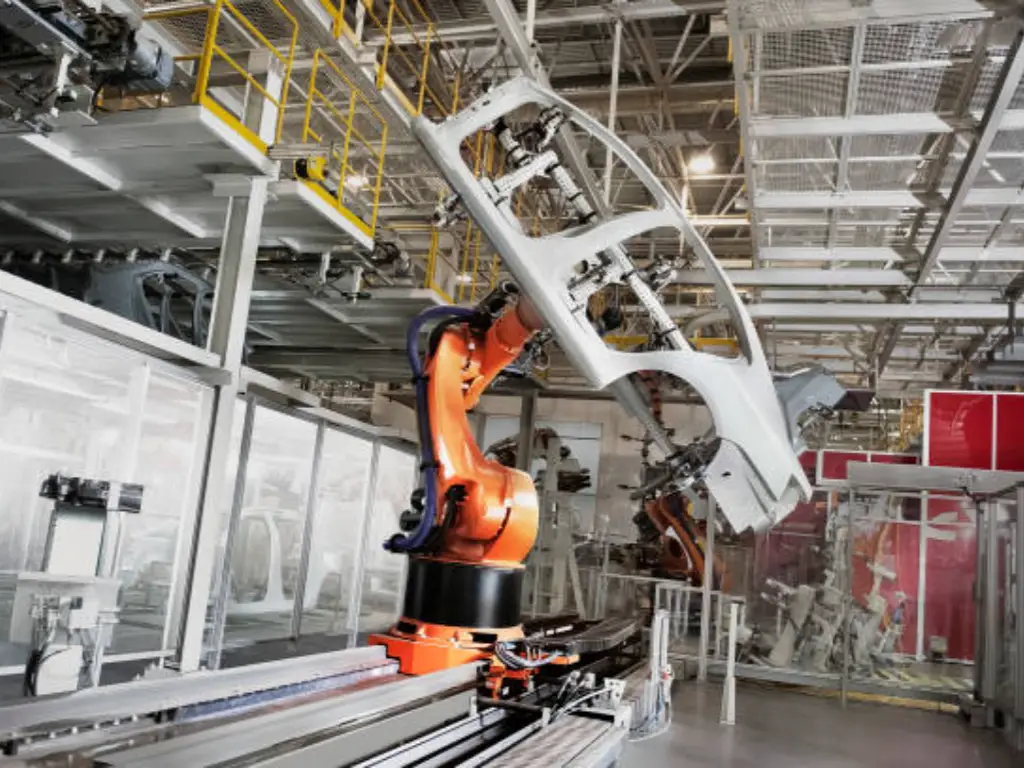
- Automotive Manufacturing: The JIT Heavyweight
- The Scenario: Automotive assembly lines operate on Just-in-Time (JIT) principles. A single missing bolt or a delayed chassis can stop an entire production line, costing thousands of dollars per minute.
- The Pain Points: Moving heavy, high-value loads (engines, frames) with extreme precision, often in environments filled with electrical noise and metallic dust.
- Technical Dissection: This industry makes use of Heavy-Duty AGVs and high-payload robotic arms. These systems should be seamlessly integrated with the MES (Manufacturing Execution System) to make sure that the appropriate part gets to the appropriate workstation at the right time when it is required.
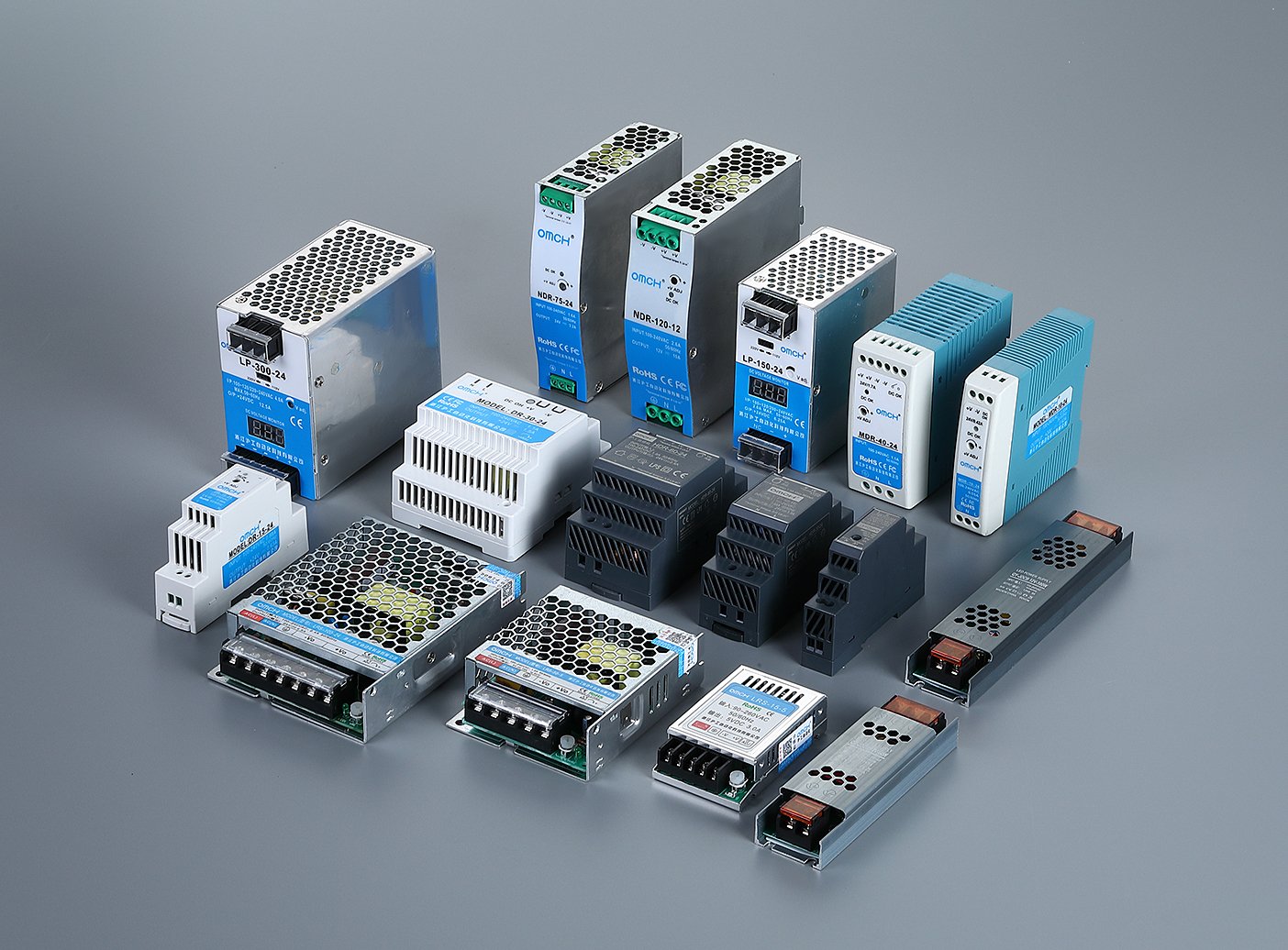
- The OMCH Strategic Value: The automotive industry demands “industrial-grade” durability. OMCH’s DIN-rail power supplies and heavy-duty industrial relays provide stable power and switching even in environments with high electromagnetic interference (EMI). Established in 1986, OMCH’s deep experience in low-voltage electrical products provides the “hardened” backbone needed for 24-hour automotive manufacturing cycles.
- Pharmaceuticals: The Compliance Guard
- The Scenario: Handling life-saving medications requires 100% accuracy and total environmental sterility.
- The Pain Points: Strict regulatory requirements (FDA/EMA), the need for total batch traceability, and the fragility of glass vials or temperature-sensitive vaccines.
- Technical Dissection: Pharmacies use automated picking cabinets and vision-integrated conveyors. Every move is tracked via RFID and high-resolution cameras to ensure that “Product A” never ends up in “Box B.”
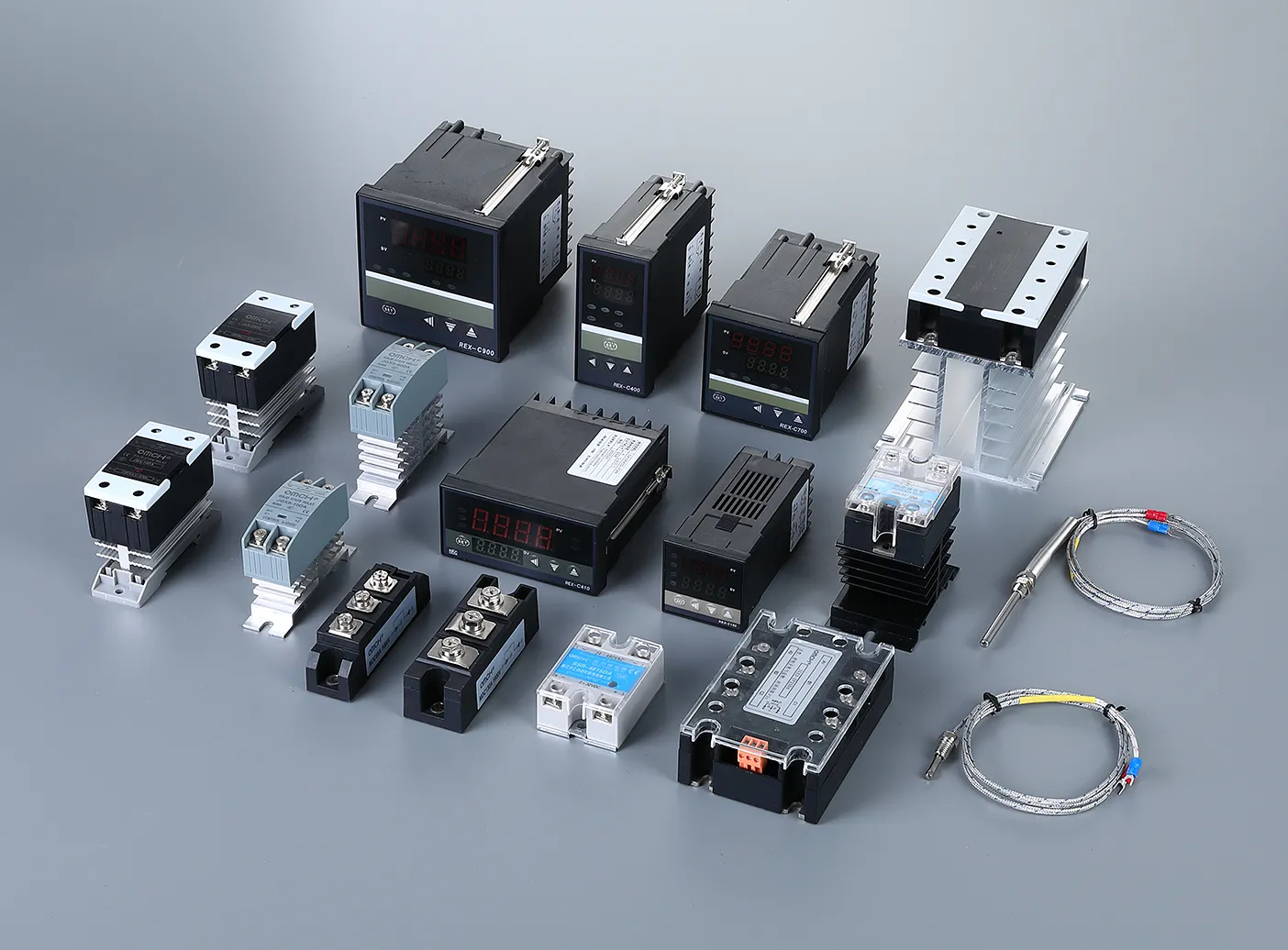
- The OMCH Strategic Value: Compliance is non-negotiable. OMCH products carry CE, RoHS, and CCC certifications, ensuring they meet international safety and environmental standards. Their high-precision encoders and limit switches allow for the delicate, precise movements required when handling fragile pharmaceutical stock. By offering 3,000+ SKUs, OMCH allows pharma integrators to source all critical control components from a single, trusted manufacturer, simplifying the validation and auditing process.
| Sector | Core Technology | Key Component Requirement | OMCH Solution Highlight |
| E-commerce | AMRs & High-Speed Sorters | Millisecond response, 24/7 reliability | Photoelectric & Color-Mark Sensors |
| Cold Chain | Deep-Freeze AS/RS | Condensation resistance, low-temp stability | Waterproof Power Supplies |
| Automotive | Heavy AGVs & MES Sync | EMI resistance, high-current durability | Industrial Relays & DIN-rail Power |
| Pharma | Vision Conveyors & RFID | Regulatory compliance (CE/RoHS), precision | High-Precision Encoders & Switches |
Strategic Planning: Assessing Facility Readiness for Automation Deployment
Companies have to pass through a stringent “Readiness Audit” before investing capital in a multi-million dollar automation fleet. Automation of an inefficient process is one of the most frequent traps of industrial transformation; it will only lead to a faster, more costly broken process. Strategic planning ensures that the infrastructure, data, and people are prepared to support a high-tech ecosystem before the first robot arrives on site.
The Readiness Checklist: A Four-Pillar Assessment
- Process Standardization and Predictability
Automation thrives on consistency. Organizations should audit their existing picking, packing, and sorting processes to make sure that they are documented and repeatable. When a task involves solving frequent exceptions that need “human intuition,” then it is not yet robot ready. The standardization of bin sizes, labeling positions, and travel routes is a precondition to the fact that the machine logic will be able to cope with the daily workload without the need to be constantly interfered with by a human operator.
- Data Integrity and “Digital Cleanliness”
The quality of data received by a robot limits its efficiency. Inventory documentation should be very precise and physical identifiers like barcodes and RFID tags should be in excellent condition. An AMR cannot “guess” what is on a smudged label or make its way to a description of a SKU that has mistakes in it, as a human worker can. The Warehouse Execution System (WES) runs on high-quality data, without which the system will experience frequent “logic jams.”
- Physical Infrastructure and Environmental Conditions
The physical needs of the modern hardware must be satisfied by the facility itself:
- Floor Quality: For AMRs and high-reach AS/RS, floor flatness and load-bearing capacity are critical. Uneven concrete can cause sensor misalignment or mechanical strain.
- Connectivity: A facility should be able to support a high-density network (usually 5G or Wi-Fi 6) that can handle hundreds of connected devices with almost zero latency to avoid communication failures.
- Power Architecture: Automation significantly increases electrical demand. Facilities must be assessed for their ability to support high-voltage rapid charging stations and the peak loads required by continuous conveyor operations.
- Cultural Readiness and Workforce Reskilling
The human factor is the most neglected aspect of preparedness. An effective implementation must involve early involvement of the workforce to convert them into automation overseers. Reskilling programs are also needed; when the employees know how to deal and maintain the new technology, it will minimize internal resistance and the facility will be able to retain the most experienced employees during the technological change.
Retrofitting Success: Automating Brownfield Facilities Without Downtime
Although “Greenfield” projects, which involve constructing a completely new plant, have the advantage of being able to design around automation, the economic reality of more than 80% of enterprises in the world is the “Brownfield” challenge. The process of retrofitting an already operational, active facility with Automated Material Handling systems is a high-stakes process; you are literally performing “open-heart surgery” on a supply chain that must continue to beat to satisfy customer needs.
The fear of long downtime usually paralyses the decision-makers, but in 2026, the approach has changed to be not a “rip-and-replace” strategy but a “seamless integration” strategy. Brownfield automation is successful using a three-pronged tactical approach:
- Modular Implementation: The “Pilot Zone” Strategy
The best risk mitigation strategy is not to roll out in a “big bang” manner. With a Pilot Zone, managers can automate one workflow, like outbound sorting, and retain inbound receiving manual. This modularity allows the team to debug the hardware-software interface in a controlled environment. As soon as the Pilot Zone meets its KPIs, the “blueprint” is replicated throughout the facility. This gradual growth will make sure that in case of a bottleneck, it is localized and will not bring the whole operation to a halt.
- Prioritizing Infrastructure-Light Hardware
Conventional automation usually involved digging up concrete floors in order to lay magnetic tape or wires to guide AGVs. This is not a starter in a brownfield site. The 2026 standard favors Infrastructure-Light solutions like Autonomous Mobile Robots (AMRs). Since AMRs use onboard LiDAR and SLAM (Simultaneous Localization and Mapping) to navigate, they do not need any zero modifications to the existing floor. These units are “mapable” and can be deployed in one weekend and a manual facility can be converted to an automated one by Monday morning without a single drill hitting the floor.
- The “Shadow Operations” Protocol
Before any physical robot moves a single pallet in a live environment, the digital layer must be battle-tested. Using Shadow Operations, the new Warehouse Execution System (WES) is integrated with the existing WMS but runs in “readiness mode.” It processes real-time order data and calculates movement logic in the background without sending commands to the hardware. The two weeks of this “shadow” time enables the engineers to identify data synchronization errors and to test the pathfinding algorithms on actual warehouse congestion, so that the ultimate “Go-Live” is a non-event.

With these non-invasive approaches, companies will be able to fill the gap between the old infrastructure and the efficiency of 2026, so that the facility will develop without missing a single step.
Financial Architecture: Maximizing ROI and Managing Labor Risks
Financial justification of Automated Material Handling has changed fundamentally in 2026. The old “Payback Period,” the mere calculation of the number of years to pay back the initial investment in terms of labor savings, is no longer adequate. The current CFOs have adopted a Total Cost of Ownership (TCO) and Risk Avoidance model, as they have realized that the cost of not automating is usually higher than the cost of the technology itself.
The RaaS Revolution: From CAPEX to OPEX
The most significant change in the financial architecture of AMH is the rise of Robots as a Service (RaaS). Traditionally, automation required a massive upfront Capital Expenditure (CAPEX), which often prohibited small-to-medium enterprises from upgrading.
- Subscription-Based Agility: Under RaaS, companies pay a monthly Operating Expenditure (OPEX) fee, similar to a software subscription.
- Risk Transfer: This model shifts the burden of maintenance, software updates, and hardware obsolescence to the vendor.
- Elastic Scaling: It allows facilities to scale their fleet up during peak seasons (like Q4 retail surges) and scale down during slower months, ensuring that the cost of automation perfectly aligns with actual revenue-generating activity.
Calculating the “True” ROI
To fully realize the economic impact of AMH, the ROI formula should not focus only on the hourly wage of an employee. Recent data from 2025-2026 shows that high-velocity facilities implementing AMRs see a 25-30% reduction in labor costs within the first 12 months, while in specialized sectors like pharmaceuticals, automated compliance tracking reduces audit-related administrative work by up to 40%. In order to find the true value, there are three factors that are “hidden” in 2026 and that yield the highest returns:
- Cost of Attrition and Recruitment: In manual warehouses, the turnover is usually more than 30-40% per year. The price of locating, background-checking, and training a new picker may be as high as $7,000 per head. Automation removes this “leaky bucket” cost.
- The “Error Tax” Reduction: Human error in picking and packing carries a heavy price: shipping costs for returns, lost inventory, and diminished customer lifetime value. AMH systems typically operate at 99.9% accuracy, effectively eliminating the “error tax” on the bottom line.
- Safety and Insurance Premiums: Material handling has always been the most risky area of workplace injuries. With the substitution of high-risk forklift operations and repetitive heavy lifting with autonomous systems, companies experience a significant decrease in the number of workers compensation claims and a subsequent decrease in the annual insurance premiums.
By repositioning AMH as a labor risk management tool, but not a productivity tool, organizations can develop a financial argument that is resistant to market shocks and labor shortages.
Future-Proofing: Ensuring Operational Safety and System Longevity
The final stage of a successful Automated Material Handling strategy is ensuring the system remains viable, safe, and efficient for the next decade. As technology cycles accelerate, the goal is to build a resilient ecosystem that can adapt to unforeseen market shifts and technological breakthroughs without requiring a total overhaul.
Operational Safety: The “Zero-Trust” Robotics Principle
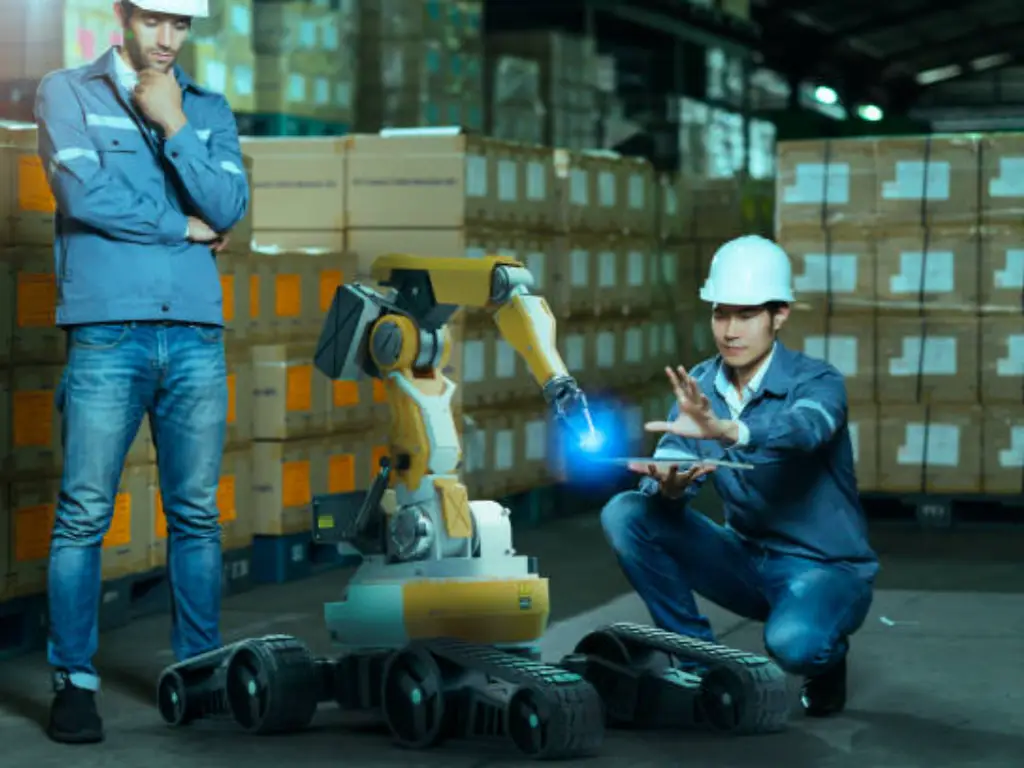
In 2026, the industry has moved away from simple “caged” safety zones toward a Zero-Trust Robotics Principle. This model presupposes that sensors may malfunction and humans may behave in an unpredictable way, and several, redundant levels of protection are needed. Modern hardware is equipped with an integrated safety stack: 3D LiDAR for long-range detection, ultrasonic sensors for near-field blind spots, and mechanical pressure bumpers as a fail-safe.
Moreover, safety is not a technical specification anymore, it is a cultural one. The employees are trained to consider the robots as their “digital coworkers,” knowing the pathfinding logic of the machines. This shared awareness, facilitated by obvious visual cues (e.g. LED projection lights showing the direction a robot is going), reduces the chances of human-machine collisions and provides a fluid and safe floor space.
System Longevity and Maintenance: Moving to Predict-Prevent
The weakest link is the only as strong as the system, and the durability is determined by the way a facility handles wear and tear.
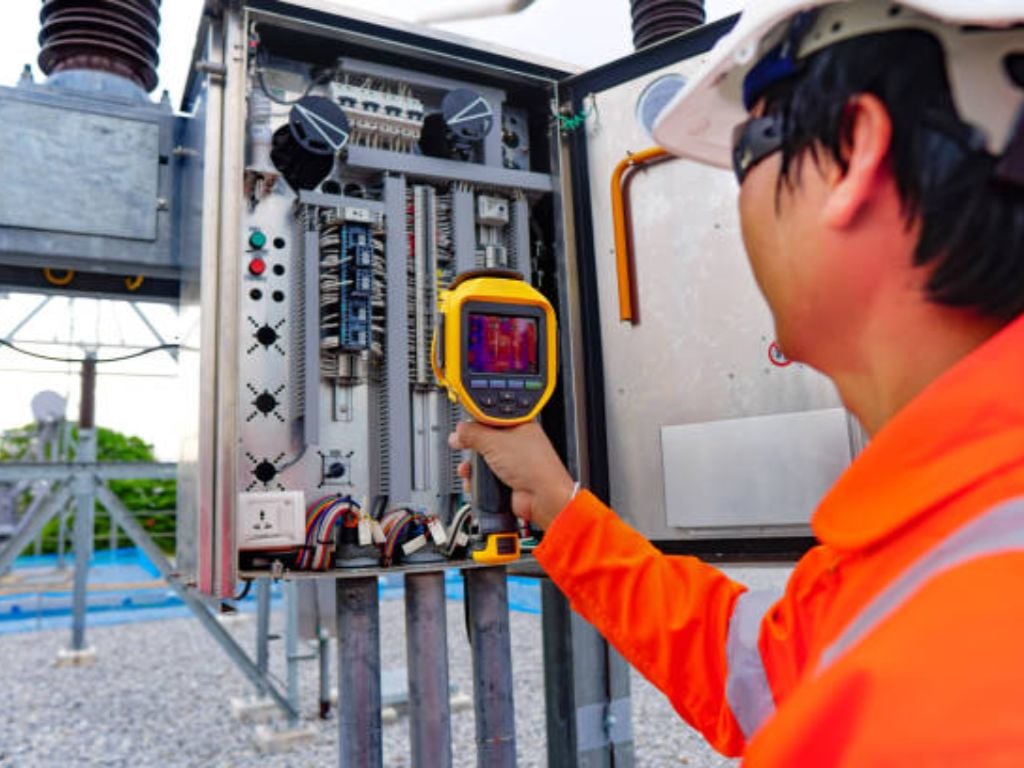
- Predictive Maintenance: The industry has grown beyond the ineffective “Break-Fix” model. With the help of IIoT (Industrial Internet of Things) data, systems have started using the so-called “Predict-Prevent” protocols. Vibration sensors and thermal monitors detect the microscopic signs of bearing wear or motor fatigue weeks before a failure occurs. This enables maintenance to be planned in the planned downtime, which maintains the mechanical integrity of the system.
- Software Scalability and Open Architecture: Software should be developed using Open-API architecture to avoid obsolescence. A future-proof WMS or WES should be able to be integrated with new kinds of robots or sensors that are yet to be invented. Focusing on interoperability, the companies can make sure that they can replace single modules or introduce new robotic fleets without being tied to the proprietary ecosystem of a specific vendor.
- Infrastructure Resilience: Longevity also depends on the availability of standardized, industrial-grade replacement parts. By making sure that the system is constructed using components that are globally standardized (i.e. IEC or ISO) it is ensured that even ten years later the facility will be able to be serviced and repaired with a dependable global supply chain to ensure that localized shortages do not lead to disastrous operational delays.
Conclusion: The Roadmap Ahead
Automated Material Handling has officially transitioned from a futuristic concept to the operational baseline of 2026. By strategically integrating high-density Fixed Infrastructure, agile Mobile Robotics, and a robust Digital Ecosystem, businesses can construct a supply chain that is not only highly efficient but also resilient to global disruptions.
The process of achieving a fully optimized facility is a marathon and not a sprint. The secret is in the strict attention to detail, starting with the preliminary audit of readiness of your facility, and ending with the choice of standardized and industrial-grade components that form the basis of the system. The final destination is to enable the human workforce with smart tools as you embark on this transformation so that operational performance can be achieved at levels that were previously deemed unattainable and long-term system longevity and safety are ensured.


 English
  Arabic
  Turkish
  Russian
  Spanish
  French
  Indonesian
  Portuguese