


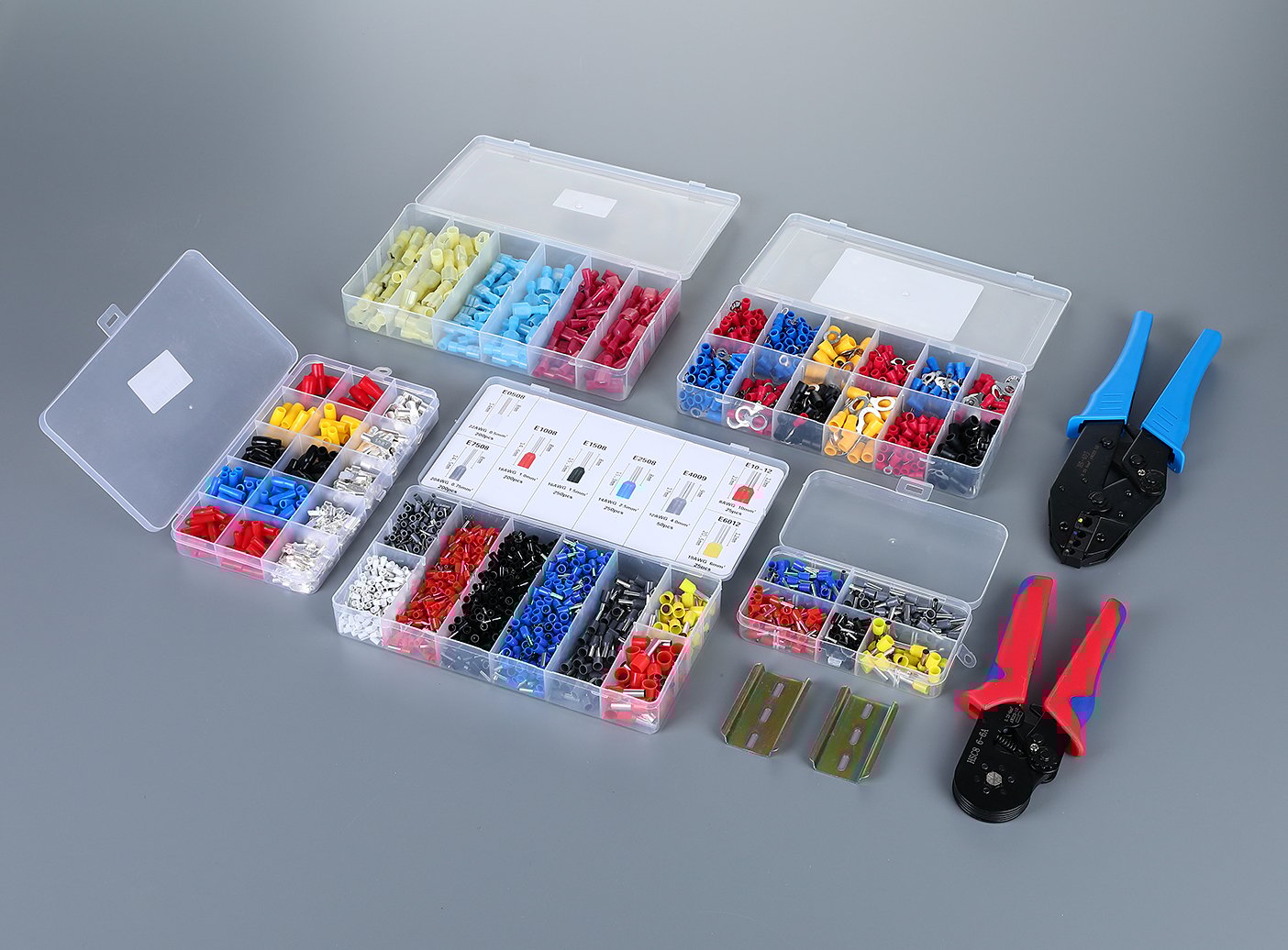

Small business owners often think manufacturing process upgrades mean installing massive assembly line automation systems in factories. When they think of assembly lines, they imagine miles of conveyor belts, highly coordinated robotic arms, and factories that run themselves, all while strictly adhering to safety procedures. This image is intimidating, and quite frankly, looks expensive and out of reach.
But the truth about modern manufacturing is not found in the billion-dollar facilities of automotive conglomerates or giants producing consumer electronics. It is found in the small workshops and mid-sized factories that form the backbone of the global supply chain.
For the businesses we serve, automation is not about replacing humans with machines. It is about providing your people with better tools to reduce labor costs. It is not about spending millions, but about spending the money you have wisely. This guide is for the pragmatic manufacturer. It encourages focusing on the practical, the scalable, and the automated assembly line that your business and your budget can support.
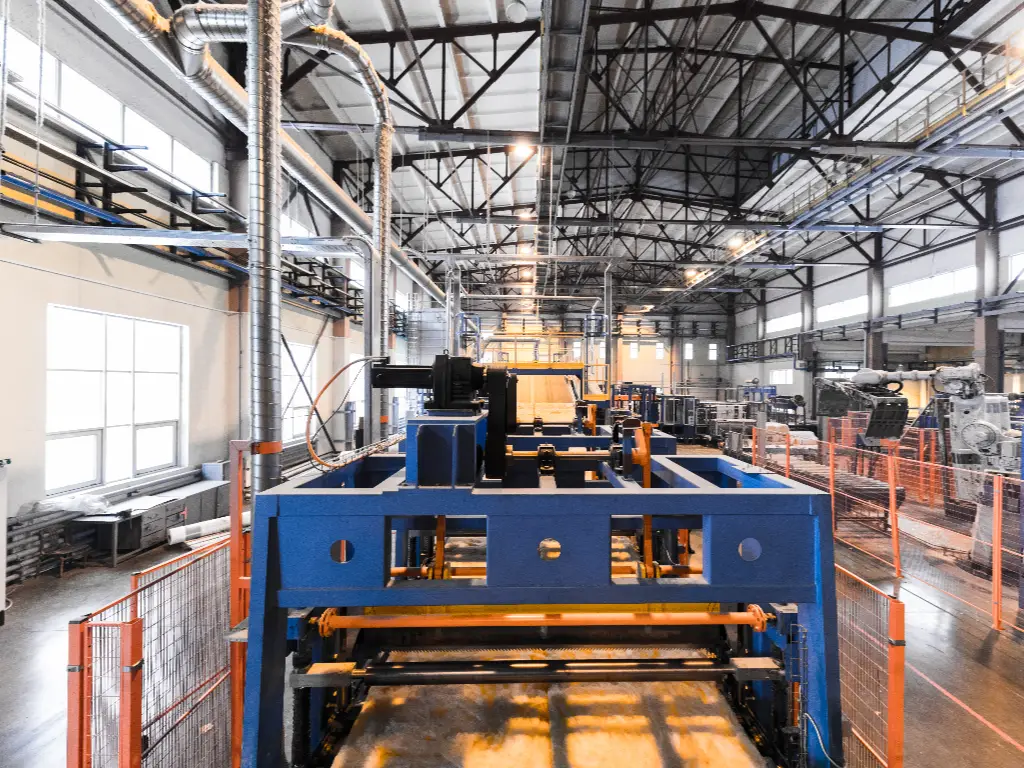
Can Small Businesses Afford Automation? Breaking Cost Myths
Automation is often seen as having two extremes: either you have a completely automated process with advanced robotics and software, or you have a fully manual process with workers on the floor. Small business owners often get stuck due to the automation cost myth—the fear that the initial investment is insurmountable without careful planning.
Understanding ‘Low Cost Automation’ (LCA) can help overcome this obstacle. LCA looks to address less complex and lower cost systems while promoting low unit cost and shifts the focus from purchasing a fully integrated system to finding affordable assembly systems. It is important to note that the goal of small and medium-sized enterprises (SME) is rarely to achieve full robotic automation. More often, the focus is on achieving Partial Automation and a Hybrid Model.
In the hybrid model, automation is used to perform the assembly tasks that require the same action to be completed thousands of times without fatigue, such as applying uniform pressure on screws, or identifying minute flaws, ensuring a high-quality final product. Meanwhile, the skills of a human worker are used for adaptability, critical thinking, and handling variables that are less predictable.
The moment you start integrating cost-effective tools instead of searching for machines to replace your workers, the overall expenditure drops significantly. You aren’t getting a whole new factory, but getting some sensors, and simple relays and actuators that are part of the internet of things to enhance the production systems you already have. This is not merely cost-effective; it reduces operational costs and improves the ROI automation SME owners need to see to justify the change.
4 Key Elements to Consider Before Automating Your Line
Before you purchase a single sensor or motor, you must look at your production process with honest, critical eyes. Automation is an amplifier. If you automate an efficient process, the output improves. If you automate a chaotic process, you simply create chaos faster.
To discover the most appropriate business approach, whether to acquire specified equipment or to develop an adaptable assembly process, you really should evaluate these four parameters to meet your production needs.
| Assessment Factor | Key Questions to Ask | Implication for Automation |
| Product Characteristics | Is the product shape consistent? Is the material rigid or soft? | Rigid: Easier to automate. Soft: Requires human handling. |
| Volume & Mix Structure | Do you make high volume low mix or low volume high mix products? | High Volume: Justifies dedicated machines. High Mix: Demands flexible automation requirements. |
| Process Bottlenecks | Where does work pile up? Is it assembly, testing, or packaging? | Speed: Needs mechanical assistance. Accuracy: Needs sensing assistance. |
| Physical Space Automation | Do you have floor space for safety cages? | Restricted Space: Requires compact, “tabletop” automation. |
Top 3 Automation Technologies for Limited Budget
If you have planned a capital budget towards the procurement of new equipment, you do not need autonomous mobile robots or a full, massive industrial line. There are ‘middle ground’ technologies tailored towards entry-level automation that encompass key components for effective operations. These are self-sufficient units designed as bench-top automation solutions.
Collaborative Robots (Cobots)
Unlike conventional industrial robots that can require intricate programming and even safety cages, Collaborative Robots are designed to work next to people.
- The Application: They are valuable for “pick and place” actions, machine handling (looping CNC machines), or stacking boxes at the end of a production line.
- The SME Advantage: They are fairly simple to reprogram. If a product line changes next month, the Cobot can be moved to a different station. They are the most expensive choice on this list (averaging $20,000–$30,000) but this flexibility gives you long-term safety for your investment.
Tabletop Rotary Indexing Tables
For certain assembly operations that require many small steps (for example, inserting a screw, putting in a washer, and then pressing a cap), a linear conveyor system belt can actually take a lot of extra space. A compact assembly station based on a rotary table is better for these precise tasks.
- The Application: Moving parts clockwise one at a time in a high speed circle, a rotary table can stop in precise intervals. This allows for the mounting of automatic screwdrivers or dispensers around a compact central hub.
- The SME Advantage: The rotary table reduces floor space. It can sit on a standard workbench but can allow for up to quadrupolar output compared to a single operator. It reduces the assembly time and, in turn, stabilizes production output while also reducing cycle time for greater efficiency.

Modular Aluminum Profile Conveyors
It no longer has to be heavy steel conveyors used in the automotive industry. Modern systems use a low-cost conveyor design made of light extruded aluminum.
- The Application: Moving lightweight parts between stations.
- The SME Advantage: These are flexible systems that are like construction sets for engineers. You can buy extrusions in standard lengths, bolt them together, and when the factory moves next year, disassembly for reconfiguration is pretty easy. These systems are the core of flexible manufacturing strategy.
How to Retrofit Your Existing Line with Components
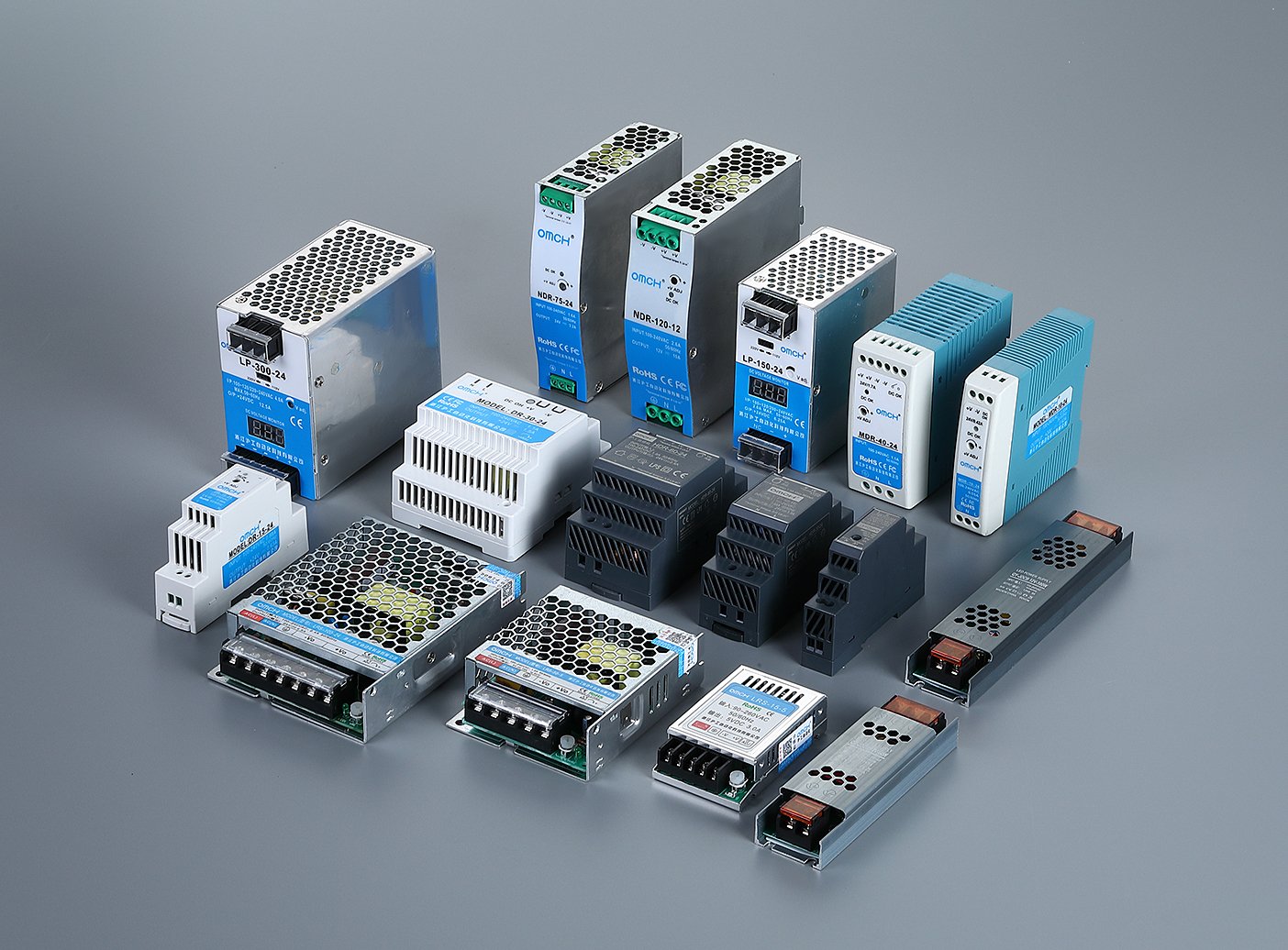
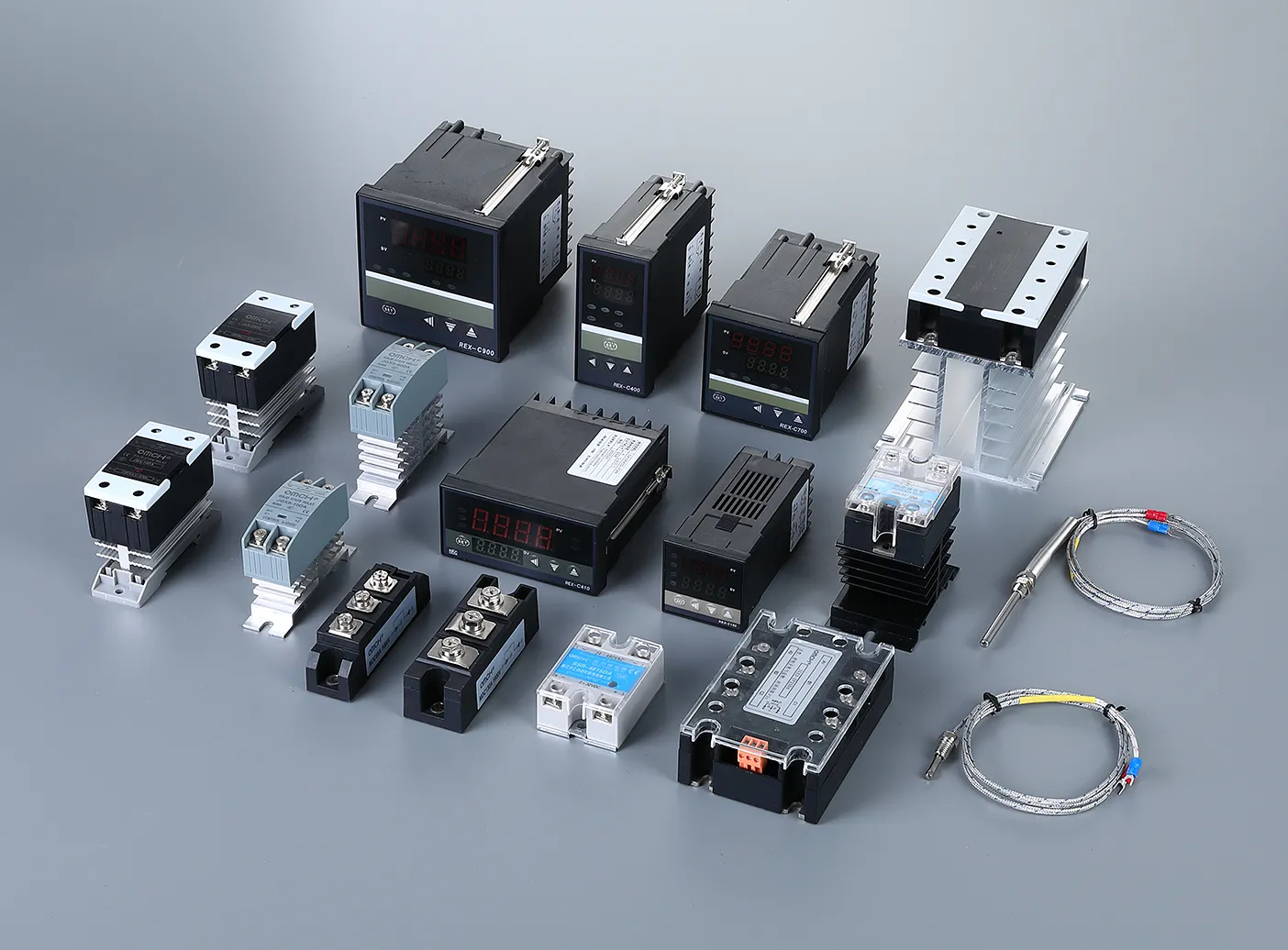
When the budget for new machines is not available, the best option is to retrofit existing line equipment. You can make “dumb” machines “smart” by adding industrial control system components like a DIN-rail power supply or specific sensors. This allows for one-stop sourcing of automation components rather than buying new machinery.
That is the essence of DIY automation. You can build more than just the automation; by adding specific components, you can achieve the functionality of the expensive machines with minimal human intervention for a fraction of the investment.
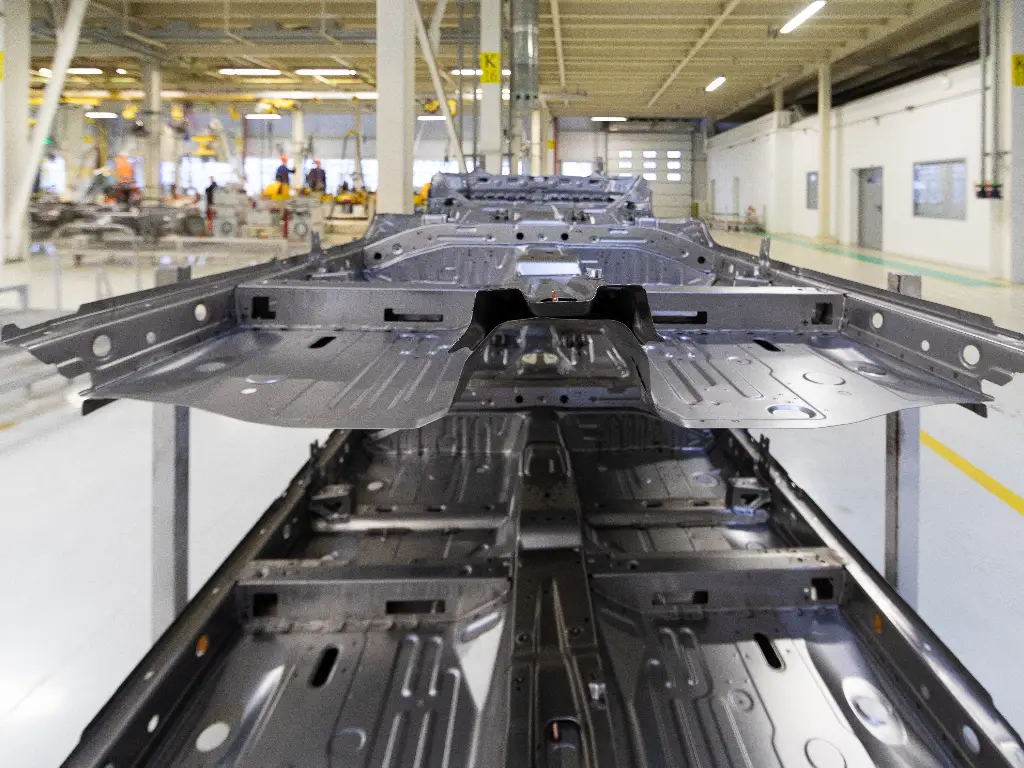
The “Smart” Conveyor Upgrade
Most applied controls to conveyors are to make them start and stop. The consequence is that many conveyors run continuously, wasting electricity and disrupting the sequence of operations, wearing out the motor when there’s no product entering the line, and they also cause ‘log jams’ where products are piled behind and damaged.
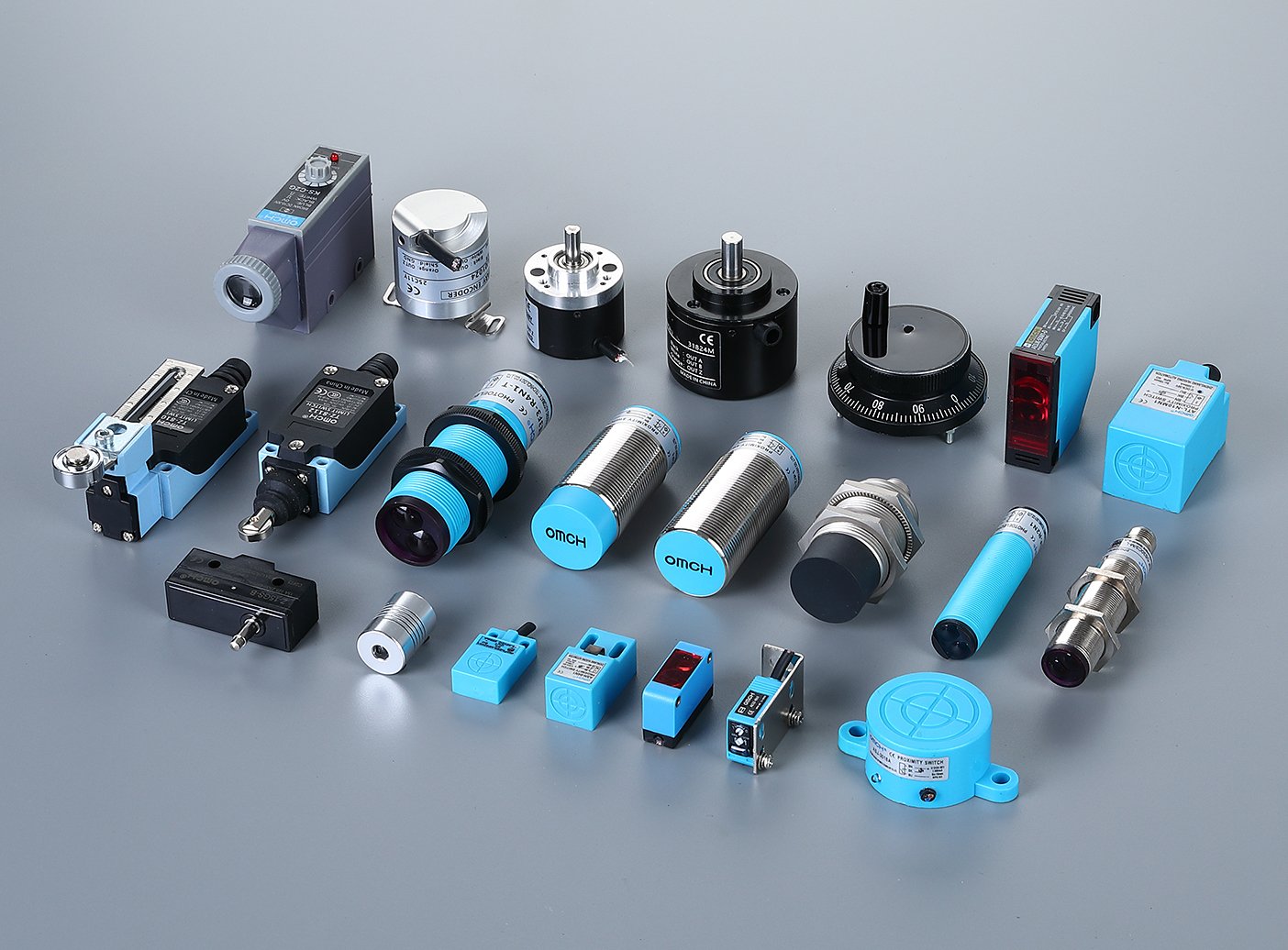
- Components Needed: Photoelectric Sensorsretrofit + Relay + Timer.
- The Transformation: Attach a sensor to the end of the conveyor. When a product comes to the end and blocks the sensor, a timer relay automation setup stops the belt. The sensor clears and the belt restarts automatically when the operator removes the product.
- The Benefit: You achieve “Accumulation Logic” (automatic traffic control) without writing a single line of code.
Poka-Yoke (Mistake-Proofing) Workstations
There is human error in manual assembly. Operators might forget a washer or misalign a part, resulting in expensive returns down the line.
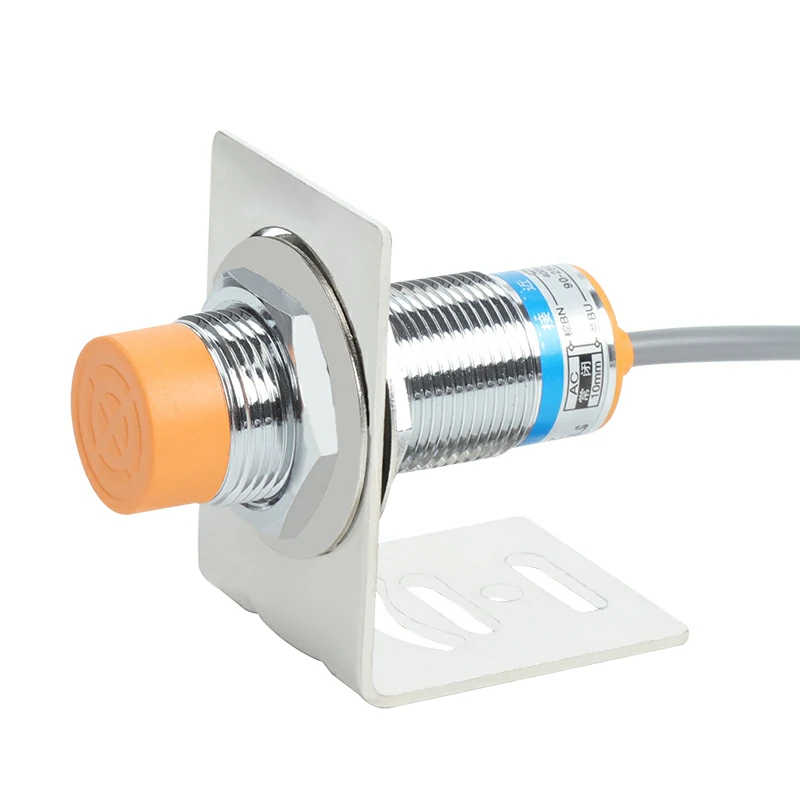
- Components Needed: Inductive Proximity Sensors + Limit Switches + Indicator Lights.
- The Transformation: Embed sensors in the assembly jig. Configure the logic so that the clamp will not close until all sensors are detecting that the correct parts are present and aligned. If a part is missing, the machine refuses to cycle and a red light is activated.
- The Benefit: You ensure product consistency and physically prevent defects from being made. You replace the need for a post-production inspection step with in-process quality assurance.
Low-Cost Pneumatic Automation
When you need to push a rejected product off the line or stamp a label, and can’t afford a robot arm, try this.
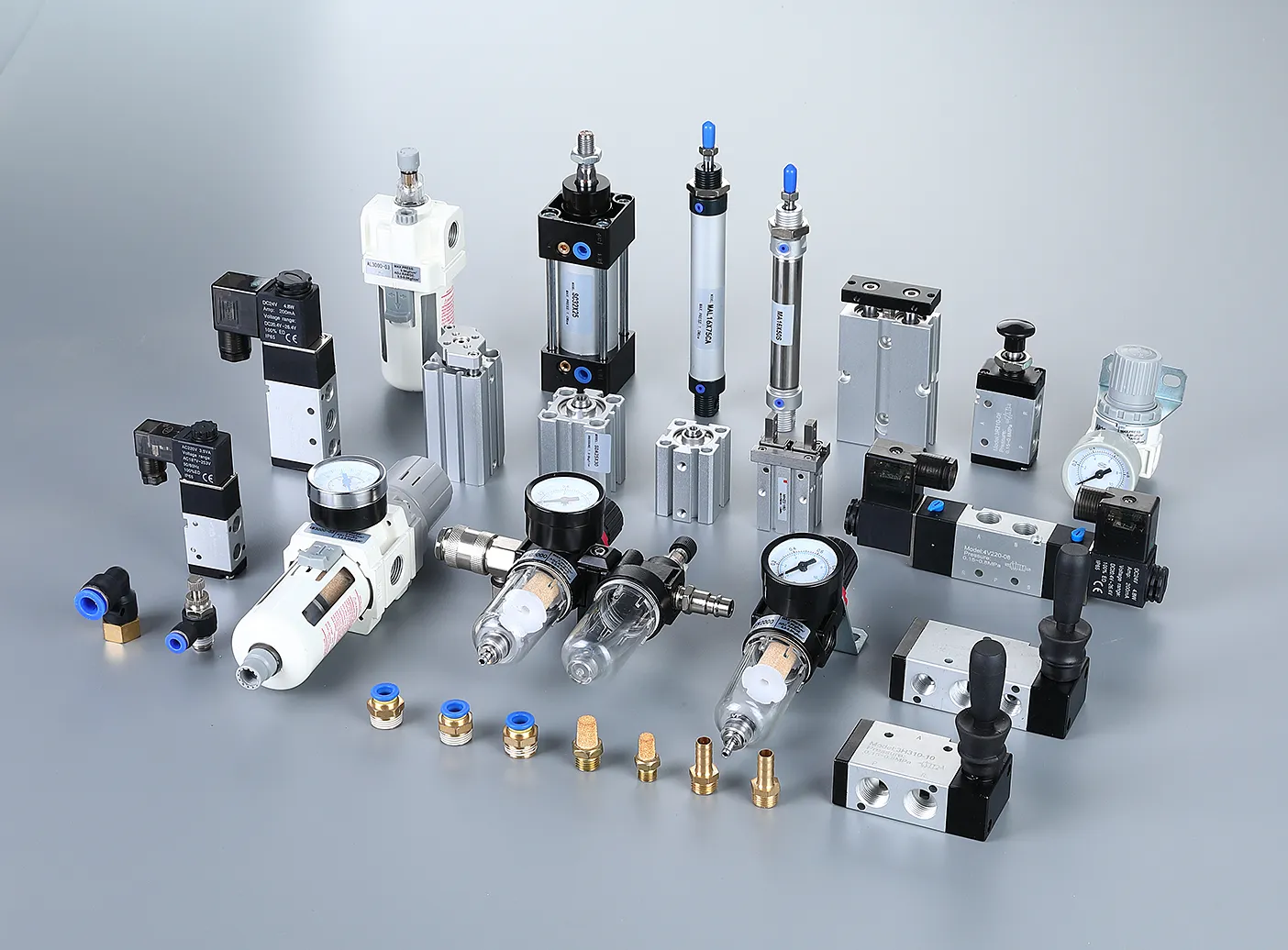
- Components Needed: Pneumatic Cylinder + Solenoid Valve + Time Relay.
- The Transformation: A sensor detects and signals a Time Delay Relay which activates a Solenoid Valve after a predetermined time (like 0.5 seconds). The Valve opens and the cylinder extends and moves the target.
- The Benefit: Using time sequencing and air pressure, you can simulate the actions of a robotic arm which is significantly cheaper (under $500), more powerful and more durable.
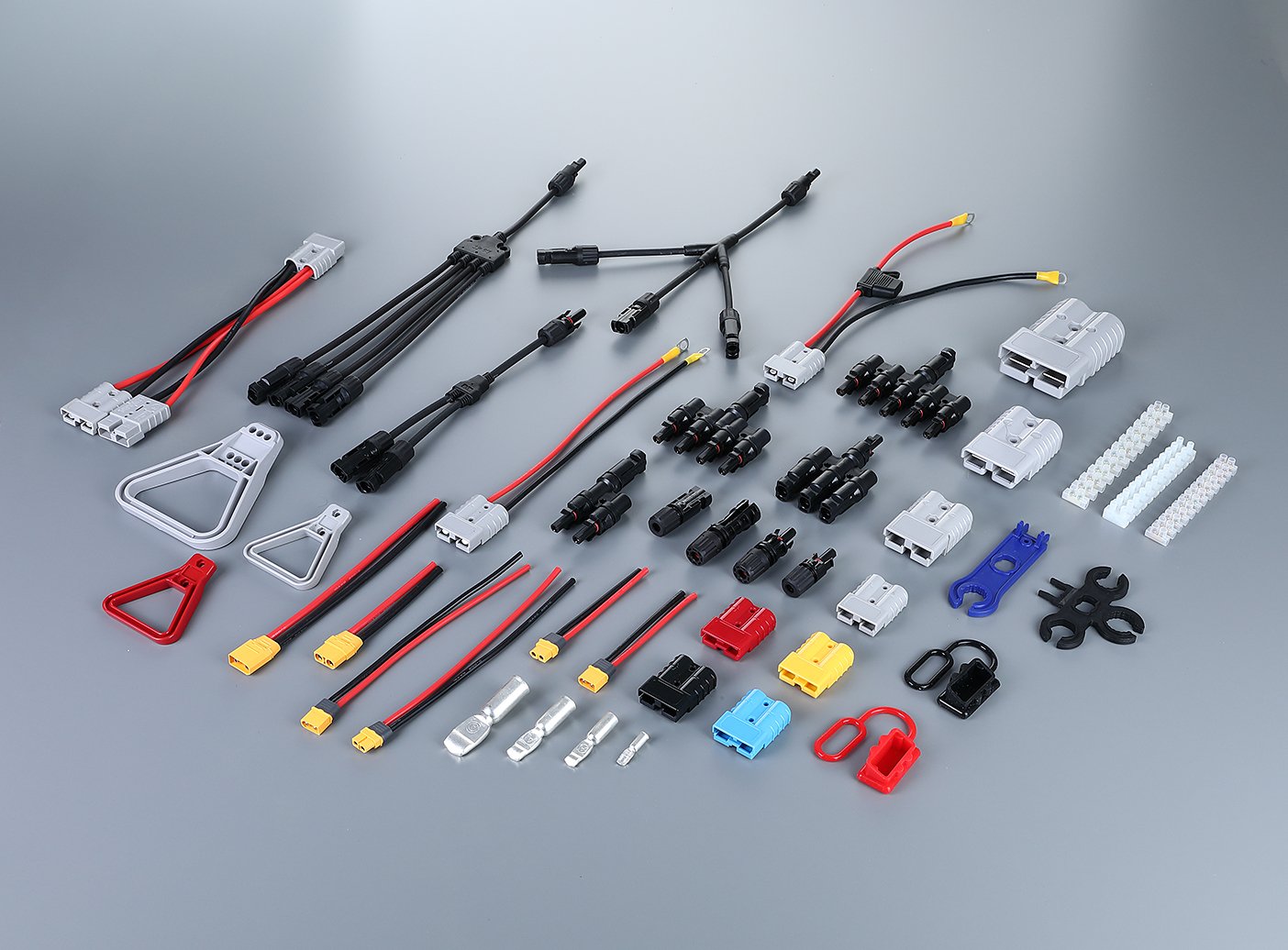
Successful retrofitting relies on the seamless integration of these components, and sourcing them individually from multiple vendors can be a logistical headache. This is where OMCH transforms the complex into the simple. As a comprehensive industrial automation manufacturer with 38 years of legacy, we offer a true one-stop sourcing solution. Whether you need a stable switching power supply to drive the system, precise relays to control logic, or high-sensitivity sensors to detect your product. But we provide more than just hardware; our veteran engineering team stands ready to analyze your specific facility and offer tailored advice, ensuring that your retrofit strategy is not just a collection of parts, but a cohesive, reliable upgrade.
Step-by-Step Implementation Strategy: Crawl, Walk, Run
Failing to appreciate the importance of taking things one step at a time is one of the most significant errors a business owner can make. Automation and mass production are not a one-step process.
- Crawl: The Data Phase
Before you start making changes to how your business operates, make sure to collect some real-time data. You really cannot change something for the better if you cannot gauge its performance. Use basic digital counter production tools and sensors to understand how many units you produce every hour and when downtimes happen. Understanding that data will help you spot bottlenecks and provide crucial feedback on your current efficiency.
- Walk: The Island Phase
Using the data, the most painful bottleneck of your line is to be determined. Is it the packaging station? Is it the drilling station? You should only automate that station. Create what is called the “Island of Automation”. A good example is adding a screw-feeding machine that is automatic, or a semi-automatic dispenser that you use to label the finished product, or setting up for new products. This allows your staff to adjust to the new tools, and it allows you to gain a fast return on investment.
- Run: The Integration Phase
When you have multiple Automation Islands functioning well, it is time to link the entire line. Take the output from a drilling station, and connect its output to the input of a packaging station with a modified conveyor belt. Use PLC integration SME strategies to manage the start/stop commands. This is where you achieve flow in your automated assembly line.
5 Common Automation Mistakes Small Manufacturers Make
Automation is a slippery road, and small manufacturers often go down it with the intention of entering the Fast Lane. Here are the five pitfalls, and how to sidestep them.
- Over-Automating
You can replace human labor with a machine if the task does not require fine motor skills, does not need high, nuanced judgment, and is not something that can be done easily, at low cost, by a human. For example, if you are considering automating a visual inspection process because the manual process is too slow, using complex machine vision or artificial intelligence, you are automating with a negative ROI solution.
- Ignoring Training
Automation of a work process requires different skills of the teams involved, not only at the operating side, but also with maintenance. Simply purchasing an automated machine and not aligning the training of your maintenance personnel can result in imbalances. Your technicians need to have the training to be maintenance personnel.
- Lack of Standardization
Variation is the enemy of automation. If the incoming screws have loose tolerances—like one screw is 5mm and the next one is 5.2mm—your automated feeder is going to jam. Standardizing your supply chain is of utmost importance to mitigate compatibility issues before automating the assembly.
- Overlooking Maintenance
Manual tools will break and get replaced. Automated lines will wear out. If you do not have a preventative maintenance schedule—checking voltages, cleaning lenses, and tightening loose terminals—your costly system will degrade, highlighting the importance of predictive maintenance.
- Poor Component Selection
The most common mistake is considering industrial components as generic. To save a few bucks, most business owners use commercial grade components and are surprised when their systems start failing due to the vibration, debris, and electrical noise of a production floor. The industrial environment is hostile. To sustain reliability, you need to use components that have been specially designed to withstand this environment. Not leaking, not failing, and not causing unexpected downtime. It is a false economy to save money on a cheap sensor if it leads to a production line that does not run reliably.
Calculating ROI for Your First Automation Project
How do you justify this investment? If you simply utilize the Labor Savings, you’re missing the other half of the equation entirely. To evaluate the complete ROI for the smaller business, you also need to evaluate the impact of production stability and growth potential.
To calculate the true ROI for a small business, use the automation ROI formula:
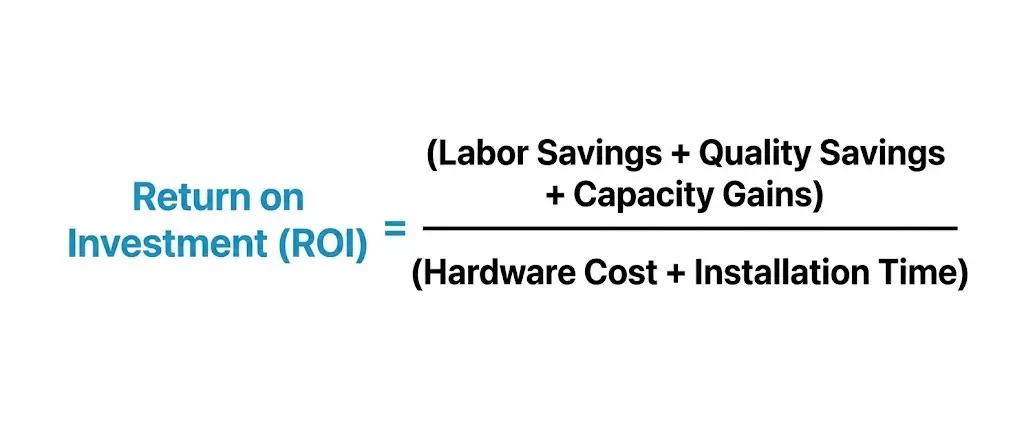
From this breakdown, use the identified factors to calculate the ones that actually fuel your ROI:
| ROI Component | What to Measure | The SME Value (Why it Matters) |
| Direct Labor Savings | Reduction in paid man-hours for repetitive tasks and overtime wages, leading to greater efficiency in operations. | The Baseline: This is the most obvious metric. If a $500 retrofit saves 4 hours of manual work a day, the system pays for itself in less than a month. |
| Quality Savings | The cost of scrap material, return shipping, and administrative time handling complaints related to defect detection. | The Hidden Profit: For SMEs, one bad batch can kill a client relationship. A sensor that prevents defects saves money that never appears on a standard balance sheet. |
| Capacity Gains | Output produced during lunch breaks, shift changes, or after-hours (unattended operation) can lead to higher throughput to meet market demands. | The Growth Engine: Humans have physical limits; machines do not. This “surge capacity” allows you to accept larger, tight-deadline orders you previously had to turn down. |
| Total Investment | Hardware costs (Sensors, PSUs, Relays) + Installation downtime + Training time. | The Reality Check: This is where the Component Path wins. A $2,000 retrofit reaches a positive ROI 10x faster than a $20,000 robot, drastically lowering your financial risk. |
Conclusion: Building a Smart Line That Fits Your Scale
Automation is not reserved for the giants. It is available to anyone willing to look at their production line, break it down into steps, and apply the right technology to the right problem, reducing reliance on manual labor.
Whether you are buying a simple desktop fixture or retrofitting a thirty-year-old conveyor, the principles are the same: start with the problem, respect the process, and never compromise on the quality of the core components. Your sensors, power supplies, and switches are the nervous system of your factory. Treat them with the importance they deserve.
Are you ready to assess your production line? If you are considering upgrading your facility to a more automated assembly line, or need advice on selecting the right industrial components, OMCH is here to help. Contact us today for a consultation on building an automation solution that fits your business.


 English
  Arabic
  Turkish
  Russian
  Spanish
  French
  Indonesian
  Portuguese