





Rotary Encoder Price Trends: What You Should Know
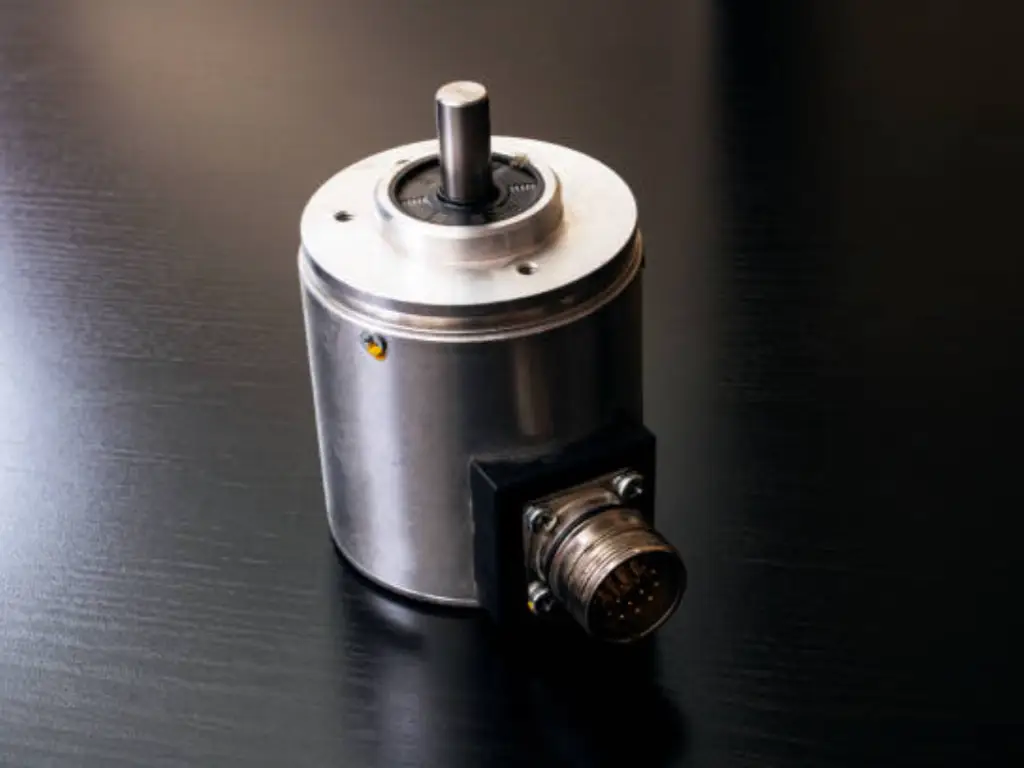
The rotary encoder is one of the most important elements of the dynamic world of industrial automation and Industry 4.0, the “sensory organs” of the motion control systems. These devices are necessary to give a good position feedback through the speed, direction and angle of a mechanical rotation. By 2026, the global market of such devices is more advanced due to the development of semiconductor technology, manufacturing hubs, and the need to be more precise in every respect, including medical robotics and heavy-duty textile machines. The question that will always be of interest to the procurement managers and design engineers is: How do you strike a balance between high-performance requirements and the varying market prices?
Rotary Encoder Types: Which One Is Right for You?
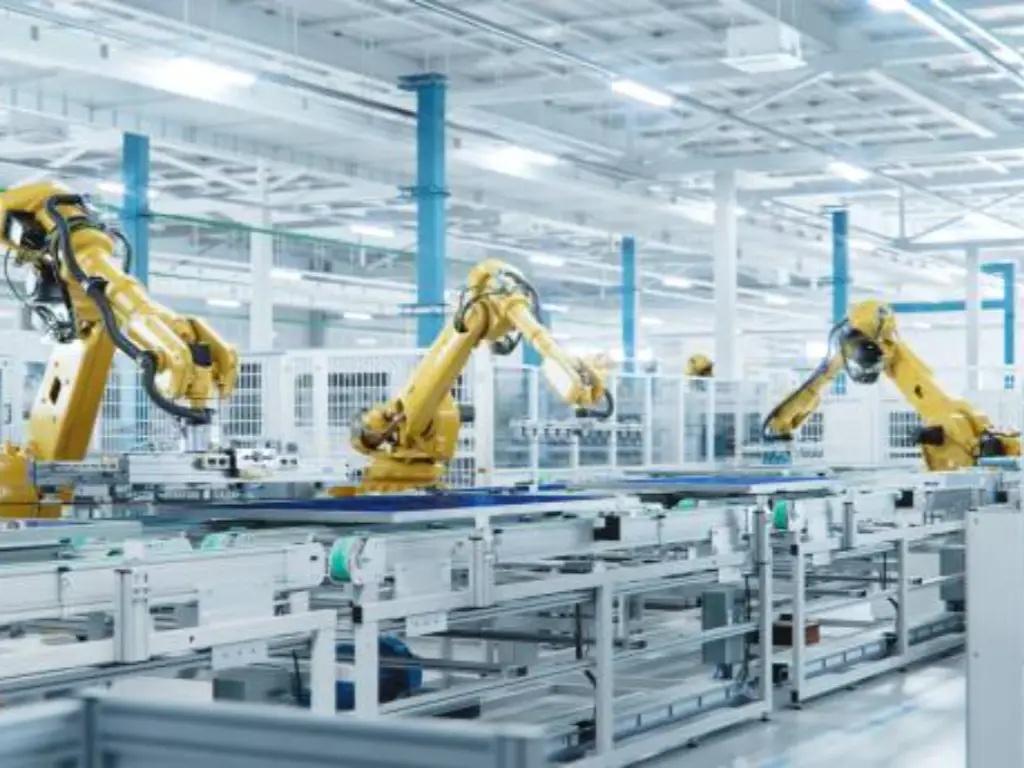
In the landscape of modern industrial automation, the rotary encoder serves as the “eyes” of the motion control system. As industries have shifted toward Industry 4.0, the necessity of possessing correct, real-time feedback has never been higher. Whether you are designing a high-speed robotic arm, a precision medical centrifuge, or a heavy-duty conveyor system, choosing the correct type of rotary encoder is a strategic decision that impacts system uptime, accuracy, and total cost of ownership (TCO).
The Comprehensive Guide to Electromechanical Switches: Engineering, Selection, and Optimization
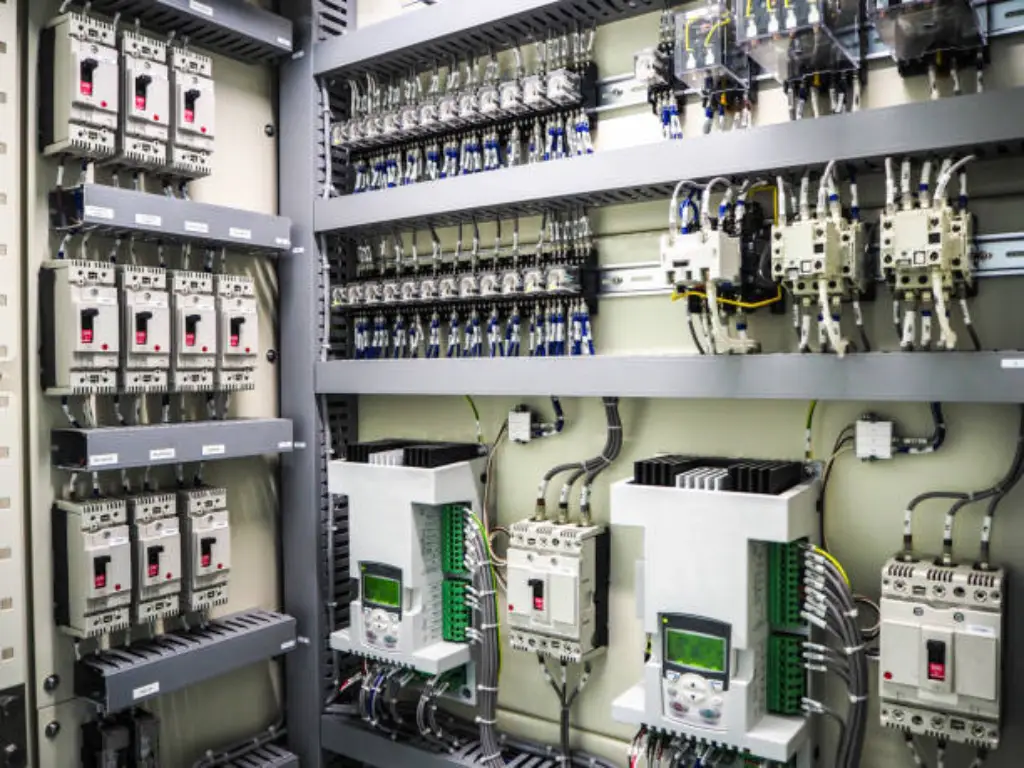
The electrical switch is a cornerstone in the advanced environment of the industrial automation and electronic design. Even though mechanical switches are being supplanted by solid-state electronic switches, physical production and disconnection of an electrical circuit through mechanical means offers unparalleled reliability, galvanic isolation, and haptic feedback. This guide delves into the intricate engineering of mechanical switches, taxonomic examination of the numerous categories of electromechanical switches, and a code of conduct on how to choose and optimize them under extreme conditions to electronic equipment.
Ultimate Guide to Factory Automation Sensors: Types, AI Integration & Top Suppliers
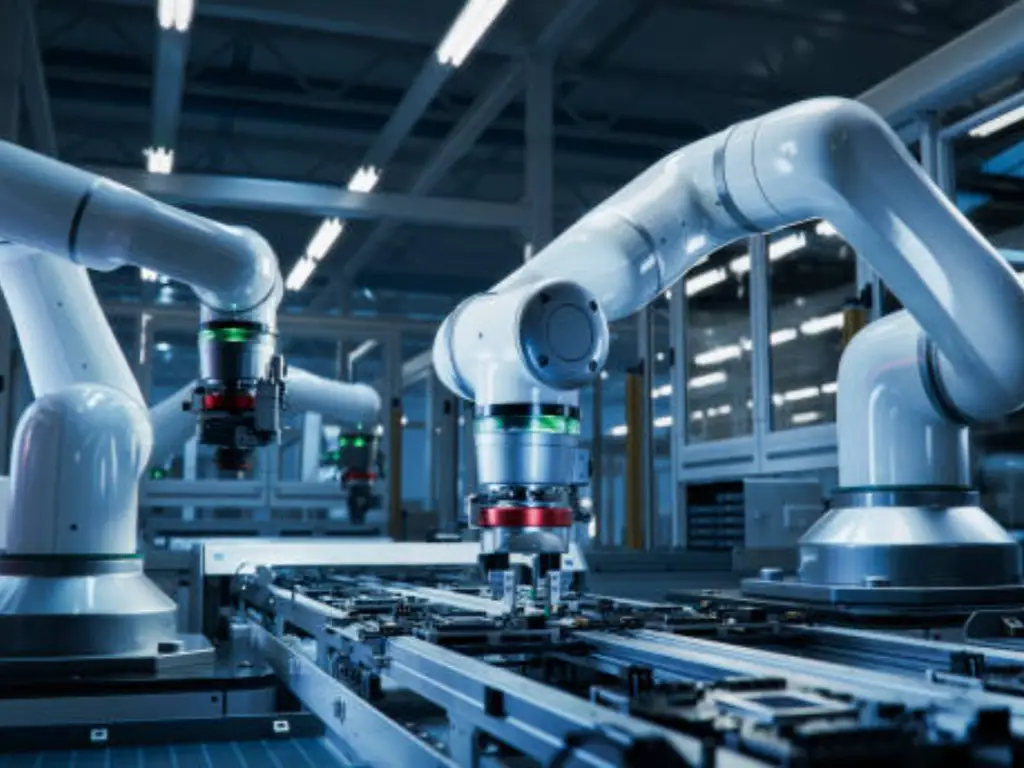
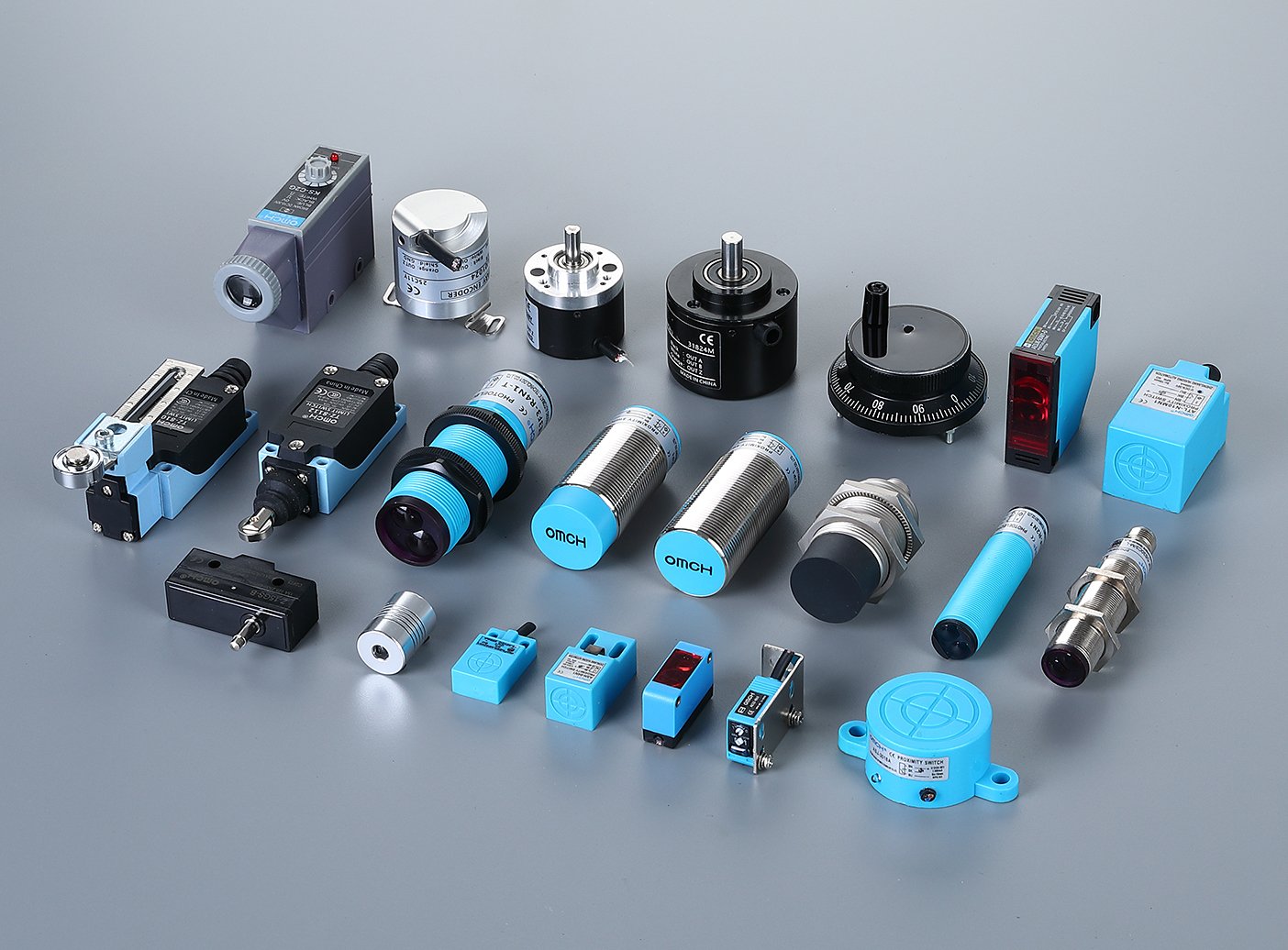
The factory floor has evolved into a highly orchestrated digital ecosystem in the landscape of 2026, as opposed to a series of mechanical actions. At the heart of this transformation are factory automation sensors. These machines are no longer switches that say that there is an object, but the eyes, ears and nervous system of modern manufacturing. They are important in the productivity of industrial production since they are the main source of information for the whole business.
Programmable Automation Examples: A Comprehensive Guide to Modern Manufacturing
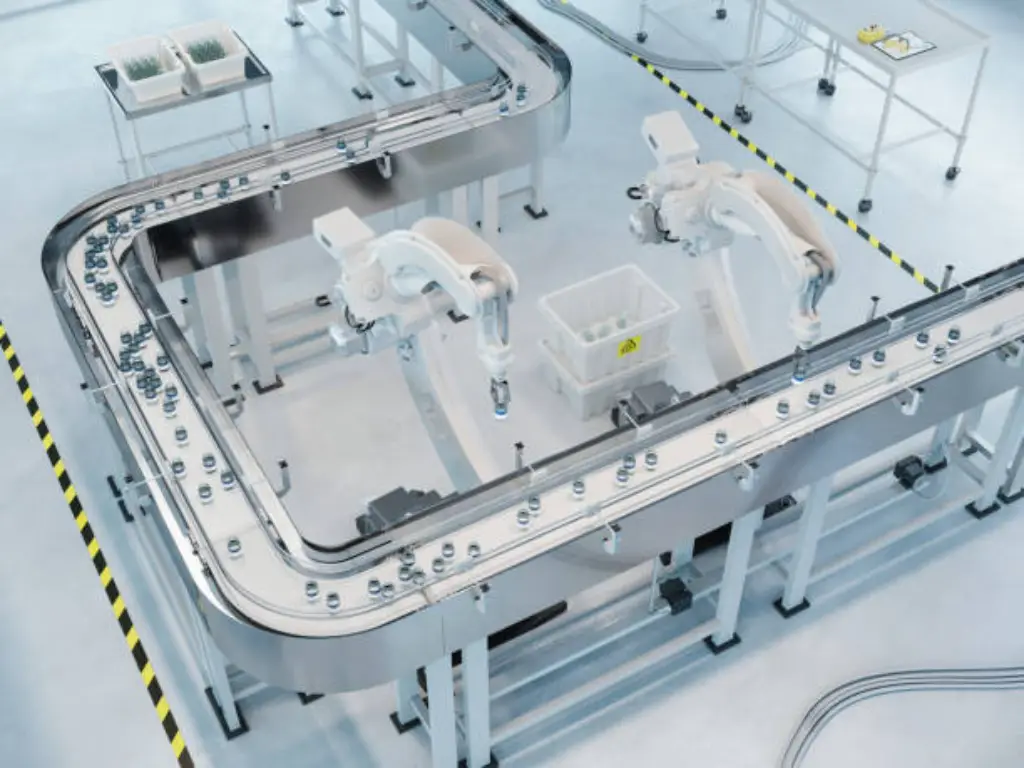
What is Programmable Automation? Programmable automation is a type of automation system where the production equipment is controlled by a computer program that can be rewritten to accommodate different tasks and different products. Unlike fixed automation, it allows for high-mix production with minimal human intervention, making it essential for the modern manufacturing process.
Discover 5 Real-World Fixed Automation Examples Today
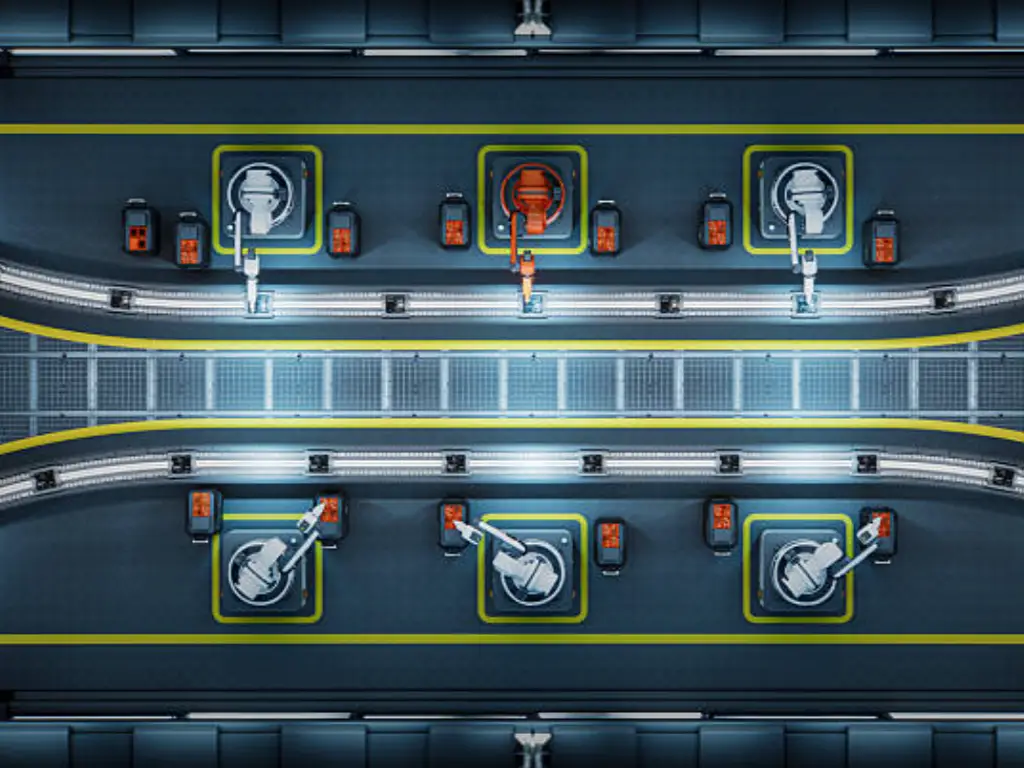
The pursuit of efficiency in the context of the modern industrial evolution has shifted from a competitive advantage to a necessity for survival. The core of this change is industrial automation, and more specifically, fixed automation, commonly known as “hard automation.” Although the modern industrial manufacturing trend tends toward “flexible” and “robotics,” analyzing a clear fixed automation example shows why it remains the unquestioned monarch of high-volume, low-variety production. Understanding your specific production needs is the first step in determining if this type of automation is the right fit for your facility.
7 Real-World Discrete Manufacturing Examples You Should Know
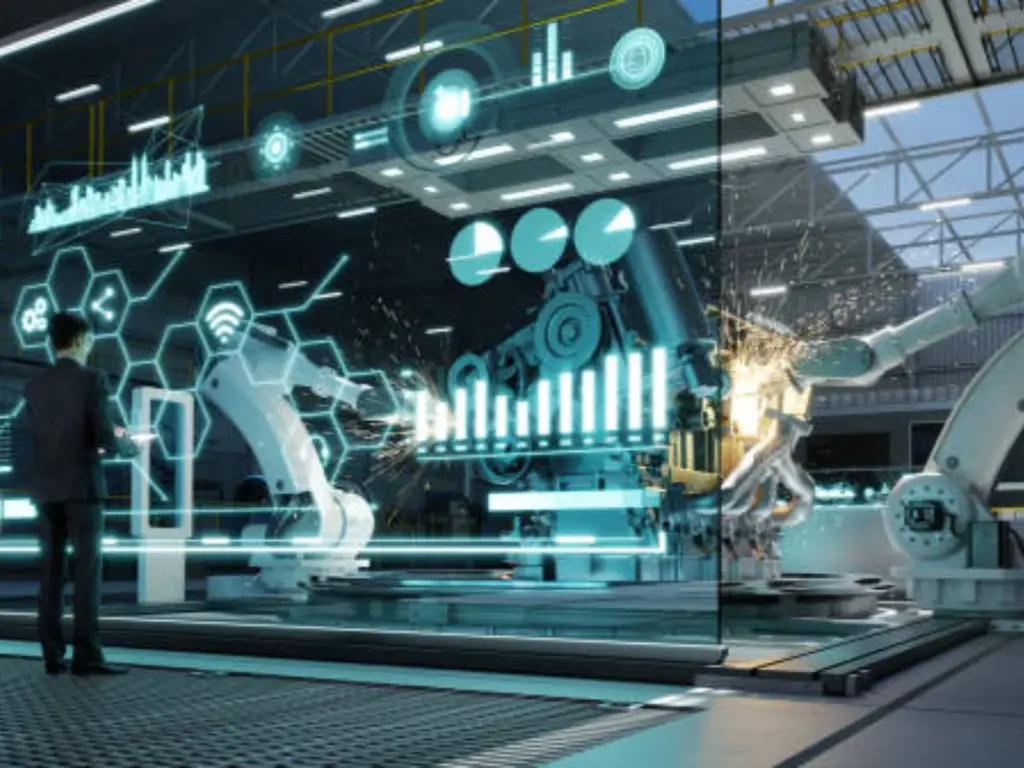
Across various industries, the world manufacturing environment is experiencing a seismic change. By the year 2026, the line between conventional production and the “smart” industrial ecosystem has been blurred. At the heart of this evolution lies the discrete manufacturing process—a sector responsible for nearly everything we touch, from the smartphones in our pockets to the electric vehicles on our streets.
Discrete Manufacturing vs Process Manufacturing: A Strategic Comparison
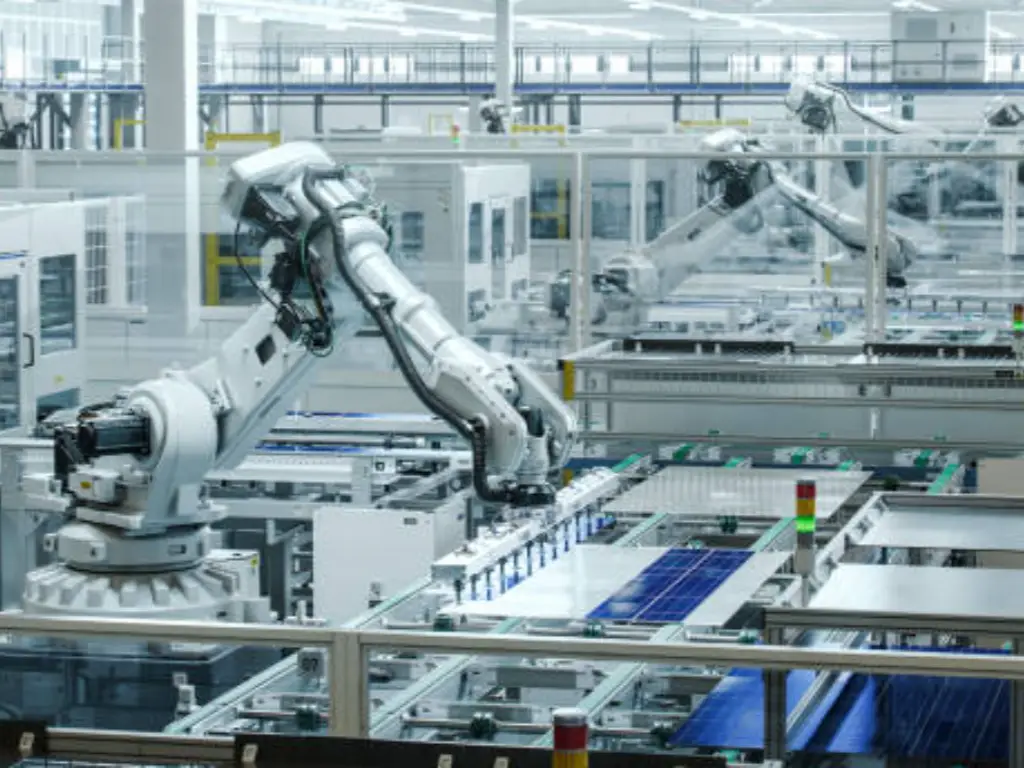
In the complex ecosystem of global production, the distinction between Discrete Manufacturing and Process Manufacturing serves as the foundational architecture for every operational decision. Whether a company is assembling high-tech aerospace components or refining specialty chemicals, the choice of type of manufacturing dictates everything from the floor layout and software stack to the financial reporting and supply chain management strategy. Understanding the core differences of discrete vs process manufacturing is essential for optimizing these workflows.
Normally Open vs Normally Closed: Key Differences Explained
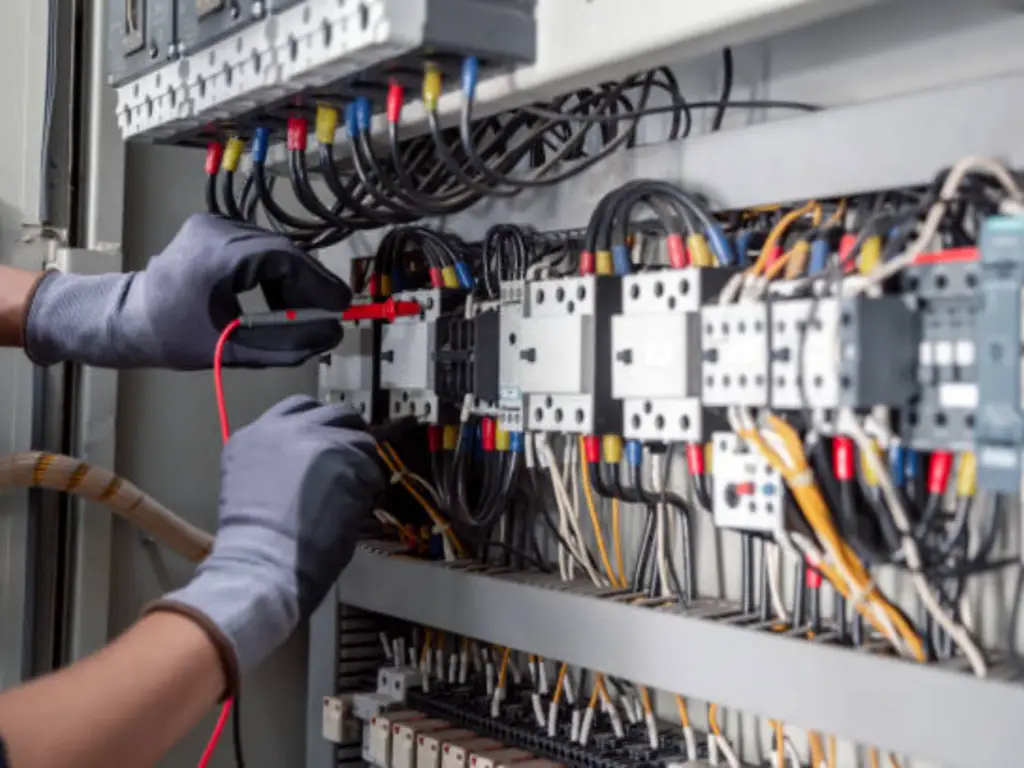
In the world of electrical engineering and industrial automation, everything boils down to a binary choice: is the circuit on, or is it off? This may sound easy, but it is the reasoning behind getting there, and it is what happens when the machine malfunctions that is what makes the difference between a factory that runs smoothly and a catastrophic safety failure.
Smart Manufacturing Benefits: Transform Your Business Today
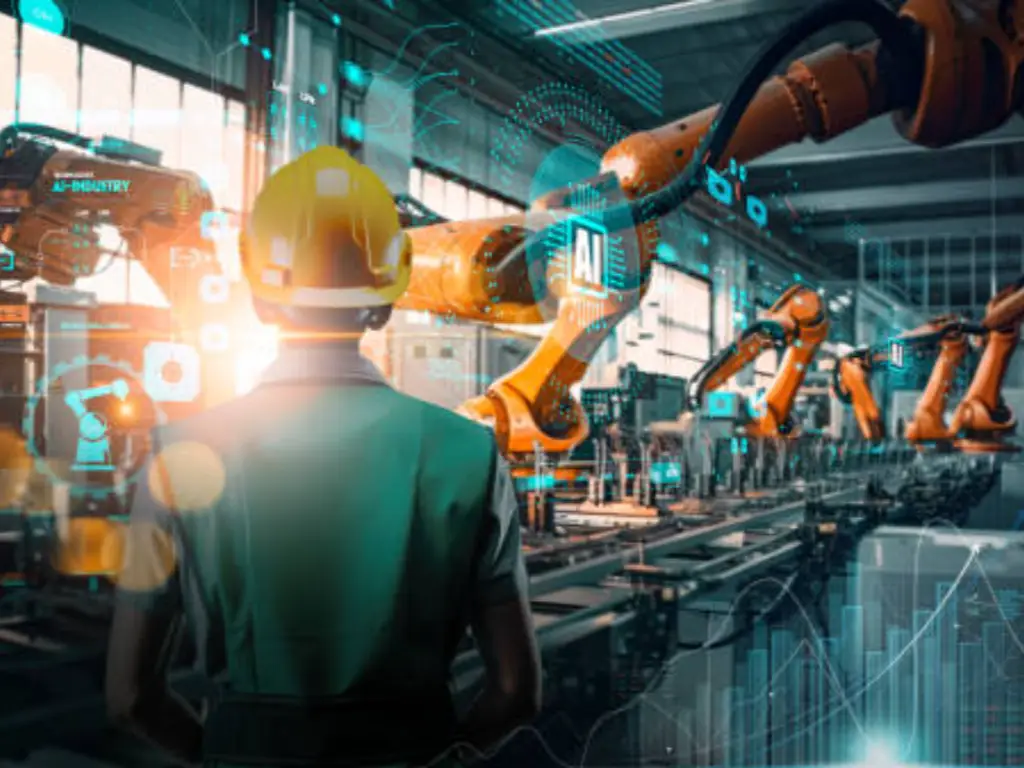
The manufacturing industry in 2026 is no longer characterized by the world as a place of mere mechanization or the mere introduction of robotics. In an era where volatile energy costs and persistent labor shortages have become the new normal, traditional, passive production models are no longer just an “inefficiency” problem—they are a matter of […]
 English
  Arabic
  Turkish
  Russian
  Spanish
  French
  Indonesian
  Portuguese