





What Is Discrete Manufacturing? The Definitive Guide to Models and Methods
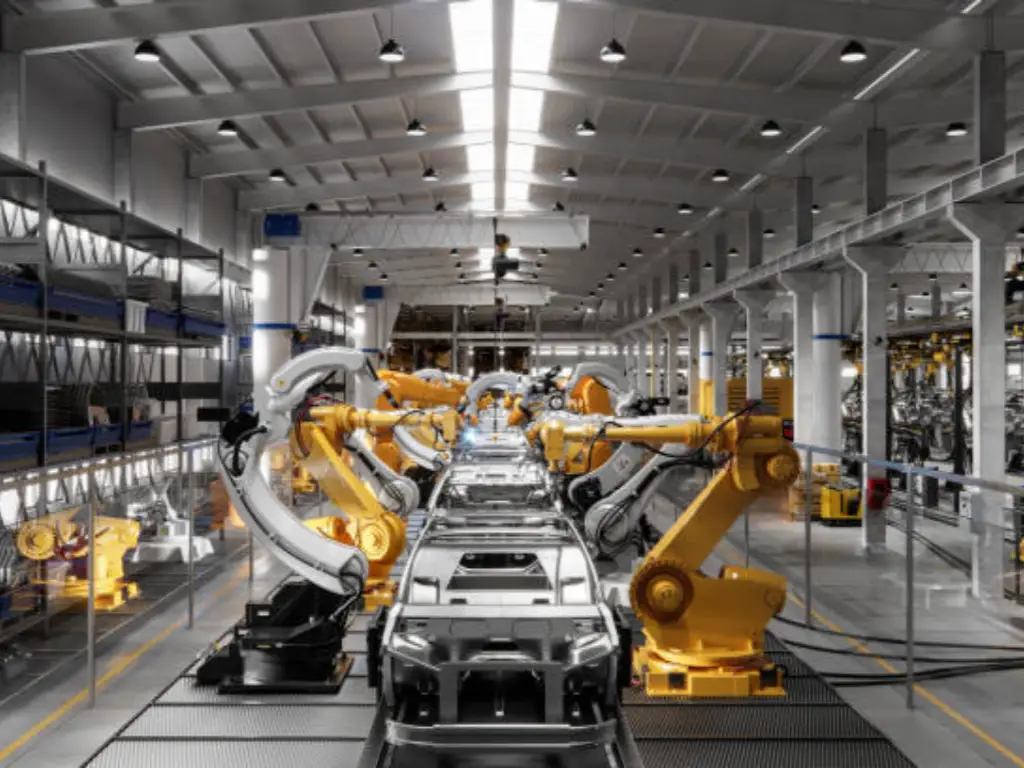
Within the huge ecosystem of industrial production, words are used interchangeably and this has caused confusion among the stakeholders, investors and even operations managers. Nevertheless, there is one difference that is the most important: the gap between producing separate, physical objects and developing blends. Discrete manufacturing meaning lies at the core of the former, representing a type of manufacturing that focuses on the creation of distinct items.
Automated Material Handling: A Comprehensive Guide from Basics to Strategy
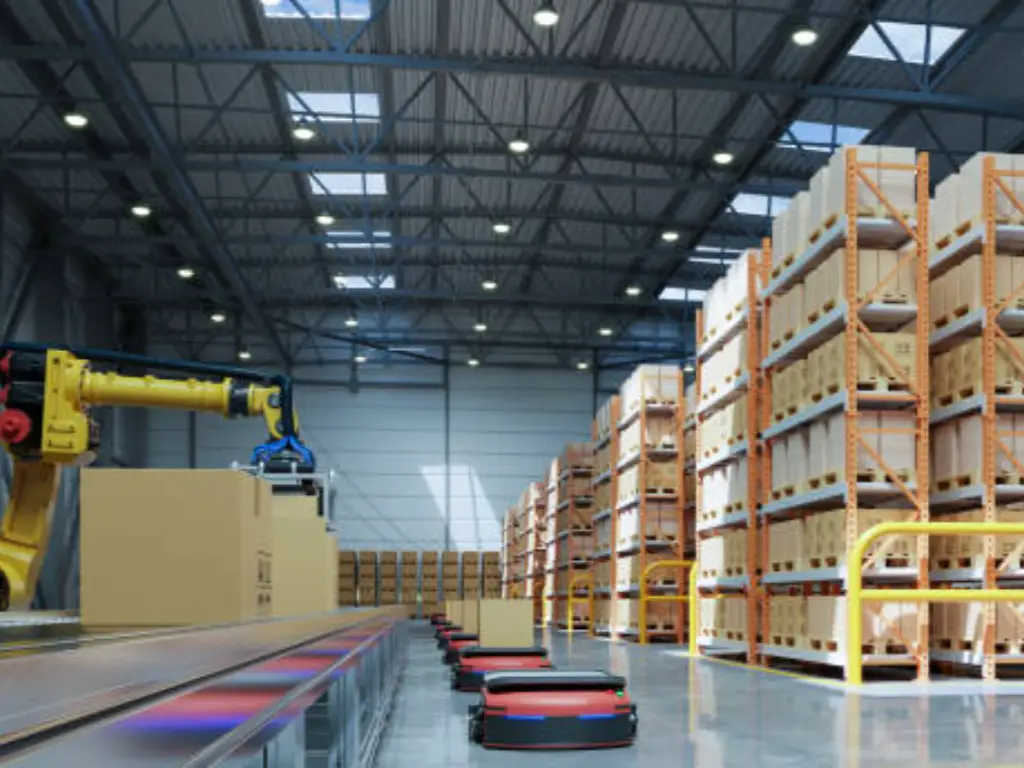
The movement of goods in the industrialized world of 2026 has ceased to be a back-of-house logistical requirement and has become a critical, front-line competitive requirement. Material handling automation is no longer a luxury of the Fortune 500 companies; it is a must-have of any business that intends to survive in the era of labor instability, e-commerce that is moving at a scorching speed, and the never-ending pursuit of operational efficiency.
What is Programmable Automation? The Guide to Modern Manufacturing
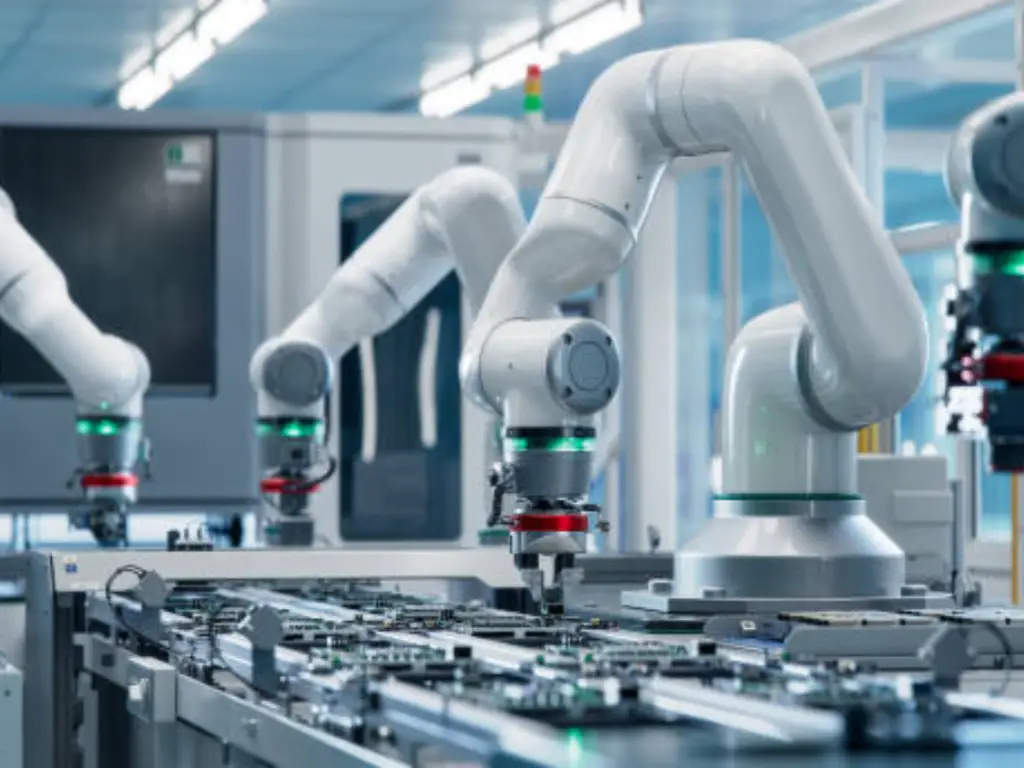
The landscape of modern manufacturing is no longer a monolith of clanking gears and rigid assembly lines. With the changing consumer needs to be more personalized, and the product life cycle becoming shorter, the manufacturing industry has changed to a paradigm that balances the sheer power of mass production of identical items and the flexibility of custom engineering. The core of this revolution is industrial automation in its programmable form, which is a key to the future of manufacturing.
The Fixed Automation Strategy: Achieving Peak Efficiency in Mass Production
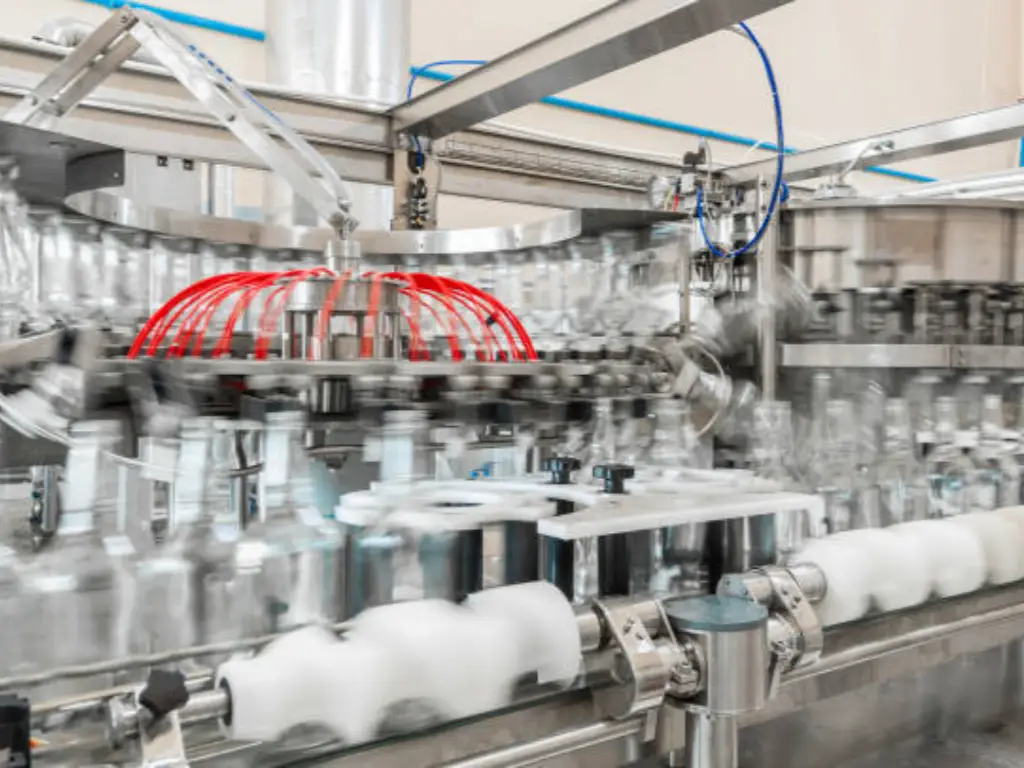
The concept of automation has evolved into a luxury of the future to a necessity of survival in the unstoppable pursuit of industrial perfection. However, not all automation is equal. Even though the modern spotlight is on collaborative robots and AI-driven flexibility, there is a titan of the industry that pushes the most demanding supply chains in the world: Fixed Automation. This method, also known as hard automation, is the basis of high-volume production, which offers some level of throughput and cost-efficiency that flexible systems simply cannot match. It is the best option to global leaders who want high production rates by streamlining the manufacturing process to achieve maximum speed.
What is Smart Manufacturing? A Guide to Future-Ready Factories
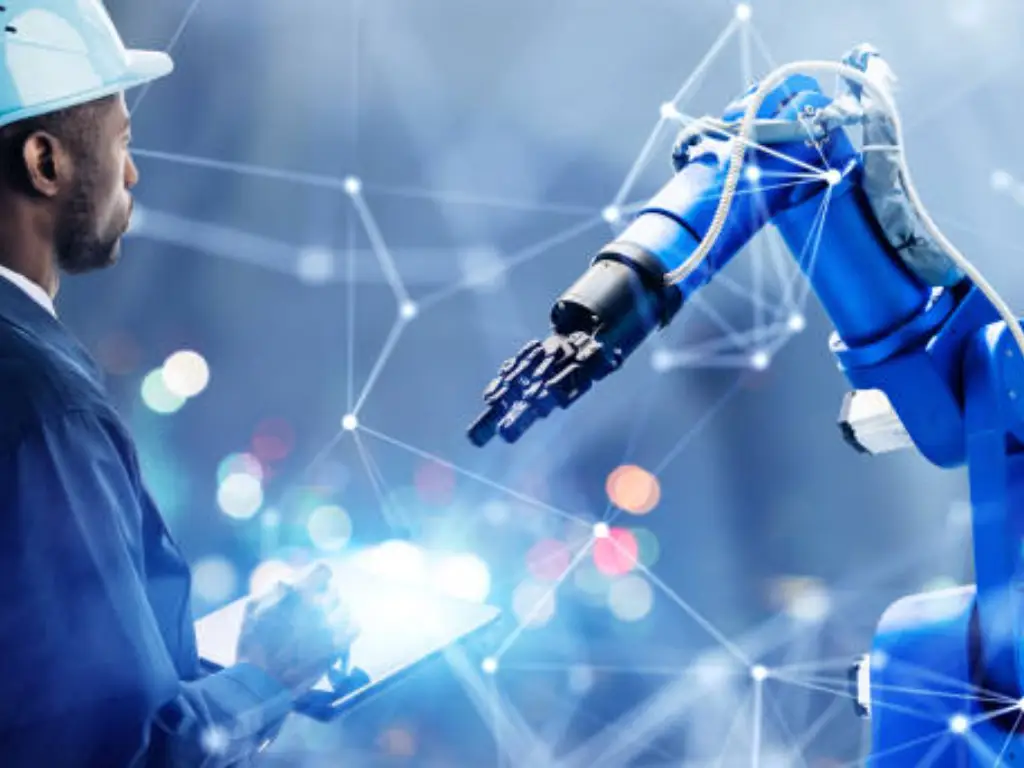
The global industrial landscape is currently navigating a pivotal transition. If the last decade was defined by the crude connectivity of the fourth industrial revolution, 2026 is the year we witness the maturation of intelligent manufacturing into its next stage: Industry 5.0. No longer a buzzword reserved for tech giants, these smart technologies have become the baseline for survival in a manufacturing industry characterized by supply chain volatility, labor shortages, and aggressive sustainability mandates.
Mastering Photoelectric Sensor Applications: A Complete Industrial Use Case Guide
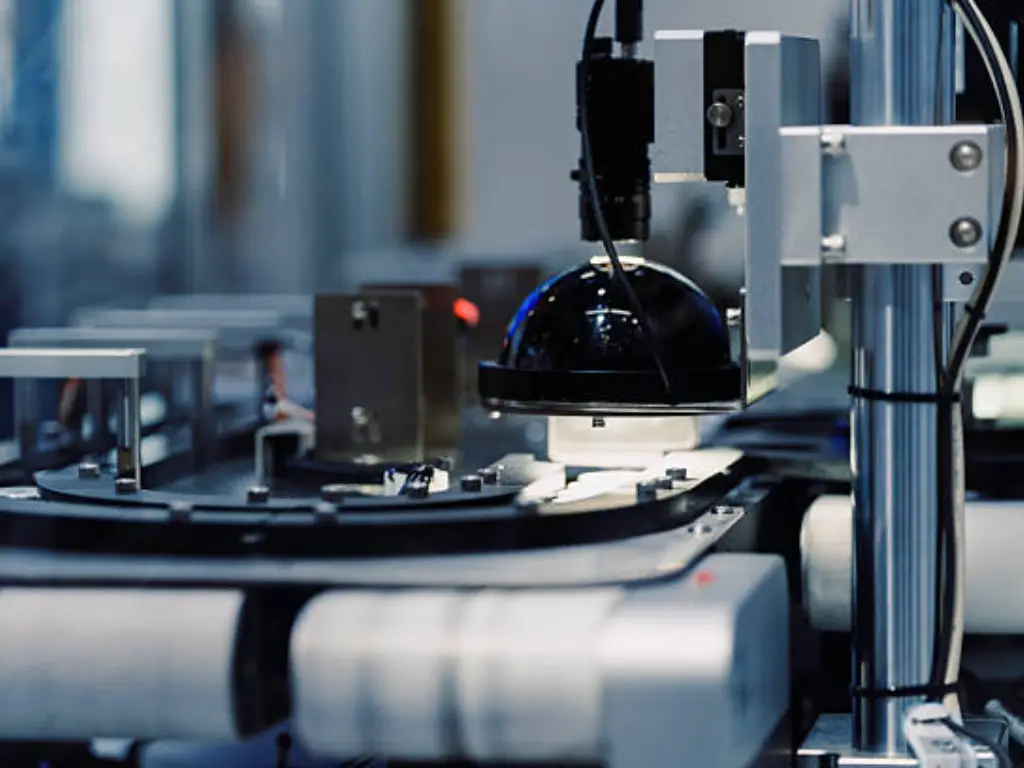
The capacity to identify, enumerate, and find objects with absolute accuracy is the most important factor in the dynamic nature of industrial automation to ensure that accurate results and efficiency of operations are achieved. Photoelectric sensors are now the eyes of the modern factory, and they take advantage of the characteristics of light to achieve contactless object recognition over a long distance and in unfavorable environments. The use of these sensors is unmatched, whether it is in making sure that a bottle is filled to the last millimeter in a beverage plant or the work of a robotic arm in the automotive industry, as they are utilized across a wide range of industries. This guide provides a comprehensive deep dive into the operational modes, industry-specific use cases, and strategic selection criteria necessary to master these essential automation components.
Photoelectric Sensor Working Principle: A Complete Guide to How it Works

With the fast changing environment of Industry 4.0, advancement of science and the advent of computers have essentially transformed the manufacturing floor. Sensors are the eyes of the modern factory today and one of the most versatile sensors is the type of sensor referred to as the photoelectric sensor. These optical sensors are a necessity in industrial automation and they offer the ease of control and accuracy needed to do complex tasks. To select the most suitable photoelectric sensor to use in a particular application, it is important to know the various types of photoelectric sensors in the market and how these devices operate.
What Is Photoelectric Sensor: Basics You Need to Know
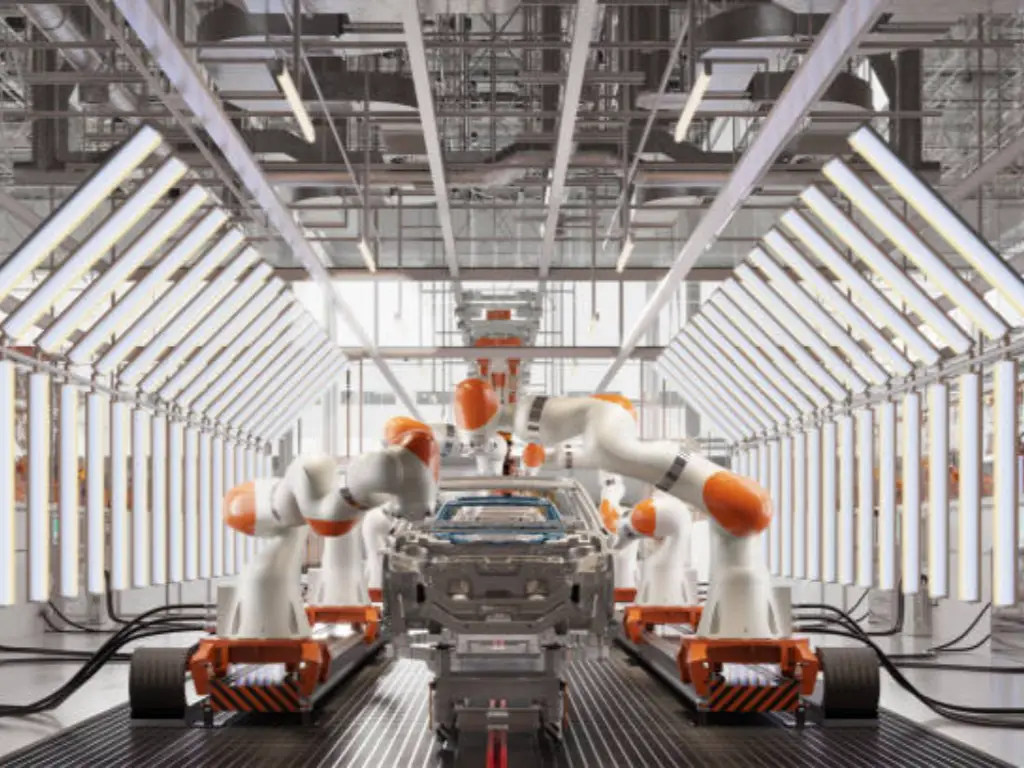
In the rapidly evolving landscape of industrial automation in 2026, the ability to “see” and “sense” with precision is the heartbeat of any smart factory. Whether it is a high-speed packaging line in Munich or a precision semiconductor assembly in Shenzhen, the photoelectric sensor remains the most versatile tool in an engineer’s arsenal across different applications.
What is a Reed Relay? The Complete Engineering Guide
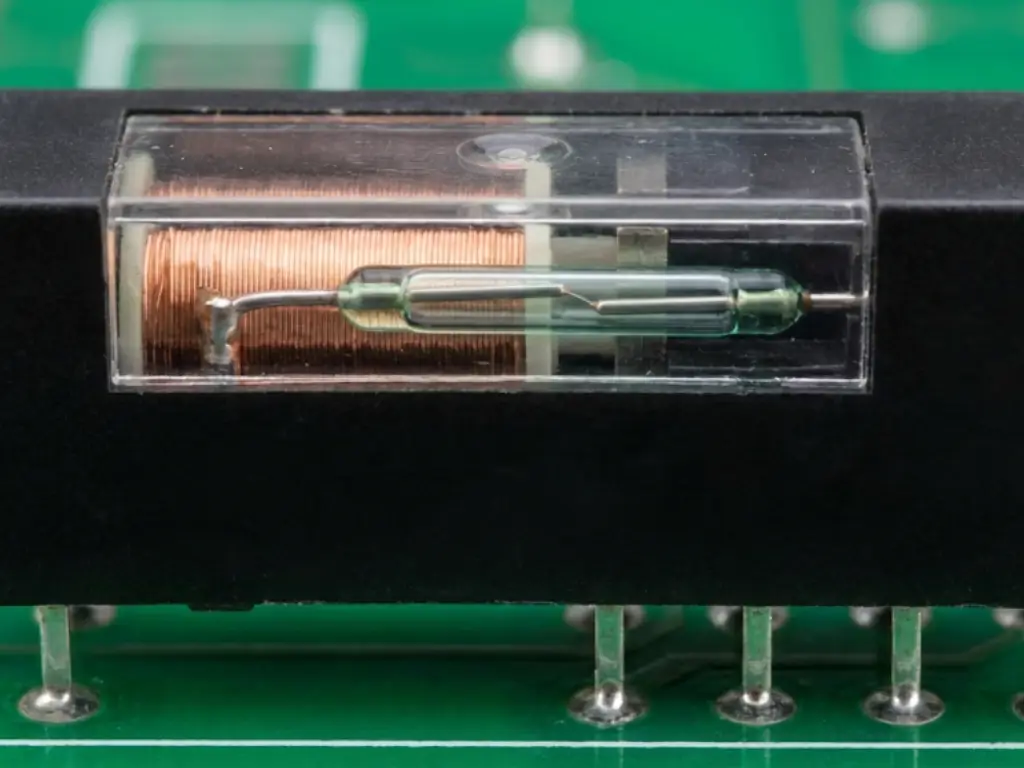
The what is a reed relay question is increasingly relevant in the fast-changing world of 2026 electronics, where solid-state devices are often the primary topic of discussion. Although it may appear at first sight to be an antique technology—having been first invented by John Moore and others in the 1930s—it possesses a mechanical simplicity and hermetic seal protection that has made it an indispensable core component of a reed relay system that cannot be replaced in high-precision applications.
Mastering Rotary Encoder Applications: Industry Use Cases and Selection Strategies
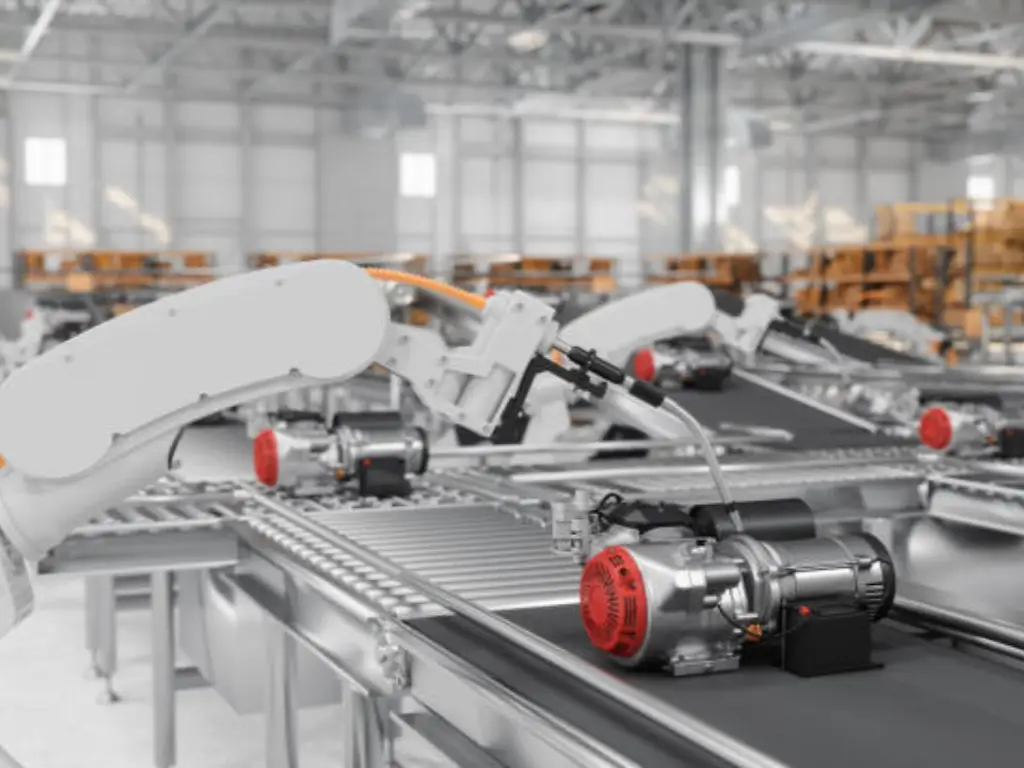
In the sophisticated landscape of modern industrial automation, high precision is the currency of success. It does not matter whether it is the microscopic motion of a surgical robot or the huge rotation of a wind turbine, the possibility to follow the movement of a rotating shaft with the highest accuracy is the most important. At the heart of this capability lies the rotary encoder. As an electromechanical device that converts the angular position or motion of a shaft or axle into analog or digital output signals, the rotary encoder serves as the “eyes and ears” of motion control systems across diverse mechanical systems.
 English
  Arabic
  Turkish
  Russian
  Spanish
  French
  Indonesian
  Portuguese