



إذا كنت تعمل في مجال تصنيع المعدات الصناعية، أو تصميم لوحات التحكم، أو توريد المكونات لإنتاج المعدات الأصلية (OEM)، فمن شبه المؤكد أنك قد صادفت سلسلتي LRS وRSP من Mean Well. فهما أكثر مزودي الطاقة المغلقة شيوعًا للمقارنة في كتالوج Mean Well — ولأسباب وجيهة. فإحداهما هي الخيار الاقتصادي الفعال الذي يزود طاقة لعدد لا يحصى من الآلات في جميع أنحاء العالم. والأخرى هي السلسلة المتميزة الغنية بالميزات التي تتولى تشغيل كل شيء بدءًا من القطع بالليزر وصولاً إلى حوامل الخوادم.
لكن الاختيار بينهما ليس بهذه البساطة التي تقتصر على “اشترِ الأفضل إذا كنتَ قادراً على تحمل تكلفته”. فالإجابة الصحيحة تعتمد على متطلباتك من حيث القدرة الكهربائية، والالتزامات التنظيمية المحلية، و—كما سنناقش بالتفصيل—بعض بيانات الموثوقية المستمدة من الاستخدام الفعلي والتي لا تظهر في أي ورقة بيانات.
فهم السلسلتين — ما هي LRS وRSP في الواقع؟
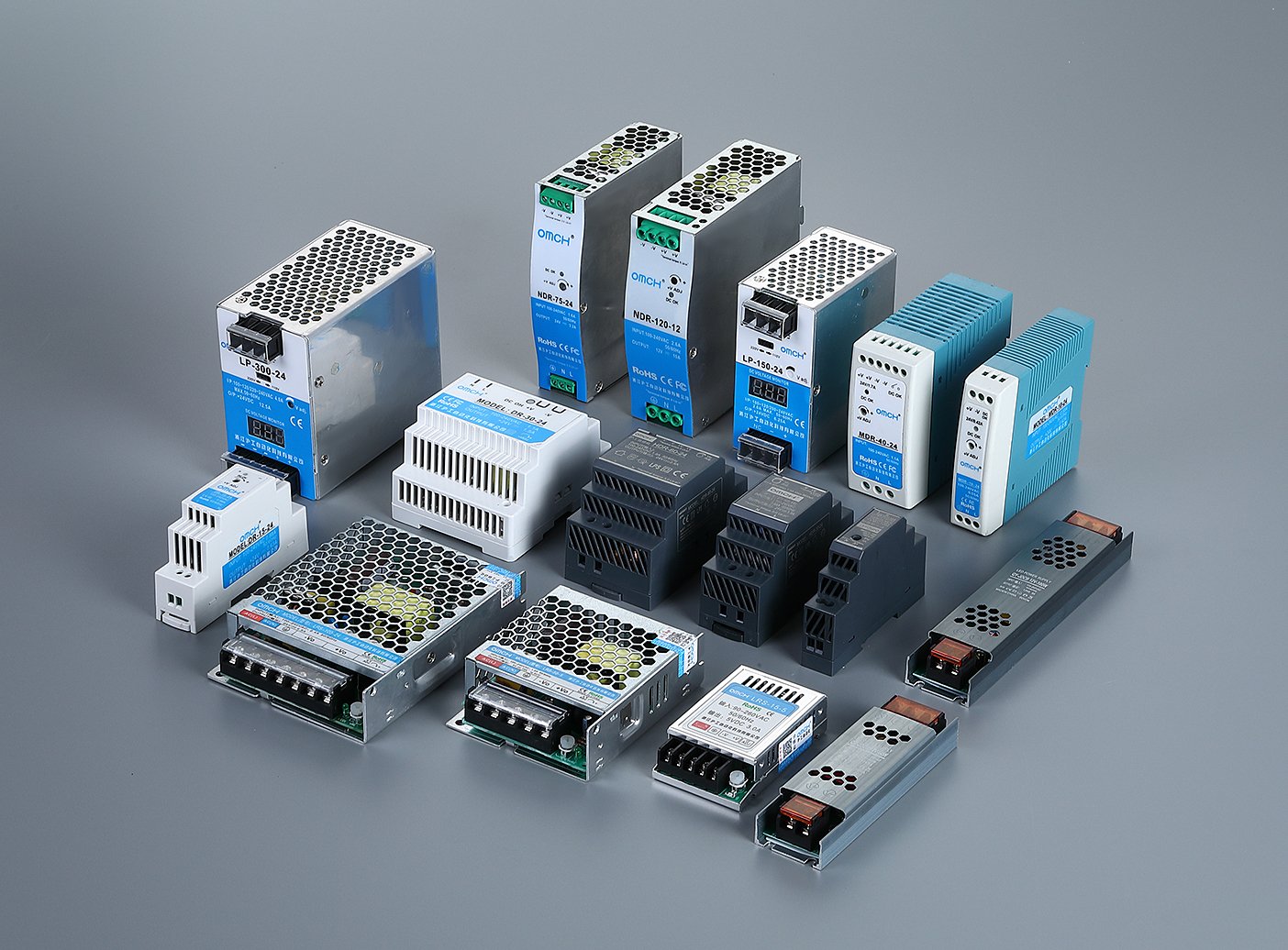
تنتمي كل من سلسلتي LRS وRSP إلى عائلة مزودات الطاقة المغلقة من Mean Well. وتشترك السلسلتان في الوظيفة الأساسية نفسها: تحويل طاقة التيار المتردد من الشبكة إلى خرج تيار مستمر مستقر للمعدات الصناعية. لكنهما تقعان في طرفي نقيضين من استراتيجية منتجات Mean Well.
تخيل الأمر كما لو كان تشكيلة سيارات تويوتا. طراز LRS هو بمثابة سيارة «كورولا» — ميسورة التكلفة، وبسيطة، وموثوقة، وذلك تحديدًا لأن احتمالات تعطلها أقل. أما طراز RSP فهو بمثابة سيارة «لكزس» — أكثر قوة، ومزود بميزات عديدة، ومصمم للاستخدامات الصعبة التي يكون فيها الأداء أكثر أهمية من التكلفة الأولية.
- الفئة الاقتصادية — تصميم مُحسَّن من حيث التكلفة
- نطاق الطاقة القياسي: 35 واط – 350 واط
- غير PFC — أبسط بنية
- التبريد بالحمل الحراري الطبيعي (أقل من 200 واط)
- من الفئة المتوسطة إلى الفئة العالية — منصة متكاملة الميزات
- 75 واط – 3,000 واط، تصل إلى 9,000 واط عند التوصيل بالتوازي
- PFC نشط (PF >0.97)
- التحكم عن بُعد، البرمجة، التوازي
أكبر فرق تقني على الإطلاق — وهو الذي يستبعد نظام LRS كخيار في بعض السيناريوهات — هو تصحيح معامل القدرة. ومن هنا يجب أن تبدأ أي مقارنة جادة.
الاختلافات التقنية الأساسية — تصحيح عامل القدرة (PFC)، والكفاءة، وأداء الطاقة
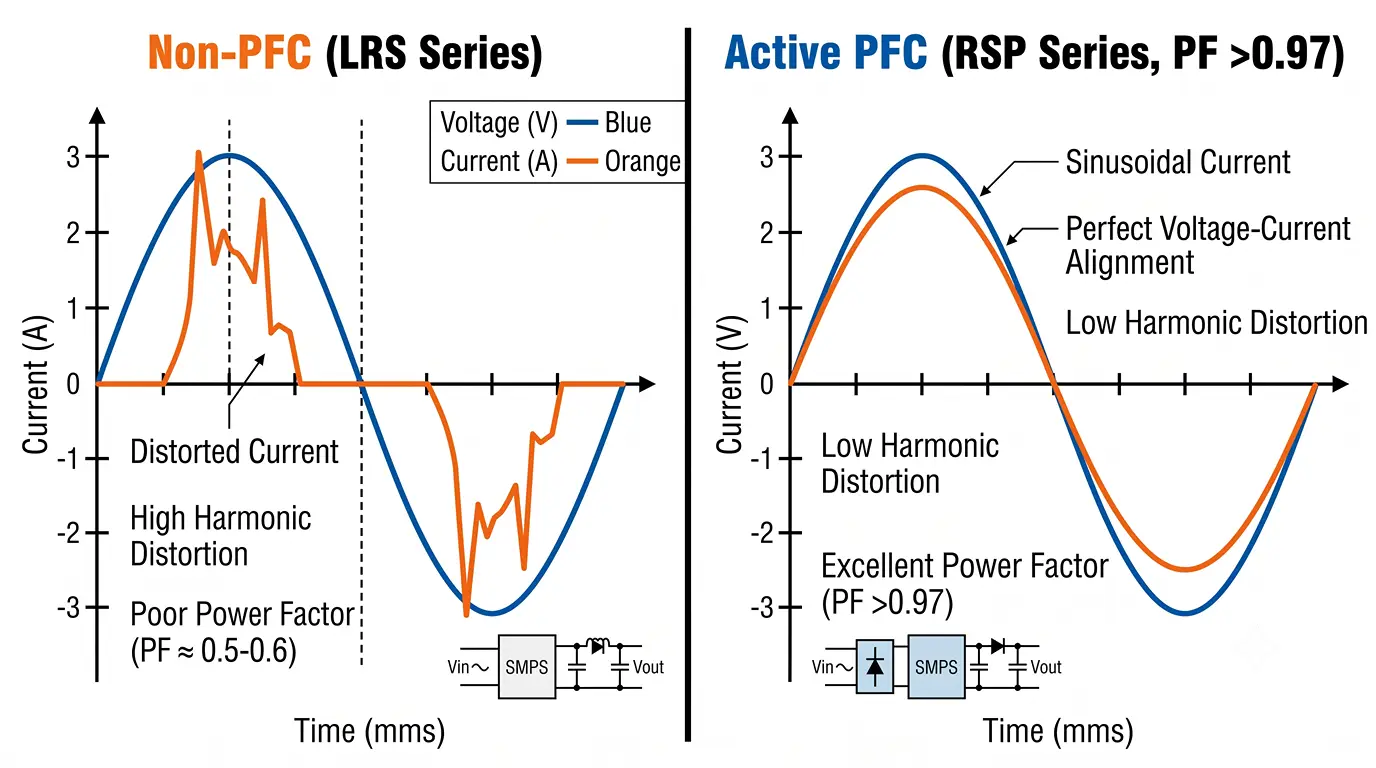
قبل الخوض في التفاصيل الفنية لكل خيار على حدة، إليكم إطار العمل الذي يساعد في حسم ما يقارب 80% من سيناريوهات الاختيار بين LRS وRSP: PFC هو المرشح الأول. إذا كان تطبيقك يتطلب تصحيح معامل القدرة — سواء كان ذلك للامتثال للوائح التنظيمية أو لأسباب تتعلق بالبنية التحتية الكهربائية — فإن نظام LRS لا يُعد خيارًا، مهما بدا سعره مغريًّا. أما إذا لم يكن تصحيح معامل القدرة مطلوبًا، فإن نظام LRS سيكون الخيار الأفضل من حيث القيمة في معظم الأحيان.
PFC والكفاءة — العامل الحاسم في معظم الحالات
يُعد تصحيح معامل القدرة أكثر العوامل تمييزًا بين هاتين السلسلتين، وهو في الوقت نفسه أكثرها عرضةً لسوء الفهم. يخلط العديد من المشترين بين تصحيح معامل القدرة (PFC) والكفاءة أو جودة الخرج، لكن تصحيح معامل القدرة ليس أيًّا منهما. فهو مقياس لمدى نظافة استهلاك وحدة تزويد الطاقة للتيار من شبكة التيار المتردد — وبالتحديد، مقدار التشويه التوافقي الذي تعيده إلى الشبكة الكهربائية.
تستخدم سلسلة LRS تصميمًا غير مزود بتقنية PFC. ويكون شكل موجة تيار الدخل غير خطي، مع معامل قدرة يبلغ حوالي 0.65. وهذا كافٍ تمامًا للأجهزة المستقلة في المناطق التي لا توجد بها لوائح صارمة بشأن التوافقيات. وعلى النقيض من ذلك، تتضمن سلسلة RSP دوائر PFC نشطة تعمل على تشكيل تيار الدخل بحيث يتبع شكل موجة الجهد عن كثب، مما يحقق معامل قدرة يتراوح بين 0.97 و0.99.
فيما يتعلق بالكفاءة، فإن الفارق حقيقي لكنه طفيف. يحقق طراز LRS-350-24 كفاءة تبلغ حوالي 87.5% عند مدخلات 230 فولت تيار متردد و86% عند 115 فولت تيار متردد. أما طراز RSP-320-24 فيصل إلى حوالي 90%. ويُعد هذا الفارق الذي يتراوح بين 2 و4 نقاط مئوية مهمًا على نطاق واسع — فالمصنع الذي يشغّل عشرات وحدات تزويد الطاقة على مدار الساعة طوال أيام الأسبوع سيحقق وفورات ملحوظة في الطاقة باستخدام طراز RSP — لكن بالنسبة لمعظم التطبيقات التي تستخدم وحدة واحدة، نادرًا ما تبرر فجوة الكفاءة وحدها الفارق في السعر.
هناك تفصيل واحد غير متوقع: تستهلك دائرة PFC في RSP تيارًا في وضع الاستعداد حتى عندما يكون المخرج خاملاً، مما يعني أن استهلاكها للطاقة في حالة عدم التحميل أعلى فعليًّا من LRS (الذي يستهلك أقل من 0.75 واط في وضع الخمول عبر السلسلة بأكملها). إذا كان التطبيق الخاص بك يقضي وقتًا طويلاً في وضع الاستعداد، فإن LRS هو الخيار الأكثر توفيرًا للطاقة.
نطاق الطاقة، والتذبذب، وجودة الخرج
إذا كان مرشح PFC هو المرشح الأول، فإن متطلبات الطاقة تأتي في المرتبة الثانية. تتراوح سلسلة LRS بين 35 واط و350 واط في نطاقها القياسي، مع توفر طرازات موسعة بقدرة 1,200 واط في بعض الأسواق. تبدأ سلسلة RSP من 75 واط وتصل إلى 3,000 واط لكل وحدة — مع دعم التشغيل المتوازي لثلاث وحدات في الطرازات التي تبلغ قدرتها 1,000 واط فأكثر، مما ينتج عنه إجمالي يصل إلى 9,000 واط.
بالنسبة للزوج الأكثر شيوعًا في المقارنات — LRS-350-24 (350 واط، 24 فولت، 14.6 أمبير) وRSP-320-24 (320 واط، 24 فولت، 13.3 أمبير) — تُروي الأرقام قصة مثيرة للاهتمام:
يقدم RSP خرجًا أنظف — تموج يبلغ 150mVp-p مقابل 200mVp-p في LRS — وهو أمر مهم للدوائر التناظرية الحساسة للضوضاء. ولكن هناك فارقًا دقيقًا نادرًا ما يظهر في مقالات المقارنة: يمكن أن تنتج بنية التردد المزدوج في RSP (مرحلة PFC التي تعمل بتردد 80 كيلوهرتز تقريبًا ومرحلة PWM التي تعمل بتردد 65 كيلوهرتز تقريبًا) ترددات تشكيل متبادل تبلغ حوالي 15 كيلوهرتز. في الأنظمة التناظرية الدقيقة التي تعمل في النطاق من التيار المستمر إلى 50 كيلوهرتز، قد يؤدي هذا الناتج التداخل الترددي في الواقع إلى إدخال ضوضاء ذات تردد منخفض أكثر من تصميم LRS الأبسط أحادي التردد. بالنسبة للتطبيقات الدقيقة التي تقل قوتها عن 75 واط، حيث لا يكون PFC إلزاميًا، يمكن لـ LRS، بشكل متناقض، تقديم نتائج أنظف.
الميزات المتقدمة — ما تقدمه RSP ولا تقدمه LRS
القدرات الإضافية التي يتمتع بها نظام RSP ليست مجرد تحسينات تجميلية. فكل واحدة منها تتوافق مع سيناريو صناعي محدد. والسؤال هو: هل ينطبق تطبيقك فعليًّا على أي من تلك السيناريوهات؟ — لأنه إذا لم يكن الأمر كذلك، فأنت تدفع مقابل وظائف ستبقى دون استخدام داخل العلبة.
التحكم عن بُعد والاستشعار عن بُعد — عندما تحتاج إلى إدارة الطاقة عن بُعد
تتيح ميزة التحكم عن بُعد في التشغيل/الإيقاف استخدام إشارة تيار مستمر (DC) خارجية لتبديل خرج وحدة تزويد الطاقة دون الحاجة إلى التبديل المادي لمدخل التيار المتردد (AC). تتوفر هذه الميزة في الطرازات RSP-75 وRSP-100 وRSP-150 وRSP-500. ومن الأمثلة العملية على استخدامها خطوط الإنتاج الآلية، حيث يحتاج جهاز التحكم المنطقي القابل للبرمجة (PLC) المركزي إلى تنظيم تسلسل تشغيل أو إيقاف وحدات تزويد الطاقة الفردية كجزء من عملية منسقة. أما إذا كان التطبيق الخاص بك عبارة عن آلة قائمة بذاتها مزودة بمفتاح تشغيل يدوي، فإن هذه الميزة لا تضيف أي قيمة.
تتصدى تقنية «Remote Sense» — المتوفرة في طراز RSP-500 وجميع الطرازات ذات القدرة الكهربائية الأعلى — لمشكلة مختلفة. فعندما يكون مزود الطاقة موجودًا داخل خزانة التحكم ويمر تياره المستمر عبر عدة أمتار من الكابل للوصول إلى الحمل الفعلي، تتسبب مقاومة الكابل في انخفاض الجهد. فقد يصل الجهد الناتج من مزود طاقة 24 فولت إلى 23.2 فولت فقط عند طرف الحمل. تضيف تقنية «الاستشعار عن بُعد» زوجًا من أسلاك الاستشعار الرفيعة التي تراقب الجهد مباشرةً عند أطراف الحمل. ويقوم مزود الطاقة تلقائيًّا بزيادة خرجه لتعويض انخفاض الجهد الناتج عن الكابل، مما يضمن حصول الحمل على الجهد المقنن بالضبط.
وهذه الميزة ذات قيمة حقيقية في حالات توزيع المعدات — فكر مثلاً في نظام ناقل طويل حيث يقوم مصدر طاقة واحد بتزويد أجهزة الاستشعار والمحركات المنتشرة على مسافة 10 أمتار بالطاقة. أما في حالة الآلة المدمجة التي يوجد فيها مصدر الطاقة على بعد سنتيمترات قليلة من الحمل، فإن هذه الميزة لا أهمية لها. وكما قال أحد المشاركين في منتدى “Aussie Christmas Lighting”: «ما لم تكن تسافر حول العالم مع شاشة العرض الخاصة بك، فلا أرى داعياً لدفع هذا المبلغ الإضافي».”
برمجة الخرج، والتشغيل المتوازي، والحد من التيار الثابت
في الطرف الأعلى من نطاق RSP، هناك ثلاث ميزات تميزه باعتباره منصة ذات مستوى صناعي وليس مجرد وحدة تزويد طاقة:
برمجة جهد الخرج (وظيفة PV) — متوفرة في طراز RSP-750 وما فوق — تتيح استخدام إشارة تحكم خارجية بجهد 2–5.5 فولت تيار مستمر (VDC) لضبط جهد الخرج في الطرازات من 40% إلى 110% وفقًا للقيمة الاسمية. ويُعد هذا الأمر مهمًا في أنظمة الاختبار والقياس التي يتعين فيها على مصدر الطاقة محاكاة ظروف إدخال متفاوتة، وكذلك في معدات الليزر التي يتم فيها تعديل طاقة الخرج وفقًا لجهد الإمداد.
التشغيل المتوازي — متوفر في طرازات RSP-1000 وRSP-1600 وRSP-2000 وRSP-3000 — يتيح لتسعة وحدات كحد أقصى تقاسم التيار بالتساوي، مما يوفر طاقة تصل إلى 9,000 واط. وهذه سعة كنت ستحتاج، لولا ذلك، إلى الحصول عليها من مصدر طاقة صناعي أحادي الوحدة أكثر تكلفة بكثير.
تحديد التيار الثابت — وهي ميزة حصرية لطرازات RSP-75 وRSP-100 وRSP-150 — تجعل هذه الطرازات الأصغر حجمًا من سلسلة RSP مناسبة لتطبيقات شحن البطاريات ومحركات مصابيح LED، حيث يُعد تنظيم التيار أكثر أهمية من دقة الجهد.
توفر إشارة DC OK (المتوفرة في طراز RSP-750 والإصدارات الأحدث) مخرجًا بنظام TTL أو مخرجًا عبر مرحل يشير إلى ما إذا كان مزود الطاقة يعمل ضمن المعايير العادية — وهي نقطة رصد يستخدمها مدمجو الأنظمة لتشغيل الإنذارات أو تشغيل آلية التحويل التلقائي في حالة الفشل.
بالنسبة لمصنّع اللوحات الذي يقوم بتجميع خزانات التحكم الأساسية في المحركات، لا تعتبر أي من هذه الميزات ذات صلة. أما بالنسبة لمصنّع معدات أشباه الموصلات الذي يقوم بدمج محطة اختبار دقيقة، فقد تكون العديد منها إلزامية. لذا، يجب تقييم الزيادة في السعر بناءً على الاستخدام الفعلي للميزات، وليس بناءً على قائمة الميزات بحد ذاتها.
الموثوقية في الواقع — ما لا تذكره أوراق المواصفات
تصف أوراق البيانات الوظائف التي صُمم المنتج لأدائها في ظل الظروف المثالية. أما ما يلي فهو مستمد من التجربة الفعلية للمهندسين الذين قاموا بتركيب المئات من وحدات تزويد الطاقة هذه في بيئات الإنتاج — ويحتوي على معلومات لن تذكرها أي مقارنة تصدر عن الشركة المصنعة من تلقاء نفسها.
LRS — هندسة بسيطة، سجل حافل بالنجاحات
تستفيد سلسلة LRS من مبدأ أدركه مهندسو الموثوقية منذ عقود: فكلما قل عدد المكونات، قل عدد أنماط الأعطال. ومن خلال الاستغناء عن مرحلة تصحيح عامل القدرة (PFC) النشطة بالكامل — بما في ذلك مغو التعزيز، ودائرة التحكم في PFC، والمكثفات الإلكتروليتية عالية الجهد على الجانب الأولي — تقضي سلسلة LRS على فئة كاملة من الأعطال المحتملة.
وتدعم الأرقام هذه الفلسفة. حيث تُقدِّر شركة «مين ويل» أن عمر خدمة سلسلة LRS أطول بثلاثة أضعاف من سابقتها، سلسلة RS. ويعني تصنيف الاهتزاز 5G (تم اختباره وفقًا للمعيار IEC 60068-2-6) أنه يمكن تركيبها على حامل آلة أدوات أو داخل حاوية مولد متنقل دون أن تتعرض للتلف. ويتجاوز نطاق درجة حرارة التشغيل الذي يتراوح من –30 درجة مئوية إلى +70 درجة مئوية ما توفره معظم وحدات تزويد الطاقة المغلقة في هذه الفئة السعرية، كما أن تصنيف الارتفاع البالغ 5,000 متر يغطي التركيبات بدءًا من مستوى سطح البحر وصولًا إلى مواقع التعدين عالية الارتفاع.
تتميز الحماية بأنها شاملة على الرغم من الميزانية المحدودة: فالحماية من الدائرة القصيرة، والحمل الزائد، والجهد الزائد، وارتفاع درجة الحرارة، كلها ميزات قياسية. ويعني التبريد بالحمل الحراري الطبيعي في الطرز التي تقل قدرتها عن 200 واط أنه لا توجد مروحة قد تتعطل أو تنسد أو تصدر صوتًا مزعجًا — وهو نوع آخر من الأعطال تم القضاء عليه بفضل بساطة التصميم.
RSP — نصيحة حول الجودة لما بعد عام 2022 يجب على كل مشترٍ قراءتها
قبل عام 2022، كانت سلسلة RSP تتمتع بسمعة ممتازة. فقد أفاد المهندسون في المنتديات الصناعية بأن بعض الوحدات تعمل بشكل مستمر منذ عام 2014 دون أي أعطال. وكتب أحد المستخدمين القدامى في منتدى “Aussie Christmas Lighting”: «لدي أكثر من 30 وحدة من طراز RSP ولم تتعطل أي منها حتى الآن».
وقد تغير ذلك حوالي عام 2022.
في منتدى الهندسة “All About Circuits”، ظهر موضوع بعنوان «هل لاحظ أي أحد مشاكل في مزودات الطاقة من سلسلة RSP من شركة Meanwell خلال العامين الماضيين» (كل شيء عن الدوائر الكهربائية) يوثق نمطًا من الأعطال التي أبلغ عنها العديد من المستخدمين الصناعيين. وتشمل المشكلات عدم القدرة على التشغيل بشكل متقطع، ووحدات معطلة عند الاستلام، وانفجار ترانزستورات MOSFET في مرحلة الإخراج، واحتراق الثنائيات في قسم تقويم التيار الداخلي. وأفادت إحدى الشركات بأنها تلقت أكثر من 600 وحدة معيبة من عدة طرازات من RSP.
أما سلاسل منتجات «مين ويل» الأخرى — LRS وSE وMDR وHRPG — فلم تُسجَّل بشأنها شكاوى مماثلة تتعلق بالجودة. ويبدو أن المشكلة تقتصر على إنتاج سلسلة RSP خلال فترة زمنية محددة، ولا تشكل انتقادًا عامًّا لعملية التصنيع في شركة «مين ويل».
اتخاذ القرار الصحيح — سيناريوهات التطبيق، والامتثال، والتوريد الذكي
الآن، أصبحت لديك جميع المعلومات اللازمة لاتخاذ قرار مستنير. وإليك كيفية تطبيق ذلك في ثلاث خطوات:
الخطوة 1 — PFC: نعم أم لا؟ إذا كانت معداتك ستحمل علامة CE وتباع في الاتحاد الأوروبي بقدرة 75 واط أو أكثر، أو إذا كانت البنية التحتية الكهربائية لمنشأتك تتطلب الامتثال لمعايير التوافقيات، فإن RSP هي خيارك الوحيد. أما إذا كان سوقك هو أمريكا الشمالية ولم يكن تطبيقك خاضعًا للوائح التوافقيات، فيمكنك الانتقال إلى السؤال التالي.
الخطوة 2 — متطلبات الطاقة: أكثر من 350 واط؟ تبلغ السعة القصوى لـ LRS في مجموعتها القياسية 350 واط. وإذا كنت بحاجة إلى سعة أكبر — ولا ترغب في توصيل عدة وحدات أصغر حجمًا بالتوازي — فإن RSP هي الحل الأمثل بشكل افتراضي.
الخطوة 3 — هل تحتاج إلى التحكم عن بُعد، أو برمجة المخرجات، أو التشغيل المتوازي؟ إذا لم تنطبق أي من هذه الميزات على تطبيقك، وكنت قد اجتزت المرشحين الأولين، فمن شبه المؤكد أن LRS هو الخيار الصحيح. ويمكن توجيه الفرق في التكلفة — الذي يتراوح تقريبًا بين 40% و80% للقدرة الكهربائية المكافئة — إلى مكونات أساسية أخرى في قائمة المواد (BOM) الخاصة بك.
غير متوفر / لا توجد لوائح
350 واط أو أقل
لا شيء مما سبق
| التطبيق | موصى به | السبب الرئيسي |
|---|---|---|
| لافتات LED، صناديق إضاءة | LRS | مراعاة التكلفة، ولا توجد متطلبات تتعلق بـ PFC |
| لوحات التحكم الصناعية (أمريكا الشمالية) | LRS | لا يوجد ضغط توافق توافقي |
| لوحات التحكم الصناعية (الاتحاد الأوروبي) | RSP | EN61000-3-2 إلزامي ≥75 واط |
| القطع بالليزر، معدات التحكم الرقمي (CNC) | RSP | مطلوب طاقة عالية وتذبذب منخفض |
| في الهواء الطلق، على ارتفاعات عالية، في بيئة تتسم بارتفاع مستوى الاهتزازات | LRS | مقاومة الاهتزاز وفقًا لمعايير الجيل الخامس (5G)، مصنّف للعمل على ارتفاع 5,000 متر |
| شحن البطارية، تيار ثابت لمصابيح LED | RSP-75/100/150 | ميزة مدمجة لتحديد التيار الثابت |
| الاختبار والقياس الدقيقان | RSP | تموج منخفض، برمجة الإخراج |
| خط إنتاج واسع النطاق (موزع) | RSP | يعوض الاستشعار عن بُعد انخفاض مستوى الإشارة في الكابل |
بالنسبة لمشتري منتجات RSP على وجه التحديد: تحققوا من رمز تاريخ الإنتاج، واشتروا من خلال قنوات التوزيع المعتمدة، وفكروا في اختبار دفعة تجريبية قبل الالتزام بطلب إنتاج كامل. يمكن التعامل مع التوصية المتعلقة بالجودة لما بعد عام 2022 المذكورة أعلاه من خلال اتباع إجراءات العناية الواجبة الأساسية في عملية الشراء — لكنها خطوة لا ينبغي تجاهلها.
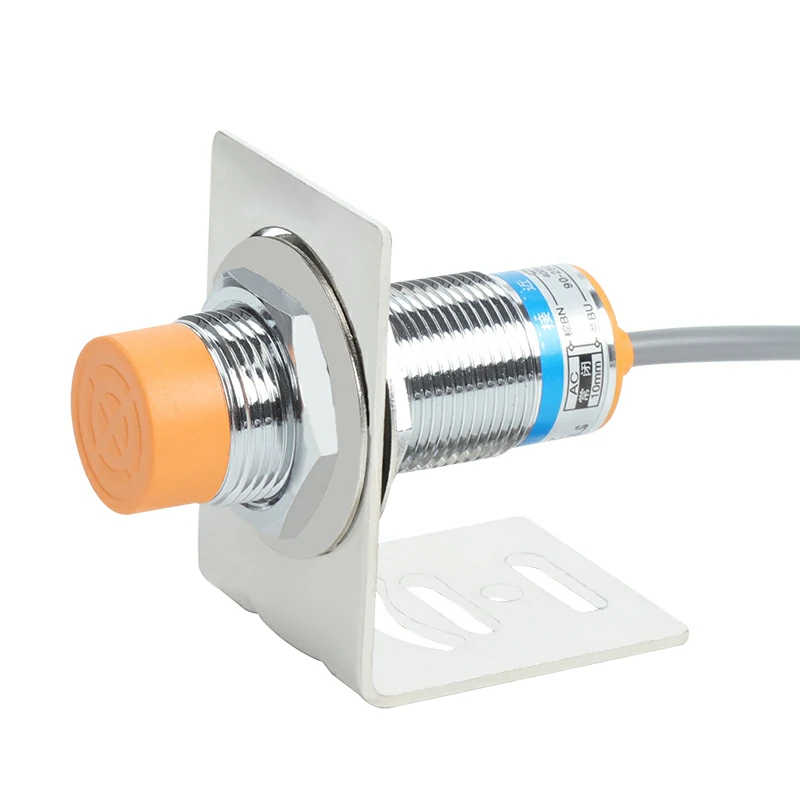
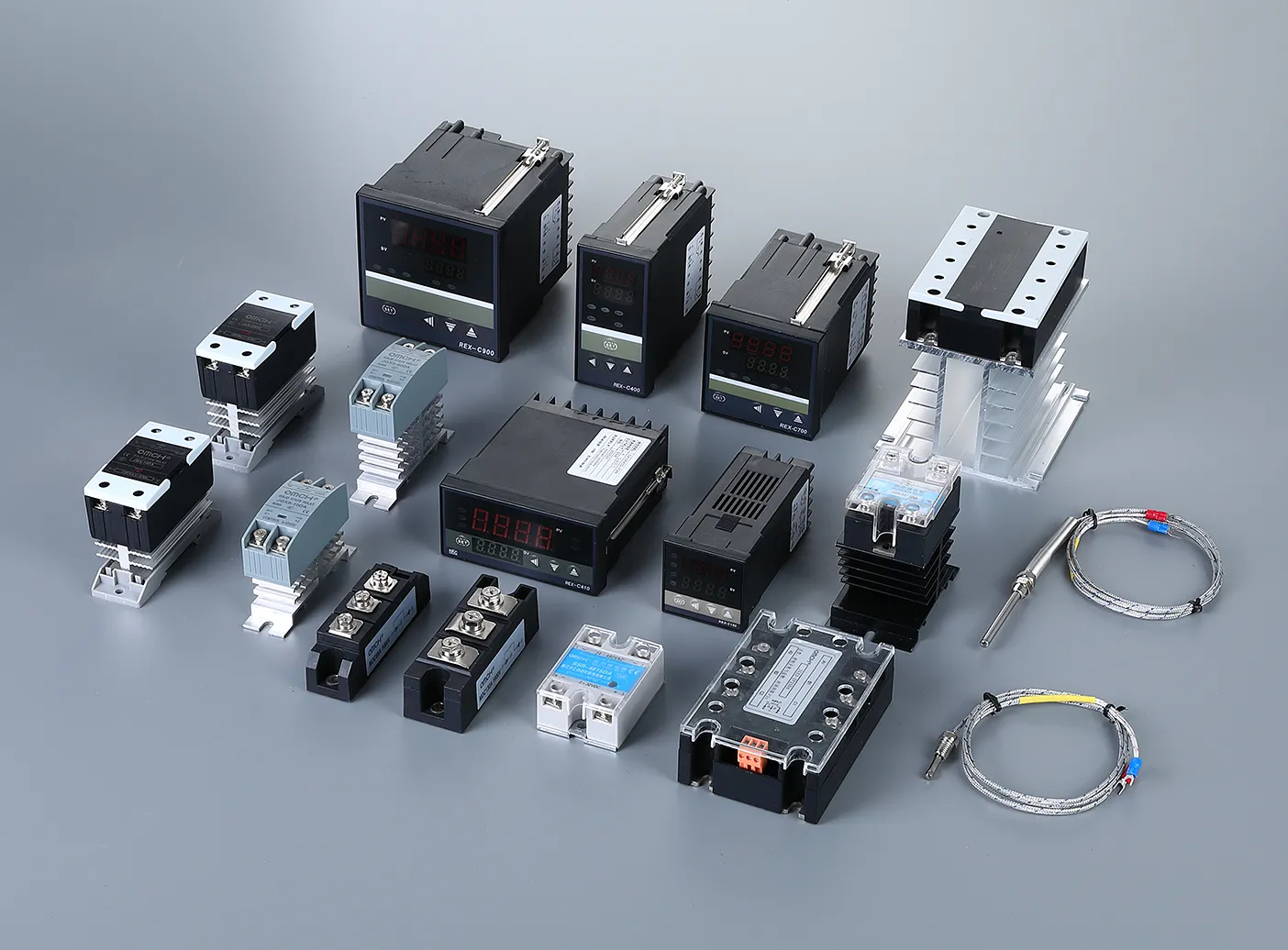
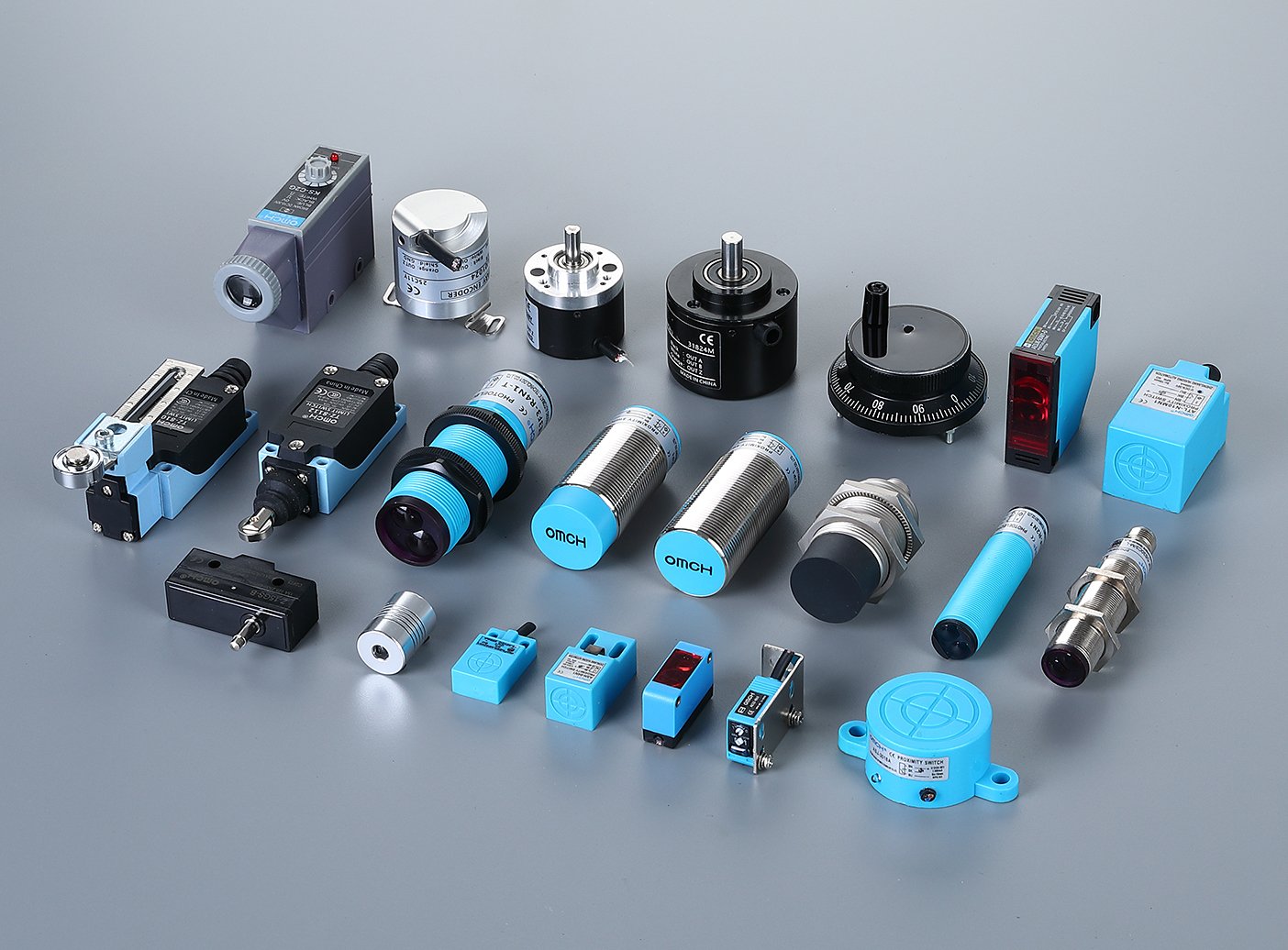
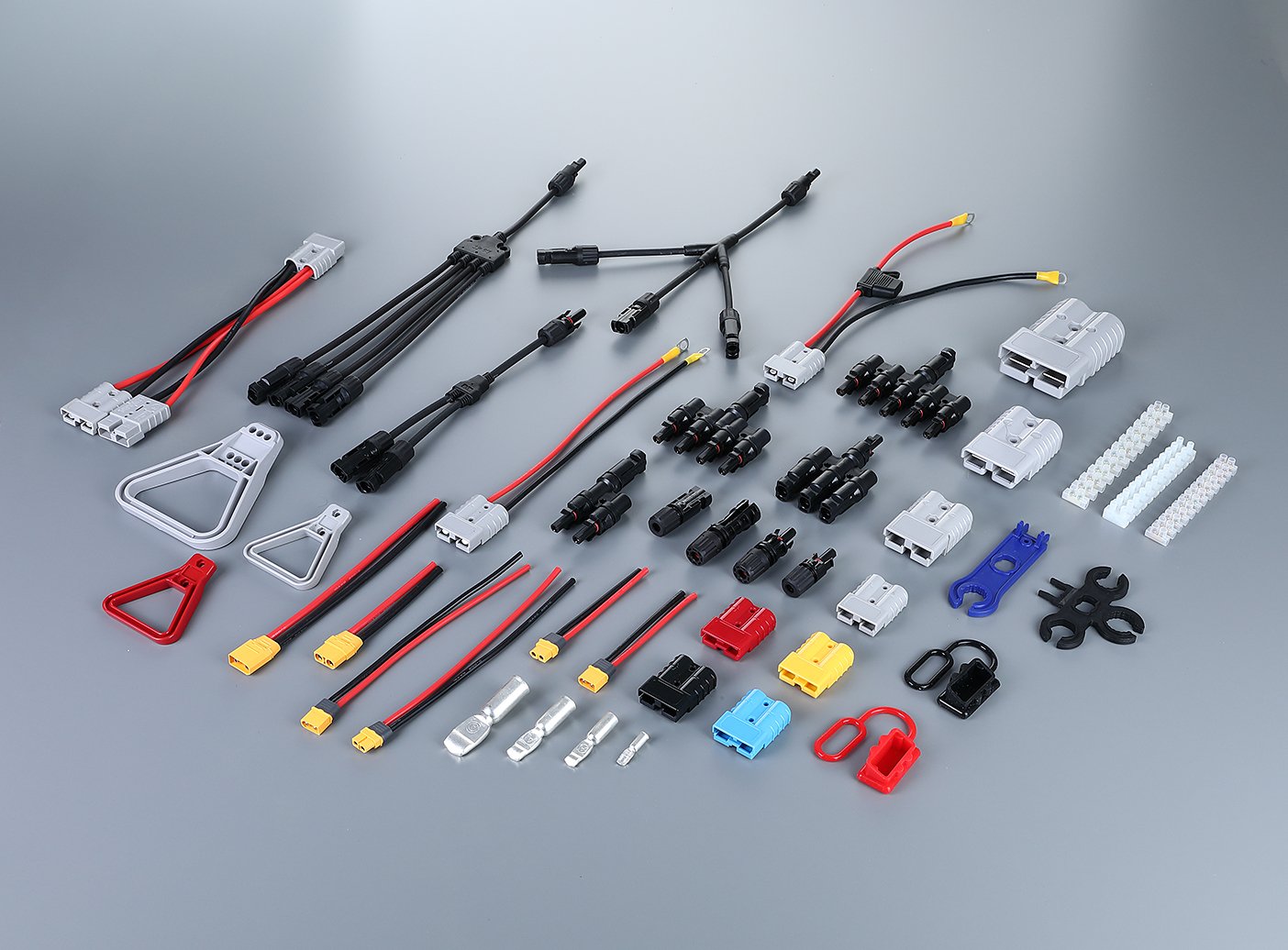
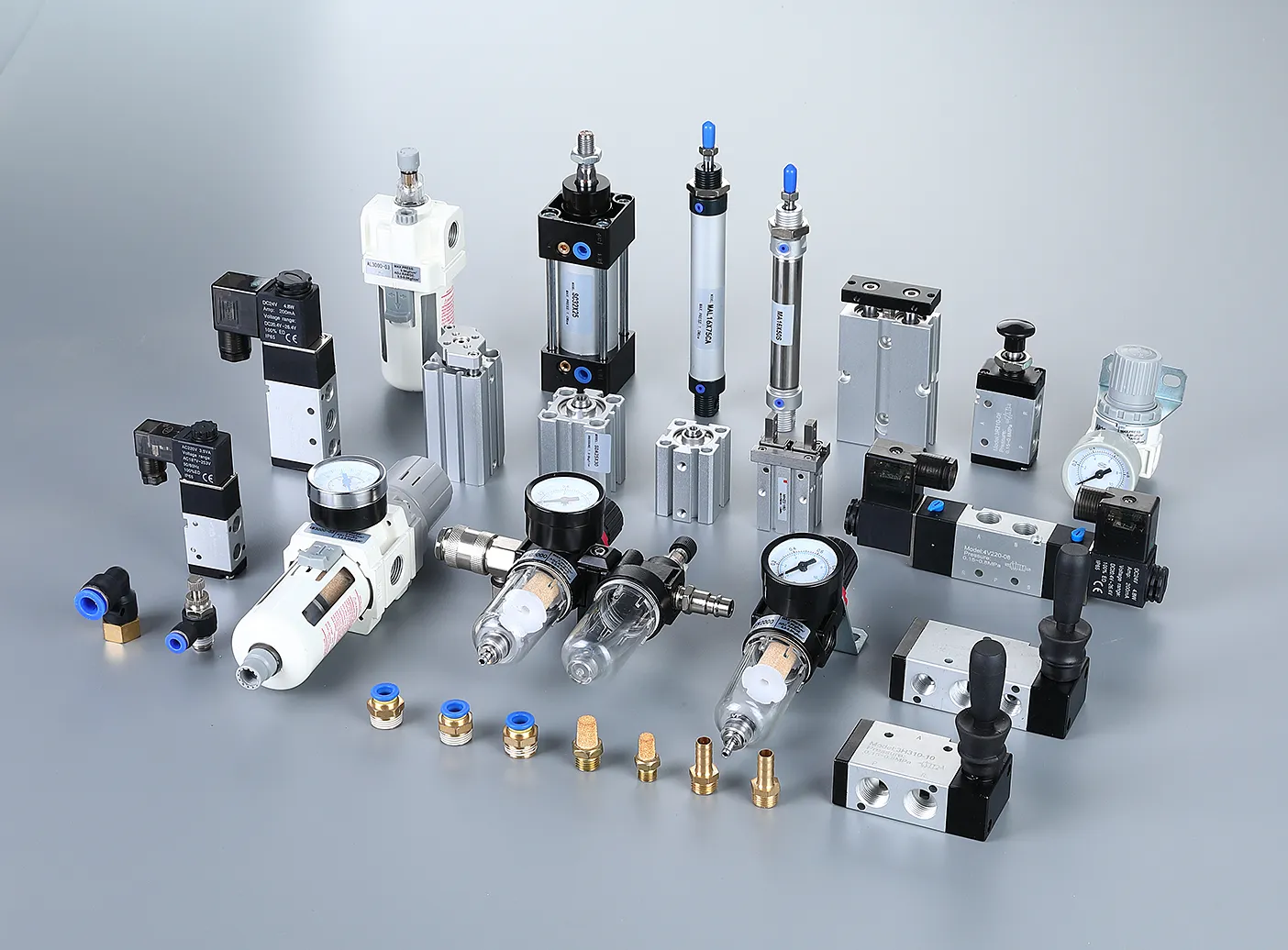
بالنسبة لموزعي المواد الكهربائية وتجار الجملة الصناعيين، نادرًا ما يكون مزود الطاقة هو نهاية الموضوع — بل هو نقطة البداية. فالعميل الذي يشتري اليوم وحدات LRS-350-24 سيحتاج غدًا أيضًا إلى قواطع كهربائية مركبة على سكة DIN، وأجهزة استشعار القرب، ومرحلات التحكم. تعد OMCH شريكًا تصنيعيًّا مباشرًا من المصنع مصممًّا خصيصًا لهذا القناة: أكثر من 3,000 رقم تعريف منتج (SKU) موزعة على 30 فئة من فئات الأتمتة، وتاريخ إنتاج يمتد لـ 38 عامًا، وخدمات تخصيص OEM/ODM التي تتيح لك تكييف منتجات الكتالوج مع متطلبات السوق المحلية — كل ذلك من مصدر واحد، وبأسعار الجملة المصممة لإعادة البيع.


 English
  Arabic
  Turkish
  Russian
  Spanish
  French
  Indonesian
  Portuguese
  Thai
Thai  Vietnamese