


The global industrial landscape is currently navigating a pivotal transition. If the last decade was defined by the crude connectivity of the fourth industrial revolution, 2026 is the year we witness the maturation of intelligent manufacturing into its next stage: Industry 5.0. No longer a buzzword reserved for tech giants, these smart technologies have become the baseline for survival in a manufacturing industry characterized by supply chain volatility, labor shortages, and aggressive sustainability mandates.
Smart manufacturing is not simply the replacement of human labor with robots; to come up with a comprehensive smart manufacturing definition, it is the integrated effort of Information Technology (IT) and Operational Technology (OT). It is a philosophy where all sensors, motors and assembly lines are in a fluent digital dialogue to the extent that production systems are able to think, predict and adapt in real-time.
Defining Smart Manufacturing in the Era of Industry 5.0
We must accept the evolution of the industrial paradigm in order to achieve our current status. Unlike the initial phases of the fourth industrial revolution, which were highly concerned with the industrial internet of things (IIoT) and machine-to-machine communication to boost efficiency, Industry 5.0 introduces a severe re-calibration. It puts the human element back into the centre of the automated ecosystem.
A comprehensive smart manufacturing system in this era is defined as a highly integrated, data-driven approach to production that utilizes new technologies to optimize the entire manufacturing value chain. These digital technologies are characterized by interoperability, virtualization, and decentralization.
- Interoperability: The ability of disparate smart manufacturing technologies to exchange and interpret data across the boardroom and the shop floor.
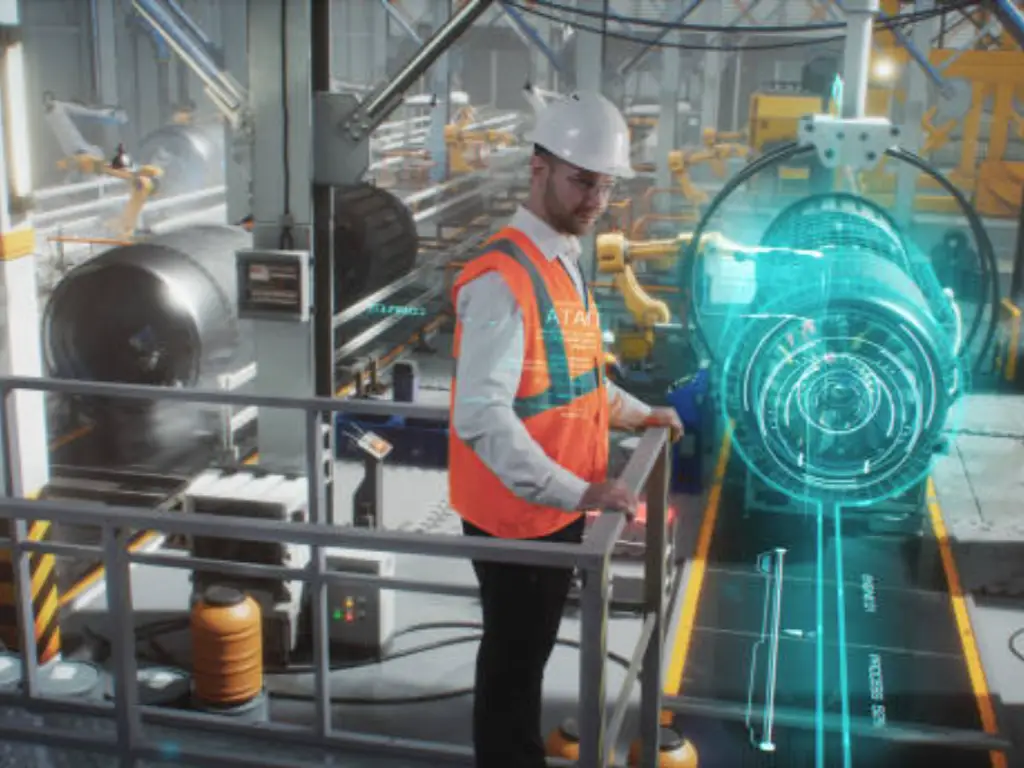
- Virtualization: Creating digital twins and using virtual reality to simulate physical processes to predict outcomes before they happen.
- Decentralization: Empowering individual components and machines to make autonomous decisions based on local production data.
- Real-Time Capability: The infrastructure to collect and act upon data without latency, ensuring a seamless manufacturing process.
In 2026, a factory is “smart” not because it has the most expensive robots, but because it possesses the agility to pivot within minutes to meet customer satisfaction goals while maintaining a minimal carbon footprint.
Technical Architecture: Bridging Physical and Digital Worlds
The “magic” of smart manufacturing happens through a layered technical architecture that bridges the gap between the physical reality of hardware and the digital potential of software. This is often referred to as the Cyber-Physical System (CPS) architecture. It is a complex web of smart connected manufacturing technologies working in tandem.
- The Perceptual Layer (The Nervous System)
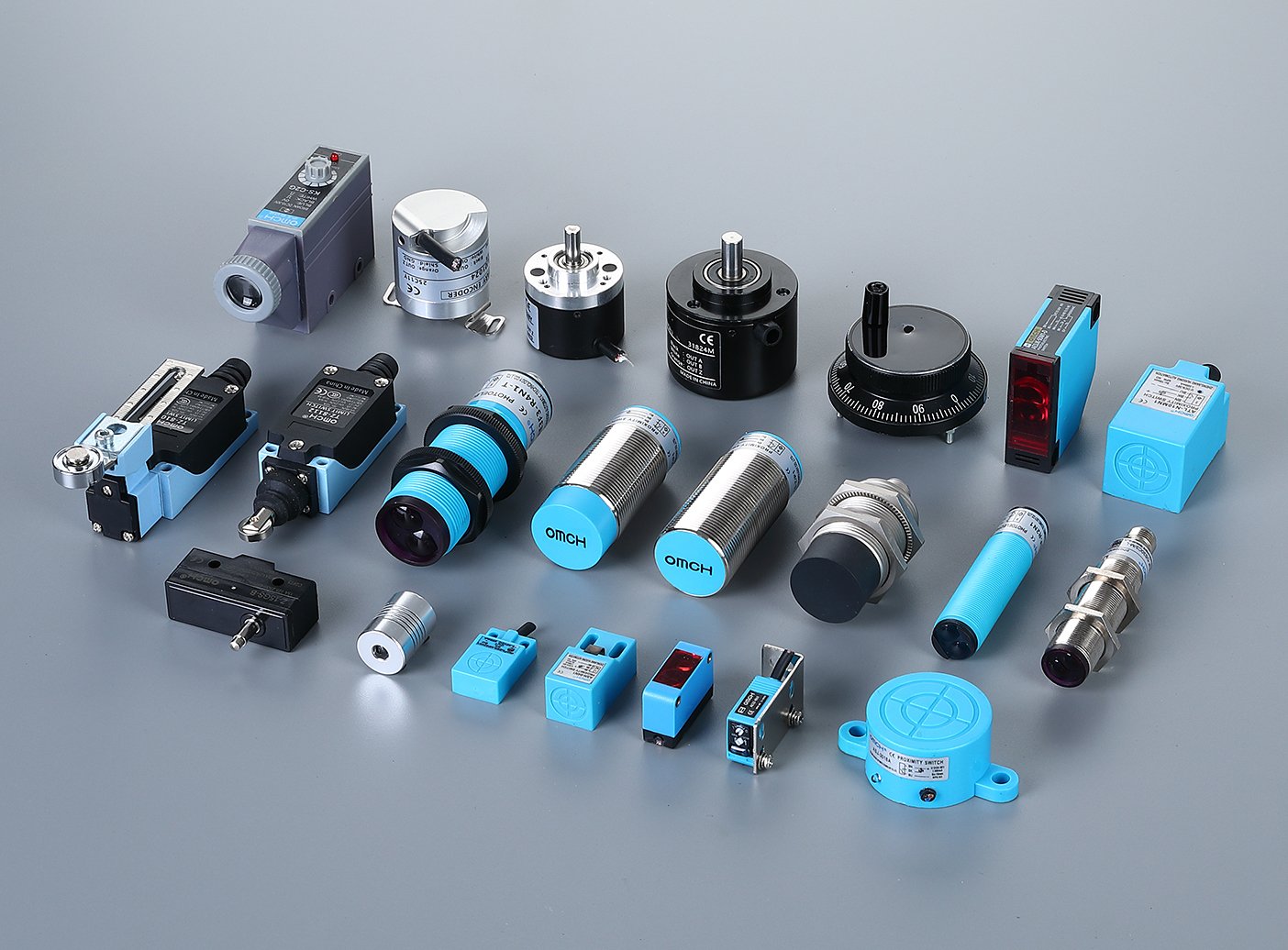
Everything begins at the bottom. The perceptual layer consists of high-precision hardware—sensors, encoders, and switches. These components act as the eyes and ears of the factory, generating vital sensor data. These iot devices capture raw physical data: temperature, pressure, proximity, vibration, and light. Without a robust perceptual layer, the entire smart factory is “blind.”
- The Network Layer (The Connectivity Backbone)
After capturing data, it has to be transported. This is being managed more in 2026 by 5G Private Networks and Time-Sensitive Networking (TSN). Such protocols make sure that important data like an emergency stop signal is given priority over non-important data, ensuring the safety of manufacturing operations. This layer facilitates the data integration necessary for a cohesive system.
- The Integration and Processing Layer (The Edge & Cloud)
Not everything should be transferred to the cloud. Edge computing can be used to process data in real-time at the factory floor, allowing for rapid data processing so that predictive maintenance can respond in milliseconds. Large production data sets of history are then uploaded to cloud computing environments to be analyzed using deep learning and long-term trends.
- The Intelligence Layer (The Brain)
At the top sits the artificial intelligence and Analytics engine. This layer performs complex data analysis and data analytics to provide actionable data insights. It utilizes advanced analytics to interpret the data, providing solutions like optimizing energy consumption schedules or identifying a micro-defect in a circuit board that would be invisible to the human eye.
Maximizing ROI through AI and Sustainable Operations
The main reason behind smart manufacturing adoption has changed to be not the “technological novelty”, but the “economic necessity” through a redefined Return on Investment (ROI). In 2026, ROI will not be calculated only based on the number of “units produced per hour”. Instead, forward-thinking enterprises measure success through Total Resource Efficiency (TRE)—a holistic metric that accounts for energy volatility, material yield, and the mitigation of hidden downtime costs.
The Shift to Predictive Intelligence
Historically, traditional factories were run on a “run-to-fail” (Reactive) or a “scheduled” (Preventative) basis. These are wasteful models in their nature, the former results in disastrous line stoppages and the latter usually results in replacement of perfectly functioning parts before they even become worn out.
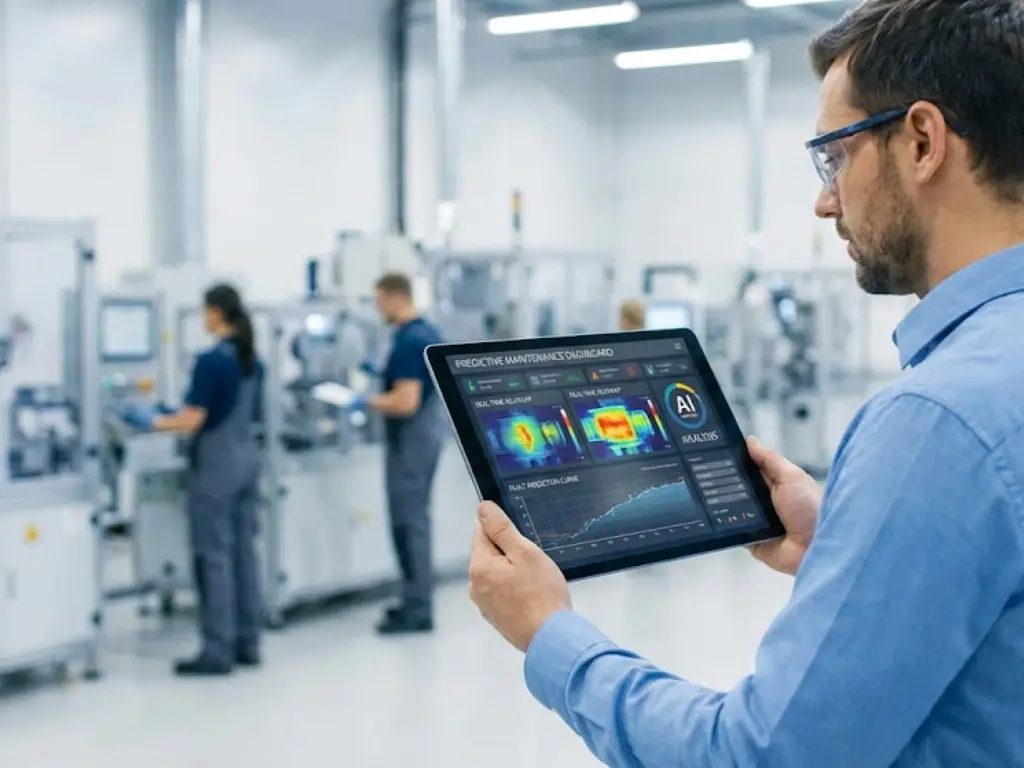
Smart manufacturing replaces these with predictive analytics and prescriptive maintenance. By leveraging machine learning algorithms that analyze high-frequency vibration, thermal imaging, and acoustic data from the shop floor, smart manufacturing solutions can now identify the “micro-signatures” of wear long before equipment failures occur. In 2026, the cost of unplanned downtime in high-stakes industries like semiconductor fabrication or automotive assembly can exceed $30,000 per minute. These systems provide a “window of opportunity” to schedule repairs during natural production lulls, effectively transforming a potential crisis into a routine maintenance task while significantly lowering operational costs.
ESG as a Financial Engine
Sustainability is no longer a corporate social responsibility (CSR) entry in the financial statements but a financial necessity. The main driver of Circular Economy practices on a large scale is smart manufacturing. By 2026, regulatory frameworks in the EU and North America require granular “Digital Product Passports,” and smart systems provide the data infrastructure to meet these demands:
- Dynamic Energy Optimization: Artificial intelligence does not only observe energy; it forecasts it. By synchronizing heavy-load machinery—such as industrial furnaces or high-pressure pumps—with real-time grid pricing, factories can reduce power costs by up to 25%.
- Zero-Waste Precision: Smart machines are able to use high-speed computer vision and closed-loop feedback to make sure that raw materials are used with 99.9% accuracy. This accuracy is directly proportional to millions of dollars of saved material costs in industries such as aerospace where the ratio of “buy-to-fly” is vital.
- Automated Carbon Accounting: Smart factories automatically track Scope 1, 2, and 3 emissions. This will enable the companies to submit real time ESG reports to investors and regulators, without incurring the high carbon taxes and penalties which have become the norm in 2026.
The Agility Dividend: ROI through Flexibility
Beyond maintenance and energy, a significant portion of ROI comes from Market-to-Manufacturing (M2M) speed. The fact that a production line can be reconfigured within hours enables brands to react to viral trends or unexpected supply chain management disruptions. The ultimate competitive advantage in a world of “Mass Customization” is the capability of the smart factory to run small-batches with high margins through refined production systems.
| Feature | Traditional Manufacturing | Smart Manufacturing (2026) |
| Data Collection | Manual, siloed, delayed | Automated, integrated, real-time |
| Maintenance | Reactive / Scheduled | Predictive / Condition-based |
| Production Style | Mass production (High volume) | Mass customization (High agility) |
| Worker Role | Manual labor / Repetitive tasks | Problem solving / Machine oversight |
| Sustainability | High waste, high energy use | Optimized energy, circular economy |
| Decision Making | Experience-based (Intuition) | Data-driven (Evidence-based) |
Human-Centric Manufacturing: Reskilling for the Future
With the adoption of Industry 5.0, the story of robots taking over jobs is being substituted with the idea of Operator 5.0. The smart factory is a teamwork setting in which technology supplements the human ability. It is about removing human workers from dangerous tasks and elevating them to roles that require cognitive problem-solving.
The Rise of Cobots
Cobots are collaborative robots meant to work with humans. As the cobot is busy with the heavy lifting or the toxic chemical application with surgical accuracy, the human operator focuses on product quality and creative problem-solving. This collaboration reduces the need for constant human intervention in mundane tasks while maintaining high standards.
Augmented Reality (AR) on the Shop Floor
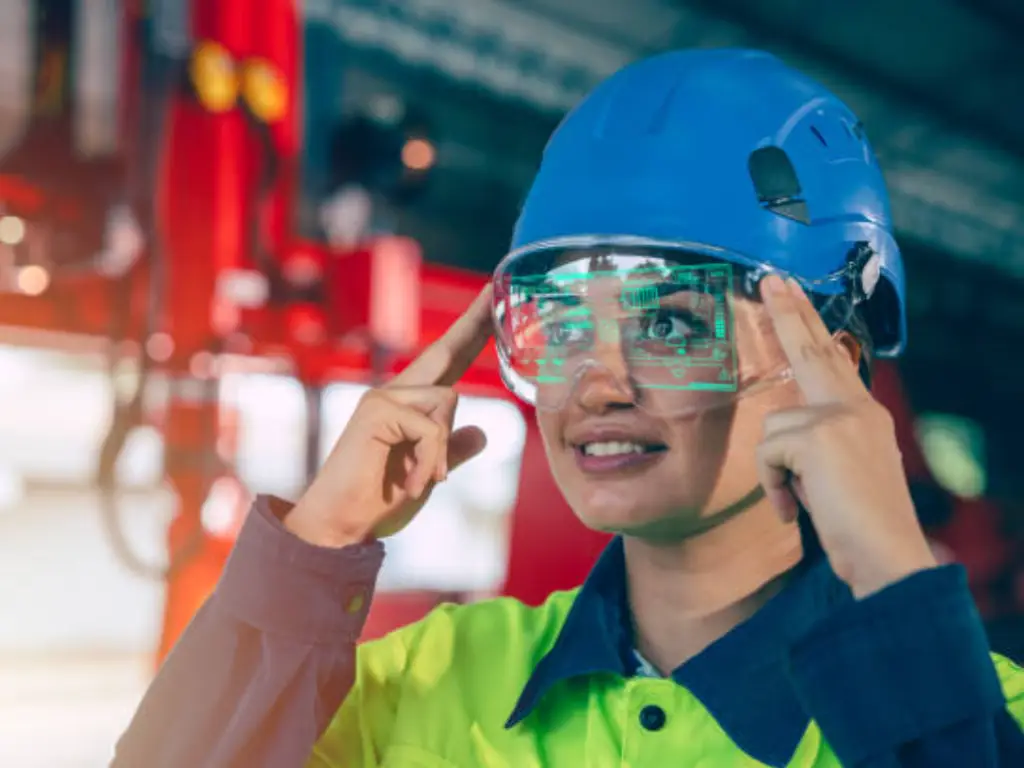
By 2026, heavy manuals are no longer in the hands of maintenance technicians. Digital instructions are superimposed on the actual machine using AR Headsets or virtual reality environments for training. This saves new employees on the “time-to-competence” and enables professional engineers to mentor junior employees half a world away, ensuring that best practices are followed globally.
The Reskilling Mandate
The transition to smart manufacturing demands a colossal change in workforce. Firms are spending a lot of money on reskilling initiatives, shifting employees out of manual assembly jobs into jobs such as Data Analysts, Robot Fleet Managers, and Sustainability Coordinators. This is aimed at developing a strong workforce that is able to maneuver the digital tools of tomorrow.
Global Benchmarks: Learning from Lighthouse Factories and Case Studies
The Global Lighthouse Network of the World Economic Forum, a network of manufacturing locations that are global leaders in terms of adoption and integration of the newest technologies of the Fourth and Fifth Industrial Revolutions, remains the standard of excellence. This network has grown to almost 200 facilities around the world by 2026, providing the most successful smart manufacturing examples that can be used as operational blueprints by any organization that has embarked on a digital transformation process.
Automotive Excellence: The Power of the “Digital Thread”
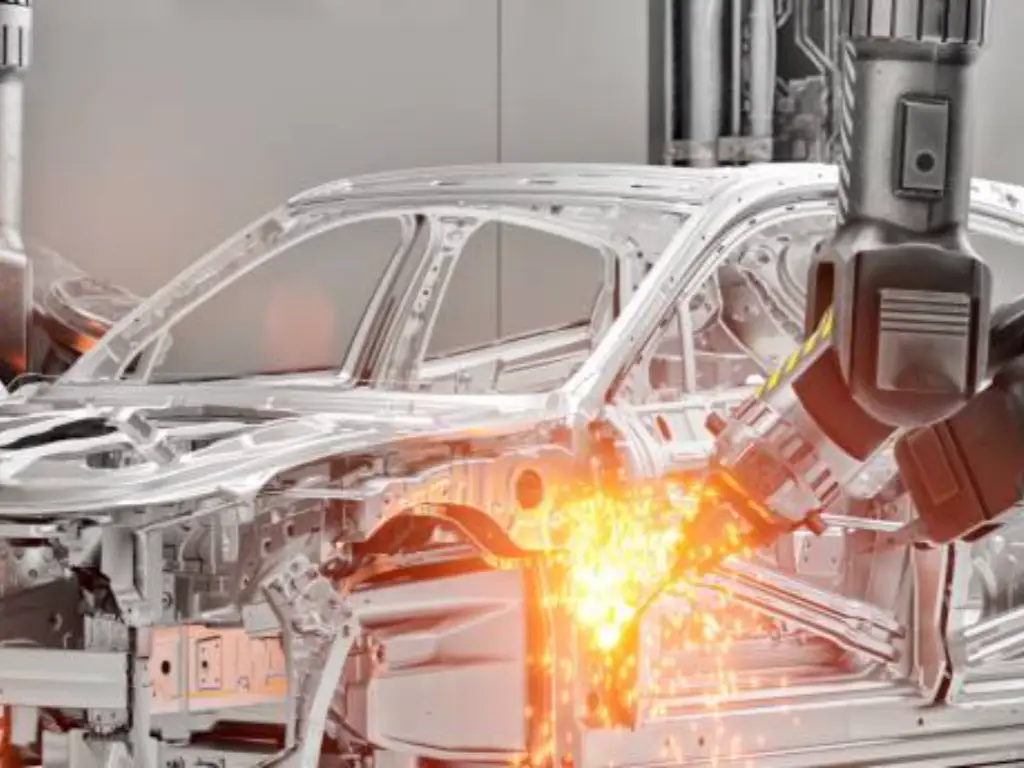
One of the major automakers in Germany recently established a new standard in the industry by realizing a 30% decrease in end-to-end production time. This was achieved by the introduction of a Unified Digital Twin and the concept of the “Digital Thread”. In this setting, each car in the assembly line has a digital analogue that exists from the time of customer configuration up to the time of final delivery.
The true breakthrough in 2026 is the Real-Time Pivot. Conventionally, when a customer modified an order detail, say by changing to a higher quality interior leather color, once the production process had started, it would cause a logistical nightmare or a manual override. The digital twin is now updating the whole supply chain, re-routing autonomous mobile robots (AMRs) in the warehouse, and changing robotic stitching instructions on the fly, without stopping the assembly line. Mass customization at the cost of mass production is possible at this level of efficiency of “Lot Size One”.
Electronics and Precision: AI as the Ultimate Quality Guardian
In the high-stakes electronics sector, where precision is measured in microns, a major Asian manufacturer has redefined “Zero-Defect” manufacturing. By utilizing AI-driven optical inspection (AOI) systems powered by deep-learning models, the facility can detect solder defects at a scale of 50 microns—roughly half the width of a human hair—at line speeds that would blind a human inspector.
This shift in thinking between “Quality Control” (identifying mistakes after they occur) and “Quality Assurance” (identifying mistakes before they occur) has decreased the scrap rate of the facility by 45%. This efficiency is directly translated into hundreds of millions of dollars in savings each year in an industry where margins are very thin and costs of raw materials are volatile (like copper and rare earth elements). Moreover, the factory has achieved the highest possible ESG rating by reducing the environmental footprint of its so-called “re-work” and electronic waste by several folds, which has made it an attractive partner to the world tech giants.
The Pharmaceutical Breakthrough: Continuous Manufacturing
In the Life Sciences industry, outside automotive and electronics, there has been a revolution in “Continuous Manufacturing”. One of the largest pharmaceutical Lighthouses has just abandoned the old fashioned “Batch Processing”, which is likely to cause delays and human error, to an integrated smart system where raw materials are loaded into a single continuous line.
Chemical compositions are monitored by sensors in real-time, and the actuators are controlled by AI to control the flow rates and temperatures to achieve an ideal steady state. Not only has this speeded up the “Time-to-Market” of life-saving drugs by 40% but it has also greatly increased patient safety by virtually removing the variability that may arise between production batches.
Synthesizing the “Lighthouse” Lessons
The main lesson of these benchmarks is that smart manufacturing is not an “all or nothing” offer. These leaders didn’t wait for a perfect, factory-wide solution. Instead, they focused on high-impact use cases:
- Transparency: Seeing exactly what is happening on the floor in real-time.
- Agility: Changing the production plan without catastrophic costs.
- Human Empowerment: Freeing workers from repetitive inspection tasks to focus on system optimization.
These case studies demonstrate that even incremental upgrades to specific departments—such as adding intelligent sensing to a legacy inspection line—can yield massive, compounding gains over time.
How to Transition Toward a Smart Manufacturing Reality
Transitioning to a smart factory is often misperceived as a massive, “all-at-once” digital overhaul. As a matter of fact, the most effective implementations are modular and bottom-up. It is impossible to create an advanced “digital brain” when the “nervous system” of your factory is outdated or unreliable.
The migration process is a multi-stage process that takes place between the physical floor and the cloud. The following is the strategic roadmap to a successful implementation:
Phase 1: Audit and the “Digital Pulse” Strategy
The first step isn’t buying software solutions; it’s auditing your physical assets. The majority of factories are working in a “Brownfield” environment, meaning they are using old machines that are not “smart”. This is aimed at creating a “Digital Pulse” through retrofitting these machines with high precision sensors to gain better asset management control.
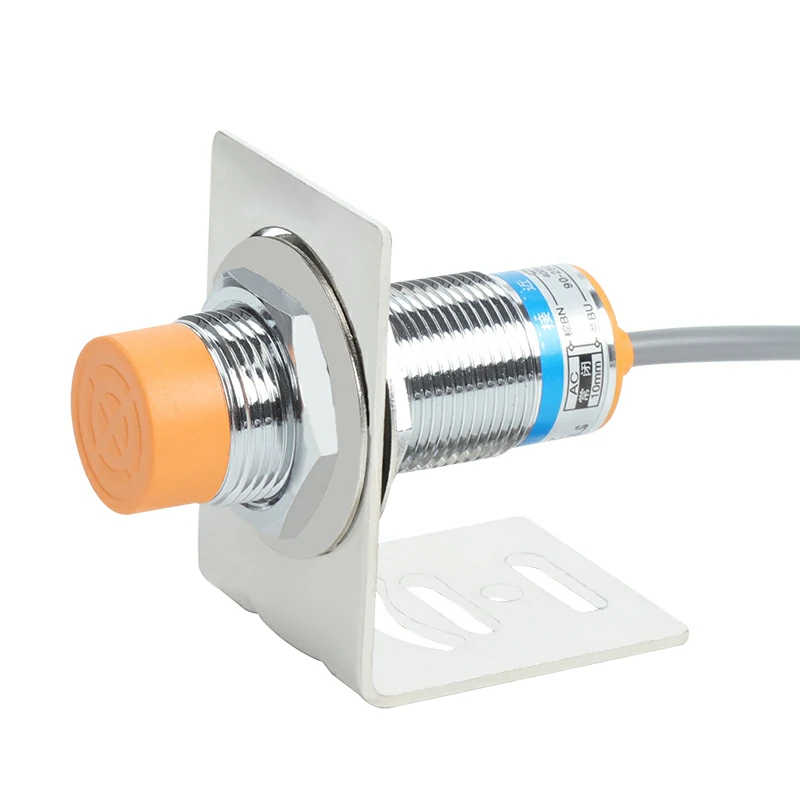
The OMCH Advantage: This is where the groundwork is set. OMCH has been in the business of making the hardware “senses” needed in this phase since 1986. Through the high-precision inductive and capacitive and photoelectric sensors offered by OMCH, manufacturers can convert even the oldest machines into data-generating assets by extracting raw data.
Phase 2: Ensuring Power Stability and Infrastructure Protection
As you add more sensitive electronics, the quality of your power supply becomes critical. A single power surge can wipe out expensive IoT gateways or PLC controllers, causing massive downtime. The transition must be based on a strong power distribution layer capable of supporting 24/7 autonomous operations.
To protect these digital investments, your implementation plan must include:
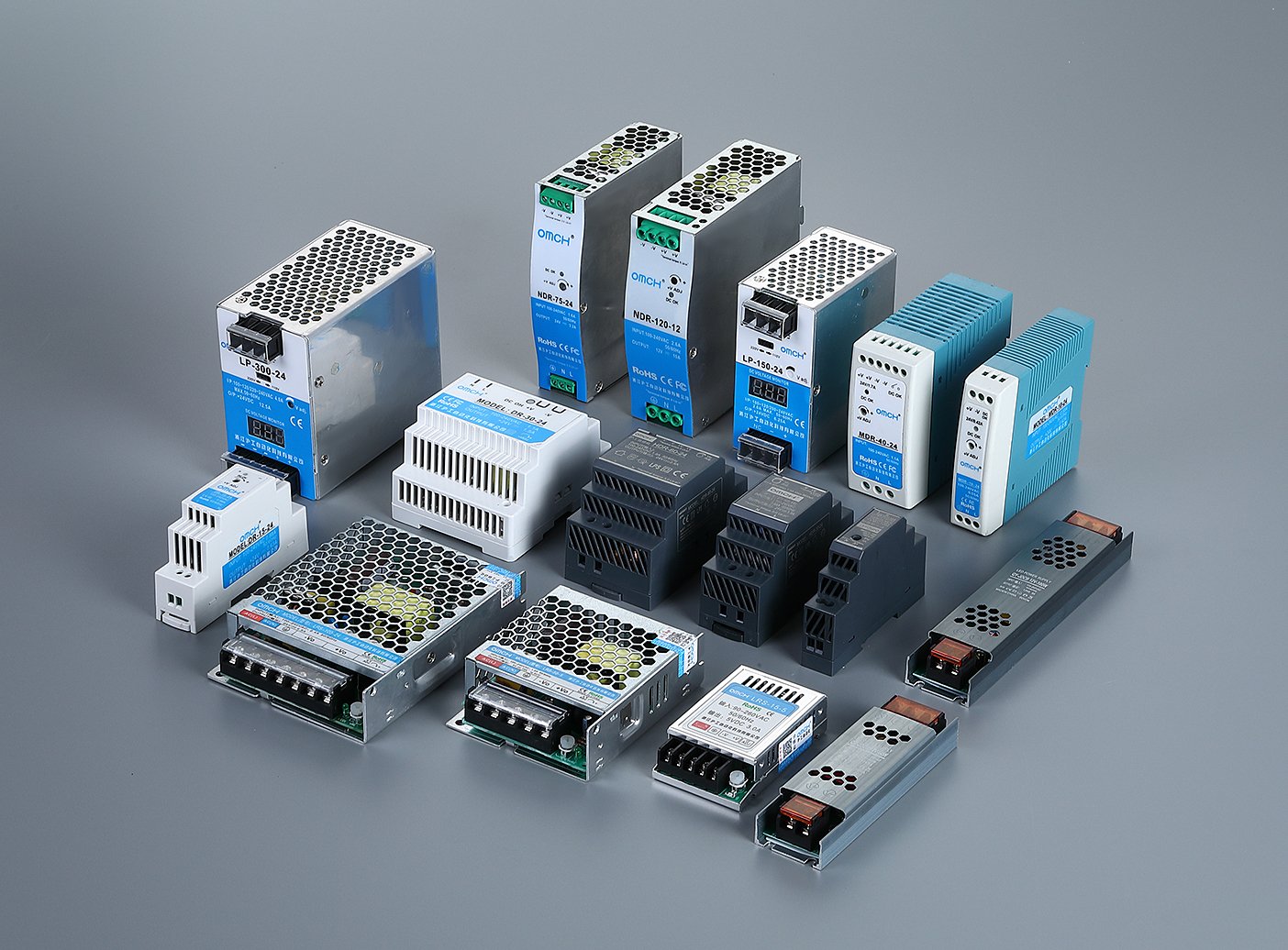
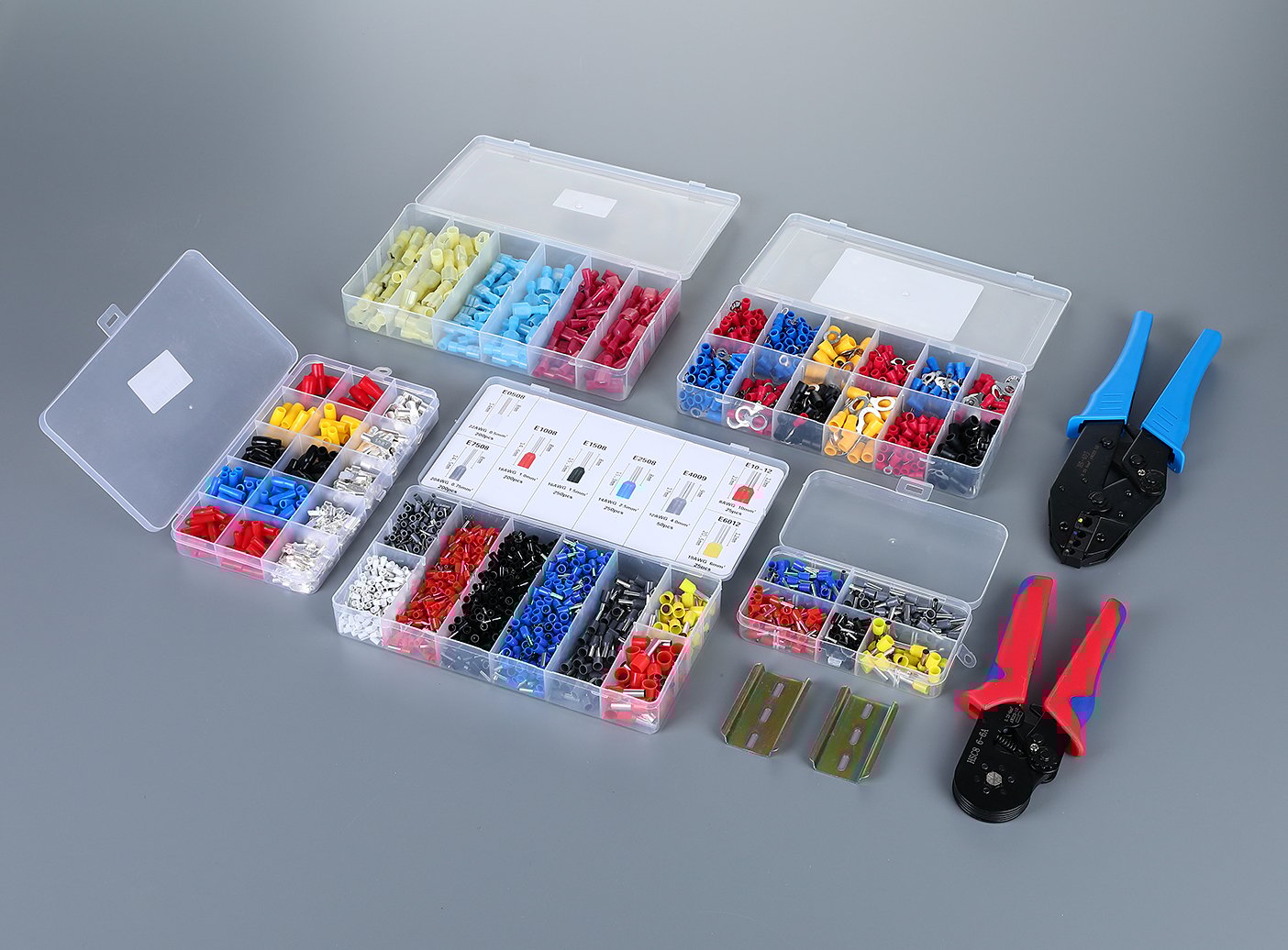
- Stable DC Power: Utilizing DIN rail power supplies for consistent voltage.
- Circuit Protection: Implementing Air Circuit Breakers (ACB) and surge protectors.
- OMCH Solution: OMCH has more than 3,000 SKUs, and provides a “One-Stop” selection to this infrastructure. You no longer have to deal with dozens of vendors, but can buy all your power supplies, surge protection, and so on through one, ISO9001-certified vendor, with all the parts being designed to work together in harmony.
Phase 3: Moving from Data Collection to Control Integration
Once data is flowing and the power is stable, the next step is Control & Execution. This is where the digital commands are converted back to physical movements (Pneumatics and Actuators).
In order to do so, you must have a bridge:
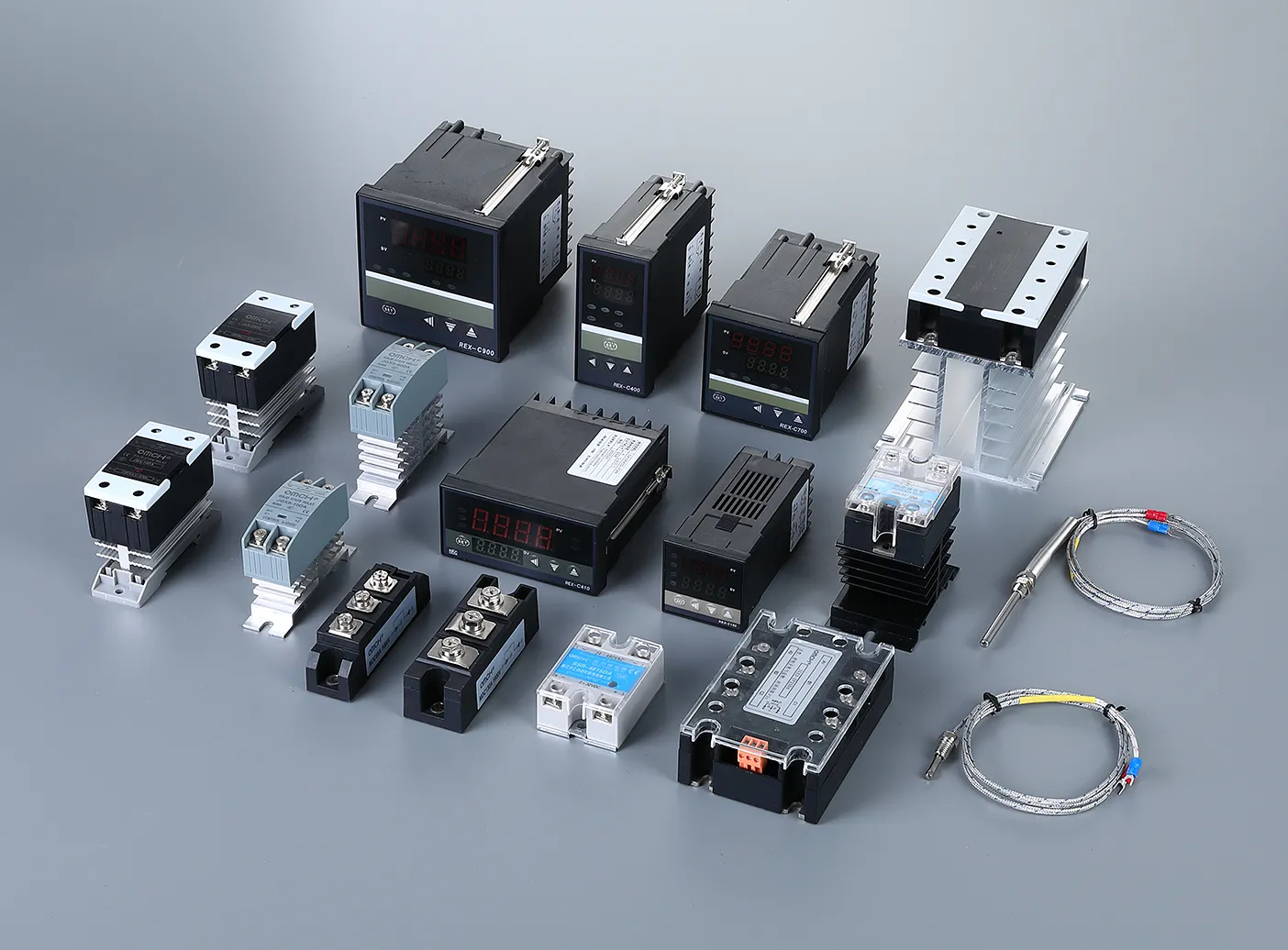
- Relays and Encoders: To manage signal switching and precise positioning.
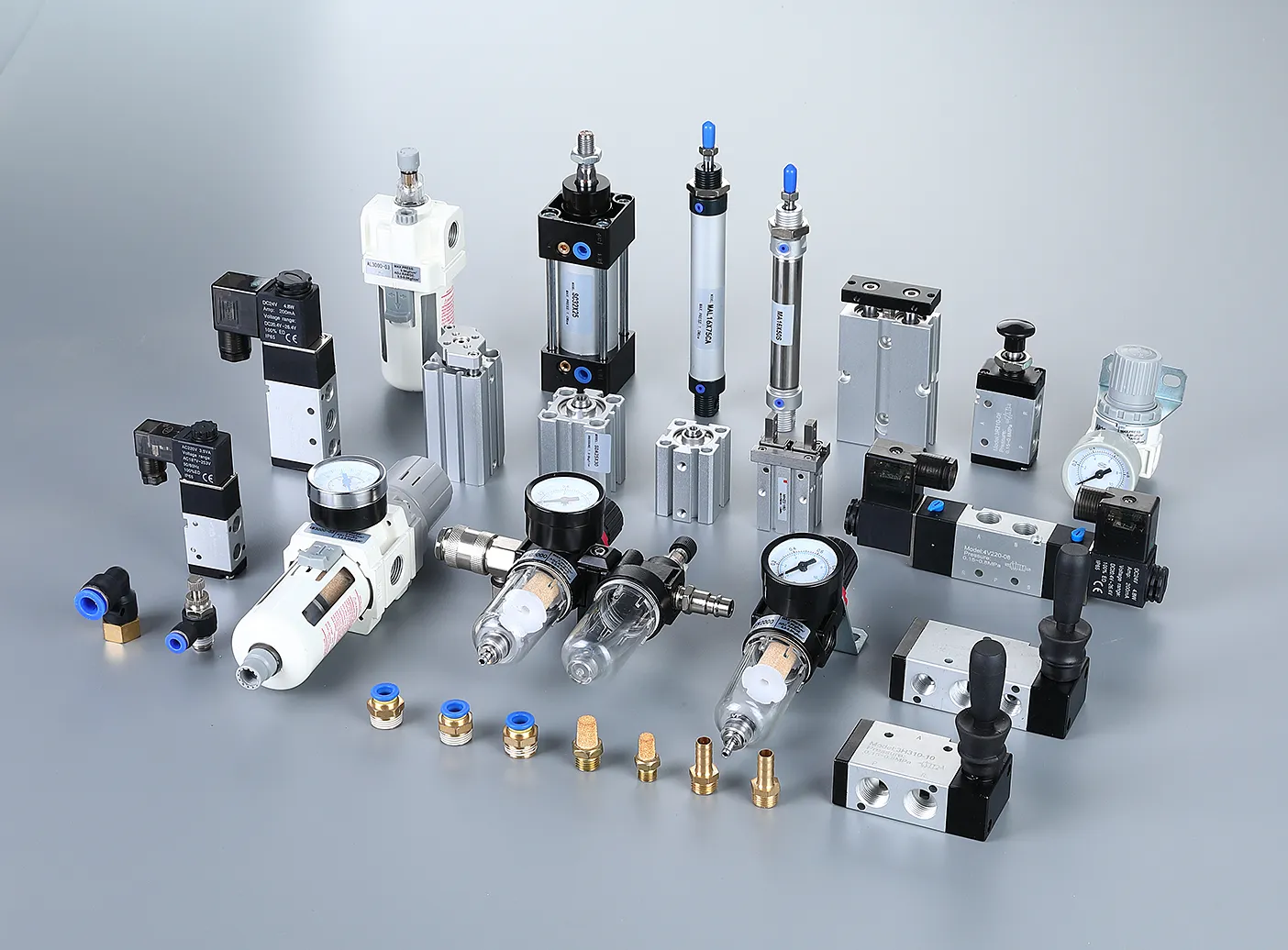
- Pneumatic Systems: Using solenoid valves and cylinders for mechanical execution.
- OMCH Value: OMCH provides the “execution” layer through industrial-grade pneumatic cylinders and encoders. This hardware ensures that the “smart” decisions made by your AI are executed with 100% fidelity on the factory floor.
Phase 4: Scaling Through Global Standards
The last stage of the transition process is scaling a single pilot line to a global operation. This demands elements that are of international trust and quality so that a plant in Asia can be duplicated in Europe or North America without any compatibility problems.
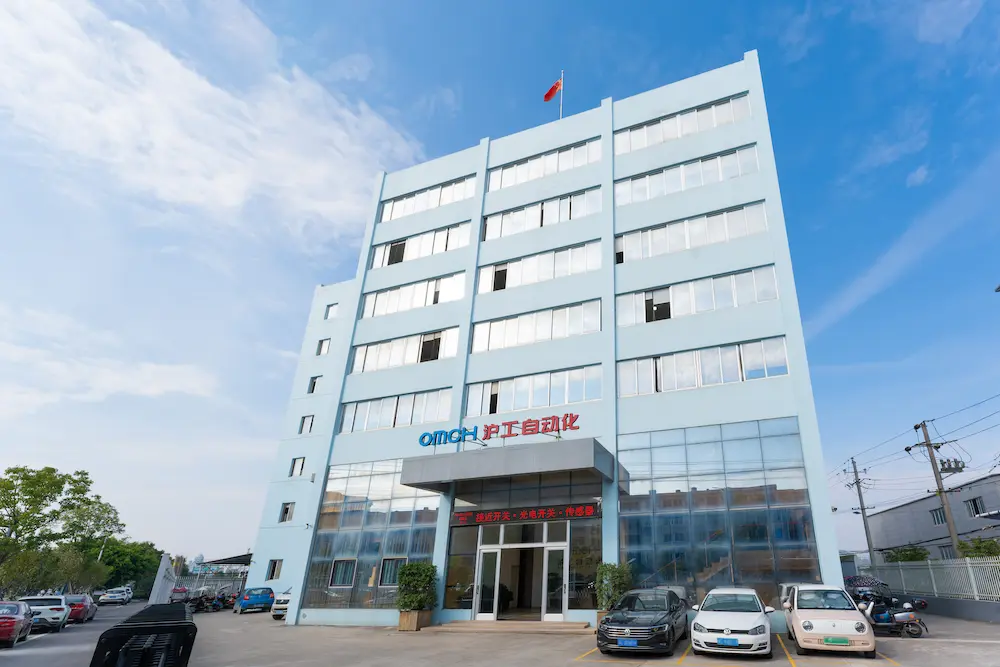
This scaling is made possible by the Global Presence of OMCH (100+ countries and more than 72,000 customers). Since our products are IEC, CCC, CE, and RoHS certified, your blueprint of smart manufacturing will be the same and compliant no matter where you go. Moreover, our 24/7 quick response and 86 domestic branches offer the technical backup that is required to keep the transition on schedule, reducing the implementation gap that frequently paralyzes digital projects.
Summary: The Practical Implementation Path
| Implementation Step | Focus Area | OMCH Support Role |
| Phase 1: Sensing | Data Acquisition | High-precision sensors (The “Eyes”) |
| Phase 2: Power | System Stability | Power supplies & Surge protection (The “Heart”) |
| Phase 3: Execution | Physical Movement | Relays, Encoders & Pneumatics (The “Muscles”) |
| Phase 4: Scaling | Global Standardization | Certified components & 24/7 Support (The “Network”) |
By focusing on this hardware-first, modular approach, you reduce the complexity of the transition. Smart manufacturing isn’t just about the software in the cloud—it’s about the reliability of the components on the ground.
Overcoming Common Challenges in Digital Transformation
Although the advantages are obvious, the path to a smart factory is full of challenges. The first step in a successful strategy is to recognize these at an early stage.
- The Legacy Equipment Dilemma
Majority of factories are not constructed (Greenfield); they are “Brownfield” locations whose machines are 20 years old. The problem is to retrofit these machines with sensors and communication modules to make them a part of the digital world. This necessitates “bridge” technologies, IOT gateways and universal sensors to retrieve data in analog systems.
- Data Silos and Standardization
The maintenance department in most organizations operates on one software, production on another and the finance on another. It is important to break these silos. The use of standards such as OPC UA (Open Platform Communications Unified Architecture) will make sure that various machines and software can communicate in the same language.
- The Growing Threat of Cybersecurity
As soon as a factory connects to the internet, it becomes a target. In 2026, Cybersecurity is not just an IT problem; it is a safety problem. Any breach may result in stolen production lines or intellectual property. It is now imperative to implement a Zero Trust Architecture and make sure that even the tiniest hardware elements have some basic security measures.

- High Initial Capital Expenditure
The “sticker shock” of smart manufacturing can be daunting. Effective companies get around this by initiating with a “pilot project”, say a single assembly line, and demonstrating the ROI, and then using the savings to finance the next step of the transition.
Scaling from Automated to Fully Autonomous Systems
As we look toward the end of this decade, the destination for smart manufacturing is Full Autonomy. We are moving past the “Automated” stage (where machines follow fixed rules) into the “Autonomous” stage (where machines learn and adapt to new situations).
The Self-Healing Factory
The factory will have “self-healing” characteristics in a fully autonomous system. Should a sensor notice a minor misalignment in a conveyor belt, the system will automatically increase or decrease the motor torque to compensate and at the same time order a replacement part through the inbuilt supply chain-all without the involvement of a human being.
Decentralized Production Hubs
In the future, we will adopt a system of Micro-Factories. These agile hubs will utilize additive manufacturing (3D printing) to allow for hyper-local customization near urban centers. This reduces transport emissions and allows for rapid product design changes.
Conclusion: The Strategic Imperative
Smart manufacturing has evolved from a competitive advantage to a mandatory foundation for industrial resilience. Success in the 2026 landscape requires a strategic integration of Industry 5.0 principles, AI, and high-precision physical hardware. The main leadership issue is the pace at which these systems can be scaled to allow fully autonomous operations. Finally, the shift to a digital factory is determined by the quality of the information gathered at its origin, which is the sensor.



 English
  Arabic
  Turkish
  Russian
  Spanish
  French
  Indonesian
  Portuguese
  Thai
Thai  Vietnamese