

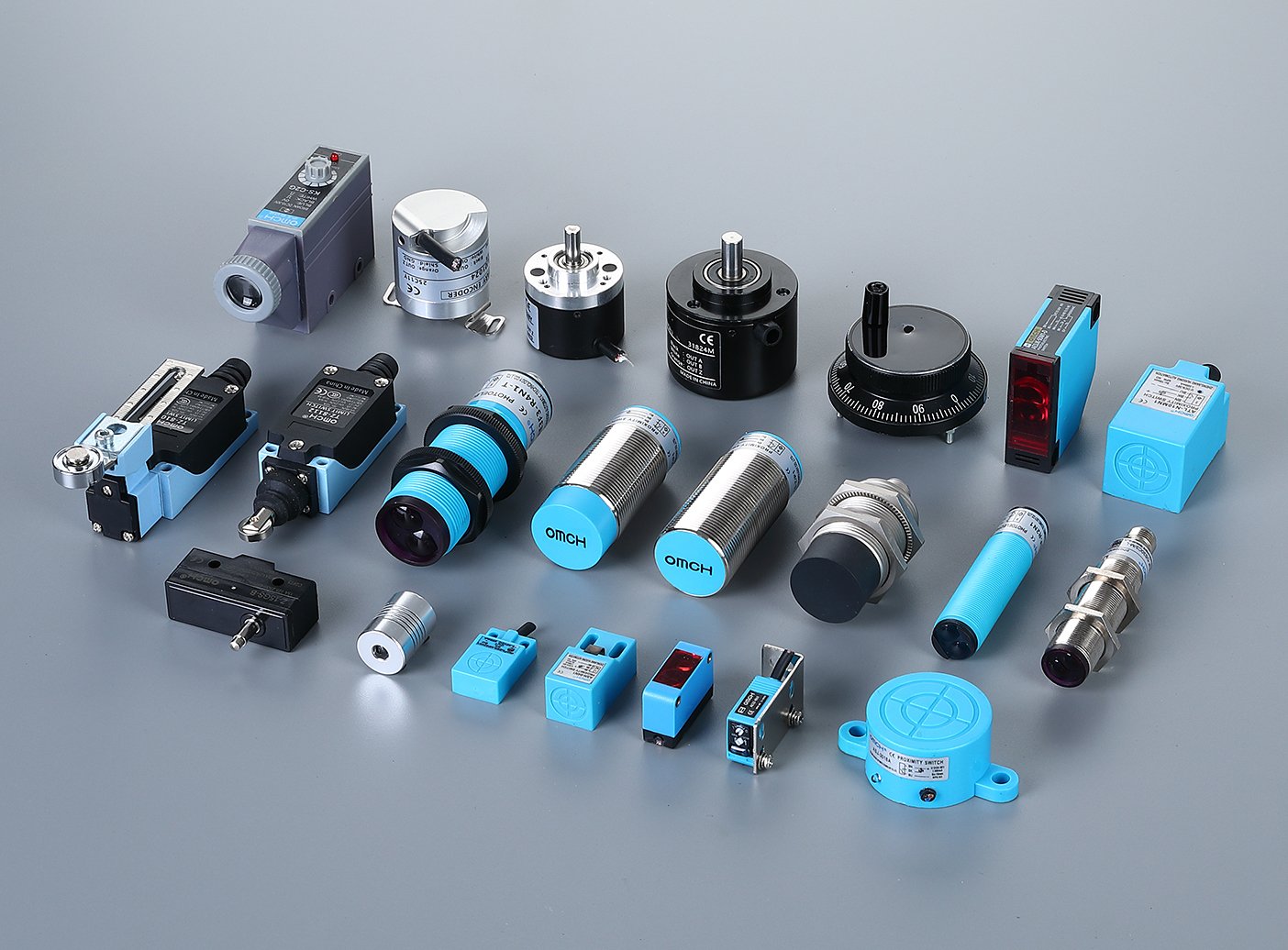

The capacity to identify, enumerate, and find objects with absolute accuracy is the most important factor in the dynamic nature of industrial automation to ensure that accurate results and efficiency of operations are achieved. Photoelectric sensors are now the eyes of the modern factory, and they take advantage of the characteristics of light to achieve contactless object recognition over a long distance and in unfavorable environments. The use of these sensors is unmatched, whether it is in making sure that a bottle is filled to the last millimeter in a beverage plant or the work of a robotic arm in the automotive industry, as they are utilized across a wide range of industries. This guide provides a comprehensive deep dive into the operational modes, industry-specific use cases, and strategic selection criteria necessary to master these essential automation components.
Operational Modes Defining Photoelectric Sensor Application Success
To get a feel for the interaction of a photoelectric sensor with the surrounding environment, it is prudent to start with the major modes of operation. These modes are not only technical specifications; they define the photoelectric sensor range, accuracy, and compatibility with specific materials.
- Through-Beam Sensors: In this arrangement, the light source is a separate emitter that sends a light beam to a receiver facing the emitter. The detection is realized when a target object breaks the continuous beam. These often utilize infrared light to achieve the greatest sensing range (up to 100 meters) and are best for detecting opaque objects in dusty or smoky conditions where light would otherwise be scattered.
- Retro-Reflective Sensors: In this case, both the emitter and the receiver are housed in a single unit. These retroreflective sensors bounce light off a special reflector back to the sensor. While easier to install than through-beam models, they can struggle with highly reflective targets. Polarized versions make sure that the sensor can only “see” the reflected light from the reflector, but not the glare of a shiny product.
- Diffuse Sensors: These are the smallest types of sensors because they depend on the object under investigation to reflect light back to the sensor. Although they have shorter ranges, they are good at the detection of the presence of objects without needing secondary hardware. This is further refined in Background Suppression (BGS) models, which measure the amount of light and angle to ignore any objects farther than a predetermined distance, ensuring a bright wall behind a dark conveyor belt does not cause a false positive during the absence of an object.
Through the art of these kinds of photoelectric sensors, engineers are able to tailor their automation lines to suit the smallest electronic chip in a microscope to the largest shipping container.
Critical Applications in Food, Beverage, and Packaging Industries
The food and beverage industry needs sensors that can operate at high rates and at the same time, be of high hygienic standards in various applications.
- Bottle and Container Counting: High-speed bottling lines process thousands of units per hour. Through-beam sensors are used to count opaque containers, while specialized “clear object detection” sensors identify transparent glass.

- Liquid Level Monitoring: Photoelectric sensors are often used for “overfill” detection by sensing the meniscus of the liquid through a transparent container.
- Label and Print Detection: This specialized photoelectric switch technology is used to identify registration marks on packaging film, avoiding wastage.
- Monitoring of Conveyors: Automated sorting and flow control are critical for the monitoring of conveyors, where sensors ensure products are spaced correctly to prevent jams.
- Washdown Environments: Sensors applied here must have IP67 or IP69K ratings to withstand high-pressure chemicals and thermal shock.
Enhancing Precision within Automotive and Electronic Assembly Lines
In the production of automotive and electronics, the error margin is in microns. In this instance, sensors are tasked with the role of detecting parts in complicated geometries.
- Part Presence and Orientation: During engine assembly, sensors verify that the object of interest (like gaskets or bolts) is present and correctly oriented. Laser-based sensors are favored for their high precision, detecting features as small as 0.1mm.
- Detecting Shiny Surfaces: Car bodies are painted with high reflective finishes. Standard diffuse sensors would be “blinded” by the glare. Background suppression sensors and specialized optics allow for stable detection regardless of whether the car is matte black or metallic silver.
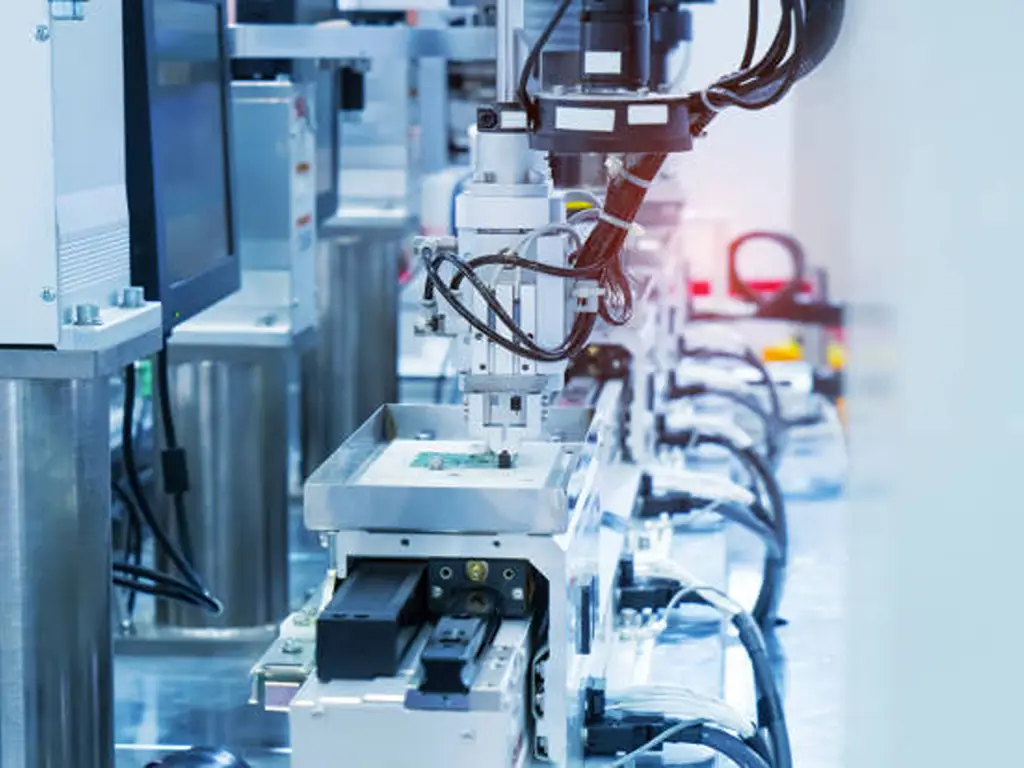
- PCB Assembly: In electronics, sensors detect the leading edge of printed circuit boards (PCBs) as they move through SMT (Surface Mount Technology) machines. Because PCBs can have holes or irregular components, sensors with a “wide beam” or an array of light points are used to ensure the board is detected as a single continuous object.
Optimizing Warehouse Logistics with Smart Material Handling Sensors
The emergence of e-commerce has transformed warehouses into fast-paced centers where sensors control the movement of millions of packages through numerous applications.
- Pallet Detection and Position: Large-scale retroreflective sensors are used to detect pallets. Because pallets are often made of dark wood, sensors must have high ambient light immunity.
- Height and Profile Measurement: Logistics systems can measure the size of a package in real-time by measuring the size of a package using an array of through-beam sensors (also known as a light curtain) or Time-of-Flight (ToF) sensors. This information is essential in calculating the cost of shipping and storage space optimization.
- AGV and AMR Navigation: Automated Guided Vehicles (AGVs) use photoelectric sensors as a primary safety mechanism. The vehicle is assisted by the use of “docking sensors” to ensure that the vehicle fits perfectly into the charging stations or pickup points and long range infrared sensors to avoid collisions in aisles.

Specialized Use Cases for Pharmaceutical and Medical Manufacturing
Accuracy in the pharmaceutical business and medical technology is a safety issue. Sensors ensure that each blister pack has the right amount of pills.
- Tablet and Capsule Counting: As tablets fall through a feeding chute, high-speed through-beam sensors count them individually. The sensors must be capable of distinguishing between a whole pill and a broken fragment to maintain quality control.
- Luminescence Detection: Many pharmaceutical manufacturers use UV-active glues or markings to verify the presence of instructions or labels. Specialized UV photoelectric sensors (luminescence sensors) detect these marks, which are invisible to the human eye, ensuring the product is fully compliant before shipping.
- Sterile Environments: In the mechanical engineering industry related to med-tech, smooth, gapless sensor designs are essential to prevent bacterial growth in cleanrooms.
Selection Matrix: Matching Sensor Types to Specific Application Needs
Choosing between the main types of photoelectric sensors is a strategic decision. The following is a simplified decision-making matrix for typical industrial situations:
| Scenario | Recommended Mode | Key Advantage | Potential Challenge |
| Long Distance (e.g., Aisle Guarding) | Through-Beam | Highest reliability and range | Requires wiring on both sides |
| Clear Object (e.g., Glass Bottles) | Polarized Retro-reflective | Detects transparency reliably | Requires a stable reflector |
| Limited Space (e.g., Internal Machine) | Diffuse | Compact, single-unit install | Range limited by target color |
| Uneven Backgrounds (e.g., Conveyor) | Background Suppression | Ignores everything past target | Higher cost than standard diffuse |
| Small Part Detection (e.g., Electronics) | Laser (Through-beam) | Extremely precise focal point | Requires perfect alignment |
Why OMCH is Your Ideal Photoelectric Sensor Partner
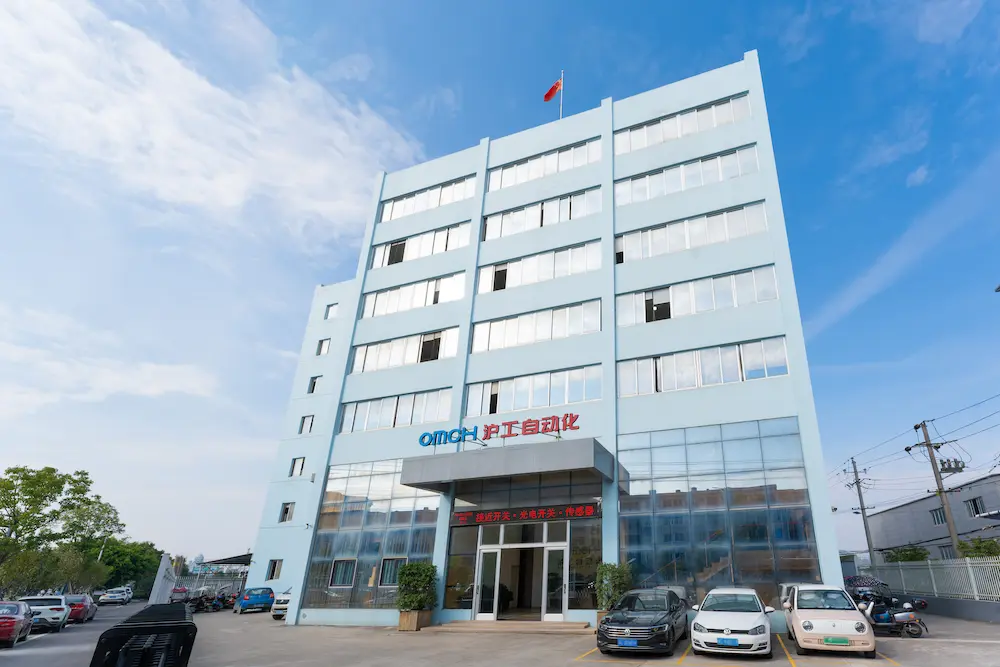
To overcome the above application challenges, including the high-pressure washdowns in food plants and the accuracy of automotive lines, a hardware partner that has a proven track record is needed. OMCH, established in 1986, has spent nearly four decades engineering sensors that thrive in these exact environments.
Our experience in more than 100 countries around the world and a loyal customer base of 72,000+ customers can be applied to your business in three core values:
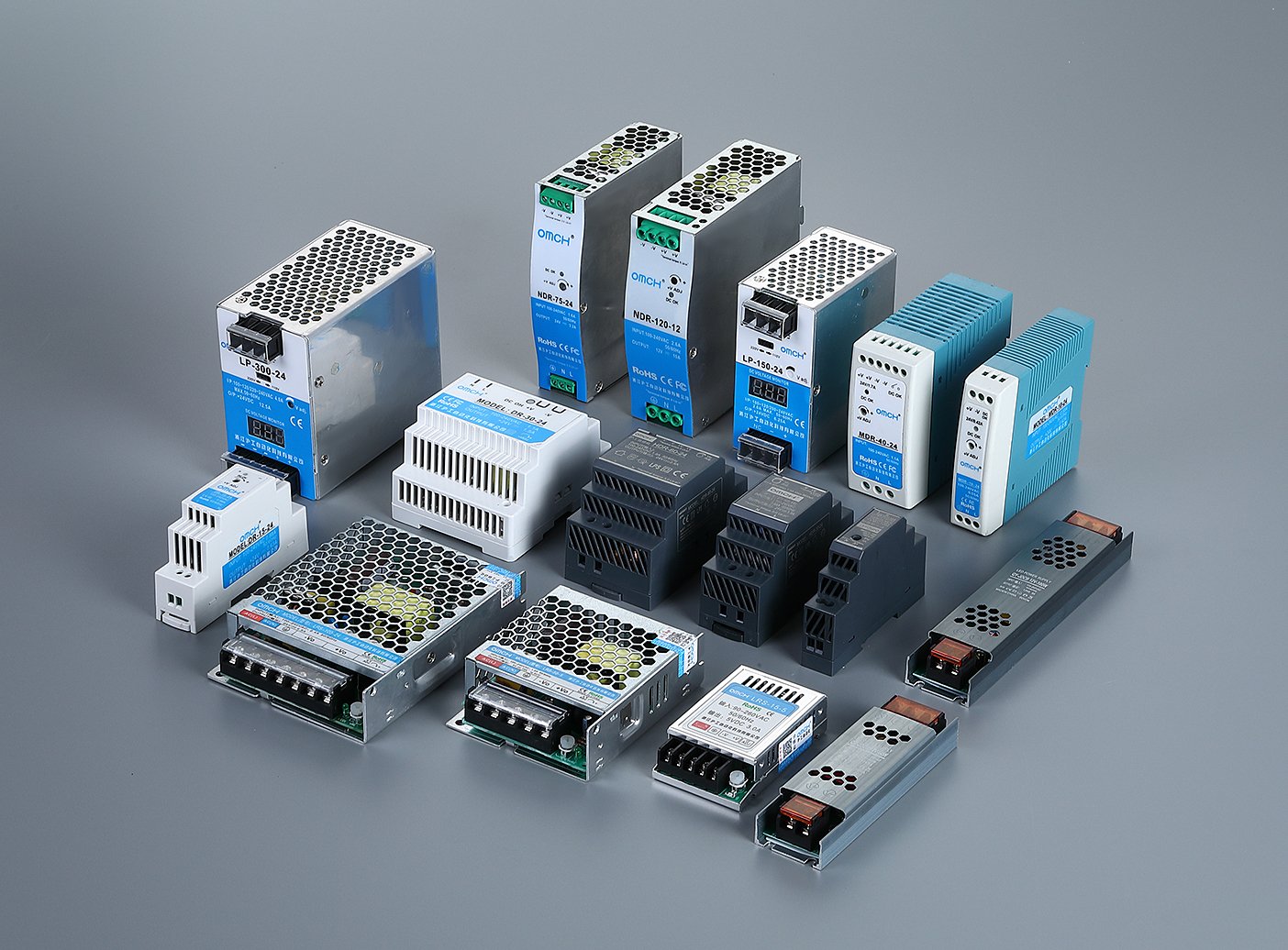
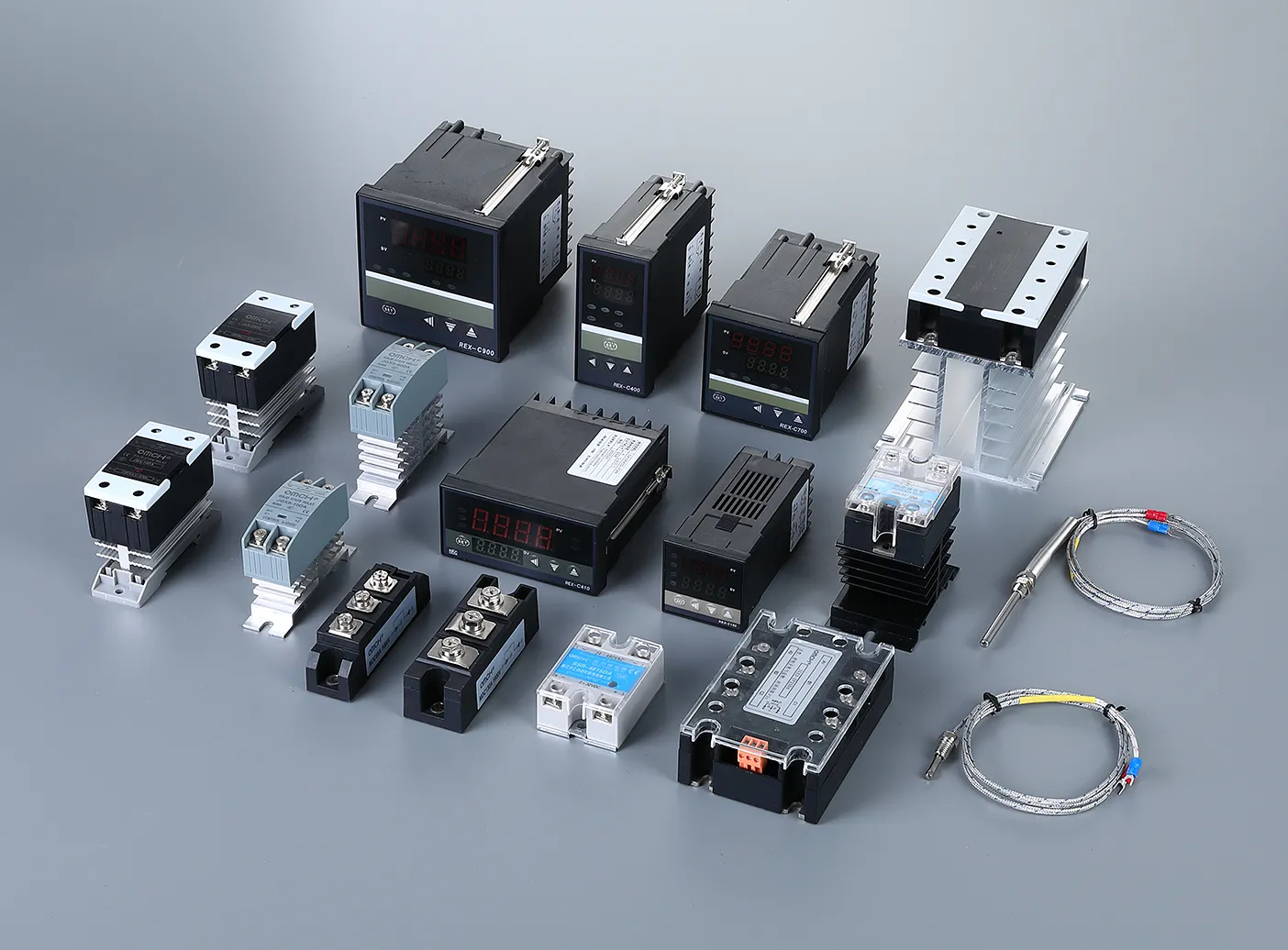
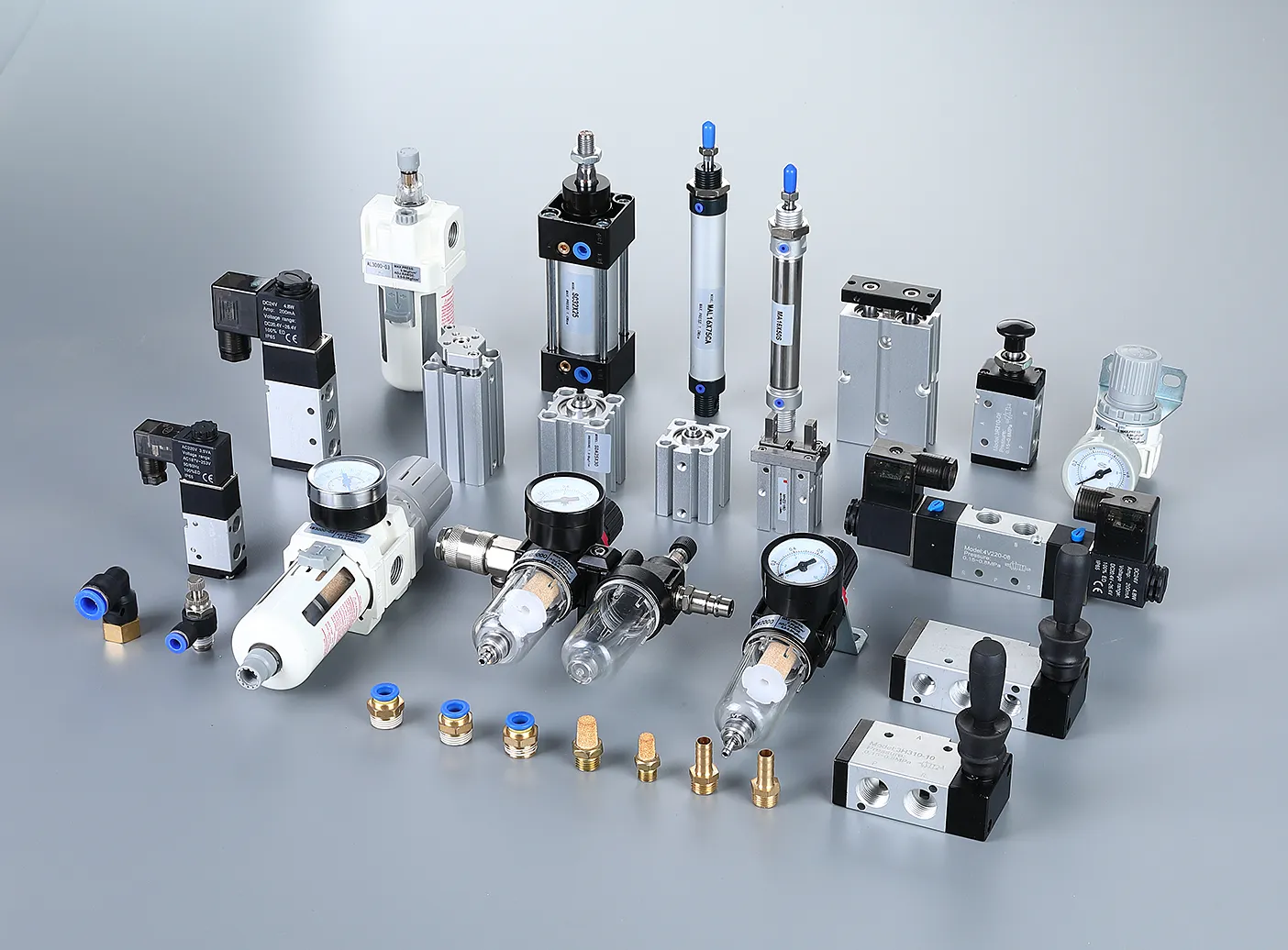
- Integrated Ecosystem (The One-Stop Shop): Successful sensor application often depends on the stability of the surrounding system. OMCH provides a holistic catalog of 3,000+ SKUs, allowing you to pair high-performance photoelectric sensors with our matching switching power supplies, relays, and pneumatic cylinders for guaranteed compatibility and simplified procurement.
- Certified Reliability for Harsh Conditions: OMCH products are tested to ensure that they comply with the IP67 and anti-interference requirements mentioned in this guide. Our 8,000sqm facility operates under ISO9001 management, producing components that carry IEC, CE, and RoHS certifications to ensure long-term uptime in demanding settings.
- Rapid Support & Supply Chain Stability: It is important to reduce the Mean Time to Repair (MTTR). We have 7 dedicated production lines and a 24/7 rapid response mechanism, which means that we are offering the technical support and inventory availability required to keep your production lines running with a full one-year warranty.

Troubleshooting Application Failures: Solving Interference and False Triggers
Even the best sensors can fail if environmental factors are not managed. Learning applications entails the ability to solve the following typical “real-world” problems:
- Ambient Light Interference: LED lights of high frequency or direct sunlight may saturate a sensor receiver. Modern sensors to counter this are modulated light (pulsing the beam at a particular frequency) and optical filters that only permit the sensor own frequency of light to pass.
- Lens Contamination: In wood processing or metal grinding, dust buildup on the lens can cause a “permanent block.” The choice of sensors with an Alarm Output is a preventive measure; these sensors check the intensity of their own light and send a signal to the PLC when the lens requires cleaning before it completely fails.
- Crosstalk: When two sensors are placed close together, the receiver of Sensor A might accidentally pick up the light from the emitter of Sensor B. This is addressed by sensors of varying light frequencies or by applying “mutual interference rejection” logic in the microprocessor of the sensor.
- Material Variability: When detecting absence of objects or moving targets of different colors, applying Constant Gain technology ensures the sensor output remains stable regardless of the color of the object.
Future-Proofing Applications with IO-Link and Industry 4.0 Integration
The future of photoelectric sensor applications is in data. Historically, a sensor used to give a binary signal of “ON/OFF”. The sensor is made a smart device, which can communicate two-way with the introduction of IO-Link.
- Predictive Maintenance: An IO-Link-enabled sensor can communicate its current “Excess Gain” value. Should the value decrease because of dust build up or a minor misalignment, the system has the ability to warn the maintenance before the line goes dead.
- Remote Configuration: In a flexible manufacturing setting where the size of the product varies often, engineers can send new sensitivity values or timing values to hundreds of sensors at once using the PLC, without having to make manual adjustments to the factory floor using the so-called “potentiometers”.
- Real-time Diagnostics: If a sensor fails, the IO-Link master identifies exactly which unit is down and why (e.g., short circuit, wire break), drastically reducing Mean Time to Repair (MTTR).
By integrating these smart technologies, manufacturers can transition from reactive troubleshooting to a proactive, data-driven “Smart Factory” model.
Conclusion
The use of photoelectric sensors is a path between the knowledge of the basic physics of light and the application of the advanced Industry 4.0 protocols. The engineers can make sure that the automation systems are not only functional, but also optimized to be precise and reliable in the long term by choosing the right operational mode and solving the industry-specific challenges with informed choice and active troubleshooting.


 English
  Arabic
  Turkish
  Russian
  Spanish
  French
  Indonesian
  Portuguese
  Thai
Thai  Vietnamese