



The world manufacturing sector is now going through a seismic change that is brought about by the fourth industrial revolution. We are moving away from traditional manufacturing—characterized by rigid, siloed operations—toward a highly flexible, data-driven ecosystem known as Smart Manufacturing. This digital transformation is not just about substituting human labor with robots; it is about the smooth coordination of physical hardware and digital intelligence by embracing digital technologies to generate value never seen before.
Decision-makers no longer ask “why” they should adopt advanced technologies; they now focus on “how” to implement them effectively to streamline manufacturing processes. This paper discusses 12 practical cases of smart manufacturing in practice, the underlying technologies that are making this transformation, and a strategic roadmap to expand these efforts to guarantee a quantifiable payback.
The Evolution of Industrial Intelligence: Beyond Simple Automation
In order to fully understand the effect of the Fourth Industrial Revolution, one must distinguish between smart manufacturing and simple automation. The manufacturing industry has been using Programmable Logic Controllers (PLCs) and robotics to perform repetitive tasks over the decades. Nevertheless, these old-fashioned production systems tend to be “blind”, i.e. they are programmed to obey fixed instructions and cannot adapt to variables unless a human operator is involved.
Smart Manufacturing brings in a cognitive intelligence that is fuelled by artificial intelligence. Its very nature is characterized by two pillars that redefine the way a manufacturing facility operates:
- Data-Driven Decision Making: In contrast to the old systems, smart factories consider data as an important raw material. Artificial intelligence algorithms process all the sensors, motors, and relays that have been converted into critical data points through extensive data collection. This real-time production data is collected and processed through data management systems and used to provide profound understanding of the entire production cycle.
- Self-Optimizing Systems: The end state of this evolution is autonomy. A smart manufacturing environment leverages data analytics and artificial intelligence to detect anomalies and adjust parameters—such as machine speed, temperature, or tool paths—without stopping the production lines.

This has been a change of focus to “doing things smarter” and mass customization where a manufacturing facility can make a one-off custom product with the same level of production efficiency as a production run of a million units.
12 Real-World Examples Across Diverse Manufacturing Sectors
Practical application is the best teacher. Below are 12 examples categorized by industry and application scenario, detailing the specific problems, the technical solutions involving smart manufacturing technologies, and the resulting impact.
Category 1: Automotive and Heavy Machinery
- Digital Twin and Virtual Reality in Chassis Assembly (BMW)
- Problem: The automotive industry is a huge capital risk when it comes to designing a new assembly line; a single mistake in the layout may cause expensive bottlenecks.
- Solution: BMW makes use of high-fidelity Digital Twins, which are virtual copies of the production plant. They simulate all the movements of the robots and workers using virtual reality before a single piece of equipment is installed.
- Result: 30% reduction in time spent on planning because possible defects were identified in a virtual setting prior to actual implementation.
- Integrated Casting and Robotics for Production Capacity (Tesla)
- Problem: Conventional car bodies have more than 70 separate stamped components, making production processes overly complex and heavy.
- Solution: Tesla employs “Giga Presses” and AI-controlled robotic synchronization to cast large vehicle portions in one piece, making the production lines easier.
- Result: A tremendous reduction in factory space, a decline in the number of weld points, and a tremendous increase in total production capacity.
Category 2: Electronics and Precision Engineering
- “Lights-Out” Manufacturing to Mitigate Labor Shortages (Foxconn)
- Problem: Rising labor costs and chronic labor shortages make 24/7 production difficult in high-volume electronics.
- Solution: Implementation of fully autonomous “Dark Factories” where AI-managed robots handle everything from PCB assembly to testing without the need for human lighting or climate control.
- Result: 92% reduction in the number of manual laborers and 30% increase in output per square meter.
- Automated Quality Inspection via AI Vision (Siemens)
- Problem: Human inspectors miss microscopic defects in high-density circuit boards, undermining quality assurance efforts.
- Solution: High-speed cameras coupled with advanced analytics and deep learning algorithms inspect thousands of solder points per second.
- Result: Reached a “Six Sigma” level of quality control, reducing the error rate to less than 3.4 parts per million.

Category 3: Pharmaceuticals and Food Production
- Continuous Manufacturing & Batch Tracking (Pfizer)
- Problem: Traditional processing is slow and in “batch” form, supply chain management and contamination tracing is challenging.
- Solution: The use of the Industrial Internet of Things (IIoT) sensors to monitor the chemical reactions in real-time, which will allow maintaining the production process.
- Result: The production cycles were shortened to days instead of weeks, and the strict regulatory requirements could be met with the help of the correct “track and trace”.
- Automated Ingredient Dosing and Resource Utilization (Nestlé)
- Problem: Inconsistency in ingredient ratios leads to food waste and poor resource utilization.
- Solution: Load cells and smart flow meters connected to a centralized data management system regulate dosing according to the humidity and density of the raw material.
- Result: A 15% decrease in raw material wastage and improved uniformity across global manufacturing operations.
Category 4: Cross-Industry Application Scenarios
- Predictive Maintenance to Prevent Equipment Failures (General Electric)
- Problem: Unscheduled engine maintenance is disruptive and costly, and it is usually brought about by unforeseen equipment failures.
- Solution: Vibration, heat, and acoustics sensors feed into big data analytics models to predict component failure before it happens.
- Result: A 20% reduction in downtime and significantly extended “life-between-overhauls” for critical components.
- Energy Management and Sustainability (Schneider Electric)
- Problem: An average manufacturing facility is a massive energy guzzler, and power is commonly squandered when the facility is not busy.
- Solution: Smart power meters and AI-driven Building Management Systems (BMS) that shift loads based on real time energy prices and demand.
- Result: Average energy savings of 25% and a direct reduction in the carbon footprint of the manufacturing facility.
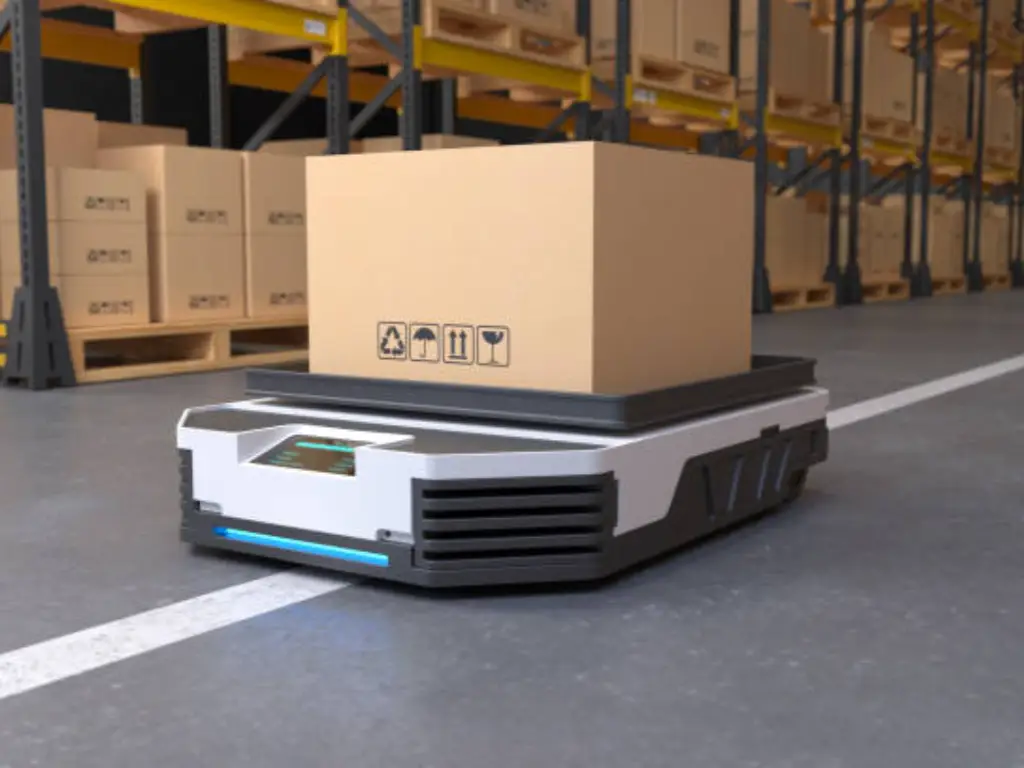
- Automated Guided Vehicles in Intralogistics (Amazon)
- Problem: The most significant bottleneck in e-commerce fulfillment is the manual flow of goods in the warehouse.
- Solution: The implementation of automated guided vehicles (AGVs) and Autonomous Mobile Robots (AMRs) that move dynamically with the help of iot devices.
- Result: A 400% improvement in warehouse efficiency and a drastic reduction in order-to-ship cycle times.
- Collaborative Robots (Cobots) for Production Efficiency
- Problem: Conventional industrial robots are too unsafe to operate with people, which restricts the flexibility of the production process.
- Solution: Cobots with force-feedback sensors that stop immediately they come in contact with an object or a person.
- Result: Human work is focused on complex work and robots do repetitive work, which contributes greatly to the efficiency of production.
- Generative Design and Advanced Technologies (Airbus)
- Problem: Aerospace parts must be as light as possible to save fuel without sacrificing structural integrity, a challenge difficult to solve with traditional manufacturing.
- Solution: With the help of the latest technologies, such as generative artificial intelligence, to “grow” part designs, depending on the parameters of stress, and then additive manufacturing to bring them to life.
- Result: The synergy between AI design and additive manufacturing resulted in parts that are 45% lighter than those designed through traditional CAD and subtractive methods.
- AR-Assisted Maintenance for Continuous Improvement (Caterpillar)
- Problem: Sophisticated equipment needs specialized technicians who are not always available on-site, stalling continuousimprovement.
- Solution: Augmented Reality (AR) glasses that overlay digital instructions and real time sensor data onto the physical machine.
- Result: A 50% reduction in repair time and the ability for junior technicians to perform expert-level maintenance.
Core Technologies Driving Today’s Smart Manufacturing Success
The examples above are made possible by a specific “Tech Stack.” These elements are important to any organization that is strategizing its digital future.
| Technology | Role in Smart Manufacturing |
| Internet of Things (IoT) | The foundation of data collection, connecting every machine and sensor across the factory floor. |
| Industrial Internet of Things (IIoT) | A specialized version of IoT focused on industrial reliability and high-frequency production data. |
| Cloud Computing | Provides the scalable infrastructure needed for data management and running complex big data analytics. |
| Data Analytics / Big Data | The “Logic Engine.” Uses data analysis to identify patterns that predict failures or optimize quality. |
| Virtual Reality (VR) / AR | Used for training, maintenance, and simulating manufacturing processes in a risk-free environment. |
Maximizing ROI: Measuring the Impact of Smart Initiatives
The last indicator of any smart manufacturing project is the Return on Investment (ROI). The Industry 4.0 Tech Stack is amazing but must be translated into a financial gain in terms of cost savings, revenue growth or risk avoidance.
Quantifying the Gains
The following Key Performance Indicators (KPIs) are usually considered by leaders to build a business case of digital transformation:
- OEE (Overall Equipment Effectiveness): The majority of smart initiatives seek to increase OEE (10-20% improvement in production efficiency).
- Maintenance Costs: Reactive to predictive maintenance can save up to 30% of costs and eliminate equipment failures.
- Quality Yield: Real time monitoring and quality assurance systems can reduce scrap and rework by 15-25%.
The OMCH Advantage: A Foundation for Reliable Intelligence
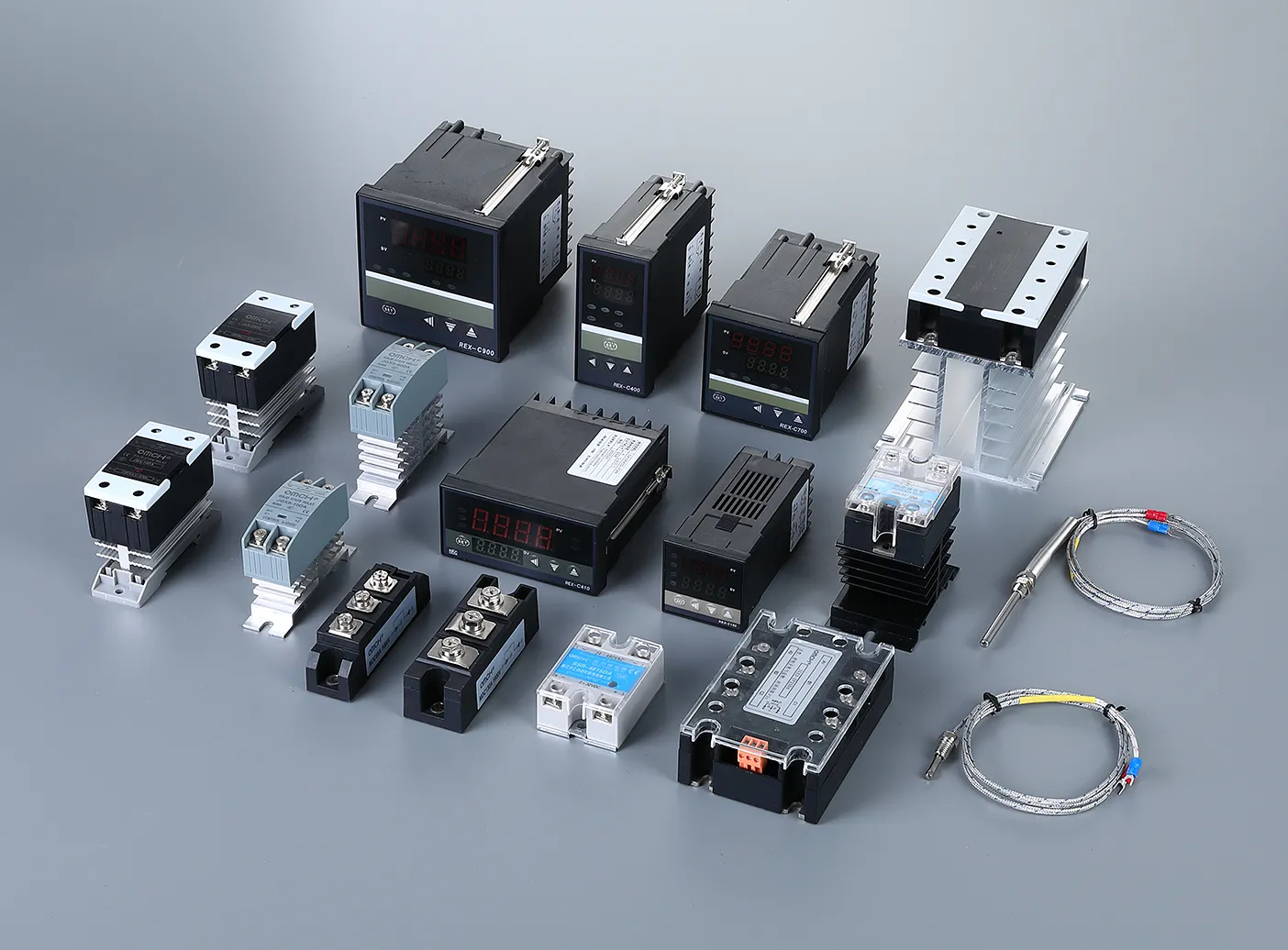
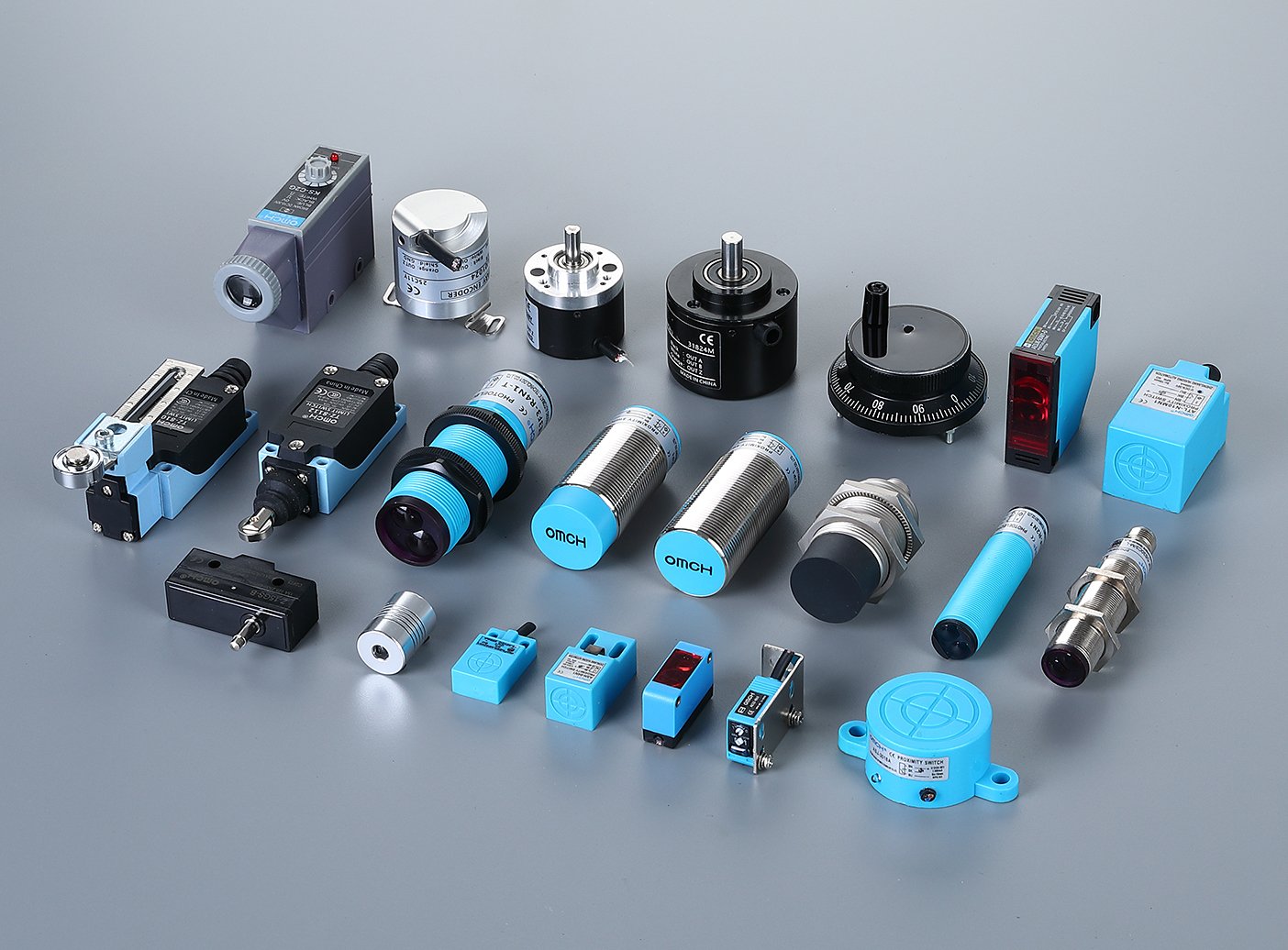
The above-mentioned high-profile smart manufacturing use cases, such as the Digital Twins of BMW or the predictive maintenance of GE, have one thing in common: they all require perfect, high-fidelity data. The most sophisticated artificial intelligence is useless in case the physical sensor malfunctions or the power supply is not constant. This is where OMCH offers the industrial-grade basis of digital transformation. By integrating OMCH’s reliable sensing and control elements, manufacturers can move beyond emergency repairs and adopt a proactive approach that ensures long-term system stability.
Turning Case Studies into Reality with OMCH Solutions:
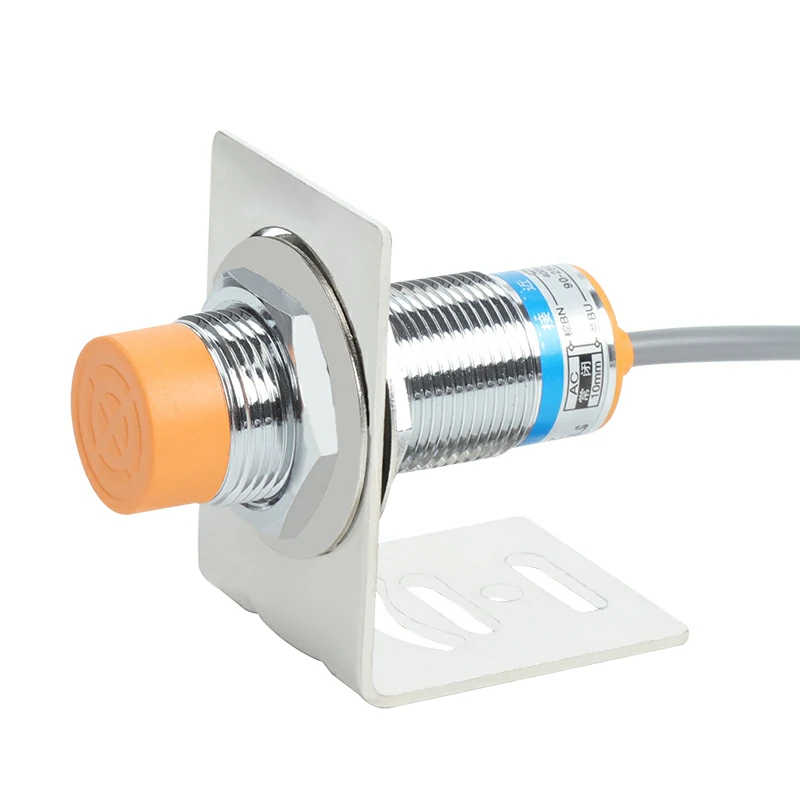
- Bridging the Physical and Digital (The BMW & Siemens Case): To get the microscopic precision of AI Vision systems or Digital Twins, you must have non-drifting sensing hardware. OMCH’s 3,000+ SKUs of high-precision inductive and capacitive sensors act as the “eyes” of your production lines, providing the stable input required for quality control algorithms to function without error.
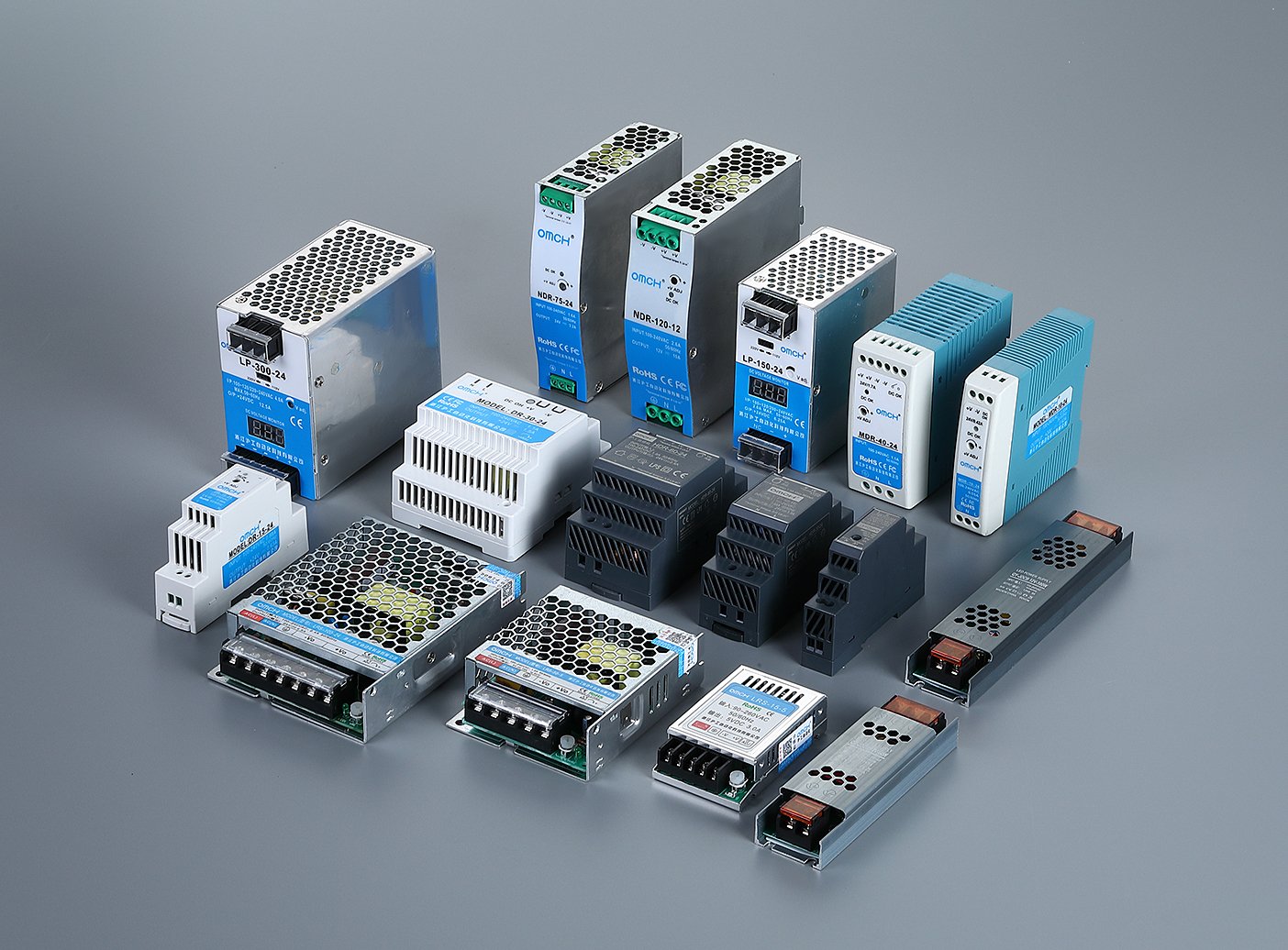
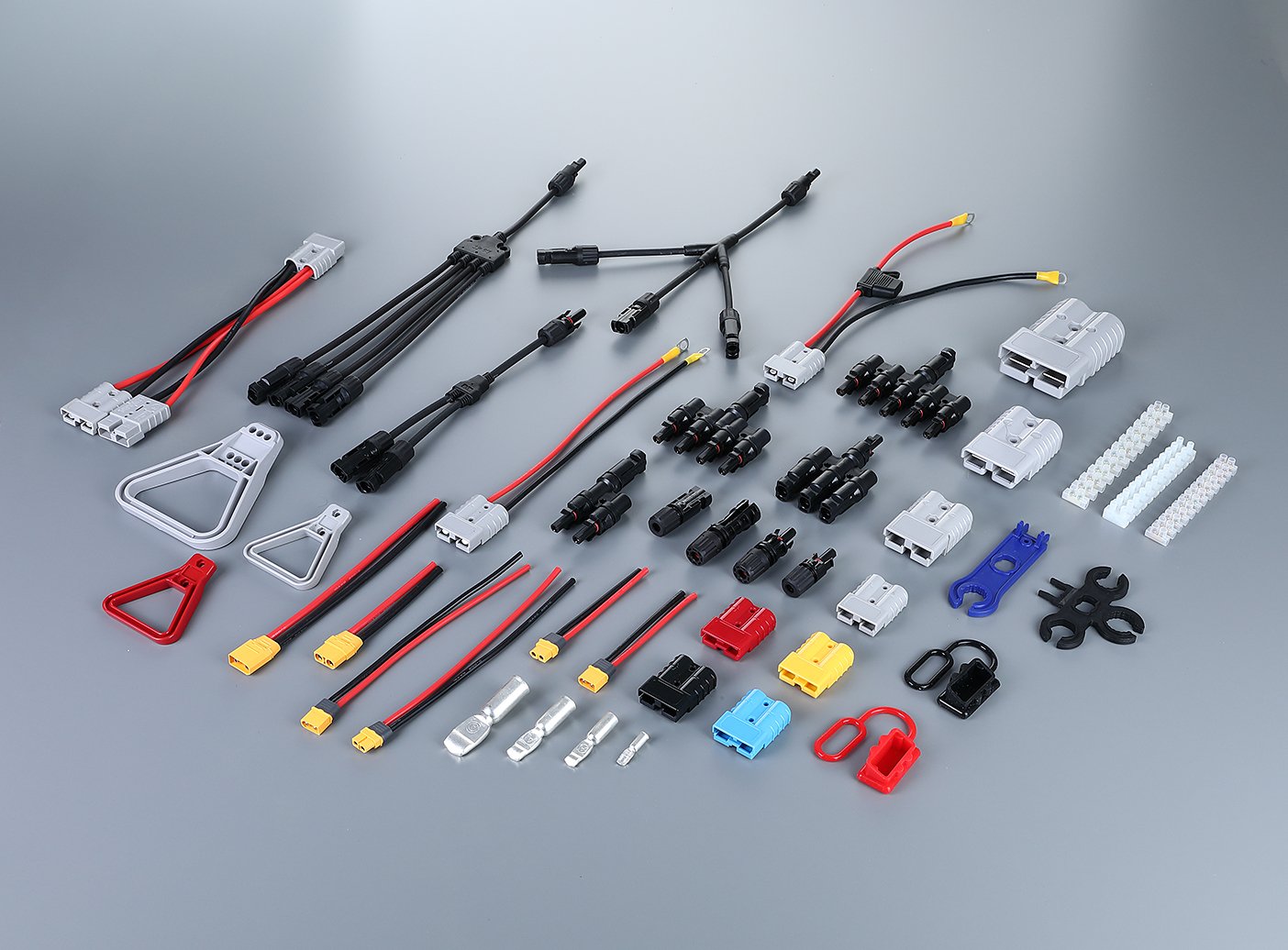
- Preventing the Downtime GE Fought Against: Equipment failures that occur without planning are usually due to power surges or wear of the components. The low-voltage electrical products that OMCH manufactures such as air circuit breakers (ACB) and solid-state relays are based on international standards (IEC, CE). They safeguard your manufacturing plant against the electrical vagaries that can derail a fourth industrial revolution project.
- Supporting Scalability for the Next “Giga Factory”: Tesla is a company of speed and scale. OMCH has 86 branches and 7 production lines, which provide the supply chain resilience required to scale quickly. You can be transitioning to full-scale manufacturing operations out of a pilot, or you can be moving to a different continent, our 24/7 rapid response and global distribution means that a missing $50 sensor will never halt a $50M production line.
By choosing OMCH, you aren’t just buying components; you are securing the real-time data integrity and hardware reliability that makes the world’s most successful smart manufacturing technologies possible.
Ready to Scale Your Smart Factory? Explore the full range of OMCH industrial sensors and electrical components to build your data-driven foundation. [Browse our 3,000+ SKU Catalog]
Strategic Roadmap: Scaling from Pilot to Full Production
Many companies find themselves in “Pilot Purgatory”, which is the state of affairs in which a company performs a series of successful tests but fails to scale them across the organization. To avoid this, follow this four-step roadmap:
- Start with the Problem, Not the Tech: Do not implement AI because it is trendy. Implement it because your labor costs are too high or your production processes are inefficient. Define the business value first.
- Standardize Data Protocols: Ensure all machines can speak the same language. Data silos are the enemy of big data analytics.
- Invest in Change Management: Smart manufacturing is a cultural change. Educate your employees on how to use production data and work alongside robots. A technologically progressive factory needs a data-savvy workforce.
- Iterative Scaling: Start with one production cell. Optimize it. Then expand to the whole line, the manufacturing plant, and lastly the global supply chain.
Smart Manufacturing Trends to Watch in 2026

The technology is also developing further as we head to 2026:
- Generative AI for Factory Orchestration: We are seeing the rise of artificial intelligence through Large Language Models (LLMs) that can write PLC code or dynamically reschedule production processes based on natural language prompts. This lowers the barrier to entry for managing complex production systems.
- Sustainable and Circular Manufacturing: Due to tightening global ESG regulations, smart systems are being assigned the responsibility of monitoring the carbon footprint of each single part manufactured.
- Industrial Metaverse: Using virtual reality for immersive remote collaboration, where engineers can troubleshoot a robotic arm in real time from across the globe.
- Human-Centric Design (Industry 5.0): A shift toward ensuring advanced technologies enhance human well-being and reduce the cognitive load on workers.
Building Your Future-Ready Smart Factory Strategy
Smart manufacturing is a process, not a goal. The above illustrations indicate that the technologies are diverse but the goal is similar: agility, efficiency, and intelligence.
To begin building your future-ready strategy, start by conducting a Digital Maturity Audit to assess your current manufacturing operations. Select reliable partners like OMCH that offer the scale and reliability to grow with your production systems. Finally, focus on talent by upskilling your maintenance teams for the data-heavy environment of tomorrow.
The smart manufacturing competitive advantage window is narrowing. Those who will become the leaders of the industrial world in 2026 and further will be those who will change their attitude of observation to action today.



 English
  Arabic
  Turkish
  Russian
  Spanish
  French
  Indonesian
  Portuguese
  Thai
Thai  Vietnamese