




With the fast development of Industry 4.0, when software algorithms and cloud computing are in the spotlight, the physical foundation of automation has not changed: electromechanical components. These electromechanical parts are the unsung heroes of the manufacturing industry, the key to the digital brain of a control system and the physical muscle of a machine.
Electromechanical components are not only related to the connection of wires; they are related to the management of reliability, safety, and optimization of supply chains in a more volatile market. From precision medical devices to large industrial machinery, their utility covers a wide range of applications.
This guide does not just give textbook definitions. We will discuss the engineering physics of these components, tear down the variations between electromechanical and solid-state options, and give a field-tested framework for selection and troubleshooting.
Defining Electromechanical Components: Core Principles and Functions
In its simplest form, an electromechanical component is a device that performs an electrical task by means of moving parts, or performs an electrical task by means of an electrical signal. This is what makes them the interface in any electronic system.
Although a microprocessor can process information in the form of logic gates (0s and 1s), it cannot physically move a conveyor belt or sense a package on a line without assistance. That is assisted by electromechanical components. They work on a conversion principle:
- Input: The flow of electric current or a voltage signal.
- Process: The creation of a magnetic field or physical force.
- Output: Physical contact, mechanical motion, or electrical switching.
Or the converse (with switches and generators):
- Input: Mechanical force (a finger press or machine limit).
- Process: Physical transportation of conductive elements.
- Output: The closing or breaking of an electrical circuit.
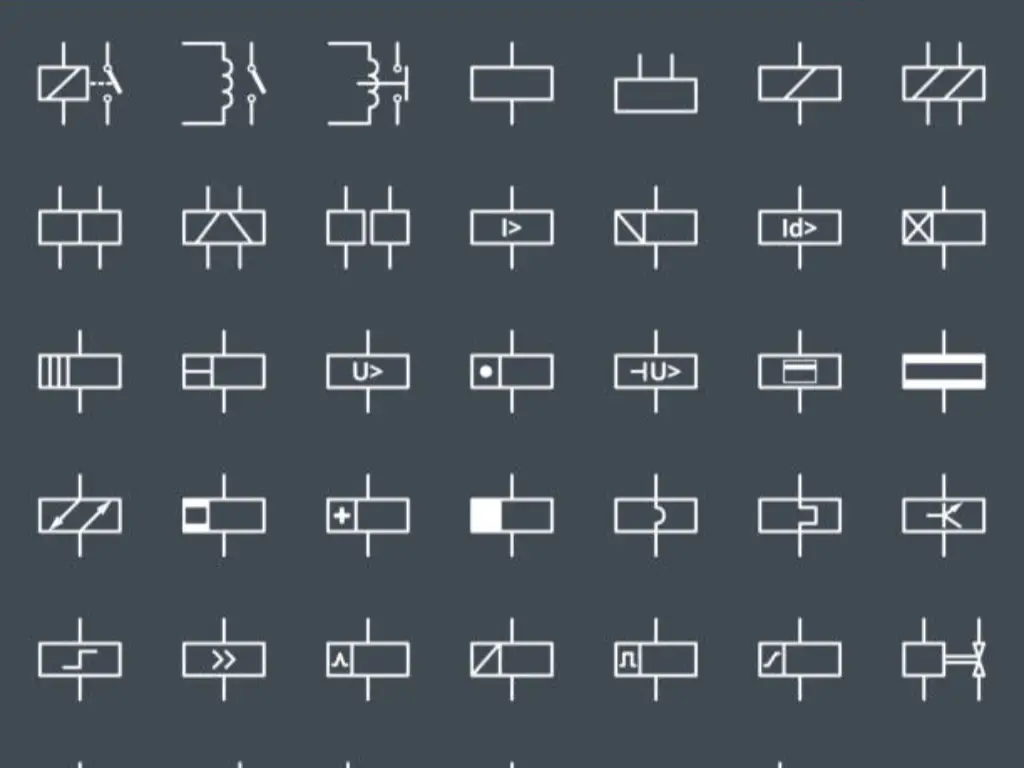
Electromechanical vs. Electronic Components: Understanding the Difference
In contemporary engineering, it is common to confuse electronic components (such as transistors, ICs, and diodes) and electromechanical components. The difference is crucial in the choice of components, especially in severe industrial conditions.
Electronic components control electronic circuits based on the movement of electrons through semiconductors without moving parts. Electromechanical components, in their turn, are based on physical mass and motion. Although solid-state technology is improving, electromechanical devices are still superior in certain high-load and safety-critical applications.
Comparison Table: Electromechanical vs Electronic (Solid State)
| Feature | Electromechanical Components (Relays, Switches) | Electronic/Solid State Components (Transistors, SSRs) |
| Operating Principle | Physical movement of contacts/armatures. | Electron flow in semiconductor material. |
| Moving Parts | Yes (prone to wear over time). | No (infinite mechanical life). |
| Load Handling | Excellent for high voltage/current surges. | Sensitive to overvoltage/current; requires heatsinks. |
| Electrical Isolation | Complete Galvanic Isolation (Air gap). | Limited isolation (leakage current exists). |
| Contact Resistance | Very low (milli-ohms), no voltage drop. | Higher resistance, causing voltage drop and heat. |
| Durability | Vulnerable to shock/vibration. | Highly resistant to shock/vibration. |
| Cost | Generally lower for high-power switching. | Higher cost per amp of switching capability. |
| Key Use Case | Safety disconnects, heavy motor starting, general automation. | High-speed switching, PWM control, logic processing. |
Key Types of Electromechanical Components in Modern Industry
The term electromechanical parts encompasses a huge ecosystem of components. In order to simplify sourcing and design, we categorize these components into four functional families: Switching, Control, Drive, and Connection.

Switching Components (Switches & Relays)
This type is the physical circuit decision maker. It incorporates equipment that opens or closes circuits in response to external stimuli.
- Relays: The workhorse of automation. A physical armature is pulled by an electromagnetic coil to make contacts. They offer necessary isolation between low-voltage control circuits (such as a 24V PLC) and high-voltage power circuits (such as a 220V Motor).
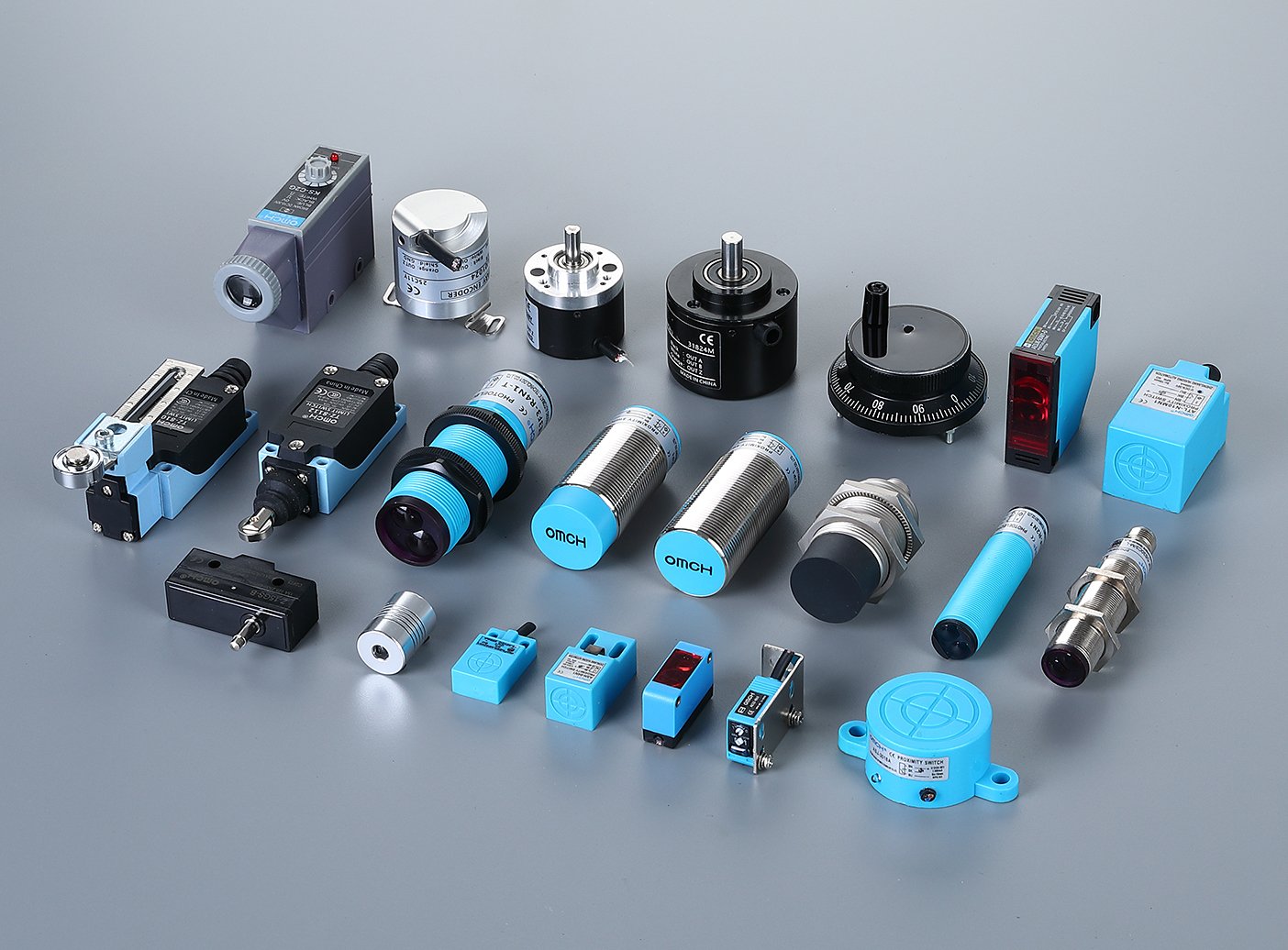
- Limit Switches: These are electromechanical devices that identify the presence or absence of an object through physical contact. They are valued because they are immune to electrical noise (EMI) unlike optical sensors.
- Push Buttons and Toggles: The human-machine interface (HMI). Although touchscreens are used, a physical emergency stop (E-Stop) button is a safety compliance requirement that is electromechanical.
Control Components (Sensors & Encoders)
These elements feed back to the system, transforming the physical states into electrical information.
- Encoders: These are used to measure the position of a rotating shaft. The electromechanical interaction within the encoder informs the robot arm of its position in a servo system.
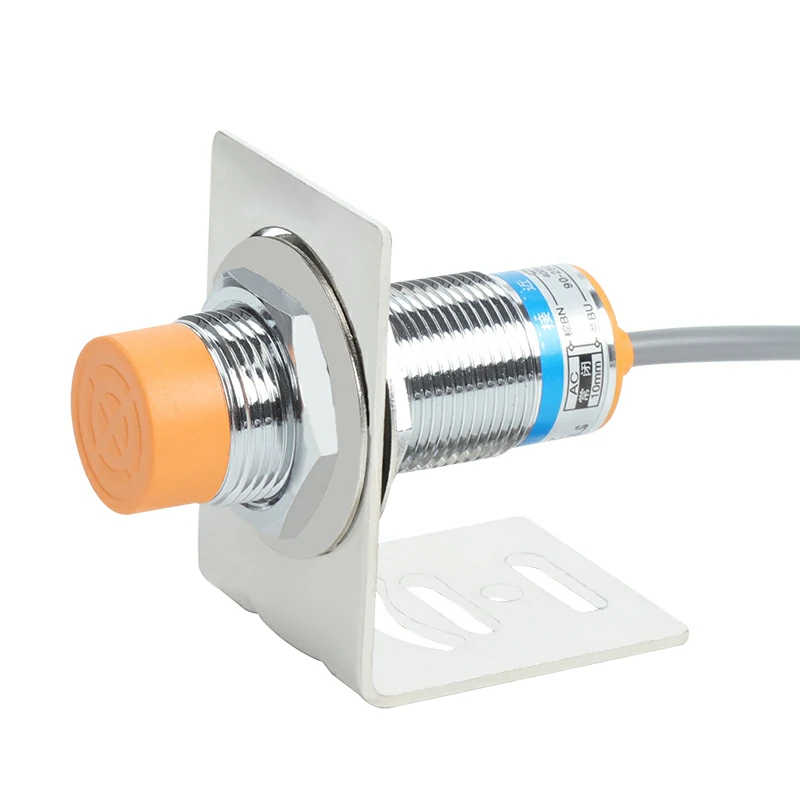
- Proximity Sensors: While strictly solid-state devices, they are frequently categorized with electromechanical parts because they serve as direct functional replacements for mechanical limit switches. In modern BOMs (Bill of Materials), they act as the “non-contact” evolution of traditional switching logic.
- Timers and Counters: The classic electromechanical counters have geared wheels to follow events, and store data even when all power is off, a feature digital memory must replicate with batteries.
Drive Components (Motors & Solenoids)
These are the muscles that transform electrical energy into mechanical work.
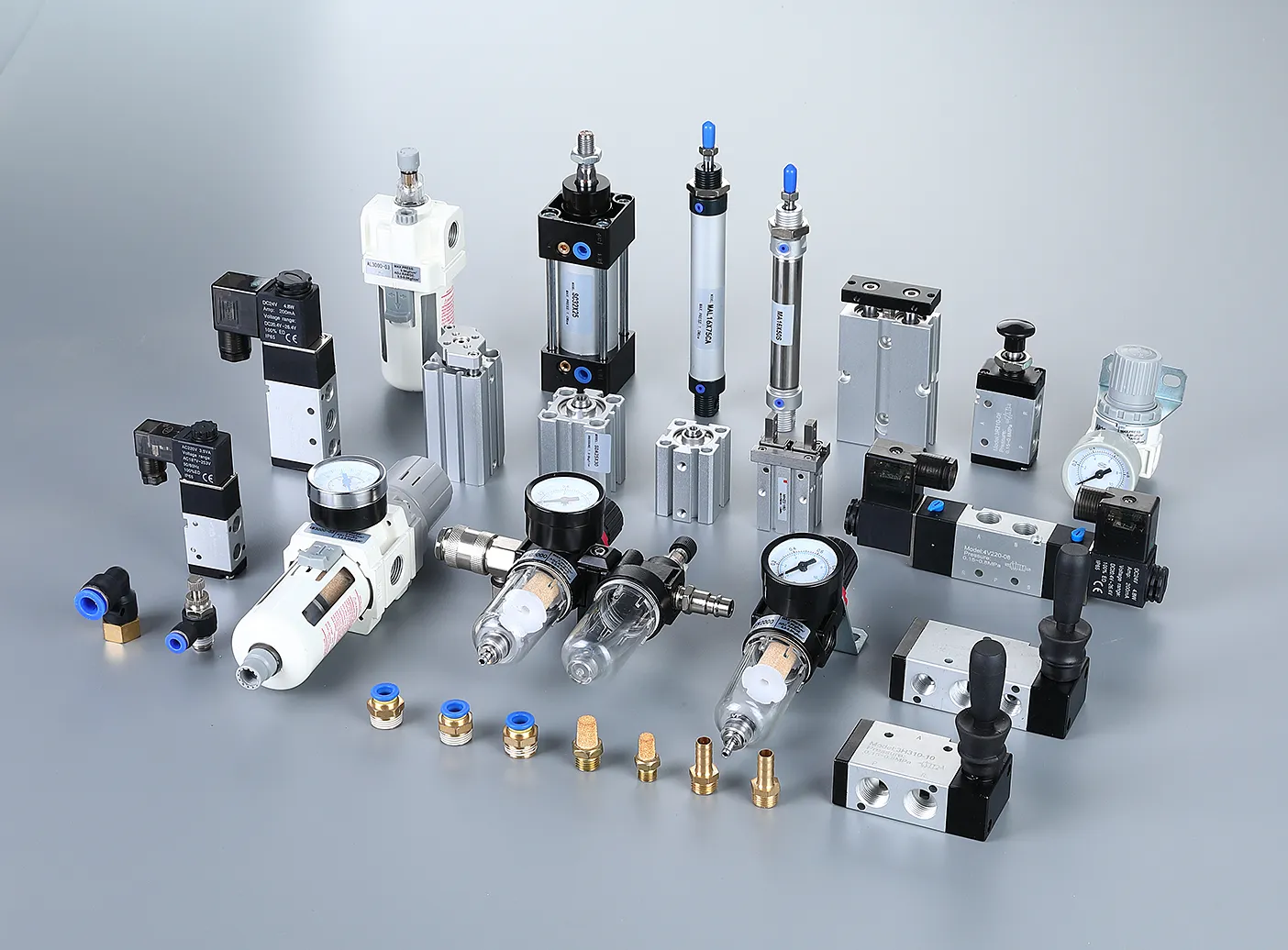
- Solenoids: Linear actuators that operate on a magnetic field to push or pull a plunger. Applied widely in fluid power systems (solenoid valves) to regulate airflow or hydraulic fluid.
- Motors: DC, AC, or Stepper motors. All these are based on the principle of electromagnetic interaction to generate torque.
- Fans: Fans are frequently neglected, but electromechanical cooling fans are essential to thermal management of electrical cabinets.
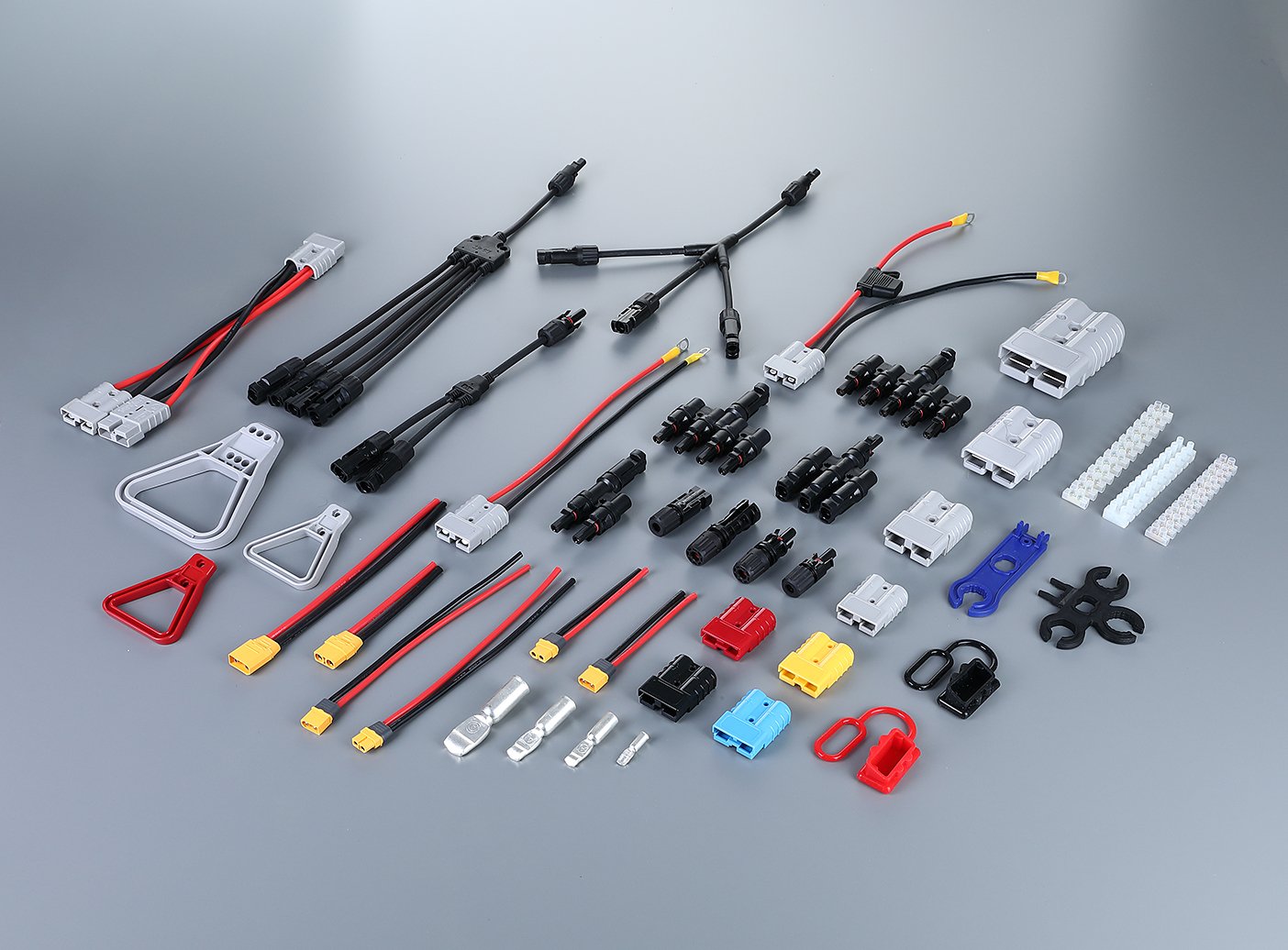
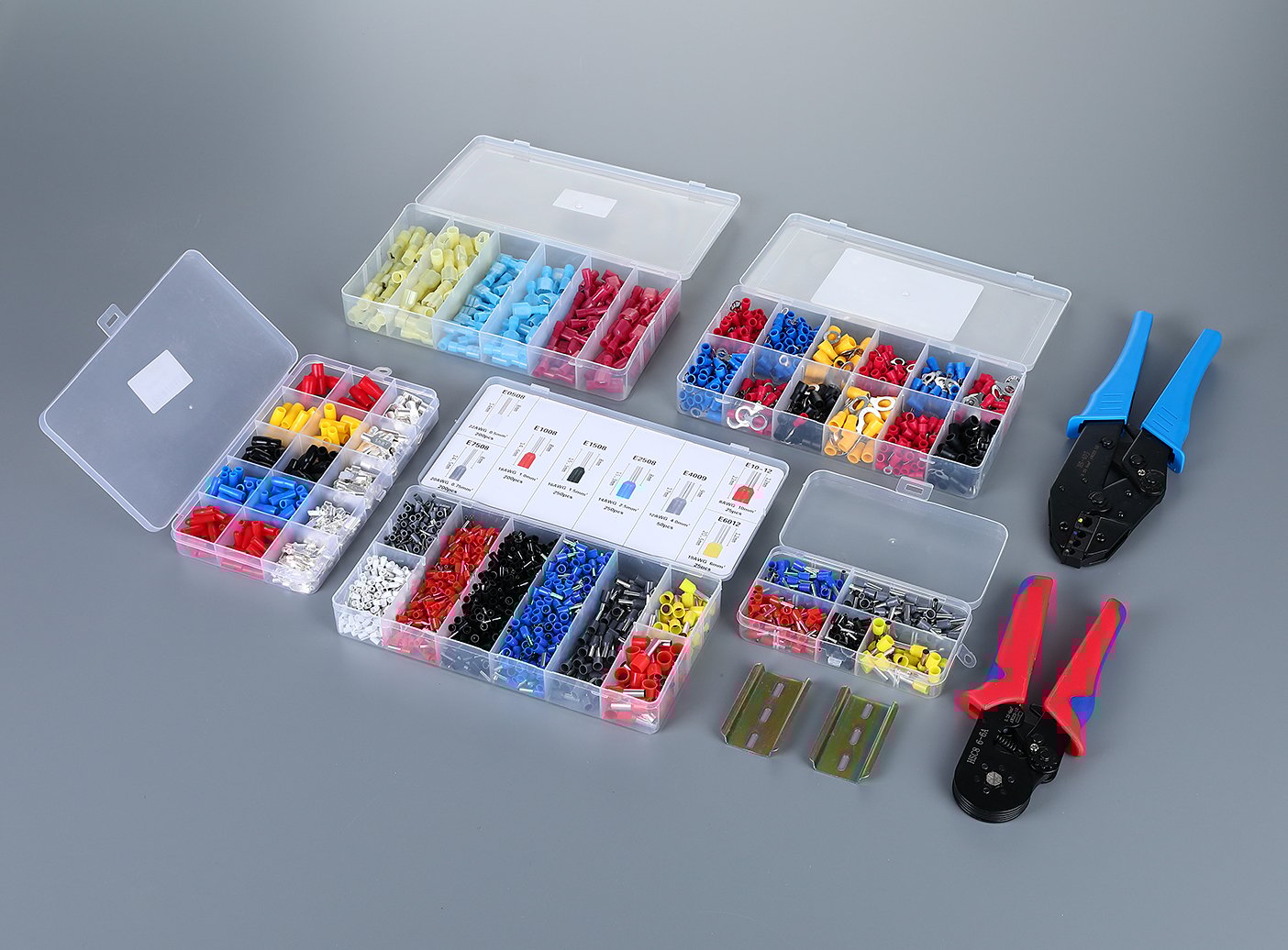
Connection Components (Connectors & Terminals)
Connectors are systems that are mechanically engineered, although they are usually passive. They should be electrically continuous even under vibration, thermal expansion, and oxidation.
- Terminal Blocks: The industrial wiring standard.
- Heavy Duty Connectors: These are used in the design of modular machines to enable the rapid disconnection of power and data cables.
- Cable Lugs & Accessories: These are necessary to provide low-resistance termination.
Top 5 Electromechanical Components Suppliers
The selection of specifications is as important as the sourcing of reliable electromechanical parts. The market is divided into broad-line distributors and specialized manufacturers. The 5 most influential entities that will influence the global supply chain are:
1. TEConnectivity (Switzerland / USA)

TE Connectivity is a multinational technology company that is reputed to design and produce connectivity and sensor solutions that work in the most extreme environments. TE has a history of more than 75 years as the preferred engineering partner to industries in the automotive and aerospace sectors as well as industrial automation and data communications. Their elements are everywhere, as they form the foundation of power, data, and signal transmission in critical systems around the globe.
- Harsh Environment Leadership: Unparalleled skills in developing connectors and sensors that can endure extreme temperatures, vibration, pressure, and moisture.
- Extensive Portfolio: Provides one of the most extensive product lines in the globe, such as heavy-duty connectors, relays, heat shrink tubing, and circuit protection devices.
- Engineering Innovation: They invest heavily in R&D so that they do not imitate industry standards (such as DEUTSCH connectors), but define them.
- Global Support: A huge global network of engineering and support teams with local expertise in virtually every region.
2. Schneider Electric (France)

Schneider Electric is the unquestioned international energy management and automation expert. Schneider is unlike general component suppliers, as it pays much attention to the power aspect of electromechanics. They are the best option in low-voltage power distribution and industrial control, offering integrated ecosystems that integrate hardware reliability with current software functionality (EcoStruxure) to spur digital transformation in manufacturing and infrastructure.
- Power Switching Authority: Contactor (TeSys series), motor circuit breakers, and heavy industrial overload relays.
- Sustainability & Safety: Innovators of the “Green Premium” label, which guarantees the products comply with strict environmental standards and safety standards (SIL ratings).
- IoT Integration: Their components are compatible with the EcoStruxure architecture and can be monitored remotely and predictively maintained.
- Global Availability: A wide distribution network means that common replacement components such as breakers and buttons are available off-the-shelf virtually anywhere in the world.
3. OMCH (China)

Since its founding in 1986, OMCH has grown from a niche manufacturer into a full-fledged “One-Stop Solution” provider of industrial automation and low-voltage electrical products. OMCH combines R&D, manufacturing, and sales within a modern 8,000-square-meter facility equipped with 7 advanced production lines. They stand out by providing the depth of a specialized manufacturer and the breadth of a distributor, serving more than 72,000 clients in 100+ countries with a focus on high reliability and supply chain stability.
- “One-Stop” Component Ecosystem: A huge collection of 3,000+ SKUs covering nearly all subsystems, including Sensors (Proximity/Photoelectric), Relays, Switching Power Supplies, Pneumatics, and Motion Control.
- Manufacturer Direct Advantage: OMCH has its own manufacturing facilities, ensuring quality is strictly controlled (ISO9001, CE, CCC, RoHS) and pricing structures remain competitive compared to pure trading companies.
- Global Reach & Compliance: Products are certified to international IEC standards and are exported to more than 100 regions with a strong logistics network to deliver products quickly.
- 24/7 Agile Support: Dedicated to a “Customer First” philosophy with 24/7 technical response, providing continuous support from product selection to after-sales service.
- Established Reliability: 40 years of history supported by a 1-year warranty policy and intensive testing (inbound/process/outbound) to ensure consistency.
4. Amphenol Corporation (USA)

Amphenol is a leading designer, manufacturer, and marketer of electrical, electronic, and fiber optic connectors in the world. Although they are in close competition with TE, Amphenol is especially known by its agility and specialized orientation towards high-performance interconnect systems. They have expanded by strategic acquisitions, which have enabled them to provide highly specialized military, aerospace, and high-speed internet infrastructure as well as industrial solutions.
- Interconnect Specialization: Laser specialization in connectors and cable assemblies, ranging from micro-miniature interfaces to high-power industrial interconnects.
- High-Speed Data Performance: A pioneer in backplane connectors and high-speed I/O solutions needed in modern data centers and industrial IoT networks.
- Mil-Spec Heritage: Years of service to the military and aerospace industries are translated into highly rugged and dependable industrial-grade products.
- Decentralized Innovation: Their special organizational structure enables individual divisions to innovate quickly and develop tailor-made solutions to particular client needs.
5. OMRON Corporation (Japan)

OMRON is a multinational company that is a leader in the automation sector, founded on its fundamental technology of “Sensing & Control + Think.” OMRON has a legendary reputation in terms of precision and reliability in electromechanical components. They tend to be the default standard for control components in machine building, especially their relays and switches that are engineered to make billions of operations without failure.
- Relay Market Dominance: Their General Purpose Relays (such as the MY and LY series) are the standard of reliability in the industry and are used in control panels all over the world.
- Sensing Precision: Global production of electromechanical switches (limit switches, micro switches) and high-end sensors with high precision.
- Complete Factory Automation: The components are developed to be in complete harmony with OMRON PLCs and motion controllers, making system integration easy.
- Miniaturization: A pioneer in the development of small, high-density components that conserve precious space in control cabinets and printed circuit boards.
Engineering for Extremes: Material Science and Environmental Durability
When an electromechanical component fails, it is not because of the design logic; it is nearly always because of the environment. Standard components are created to work in office-like conditions, whereas industrial reality is heat, dust, and vibration.
- Contact Material Science A contact point is the heart of any relay or switch.
- Silver-Nickel (AgNi): General loads, does not transfer materials.
- Silver-Tin-Oxide (AgSnO2): The gold standard in high-inrush currents (such as LED drivers or motors) since it does not contact weld (stick).
- Gold Plating: Necessary in “dry circuits” (low voltage/current logic signals). Silver contacts may oxidize forming an insulating layer that cannot be punched through by a 5V signal. Gold is not oxidized and this guarantees signal integrity.
- Enclosure Ratings (IP Ratings) Mechanical parts contain moving parts, and this implies that they contain gaps.
- IP40: Fingerproof, dust may get in. Fine in an inside control cabinet.
- IP67: Dust-tight and can be immersed temporarily. Limit switches are required to be mounted directly on machining centers where there is coolant spray.
- Hermetic Sealing: In explosive environments (ATEX) or high-sulfur environments, the components should be hermetically sealed to avoid corrosion of internal mechanics.
- Vibration Resistance Electromechanical devices are massive. A relay armature may physically vibrate closed under high vibration (e.g., on a stamping press) and give a false signal. To avoid this contact chatter, high-quality manufacturers employ stronger return springs and balanced armature designs.
Critical Applications in Automation and Manufacturing
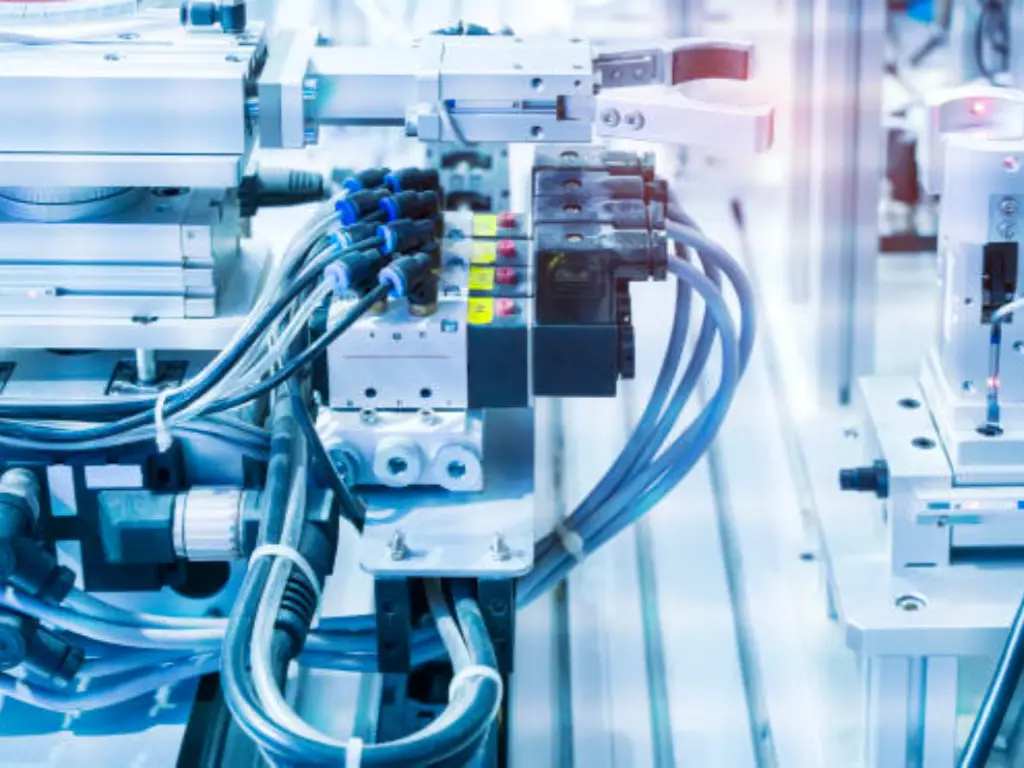
The nerves and muscles of the factory floor are electromechanical parts. The following are the critical applications for electromechanical systems in real-life automation:
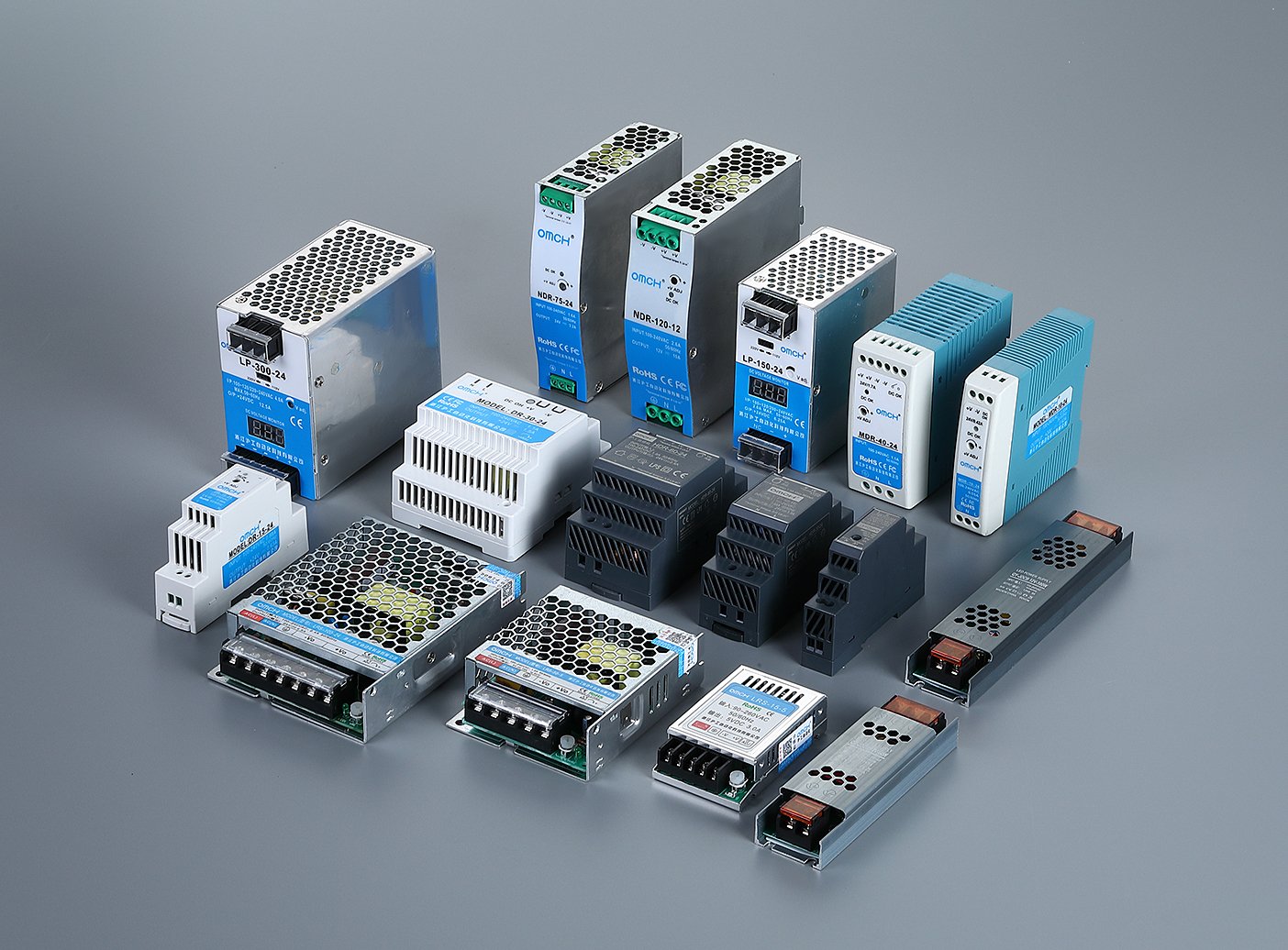
1. The Control Cabinet (Power Distribution) Within the brain of the machine, DIN-rail power supplies (transforming AC to 24V DC) power the system. Circuit breakers (MCBs) are used to guard against overloads, and Interface Relays are used to separate the sensitive PLC outputs and the field devices.
2. The Assembly Line (Conveyance) Photoelectric Sensors are used to detect product position as they pass down the line. Defective products are pushed into reject bins by Pneumatic Cylinders (which are operated by Solenoid Valves). The conveyor motors have encoders to provide accurate speed synchronization.
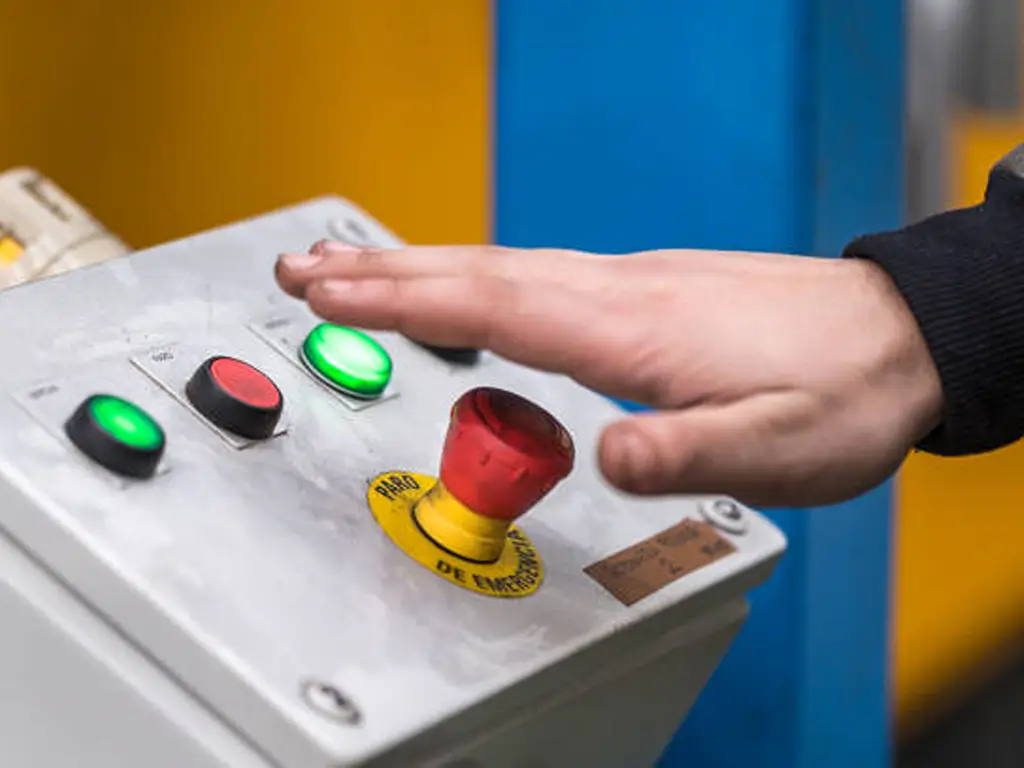
3. Safety Systems The hard-wired backup in safety-critical areas is Emergency Stop buttons and Safety Limit Switches on cage doors. In case of software crash, these electromechanical switches physically cut the power, which is safe to the operators.
Strategic Selection Guide: 5 Factors Beyond Voltage Ratings
Most engineers stop at 24 V DC, 10 Amps. This is where failures begin. In order to pick a component that will last 10 years rather than 10 months, you should consider these five deeper factors:
- Load Type (The Silent Killer)
- Resistive Load (Heaters): Simple to switch. Current increases and decreases immediately.
- Inductive Load (Motors, Solenoids): Hazardous. When you switch off an inductive load, it retaliates, producing a huge voltage spike (Back EMF) that can arc across contacts. Rule: When changing a motor, reduce the derating of your relay by half or make sure it is rated to be used in AC-3 categories.
- Electrical vs. Mechanical Life A switch may be specified to have 10 million mechanical operations, but only 100,000 electrical operations (full load). Plan your maintenance schedule according to the electrical life curve, not the mechanical one.
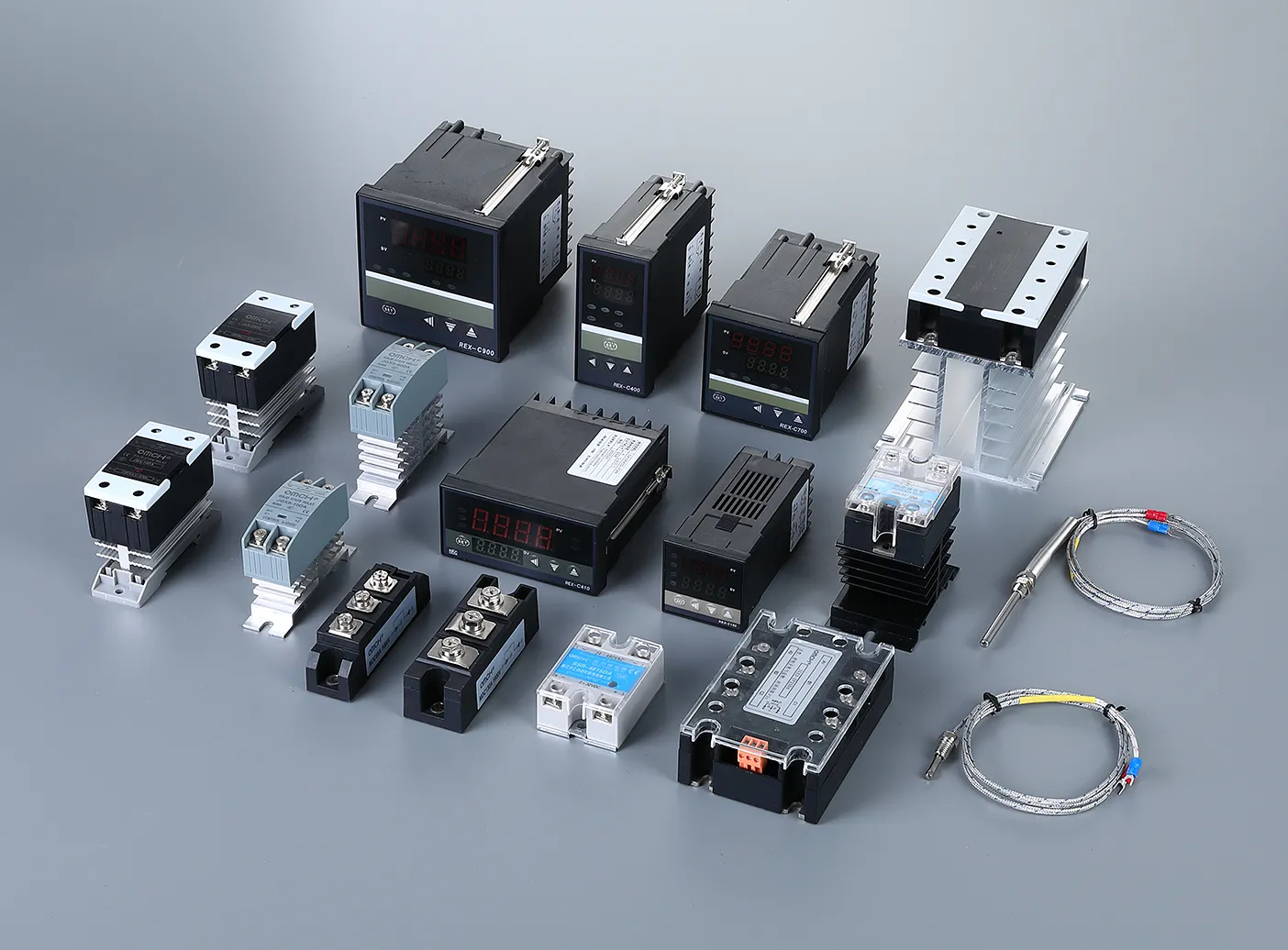
- Operating Frequency Electromechanical devices are physically massive and cannot change infinitely quickly. When you require a switching rate more than 1-2 times per second, a solid-state relay is required. Mechanical relays experience heat accumulation and spring wear due to rapid cycling.
- Environmental “Micro-Climate” Do not simply check the room temperature; check the temperature in the panel. Relays generate heat. When overstuffed without ventilation, the inside temperature may be higher than the insulation rating of the coil, causing shorts.
- Supply Chain Security Can you get the part in 6 months? As witnessed in the recent world shortages, the dependency on one boutique European supplier can stop production. Strategies involve choosing partners like OMCH who offer broad stock availability to mitigate this risk.
Common Failure Modes: Why Components Fail in the Field
The first step to making things last is to know how to break them.
1. Contact Welding (The “Stuck ON” Failure) Due to large inrush current (e.g., starting a large motor). The arc fuses the silver contacts and they melt. The machine will not stop even when the off button is pressed.
- Remedy: Replace with contactors that have special contact materials (AgSnO2) or incorporate inrush current limiters.
2. Coil Burnout (The “Dead” Failure) Due to over-voltage or undervoltage. When 18V is applied to a 24V coil, it might not fully pull in, and the coil will overheat as it fights the spring. On the other hand, 30V will incinerate the insulation.
3. Contact Oxidation/Fouling When in a high humidity or silicone-laden environment, an insulating coating develops on the contacts. The relay clicks and no electricity flows.
- Remedy: Sealed (wash-tight) relays or bifurcated (split) contacts should be used to enhance the reliability of connections.
Troubleshooting Electromechanical Components: A Practical Field Guide
You have no time to theorize when a machine breaks. To diagnose electromechanical problems, follow this workflow:
Step 1: The “Click” Test (Auditory) Trigger the device. Can you hear the clicking of the armature?
- No Click: It is probably the Input (Coil not receiving power) or the Actuator (Coil burned out/jammed).
- Yes Click: The mechanicals are in motion. The issue is probably the Output (Contacts burned/oxidized).
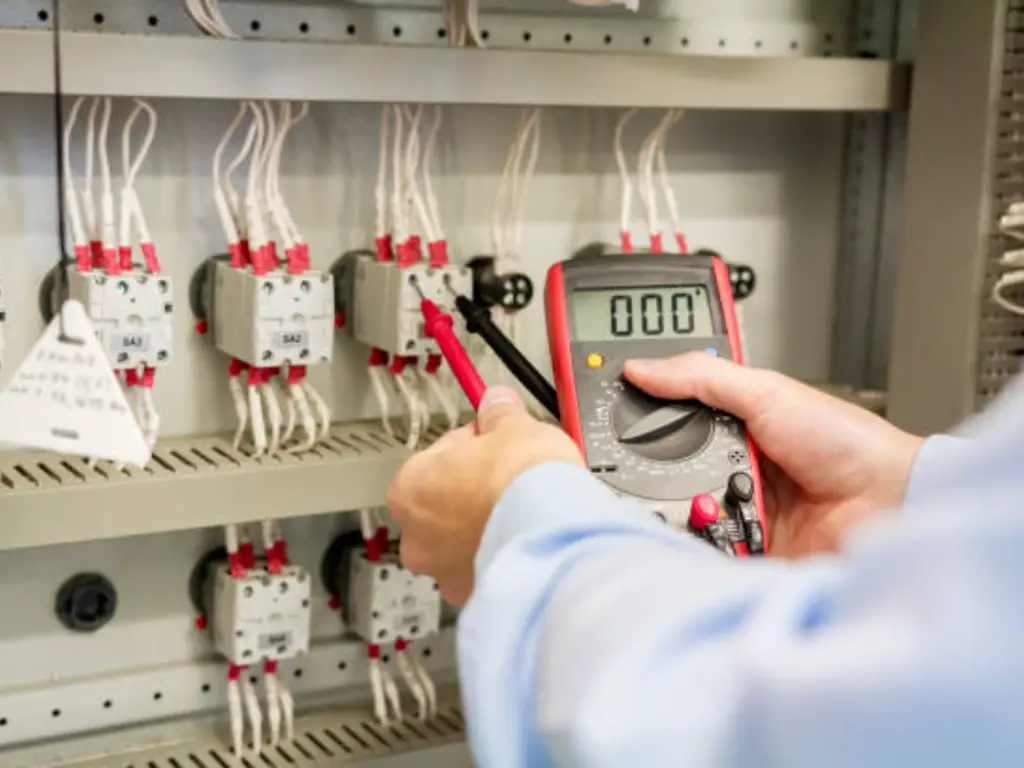
Step 2: Voltage Drop Measurement (The Professional Way) Continuity (beep mode) is not to be measured with a multimeter. A contact may beep but not under load.
- Procedure: Connecting the circuit live, the switch CLOSED, measure the voltage across the switch contacts.
- Result: It should be near 0V. When you read 2V, 5V or higher across a closed switch, the internal resistance is excessive. Replace the component.
Step 3: Arcing Visual Inspection Examine the transparent casing of relays. When there is black soot inside, then the contacts are very worn out due to arcing. This indicates that the load is too inductive or the relay is too small.
Future Trends: Miniaturization and IoT Integration
The electromechanical components world is not stagnant. It is changing to satisfy the needs of Smart Factories.
- Hybrid Components We are witnessing the emergence of hybrid devices that are both strong and smart in terms of their electromechanical contacts and electronics respectively. As an example, contactors which operate a microprocessor to adjust the point at which the AC zero-crossing point occurs to maximize the time between switching to minimize arcing and increase life by 10x.
- IoT-Ready Sensors Sensors are no longer On/Off. The current sensors (such as those being developed in the R&D laboratories of OMCH) are starting to provide IO-Link services, not only detection, but also health status, temperature, and signal strength to the central controller.
- High Density Miniaturization Components have to be reduced in size as the control cabinets become smaller. The movement is to slim interface relays (6mm wide) and high-density terminal blocks to get the most functionality per square millimeter of DIN rail.
Conclusion
The interface between the digital and physical world is the long-term interface of electromechanical components. Although the laws of physics remain the same, the quality, reliability of the supply chain, and specificity of the application are more than ever. Engineers can create systems that can stand the test of time by going beyond simple ratings and learning the material science and failure modes.


 English
  Arabic
  Turkish
  Russian
  Spanish
  French
  Indonesian
  Portuguese
  Thai
Thai  Vietnamese