

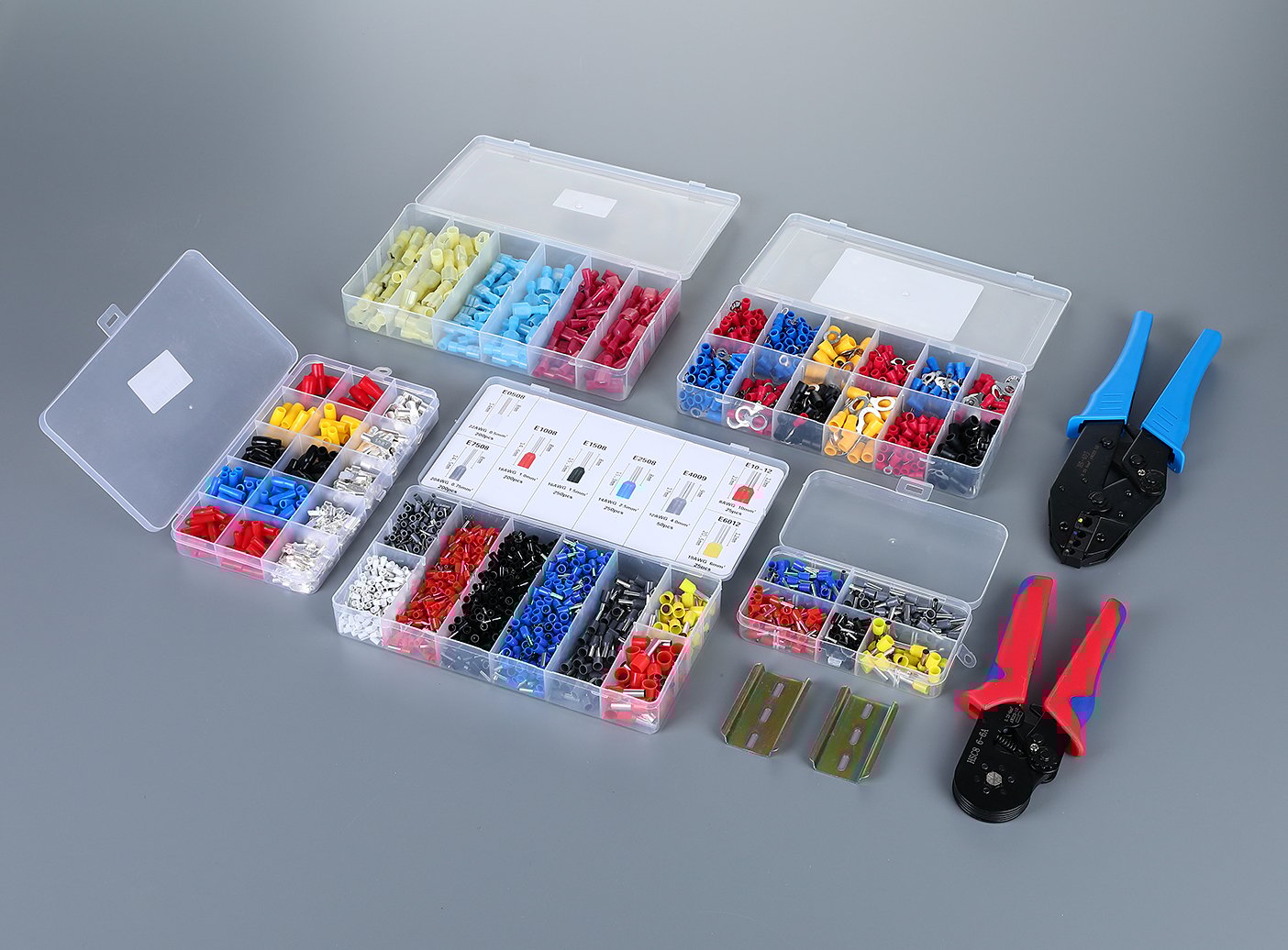

In the modern world of modern manufacturing and the broader manufacturing industry, having long since moved past the era of steam power, the elements of factory automation are no longer single, isolated, mechanical elements, but the fundamental nodes that make up the Industrial Internet of Things (IIoT) and edge computing. Be it an expert system integrator or a procurement manager charged with the task of equipment upgrades, a profound grasp of the collaborative logic of these elements is the key to the construction of high-efficiency and high-flexibility production lines that define modern manufacturing success.
The DNA of Modern Smart Manufacturing Systems
To understand modern factory automation and complex manufacturing processes, one must step out of the isolated thinking of “parts” and view them as an interconnected closed-loop system. The “DNA” of this system, where core components and control systems play a crucial role in the production process, consists of three core links: Sensing, Decision, and Action.
- Sensing Layer (Sensors and Vision): The senses of the system, responsible for collecting real time data such as position, pressure, temperature, or visual images, effectively converting physical inputs into electrical signals.
- Decision Layer (Controllers): The brain of the system, calculating and issuing instructions based on preset algorithms and real-time feedback.
- Action Layer (Motors and Pneumatics): The muscles of the system, responsible for converting electrical or pneumatic energy into precise physical movements.
This closed-loop structure ensures that production lines can achieve real-time self-calibration. Through digital technology, every physical component has its corresponding model in virtual space, realizing a fundamental shift from “mechanical drive” to “data-driven.”
The Brains: Logic Controllers and HMI Units
If an automation system is a symphony orchestra, then the controller is the conductor. Currently, mainstream control solutions show a trend of high integration and openness:
- PLC (Programmable Logic Controller): The stable cornerstone of the industrial world. Modern PLCs have integrated powerful computing power, capable of directly processing complex motion control and edge data logic.
- PAC (Programmable Automation Controller): Blurs the boundary between PLC and PC, more suitable for large and complex systems requiring multi-domain coordination (logic, motion, process control).
- IPC (Industrial Personal Computer): With the rise of software-defined automation, industrial computers based on real-time kernels are becoming mainstream, especially in scenarios requiring the running of big data models or deep learning.
HMI (Human-Machine Interface) Interaction Innovation:
Existing HMIs are no longer simply hard touch screens. Mobile remote monitoring and responsive Web interfaces have become the norm. Premium HMIs are more user experience oriented and reduce the barrier to entry of operators by providing easy to use graphical interfaces and real-time fault diagnosis advice.
The Senses: High-Precision Sensors and Vision Systems
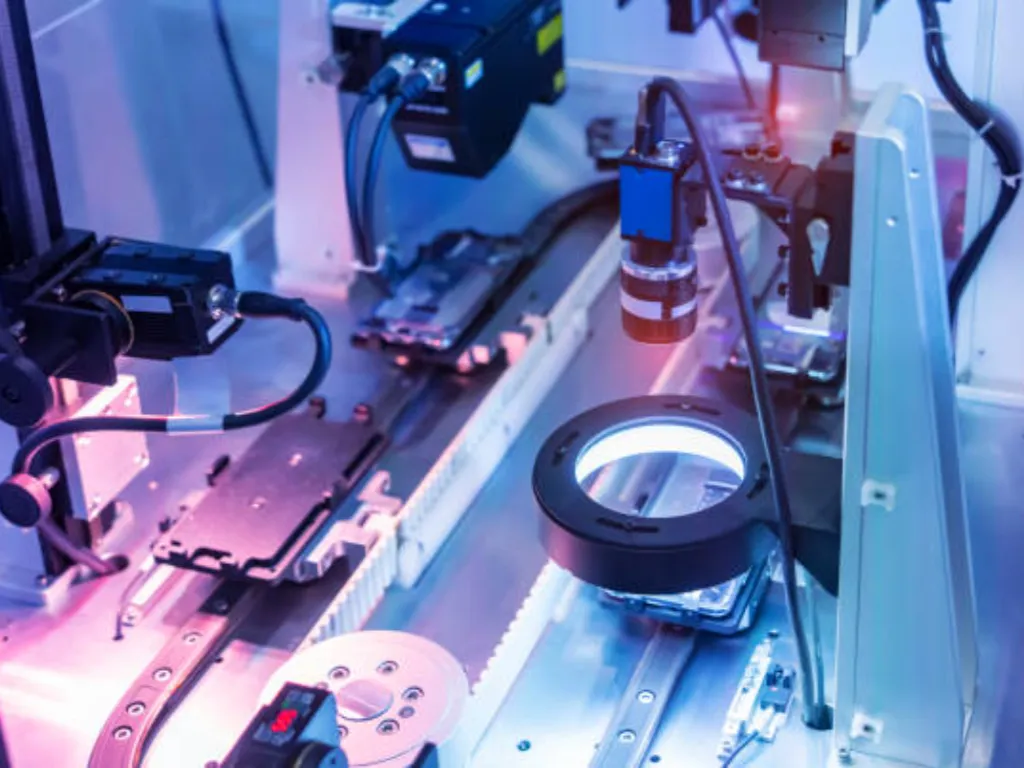
Sensor technology is currently the fastest-iterating and most innovative sector in the automation field.
- From Single Detection to Multi-dimensional Perception: Miniaturized, low-cost LiDAR (Light Detection and Ranging) is still essential in obstacle avoidance and high-resolution spatial mapping of autonomous mobile robots, but basic proximity switches are still indispensable.
- Intelligence of Vision Systems: 3D vision technology (structured light or ToF) has provided robots with depth perception, enabling them to easily perform bin picking and intricate surface quality defect inspections.
- Intelligent Diagnostic Sensors: IO-Link technology is so popular that sensors do not just give 0 and 1 anymore. They are now able to report their health status in real-time, which allows preventative maintenance.
The Muscle: Motors, Drives, and Pneumatic Actuators
Execution mechanisms are responsible for converting instructions into physical output, optimizing the assembly line while reducing manual labor and labor costs. In the choice of power sources, electric drives and pneumatics each perform their duties and complement each other, utilizing various types of actuators including electric actuators and hydraulic actuators.
Servo Motors vs. Stepper Motors
- Servo Motors (Servo): With their high torque, high dynamic response, and closed-loop feedback, they remain the first choice for high-precision applications (such as semiconductor packaging and precision machine tools).
- Stepper Motors (Stepper): With the introduction of closed-loop technology, they exhibit extremely high cost-performance and system stability in low-to-medium speed and short-stroke applications.
High-Efficiency Pneumatic Systems
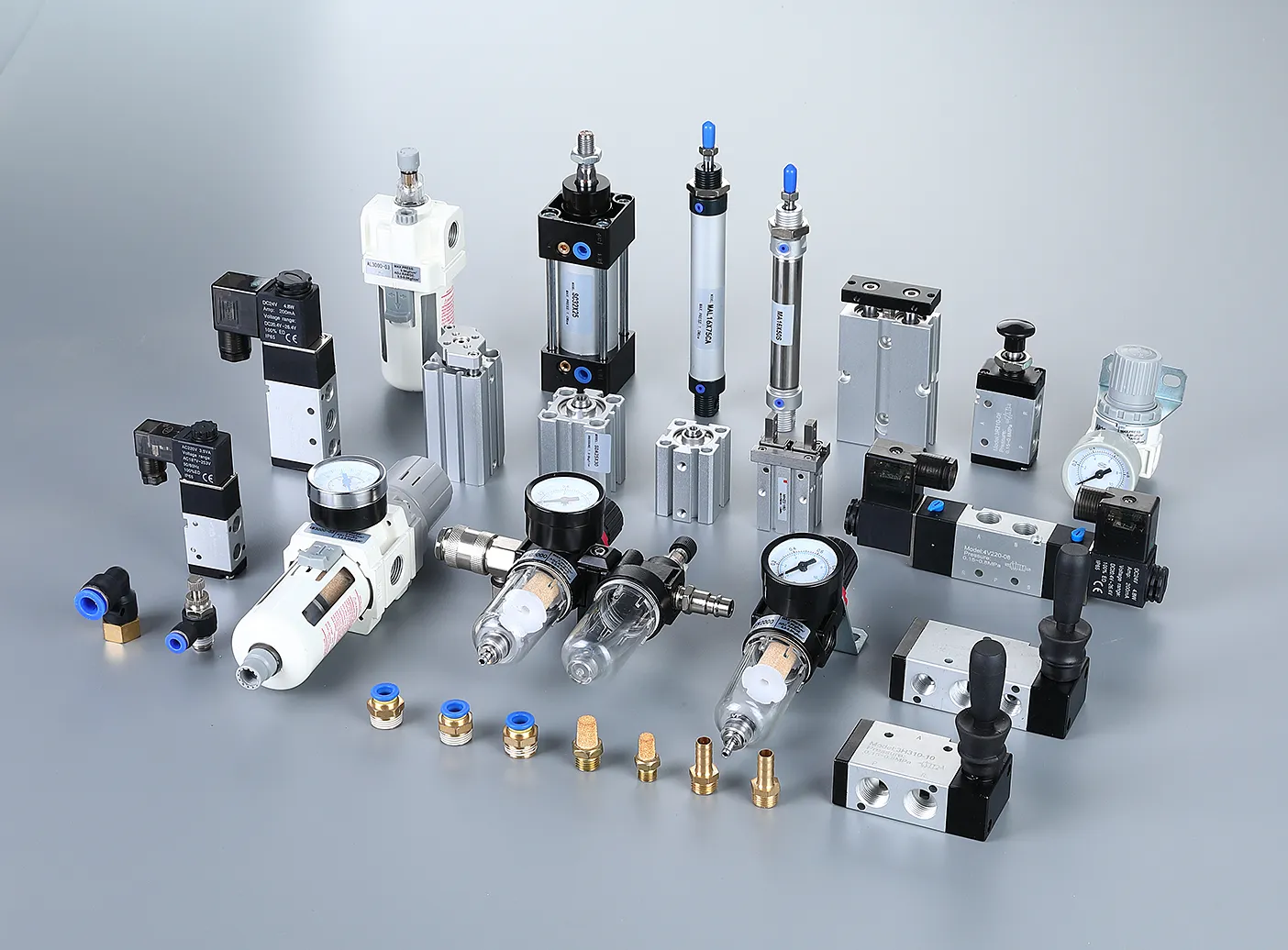
With the background of energy saving and emission reduction, a new generation of digitally controlled pneumatic components is able to save a lot of compressed air loss by controlling the flow accurately. While hydraulic systems offer immense power, pneumatic components continue to hold a central role in the packaging and logistics sector, where high-frequency reciprocating motion and high power-to-weight ratios are needed for repetitive tasks on the factory floor, as they have a simple structure and provide precision motion control.
Ensuring Seamless Compatibility and Communication Protocols
“Compatibility” is the key to the success or failure of an automation project. Industrial communication has now formed a landscape centered on Industrial Ethernet.
- EtherCAT: Dominates the field of high-performance multi-axis motion control with its extremely low jitter and sub-millisecond synchronization cycles.
- PROFINET: One of the protocols with the highest global market share, thanks to its excellent stability in large-scale production lines and process automation.
- TSN (Time-Sensitive Networking): Solves data conflicts between office networks and industrial control networks, achieving a true fusion of IT and OT. When selecting components, ensuring support for standard protocols such as OPC UA is key to guaranteeing future system scalability.
Key Factors for Selecting the Right Components
When making procurement and design decisions to meet high production demands while ensuring product quality and reducing human error, these are essential components that should be evaluated across these dimensions:
| Consideration Dimension | Core Focus | Recommended Index |
| Mechanical Accuracy | Repeat positioning accuracy, backlash | Reserve 15%-20% performance margin according to process requirements |
| Protection Grade | Environmental endurance (water, dust, oil) | IP67 for harsh environments, IP69K for wash-down environments |
| Response Speed | Communication latency, processing frequency | For motion control, keep the communication cycle within 1ms-2ms |
| Compatibility | Protocol support, software integration | Prioritize brands with standard configuration files (GSD/EDS) |
| Life Cycle Cost | Power consumption, lifespan of wearing parts, after-sales | Focus on MTBF (Mean Time Between Failures) |
Top Factory Automation Manufacturers Leading the Industry
Selecting mature partners can significantly reduce technical risks. The following five companies represent the top global standards in the automation field:
Siemens (Germany)
- Core Products: SIMATIC S7 series PLCs, SINAMICS drives, TIA Portal totally integrated automation platform.
- Technical Advantages: Possesses the industry’s top Digital Twin software ecosystem.
- Brand Characteristics: A leader of Industry 4.0, skilled at solving longitudinal integration problems of extremely large scale and complexity.
- Manufacturer Overview: As the cornerstone of global industrial automation, Siemens’ TIA Portal software platform seamlessly integrates logic control, drives, human-machine interaction, and safety functions. This “one-stop” engineering environment greatly reduces integration difficulty. For large manufacturing enterprises pursuing ultimate system stability and long-term spare parts guarantee, Siemens is not just a supplier, but a strategic partner ensuring production continuity.
Rockwell Automation (USA)

- Core Products: Allen-Bradley controllers (ControlLogix), Studio 5000 design environment.
- Technical Advantages: Deeply promotes the EtherNet/IP protocol, with extremely high proficiency in hardware-software integration.
- Brand Characteristics: Occupies a dominant position in the North American market, with an excellent reputation in oil and gas, chemical, and high-end discrete manufacturing fields.
Manufacturer Overview: Rockwell Automation is an innovator of Industrial Ethernet applications. Its brand Allen-Bradley is known to have intuitive logic programming and strong diagnostic features. In the case of enterprises that place a premium on system ease-of-use and where multinational business requirements are involved, the integrated architecture of Rockwell can reduce the production lead time by a significant margin. Its sophisticated Industrial IoT architecture enables the transmission of data between the bottom-level components and the cloud to be extremely easy.
Keyence (Japan)
- Core Products: High-performance sensors, intelligent machine vision systems, laser displacement meters.
- Technical Advantages: Ultimate detection accuracy and the industry’s strongest “out-of-the-box” software algorithms.
- Brand Characteristics: The direct sales model ensures super-strong technical support response, with short product iteration cycles.
Manufacturer Overview: Keyence is the unquestioned standard in areas where accuracy of detection and rapid identification is required. They are determined to make technical complexity less; their vision systems combine many preset algorithms, and even non-professionals can accomplish complex quality control tasks with simple settings. This democratization capability of advanced technology saves the customers a lot of labor and research and development time.
OMCH (China)

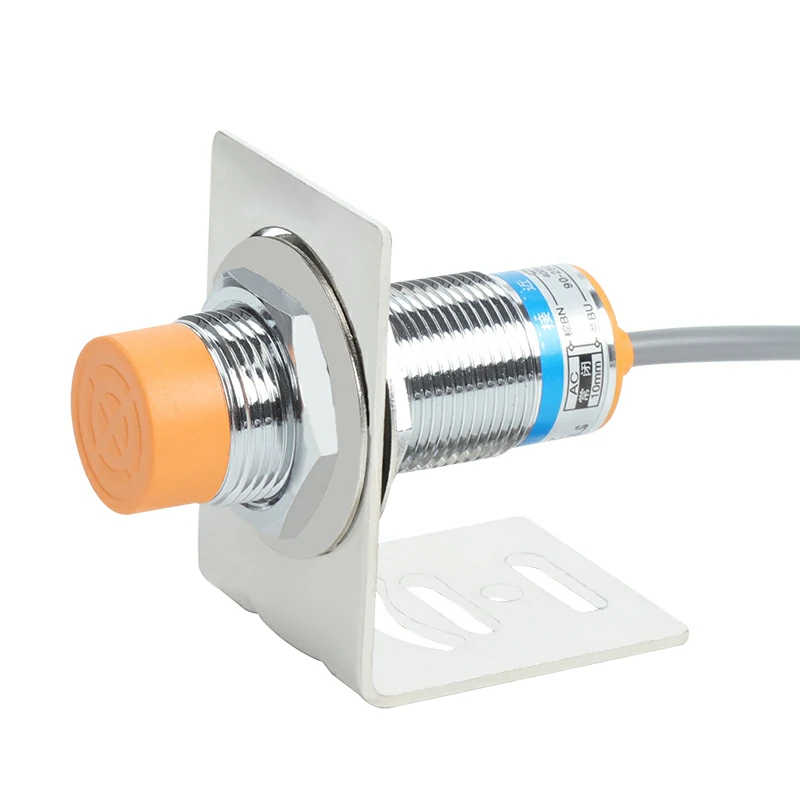
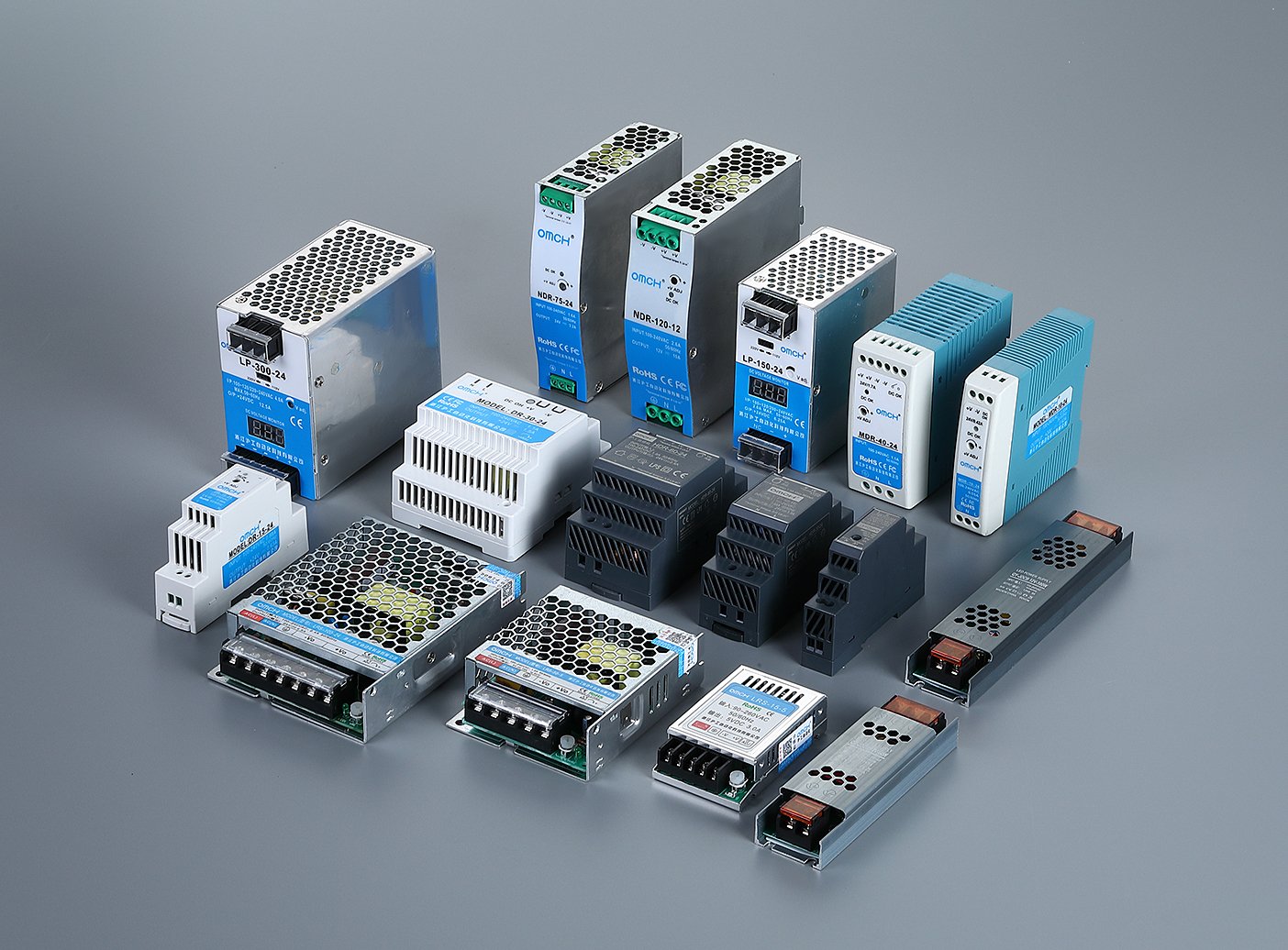
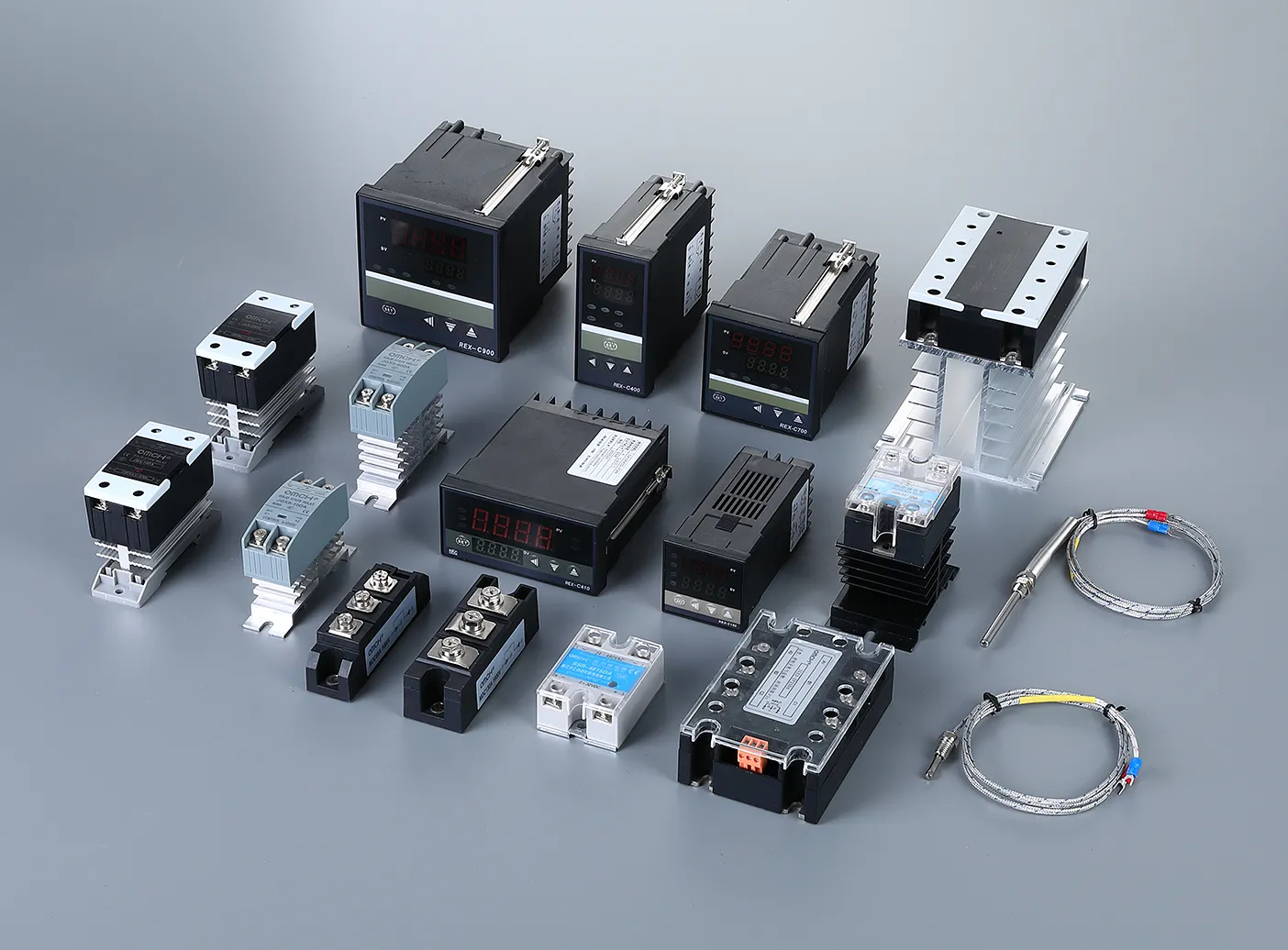
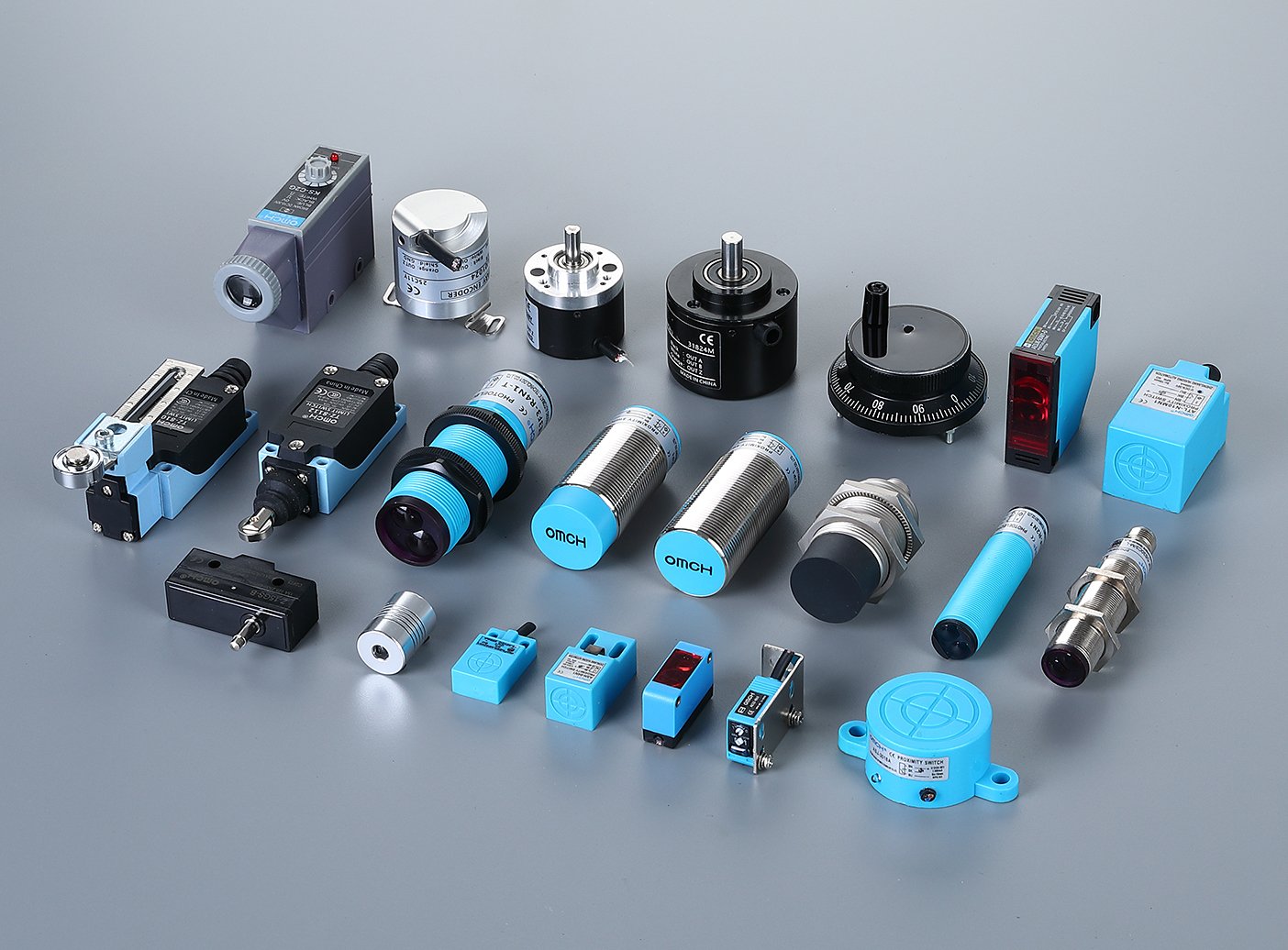
- Core Products: Full series of inductive/capacitive sensors, high-quality switching power supplies, cylinders and pneumatic control components, low-voltage power distribution products.
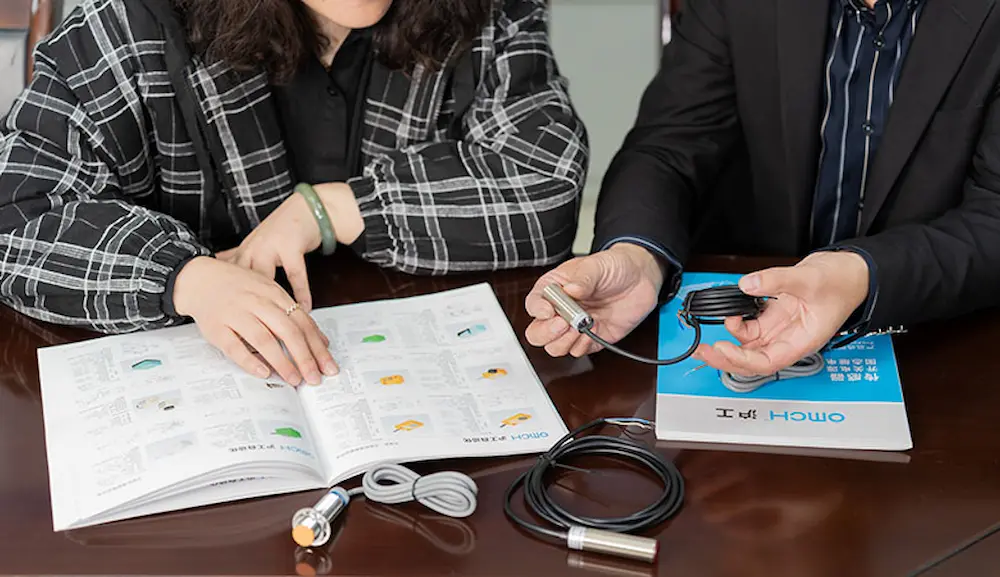
- Technical Advantages: Powerful supply capability covering over 3,000 specifications, emphasizing a “one-stop” procurement advantage for all categories.
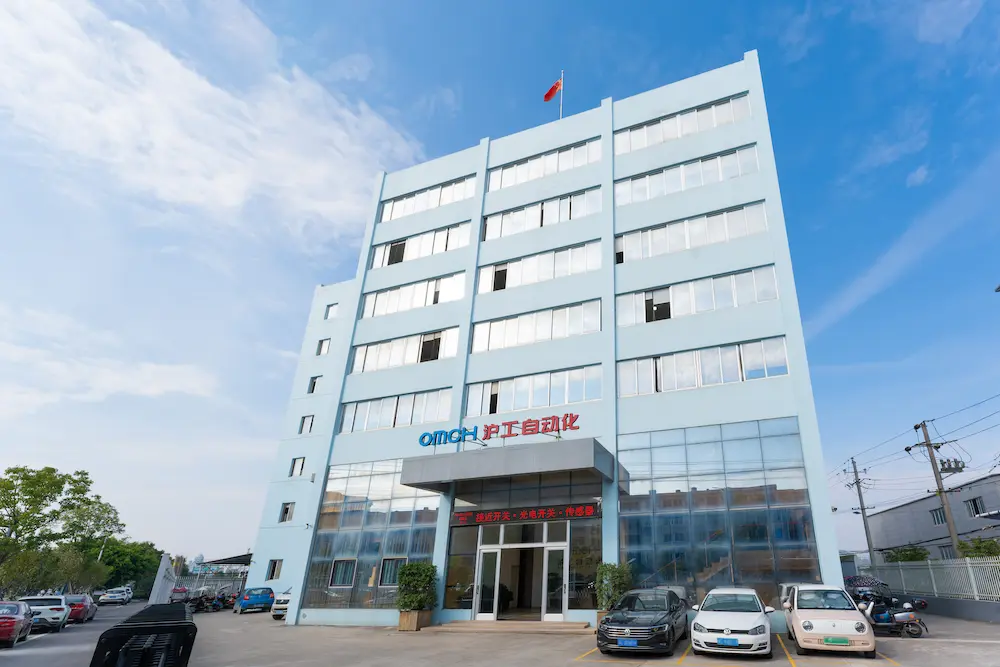
- Brand Characteristics: Nearly 40 years of industry experience (founded in 1986), obtained major international certifications such as CE/ISO/RoHS.
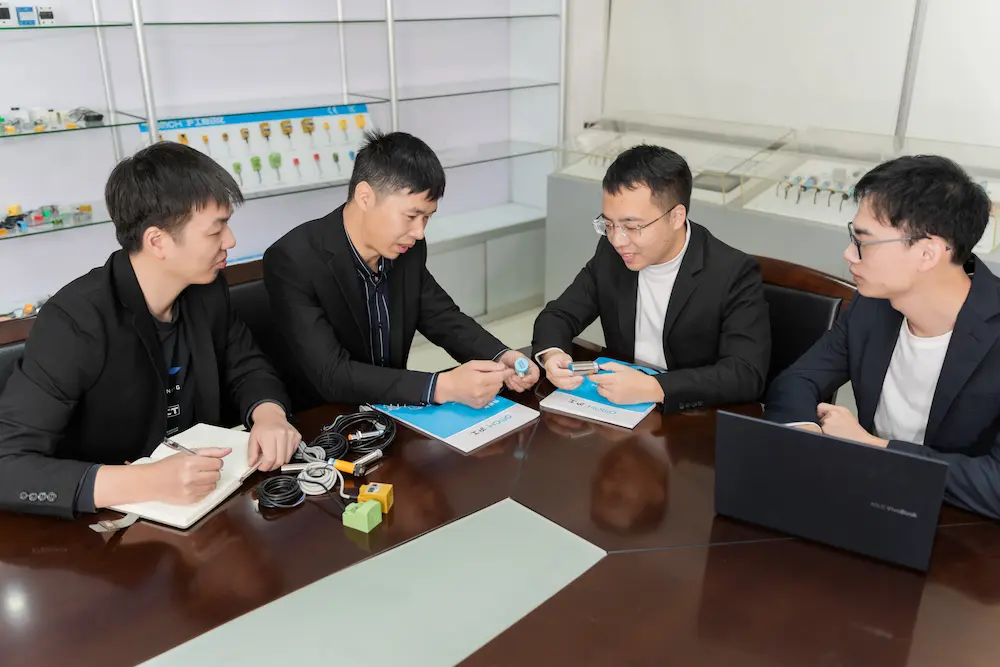
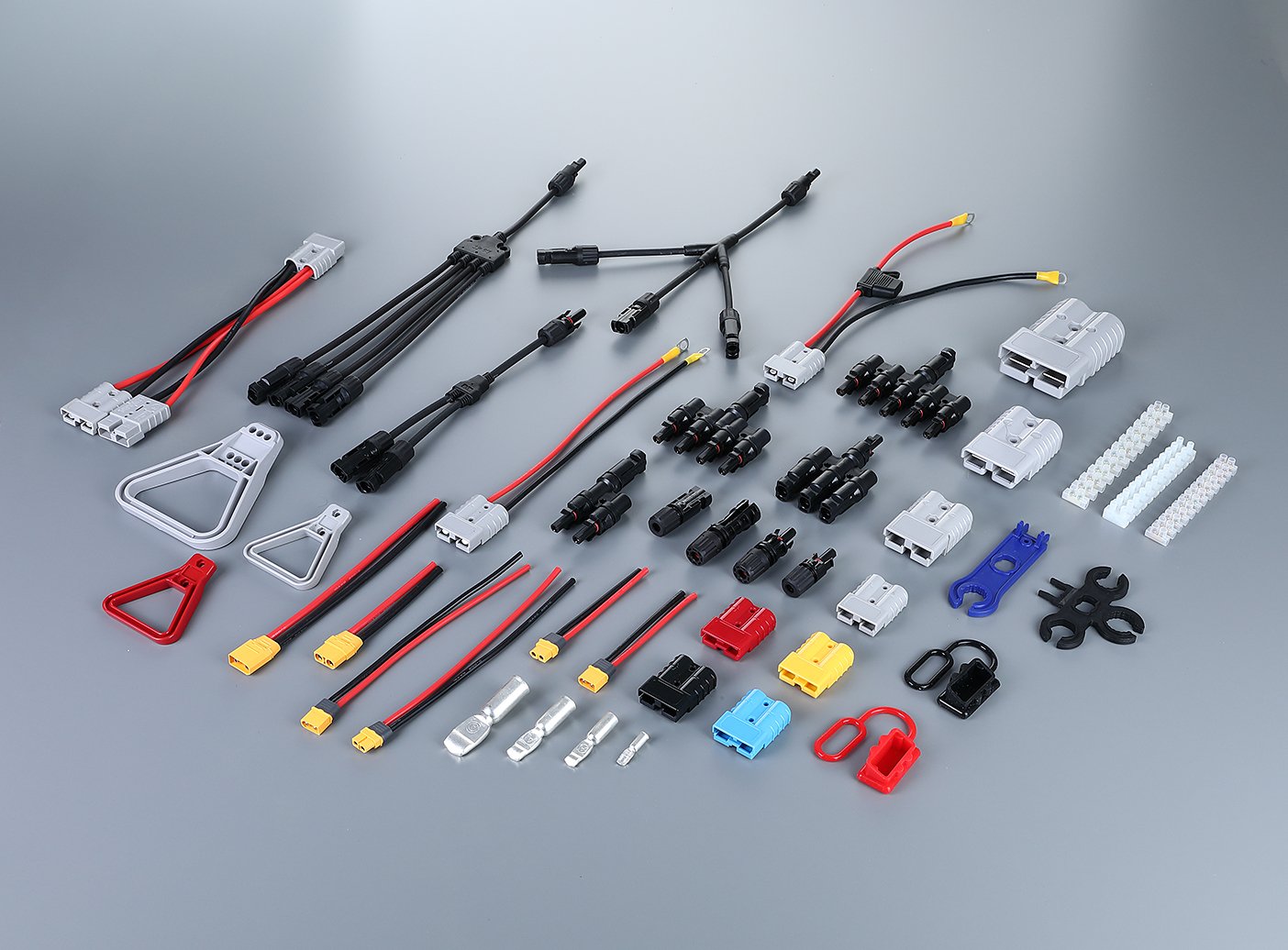
Manufacturer Overview: OMCH is a classic example of high reliability and fast response in the international market of automation components. The most competitive strength of it is the extreme richness of its product lines- power distribution to end-of-line sensing and execution mechanisms, OMCH is able to offer a complete package of components to its customers. Having a sales network in more than 100 countries and seven modern production lines, OMCH has managed to become the reliable option of global wholesalers and OEM manufacturers, providing a mix of cost-effectiveness and quality of international standards.
Schneider Electric (France)

- Core Products: Modicon series PLCs, Altivar frequency conversion systems, EcoStruxure industrial platform.
- Technical Advantages: At the top level in the cross-domain fusion of energy management, power distribution technology, and automation control.
- Brand Characteristics: Extremely emphasizes sustainable development and green manufacturing.
Manufacturer Overview: Schneider Electric is not only a supplier of control components, but also a worldwide energy management expert. Its EcoStruxure platform has the ability to transform operating information of automation equipment into energy-saving recommendations in real-time. In the context of the growing demands of global carbon neutrality, the selection of Schneider implies that, in addition to the production automation, an enterprise also creates a green energy-saving system that will be able to meet international standards.
Emerging Trends: AI-Ready and IIoT-enabled Hardware
The future of factory automation is arriving through a new era of innovation, and the connotation of components is undergoing a fundamental change. The following trends involving new automation components and the integration of ai deserve the attention of all practitioners:
- Edge AI: More computing power is now built into current sensors and drives. Raw data can be directly processed by hardware and abnormal patterns can be detected. As an example, mechanical wear can be predicted by a drive itself, based on variations in current waveforms, before a failure happens. This AI-Ready capability greatly decreases the load on the primary controller.
- Software-Defined Functions: Hardware generalization is increasingly becoming more and more high. The same physical component can be used to perform several functions with the help of various software settings. This flexibility does not only decrease the inventory of spare parts (SKU) of enterprises, but also simplifies and accelerates the rapid changeovers and functional upgrades of production lines.
Maintenance Strategies for Maximizing Component Lifespan
Possessing top-tier hardware also requires scientific maintenance strategies to ensure Return on Investment (ROI).
- Predictive Maintenance: Use the diagnostic data provided by the components themselves to build lifespan models. Perform precise replacement based on actual wear conditions before parts truly fail, avoiding unplanned downtime.
- Digital Asset Management: Every component should have its own unique digital identity, allowing installation records, running hours, and maintenance history to be retrieved by scanning.
- Thermal Imaging Monitoring: Regular infrared scanning of high-power motors and power distribution cabinets is the simplest and most effective way to discover hidden faults such as poor contact or obstructed heat dissipation.
Conclusion
The choice of factory automation elements is a complex game with performance, cost, long-term stability, and compatibility in the future. All the links are essential, starting with the controller as the brain and the sensor as the senses. Taking the first step by working with proven manufacturers like Siemens, Rockwell, and OMCH, enterprises will be able to not only enhance existing production efficiency through precise automation systems but also provide a strong base for digital transformation in the future.


 English
  Arabic
  Turkish
  Russian
  Spanish
  French
  Indonesian
  Portuguese
  Thai
Thai  Vietnamese