



Solving Modern Logistic Pains with Integrated IoT Frameworks
We need to confront deep-seated in the modern warehouse management before we get into the technical details and how iot can be used in warehouses. Despite the fact that the warehouse management systems (WMS) of many companies have been digitalized on the software level, there are still serious information black holes at the physical implementation level regarding resource allocation.
Labor Cost and Shortage Pressures
Labor expenses in warehouse operations for the warehouse staff are usually over 60 percent of the total operating costs in the world. As the labor costs keep increasing and the problem of seasonal recruitment issues persists, the model of using manual labor to count inventory levels, pick it, and review it is no longer sustainable. In conventional warehouses, employees use approximately half of their travel time walking. This is inefficient physical activity because of the absence of real-time optimization of paths and space planning to maintain optimal stock levels and operational efficiency.
The “Ghost” of Inventory Accuracy
The nightmare of a warehouse manager is that goods are on the books, but they cannot be located on-site. Even though the traditional barcode scanning is a better system than manual recording, it is still a manual system and missed or wrong scans are common. This causes a lag in data synchronization resulting in so-called ghost inventory that directly influences front-end sales accuracy and replenishment decisions.
Lack of Supply Chain Visibility
The contemporary logistics demands end-to-end visibility. When internal warehouse processes are kept in black box, the predictability of the whole supply chain will be highly undermined. Businesses must be aware not only that the goods are in the warehouse, but what sorting line the goods are on, whether the environmental conditions are up to the standard, and when they are likely to be shipped. Enterprises can bridge the gap between the physical and digital worlds by linking iot sensors, actuators, and communication networks to the IoT architecture, which will address these efficiency bottlenecks at the source.
Real-Time Asset Tracking: From RFID to Advanced Sensors
The fundamental use of warehouse IoT is inventory tracking. In order to reach the second-level positioning among thousands of SKUs (Stock Keeping Units) and know the exact location of items, it is not sufficient to use only one technology, but rather multi-dimensional collaboration between rfid tags and advanced sensors. Presently, the mainstream tracking solutions are RFID, Bluetooth (BLE), UWB (Ultra-Wideband), and computer vision-based sensing solutions. Their performance in various dimensions is presented in the table below:
| Technology Type | Accuracy | Cost | Battery Life | Main Application Scenarios |
| RFID (Passive) | Centimeter to meter level | Extremely low | No battery required | Bulk goods inventory, inbound/outbound verification |
| Bluetooth (BLE) | 1-3 meters | Medium | 2-5 years | Personnel positioning, material handling equipment tracking |
| UWB | Within 10 cm | High | 1-2 years | High-value asset precision positioning, collision warning |
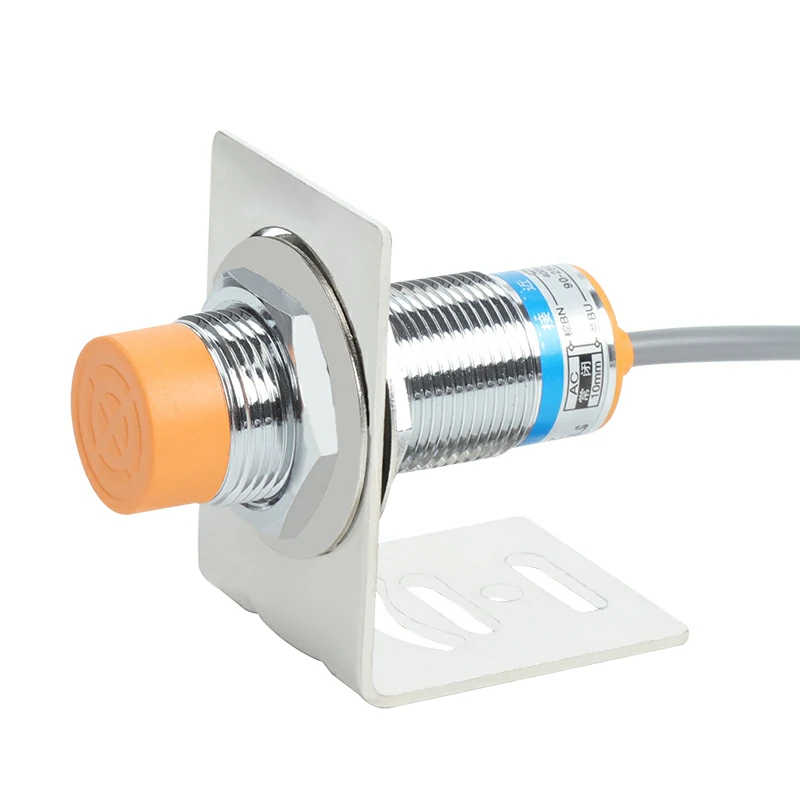
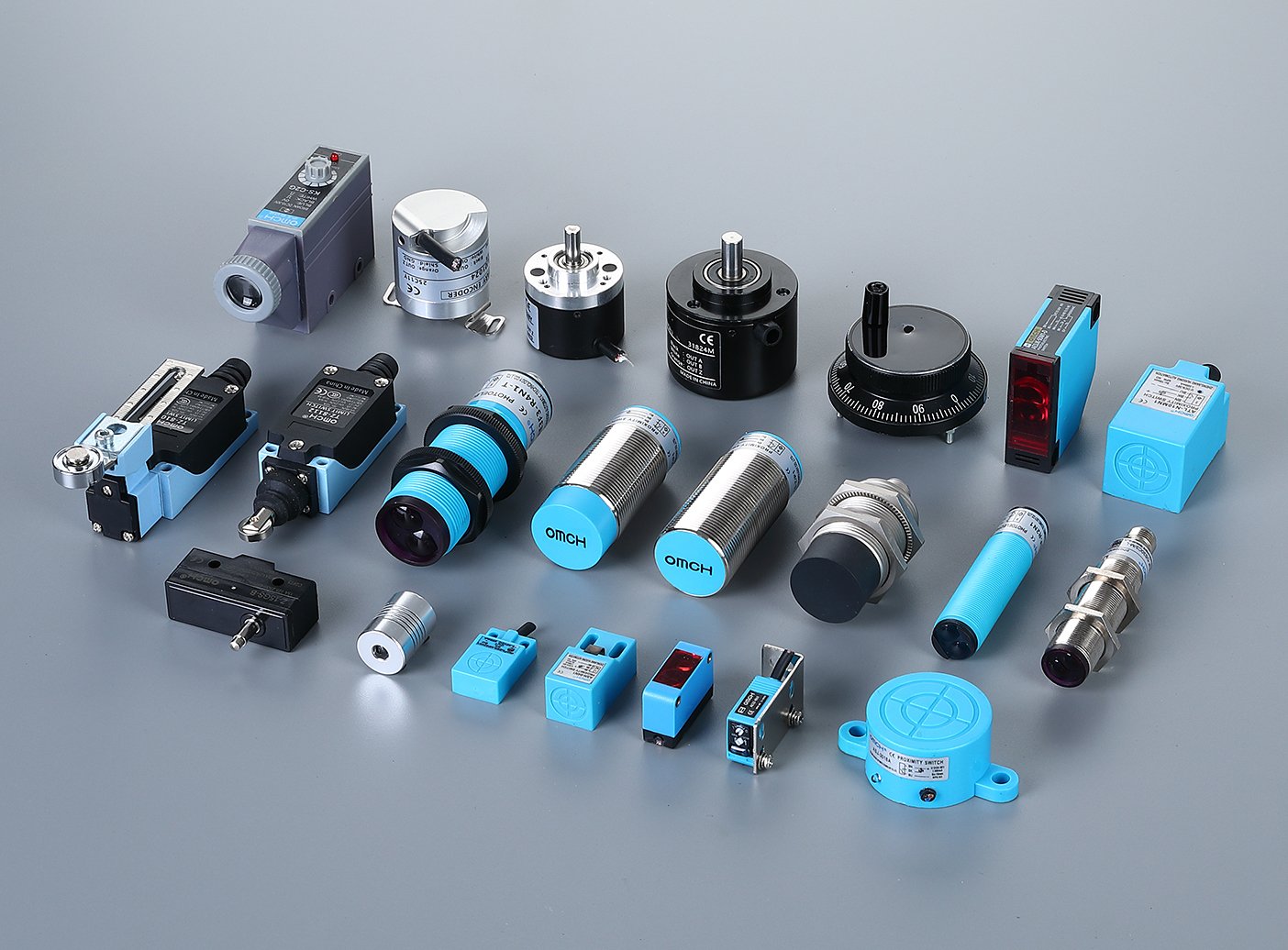
| Photoelectric/Proximity Sensors | Millimeter level | Low | Long lifespan (industrial power supply) | Conveyor belt goods detection, automated sorting |
Whereas RFID answers the question of what it is and where it is, in highly automated dynamic warehouses we require finer-grained information, e.g. has the object been sorted by the sorting arm? or “is the pallet in the right place? This demands industrial-grade high-performance sensors.
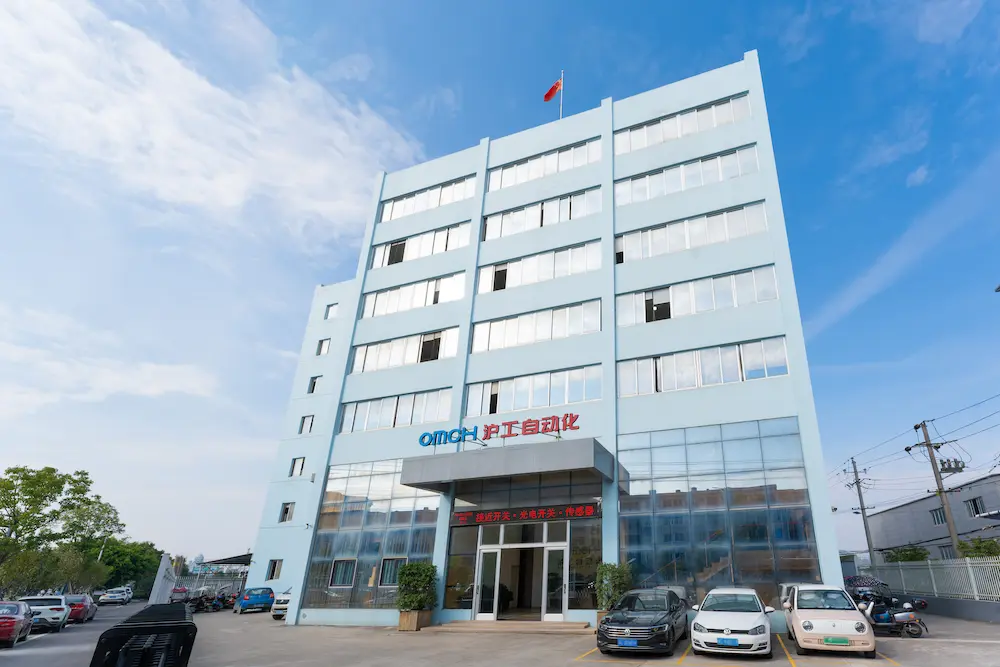
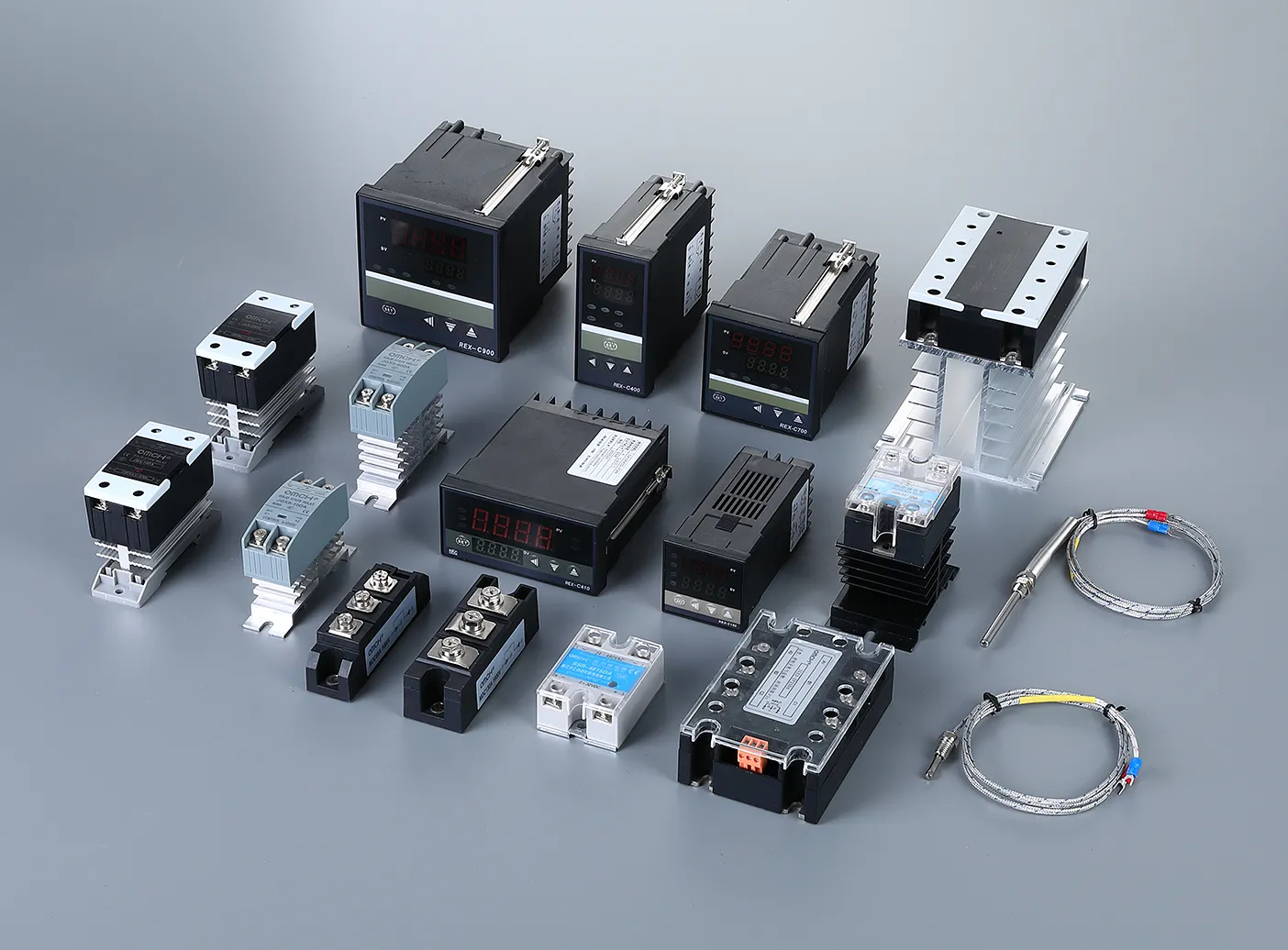
OMCH is also showing its excellent prowess in this area as one of the most successful manufacturers of industrial automation components in the world. OMCH has been specializing in the R&D, manufacture, and sale of industrial automation and low-voltage electrical products since its inception in 1986.
Why is OMCH the ideal choice for the physical layer of warehouse IoT?
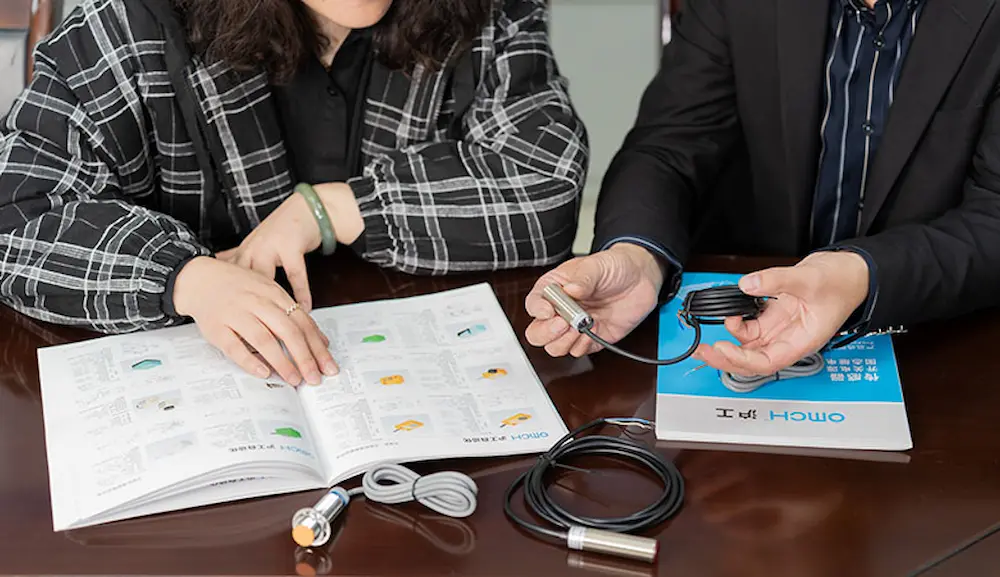
- Full-Scenario Coverage: OMCH has more than 3,000 product line specifications and models, including inductive and capacitive proximity switches, and long-range photoelectric sensors, that can address all the nuanced detection needs of warehouse automation.
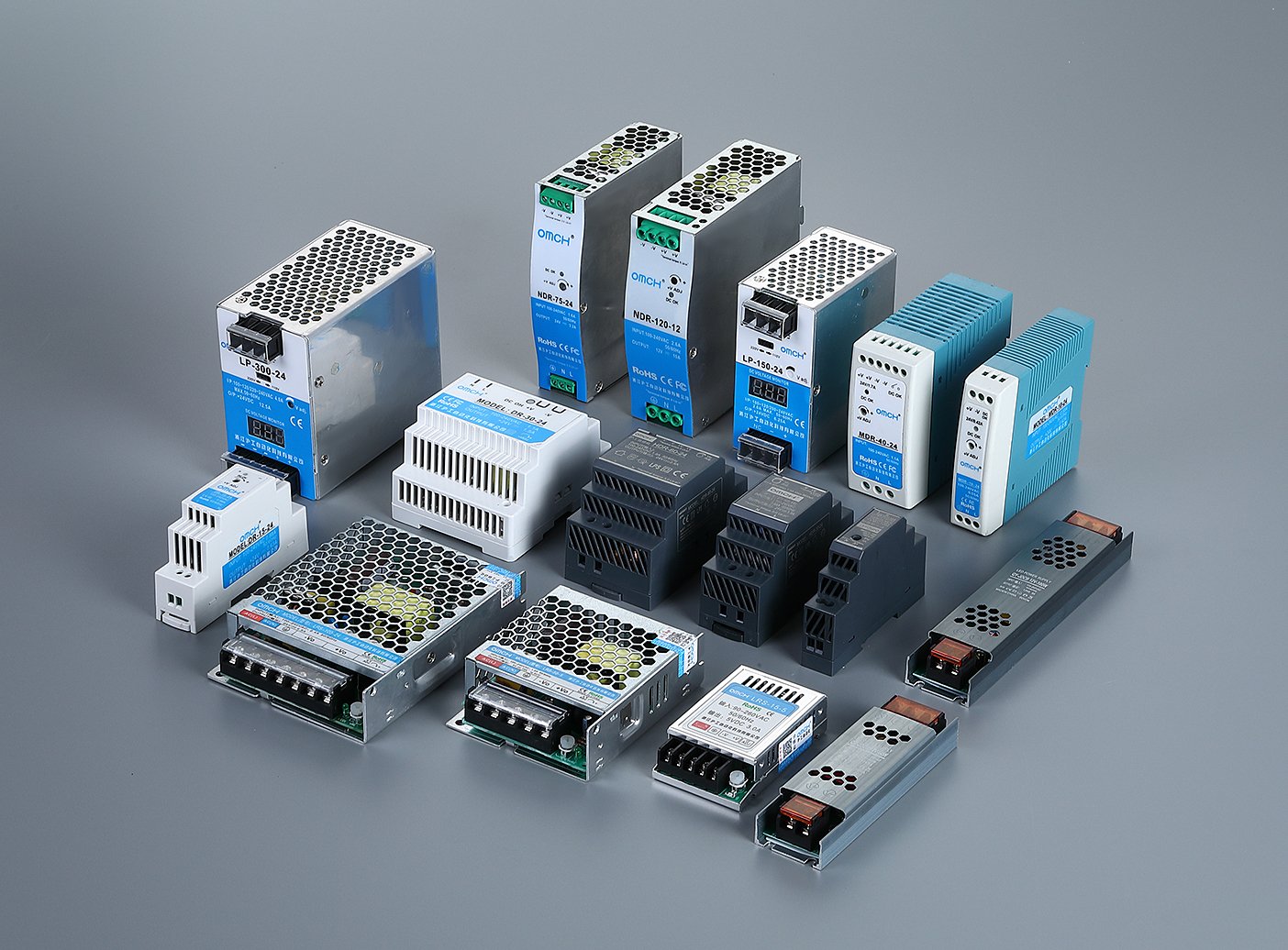
- Industrial-Grade Reliability: Warehouse conditions are dusty, vibrating, and must be operational 24/7. OMCH products have undergone several international standard certifications including CE, RoHS, ISO9001 and IEC. Their sensors and switching power supplies are very accurate in data sampling even in high-intensity environments, which means that the IoT system will not stall because of hardware failure at the bottom layer.
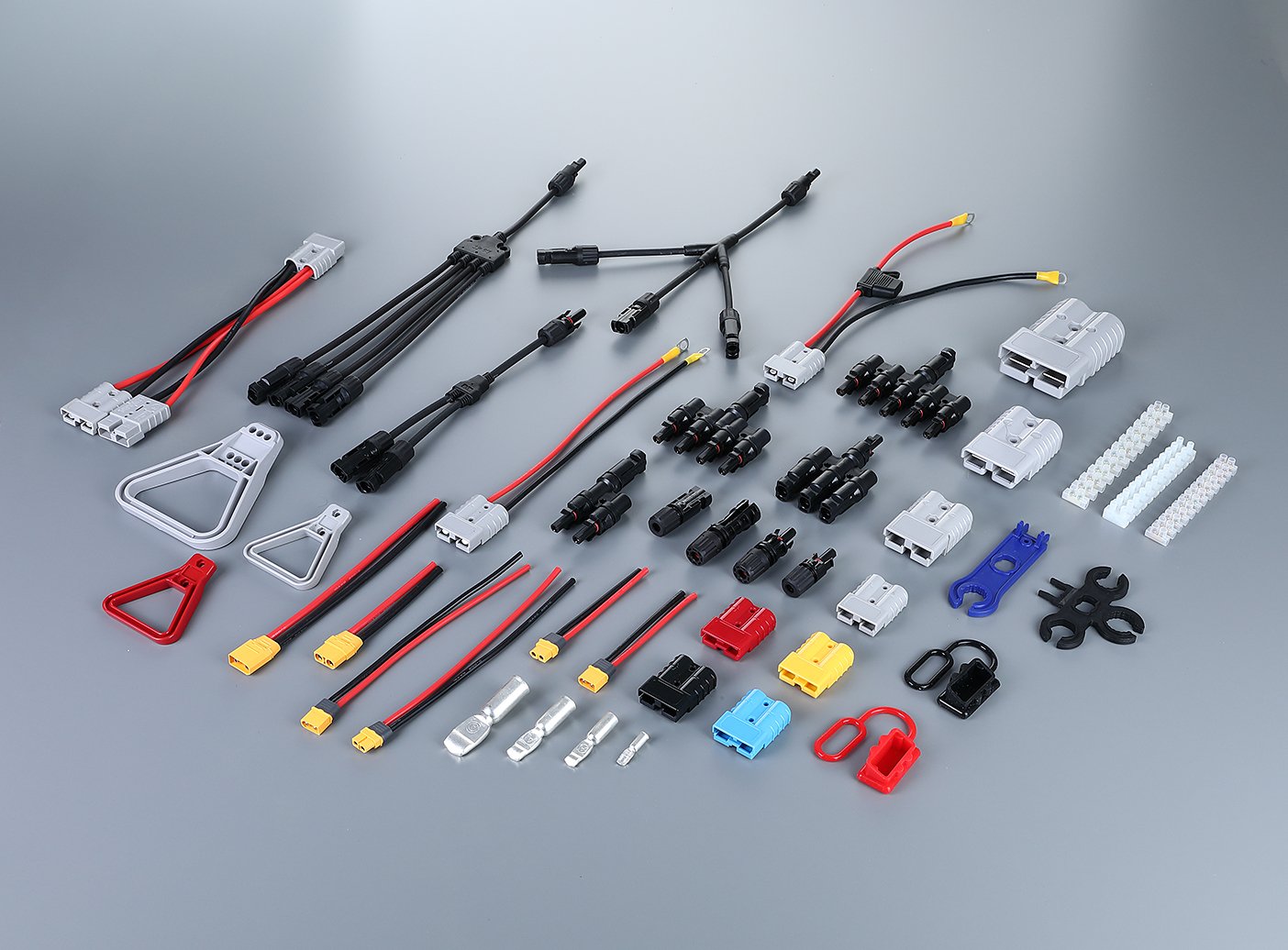
- Globalized Service System: OMCH’s sales network covers more than 100 countries worldwide, with over 72,000 customers. For the global warehouse layout of multinational enterprises, the “24/7 rapid response” and one-stop component supply (including power supplies, circuit breakers, relays, etc.) provided by OMCH can greatly shorten the system implementation and maintenance cycle.
It can be said that if the IoT software is the brain of the warehouse, then high-precision sensors and power modules like those produced by OMCH are the “senses” and “nerve endings” of the warehouse.
Eliminating Human Error: Automated Inventory Management Systems
One of the biggest hidden causes of higher warehousing costs is human error and excessive manual intervention. By using IoT-based automated inventory management systems, people looking for goods can be turned into goods looking people, and errors can be fully removed through data closed loops to speed up order fulfillment.
Conventional bin management is based on experience, but with the IoT and smart shelves, it is possible to automatically plan the best storage points based on SKU outbound frequency, volume, and weight, based on real-time occupancy data gathered by sensors. Once a pallet is put on a shelf, weight sensors and infrared sensors will instantly verify that storage has been done and automatically update the database without any human intervention.
During the sorting process, the Pick-to-Light technology with visual recognition IoT terminals can be used to provide 100 percent accuracy to pickers. In case an operator picks the wrong item, an infrared curtain sensor will raise an alarm at once. This real time feedback system reduces the time of training new employees by 70 percent and the picking error rate is almost zero.
Enhancing Worker Safety and Productivity via Wearable Tech
In the eyes of B2B decision-makers, employee safety and efficiency are not mutually exclusive; rather, the win-win scenario is possible with the help of wearable IoT devices for human workers.
Warehouse operation is characterized by a lot of repetitive tasks and physical work. Exoskeleton systems with IoT can track the lifting activities of workers and assist them with power supply and capture physical load information. The system will alert a worker when he or she is found to be in a fatigue state to rest or change positions, thus avoiding occupational injuries.
In places where forklifts and people are mixed, BLE or UWB tagged workers can communicate with forklifts in real-time with sensors on them. In case the distance between the two is smaller than the safety threshold, the wearable devices of both parties or the vehicle terminals will automatically provide a vibration warning or even compel to slow down the vehicle speed, thereby avoiding serious safety accidents.
Data-Driven Intelligence: Predictive Maintenance and AI Analytics

IoT is not just about connecting devices, but about predictive analytics that are generated by the stream of data.
When non-planned downtime is experienced on conveyor belts, stackers and sorting lines in automated warehouses, the loss per hour may be tens of thousands of dollars. The IoT system can track the nature of equipment operation by attaching vibration and temperature sensors to the motors and bearings. With the help of machine learning and data analytics that analyze these features, the system will be able to predict the wear patterns weeks before a failure will take place. This model of maintenance based on advanced analytics can enhance the use of equipment by over 25 percent.
When all the items and all the handling equipment, including autonomous mobile robots, are producing data in real-time, managers can use this data to create a digital twin of the warehouse. Through the heat maps, the management can easily identify the areas of traffic jam and unnecessary handling and hence derive the output potential of each square meter of warehouse space by changing logic settings.
Environmental Control: Smart Monitoring for Specialized Storage
In the case of cold chain logistics, pharmaceutical warehousing, and precision electronic component warehouses, IoT is no longer a choice, but a compliance requirement.
Modern IoT solutions can also be used to measure light intensity, air pressure, VOC gas concentration, and even vertical vibration, not only temperature and humidity. In the case of high-value chemicals, a small deviation in the environment can result in the invalidation of assets.
The conventional compliance checks involve manual meter reading which is not only time consuming and laborious but also subject to falsification. The IoT system offers unchangeable real-time graphs. When the environmental indicators go beyond the preset range, the system will automatically raise alarms (through App, email, or warning lights). The system is able to directly export reports that are in GSP/GMP standards during audits, which significantly lowers compliance costs.
Real-World Proof: IoT Innovations Transforming Global Smart Warehouses
In order to see the complete effects of these technologies, we need to examine the industry giants that have already established the gold standard of successful iot implementation. These examples indicate that IoT is not a concept of the future, but a competitive requirement.
- Amazon’s Robotic Symphony: In their fulfillment centers, Amazon utilizes thousands of autonomous mobile robots that communicate via a central system to navigate the warehouse floor. By automating the “travel time” of moving heavy shelves to human workers, they have increased storage space by 50% and slashed operational costs significantly.
- DHL’s Vision Picking: DHL introduced smart technology in their warehouses such as augmented reality (AR) glasses to help them fulfill orders. These wearables give real-time visual indicators of the position of items, which results in a 15% productivity increase and a much greater accuracy in stock levels.
- Maersk’s Cold Chain Mastery: With high-precision iot sensors and predictive analytics, Maersk tracks thousands of refrigerated containers in real-time. This guarantees product integrity of sensitive pharmaceuticals and food and minimizes waste by responding to environmental conditions before they exceed the necessary level.
These cases demonstrate that it can be either with intelligent sensors on a conveyor belt or advanced data analytics, the IoT integration can provide a tangible increase in the overall efficiency.
Implementing IoT: A Step-by-Step Scalable Integration Strategy
For many enterprises, the implementation of iot sounds grand but often feels difficult to implement. A successful iot implementation needs to follow steps from local to global, and from perception to control while identifying potential issues.
- Requirement Audit and Baseline Determination: Identify your primary pain point. Is it inaccurate inventory? Or slow sorting? Record the current baseline through data.
- Building the Physical Foundation (Physical Layer): This is the most critical step. Choose a supplier like OMCH that has full-category coverage capabilities to purchase high-quality power modules, sensors, and relays, building a stable and reliable physical connection layer for the system.
- Local Pilot Project: Select a specific storage area or a single production line for IoT transformation. For example, start with automated tracking in a high-frequency outbound area.
- Data Integration and Middleware Connection: Connect the data collected from edge computing and the edge of the sensors to the IoT platform through seamless integration and seamless communication. Achieve two-way communication with a central system like WMS/ERP for better data management.
- Full Expansion and AI Empowerment: After verifying the ROI locally, roll out the solution to the entire warehouse and introduce AI models for advanced analysis and predictive scheduling.
Future-Proofing Operations: Maximizing Long-Term IoT ROI

The financial Return on Investment (ROI) of the IoT technology must not simply consider the initial cost of the hardware but it must look at the overall value and reduction in operational costs throughout its life cycle. Asset management becomes significantly more effective when backed by real-time data.
Most medium-to-large warehouses can recoup their investment in the IoT in 18-24 months by cutting labor man-hours by 30 percent, cutting inventory counting errors by 95 percent, and cutting equipment maintenance costs by 20 percent. These are the key benefits that drive strategic decisions.
Highly automated IoT warehouses have been more resilient in the face of labor market variability or unexpected public health incidents. This operation model of the future, which enhances customer experience through faster order fulfillment and more precise logistics information, is not only a benefit but also a competitive edge of enterprises when they bid to large clients.
Conclusion
Internet of Things is not to be a marketing term that is empty, but a set of precise elements and logic algorithms that play a crucial role on the physical basis. By taking a proactive approach, from a small proximity switch to the AI scheduling algorithm in the cloud, each connection adds to the efficiency miracle of warehousing. Developing smart warehouses through IoT solutions will be the only way to ensure that warehouse management in this age of intense competition will jump out of the labor-intensive stage to the intelligence-driven stage.
Are you planning an automation transformation for your warehouse? We can provide you with more specific sensor selection guidance or IoT hardware integration solutions.


 English
  Arabic
  Turkish
  Russian
  Spanish
  French
  Indonesian
  Portuguese
  Thai
Thai  Vietnamese