



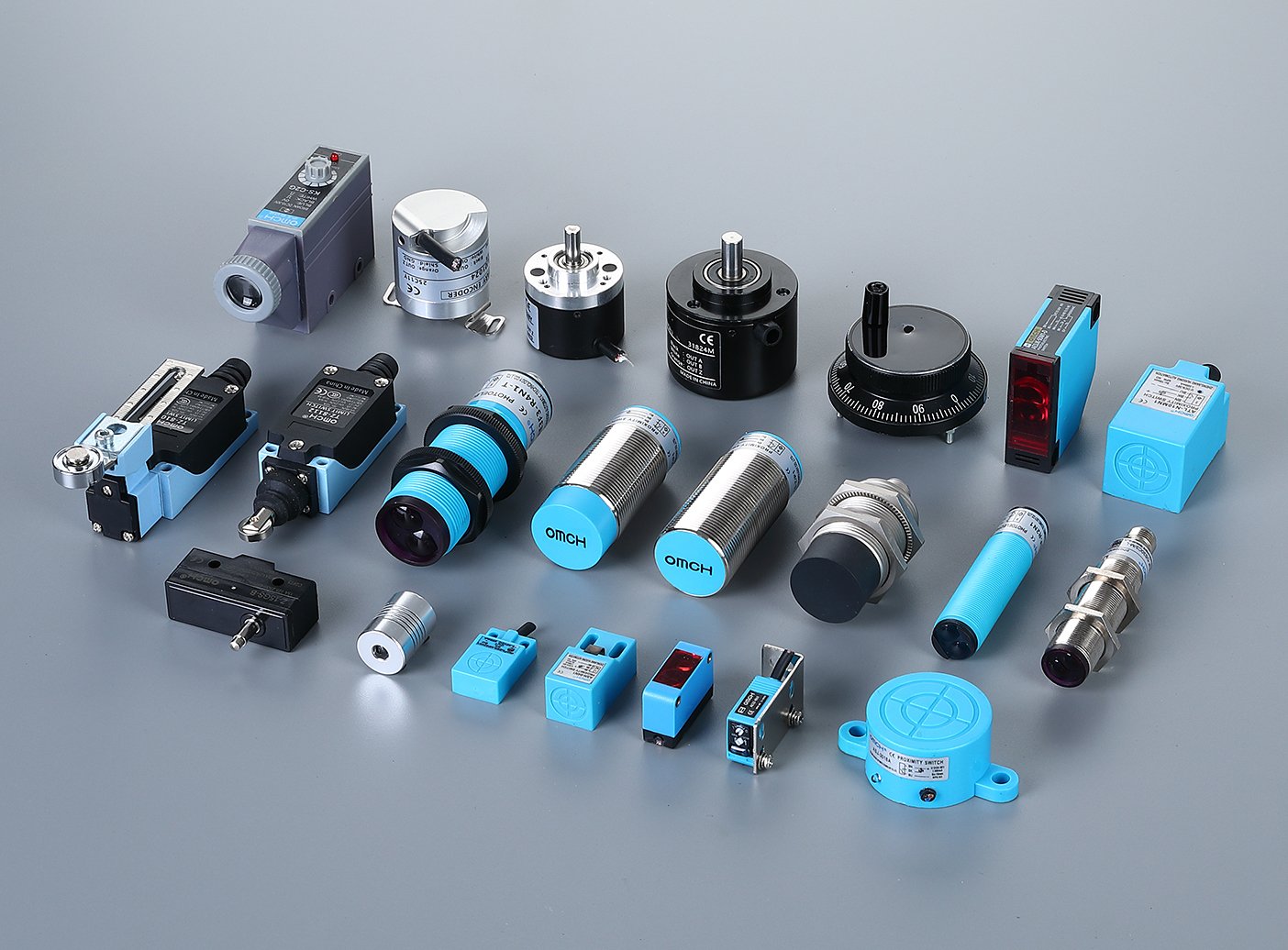
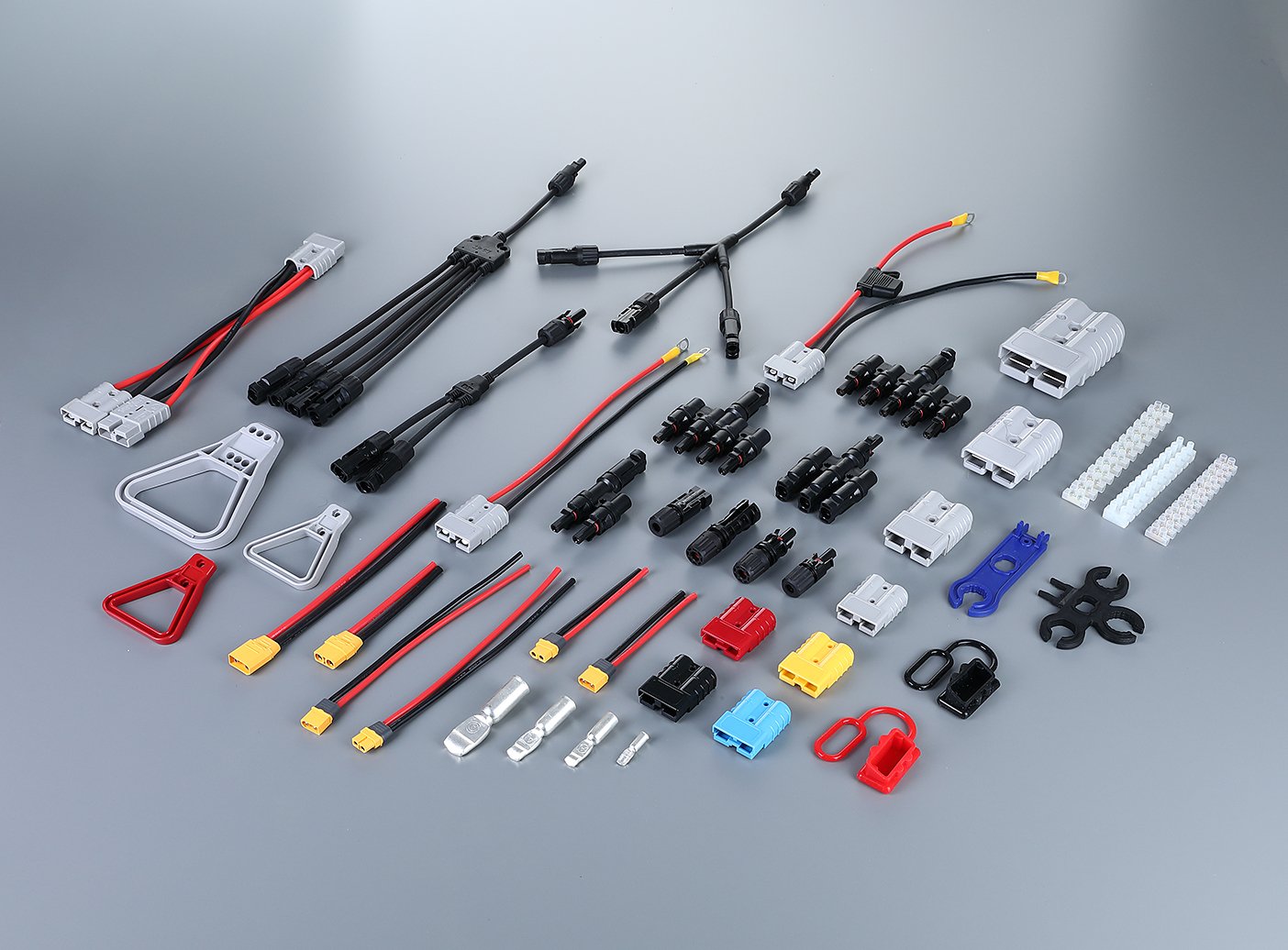
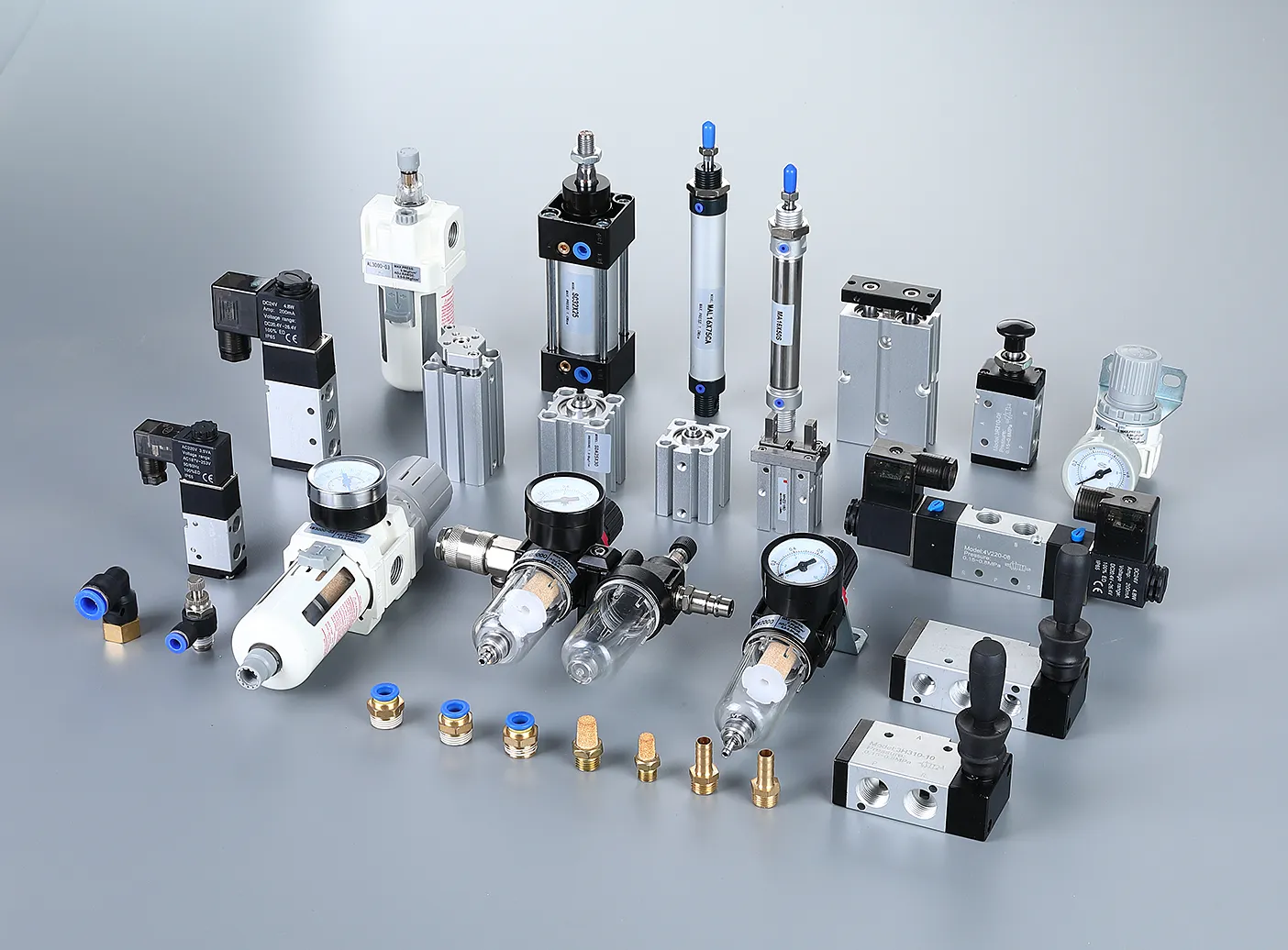
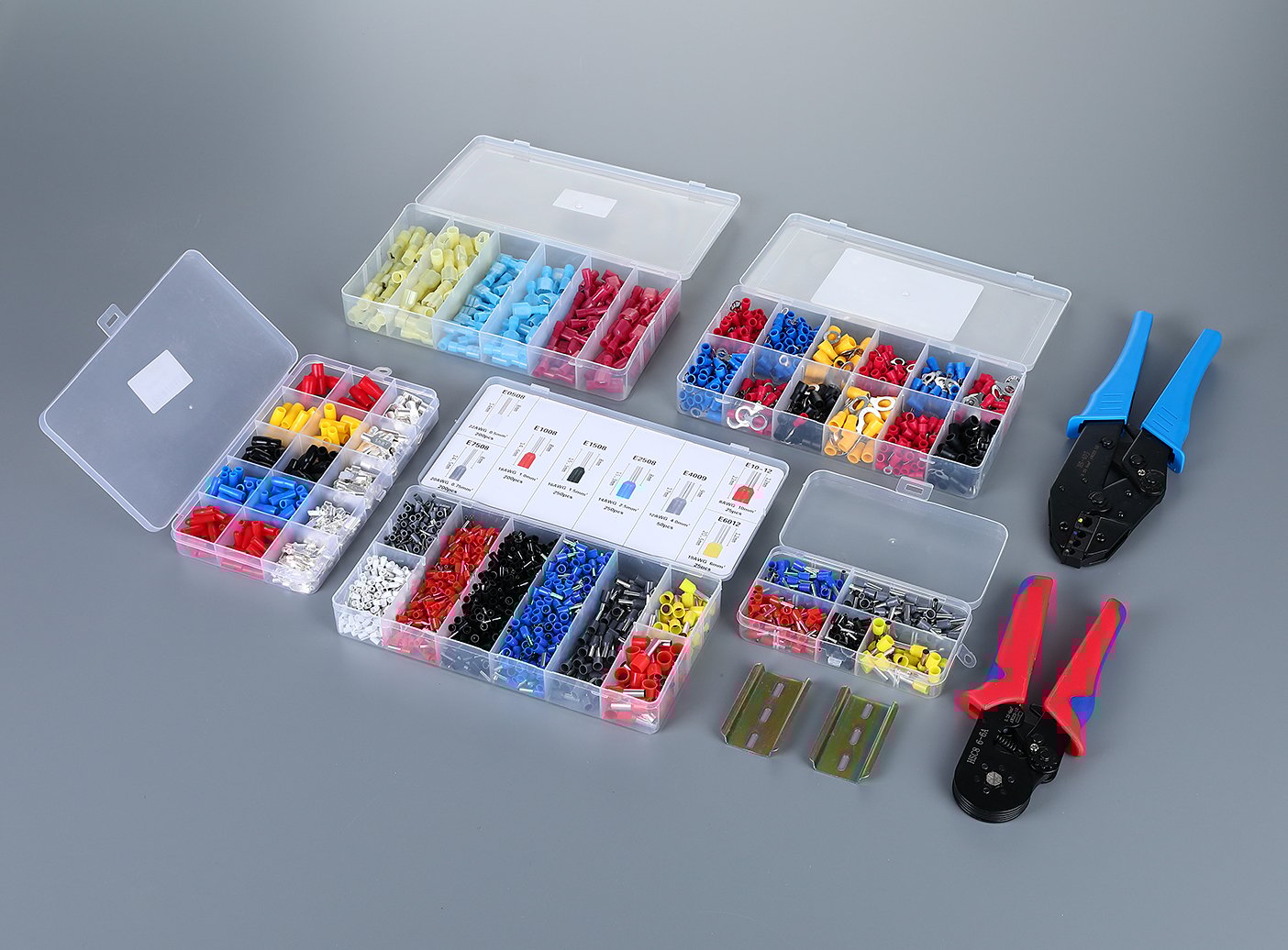

In the field of modern industrial automation, if the controller (PLC) is the brain of the machine and the sensors are the senses, then the Industrial Power Supply System is the blood flowing through the entire production line. A tiny voltage level fluctuation or a millisecond of power loss can result in millions of dollars in downtime losses or equipment damage.
This article will delve into the core architecture, power requirements, and environmental endurance of systems, focusing on how to enhance the overall reliability of automation applications through a unified hardware ecosystem.
How is the Power Distribution System of an Industrial Factory Constructed?
The industrial factory power distribution system (Industrial Power Distribution System) is a complicated hierarchical project between high voltage and low voltage, centralized and decentralized. It does not just deal with the transmission of electricity, but its main task is to make sure that electrical energy is safely, stably, and efficiently transmitted in the complicated industrial conditions.
Primary Distribution: Incoming and Transformation Stage (The Main Distribution)
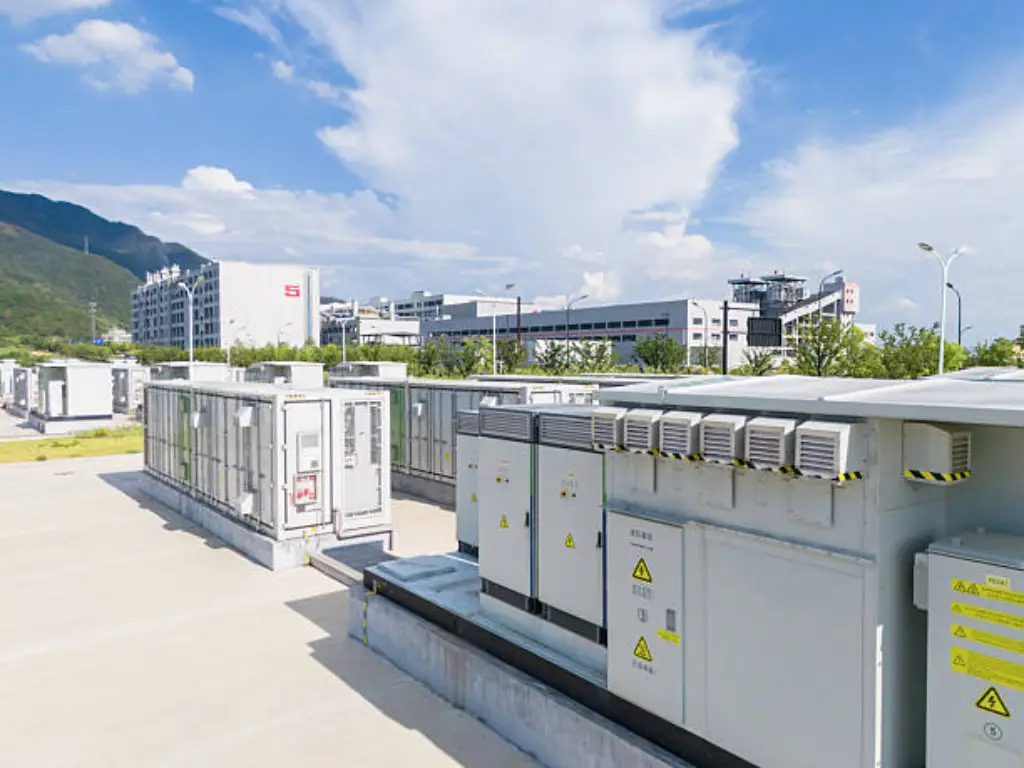
High-voltage electricity of 10kV or 35kV is typically introduced into industrial facilities by the national grid. The power is then fed into the special substation of the factory and reduced to 380 V/220 V by a transformer. It then passes on to the Low Voltage Main Distribution Panel (LVMDP) in the low-voltage distribution room. This is the heart of the whole facility which is fitted with huge Air Circuit Breakers (ACB) which monitors the current load of the whole factory and acts as the main switch to manage emergency power outages.
Secondary Distribution: Power Branch Stage (Sub-distribution)
The main distribution panel supplies current to the power distribution cabinets of different workshops via busbars or heavy power cables. At this point, fine-grained management starts in the system. Molded Case Circuit Breakers (MCCB) are used to supply electricity to large electric motors, injection molding machines, or machine tools. Circuit protection is essential at this level, because it eliminates the possibility of local line short circuits causing large scale power outages.
Terminal Distribution: Control and Load Stage (Final Distribution)
This is the last and most accurate stage of the distribution chain. The electricity is fed into the inside of the control cabinet of the automation equipment where the industrial power supply system (typically a switching power supply) converts alternating current (AC) into the 24V or 12V direct current (DC) needed by the equipment. This pure current is fed directly to PLCs, control systems, industrial control systems, and other precision sensors. The factory is able to accomplish an ideal transformation of high-power kinetic energy to low-power signal control through this step-down and distribution by layer.
Understanding Core Architecture of Industrial Power Systems
A power supply unit in an industry is not a mere voltage converter. In contrast to consumer electronics, industrial units must deliver stable electrical power despite grid variations. Depending on the specific needs of the application, engineers choose between types of power supplies such as linear power supplies—known for low noise—or unregulated power supplies for simpler loads.
However, most modern setups rely on a sophisticated dc power source architecture:
- Input Rectification & Filtering:
- The input electrical energy in industrial environments is usually 220V AC or 380V three-phase electricity. The initial layer of architecture should also contain strong circuit protection, surge protection circuits (MOV), and EMI filters since industrial sites have huge surges produced by the initiation of high-power motors to guard delicate key components and internal parts.
- Power Factor Correction (PFC):
- Modern high-performance industrial power supplies commonly feature built-in Active PFC circuits to handle varying current requirements. The initial layer of architecture should also contain strong surge protection circuits (MOV) and EMI filters since industrial sites have huge surges produced by the initiation of high-power motors to guard delicate internal essential components.
- Inversion & Isolation:
- This is the “heart” of the power supply. High voltage DC power is converted to high-frequency AC power by PWM (Pulse Width Modulation) technology and high-frequency transformers are used to provide electrical isolation. This isolated architecture effectively prevents high-voltage faults on the primary side from directly striking through to precision sensors and controllers on the secondary side.
- Output Rectification & Low Ripple:
- Industrial equipment (such as PLCs and high-precision encoders) requires extremely high smoothness of regulated output voltage. Excellent architectures adopt synchronous rectification technology and multi-stage LC filtering to control output ripple within tens of millivolts, ensuring constant voltage and the accuracy of signal transmission.
Critical Features That Define Industrial-Grade Performance
To decide whether a power system is to be called industrial grade, one can only refer to its output voltage and current; one must refer to its performance under stress and efficient power supplies standards.
- Wide Input Voltage Range:
- Large-scale grids in industries are usually accompanied by massive brownouts. High-end systems will usually have a broad voltage regulation range of 85V to 264 V AC, and may even have dc power source input, so that the system will not shut down when the grid becomes unstable.
- Efficiency & Thermal Management:
- The power supply heat is directly dependent on energy efficiency. Higher efficiency of more than 90 percent implies that less energy is converted to heat generation. This does not only prolong the life of the internal electrolytic capacitors but also reduces the ambient temperature in the control cabinet, thus safeguarding other automation components installed next to each other.
- Overload Protection Modes:
- Hiccup Mode: Automatically recovers after the fault disappears.
- Constant Current Mode: Suitable for scenarios where inductive loads (such as motor starting) require instantaneous large currents.
- Low EMI:
- There are numerous wireless signals and high-frequency switching noise at industrial sites. Power supplies used in industry should have good shielding properties to avoid the noise produced by themselves to affect the high-precision load cells or communication modules downstream.
Selecting the Right Power Supply for Harsh Environments
The industrial settings are very different. In the choice, it is necessary to take into account the physical difficulties and compact size that the equipment will encounter:
- Extreme Temperatures:
- The majority of civilian power supplies will seriously derate at temperatures above 40C. Nevertheless, the power supply of the industry typically needs to be stable between 25°C to +70°C. In freezing northern outdoor enclosures or high-temperature steel workshops, the smaller the temperature drift coefficient, the better the system consistency.
- Vibration & Shock:
- On CNC machine tools or high-speed packaging lines, the power supply vibrates continuously with the equipment. Conventional screw fixation systems tend to loosen, so industrial-grade power supplies tend to use a DIN Rail system of mounting and glue-fix large internal inductors and capacitors.
- Dust & Moisture:
- Traditional fan-cooled power supplies are highly susceptible to short circuits in the event of metal dust or water vapor in the environment (as is the case in the food processing industry). Where this happens, waterproof power supplies with IP67 rating or fanless natural convection cooling designs should be selected.
Differences Between Standard Power Supplies, Compact Power Supplies, and Redundant Power Supplies in Industrial Environments
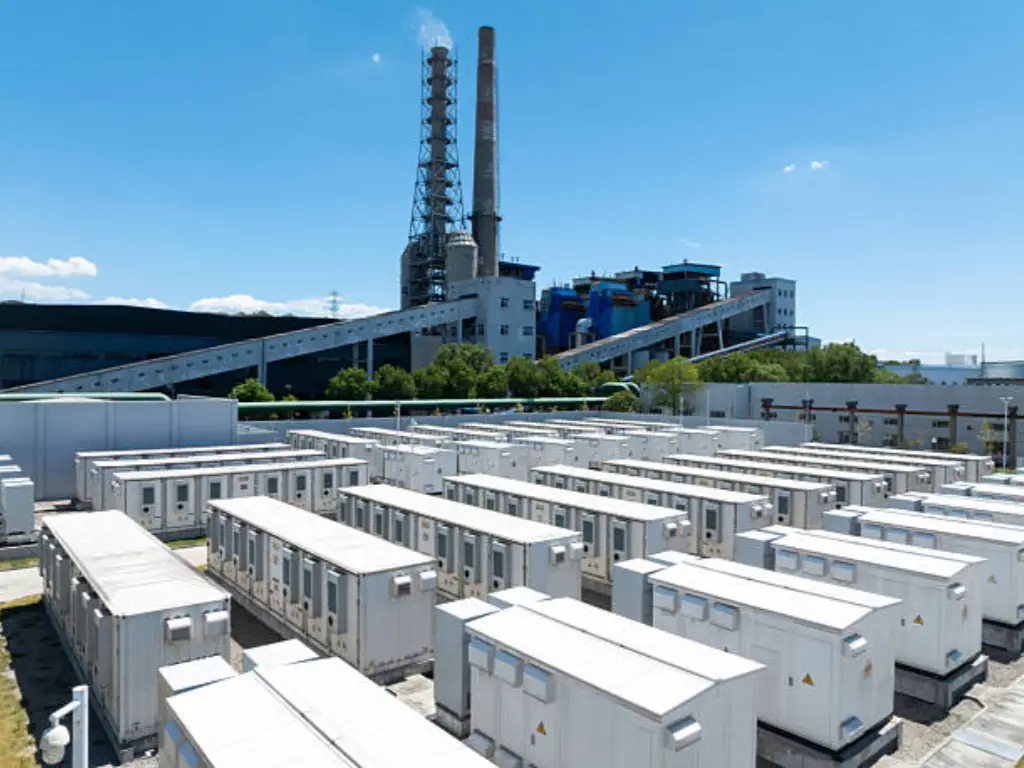
In actual electrical selection, engineers need to choose among different types of industrial power supply systems based on the physical space of the equipment, the importance of the load, and the budget. These three have significant differences in design logic and application focus:
Standard Power Supplies
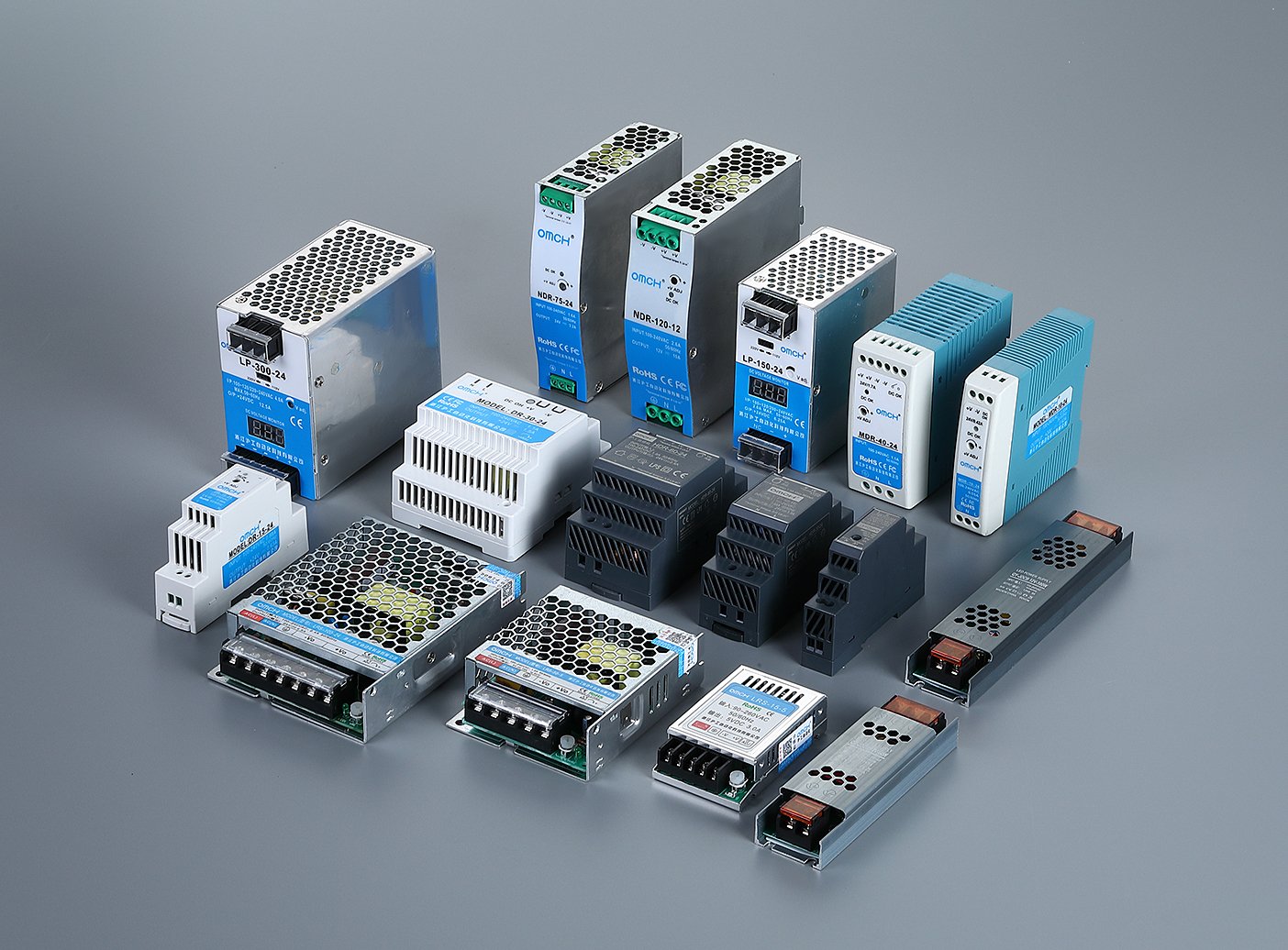
These are the “universal workhorses” of the industrial field. They usually have a standardized heat-dissipating aluminum shell design, support wide voltage input, and possess basic protection functions such as overload, overvoltage, and overheating. The advantage of standard power supplies lies in their high cost-performance ratio and strong compatibility, meeting the power requirements of the vast majority of conventional industrial applications (such as general conveyor belt control, lighting systems, etc.).
Compact Power Supplies
As industrial equipment evolves toward integration and miniaturization, the space inside the control cabinet has become extremely precious. Compact power supplies significantly compress their volume by applying high-efficiency components (such as Gallium Nitride GaN semiconductors) and more advanced thermal management technologies while ensuring output power. They usually adopt an ultra-thin DIN rail mounting design, with a width only half or even one-third of a standard power supply, allowing engineers to arrange more control modules within limited rail space.
Redundant Power Supplies
On critical infrastructure or production lines that run 24 hours a day without stopping, a single point of power failure can lead to millions of dollars in losses. Redundant power systems usually consist of two identical power modules connected in parallel through redundancy diodes or MOSFET modules (1+1 or N+1 architecture). When one module fails due to an internal electrical fault or line aging, the backup module takes over the full load at microsecond speed seamlessly. This configuration is standard for data centers, petrochemical control systems, and high-end automation applications, completely eliminating production interruptions and data loss caused by power supply damage.
Top Safety Standards and Global Compliance Requirements
In international trade and large-scale engineering projects, compliance is the entry permit.
| Standard No. | Coverage Area | Core Significance |
| IEC/EN 61010 | Industrial Control Equipment | Ensures equipment safety in laboratory and industrial environments |
| UL 508 | Industrial Control Equipment Standard | The most authoritative industrial safety entry standard for the North American market |
| CE Mark | European Compliance | Covers EMC Directive and Low Voltage Directive (LVD) |
| RoHS | Environmental Protection Directive | Restricts the use of hazardous substances, ensuring a green supply chain |
| ISO 9001 | Quality Management System | Proves the manufacturer’s ability to maintain consistent and stable production quality control |
There are also special requirements, e.g. EN 50155 (Railway Applications) or IEC 60601 (Medical Grade Safety) depending on the industry. The reason behind selecting products that have undergone various international certifications is not only to be safe but also to make sure that no project delays are experienced when exporting systems or delivering to strict customers because of compliance problems.
Common Applications of Industrial Power Systems
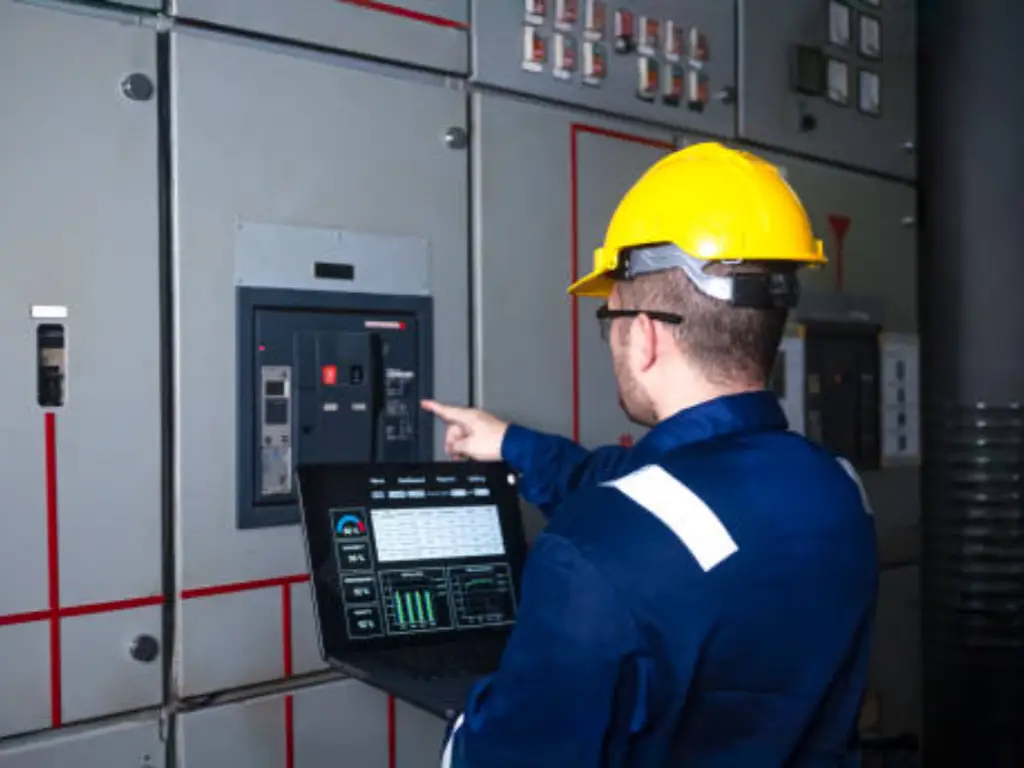
The efficient and stable power supply system is the precondition of all automation processes as the energy base of industrial digitalization. Its areas of application have long since gone beyond mere conversion of power, into the most minute and detailed areas of production:
Automated Production Lines and Motion Control
In automobile manufacturing or electronic assembly lines, power supplies provide energy for robotic arms, servo drives, and industrial control systems. They must be able to withstand frequent switching transients and the surge currents brought by DC motor starting, ensuring that the production logic does not report errors due to voltage fluctuations.
Precision Testing, Sensing, and Vision Systems
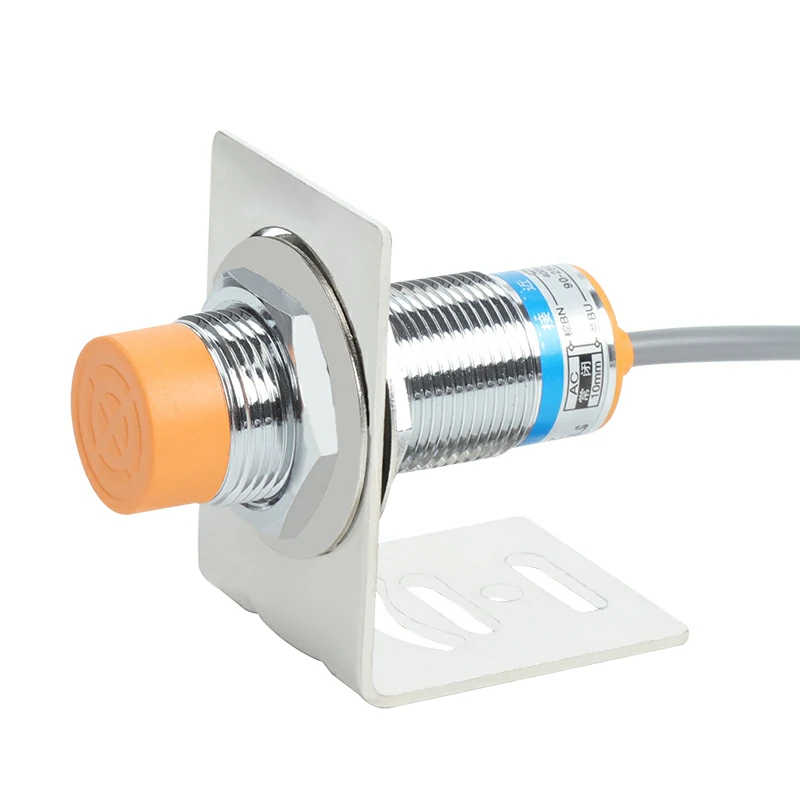
Industrial cameras (industrial vision systems) and high-precision proximity sensors and photoelectric switches are highly sensitive to changes in voltage. Industrial power supplies are used to make sure that sensors are not affected by electromagnetic noise during the capture of fine signals with extremely low ripple output, thus ensuring the accuracy of weak signal capture.
Medical Equipment and Life Sciences
It is the most safety-demanding field. The power supply in medical equipment, including CT scanners and blood analyzers, should not only be stable, but also meet the high standards of electromagnetic compatibility (EMC) and insulation to operate under the conditions of very low leakage current, which protects the safety of patients and medical staff.
Energy, Transportation, and Environmental Monitoring
Power supplies in remote wind farms, railway signal stations or data centers may be required to work in extreme temperatures and unattended conditions. They can be used with UPS systems or backup power to offer all-weather power to terminals and communication modules, as fundamental elements to keep the operation of vital social infrastructure.
Synchronizing Power and Control: The Value of Unified Hardware
After discussing the technical parameters of the power supply itself, we must return to a core issue: the power supply does not exist in isolation. It forms a closed-loop ecosystem together with downstream actuators and sensors.
Minimizing Compatibility Risks in Automated Systems
In complex automated production lines, many inexplicable failures—such as proximity switches triggering falsely at specific frequencies, photoelectric sensor signal drift, or inaccurate PLC analog module readings—often stem from “impedance mismatch” or “electromagnetic incompatibility” between the power system and control elements.
When you buy power supplies, sensors, and actuators through disjointed sources, system integrators can easily waste a lot of time on electrical debugging, trying to remove high-frequency noise interference due to standard differences between different brands.
OMCH’s One-Stop Industrial Automation Solution
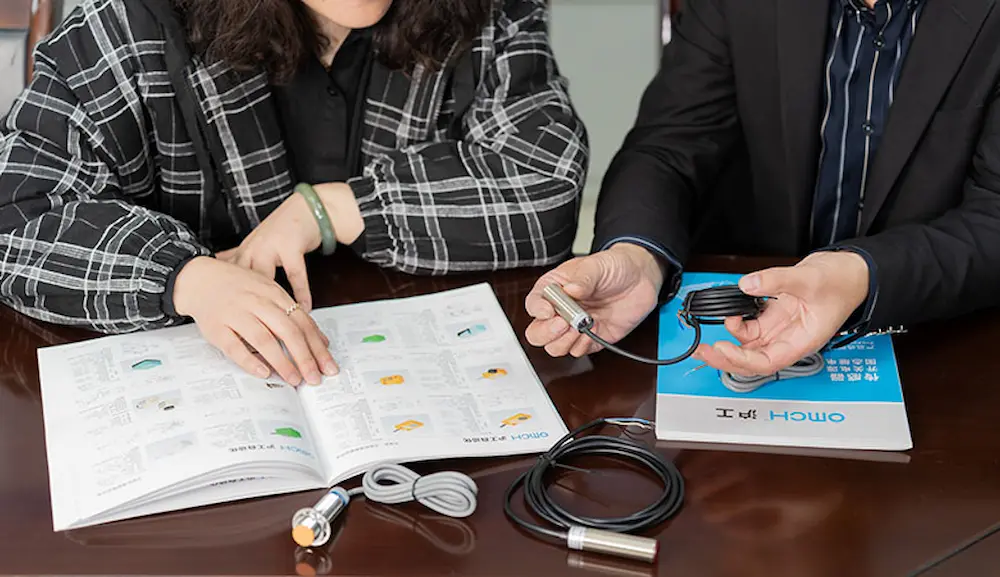
To address this challenge, leading manufacturers like OMCH (founded in 1986) have proposed a more forward-looking concept: ensuring compatibility from the source.
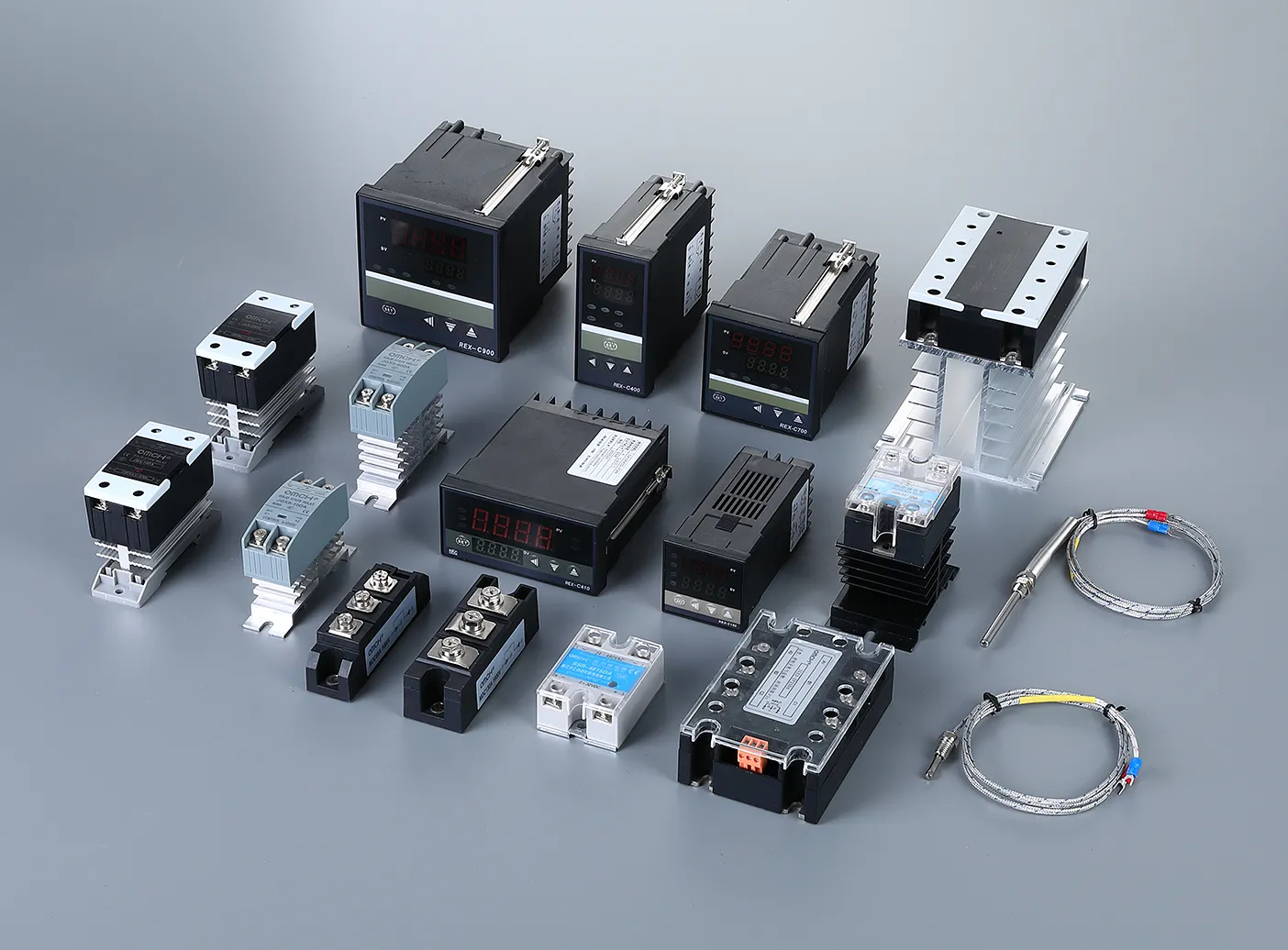
Being a full-fledged manufacturer with R&D, manufacturing and sales, the strength of OMCH is its ability to cover the product lines in a full way. The industrial power supply system is not only a single product in the product matrix of OMCH, but the foundation of the whole automation chain:
- Synergy of Electrical Interconnection: When you apply an OMCH switching power supply to power its own proximity sensors, photoelectric switches or encoders, these components already have electrical characteristic testing done during the R&D phase. Such inherent compatibility significantly decreases the possibility of false alarms due to electromagnetic interference, which guarantees the accuracy of weak signal acquisition.
- Supply Chain Advantage of One-Stop Procurement: OMCH has a supply chain advantage of serving more than 72,000 customers in more than 100 countries and regions across the globe with more than 3,000 models of SKUs. This implies that you can select, under the same quality system, not only DIN rail power supplies, circuit breakers, and surge protectors, but also end-actuator pneumatic cylinders and solenoid valves, and even connection cables.
- Continuity of Quality Assurance: OMCH has an 8,000-square-meter modern factory and 7 professional production lines. Its products are not only in line with international standards like IEC, CE and RoHS but also go through stringent joint-testing prior to factory exit. This single-source hardware ecosystem will save you a lot of time in the selection process and after-sale maintenance expenses compared to fragmented procurement.
When you select an industrial partner that has more than thirty years of experience such as OMCH, you are not only getting a few power supplies, but a fully developed, stable and mutually tested high-precision power architecture that extends all the way through distribution and control to sensing.
Common Power Failures and Preventive Maintenance Strategies
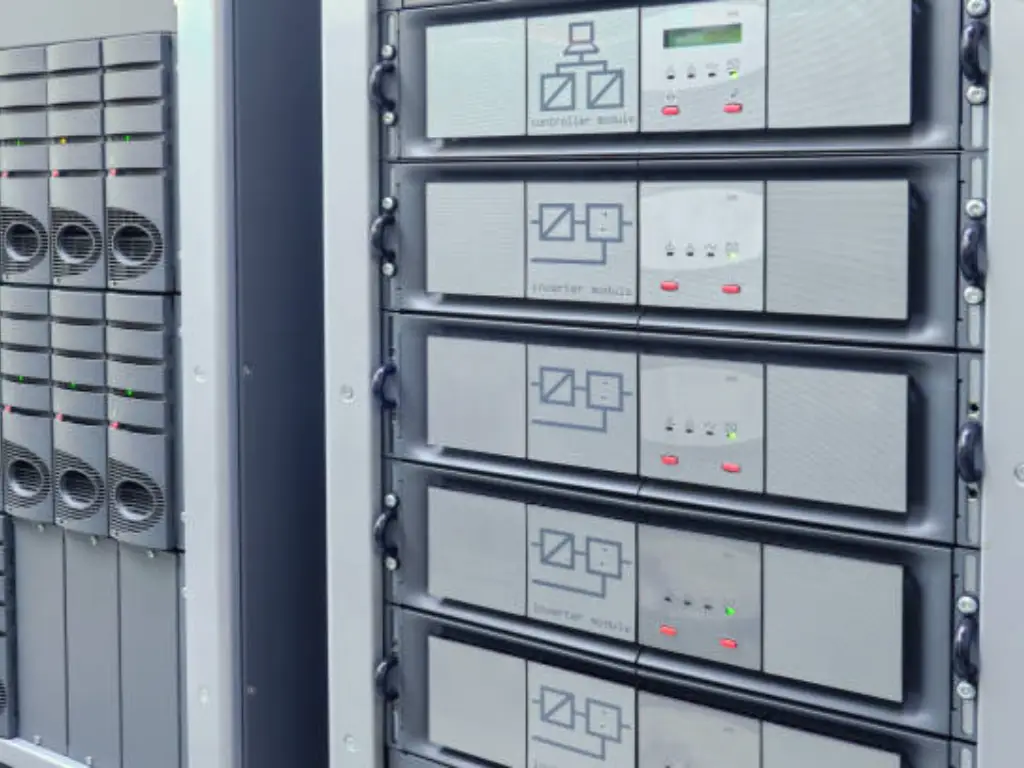
Even the highest-end power systems require scientific maintenance. Below are several of the most common types of failures at industrial sites and their countermeasures:
- Electrolytic Capacitor Drying Out:
- The electrolytic capacitor is the component most prone to aging within the power supply; its lifespan halves for every 10°C increase in temperature.
- Strategy: Ensure the control cabinet is well-ventilated and use a thermal imager to regularly check the surface temperature of the power supply.
- Loose Terminals:
- Long-term vibration can cause the contact resistance of terminal blocks to increase, leading to heating or even fire.
- Strategy: During regular inspections, use a torque wrench to check all input and output wiring.
- Overvoltage Surges:
- Frequent starting and stopping of large inductive loads (such as large motors) in the factory will produce extremely high back-EMF.
- Strategy: Install an OMCH surge protector at the input end of the power supply to serve as the “frontline defense” for the power supply’s internal protection circuits.
Future Trends in Smart Power Supply Technology
With Industry 4.0 and digital transformation, industrial power supplies are evolving from “dumb devices” into “smart nodes.”
- Digital Monitoring:
- Through IO-Link or Modbus communication protocols, the power supply can transmit real-time load current, remaining life warnings, and operation time records to the host computer. This makes “predictive maintenance” possible—the system can remind you to replace the power supply before it fails.
- Higher Power Density:
- With the application of third-generation semiconductors such as Gallium Nitride (GaN), future industrial power supplies will become lighter, smaller, and more efficient, thereby saving extremely valuable installation space in control cabinets.
- Modular Redundancy:
- Hot-swappable modular redundancy systems and backup power will become standard. To prevent data loss in data centers, ups systems (or uninterruptible power supplies) will ensure that when one module fails, the system automatically switches without shutting down, achieving true zero-downtime operation.
Ensuring Long-term Operational Reliability for Your Facility
In summary, an excellent industrial power supply system is not just a box with compliant parameters; it is a concrete manifestation of reliability engineering.
When performing factory planning or equipment upgrades, please be sure to focus on:
- Brand History and Technical Accumulation: Brands that have been in the industry over decades have their products tried in hundreds of thousands of application situations in the world industries.
- Rapid Response of the Supply Chain: Does the supplier have a worldwide distribution system and 24/7 technical support in case of an abrupt breakdown?
- Total Cost of Ownership (TCO): Do not just consider the purchase price. The real standards of measuring a power system are the energy-saving advantages of high efficiency, the maintenance reduction of long life, and the indirect value of not being down.
By choosing power solutions that are internationally standardized, have high environmental life, and have a strong hardware ecosystem, you are developing a self-destructing underlying logic to your automated factory.
Conclusion: Powering the Future of Industrial Intelligence
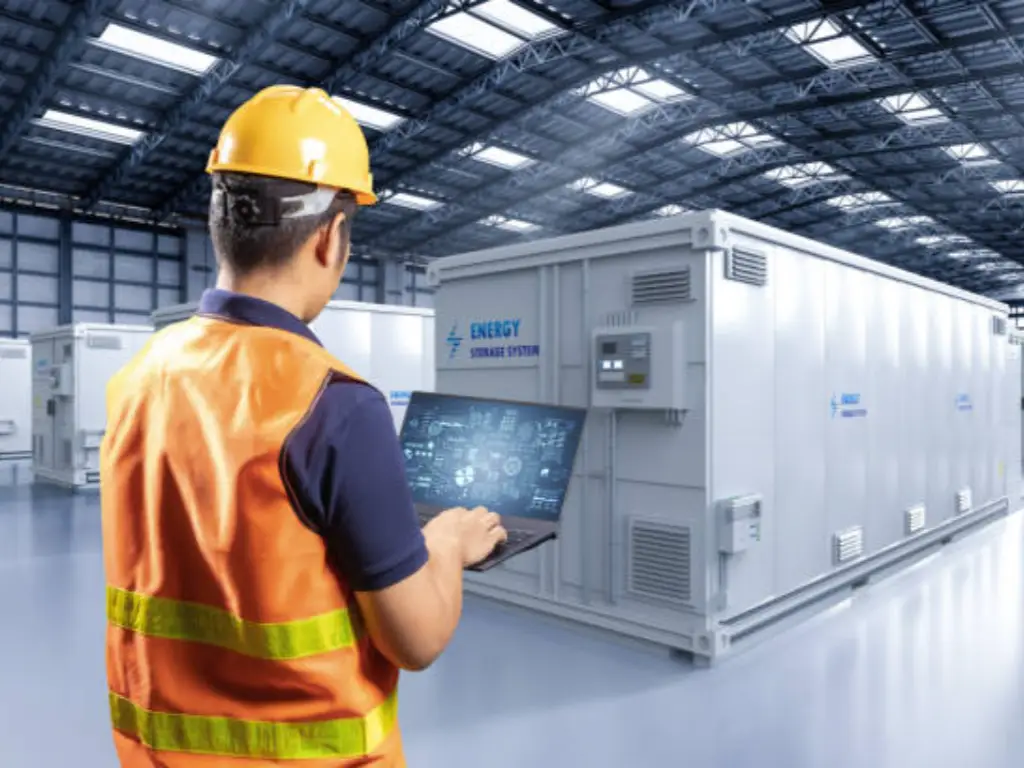
The invisibility of Industry 4.0 is the reliability of an industrial power supply system. As we have discussed, to guarantee long-term operational uptime, it is not sufficient to simply select a unit with the correct voltage, but a strategic view of the whole power chain, between the primary distribution at the factory grid and the terminal distribution at the sensor level.
Facilities can successfully address the risks of data loss and catastrophic downtime by focusing on such features as increased efficiency, strong circuit protection, and redundant architectures. In a world where accuracy and timing are not negotiable, choosing a power solution that meets the international industry standards is not only a technical decision, but a promise to the future-proofing of your whole production ecosystem.
Quick Selection Checklist: Choosing Your Ideal Industrial Power Supply
This checklist will help you make sure that your power architecture is up to the requirements of the modern industrial environment before finalizing your procurement or system design.
- Electrical Requirements & Stability
- [ ] Voltage Regulation: Does the unit provide a stable regulated output voltage (e.g., 24V DC) despite ±10% grid fluctuations?
- [ ] Efficiency Rating: Is the conversion efficiency above 90% to minimize heat generation and energy costs?
- [ ] Input Range: Can the system handle a wide AC input (85V–264V) to survive massive brownouts?
- [ ] PFC Support: Does it feature Active Power Factor Correction to meet industry standards for power quality?
- Environmental & Physical Resilience
- [ ] Mounting Type: Is it compatible with standard DIN rail mounting for secure, vibration-resistant installation?
- [ ] Temperature Derating: Is the unit rated for stable operation between -25°C and +70°C without significant power loss?
- [ ] Form Factor: Is the small size adequate to provide enough airflow and room to fit other necessary items in the cabinet?
- [ ] Ingress Protection: If used in food or chemical processing, does it require an IP67 rating or a fanless cooling design?
- Protection & Reliability Logic
- [ ] Circuit Protection: Circuit Protection: Does it have inbuilt short circuit protection and overvoltage surge protection?
- [ ] Redundancy: For critical infrastructure, is the system compatible with redundant power supplies (1+1 or N+1)?
- [ ] Backup Power: Does it have an inbuilt UPS or backup power plan to avoid loss of data?
- [ ] Recovery Mode: Does the unit support “Hiccup Mode” for automatic recovery after a fault disappears?
- Compliance & System Compatibility
- [ ] Global Standards: Does the product carry CE, UL 508, and RoHS certifications for international compliance?
- [ ] Industry Specifics: Does it meet specialized norms like IEC 60601 (Medical Equipment) or EN 50155 (Railway)?
- [ ] Unified Compatibility: Have the sensors and controllers been verified for electromagnetic compatibility with the selected power architecture to minimize signal noise?




 English
  Arabic
  Turkish
  Russian
  Spanish
  French
  Indonesian
  Portuguese
  Thai
Thai  Vietnamese